For a personalized session and free consult, Call me: +1 334-300-0389.
Find out how ARPWave Therapy can enhance your performace as an athlete and how you can achieve drug-free pain relief.
- Electrotherapy overview
- Types of electrotherapy modalities
- Mechanisms of action
- Pain modulation pathways
- Clinical applications and effectiveness
- Safety and considerations
Electrotherapy is a therapeutic technique widely utilized in pain management and rehabilitation, leveraging electrical energy to promote healing and alleviate discomfort. Understanding its mechanisms can empower individuals undergoing treatment, whether they are athletes, corporate executives seeking relief from stress, or pregnant women looking for safe options for pain reduction.
When considering this form of therapy, it’s essential to recognize the different types of modalities available. Common modalities include Transcutaneous Electrical Nerve Stimulation (TENS), Electrical Muscle Stimulation (EMS), and Interferential Current (IFC). Each modality interacts with the body uniquely, often incorporating adjustable parameters that can be tailored to the specific needs of the individual.
For those seeking pain relief, the effectiveness of electrotherapy often hinges on proper application and technique. Here are some practical tips to optimize your experience:
- Consult a Professional: Always consult with a licensed therapist or healthcare professional before beginning electrotherapy to ensure it fits your health needs and conditions.
- Follow Instructions: Adhere strictly to the device’s usage guidelines, including session duration and intensity settings to avoid discomfort or injury.
- Maintain Equipment: Ensure that the electrotherapy devices are well-maintained, with electrodes replaced as recommended, to maximize effectiveness and avoid skin irritation.
- Track Progress: Keep a journal to note your pain levels and any changes observed after treatments, as this can provide valuable information to your therapist.
- Incorporate Other Treatments: Consider combining electrotherapy with other pain management strategies, such as massage therapy or physical therapy, for a comprehensive approach to healing.
Also, be mindful of safety considerations. Avoid use in areas with impaired sensation or over the heart and other sensitive regions unless directed by a healthcare professional. If any adverse reactions occur, such as excessive pain or skin irritation, discontinue use immediately and consult a healthcare provider.
Ultimately, integrating electrotherapy into your pain management routine can be beneficial, provided it is done thoughtfully and with appropriate guidance. By leveraging its help with pain while being informed about its mechanisms and best practices, individuals can enhance their overall experience and outcomes.
Types of electrotherapy modalities
Electrotherapy modalities can be categorized into distinct types, each offering unique methods to harness electrical energy for therapeutic interventions. The most prevalent modalities include Transcutaneous Electrical Nerve Stimulation (TENS), Electrical Muscle Stimulation (EMS), Interferential Current (IFC), and others like neuromuscular electrical stimulation (NMES) and pulsed electromagnetic field therapy (PEMF). Understanding these modalities is vital for determining which might help effectively alleviate pain for individual patients.
TENS is designed primarily for pain relief. It works by delivering low-voltage electrical signals through the skin via electrodes, stimulating sensory nerves. The mechanism of TENS involves the interruption of pain signals traveling to the brain, effectively “masking” pain sensations and promoting the release of endorphins, the body’s natural painkillers.
EMS, on the other hand, focuses on muscle stimulation. It sends electrical impulses to trigger muscle contractions. EMS can be particularly beneficial in rehabilitation settings, helping to prevent muscle atrophy in patients who cannot engage in active exercise. The goal is to strengthen muscles and improve blood circulation, indirectly aiding pain management through enhanced recovery.
Interferential Current (IFC) therapy utilizes two medium-frequency alternating currents that intersect within the tissue. This modality penetrates deeper into the skin, targeting pain relief more effectively than traditional TENS. By modulating the electrical currents, IFC may help stabilize cell membranes, altering nerve function to provide significant analgesic effects. Clinically, it’s often used for chronic pain conditions like arthritis or back pain.
| Modality | Primary Purpose | Mechanism of Action | Typical Applications |
|---|---|---|---|
| TENS | Pain relief | Stimulates sensory nerves to block pain signals | Acute and chronic pain management |
| EMS | Muscle stimulation | Triggers muscle contractions to strengthen and prevent atrophy | Rehabilitation and recovery |
| IFC | Pain relief | Uses two intersecting currents for deeper tissue penetration | Chronic pain conditions |
| NMES | Muscle rehabilitation | Stimulates motor nerves to contract specific muscles | Post-surgery recovery and strengthening |
| PEMF | Tissue healing | Enhances cellular function through electromagnetic fields | Bone healing and inflammation reduction |
Ultimately, the choice of electrotherapy modality should be informed by the individual’s specific pain management needs, preferences, and the underlying health conditions. Understanding the unique mechanisms each modality employs can empower patients and practitioners alike to make informed decisions that enhance recovery and improve quality of life. Each type carries distinct advantages, and selecting the appropriate one can significantly impact treatment outcomes.
Mechanisms of action

The fundamental principle behind the therapeutic effects of electrotherapy lies in its ability to modulate various physiological processes in the body. By utilizing electrical signals, electrotherapy can potentially engage mechanisms that help alleviate pain, promote healing, and enhance overall well-being.
One prominent mechanism is the activation of the body’s sensory nerves. When electrical impulses are delivered through modalities such as TENS, they stimulate the sensory fibers that inhibit pain transmission. This process acts as a gate control mechanism, effectively “blocking” pain signals from reaching the central nervous system and reducing the perception of pain. The release of endorphins during this interaction further amplifies the body’s natural defense against pain by acting as inherent analgesics.
Additionally, electrotherapy promotes increased blood flow to the affected areas. Increased circulation not only helps deliver essential nutrients and oxygen but also facilitates the removal of metabolic waste products, accelerating the healing process. This enhanced blood flow is particularly beneficial for athletes recovering from injuries or corporate executives experiencing tension-related discomfort due to prolonged desk work. Conducting treatments in conjunction with stretching exercises can further support muscle recovery and flexibility, enhancing the overall therapeutic experience.
Another critical mechanism involves the stimulation of muscles through Electrical Muscle Stimulation (EMS). By inducing muscle contractions, EMS can foster muscle strengthening, combat atrophy, and improve neuromuscular function. This can be especially advantageous for individuals who are unable to participate in traditional physical activities, providing an effective alternative to maintain muscle health.
Moreover, specific electrotherapy modalities employ alternating currents that have been shown to influence tissue regeneration. These modalities, such as Interferential Current (IFC) therapy and Pulsed Electromagnetic Field (PEMF) therapy, may enhance cellular repair and improve inflammatory responses. These mechanisms help modulate pain and support recovery in conditions like arthritis or post-surgical rehabilitation.
It is vital for individuals seeking pain relief to understand how these mechanisms interact and contribute to their treatment. Here are some practical steps to ensure you effectively integrate electrotherapy into your pain management regimen:
- Choose the Right Modality: Research different electrotherapy modalities and consult with a professional to choose the one that aligns with your specific pain management needs.
- Be Consistent: Regular treatment sessions can maximize the beneficial effects of electrotherapy. Adhere to the recommended schedule provided by your therapist.
- Incorporate Breathing Techniques: During treatment, use deep breathing exercises to enhance relaxation, helping to optimize the therapeutic effects of the electrical stimulation.
- Combine with Other Therapies: Integrating massage therapy or physical therapy alongside electrotherapy can facilitate better outcomes through synergistic effects on pain relief and healing.
Understanding these important mechanisms allows individuals to take a proactive approach in their treatment strategy, cultivating an informed path toward effective pain management and rehabilitation.
Pain modulation pathways
Electrical signals from electrotherapy modalities interact with various pathways in the nervous system, playing a critical role in pain modulation. One of the primary pathways is the descending pain control system, which originates in the brain and projects down to the spinal cord. This system can inhibit or facilitate pain transmission based on the body’s needs. Electrotherapy can stimulate this pathway, enhancing the body’s natural pain-relieving mechanisms.
The gate control theory of pain also supports understanding how electrotherapy impacts pain modulation. According to this theory, non-painful input (such as electrical stimulation) can close the “gates” to painful input, thus preventing pain signals from reaching the brain. By stimulating sensory nerves via modalities like TENS, electrotherapy effectively interferes with pain transmission at the spinal cord level, providing immediate relief.
Furthermore, electrotherapy has been shown to influence the release of neurotransmitters, such as serotonin and norepinephrine, which can contribute to the modulation of pain perception. Increased levels of these neurotransmitters can decrease pain sensations and enhance a sense of well-being. By applying electrical currents that trigger nerve endings, electrotherapy helps set off this cascade of biochemical events that ultimately aids in pain relief.
“Pain is not just a mere sensation; it is a complex interplay of biological, psychological, and social factors that electrotherapy can effectively address.”
Another noteworthy aspect of electrotherapy is its potential to enhance endogenous opioid release in the body. Endorphins, the natural pain-relieving chemicals produced by the body, can be stimulated through electrical impulses. Their release not only reduces pain but also promotes a sense of euphoria, making the treatment more appealing and effective.
Muscle relaxation is another mechanism through which electrotherapy provides pain relief. Electrical stimulation encourages muscles to contract and relax, helping to alleviate muscle spasms and tension. This mechanical effect can help promote blood flow to the area, which is essential for healing and recovery. Reducing muscle tightness can dramatically impact those who experience pain due to muscular causes, such as tension headaches or lower back pain.
In summary, electrotherapy engages multiple pain modulation pathways, including the descending pain control system, gate control mechanisms, neurotransmitter release, and endogenous opioid stimulation. The combined effects of these mechanisms create a multi-faceted approach to pain relief, making electrotherapy an invaluable tool in modern pain management practices. By understanding how these pathways work, individuals can better appreciate the potential benefits of integrating electrotherapy into their pain management strategies.
Clinical applications and effectiveness
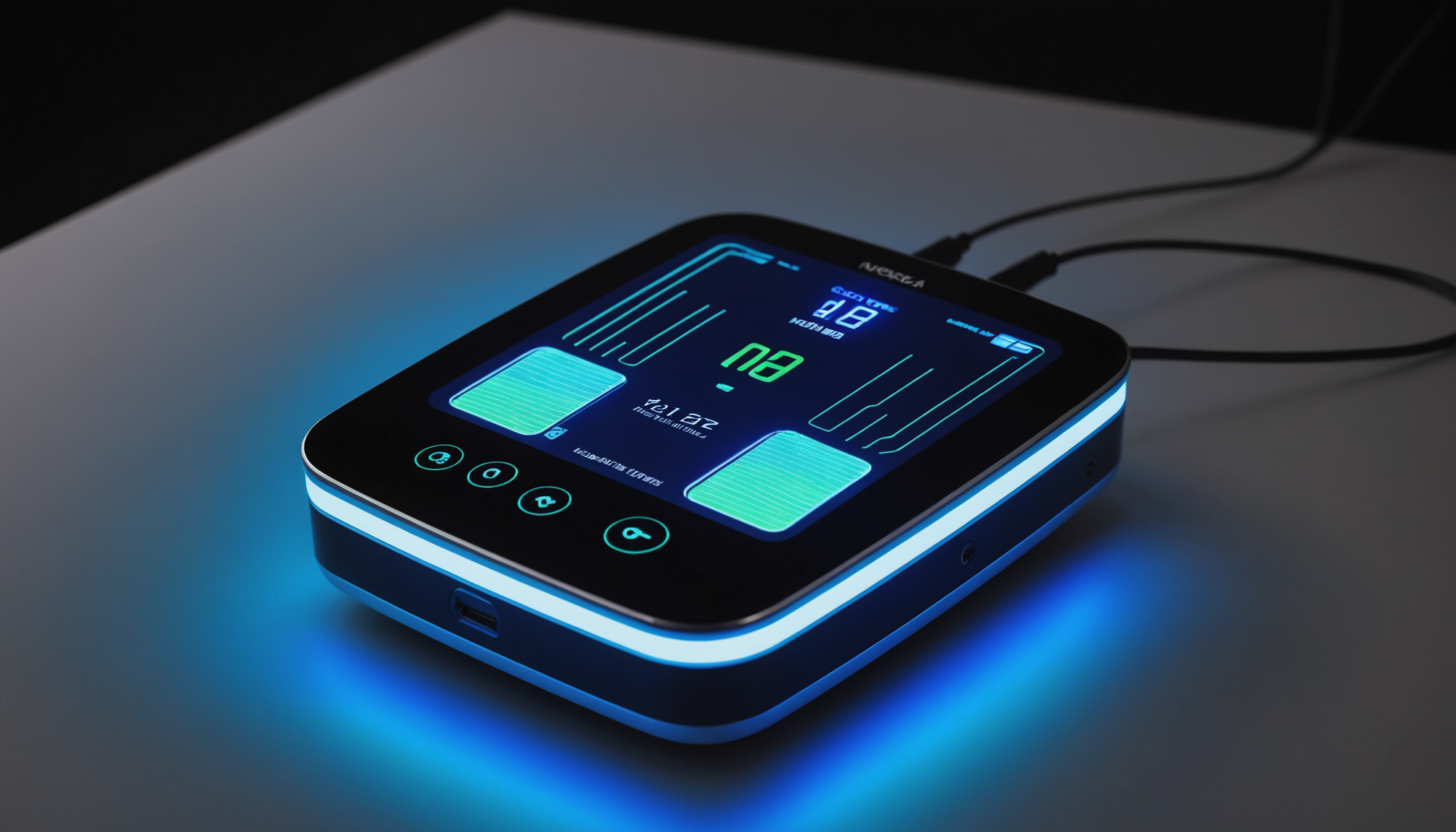 Electrotherapy has shown promise across a broad spectrum of clinical applications, highlighting its versatility as a pain management strategy. From acute injuries to chronic pain syndromes, electrotherapy techniques can be tailored to target specific conditions, providing therapeutic relief and enhancing recovery. Its effectiveness has been documented in numerous studies, supporting its role in clinical practice.
For acute pain conditions, modalities like Transcutaneous Electrical Nerve Stimulation (TENS) can effectively interrupt pain signals and provide quick relief. This application has been particularly beneficial for post-surgical patients or those recovering from sports injuries, where immediate pain management is critical. Studies have demonstrated that patients using TENS report lower pain levels and improved mobility compared to those who do not use this modality.
In the realm of chronic pain management, electrotherapy has proven to be a valuable ally. Conditions such as arthritis, fibromyalgia, and neuropathic pain have shown positive responses to modalities like Interferential Current (IFC) therapy. The ability of IFC to penetrate deeper tissues can assist in reducing long-standing pain and inflammation, facilitating a better quality of life for patients. Additionally, electrotherapy’s capacity to promote endogenous opioid release contributes to its effectiveness in chronic pain relief, changing the threshold of pain perception and helping individuals manage their discomfort more effectively.
Electrotherapy can also play a crucial role in physical rehabilitation. For patients recovering from surgeries or injuries, devices that stimulate muscle contractions, such as Electrical Muscle Stimulation (EMS), can maintain muscle tone and prevent atrophy. This becomes vital when traditional movement is restricted, as electrotherapy can aid in maintaining neuromuscular function. The integration of electrotherapy with physical therapy practices enhances rehabilitation outcomes by combining electrical stimulation with active therapeutic exercises.
Research continues to explore additional applications of electrotherapy in diverse fields, including sports medicine, where it aids recovery from high-intensity workouts, as well as in chronic conditions like migraines and tension headaches. The adaptability of electrotherapy modalities allows practitioners to create individualized treatment plans based on patient needs, further emphasizing its utility in clinical settings.
By delving into the nuances of electrotherapy’s applications, patients and practitioners alike can unlock new avenues for pain management and recovery, inspiring a deeper inquiry into how electrical stimulation can be harnessed to support healing processes in various contexts.
- What is electrotherapy?
- Electrotherapy is a therapeutic technique that uses electrical energy to alleviate pain, promote healing, and stimulate muscle function. It employs various modalities, such as TENS and EMS, tailored to specific healthcare needs.
- How does TENS work?
- Transcutaneous Electrical Nerve Stimulation (TENS) delivers low-voltage electrical impulses through the skin, stimulating sensory nerves to block pain signals and promote the release of endorphins, the body’s natural pain relievers.
- Can electrotherapy help with chronic pain?
- Yes, electrotherapy modalities like Interferential Current (IFC) have been shown to effectively manage chronic pain by reducing inflammation and modifying pain perception through various physiological mechanisms.
- Is electrotherapy safe for everyone?
- While generally considered safe, certain individuals—such as those with pacemakers, pregnant women, or individuals with impaired sensation—should consult a healthcare professional before undergoing electrotherapy to avoid potential complications.
- How often should I use electrotherapy?
- The frequency of electrotherapy sessions varies depending on individual needs and the specific condition being treated. It’s best to follow the guidelines provided by a healthcare professional for optimal results.
- Does electrotherapy have any side effects?
- Electrotherapy is typically well-tolerated; however, some individuals may experience mild skin irritation at electrode sites or temporary muscle soreness. Any adverse reactions should be discussed with a healthcare provider.
- Can I combine electrotherapy with other treatments?
- Absolutely! Electrotherapy can be effectively combined with other pain management techniques, such as physical therapy and massage, to enhance overall treatment outcomes and facilitate recovery.
Safety and considerations
When integrating electrotherapy into your pain management regimen, it is crucial to prioritize safety and consider various factors that can influence the efficacy of treatment. Ensuring an understanding of these safety measures helps individuals make informed choices and maximize the benefits while minimizing any potential risks associated with electrotherapy.
First and foremost, it is essential to consult with a qualified healthcare professional, particularly for individuals with pre-existing health conditions or those who are pregnant. Certain modalities may not be suitable for everyone, especially individuals with conditions such as heart problems, epilepsy, or those who have implanted medical devices like pacemakers. Always provide your practitioner with a full medical history to receive personalized recommendations.
Adhering to Device Guidelines: Each electrotherapy device has specific guidelines for use, including session duration and suggested treatment frequency. Following these instructions is critical for achieving optimal results. Overuse or improper application can lead to discomfort or adverse reactions, such as skin irritation or unwanted muscle soreness.
Comfort and Skin Care: When using electrotherapy, it’s vital to maintain skin integrity. Ensure that the skin is clean and dry before applying electrodes, and regularly check electrode placement to avoid irritation. Look out for signs of skin reaction, such as redness or itching, as these may indicate irritation from the electrodes or electrical currents.
Avoid Sensitive Areas: Electrotherapy devices should not be applied over areas with impaired sensation, open wounds, or directly over the heart without professional guidance. Assess your treatment area carefully to prevent any unintended adverse effects.
Monitor Your Response: Keeping track of your body’s response during electrotherapy sessions is essential. Maintain a journal documenting your pain levels, treatment parameters, and any side effects experienced. This information can be invaluable for your healthcare provider in tailoring your treatment plan more effectively.
Integrate Holistic Practices: Combining electrotherapy with complementary practices can enhance its effectiveness. Consider incorporating relaxation techniques such as deep breathing, meditation, or guided imagery during sessions. This holistic approach can not only foster relaxation but also promote a better overall experience.
Finally, stay informed about the latest research and developments regarding electrotherapy modalities. Advancements can offer newer insights and techniques that may further enhance safety and efficacy in pain management strategies. Engaging with reputable organizations or communities may help you identify the latest evidence-based practices that resonate with your needs.
By prioritizing safety and being mindful of these considerations, individuals can take full advantage of electrotherapy as a targeted approach to alleviate pain while minimizing risks associated with its use.
For a personalized session and free consult, Call me: +1 334-300-0389.
Find out how ARPWave Therapy can enhance your performace as an athlete and how you can achieve drug-free pain relief.