


Innovative techniques in electrotherapy for pain
Innovative techniques in electrotherapy for pain

For a personalized session and free consult, Call me: +1 334-300-0389.
Find out how ARPWave Therapy can enhance your performace as an athlete and how you can achieve drug-free pain relief.
- Innovative Approaches to Electrotherapy
- Applications of Electrotherapy in Pain Management
- Types of Electrotherapy Techniques
- Mechanisms of Action in Pain Relief
- Recent Advances and Technologies
- Future Directions in Electrotherapy Research
In the evolving field of pain management, innovative techniques in electrotherapy have garnered significant attention for their potential to alleviate pain effectively. These techniques leverage electrical stimulation to engage biological processes, offering new avenues for relief without the reliance on pharmaceuticals. Consumers seeking pain relief should be aware of various methods and approaches that can enhance their experience.
One of the most notable advancements is the integration of transcutaneous electrical nerve stimulation (TENS) with mobile applications. This technology allows users to control their pain therapy sessions remotely, adjusting frequency and intensity based on real-time feedback. For individuals, especially athletes, who suffer from muscle soreness or injury, having the flexibility to customize their treatment can improve recovery times significantly.
Another innovative method is the combination of electrotherapy with traditional massage techniques. Employing electrotherapy devices during a massage session can enhance the effects of manual therapy, tackling deeper muscle tissues while promoting relaxation. This synergy is especially beneficial for corporate executives who frequently experience tension in the neck and shoulder areas due to prolonged sitting.
When considering electrotherapy options, it’s essential for consumers to:
- Consult with a qualified healthcare professional to ensure the selected method suits their specific conditions.
- Research brands and devices thoroughly before purchasing, focusing on those with proven efficacy and good user reviews.
- Utilize devices in conjunction with other therapies, such as physical therapy or regular massage, for a comprehensive pain management strategy.
- Stay informed on the latest advancements in electrotherapy technology, such as programmable electrotherapy units, which may offer more precise pain control.
Moreover, prospective users should be mindful of any possible contraindications, particularly for those who may have implanted medical devices, such as pacemakers. Safety and efficacy should always be prioritized when introducing new therapeutic modalities into one’s routine.
Incorporating these innovative techniques not only supports existing treatments but also empowers individuals to take an active role in their pain management journey, leading to improved overall well-being.
Applications of Electrotherapy in Pain Management
Electrotherapy has become a pivotal method in pain management, providing a wide array of applications that cater to various types of pain conditions. This technique utilizes electrical currents to stimulate nerves and muscles, promoting healing and easing discomfort without the use of medications. One of the most significant benefits of electrotherapy is its versatility; it can be used to address both acute and chronic pain across multiple body regions.
Physiotherapists and healthcare professionals often incorporate electrotherapy into their treatment plans for conditions such as arthritis, fibromyalgia, neuropathic pain, and post-surgical rehabilitation. The clinical applications of this therapeutic technique are multifaceted, and they can be tailored to individual needs.
| Condition | Electrotherapy Application | Evidence of Effectiveness |
|---|---|---|
| Osteoarthritis | Transcutaneous Electrical Nerve Stimulation (TENS) | Studies show reduced pain levels and improved function. |
| Chronic Back Pain | Interferential Current Therapy (IFT) | Research indicates lower pain intensity and enhanced mobility. |
| Post-operative Pain | Neuromuscular Electrical Stimulation (NMES) | Patients experience a decrease in pain and an increase in rehabilitation rate. |
| Neuropathic Pain | Pulse Therapy | Significant reduction in pain measures reported. |
The role of electrotherapy in managing pain extends beyond symptom relief. For instance, electrotherapy can facilitate muscle re-education, improve circulation, and promote tissue repair, making it an invaluable tool in rehabilitation settings. When electrical currents stimulate nerve pathways, they may disrupt the pain signals traveling to the brain, thereby providing immediate relief. Additionally, electrotherapy may encourage the release of endorphins, the body’s natural painkillers, contributing to an improved sense of well-being.
The adaptability of electrotherapy devices allows users to engage in self-management of their condition. Individuals can access portable units designed for at-home use, which can provide convenience and cost-effectiveness. TENS units, for instance, allow patients the freedom to manage pain during daily activities, reducing the need for continuous clinical visits.
Electrotherapy techniques also lend themselves well to a multi-modal approach in pain management. By integrating electrotherapy with other treatments, such as cognitive-behavioral therapy or physical rehabilitation exercises, the overall efficacy of pain management can be enhanced. This comprehensive strategy often leads to better patient satisfaction and improved outcomes.
Furthermore, the ongoing evolution of electrotherapy technologies promises exciting future possibilities. Developments in wearable devices that utilize electrotherapy are being explored for continuous pain management, allowing for seamless integration into users’ daily lives. Such advancements could revolutionize how pain is managed, pushing the boundaries of traditional therapy.
In summary, electrotherapy serves as a vital component in the interdisciplinary approach to pain management, allowing for personalized treatment plans and empowering users to actively participate in their recovery. The various applications and innovative techniques associated with electrotherapy open new avenues for pain relief, making it a cornerstone in modern therapeutic practices.
Types of Electrotherapy Techniques
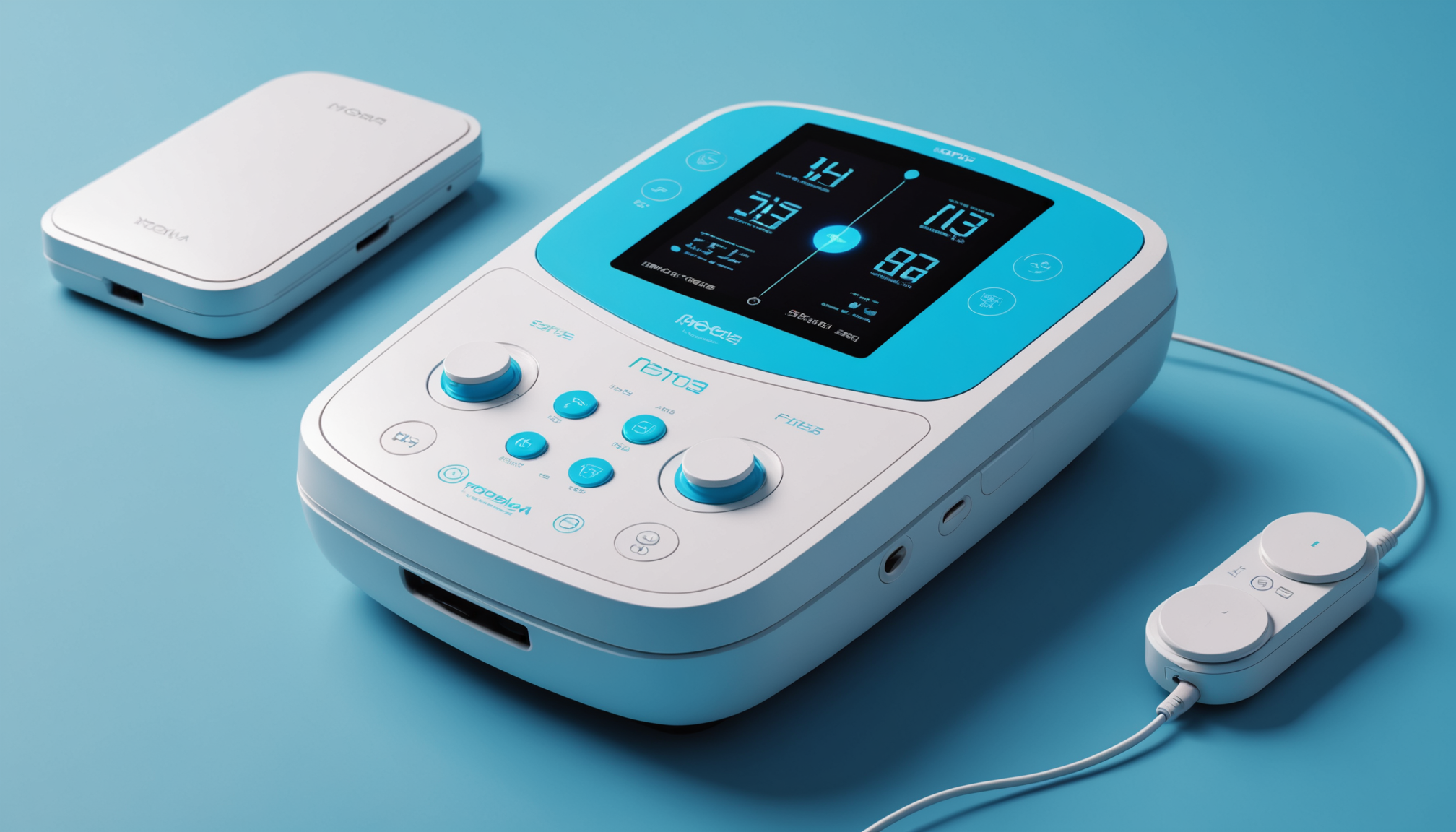
Understanding the various types of electrotherapy techniques is critical for consumers seeking effective pain relief. These methods utilize electrical currents to stimulate nerves and muscles, thus promoting healing while alleviating discomfort. Here are some of the most common techniques used in the field:
- Transcutaneous Electrical Nerve Stimulation (TENS): This technique involves placing electrodes on the skin to deliver low-voltage electrical currents. TENS can be particularly useful for managing acute pain, muscle soreness, and postoperative discomfort. It is well-suited for individuals, such as athletes and corporate professionals, looking to reduce pain during daily activities.
- Interferential Current Therapy (IFT): IFT uses two medium-frequency electrical currents that intersect at the site of pain. This technique penetrates deeper tissues and is beneficial for chronic pain conditions, like arthritis and lower back pain. It’s often deployed in physiotherapy clinics, but portable devices are available for home use as well.
- Neuromuscular Electrical Stimulation (NMES): This technique stimulates muscle contractions through electrical impulses. NMES can aid in muscle re-education post-injury or surgery, effectively enhancing recovery times. Athletes frequently utilize NMES devices for rehabilitation, helping to build strength and promote healing simultaneously.
- Pulsed Electromagnetic Field Therapy (PEMF): PEMF employs electromagnetic fields to promote cellular health and healing. It is useful for reducing inflammation and accelerating recovery in both acute and chronic conditions. This technique is gaining traction among athletes recovering from injuries and among individuals experiencing persistent pain.
- Bioelectrical Impedance Analysis (BIA): Though more commonly used for body composition analysis, BIA can also measure the effectiveness of electrotherapy by assessing changes in muscle tone and fat distribution during treatment. It helps in monitoring progress and tailoring therapies for optimal pain relief.
Consumers looking to engage in these innovative techniques should take the following recommendations into account:
- Consultation: Always consult with a healthcare professional before starting any electrotherapy treatment to ensure it aligns with your health conditions and pain management goals.
- Education: Educate yourself on the specific types of devices available on the market. Look for reputable brands and user testimonials to gauge efficacy.
- Environment: Create a comfortable treatment setting at home. If using TENS or NMES devices, ensure the area is free from distractions to maximize the effectiveness of your session.
- Consistency: Regular use of electrotherapy devices can enhance their effectiveness. Set a schedule that includes short daily sessions to maintain consistent pain relief.
- Integration: Consider integrating electrotherapy into your broader pain management strategy, combining it with physical therapy, regular exercise, and proper nutrition to support overall health.
Utilizing these electrotherapy techniques can significantly enhance pain management efforts. By understanding and implementing the right methods, consumers can empower themselves in their journey toward pain relief and improved quality of life.
Mechanisms of Action in Pain Relief
The effectiveness of electrotherapy in pain relief is rooted in several physiological mechanisms that mediate its therapeutic effects. When electrical currents are applied to the body, they interact with nerve fibers that transmit pain signals, thereby altering the perception of pain. One primary mechanism involves the activation of A-beta fibers, which are larger, myelinated nerve fibers that can inhibit pain signals transmitted by smaller, unmyelinated C fibers. This phenomenon, known as the “gate control theory,” posits that simultaneous stimulation of A-beta fibers can effectively “close the gate” to pain signals reaching the brain, resulting in reduced pain perception.
In addition to the gate control mechanism, electrotherapy is known to stimulate the release of endogenous opioids such as endorphins and enkephalins. These neurotransmitters bind to opioid receptors in the brain and spinal cord, producing analgesic effects that enhance the body’s natural pain-relieving capabilities. The release of these compounds can be crucial in managing various pain conditions, effectively reducing both acute and chronic discomfort.
Another essential physiological response is the modulation of inflammation, which is a key contributing factor in many types of pain. Electrotherapy techniques can increase blood flow to affected tissues, promoting nutrient delivery and waste removal, which may expedite recovery and reduce inflammation. Furthermore, electrical stimulation has been shown to support cellular regeneration and repair processes, making it beneficial not only for pain relief but also for healing damaged tissues.
“Pain is a complex experience that reflects both physiological and psychological processes.” – David A. Lane
Moreover, the psychological aspect of pain cannot be overlooked. The application of electrotherapy can positively influence a patient’s mental state through distraction and the subjective relief it provides. When patients experience a reduction in pain, they are more likely to engage in physical activity and other rehabilitation efforts, promoting overall well-being and recovery.
The versatility of electrotherapy allows it to be tailored to meet individual patient needs, enhancing its effectiveness. For example, adjusting the frequency and intensity of electrical stimulation can target specific pain types, such as intermittent pain associated with movements or constant pain due to conditions like fibromyalgia. This adaptability makes electrotherapy a favored choice among healthcare providers, as it can complement traditional pain management strategies.
Overall, the mechanisms of action in electrotherapy underscore its role as an innovative technique in pain management. By understanding how these mechanisms work, healthcare providers and patients alike can leverage electrotherapy to create effective, individualized pain management plans that harness the body’s innate ability to heal and alleviate suffering.
Recent Advances and Technologies
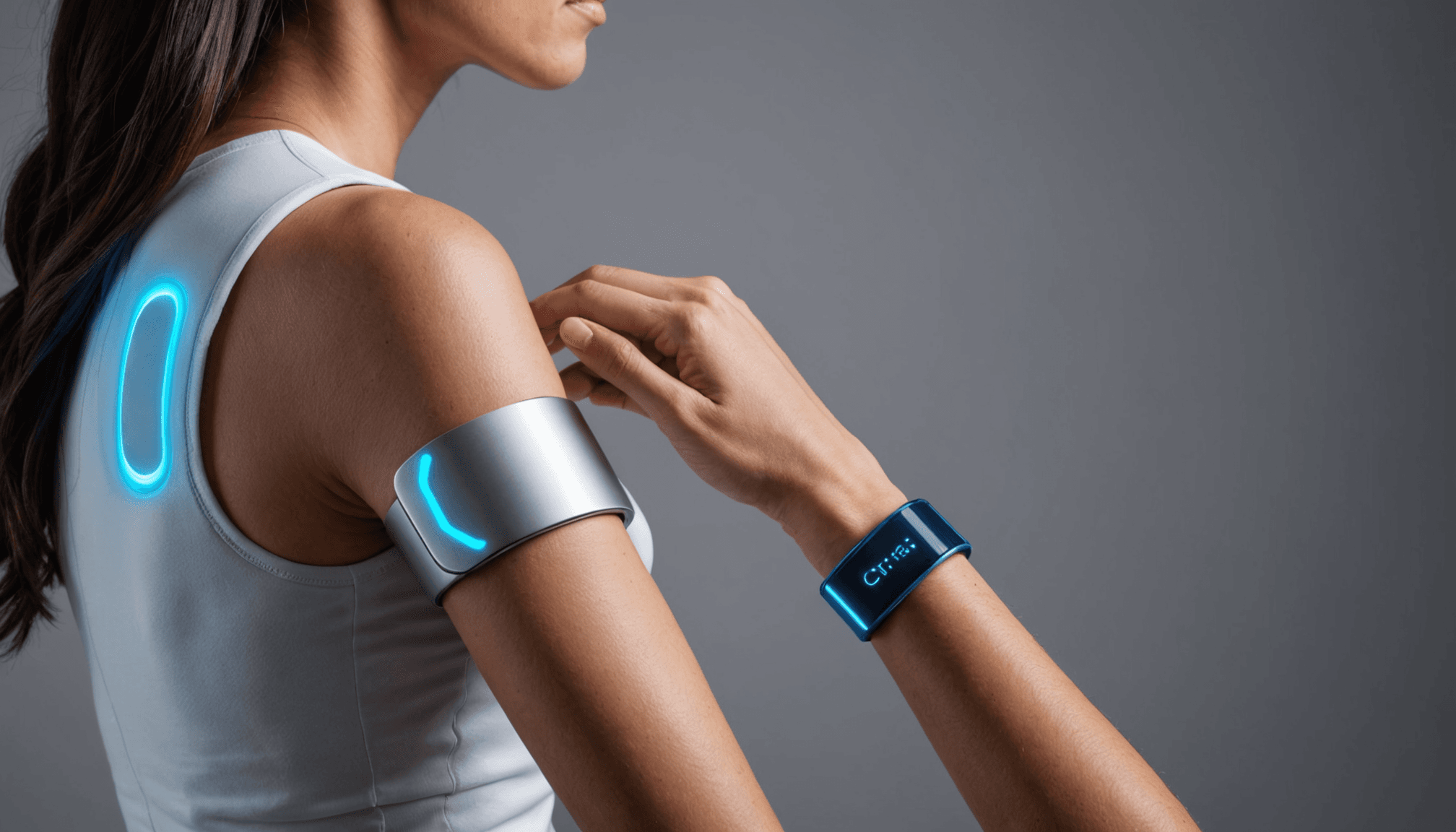 The incorporation of the latest technologies in electrotherapy has led to breakthroughs that are transforming pain management practices. Wearable devices that utilize electrotherapy, for example, are being developed to offer continuous pain relief without the inconvenience of bulky equipment. These sleek, portable designs not only ensure ease of use but also provide users with real-time monitoring and adjustments based on their pain levels. Such innovations empower individuals to take control of their treatment, integrating pain relief seamlessly into their routines.
Further advancements in electrotherapy technologies include the enhancement of existing methods through the use of artificial intelligence and smart algorithms. Devices now have the capability to learn an individual’s pain patterns, adjusting therapy settings autonomously to maximize comfort and effectiveness. This personalized approach heralds a new chapter in electrotherapy, moving away from a one-size-fits-all model to a more tailored experience.
The field is also exploring neurostimulation techniques that focus on specific nerve pathways to disrupt pain signals more effectively. Recent studies have shown positive outcomes in the use of subcutaneous microelectrode arrays, which can directly stimulate deeper nerves while minimizing discomfort and enhancing localized effect. This method holds great promise for those suffering from neuropathic pain, a condition notoriously challenging to manage with traditional therapies.
Another fascinating area of research involves the combination of electrotherapy with other modalities, such as light therapy or cryotherapy. These integrative techniques aim to amplify therapeutic effects, potentially leading to quicker recovery times and enhanced pain relief. This multidisciplinary approach could revolutionize rehabilitation protocols, particularly for athletes and patients recovering from surgeries.
As the landscape of electrotherapy continues to evolve, notable advances in software development provide practitioners and patients with more in-depth data analytics regarding treatment efficacy. Analytics can identify trends and correlations in pain relief and functional outcomes, thus guiding future treatments. Such data-driven strategies can inform clinical decisions and improve overall care models in physical therapy and pain management clinics.
These strides forward provoke thought about the potential for electrotherapy to redefine pain management. Imagine a future where pain relief is not merely reactive but proactive, enabling individuals to engage more fully in their lives with minimal disruptions. The integration of technology in therapeutic settings fosters an environment of exploration and optimism, inviting healthcare professionals and patients alike to discover novel ways to combat chronic pain.
- What is electrotherapy?
- Electrotherapy is a medical treatment that uses electrical currents to stimulate nerves and muscles to relieve pain and promote healing. It is commonly used in various therapeutic settings, including physiotherapy and pain management.
- How does electrotherapy help with pain relief?
- Electrotherapy helps relieve pain by stimulating nerve fibers, which can disrupt pain signals traveling to the brain. It also promotes the release of endorphins, the body’s natural painkillers, and improves blood circulation to reduce inflammation.
- Is electrotherapy safe for everyone?
- While electrotherapy is generally safe, it may not be suitable for individuals with certain medical conditions, such as pacemakers or other implanted devices. It is essential to consult with a healthcare professional to determine if electrotherapy is appropriate for your specific situation.
- Can I use electrotherapy at home?
- Yes, there are portable electrotherapy devices, such as TENS units, designed for home use. These devices allow users to manage pain conveniently but should be used according to the manufacturer’s instructions and under a healthcare provider’s guidance.
- How long does a typical electrotherapy session last?
- A typical electrotherapy session can last anywhere from 15 to 30 minutes, depending on the treatment goals and the specific technique used. Patients might undergo multiple sessions per week for optimal results.
- Are there any side effects of electrotherapy?
- Most individuals tolerate electrotherapy well, but some may experience mild skin irritation, muscle twitching, or discomfort at the electrode sites. If you experience severe pain or discomfort, discontinue use and consult a healthcare provider.
- How often should I use electrotherapy for pain relief?
- The frequency of electrotherapy sessions varies depending on the individual’s pain condition and treatment plan. A healthcare professional will recommend the appropriate frequency to achieve the best outcomes while avoiding overuse of the therapy.
Future Directions in Electrotherapy Research
The future of electrotherapy research holds great promise, particularly for those seeking pain relief through innovative techniques. With ongoing advancements in technology and an expanding understanding of pain mechanisms, researchers are exploring novel applications and methodologies that may significantly enhance the efficacy of electrotherapy in pain management.
One exciting direction is the development of closed-loop systems that employ real-time biofeedback. These systems will allow for automatic adjustments to the electrical stimulation based on the patient’s physiological responses, ensuring that therapy is optimally directed at pain relief as conditions change. For example, wearable devices that monitor muscle tension or pain levels could adjust the intensity of electrical stimulation on-the-fly, providing immediate relief and enhancing comfort. This level of personalization could be particularly beneficial for pregnant women who experience fluctuating pain levels as their bodies change throughout their pregnancy.
Another area being actively researched is the integration of neurostimulation with mobile technology. Such applications allow users to control their therapy through smartphones. By providing data tracking and analytical tools, individuals can gain insights about their pain management, which may empower them to make informed decisions about their therapy schedules and interventions.
Innovative techniques are also being applied to enhance the effectiveness of electrotherapy in treating specific pain conditions. For instance, researchers are investigating how combining electrotherapy with cognitive-behavioral approaches can help address the mental aspects of pain, providing a more comprehensive healing experience. This collaborative strategy could support not only physical recovery but also emotional well-being, which is crucial for athletes recovering from injuries or anyone dealing with chronic pain stresses.
Moreover, clinical studies are underway to explore the utilization of electrotherapy in combination with other treatment modalities, like acupuncture or physical therapy. Integrative strategies that harness the strengths of multiple approaches could optimize pain management and speed up the recovery process, providing patients with more tools to combat their pain effectively.
Furthermore, advancements in materials science are introducing new electrode designs that enhance conductivity and comfort during treatment. These innovations make electrotherapy more user-friendly and accessible, encouraging more individuals to engage with and consistently use pain management devices at home
.
As innovative techniques continue to evolve, there is a growing anticipation for their impact on personal health and well-being. For those suffering from pain, keeping abreast of these developments could lead to more effective personalized treatment plans that empower individuals to take control of their pain management strategies.
While challenges remain, the landscape of electrotherapy is becoming increasingly dynamic. Engaging in discussions with healthcare providers regarding ongoing research, potential new technologies, and how they might integrate into existing treatment plans can help consumers navigate their paths to pain relief effectively.
For a personalized session and free consult, Call me: +1 334-300-0389.
Find out how ARPWave Therapy can enhance your performace as an athlete and how you can achieve drug-free pain relief.