For a personalized session and free consult, Call me: +1 334-300-0389.
Find out how ARPWave Therapy can enhance your performace as an athlete and how you can achieve drug-free pain relief.
- Electrotherapy Overview
- Mechanisms of Pain Relief
- Types of Electrotherapy
- Evidence and Efficacy
- Safety and Contraindications
- Integrating Electrotherapy into Treatment Plans
Electrotherapy has gained significant traction as a complementary treatment for various types of pain, offering an alternative or adjunct to traditional methods of pain management. This method utilizes electrical impulses to stimulate nerves and muscles, providing relief in a non-invasive manner. For those seeking effective pain relief, especially in fields like sports therapy, corporate wellness, and prenatal care, understanding how to integrate electrotherapy into their routine can be highly beneficial.
For individuals engaging in sports and physical activities, electrotherapy can be particularly effective for recovery. Athletes often face muscle fatigue, soreness, and injuries that can hinder performance. By incorporating electrotherapy into a recovery plan—perhaps in tandem with massage therapy—they can enhance blood flow, reduce stiffness, and hasten the healing process of soft tissue injuries. It is advisable for athletes to consult with sports therapists who can tailor electrotherapy sessions based on their specific needs.
Corporate executives, often afflicted by stress-related pain, can also find value in electrotherapy. Frequent long hours at a desk can lead to neck and back discomfort. Regular sessions utilizing electrotherapy could alleviate tension and promote relaxation, especially when paired with massage therapy tailored to release muscle tightness. Executives should consider scheduling recurring treatments to build resilience against the physical toll of their work environment.
Pregnant women may experience various aches and discomfort as their bodies undergo significant changes. While electrotherapy might be used cautiously for certain conditions, it’s crucial that they consult their healthcare providers before incorporating such treatments. Electrotherapy can be particularly advantageous for soothing discomfort in the lower back and pelvic region, yet should only be used when deemed safe.
To maximize the benefits of electrotherapy, individuals should take note of the following suggestions:
- Consult a Professional: Always seek guidance from a qualified healthcare provider or certified therapist who can assess your individual needs and ensure safe and effective application of electrotherapy.
- Combination Approaches: Consider using electrotherapy alongside other modalities such as massage therapy, heat treatments, or stretches for a comprehensive approach to pain management.
- Regular Sessions: Frequent use can lead to cumulative benefits. Establish a regular treatment schedule based on professional advice.
- Stay Informed: Keep up with the latest research and reviews concerning electrotherapy to understand its evolving role and efficacy in various pain management strategies.
Integrating electrotherapy into one’s pain management strategy can support recovery and enhance overall well-being. By understanding its applications and collaborating with healthcare professionals, individuals can harness the full potential of this innovative approach.
Mechanisms of Pain Relief
Electrotherapy functions through several physiological and neurobiological mechanisms, effectively alleviating pain and promoting healing. At its core, the technology aims to modulate the way pain signals are processed within the body. One primary mechanism involves the gate control theory of pain, a concept suggesting that the nervous system can manage pain perception through the modulation of nerve impulses. When electrical stimulation is applied, it can effectively close the “gates” in the spinal cord, inhibiting the transmission of pain signals to the brain.
Additionally, electrotherapy can induce the release of endorphins, the body’s natural pain relievers. Endorphins bind to opiate receptors in the brain, diminishing the perception of pain much like synthetic opioids. This biochemical response can provide significant relief for individuals dealing with chronic pain, making electrotherapy a suitable complementary treatment option in various therapeutic settings.
Inflammation management is another area where electrotherapy shows promise. By improving blood circulation and lymphatic drainage, electrical stimulation facilitates the removal of inflammatory mediators and promotes tissue healing. Enhanced circulation contributes to the reduction of swelling and the acceleration of recovery processes after injuries or surgeries.
Furthermore, different types of electrotherapy—such as Transcutaneous Electrical Nerve Stimulation (TENS), Interferential Current Therapy (IFC), and neuromuscular electrical stimulation (NMES)—target pain relief in unique ways. TENS operates by delivering low-voltage electrical currents through the skin, focusing on pain relief by occluding pain signals and enhancing endorphin release. In contrast, NMES is primarily used for muscle re-education and strengthening, which can also indirectly help in alleviating pain through improved function and stability.
Research indicates varying levels of efficacy among these modalities based on the nature and source of pain. For comparison, the following table illustrates key differences among common electrotherapy types:
| Type of Electrotherapy | Mechanism of Action | Common Uses | Typical Applications |
|---|---|---|---|
| TENS | Blocks pain signals and promotes endorphin release | Chronic pain, neuropathic pain | Portable devices for home use, physical therapy settings |
| IFC | Stimulates deeper tissues with intersecting currents | Muscle pain, joint pain | Clinical physiotherapy |
| NMES | Stimulates muscle contraction for re-education | Muscle atrophy, rehabilitation | Rehabilitation centers, sports therapy |
Considering these mechanisms and applications, it becomes evident that the integration of electrotherapy into pain management strategies can yield substantial benefits. However, the selection of the appropriate type of electrotherapy depends on individual needs and specific conditions, highlighting the importance of professional guidance in treatment planning.
Types of Electrotherapy
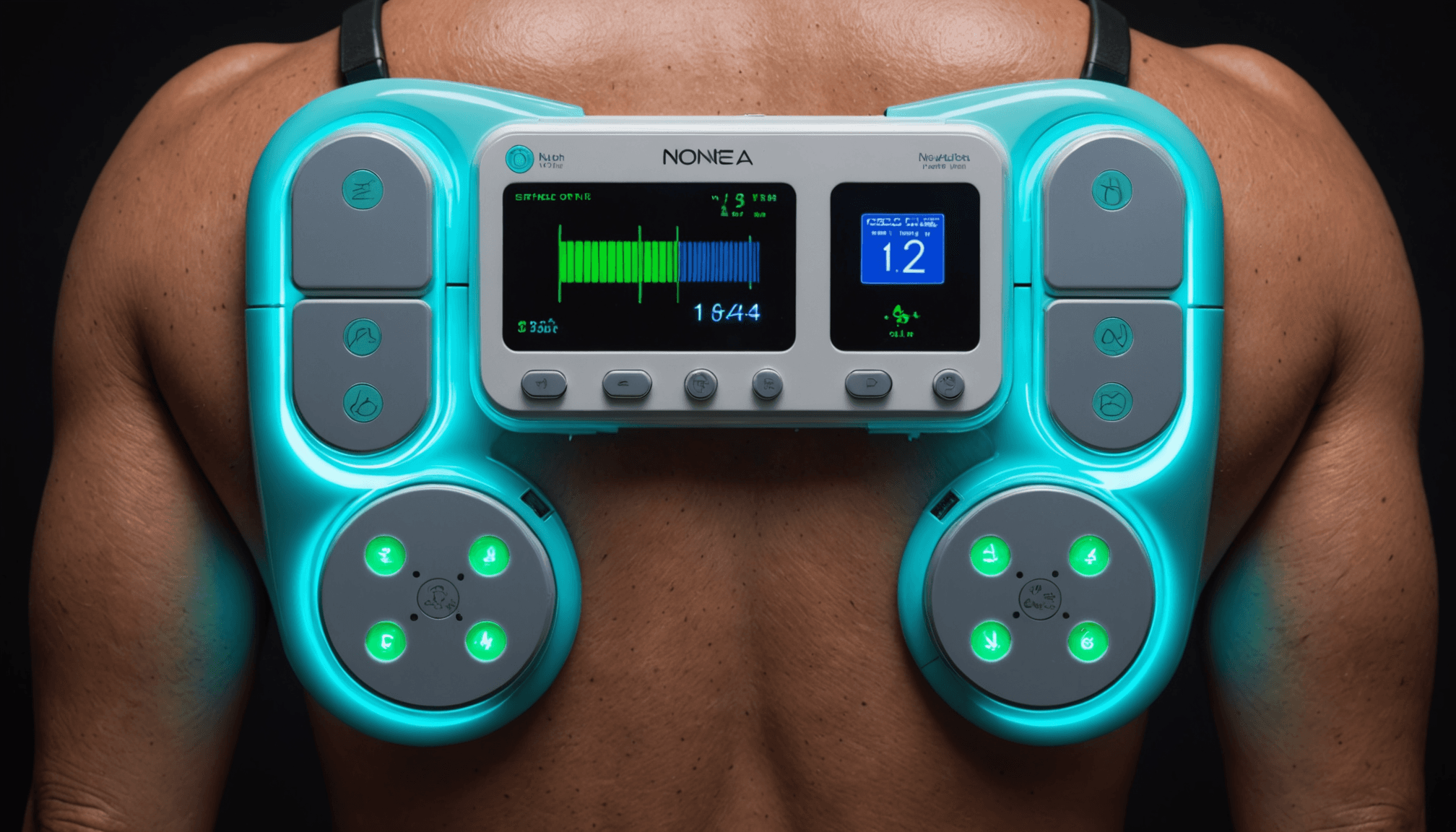
There are several prominent types of electrotherapy, each designed to address different aspects of pain management and rehabilitation. Understanding the various modalities can help individuals make informed decisions about which type of electrotherapy may best suit their needs.
- Transcutaneous Electrical Nerve Stimulation (TENS): This type of electrotherapy is popular for its effectiveness in pain relief. TENS units deliver low-voltage electrical currents through the skin to stimulate nerve fibers. This stimulation can block pain signals before they reach the brain and promote the release of endorphins, which are the body’s natural painkillers. TENS is often utilized for conditions such as chronic pain, arthritis, and neuropathic pain. Athletes can benefit from TENS units for managing soreness after workouts, providing portable and user-friendly pain relief.
- Interferential Current Therapy (IFC): IFC utilizes two medium-frequency alternating currents to create a beat frequency that penetrates deeper into the tissues. This modality is effective for managing muscle and joint pain, with a unique ability to stimulate larger areas without causing discomfort. It is commonly used in physiotherapy settings and can help in reducing inflammation and increasing circulation, promoting faster recovery from sports injuries.
- Neuromuscular Electrical Stimulation (NMES): Focused on muscle re-education and strengthening, NMES delivers electrical impulses that cause muscle contractions. This technique is useful for preventing muscle atrophy during rehabilitation or for enhancing performance in athletes. NMES can support recovery by improving blood flow and reducing muscle fatigue. For those who are bedridden or recovering from surgeries, NMES can help maintain muscle function.
- Microcurrent Therapy: Utilizing very low-level electrical currents, microcurrent therapy is aimed at cellular repair and regeneration. It promotes healing at a cellular level and can address soft tissue injuries, chronic pain conditions, and inflammation. This is especially beneficial for pregnant women, as it can assist in managing pain while being gentle on the body.
- Iontophoresis: This type involves the application of a small electrical current to drive medication through the skin. It’s often used to deliver anti-inflammatory drugs directly to the source of pain or inflammation, making it an effective adjunct for those suffering from conditions like tendonitis or bursitis.
When selecting a type of electrotherapy, it’s essential to consider factors such as the nature of the pain, the specific body part affected, and any underlying medical conditions. Consulting with a qualified healthcare provider or licensed therapist can help tailor an electrotherapy approach that complements existing pain management regimens, such as massage therapy or physical rehabilitation.
Moreover, while electrotherapy can offer various benefits, individuals should remain vigilant about their experiences. If pain or discomfort persists, it is crucial to seek further evaluation rather than relying solely on electrotherapy as a complementary treatment. Documenting response to treatments can also provide valuable feedback for both patients and professionals as they navigate the pain management journey.
Evidence and Efficacy
Research on the efficacy of electrotherapy as a complementary treatment for pain management has yielded promising results across various studies. Meta-analyses and systematic reviews have indicated that electrotherapy can be effective in reducing pain intensity, improving functionality, and enhancing the quality of life for individuals suffering from chronic and acute pain conditions.
One significant area of focus is the application of Transcutaneous Electrical Nerve Stimulation (TENS). Research highlights its effectiveness particularly for low back pain and osteoarthritis. Studies report that patients utilizing TENS devices have experienced substantial reductions in pain levels compared to those receiving placebo treatment. For instance, a randomized controlled trial found that TENS significantly alleviated pain and improved physical function in patients with knee osteoarthritis over a period of several weeks.
Furthermore, Interferential Current Therapy (IFC) has also shown effectiveness in managing pain. Research involving patients with musculoskeletal conditions indicated that IFC could reduce pain and improve physical mobility. The integration of IFC as part of a broader rehabilitation program has demonstrated enhanced recovery outcomes, showcasing its role as a vital component in physiotherapy interventions.
Neuromuscular Electrical Stimulation (NMES) presents another compelling aspect. While primarily utilized for muscle rehabilitation, studies reveal that NMES can also alleviate muscle pain associated with physical therapy and post-surgical recovery. By promoting muscle contractions, NMES not only aids in functional improvement but also contributes to the overall reduction of pain by enhancing blood flow and accelerating tissue recovery.
A noteworthy consideration emerging from the body of evidence is the role of patient-specific factors in determining the efficacy of electrotherapy. Individuals’ responses can vary significantly based on factors such as age, the duration of pain, and the specific condition being treated. As such, personalized treatment plans that incorporate electrotherapy must be developed in collaboration with healthcare professionals for optimal outcomes.
The therapeutic potential of electrotherapy extends beyond mere pain relief. Several studies indicate an improvement in the psychological state of patients utilizing electrotherapy as part of their pain management strategies. Patients frequently report enhanced mood and decreased anxiety levels related to ongoing pain. This psychological component is essential to consider, as effective pain management often requires addressing the emotional and mental health aspects associated with chronic pain conditions.
“Electrotherapy not only targets the physical attributes of pain but also supports mental well-being, fostering a holistic approach to pain management.”
Ultimately, the growing body of evidence surrounding electrotherapy as a complementary treatment for pain management underscores its significance in modern therapeutic practices. It is vital for patients and healthcare providers to remain aware of ongoing research developments to effectively tailor electrotherapy applications to individual needs, reinforcing its role in comprehensive pain management strategies.
Safety and Contraindications
 Electrotherapy can offer myriad benefits; however, it is imperative to approach its use with caution, especially given the potential for adverse effects and contraindications. Individuals considering electrotherapy should first assess their medical history and consult with healthcare professionals to identify any underlying conditions that might pose risks.
Certain populations may be at increased risk when using electrotherapy devices. For instance, individuals with implanted devices, such as pacemakers or defibrillators, should avoid electrotherapy, as it may interfere with the device’s functioning. Pregnant women must also consult their healthcare providers to determine the safety of using electrotherapy, particularly when it comes to areas of the body under potential stress from pregnancy.
Additionally, people exhibiting skin lesions or infections in the treatment area should refrain from using electrotherapy, as it could exacerbate existing conditions or lead to further complications. It’s essential for individuals undergoing cancer treatments to engage in discussions with their oncologists since electrotherapy may not be appropriate in certain stages of treatment or recovery.
Monitoring the intensity and duration of sessions is crucial. Overuse or excessive intensity can lead to skin irritation, burns, or muscle fatigue. Therefore, adhering to the guidelines set by healthcare professionals and the device manufacturers is vital for safety.
Understanding the specifics of electrotherapy helps foster a proactive and informed approach, enhancing the overall efficacy and safety of treatment while minimizing potential risks. By engaging with knowledgeable therapists and remaining educated on electrotherapy’s impact, individuals can better navigate their pain management options.
- What is electrotherapy?
- Electrotherapy is a type of treatment that uses electrical impulses to alleviate pain, promote healing, and improve physical function. It is commonly used in physical therapy and rehabilitation settings.
- Is electrotherapy safe for everyone?
- While electrotherapy is generally safe, it may not be appropriate for individuals with certain medical conditions, such as those with pacemakers, some types of heart disease, or during pregnancy. Always consult a healthcare provider before starting treatment.
- How long do electrotherapy sessions typically last?
- Electrotherapy sessions usually last between 15 to 30 minutes, depending on individual needs and treatment goals. A qualified therapist will determine the appropriate duration for your specific condition.
- Can I use electrotherapy at home?
- Yes, there are portable electrotherapy devices designed for home use. However, it’s essential to receive professional guidance on proper usage to maximize benefits and ensure safety.
- How often should I undergo electrotherapy treatments?
- The frequency of electrotherapy treatments depends on the individual’s condition and response to therapy. A healthcare provider will recommend a tailored schedule based on specific needs and progress.
- What conditions can electrotherapy help with?
- Electrotherapy can be beneficial for a variety of conditions, including chronic pain, arthritis, muscle injuries, and post-surgical recovery. Its effectiveness often depends on the condition being treated and individual responses.
- Are there any side effects associated with electrotherapy?
- While side effects are relatively rare, some individuals may experience skin irritation, muscle twitching, or fatigue after treatment. It’s important to communicate any discomfort to your therapist during sessions.
Integrating Electrotherapy into Treatment Plans
When integrating electrotherapy into a treatment plan, it is essential to design a comprehensive and individualized approach that caters to your specific pain management needs. This process can greatly enhance the effectiveness of relief methods, particularly when combined with other therapeutic modalities such as massage therapy or physical exercise.
To create a successful electrotherapy treatment plan, consider the following key elements:
- Personal Assessment: Begin with a thorough evaluation of your medical history, current health status, and pain characteristics. Understanding the source of your pain—whether it’s acute or chronic—will guide your healthcare provider in selecting the most appropriate type of electrotherapy.
- Collaborating with Professionals: Work closely with licensed therapists and healthcare providers who can help develop a personalized treatment plan. They can identify the types of electrotherapy that may be most beneficial, such as TENS, IFC, or NMES, based on your specific conditions and overall health. This collaborative effort ensures safe and effective treatment tailored to your individual needs.
- Timing and Frequency: Establish a consistent schedule for your electrotherapy sessions. Depending on your pain level and response to treatment, your healthcare provider may recommend sessions multiple times a week or even daily, especially during the initial phase of treatment. Regular sessions can lead to cumulative benefits, enhancing pain relief over time.
- Complementary Modalities: Combine electrotherapy with other therapeutic approaches for better results. For example, incorporating massage therapy can improve circulation and muscle relaxation, enhancing the effects of electrotherapy. Additionally, integrating stretching or gentle exercise may help maintain mobility and prevent discomfort.
- Monitor Your Progress: Keeping a pain diary or log can be beneficial to track your pain levels and treatment responses. Note any changes in pain intensity, frequency, or duration, as well as any side effects experienced during electrotherapy. This information is vital during follow-up appointments to assess the effectiveness of your treatment plan.
For athletes, integrating electrotherapy into your training regimen can be particularly advantageous. Scheduling sessions between workouts or competitions can aid in performance recovery, preventing injuries from muscle fatigue. It’s wise to discuss session timing with your sports therapist to optimize the effectiveness of both your training and recovery.
For corporate executives, consider incorporating electrotherapy into your wellness routine as a proactive measure against stress-related pain. Regularly scheduled sessions can complement stress management strategies and offer relief from the chronic tension that accumulates from sitting at desks for extended periods.
While exploring the use of electrotherapy, it is also essential to remain aware of potential contraindications. Discuss any pre-existing medical conditions with your therapist before starting treatment to ensure the safest approach tailored to your personal needs. Always prioritize open communication with your healthcare provider throughout the process.
Ultimately, the seamless integration of electrotherapy into a comprehensive treatment plan can significantly enhance pain management efforts, leading to improved outcomes and better overall well-being.
For a personalized session and free consult, Call me: +1 334-300-0389.
Find out how ARPWave Therapy can enhance your performace as an athlete and how you can achieve drug-free pain relief.