For a personalized session and free consult, Call me: +1 334-300-0389.
Find out how ARPWave Therapy can enhance your performace as an athlete and how you can achieve drug-free pain relief.
- The influence of electrotherapy on chronic fatigue syndrome
- Overview of electrotherapy
- Understanding chronic fatigue syndrome
- Mechanisms of electrotherapy
- Clinical evidence and research findings
- Patient experiences and testimonials
- Future directions and recommendations
Electrotherapy has gained recognition as a potential adjunctive treatment for managing symptoms associated with chronic fatigue syndrome (CFS). Many patients suffering from CFS report debilitating fatigue that is not alleviated by rest, making it crucial to explore innovative therapies. When considering electrotherapy, individuals should understand its application and implications for enhancing overall well-being.
One of the most effective forms of electrotherapy for CFS is Transcutaneous Electrical Nerve Stimulation (TENS). This method involves sending electrical impulses through the skin to stimulate peripheral nerves. Many individuals have found that TENS can provide relief by interrupting pain signals and promoting the release of endorphins, the body’s natural pain relievers. If you are considering this option, ensure you consult a certified health professional who can guide you on the appropriate settings and duration of use.
Another beneficial technique is muscle stimulation therapy, which can enhance muscle endurance and reduce fatigue. This method sends electrical signals to muscles, causing contractions that can help improve circulation and muscle tone. For athletes or individuals with busy lifestyles, incorporating muscle stimulation into a routine could provide them with the energy boost needed to perform daily tasks more effectively.
For those with CFS who may experience significant stress or anxiety, combining electrotherapy with massage can offer powerful benefits. Massage therapy helps facilitate relaxation and can further enhance the effects of electrotherapy. Consider the following tips for integrating both therapies:
- Consult a Professional: Work with licensed therapists knowledgeable about both massage and electrotherapy to tailor a plan that suits your individual needs.
- Schedule Regular Sessions: Consistent treatment sessions, whether electrotherapy or massage, can lead to cumulative benefits, helping to manage fatigue more effectively.
- Listen to Your Body: Before, during, and after sessions, pay close attention to how your body responds. Adjust the intensity and frequency of treatments based on your comfort and energy levels.
Additionally, it’s important for individuals to remain informed about the devices and techniques employed. As technology advances, newer and more effective devices for electrotherapy are being developed. Research these options and consider reviews from other users to guide your decisions.
Incorporating electrotherapy into a wellness regimen can be highly effective, especially for those battling chronic fatigue syndrome. By remaining proactive and seeking professional guidance, individuals can significantly enhance their quality of life while managing their symptoms more effectively.
Overview of electrotherapy
Electrotherapy is a therapeutic modality that employs electrical energy to stimulate nerves and muscles in order to alleviate pain, promote healing, and enhance overall physical function. This approach has been used in various medical fields, including physical rehabilitation, pain management, and neurology, providing a range of benefits for patients suffering from chronic conditions. The utilization of electrotherapy for chronic fatigue syndrome (CFS) is particularly relevant, as it may address the multifaceted symptoms associated with this complex disorder.
Various types of electrotherapy exist, each designed to target specific conditions or therapeutic outcomes. Among the most commonly used methods are Transcutaneous Electrical Nerve Stimulation (TENS), interferential current therapy (IFC), and neuromuscular electrical stimulation (NMES). Understanding the nuances of these techniques can help patients make informed decisions about their treatment options when managing CFS.
| Type of Electrotherapy | Mechanism | Indications | Benefits |
|---|---|---|---|
| TENS | Delivers mild electrical impulses to obstruct pain signals. | Chronic pain, muscle tension, CFS. | Reduces pain perception, promotes relaxation. |
| IFC | Overlapping electrical currents to achieve deeper penetration. | Swelling, muscle spasms, joint pain. | Decreases inflammation, improves circulation. |
| NMES | Stimulates muscle contractions to improve strength. | Muscle atrophy, chronic fatigue. | Enhances muscle endurance, aids recovery. |
The direct influence of these therapies on the symptoms of chronic fatigue syndrome can vary from patient to patient. One critical aspect of electrotherapy is its ability to modulate neural pathways, which can lead to a significant reduction in fatigue levels, pain sensations, and associated psychological stress. By encouraging the release of endorphins and promoting better circulation, electrotherapy can create an environment in which patients may feel more energized and less fatigued.
Moreover, electrotherapy is often well-tolerated by patients, making it an appealing option for those who may not respond positively to pharmacological treatments. It diversifies the therapeutic approach towards managing CFS, potentially providing relief and improving functional outcomes for individuals struggling with this debilitating condition. Additionally, electrotherapy can be adjusted to meet individual needs, allowing for personalized treatment plans that aim to enhance overall well-being.
Research into the efficacy of electrotherapy continues to evolve, with ongoing studies investigating its long-term effects on patients with chronic fatigue syndrome. Clinical trials have shown promising results, indicating that patients who incorporate electrotherapy into their treatment regimens may experience improvements in quality of life, energy levels, and overall physical performance.
As practitioners and patients alike explore the influence of electrotherapy, it becomes crucial to combine these interventions with comprehensive lifestyle modifications and supportive therapies. The multi-faceted nature of chronic fatigue syndrome necessitates a holistic approach that addresses various elements of patient health and well-being, reinforcing the importance of multidisciplinary care in achieving optimal outcomes.
Understanding chronic fatigue syndrome

Chronic fatigue syndrome (CFS) is a complex illness characterized by persistent and unexplained fatigue that significantly impairs daily functioning. Those affected often report a range of symptoms beyond fatigue, including sleep disturbances, cognitive difficulties, muscle and joint pain, and post-exertional malaise, which refers to a worsening of symptoms following physical or mental exertion. Understanding these multifaceted manifestations is crucial for effective management and treatment.
Individuals seeking relief from CFS symptoms may benefit from a comprehensive approach that includes various therapies, among which electrotherapy has gained attention for its potential effectiveness. Recognizing the intricate links between fatigue, pain, and overall well-being can empower individuals to tailor their treatment strategies.
When exploring treatment options, it’s essential to understand how different therapies can influence the symptoms of CFS. For instance, the use of massage therapy can significantly enhance relaxation and alleviate muscle tension, pairing well with electrotherapy. Here are some practical tips for maximizing the benefits of both therapies:
- Choose the Right Type of Massage: Various massage techniques, such as Swedish, deep tissue, or myofascial release, can target different areas of concern. Individuals should consider consulting with a licensed massage therapist who can customize a session based on specific symptoms.
- Combine Techniques: Using massage alongside electrotherapy can improve blood circulation and enhance muscle recovery. This combination has the potential to provide a synergistic effect, potentially leading to reduced fatigue and enhanced energy levels.
- Maintain Open Communication: Whether through telehealth or in-person sessions, discussing symptoms with healthcare providers will help individuals find the most effective treatment routines tailored to their unique situations.
In addition to massage therapy, incorporating low-impact exercise, such as stretching or gentle yoga, can also be beneficial. These activities may help manage stress, improve flexibility, and enhance overall energy levels. Patients should aim to engage in light physical activity regularly, focusing on listening to their bodies to avoid overexertion.
It’s important to keep a symptoms diary to track correlations between various therapies and symptom fluctuations. This practice will provide insight into what treatments yield the best results, allowing for adjusted strategies over time. Moreover, staying informed about advancements in electrotherapy and CFS research can enhance decision-making regarding treatment options.
Ultimately, understanding chronic fatigue syndrome requires a multi-dimensional approach to wellness. By combining different therapies like massage and electrotherapy, individuals may enhance their quality of life while managing the debilitating aspects of CFS. Prioritizing self-care and maintaining an informed outlook can lead to positive outcomes in managing this complex condition.
Mechanisms of electrotherapy
Electrotherapy operates on several underlying mechanisms that contribute to its influence on health and well-being, especially in the context of chronic fatigue syndrome (CFS). One of the primary actions is the stimulation of the nervous system, which can significantly alter pain perception and muscle function through various pathways. By sending controlled electrical impulses, electrotherapy can activate sensory nerves, potentially reducing the sensation of pain that many CFS patients experience.
Another crucial mechanism is the promotion of increased blood flow. Electrotherapy has been shown to enhance local circulation, which can alleviate muscle stiffness and promote the delivery of oxygen and nutrients to tissues. Improved circulation may also facilitate the removal of metabolic waste products that can contribute to fatigue and discomfort, thereby providing relief to patients experiencing the sluggishness commonly associated with CFS.
In addition to enhancing circulation, electrotherapy can stimulate the release of endorphins, the body’s natural painkillers. This opioid-like effect not only contributes to pain relief but may also induce a sense of well-being, further addressing both the physical and psychological aspects of chronic fatigue syndrome. As endorphins flood the body, they can foster an improved mood and increase feelings of energy, both of which are often challenging for CFS patients.
Furthermore, electrotherapy can aid in the modulation of inflammation. By influencing various cytokines and other inflammatory mediators, electrotherapy can potentially reduce inflammation within the body. As many individuals with CFS experience an inflammatory response, alleviating this effect can play a vital role in managing overall symptoms.
The adaptability of electrotherapy means that treatment can be personalized based on individual needs. Healthcare providers often adjust parameters such as frequency, intensity, and duration of the electrical impulses in response to patient feedback. This tailored approach ensures that patients can derive the most significant benefits, minimizing discomfort while optimizing therapeutic effects.
“The intricate interplay of stimulation and modulation at the cellular level makes electrotherapy a promising option for individuals seeking relief from chronic conditions.”
Research highlights the potential for electrotherapy to be integrated into holistic management plans for chronic fatigue syndrome. This multi-modal approach allows not just for symptom relief but can also serve as a foundation upon which other therapeutic strategies may build. As electric currents stimulate the body, they create an opportunity for patients to participate more effectively in rehabilitation and lifestyle modifications that promote overall health.
In essence, the mechanisms by which electrotherapy influences the symptoms of chronic fatigue syndrome demonstrate a multifaceted approach to treatment. By understanding how this therapy works, patients can make informed decisions alongside their healthcare providers, ensuring a comprehensive and effective management plan tailored to their unique experiences and challenges associated with CFS.
Clinical evidence and research findings
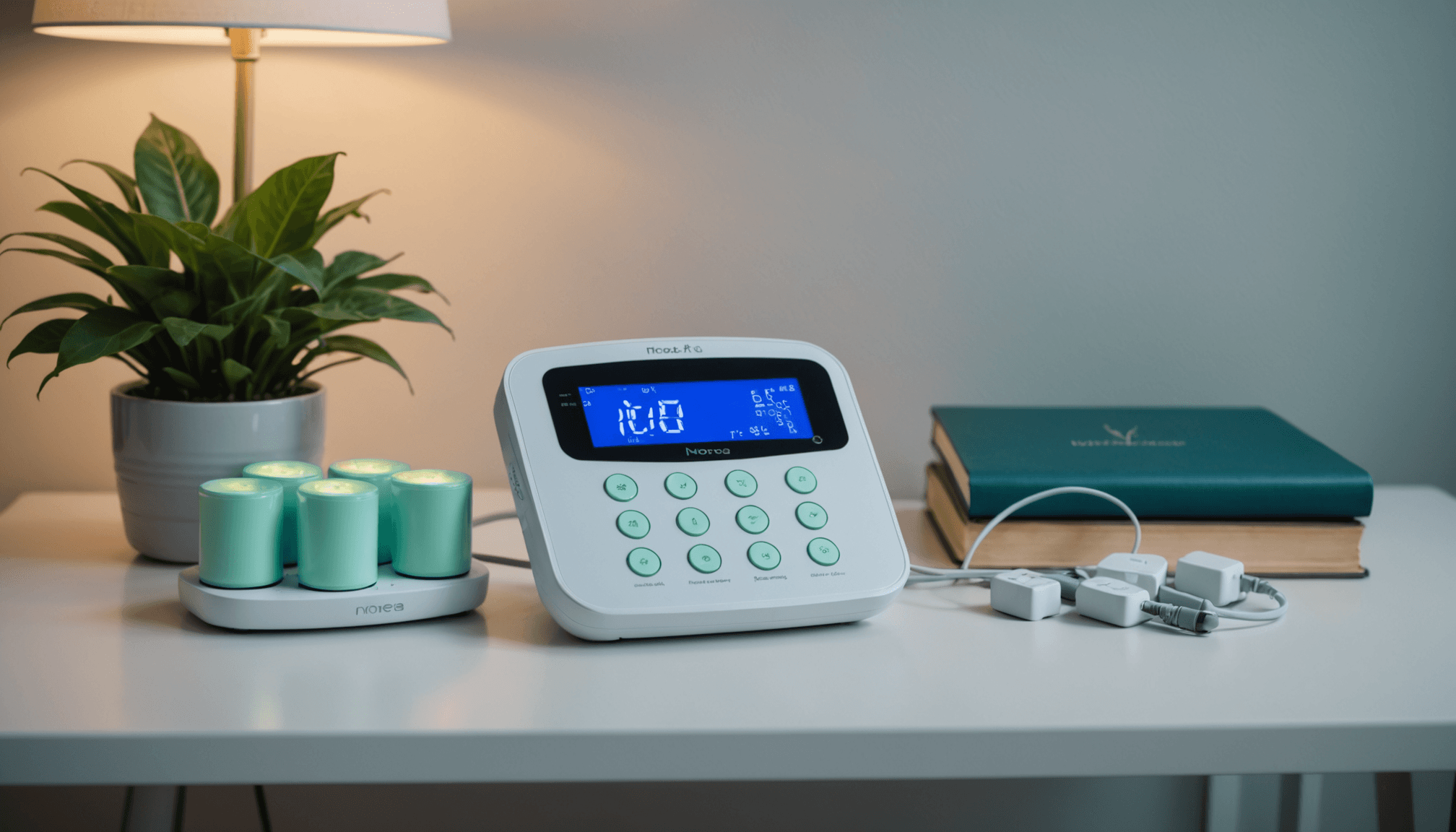 Clinical trials examining the effectiveness of electrotherapy on chronic fatigue syndrome (CFS) have shown encouraging results, paving the way for broader acceptance of this treatment modality. In various studies, patients receiving electrotherapy reported notable improvements in fatigue levels, pain reduction, and even cognitive functions associated with CFS. For instance, one study highlighted the use of Transcutaneous Electrical Nerve Stimulation (TENS), revealing that patients experienced diminished fatigue and enhanced overall mood as a result of consistent therapy sessions. These findings provide a compelling argument for considering electrotherapy as a viable component of a multi-faceted treatment approach.
Evidence also suggests that the benefits of electrotherapy extend beyond mere symptom management. Participants in clinical trials reported an increased sense of control over their condition, enabling them to engage more actively in their daily lives. This aspect holds significant importance for individuals grappling with chronic fatigue syndrome, which often disrupts routine activities and diminishes overall quality of life. By utilizing electrotherapy, patients may find themselves empowered, shifting their focus from merely coping with symptoms to actively participating in their recovery journey.
Researchers are continuously exploring the precise mechanisms underpinning these clinical improvements. It’s hypothesized that electrotherapy works by modulating the central nervous system’s response, leading to alterations in how the brain processes pain and fatigue signals. This modulation is thought to influence neurotransmitter release, promoting a more favorable biochemical environment within the body. Such insights into the scientific basis of electrotherapy can inspire patients and practitioners alike to engage in discussions about treatment options, potentially uncovering new paths to recovery.
Moreover, meta-analyses have begun to consolidate findings across different studies, illustrating a stronger correlation between electrotherapy and enhanced physical function in CFS patients. These analyses offer a broader context, showing that as patients report decreased fatigue and pain, they may also see improvements in mobility and endurance. Thus, integrating electrotherapy into comprehensive treatment plans, which may also include cognitive behavioral therapy, lifestyle changes, and nutrition, presents an exciting frontier in managing chronic fatigue syndrome.
As the debate surrounding the efficacy of various treatments for chronic fatigue syndrome continues, it’s vital to stay curious and informed about the breakthroughs in electrotherapy research. By embracing an evidence-based approach, patients can work collaboratively with healthcare providers to design personalized treatment strategies, unlocking new potential for better health outcomes. This journey will not only satisfy a thirst for knowledge but may also lead to transformative changes in health and well-being.
- What is electrotherapy?
- Electrotherapy is a therapeutic technique that uses electrical energy to stimulate nerves and muscles, aiding in pain relief and promoting healing. It encompasses various modalities, including TENS, interferential current therapy, and neuromuscular electrical stimulation.
- How does electrotherapy help with chronic fatigue syndrome?
- Electrotherapy can alleviate symptoms of chronic fatigue syndrome by reducing pain, improving circulation, and stimulating the release of endorphins, which contribute to a sense of well-being and energy. Clinical evidence suggests that it can enhance overall quality of life for patients.
- Are there any side effects associated with electrotherapy?
- Electrotherapy is generally well-tolerated, with minimal side effects. However, some individuals may experience mild discomfort during treatment or skin irritation. It’s essential to consult with a healthcare provider to ensure proper use and mitigate any adverse effects.
- How often should I undergo electrotherapy sessions?
- The frequency of electrotherapy sessions can vary based on individual needs and the severity of symptoms. Many patients find benefit with regular sessions ranging from a few times a week to daily, depending on their response to treatment.
- Can electrotherapy be used in conjunction with other treatments?
- Yes, electrotherapy can complement other modalities, including massage therapy, cognitive behavioral therapy, and medication. A multidisciplinary approach often yields the best outcomes for managing chronic fatigue syndrome and enhancing overall well-being.
- Is electrotherapy suitable for everyone with chronic fatigue syndrome?
- While electrotherapy can be beneficial for many patients, it may not be suitable for everyone. Individuals with certain medical conditions or implantable devices should consult their healthcare provider before starting electrotherapy.
- Where can I access electrotherapy treatments?
- Electrotherapy treatments can typically be found in physical therapy clinics, pain management centers, and some holistic health practices. It’s advisable to seek treatment from licensed professionals experienced in electrotherapy for optimal care.
Patient experiences and testimonials
Patient experiences with electrotherapy as a treatment for chronic fatigue syndrome (CFS) reveal a wide range of perspectives that underscore the therapy’s potential influence on symptom management. Many individuals share personal stories detailing their improvement in energy levels, pain reduction, and overall quality of life. These testimonials often provide a more subjective yet equally valuable perspective on the effectiveness of electrotherapy.
An anonymous patient, for instance, writes about her journey with CFS: “After several sessions of electrotherapy, I felt a noticeable shift in my energy levels. Initially, I struggled to complete even basic daily tasks, but the therapy allowed me to enjoy activities I had previously abandoned due to fatigue.” Such firsthand accounts emphasize the depth of relief many patients experience, particularly when integrated with other therapeutic approaches.
Some patients report that the combination of electrotherapy with massage therapy has been particularly transformative. A middle-aged athlete noted, “The combination of massage and electrotherapy has been a game-changer for me. Not only has my muscle recovery improved significantly, but my overall fatigue has decreased, allowing me to resume my training routine.” This synergy highlights how different therapies can work in tandem to enhance results, offering insights into optimizing treatment plans.
However, it’s important for consumers to remain aware that experiences can vary significantly based on individual responses to treatment. A patient might find electrotherapy beneficial while another might not see the same level of improvement. This variance can depend on several factors, including the severity of CFS, the type of electrotherapy used, and how consistently the treatment is applied. Therefore, a trial-and-error approach may be necessary to determine the optimal settings and frequency that suit each individual.
When trying electrotherapy, patients are encouraged to maintain open dialogue with healthcare providers and to keep detailed notes on their experiences. Tracking symptoms pre- and post-treatment can offer valuable data to clinicians and can help in refining approaches that maximize benefits. Here are several practical tips based on patient experiences for those interested in pursuing electrotherapy:
- Seek Qualified Professionals: Ensure that therapy is administered by qualified practitioners who are experienced in electrotherapy, preferably someone who understands chronic fatigue syndrome.
- Communicate Effectively: Keep an open line of communication with your healthcare provider about your experiences, progress, and any concerns you may have throughout the treatment process.
- Combine Therapies Wisely: Explore integrating electrotherapy with other therapeutic modalities, such as personalized massage sessions, ensuring that both are tailored to address your symptoms.
- Stay Patient: Understand that improvements may take time and that individual responses can vary widely. Allow yourself the grace to adjust as you establish a routine that works best for you.
- Practice Self-Care: Outside of electrotherapy, incorporate self-care techniques, such as gentle stretching or mindfulness practices, to support your overall well-being during treatment.
Ultimately, these testimonials and experiences underscore the potential influence of electrotherapy as part of a comprehensive strategy for managing chronic fatigue syndrome. Engaging in informed discussions with healthcare providers while actively participating in treatment decisions can empower individuals to explore the best options for their unique health journeys.
Future directions and recommendations
Looking ahead, individuals seeking relief from chronic fatigue syndrome (CFS) should consider a multi-faceted approach to therapy that combines electrotherapy with other complementary practices like massage therapy and lifestyle modifications. This holistic strategy not only addresses physical symptoms but also nurtures mental and emotional well-being.
When incorporating electrotherapy into your treatment plan, here are some recommendations:
- Set Realistic Goals: Prioritize clear, achievable objectives for your treatment. Whether it’s reducing muscle pain, enhancing energy levels, or improving sleep quality, setting specific goals can help measure progress effectively.
- Establish a Routine: Consistency is key. Scheduling regular electrotherapy sessions can enhance its effectiveness, providing sustained support for managing fatigue. Some individuals find that two to three sessions per week yield the best results, but personal preferences and responses may vary.
- Monitor Your Progress: Keeping a journal to track treatment outcomes, including energy levels, symptoms, and overall mood changes, can help identify patterns and optimize your therapy approach. Share these observations with your healthcare provider to adjust treatments as necessary.
- Explore Combined Therapies: Investigating the integration of massage therapy with electrotherapy can enhance benefits. Techniques such as myofascial release or trigger point therapy can relieve tension and stimulate relaxation, amplifying the positive effects of the electrical stimulation.
- Educate Yourself: Staying informed about the latest research on electrotherapy and chronic fatigue syndrome can empower your decisions. Join support groups or online communities to glean insights from those who have navigated similar journeys, allowing you to gather practical tips based on firsthand experiences.
- Consult Professionals: It’s vital to work with a team of healthcare providers who specialize in managing chronic conditions. Look for practitioners who understand the nuances of both electrotherapy and other supportive therapies to ensure a comprehensive and personalized approach to your care.
Additionally, be open to integrating lifestyle changes such as nutrition, hydration, and mindfulness practices. Activities like gentle yoga, progressive muscle relaxation, or deep breathing exercises can complement electrotherapy and massage therapies by further alleviating stress and promoting relaxation. Each individual’s path to managing chronic fatigue syndrome is unique, and these suggestions lay a foundation for enhancing treatment efficacy.
By actively engaging in your wellness journey and remaining adaptable, you can influence your recovery trajectory positively. Whether through regular practice of these combined therapies or the pursuit of new treatment methodologies, maintaining a proactive and informed stance is crucial in managing chronic fatigue syndrome effectively.
For a personalized session and free consult, Call me: +1 334-300-0389.
Find out how ARPWave Therapy can enhance your performace as an athlete and how you can achieve drug-free pain relief.