


Common conditions treated with electrotherapy
Common conditions treated with electrotherapy

For a personalized session and free consult, Call me: +1 334-300-0389.
Find out how ARPWave Therapy can enhance your performace as an athlete and how you can achieve drug-free pain relief.
- Common conditions treated with electrotherapy
- Understanding electrotherapy
- Types of electrotherapy modalities
- Benefits of electrotherapy
- Conditions effectively managed
- Safety considerations
- Future trends in electrotherapy
Electrotherapy is commonly utilized for a range of conditions that affect the musculoskeletal and neurological systems. Individuals experiencing pain or discomfort often seek relief through this innovative treatment method. Here are some of the most common conditions that can be effectively treated with electrotherapy:
- Chronic Pain: Conditions such as osteoarthritis, fibromyalgia, and lower back pain can be significantly alleviated through various electrotherapy modalities. Electrical stimulation helps reduce pain perception and promote endorphin release, providing much-needed relief.
- Muscle Strains and Sprains: Athletes and active individuals frequently suffer from muscle injuries. Electrotherapy can facilitate healing by increasing blood flow, reducing inflammation, and strengthening muscles during recovery.
- Neuropathic Pain: Conditions such as diabetic neuropathy can cause debilitating pain. Electrotherapy, including transcutaneous electrical nerve stimulation (TENS), may interrupt pain signals to the brain, alleviating discomfort.
- Post-Surgical Recovery: After surgery, many patients experience pain and stiffness. Electrotherapy aids in reducing postoperative pain and enhancing mobility, speeding up the recovery process.
- Joint Pain: Conditions like rheumatoid arthritis can lead to joint stiffness and inflammation. Electrotherapy has been shown to improve joint function and reduce swelling.
- Headaches: Both tension headaches and migraines may benefit from electrotherapy, particularly through cranial stimulation techniques that can modulate pain pathways.
Consumers should keep a few practical considerations in mind when exploring electrotherapy for these conditions:
- Always consult with a healthcare professional or licensed therapist before beginning any electrotherapy treatment to ensure it is appropriate for your specific condition.
- Consider integrating electrotherapy with other forms of therapy, such as massage or physical therapy, for an enhanced overall treatment approach.
- Stay informed about the latest research and advancements in electrotherapy techniques to make educated decisions regarding your pain management strategies.
As technology continues to evolve, the accessibility and efficacy of electrotherapy methods will expand, offering new hope for those suffering from common conditions and seeking relief. By understanding and leveraging these advancements, individuals can take proactive steps towards improving their health and wellbeing.
Understanding electrotherapy
Electrotherapy is based on the principle of utilizing electrical energy to promote healing and facilitate pain relief. This concept is deeply rooted in the understanding of how electrical impulses can impact the nervous system and the physiological functions of the body. By delivering controlled electrical currents to the affected area, electrotherapy stimulates tissue repair, reduces inflammation, and alleviates pain.
At its core, electrotherapy operates on several mechanisms. One primary function is the modulation of pain pathways through the activation of specific neural circuits. When electrical impulses are applied, they can interfere with the transmission of pain signals to the brain, which may be particularly beneficial in treating chronic pain conditions. Moreover, it encourages the release of endorphins—natural pain relievers produced by the body. These biochemical changes signal the body’s healing processes, making electrotherapy a crucial method for managing various ailments.
Different types of electrotherapy, including TENS (Transcutaneous Electrical Nerve Stimulation), EMS (Electrical Muscle Stimulation), and Iontophoresis, employ varying frequencies, intensities, and waveforms to achieve desired therapeutic outcomes. Each modality is tailored to treat specific conditions, emphasizing the versatility of electrotherapy.
To highlight the differences among these common modalities, the following table provides a comparison regarding their application, mechanism, and outcomes:
| Electrotherapy Modality | Application | Mechanism of Action | Treatment Outcomes |
|---|---|---|---|
| TENS | Pain relief for chronic conditions | Interferes with pain signal transmission | Reduced pain perception, increased comfort |
| EMS | Muscle strengthening and rehabilitation | Stimulates muscle contraction | Improved muscle function and recovery |
| Iontophoresis | Delivery of medication through the skin | Electrical current enhances drug absorption | Localized treatment for inflammation or pain |
Understanding how these modalities interact with the body not only underscores their application for common conditions but also highlights the importance of personalized treatment plans that may significantly enhance therapeutic efficacy.
Clinicians and therapists continue to explore and study the various effects of electrotherapy on the body, allowing for more informed decisions when determining appropriate treatment protocols. The ongoing research and evolution of electrotherapy innovations reflect a growing understanding of its implications for human health and recovery.
Types of electrotherapy modalities
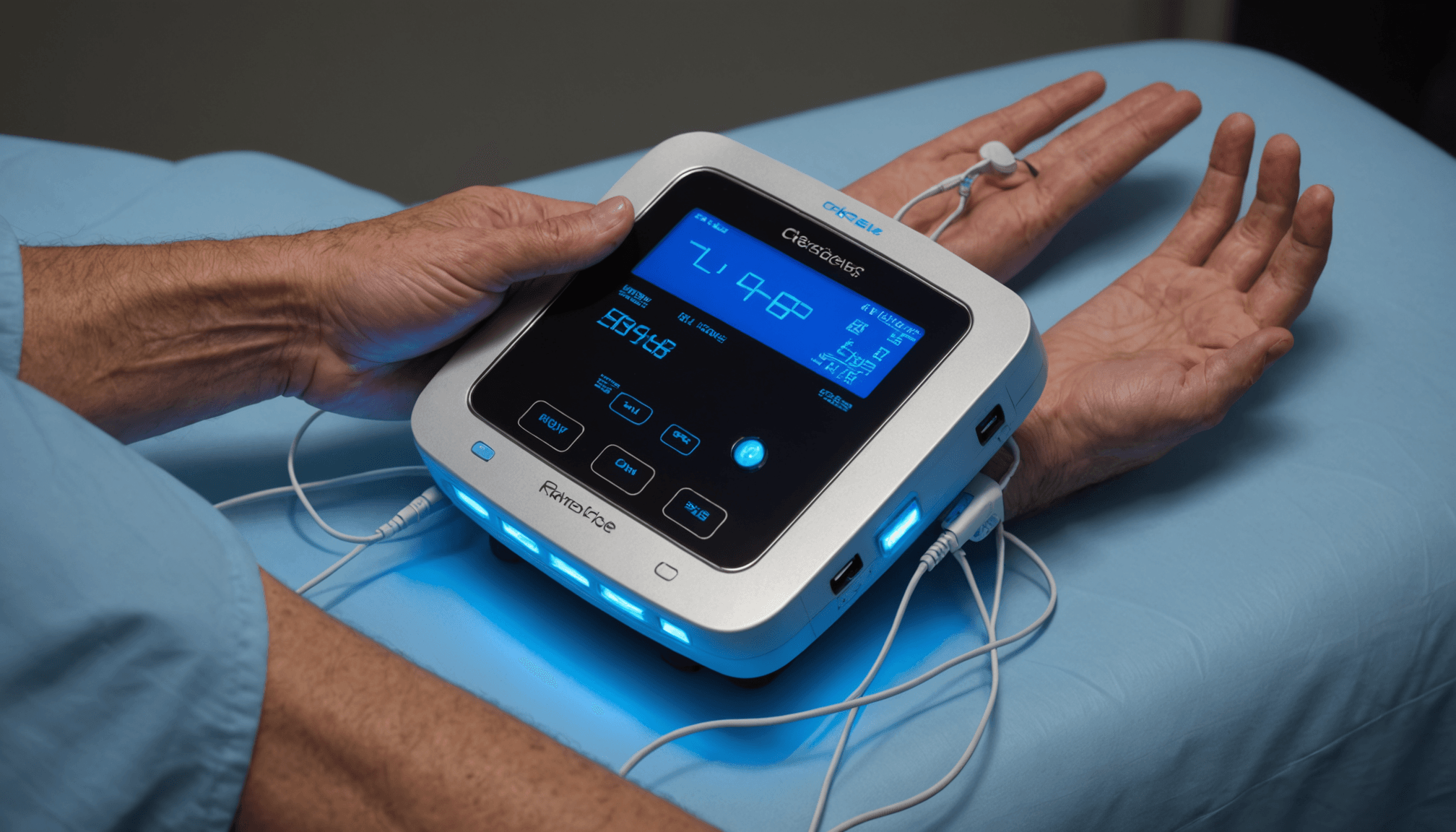
Several methods of electrotherapy offer unique benefits tailored to the individual needs of patients. Understanding these methods helps consumers make informed choices when considering treatment options. The most widely used modalities include:
- Transcutaneous Electrical Nerve Stimulation (TENS): TENS is primarily used for pain relief, particularly for conditions like chronic pain and arthritis. It works by delivering low-voltage electrical impulses through the skin, which stimulate nerve endings. This action can help interrupt pain signals before they reach the brain, thus reducing the sensation of pain. Optimal settings can vary; patients are encouraged to experiment with intensity and duration to find the most effective regimen for their pain relief.
- Electrical Muscle Stimulation (EMS): EMS is designed to stimulate muscle contractions using electrical impulses. This modality is particularly beneficial for individuals recovering from injuries or surgeries, as it can help maintain muscle tone and prevent atrophy during periods of reduced activity. Athletes may also use EMS to enhance muscle performance, aiding in faster recovery post-exercise and reducing muscle fatigue. It is important to follow professional guidance regarding the intensity and duration of these sessions for safety and effectiveness.
- Iontophoresis: This technique involves the application of a small electrical current to help deliver medications transdermally. It is often used to treat localized inflammation or pain conditions by enhancing drug absorption through the skin. Patients should always consult a healthcare professional to ensure that the appropriate medication and settings are utilized to maximize treatment efficacy while minimizing side effects.
- Galvanic Stimulation: This method uses a constant direct current to produce chemical changes in the tissues, which can improve circulation and promote healing. It’s commonly utilized for conditions such as joint pain and post-surgical recovery. Practitioners often recommend specific treatment durations and electrode placements for the best results.
- Microcurrent Therapy: This therapy employs extremely low-level electrical currents that mimic the body’s natural electrical activity. It is often used in cosmetic treatments for skin rejuvenation and healing, as well as for pain management in musculoskeletal disorders. Patients should be aware that microcurrent therapy often requires multiple sessions to observe significant results.
When selecting the right modality, consumers should consider the following:
- Consult with a healthcare professional or trained therapist to assess which modality may provide the best results for your specific condition.
- Look for licensed practitioners who have experience in administering electrotherapy, ensuring that they follow safety standards and protocols.
- Keep track of your treatment sessions, including duration, intensity, and your personal responses, to aid your therapist in optimizing your treatment plan.
- Access educational resources, including research studies and articles, to better understand how each type of electrotherapy works and what you might expect.
Incorporating electrotherapy into your pain management or rehabilitation plan can offer numerous benefits, but understanding the distinct modalities and their applications is crucial for achieving the best outcomes.
Benefits of electrotherapy
Electrotherapy offers a myriad of benefits that cater specifically to the needs of individuals suffering from various physical ailments. One of the most notable advantages is its ability to provide pain relief through the modulation of pain pathways. By utilizing electrical impulses, electrotherapy can interfere with the transmission of pain signals, leading to a reduction in perceived discomfort. This feature is particularly beneficial for individuals grappling with chronic pain syndromes such as arthritis, fibromyalgia, and neuropathic pain.
Another critical benefit of electrotherapy is its potential to enhance muscle function. By stimulating muscle contractions, modalities such as Electrical Muscle Stimulation (EMS) can help maintain muscle tone during periods of immobilization or inactivity. This can be especially advantageous for patients recovering from surgery or injuries, as it promotes muscle strengthening and prevents atrophy. Additionally, it may expedite recovery by increasing blood circulation to the targeted areas, thereby delivering essential nutrients and oxygen required for healing.
Furthermore, electrotherapy can aid in reducing inflammation, a common issue associated with many conditions such as joint pain or post-surgical recovery. By stimulating the tissues, it can promote the natural healing process and facilitate faster recovery times. This aspect is particularly attractive to patients who are looking to regain their mobility and improve their overall quality of life.
Moreover, patients often appreciate the non-invasive nature of electrotherapy. With minimal side effects compared to pharmacological treatments, it presents an appealing alternative for those sensitive to medication or seeking a more holistic approach. This characteristic allows patients to incorporate electrotherapy alongside other therapeutic modalities without significant risk of adverse reactions.
“Electrotherapy represents a convergence of established medical practice and innovative technology, providing a pathway to pain relief and rehabilitation for many patients.”
It is also worth noting that electrotherapy is adaptable to the individual needs of patients. Various modalities can be employed depending on the specific condition being treated, making it a versatile option in pain management and rehabilitation efforts. This versatility allows healthcare providers to tailor treatment plans to meet the unique circumstances of each patient, potentially leading to more effective outcomes.
Lastly, the convenience of at-home devices marks a significant advancement in the realm of electrotherapy. Patients now have access to portable machines that enable them to engage in treatment within the comfort of their homes. This development not only enhances accessibility but also empowers individuals to take control of their treatment regimens, thereby promoting a proactive approach to managing their health.
In summary, the multifaceted benefits of electrotherapy encompass pain relief, muscle function improvement, and inflammation reduction, with the added appeal of being non-invasive and adaptable to individual needs. These features position electrotherapy as a compelling option for many dealing with common conditions and inspire hope for improved health and wellbeing through innovative treatment strategies.
Conditions effectively managed
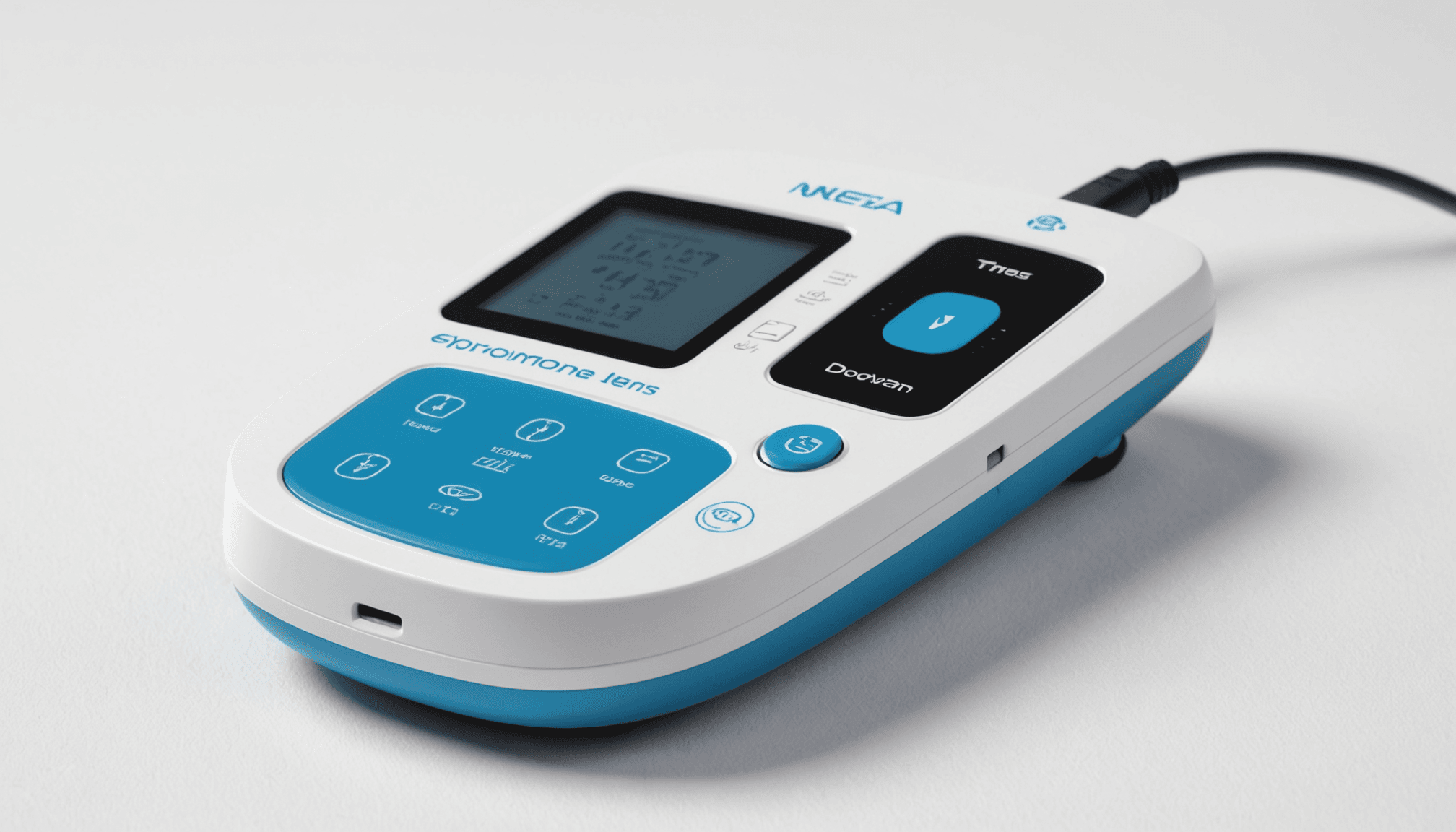 Electrotherapy has shown promising results in effectively managing and treating a variety of conditions, demonstrating its versatility and efficacy in clinical settings. Among the common conditions that benefit from electrotherapy are chronic pain syndromes, such as arthritis and fibromyalgia, where patients often experience relentless discomfort that impedes daily activities. By utilizing electrical impulses, treatments like TENS can modulate pain pathways, leading to significant pain relief and improving the individuals’ quality of life.
Athletes and active individuals frequently encounter muscle strains and sprains, which can hinder performance and recovery. Electrotherapy modalities, especially EMS, can facilitate muscle rehabilitation by promoting healing through stimulated contractions. This not only accelerates the recovery process but also strengthens muscles that may be in a state of disuse due to injury.
Another significant area where electrotherapy has made inroads is in the management of neuropathic pain conditions, including diabetic neuropathy. Techniques such as TENS can interrupt the transmission of pain signals to the brain, offering relief for those who endure persistent neuropathic pain. This application highlights how electrotherapy can alter patients’ experiences and provide them with a way to regain control over their pain.
Post-surgical recovery is another critical domain where electrotherapy is employed. Many patients experience pain and stiffness following surgical interventions, prolonging their recovery period and limiting their mobility. By integrating electrotherapy into rehabilitation regimens, healthcare professionals are finding that patients enjoy reduced postoperative pain and enhanced mobility, allowing them to return to normalcy more swiftly.
Joint pain, particularly associated with conditions like rheumatoid arthritis, presents unique challenges. Electrotherapy has shown efficacy in reducing inflammation and improving joint function, thereby providing individuals a pathway to manage their symptoms effectively. Techniques such as galvanic stimulation or microcurrent therapy can become integral tools in a comprehensive treatment approach.
Moreover, headaches, including tension headaches and migraines, have also responded positively to electrotherapy. Cranial stimulation techniques can help modulate the pain pathways involved in headaches, offering a preventive or acute treatment option that enhances patient comfort without reliance on medication.
As the understanding of electrotherapy expands and technology continues to advance, the range of conditions that can be effectively treated grows. This begs the question: are there unexplored potentials for electrotherapy to address other health challenges? The avenues for further research and application are vast, prompting both practitioners and patients to remain curious and informed about the evolving landscape of electrotherapy.
- What types of conditions can be treated with electrotherapy?
- Electrotherapy can treat a wide range of conditions, including chronic pain, muscle strains, neuropathic pain, post-surgical pain, joint pain, and certain headaches. Its versatility makes it a popular choice among healthcare professionals.
- How does TENS work for pain relief?
- TENS (Transcutaneous Electrical Nerve Stimulation) works by delivering mild electrical impulses through the skin, which interferes with the transmission of pain signals to the brain. This modulation can significantly reduce the perception of pain.
- Is electrotherapy safe for everyone?
- While electrotherapy is generally considered safe, it is essential to consult a healthcare professional before starting treatment. Certain individuals, such as those with pacemakers or specific medical conditions, may need to avoid or modify their use of electrotherapy.
- Can I use electrotherapy at home?
- Yes, there are portable electrotherapy devices available for at-home use. However, it’s important to receive guidance from a qualified practitioner regarding proper usage, settings, and treatment durations to ensure safety and effectiveness.
- How long does a typical electrotherapy session last?
- A typical electrotherapy session usually lasts between 20 to 60 minutes, depending on the condition being treated and the specific modality used. Your healthcare provider will recommend the duration based on your individual needs.
- Are there any side effects associated with electrotherapy?
- Most people tolerate electrotherapy well, but some may experience mild side effects such as skin irritation or discomfort during treatment. It’s crucial to communicate any adverse reactions with your therapist for adjustments.
- How quickly can I expect results from electrotherapy?
- Results from electrotherapy can vary based on the condition being treated and individual responses. Some patients report immediate relief, while others may require multiple sessions to experience significant benefits.
Safety considerations
When considering electrotherapy, it is essential to prioritize safety and take necessary precautions to ensure effective treatment. Patients should always begin by consulting with a healthcare professional or a licensed practitioner experienced in administering electrotherapy. This step is crucial to determine whether electrotherapy is suitable for their specific condition, particularly for those who may have underlying health issues or contraindications.
Here are some vital safety considerations to keep in mind when utilizing electrotherapy:
- Medical History: Disclose your complete medical history to your healthcare provider, including any existing health conditions, medications, or implanted devices such as pacemakers. Certain medical conditions may restrict the use of electrotherapy.
- Electrode Placement: Proper electrode placement is critical for both effective treatment and safety. Incorrect placement can lead to inadequate results or adverse effects. Always follow the guidance of your therapist regarding electrode positioning.
- Intensity Levels: Start with lower intensity levels and gradually increase them as tolerated. Excessive intensity can lead to discomfort or skin irritation. It is essential to listen to your body and communicate openly about your comfort levels during treatment.
- Duration of Treatment: Adhere to the recommended duration of treatment as prescribed by your therapist. Overuse of electrotherapy can lead to fatigue or irritation of the skin, potentially hindering rather than helping the healing process.
- Monitor Reactions: Pay close attention to how your body responds during and after electrotherapy sessions. If you experience any unusual symptoms such as increased pain, skin irritation, or adverse reactions, notify your healthcare provider immediately.
- Equipment Safety: Ensure that any at-home electrotherapy devices are from reputable manufacturers and are used according to manufacturer instructions. Regularly inspect the equipment for any signs of wear or malfunction.
- Limitations: Be aware that electrotherapy is not a standalone treatment for all conditions. It is most effective when combined with other forms of therapy, such as physical therapy or massage, to address the root causes and enhance recovery.
If pregnant, it is critical to consult with a healthcare provider about the appropriateness of electrotherapy, as certain modalities may not be suitable during pregnancy.
By adhering to these safety considerations, individuals can maximize the benefits of electrotherapy while minimizing potential risks. It empowers patients to take an active and informed role in their treatment plan, enhancing the overall experience and effectiveness of electrotherapy.
Future trends in electrotherapy
As we look to the future of electrotherapy, exciting advancements are on the horizon that promise to enhance the effectiveness and accessibility of treatment options for individuals seeking relief from pain and discomfort. Emerging trends in technology and therapy application are paving the way for more personalized and effective approaches to managing common conditions.
One major trend is the integration of artificial intelligence (AI) and machine learning into electrotherapy modalities. These technologies can analyze patient data to customize treatment plans based on specific needs, ensuring that the type, intensity, and duration of electrotherapy are optimized for each individual. This personalized approach not only increases the efficacy of treatments but also minimizes trial-and-error experiences that can delay pain relief.
The development of portable and wearable electrotherapy devices is another promising trend. With users increasingly seeking therapy options that fit into their lifestyles, advancements in device design and functionality allow for treatments to be administered at home or on-the-go. These devices are becoming more user-friendly, with features that allow individuals to modify settings easily and monitor their treatment progress, increasing engagement and empowerment in the recovery process.
Telehealth has gained momentum in recent years, and electrotherapy is no exception. Remote consultations with licensed therapists can facilitate ongoing assessments and adjustments to treatment regimens without the need for in-person visits. As telehealth continues to evolve, it opens up opportunities for patients in underserved areas to access electrotherapy and see qualified professionals, making pain relief more accessible than ever.
Additionally, research into the synergistic effects of combining electrotherapy with other therapeutic modalities, such as manual therapy and physical rehabilitation, is gaining traction. Studies suggest that integrating these approaches may provide enhanced outcomes for those dealing with complex conditions, such as chronic pain syndromes or post-surgical recovery. Patients may benefit from comprehensive treatment strategies tailored to address multiple aspects of their condition.
Lastly, ongoing studies and clinical trials continue to explore the wider applications of electrotherapy. From potential treatments for mental health issues like anxiety and depression to its role in sports rehabilitation, the possibilities are vast and continue to expand. By remaining informed about these developments, patients can explore novel therapies as they become available, optimizing their care as new evidence emerges.
The future of electrotherapy is bright, with innovations poised to enhance the ways in which common conditions are treated. By embracing these evolving practices and technologies, both healthcare professionals and patients can work together to develop cutting-edge treatment approaches that improve patient outcomes and quality of life.
For a personalized session and free consult, Call me: +1 334-300-0389.
Find out how ARPWave Therapy can enhance your performace as an athlete and how you can achieve drug-free pain relief.