For a personalized session and free consult, Call me: +1 334-300-0389.
Find out how ARPWave Therapy can enhance your performace as an athlete and how you can achieve drug-free pain relief.
- Electrotherapy Techniques and Modalities
- Mechanisms of Pain Relief
- Clinical Applications in Chronic Pain
- Effectiveness and Evidence-Based Outcomes
- Safety and Side Effects
- Patient Considerations and Guidelines
When exploring the various electrotherapy techniques applicable for managing chronic pain, it is essential to understand the diverse modalities that exist. Each method presents unique benefits tailored to different patient needs and pain conditions.
Here are some of the most prevalent electrotherapy modalities:
- Transcutaneous Electrical Nerve Stimulation (TENS) – TENS is a popular method for providing pain relief through small electrical impulses delivered via electrodes placed on the skin. This technique works by interrupting pain signals sent to the brain and promoting the release of endorphins, the body’s natural painkillers. Ideal for those with chronic pain, TENS units are often portable, allowing users to integrate pain management into their daily routines.
- Electrical Muscle Stimulation (EMS) – EMS is primarily used to strengthen muscles and prevent atrophy in patients with limited mobility or those recovering from surgery. By stimulating muscle contractions through electrical impulses, this technique can enhance blood circulation and relieve muscle spasms, making it beneficial for athletes recovering from injuries.
- Interferential Current Therapy (IFC) – IFC uses two medium-frequency currents that intersect at the target area, creating a larger effective treatment area while minimizing discomfort. This method can effectively reduce edema and alleviate pain associated with conditions like arthritis and fibromyalgia.
- Ultrasound Therapy – Ultrasound therapy employs sound waves to promote tissue healing and reduce inflammation. By increasing blood flow and deep heating tissues, this modality can significantly assist in pain relief while enhancing the overall recovery process.
- Laser Therapy – Low-level laser therapy (LLLT) utilizes specific wavelengths of light to penetrate tissues, aiming to alleviate pain and accelerate healing processes. This non-invasive technique is gaining traction among athletes for treating soft tissue injuries and promoting faster recovery times.
When considering which modality to pursue, it is vital to consult with a qualified professional who can help assess your individual needs and goals. Additionally, here are some practical tips to enhance your experience with electrotherapy:
- Always follow the manufacturer’s instructions for use when operating TENS or EMS units at home.
- Maintain a pain diary to track progress and identify which modalities provide the best results for your specific condition.
- Consider combining electrotherapy with other treatments such as physical therapy or massage for comprehensive pain management.
- Stay informed about any new technologies or methods that may emerge in the field of electrotherapy.
By understanding the available electrotherapy techniques, individuals can make informed choices that align with their wellness goals and potentially enhance their overall quality of life.
Mechanisms of Pain Relief
Electrotherapy has gained significant attention for its ability to provide pain relief through various mechanisms that target the body’s neurological and physiological processes. One major way in which electrotherapy alleviates chronic pain is by influencing the transmission of pain signals within the nervous system. When electrical stimulation is applied, it can effectively disrupt the normal pathways of pain signal conduction, reducing the perception of pain by the brain. This phenomenon is often referred to as the “gate control theory of pain,” which posits that non-painful input can close the gates to painful input, thereby preventing the pain sensation from reaching the brain.
Another important mechanism is the promotion of endorphin release. Electrotherapy techniques, especially TENS, stimulate endogenous opioid pathways, leading to the release of endorphins, which are natural pain relievers. These neurochemicals bind to opioid receptors in the brain, diminishing the experience of pain and providing a sense of euphoria. The potency of this natural response underscores the body’s incredible ability to modulate pain through its own biochemical processes.
Furthermore, electrotherapy can enhance local blood flow, a mechanism that is particularly beneficial in reducing inflammation and facilitating tissue healing. Increased blood circulation brings oxygen and nutrients to the affected areas while aiding in the removal of metabolic waste products. This not only contributes to pain relief but also supports the healing processes in tissues that may have been compromised due to injury or chronic conditions.
To illustrate the different mechanisms of pain relief associated with various electrotherapy modalities, the following table highlights key features of selected techniques and their related pain relief mechanisms:
| Electrotherapy Modality | Primary Mechanism of Pain Relief | Additional Benefits |
|---|---|---|
| TENS | Interrupts pain signal transmission | Endorphin release; portable and convenient |
| EMS | Muscle contraction stimulation | Improved circulation; prevention of muscle atrophy |
| IFC | Interference of pain signals at targeted site | Broader treatment area; reduced edema |
| Ultrasound Therapy | Deep tissue heating and enhanced blood flow | Reduction of inflammation; acceleration of healing |
| Laser Therapy | Light penetration stimulates cellular activity | Non-invasive; promotes tissue regeneration |
These various mechanisms of electrotherapy not only provide effective pain relief but also emphasize the complexities involved in managing chronic pain. Each modality offers distinct advantages that can be tailored to suit individual patient needs, making electrotherapy a versatile option in the multifaceted approach to pain management. Understanding these underlying mechanisms is crucial for practitioners and patients alike when considering the incorporation of electrotherapy into a comprehensive pain management plan.
Clinical Applications in Chronic Pain
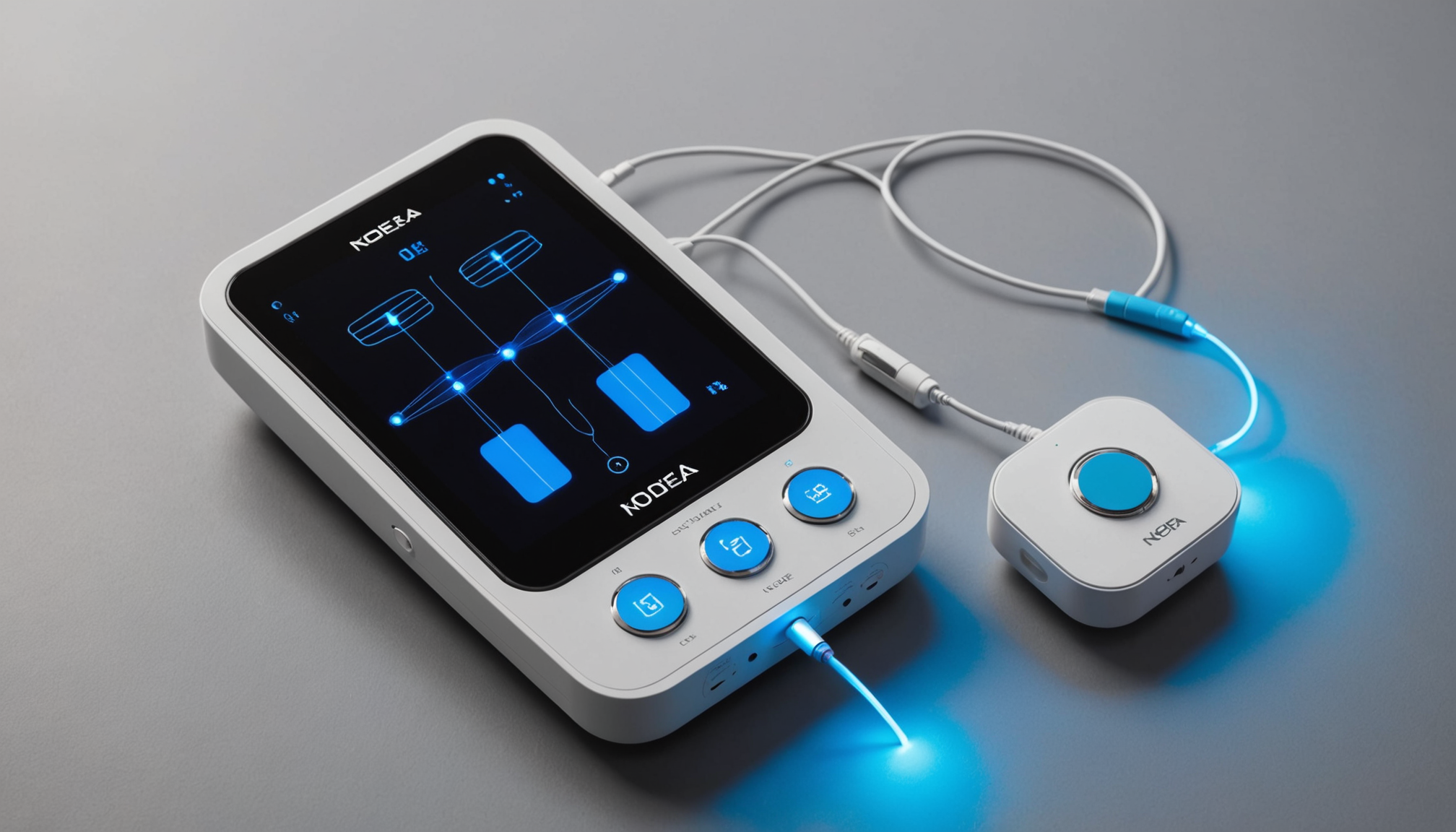
In the context of chronic pain management, the clinical applications of electrotherapy have demonstrated a robust spectrum of benefits for various patient demographics. Understanding how these therapies can be strategically applied allows practitioners and patients to maximize pain relief while minimizing discomfort.
For individuals suffering from chronic conditions such as arthritis, fibromyalgia, or neuropathic pain, modalities like Transcutaneous Electrical Nerve Stimulation (TENS) have proven effective. By delivering low-voltage electrical impulses through the skin, TENS can reduce pain perception and improve the quality of life. It is particularly beneficial for those who prefer a non-invasive approach, as it offers a portable solution that can be used in various settings, from home to work. Patients should start with short treatment sessions, gradually increasing the duration as comfort allows, to determine the optimal settings for their specific pain levels.
Another critical application is found in Electrical Muscle Stimulation (EMS), which is helpful not only for pain relief but also for muscle rehabilitation, especially in people recovering from surgery or injury. EMS improves muscle strength and promotes thorough blood circulation, assisting in the recovery of function and reducing muscle stiffness. For athletes, integrating EMS into their recovery routines can expedite healing and enhance overall performance.
Additionally, Interferential Current Therapy (IFC) offers advantages for managing deeper pain conditions. It targets larger areas, making it suitable for treating muscle and joint pain that is often experienced in conditions like chronic lower back pain. Patients undergoing IFC therapy frequently report improved mobility and reduced discomfort, enhancing their ability to participate in physical activities.
Ultrasound therapy, often overlooked, plays a significant role, especially in addressing inflammation and promoting tissue repair. Its application can be incredibly beneficial for individuals suffering from sports-related injuries, chronic tendonitis, or bursitis. By penetrating tissues with sound waves, ultrasound promotes increased blood flow, leading to a reduction in inflammation and pain. Regular sessions help to facilitate the healing process, making it a valuable option for those seeking sustainable relief.
Laser therapy, particularly low-level laser therapy (LLLT), has emerged as a frontrunner among non-invasive pain management strategies. This modality is highly effective for treating soft tissue injuries and has gained popularity among athletes for its potential to accelerate healing times significantly. Patients have reported not only reductions in pain but also enhanced recovery rates from injuries.
It is essential for patients considering these electrotherapy modalities to consult with healthcare providers who can tailor treatments based on individual needs and conditions. Whether addressing chronic pain or post-injury recovery, the integration of electrotherapy into pain management plans provides versatile options to support healing and enhance the quality of life.
Practical Tips for Patients:
- Keep an appointment log to track which electrotherapy modalities yield the best results for your pain conditions.
- Consult with a licensed therapist or medical professional about the frequency and duration of electrotherapy sessions to achieve maximum benefit.
- Always verify that the equipment used for at-home therapies is FDA-approved and follows the manufacturer’s guidelines.
- Remain open to combining different modalities; complementing TENS with physical therapy exercises, for example, can yield improved results.
Understanding the clinical applications of electrotherapy empowers patients with chronic pain to make informed choices about their treatment. By exploring these therapies and employing them effectively, individuals can pave the way for a more pain-free lifestyle.
Effectiveness and Evidence-Based Outcomes
The body of research surrounding electrotherapy for chronic pain management has expanded significantly, underscoring the effectiveness of various modalities. Randomized controlled trials and systematic reviews consistently demonstrate the benefits of electrotherapy in alleviating chronic pain across diverse patient populations. For example, numerous studies have shown that TENS therapy can significantly reduce pain scores in patients with conditions such as osteoarthritis and fibromyalgia, proving its utility in clinical settings.
In a comprehensive review analyzing the efficacy of TENS, it was found that up to 70% of patients reported at least a moderate reduction in pain following treatment. This modality’s non-invasive nature, coupled with its ability to be self-administered, makes it an attractive option for individuals seeking ongoing pain relief without the side effects commonly associated with pharmacological approaches.
Interferential Current Therapy (IFC) has also garnered substantial empirical support, particularly for its effectiveness in chronic low back pain. A meta-analysis indicated that patients receiving IFC experienced significant reductions in pain intensity, along with improved functionality. Moreover, the ability of IFC to target a larger treatment area while minimizing discomfort enhances patient compliance, leading to more sustained outcomes.
Ultrasound therapy is frequently highlighted for its unique ability to address both pain relief and tissue healing. Studies illustrate that patients with repetitive strain injuries or tendonopathies showed significant improvement in pain and function when treated with ultrasound, affirming its role in rehabilitation protocols. The mechanism behind this modality involves not only pain modulation but also enhanced blood flow and tissue regeneration, providing a dual benefit.
Laser therapy, specifically low-level laser therapy (LLLT), has emerged as a compelling option backed by growing evidence. Research has shown that LLLT can produce notable reductions in pain and swelling, making it advantageous for post-injury recovery. Its high success rate in treating soft tissue injuries has led to widespread adoption among athletes and rehabilitation professionals.
A pivotal study demonstrated that patients who underwent LLLT experienced greater functional improvements compared to those who received traditional therapeutic interventions. This promising outcome further underscores the importance of integrating advanced electrotherapy techniques into comprehensive chronic pain management plans.
Ultimately, the consistent evidence supporting the effectiveness of electrotherapy modalities illustrates their role as essential tools in the quest for chronic pain relief. As clinical practitioners continue to embrace these technologies, patients can expect to see enhanced outcomes, paving the way for more effective management of their pain.
“In managing chronic pain, we must rely on evidence-based practices that affirm the efficacy of modalities like electrotherapy, empowering patients towards a better quality of life.”
Safety and Side Effects
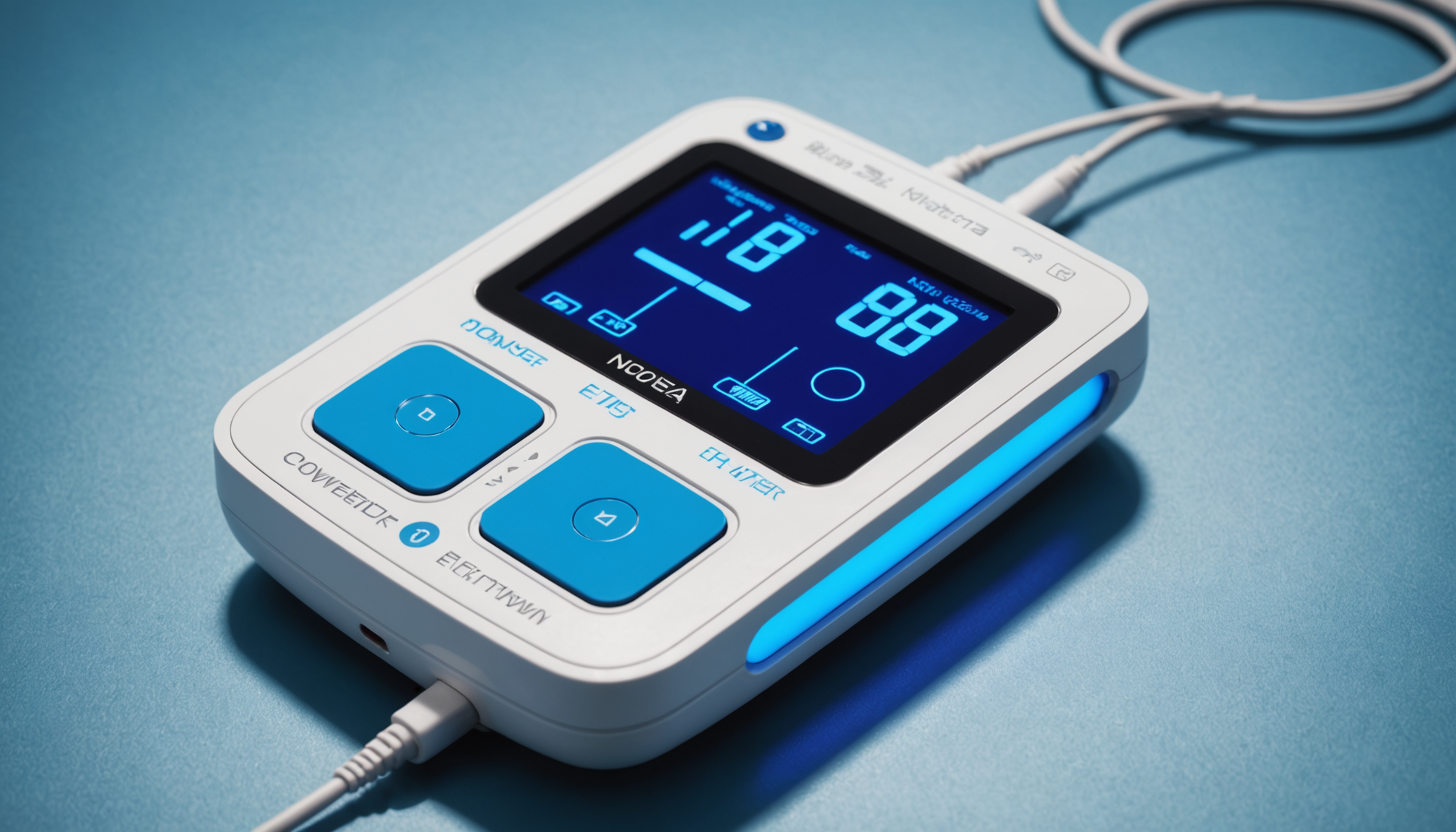 Electrotherapy is increasingly recognized as a valuable adjunct in chronic pain management, but it’s essential to approach its use with a keen understanding of potential safety concerns and side effects. While many individuals experience significant benefits from electrotherapy, awareness of its limitations and risks is crucial in ensuring a safe and effective treatment experience.
Generally, electrotherapy is considered safe for most patients when administered appropriately. However, certain groups may be at greater risk for adverse effects. For example, individuals with pacemakers or other implanted electronic devices should avoid electrotherapy unless cleared by a healthcare professional, as electrical impulses can interfere with their functioning. Additionally, conditions such as pregnancy and certain skin ailments may also contraindicate the use of specific electrotherapy modalities, necessitating a careful review by a qualified practitioner.
Common side effects associated with electrotherapy can include skin irritation at the electrode site, muscle cramps, or an uncomfortable sensation during treatment. These effects are typically mild and transient but should be monitored closely. If any side effects persist or worsen, it is vital to consult with a healthcare provider immediately. Adjusting the intensity settings or duration of treatment can often alleviate discomfort.
Another factor to consider is the potential for over-reliance on electrotherapy as a sole form of pain management. While it can provide valuable pain relief, using it in conjunction with other therapeutic approaches, such as physical therapy, exercise, and lifestyle modifications, often leads to more effective outcomes. Developing a holistic pain management strategy enhances the potential for long-term relief and well-being.
As patients explore the realm of electrotherapy, it is paramount to have open communication with healthcare professionals. Discussing personal health histories, treatment goals, and potential risks allows for an informed decision-making process. Embarking on a journey to understand and utilize electrotherapy not only empowers individuals but also drives curiosity about how various pain management methods can holistically support chronic pain relief.
- What is electrotherapy?
- Electrotherapy is a treatment method that uses electrical impulses to relieve pain, stimulate muscle function, and promote tissue healing. It encompasses various modalities, such as TENS, EMS, and ultrasound therapy.
- Is electrotherapy safe for everyone?
- While electrotherapy is generally safe, individuals with pacemakers, certain medical conditions, or who are pregnant should exercise caution and consult a healthcare provider before initiating treatment.
- What are the common side effects of electrotherapy?
- Common side effects may include skin irritation at the electrode site, mild muscle cramps, or transient discomfort during treatment. These symptoms are usually mild and can often be managed with adjustments to the therapy settings.
- How does electrotherapy relieve chronic pain?
- Electrotherapy relieves chronic pain by interrupting pain signal transmission, promoting endorphin release, and enhancing blood flow to affected areas. This multifaceted approach can effectively diminish the perception of pain.
- Can I use electrotherapy at home?
- Yes, certain electrotherapy devices like TENS units can be used at home. However, it is essential to follow the manufacturer’s instructions and consult with a healthcare professional for proper usage and settings tailored to your needs.
- How long does it take to see results from electrotherapy?
- Results can vary widely among individuals and depend on the specific condition being treated. Many patients report improvements after just a few sessions, while others may require more prolonged treatment to experience significant relief.
- Is electrotherapy effective for every type of pain?
- Electrotherapy may not be effective for all types of pain. Its efficacy often depends on the underlying cause and individual response to treatment. Discussing pain management options with a healthcare professional can help determine the best approach.
Patient Considerations and Guidelines
When considering electrotherapy for chronic pain management, it’s essential to approach it thoughtfully, especially regarding patient-specific considerations and guidelines. Understanding individual needs and preferences can significantly enhance outcomes and ensure a safe and effective experience.
It’s critical to assess personal health conditions before starting any electrotherapy treatment. Individuals with conditions such as heart disorders, epilepsy, or those who are pregnant should consult a healthcare professional to determine the appropriateness of various therapies. For instance, individuals with pacemakers must avoid electrical stimulation unless specifically cleared by a physician, as it may interfere with device function.
Before initiating electrotherapy, consider the following recommendations:
- Consult with a Professional: Consulting with a qualified therapist, physician, or pain management specialist is crucial. They can help determine the most suitable electrotherapy modality based on your chronic pain condition and any other existing health issues.
- Personalize Your Treatment: Everyone reacts differently to electrotherapy. It may require some trial and error to find the settings (such as frequency and intensity) that are most effective and comfortable for you. Start conservatively and gradually adjust based on your comfort and pain relief levels.
- Document Your Progress: Keeping a journal detailing your pain levels, the type of electrotherapy used, duration, and settings can provide valuable feedback regarding what works best for you. This information can be shared with your healthcare provider to inform future treatments.
- Combine Therapies: Electrotherapy may be more effective when combined with other treatments, such as physical therapy, massage therapy, or lifestyle modifications like exercise and dietary changes. These holistic approaches can enhance overall efficacy and improve long-term outcomes.
- Educate Yourself: Familiarize yourself with the different electrotherapy modalities available and their specific applications. Understanding how each therapy works can empower you to make informed decisions regarding your pain management strategy.
While receiving treatment, be attentive to how your body responds. Some patients may experience mild irritation or discomfort at the site of stimulation. Such side effects are relatively common and can often be mitigated by adjusting the intensity or placement of electrodes. If adverse reactions persist, promptly reporting these to your healthcare provider is essential for safe management.
Lastly, maintain consistent communication with your healthcare providers about your treatments. If you notice any changes in your symptoms or discover new potential treatments, being proactive ensures that your electrotherapy plan remains in alignment with your ongoing health needs.
By adhering to these considerations, individuals seeking pain relief through electrotherapy can foster a more effective and personalized approach, ultimately improving their experiences and outcomes in managing chronic pain.
For a personalized session and free consult, Call me: +1 334-300-0389.
Find out how ARPWave Therapy can enhance your performace as an athlete and how you can achieve drug-free pain relief.