For a personalized session and free consult, Call me: +1 334-300-0389.
Find out how ARPWave Therapy can enhance your performace as an athlete and how you can achieve drug-free pain relief.
- Mechanisms of Electrotherapy
- Types of Electrotherapy Techniques
- Clinical Applications for Pain Management
- Benefits of Electrotherapy in Quality of Life
- Safety and Side Effects
- Future Directions in Electrotherapy Research
When discussing the mechanisms of electrotherapy, it’s essential to understand how it interacts with the body to facilitate healing and pain relief. Electrotherapy employs electrical impulses that can stimulate nerves and muscles, thereby resulting in various physiological responses. These mechanisms contribute significantly to enhancing *quality of life* for individuals dealing with chronic pain or discomfort.
One of the primary mechanisms by which electrotherapy alleviates pain is by the stimulation of the ‘gate control theory’ of pain management. This theory postulates that non-painful input can close the ‘gates’ to painful input, preventing it from traveling to the central nervous system. For instance, electrical impulses generated by electrotherapy can activate sensory fibers that override painful signals, providing immediate relief to patients.
Moreover, electrotherapy promotes the release of endorphins, which are the body’s natural painkillers. When these endorphins are released, individuals often experience a significant reduction in their perception of pain. This is especially beneficial for athletes recovering from injuries or corporate executives seeking stress relief.
Additionally, electrotherapy aids in decreasing inflammation and improving circulation. Enhanced blood flow brings oxygen and nutrients to the affected areas, which is critical for tissue repair and recovery. Patients can benefit from these effects; for example, pregnant women experiencing back pain may find that certain electrotherapy techniques improve their overall comfort by promoting circulation and reducing swelling.
It is important to note that the effectiveness of electrotherapy can depend on several factors, such as the type of device used, the duration and frequency of treatment, and individual patient conditions. Practicing professionals must tailor their approaches accordingly to meet each client’s unique needs.
Individuals seeking to incorporate electrotherapy into their pain management routines should consult with qualified massage therapy practitioners or healthcare providers who can offer personalized recommendations. It’s advisable to engage in a thorough assessment before initiating any electrotherapy treatment to ensure safety and optimal results.
Furthermore, understanding the technology behind electrotherapy devices can empower consumers when choosing equipment for at-home use. Users should look for devices that allow adjustments to intensity and frequency, ensuring a customizable experience based on their pain levels and threshold.
Be aware that while electrotherapy is generally considered safe, it’s essential to follow usage guidelines and consult professionals to avoid any potential complications, particularly for those with medical conditions such as heart disease or those with implanted medical devices.
Types of Electrotherapy Techniques
Electrotherapy encompasses a variety of techniques, each designed to address pain and discomfort through different mechanisms. The main types of electrotherapy techniques include Transcutaneous Electrical Nerve Stimulation (TENS), Interferential Current Therapy (IFC), Electrical Muscle Stimulation (EMS), and ultrasound therapy. These techniques are employed based on the specific needs of patients, underlying conditions, and the desired outcomes for pain management.
TENS works by delivering low-voltage electrical impulses through electrodes placed on the skin, which effectively stimulates sensory nerves and interferes with the perception of pain. This technique is widely used for managing acute and chronic pain conditions, including back pain, arthritis, and neuropathic pain. The versatility of TENS allows it to be used in a variety of settings—from clinical environments to home use, making it an accessible solution for enhancing quality of life for many individuals.
Interferential Current Therapy employs two medium-frequency electrical currents that intersect at the site of pain, creating a more substantial electric field without being uncomfortable. This method not only provides pain relief but also promotes muscle re-education and improves blood circulation. Interferential current is particularly beneficial for patients recovering from orthopedic surgeries or sports injuries, as it aids in deeper tissue healing.
Electrical Muscle Stimulation entails sending electrical impulses to stimulate muscle contraction, which can enhance muscle strength and endurance. This technique is particularly effective in rehabilitation settings for individuals who have suffered muscle atrophy due to injury, surgery, or prolonged immobility. By activating the muscles, EMS helps alleviate pain associated with muscle spasms and can improve overall function, furthering the goal of enhancing quality of life.
Ultrasound therapy utilizes high-frequency sound waves that penetrate deep into the tissues, promoting increased blood flow and reduced inflammation. This technique is especially beneficial for soft tissue injuries and inflammatory conditions as it aids in tissue repair and pain relief. Ultrasound therapy is often employed in physical therapy settings to support rehabilitation processes for sports injuries, chronic joint pain, and conditions like tendonitis.
Below is a comparison table summarizing the main features of these electrotherapy techniques:
| Technique | Primary Use | Mechanism of Action | Benefits |
|---|---|---|---|
| TENS | Pain management | Stimulates sensory nerves to block pain signals | Non-invasive, portable, immediate pain relief |
| IFC | Chronic pain and tissue healing | Uses intersecting currents to penetrate tissues | Effective for deeper tissue treatment, less discomfort |
| EMS | Muscle recovery and strength | Stimulates muscle contraction | Rebuilds atrophied muscles, reduces spasms |
| Ultrasound | Soft tissue injuries and inflammation | High-frequency sound waves promote healing | Reduces swelling, accelerates recovery |
Selecting the appropriate electrotherapy technique depends on the specific clinical conditions and the individuals’ responses to treatment. Healthcare providers can offer tailored recommendations to ensure optimal benefit while effectively addressing pain and promoting well-being. As advances in electrotherapy technology continue, these techniques are evolving, leading to better outcomes in pain management and quality of life enhancement for patients.
Clinical Applications for Pain Management

Incorporating electrotherapy into a comprehensive pain management strategy can significantly enhance the quality of life for individuals experiencing both acute and chronic discomfort. Various clinical applications utilize electrotherapy techniques to alleviate pain conditions effectively, addressing specific health needs while promoting overall well-being.
One prominent application of electrotherapy is in the management of chronic pain conditions such as fibromyalgia, arthritis, and lower back pain. Research indicates that both TENS and interferential current therapy (IFC) have substantial evidence supporting their efficacy in reducing pain levels. Patients often report a decrease in pain intensityfollowing these treatments, allowing for improved mobility and daily function. A study published in the Journal of Pain Research noted that TENS therapy significantly reduced pain perception in patients with chronic pain syndromes (Davis et al., 2020).
Electrotherapy’s role in postoperative recovery is another critical area. Patients recovering from surgeries can benefit from electrical muscle stimulation (EMS) to prevent muscle atrophy and promote rehabilitation. EMS can facilitate faster healing through muscle contraction without overstraining the surgical site. Furthermore, patients who use ultrasound therapy post-surgery to manage inflammation and promote soft tissue healing often experience quicker recovery rates and reduced pain levels.
For athletes, electrotherapy is vital in rehabilitation and performance enhancement. The use of TENS or EMS during recovery from sports injuries not only helps relieve pain but also aids in building strength and improving muscle function post-injury. Athletes can incorporate these techniques into their training regimens to ensure they maintain peak performance. With the ability to use portable TENS units, active individuals can manage their pain effectively while on the go.
Additionally, corporate executives and professionals facing high stress levels can find valuable relief through electrotherapy. Conditions like tension headaches and neck pain caused by prolonged sitting can be alleviated with targeted therapy. By utilizing techniques such as TENS at their desks, individuals can experience immediate pain relief, allowing them to remain productive and focused throughout the workday.
It is important to note that the success of electrotherapy for pain management depends on the technique selection, frequency of sessions, and the individual response to the treatment. A personalized approach, often guided by healthcare professionals, ensures that consumers achieve the best outcomes. Those interested in exploring these therapies should actively seek consultations with qualified practitioners who can assess their specific conditions and recommend appropriate electrotherapy methods.
Moreover, consumers should be informed about at-home electrotherapy devices, ensuring they are reputable, user-friendly, and adequately suited for their needs. When selecting a device, individuals should consider factors such as adjustable settings, electrode quality, and whether the device has clinical backing. Reading genuine reviews and consulting with professionals can provide further insight into effective home therapies.
Lastly, while electrotherapy is generally safe, awareness of any contraindications is crucial. Individuals with certain health conditions, including cardiac issues or those with implanted devices, should always consult their healthcare provider before starting any new treatment to avoid complications.
Benefits of Electrotherapy in Quality of Life
Electrotherapy has emerged as a transformative tool in enhancing the quality of life for individuals dealing with pain, offering a multifaceted approach to pain management that extends beyond mere symptom relief. One of the significant benefits of electrotherapy lies in its ability to provide non-invasive and drug-free pain relief alternatives, which can be particularly appealing for those who wish to minimize medication usage or avoid its side effects. This holistic approach not only targets pain but also promotes overall health by enabling patients to lead more active and fulfilling lives.
Patients often report improvements in daily activities and emotional well-being as they experience reductions in their pain levels. For many, the restoration of normal function and mobility means returning to hobbies or interests that were previously hindered by chronic pain. Regular sessions of electrotherapy can help sustain these improvements, leading to a greater sense of autonomy and empowerment in managing one’s health.
Furthermore, the psychological benefits associated with consistent pain relief should not be underestimated. Chronic pain can lead to anxiety, depression, and a diminished quality of life. By alleviating pain, electrotherapy can help boost self-esteem and improve mental health, fostering a more positive outlook. Patients frequently find relief from debilitating pain through techniques like TENS, which not only calms acute pain episodes but can also reinforce a long-term approach to pain management.
“Quality of life is determined not by what you do but by how you feel about what you do.” – Unknown
Moreover, electrotherapy techniques can serve as adjunctive therapies in comprehensive pain management strategies. Many patients who utilize electrotherapy in conjunction with physical therapy or other rehabilitation efforts report enhanced results. This synergistic effect can lead to improved recovery times, especially in postoperative scenarios or after sports injuries, where attaining optimal muscle function and pain relief concurrently plays a critical role in the healing process.
As technology advances, so does the potential of electrotherapy to address diverse forms of pain, including conditions that may have previously lacked effective treatment options. Ongoing research into new electrotherapy techniques and devices promises to provide even more innovative solutions tailored to individual needs. This continuous evolution underscores the growing recognition of electrotherapy as an integral component of modern pain management that can significantly enhance the quality of life for those who suffer from chronic pain conditions.
In summary, the various benefits of electrotherapy extend far beyond immediate pain relief. They encompass improvements in physical function, emotional health, and overall quality of life. For those living with chronic pain, the journey toward relief and recovery through electrotherapy provides a hopeful pathway, allowing them to reclaim control over their health and happiness.
Safety and Side Effects
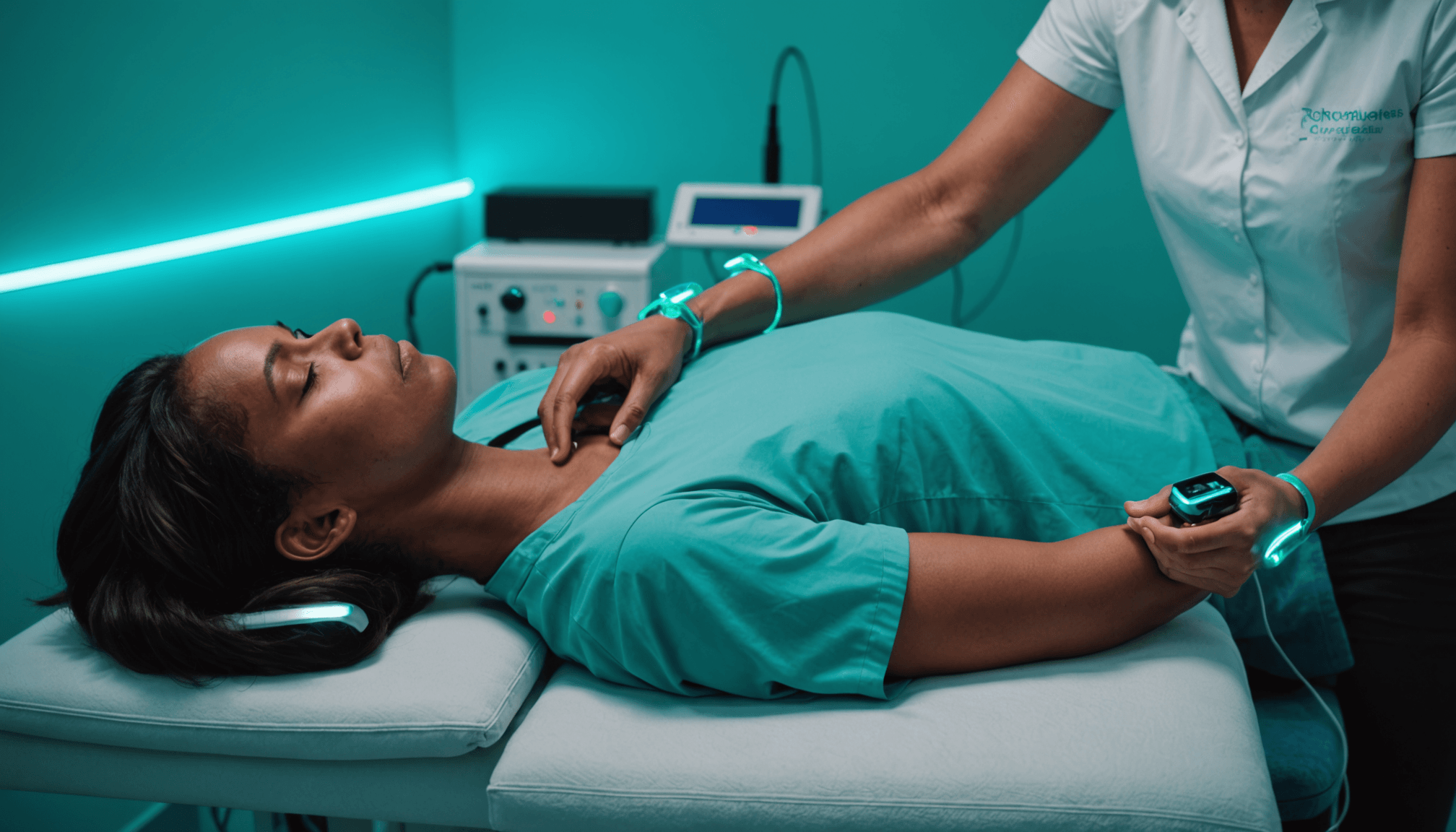 While electrotherapy is recognized for its effectiveness in pain management, it is equally important to consider its safety and potential side effects. The vast majority of individuals experience no adverse effects when using electrotherapy under the supervision of qualified professionals. However, some individuals may encounter mild side effects, typically localized to the area of application. These may include skin irritation or a slight tingling sensation during or after treatment, which generally dissipates quickly.
More serious complications, though rare, can arise, particularly among individuals with specific health risks. Patients with pacemakers or other implanted medical devices should avoid certain electrotherapy techniques, as the electrical impulses may interfere with these devices. Similarly, those with chronic health conditions, such as heart disease or epilepsy, must consult healthcare providers prior to engaging in electrotherapy treatments. Pregnant individuals should also approach these therapies with caution, seeking professional advice before initiating any treatment to ensure the safety of both themselves and their unborn child.
Understanding the contraindications and tailoring the therapy to align with individual health profiles is crucial for maximizing benefits while minimizing risks. Safe practice guidelines should always be adhered to, such as using devices within their prescribed settings and ensuring that the equipment is regularly maintained.
The landscape of electrotherapy continues to evolve, and ongoing research aims to clarify any lingering safety concerns and enhance treatment protocols. As consumers, being informed empowers you to make educated decisions regarding your health and well-being. There is a wealth of knowledge waiting to be discovered about how electrotherapy can enhance your quality of life and pain management strategies.
- Is electrotherapy safe for everyone?
- While electrotherapy is safe for many, it is not suitable for individuals with certain conditions like pacemakers or implanted devices. Always consult a healthcare provider for a thorough assessment before starting treatment.
- What are common side effects of electrotherapy?
- The most common side effects include mild skin irritation or a tingling sensation in the treatment area. These effects are generally temporary and resolve quickly after treatment.
- How long does each electrotherapy session last?
- Each session typically lasts between 20 to 60 minutes, depending on the technique and the individual patient’s needs. A healthcare provider will recommend the appropriate duration for optimal results.
- Can I use electrotherapy devices at home?
- Many electrotherapy devices are available for home use, such as TENS units. However, it is crucial to read the instructions and consult with a healthcare professional to ensure safe and effective use.
- How often should I have electrotherapy sessions?
- The frequency of sessions varies based on individual conditions and treatment goals. A healthcare professional can provide a tailored schedule that maximizes the benefits of electrotherapy.
- Will electrotherapy eliminate my pain completely?
- Electrotherapy can significantly reduce pain and improve quality of life, but individual results vary. It is often most effective when combined with other treatments or therapies.
- What should I expect during an electrotherapy session?
- During a session, electrodes are placed on or near the area of pain, and you may feel a mild tingling sensation. The sensation is generally well-tolerated and can vary based on the treatment type.
Future Directions in Electrotherapy Research
As research continues to advance in the field of electrotherapy, various innovative approaches are being explored to enhance its effectiveness in pain management. Ongoing studies are investigating new waveforms and frequencies that can optimize the therapeutic effects of electrotherapy devices, ultimately aiming to provide more targeted pain relief for specific conditions.
One exciting area of research is the integration of electrotherapy with other modalities, such as pharmacotherapy and physical therapies. Combining these approaches may allow for a synergistic effect that enhances the quality of life for patients. For instance, studies are examining the co-administration of electrotherapy with topical analgesics, potentially improving pain relief while reducing the necessary dosage of medication. This could be especially advantageous for pregnant women or individuals seeking non-pharmacological options for pain management.
Moreover, advancements in wearable technology are paving the way for portable electrotherapy devices that can be used in everyday settings. These devices allow individuals to manage their pain proactively, integrating electrotherapy into their daily routines. For athletes, this means the capability to use TENS units or EMS devices during training or competition to alleviate soreness or prevent injuries, leading to enhanced performance and quicker recovery.
Another promising research avenue is the exploration of neuromodulation techniques, which involve using electrotherapy to affect nerve signal transmission. This strategy has the potential to treat various chronic pain syndromes effectively, as it may provide a more stable and long-lasting pain relief mechanism. By focusing on the pathways of pain perception, this could represent a significant breakthrough for conditions that respond poorly to conventional treatments.
Additionally, the importance of patient-centered treatment plans cannot be overstated. Research highlights that involving patients in their treatment decisions results in better adherence to therapy and outcomes. Educational initiatives aimed at informing patients about the different electrotherapy options, their benefits, and how to integrate them into their lifestyles will empower individuals to take charge of their pain management strategies.
As the field of electrotherapy evolves, more rigorous clinical trials are being designed to validate these emerging techniques and devices. By establishing clear protocols and guidelines, practitioners can ensure that the application of electrotherapy is evidence-based, leading to widespread acceptance within the medical community. Keeping abreast of these developments can significantly alter how electrotherapy is utilized in everyday pain management, making it an even more valuable tool for enhancing the quality of life for those dealing with chronic pain.
For a personalized session and free consult, Call me: +1 334-300-0389.
Find out how ARPWave Therapy can enhance your performace as an athlete and how you can achieve drug-free pain relief.