


Using electrotherapy to enhance recovery from injuries
Using electrotherapy to enhance recovery from injuries

For a personalized session and free consult, Call me: +1 334-300-0389.
Find out how ARPWave Therapy can enhance your performace as an athlete and how you can achieve drug-free pain relief.
- Electrotherapy techniques and methods
- Benefits of electrotherapy in injury recovery
- Mechanisms of action: How electrotherapy works
- Types of electrotherapy modalities
- Guidelines for effective treatment
- Case studies and clinical applications
Electrotherapy encompasses a variety of techniques that utilize electrical energy to facilitate healing and enhance recovery from injuries. Understanding these techniques can help both practitioners and consumers optimize treatment outcomes. Here are some of the most common methods used in electrotherapy:
- TENS (Transcutaneous Electrical Nerve Stimulation): This technique involves using a small device that sends low-voltage electrical currents through the skin to relieve pain. Patients often use TENS units for managing chronic pain or discomfort from injuries. For optimal results, it is recommended to place the electrodes around the painful area and adjust the settings based on individual comfort levels.
- EMS (Electrical Muscle Stimulation): EMS is used to stimulate muscle contractions via electrical impulse. This can be beneficial for athletes looking to activate muscles during recovery or for individuals needing to prevent atrophy in immobilized body parts. The key is to start with low settings and gradually increase intensity as tolerated, ensuring proper placement of electrodes to target specific muscle groups effectively.
- IFC (Interferential Current): This technique employs two medium-frequency currents that intersect at the site of the injury. The interferential current can penetrate deeper into tissues than TENS, making it effective for both pain relief and edema reduction. For effective use, it’s essential to correctly position the electrodes for maximum coverage of the affected area.
- Biofeedback: Although not strictly electrotherapy, biofeedback involves using electronic monitoring devices to help patients gain awareness and control over physiological functions such as muscle tension. This technique can empower individuals to understand their bodies better and enhance recovery during physical therapy.
When considering electrotherapy techniques, it’s important for patients to consult with a licensed professional who can assess their specific needs and design a personalized treatment plan. Additionally, they should be aware that while these methods can significantly aid recovery, they are most effective when combined with other rehabilitation practices, such as physical therapy and massage.
Remember, electrotherapy is just one part of a comprehensive treatment approach. Resources for learning about these techniques can be found through local clinics or online platforms that offer courses and guidelines. Always ensure that any devices used at home are FDA-approved and that you follow the manufacturer’s instructions for safe use.
Benefits of electrotherapy in injury recovery
Electrotherapy has been recognized for its multifaceted benefits in the context of injury recovery, making it a popular choice among healthcare professionals and patients alike. One of the primary advantages is its capability to accelerate healing processes. By improving local blood circulation, electrotherapy enhances nutrient delivery and waste removal from injured tissues, which can significantly shorten the duration of recovery.
Furthermore, electrotherapy can effectively reduce pain, which is particularly beneficial for those dealing with acute or chronic injuries. Research indicates that modalities such as TENS can diminish the perception of pain through gate control mechanisms, thereby allowing patients to engage more fully in rehabilitation exercises without the fear of exacerbating their condition. This reduction in pain levels can improve a patient’s overall psychological outlook, leading to better adherence to treatment regimens.
In addition to pain relief, electrotherapy can also stimulate muscle function and reduce muscle atrophy during periods of immobilization. This aspect is vital for athletes recovering from sports-related injuries, as it helps maintain muscle tone and strength, thereby ensuring a quicker return to athletic activity. Moreover, enhancing muscle strength can prevent further injuries during the recovery process by providing better support and stability.
Another significant benefit is the reduction of edema and inflammation around injured areas. Techniques like IFC can address these symptoms effectively, allowing for a more comfortable recovery period. In many cases, the combination of reduced swelling and increased range of motion leads to a more efficient rehabilitation trajectory.
From a clinical perspective, the integration of electrotherapy into treatment plans can facilitate better outcomes and patient satisfaction. The following table summarizes the key benefits of electrotherapy in relation to injury recovery:
| Benefit | Description |
|---|---|
| Accelerated Healing | Improves blood flow and nutrient delivery, speeding up the recovery process. |
| Pain Relief | Reduces pain perception, allowing for greater participation in rehabilitation activities. |
| Muscle Function | Stimulates muscle contractions to maintain muscle tone and prevent atrophy during immobilization. |
| Reduced Edema and Inflammation | Addresses swelling, providing a more comfortable recovery environment. |
| Enhanced Psychological Well-Being | Improves patient outlook and adherence to treatment due to perceived improvements in condition. |
Overall, the myriad benefits of electrotherapy not only contribute to enhanced recovery from injuries but also play a crucial role in the overall rehabilitation process, ensuring patients can return to their daily activities or athletic pursuits sooner and with more confidence.
Mechanisms of action: How electrotherapy works
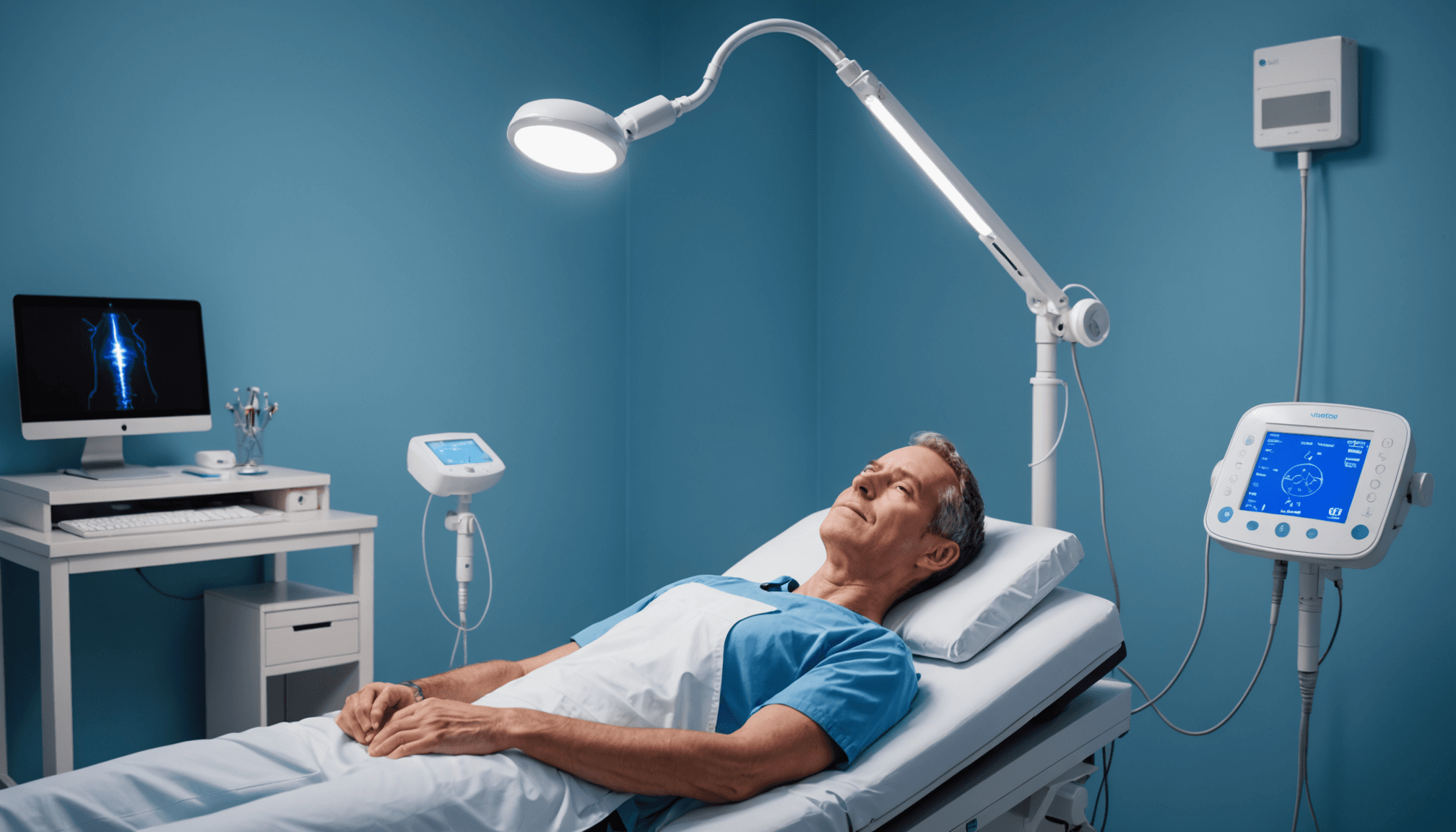
Electrotherapy works through a variety of mechanisms that contribute to its effectiveness in enhancing recovery from injuries. Understanding these processes can empower consumers to make informed decisions about their treatment options. The fundamental principles behind electrotherapy involve the application of electrical currents to the body, which can influence nerve and muscle function, reduce pain, and promote healing.
One of the primary mechanisms is the stimulation of sensory nerve fibers. When electrical impulses are applied to the skin, they activate these fibers, which can inhibit the transmission of pain signals to the brain through a process known as the gate control theory of pain. This results in a temporary reduction in pain perception, allowing individuals to engage in rehabilitation exercises more comfortably. For patients suffering from chronic pain or acute injuries, this effect can be particularly beneficial.
Additionally, electrotherapy can promote vasodilation—the widening of blood vessels—facilitating increased blood flow to the affected areas. Enhanced circulation ensures that more oxygen and nutrients reach injured tissues, which is critical for repair and recovery. The delivery of growth factors and the removal of metabolic waste products are also improved, leading to quicker recovery times.
Electrotherapy modalities like Electrical Muscle Stimulation (EMS) not only facilitate muscle contractions but also engage motor nerve fibers. This action triggers a cascade of biochemical responses that strengthen the muscle and enhance endurance during rehabilitation. The controlled stimulation can prevent muscle atrophy, especially for individuals recovering from surgery or injuries that necessitate immobilization.
Another important aspect of electrotherapy is its influence on inflammation and edema. By activating cellular responses, various electrotherapy techniques can help reduce swelling and promote tissue healing. This reduction in inflammatory markers and fluid accumulation alleviates discomfort and enhances mobility, which is vital for effective rehabilitation.
Moreover, certain types of electrotherapy, such as interferential current therapy, penetrate deeper into muscle and joint tissues. This deeper stimulation not only affects pain relief but also encourages muscle relaxation and spinal alignment. For athletes, the potential to recover faster from injuries and return to peak performance levels is a significant advantage.
It’s essential for both individuals and practitioners to understand these mechanisms clearly when selecting electrotherapy as a treatment option. Consulting with a licensed professional can ensure that individuals receive tailored advice on the best electrotherapy modality for their specific situation. As part of a broader rehabilitation plan, incorporating electrotherapy can yield more effective and timely results for enhancing recovery from injuries.
Types of electrotherapy modalities
The landscape of electrotherapy features a range of modalities, each with unique applications designed to suit different needs in rehabilitation. A thorough understanding of these types can help practitioners select the most appropriate technique for patients seeking to enhance recovery from injuries.
One prominent modality is Transcutaneous Electrical Nerve Stimulation (TENS), which delivers low-voltage electrical currents through the skin to alleviate pain. TENS units are compact and portable, making them an attractive option for home use. They provide a non-invasive solution for patients dealing with acute or chronic pain by disrupting pain signal transmission along the nerves. The versatility of TENS allows for adjustable intensity settings tailored to individual comfort, thereby maximizing treatment efficacy.
Another widely used technique is Electrical Muscle Stimulation (EMS). This method harnesses electrical impulses to stimulate muscle contractions, which can be particularly useful during periods of rehabilitation. EMS helps maintain muscle strength and tone when traditional exercise may be limited due to injury. Athletes often incorporate EMS into their recovery routines to keep muscle fibers engaged and prevent atrophy, thus facilitating a more rapid return to their sport.
Interferential Current (IFC) therapy represents a more advanced form of electrotherapy that uses two medium-frequency currents that intersect at the site of injury. This technique penetrates deeper into the tissue than TENS, making it particularly effective at reducing inflammation and promoting healing in deeper structures, such as muscles and joints. By mitigating pain and swelling simultaneously, IFC can enhance recovery by promoting mobility sooner in the rehabilitation process.
Other modalities include Microcurrent Therapy, which operates at a lower frequency and intensity than TENS and EMS, targeting cellular repair processes. This form of electrotherapy is designed to promote healing at a cellular level, making it highly beneficial for soft tissue injuries. By using microcurrents, the therapy stimulates ATP (adenosine triphosphate) production, essential for tissue repair and regeneration.
Additionally, some therapists employ Neuromuscular Electrical Stimulation (NMES), which focuses specifically on re-educating muscles post-injury. This modality not only promotes contraction of specific muscle groups but also aids in neuromuscular function recovery, helping to restore normal movement patterns and improving overall physical performance.
It is crucial for patients to engage with a healthcare professional to determine which electrotherapy modality best suits their injury and recovery goals. Each method may come with specific guidelines regarding treatment duration, frequency, and electrode placement, all of which are essential for achieving optimal outcomes.
“Electrotherapy modalities are characterized by their ability to address diverse needs in injury rehabilitation, offering tailored approaches for every patient.”
Ultimately, the effectiveness of these electrotherapy modalities can be significantly enhanced when they are incorporated into a comprehensive rehabilitation plan that includes other therapies and exercises, allowing patients to experience the greatest benefit from their recovery journey.
Guidelines for effective treatment
 The effectiveness of electrotherapy in enhancing recovery from injuries relies heavily on adhering to established guidelines during treatment. Protocols should be tailored to each individual’s specific condition and progress, ensuring the chosen method aligns with the unique aspects of their injury. A crucial first step in implementing electrotherapy is a comprehensive evaluation by a licensed practitioner who can determine the most suitable modality based on individual needs. Proper assessment includes understanding the type of injury, its severity, and any contraindications that might affect treatment efficacy.
It’s important for both practitioners and patients to develop a clear treatment plan that delineates treatment frequency, duration, and intensity. For example, modalities such as TENS might necessitate sessions of 20-30 minutes several times a week, while EMS could be utilized multiple times weekly to prevent muscle atrophy during periods of immobility. Following guidelines established by clinical research helps ensure optimal results and minimizes the risk of any adverse effects.
Electrode placement plays a vital role in treatment outcomes as well. Properly locating electrodes enables deeper tissue penetration and more effective stimulation of targeted muscles or pain pathways. Patients should receive thorough instructions for correct placement, ensuring that devices are positioned with care according to anatomical landmarks that align with the injury site.
Another aspect to consider is patient comfort and feedback. The experience during treatment should be continuously monitored; if patients report significant discomfort or pain, adjustments in intensity or electrode placement may be necessary. Encouraging open communication helps practitioners refine the approach to suit the patient’s tolerability and enhances the overall effectiveness of electrotherapy.
Consistency and compliance with the treatment plan are also key components. Patients should be educated about the importance of adhering to the schedule for sessions, as regular treatment can amplify the benefits of electrotherapy. Moreover, encouraging integration with complementary rehabilitation practices, such as physical therapy or massage, can form a holistic approach that promotes complete recovery.
Training for patients on how to use electrotherapy devices at home, if applicable, is essential to enable them to continue their recovery journey independently. This includes proper operation, maintenance of equipment, and understanding when it’s appropriate to engage in self-treatment versus when to seek professional advice.
This guideline-centric approach not only fosters an environment of healing but invites a broader consideration of all available rehabilitation options. Individuals are encouraged to delve deeper into the potential of electrotherapy and explore how these innovative techniques can fit into their recovery pathway, possibly uncovering new insights into injury management that can enhance their health and well-being.
- What is electrotherapy?
- Electrotherapy uses electrical energy to treat a variety of conditions, primarily focusing on pain relief and promoting healing in injuries. It encompasses several modalities, including TENS and EMS, tailored to individual patient needs.
- How does electrotherapy help with pain relief?
- Electrotherapy alleviates pain primarily by disrupting pain signal transmission to the brain through stimulation of sensory nerve fibers. Methods such as TENS exploit this mechanism effectively, allowing patients to engage more comfortably in rehabilitation.
- Is electrotherapy safe for everyone?
- While generally considered safe, electrotherapy may not be suitable for individuals with certain medical conditions, such as pacemakers or some types of heart issues. Consulting with a licensed healthcare practitioner is essential before starting treatment.
- How often should I use electrotherapy for recovery?
- The frequency of treatment generally depends on the specific injury and the electrotherapy modality used. Most practitioners recommend sessions multiple times a week, but this should be customized to each patient based on their response to therapy.
- Can I use electrotherapy at home?
- Yes, there are portable electrotherapy devices available for home use, such as TENS units. However, proper training and understanding of device usage— as well as manufacturer guidelines—are crucial to ensure safety and effectiveness.
- What should I expect during an electrotherapy session?
- Patients may feel a tingling sensation or mild muscle contractions during electrotherapy, depending on the modality used. The experience should be comfortable, but any significant discomfort should be communicated to the practitioner immediately.
- How does electrotherapy integrate with other rehabilitation therapies?
- Electrotherapy is most effective when used as part of a comprehensive rehabilitation plan, often combined with physical therapy and massage. This integrative approach enhances recovery by addressing various aspects of healing simultaneously.
Case studies and clinical applications
Case studies and clinical applications of electrotherapy illuminate its efficacy in enhancing recovery from various injuries across diverse patient populations. Numerous clinical examples demonstrate how specific modalities can facilitate rehabilitation and restoration of function. Additionally, these case studies provide valuable insights into the best practices and outcomes associated with electrotherapy treatments.
One notable case involved an athlete recovering from a shoulder injury that had limited range of motion and caused persistent pain. The clinician employed Electrical Muscle Stimulation (EMS) alongside traditional physical therapy. The EMS sessions were conducted three times a week for six weeks, focusing on the shoulder muscles to improve strength and coordination. As a result, not only was there a significant reduction in pain levels, but the athlete also regained full range of motion and was able to return to competitive play sooner than expected.
Another instance highlighted the use of Transcutaneous Electrical Nerve Stimulation (TENS) for a patient suffering from chronic lower back pain exacerbated by everyday activities. In this case, the individual reported minimal relief from conventional treatments. By incorporating TENS therapy with regular at-home sessions, the patient experienced a marked decrease in pain intensity, leading to improved mobility and daily functioning. This case underscores the importance of patient education in managing pain effectively through self-administered electrotherapy.
A clinical trial focused on patients recovering from knee surgeries demonstrated the benefits of Interferential Current (IFC) therapy in reducing swelling and accelerating healing time. Participants who received IFC treatments reported quicker recovery and less discomfort compared to those who did not receive electrotherapy. This highlights the potential of IFC as a valuable adjunct in post-operative rehabilitation protocols, particularly in managing postoperative edema and pain.
Microcurrent therapy has also been successfully implemented in treating soft tissue injuries. In a case study involving a patient with a significant muscle tear, microcurrent stimulation was used to enhance cellular repair processes. The patient noted a substantial increase in healing rates, faster recovery of muscle strength, and reduced scar tissue formation. This case illustrates how microcurrent therapy can be particularly effective in promoting optimal tissue healing and reducing downtime.
Across these cases, common themes emerged regarding the integration of electrotherapy with other rehabilitation practices. A multidisciplinary approach that combined physical therapy exercises with electrotherapy modalities resulted in better patient outcomes, demonstrating the need for personalized treatment plans tailored to individual recovery goals.
When considering the application of electrotherapy in clinical practice, it’s crucial for practitioners to document each patient’s progress comprehensively. Evaluating treatment effectiveness through regular assessments can guide adjustments to therapy, ensuring optimum results while addressing any emerging issues.
Ultimately, the evidence derived from these case studies affirms the role of electrotherapy as an effective method for enhancing recovery from injuries. By tailoring treatment to fit the unique needs of each patient, clinicians can maximize the benefits of electrotherapy, leading to improved rehabilitation outcomes.
For a personalized session and free consult, Call me: +1 334-300-0389.
Find out how ARPWave Therapy can enhance your performace as an athlete and how you can achieve drug-free pain relief.