For a personalized session and free consult, Call me: +1 334-300-0389.
Find out how ARPWave Therapy can enhance your performace as an athlete and how you can achieve drug-free pain relief.
- Therapeutic applications of ultrasound and electrotherapy
- Mechanisms of action in pain relief
- Clinical efficacy for various conditions
- Comparison of ultrasound and electrotherapy
- Safety and contraindications
- Future directions in pain management strategies
When considering pain management options, therapeutic ultrasound and electrotherapy are two modalities that can provide significant relief for a variety of conditions. These therapies are particularly beneficial for individuals dealing with chronic pain, athletes recovering from injuries, and even pregnant women seeking safe methods for pain relief.
The therapeutic applications of ultrasound are vast. This modality utilizes sound waves at frequencies higher than human hearing to stimulate tissue repair and reduce inflammation. Athletes often benefit from this treatment as it promotes healing in strained muscles or ligaments. For example, a runner experiencing shin splints may find that therapeutic ultrasound can help alleviate discomfort by targeting the affected area, enhancing blood flow and tissue regeneration.
Electrotherapy, which involves the use of electrical stimulation to control pain, is another effective route. Various forms, such as TENS (Transcutaneous Electrical Nerve Stimulation), can block pain signals from reaching the brain, providing rapid relief. This has made it popular among corporate executives who suffer from tension-related pain due to long hours at a desk. A simple TENS unit can easily be used at work, offering discreet pain management throughout the day.
Both therapies can be conveniently integrated into regular pain management routines. Here are some practical tips for utilizing these therapies:
- Consultation: Always consult with a healthcare professional or certified therapist to determine if these modalities suit your particular pain condition.
- Combination Therapy: Combining therapeutic ultrasound and electrotherapy can amplify pain relief effects. Discuss this option with your therapist to design a customized treatment plan.
- Home Devices: Look for portable ultrasound or TENS units for at-home care. Ensure they are FDA-approved for safety and efficacy.
- Schedule regular sessions with a professional to monitor progress and make necessary adjustments to your treatment plan.
With consistent use and professional guidance, therapeutic ultrasound and electrotherapy can serve as powerful allies in your journey towards effective pain management, enhancing recovery and promoting overall well-being.
Mechanisms of action in pain relief
The mechanisms of action for therapeutic ultrasound and electrotherapy in pain relief are multifaceted and have been the subject of extensive research. Both modalities aim to alleviate pain through distinct physiological processes that enhance healing and reduce discomfort.
Therapeutic ultrasound operates primarily through mechanical, thermal, and chemical effects. The mechanical aspect of ultrasound therapy involves the creation of sound waves that generate cavitation—tiny gas bubbles in the tissues. These bubbles oscillate and collapse, leading to an increase in tissue permeability, promoting fluid exchange, and aiding in the delivery of nutrients and removal of metabolic waste. This process is particularly beneficial for soft tissues, where increased blood flow and oxygenation can expedite healing.
On the thermal side, therapeutic ultrasound elevates tissue temperature, which can help relax muscles, enhance blood flow, and decrease stiffness. The increased temperature also contributes to the analgesic effect by interfering with pain transmission pathways. The heating effect can be particularly effective in chronic pain conditions, where muscle tension often exacerbates discomfort.
In addition, ultrasound may stimulate the release of endogenous compounds such as endorphins and substance P, which can modulate pain perception. By activating specific receptors in the nervous system, the body can increase its own natural pain-relieving processes, offering a biochemical approach to pain management.
Electrotherapy employs electrical impulses to achieve pain relief through mechanisms such as gate control theory and the release of endogenous opioids. In gate control theory, electrical stimulation is thought to activate large A-beta fibers in the peripheral nervous system, which can inhibit the transmission of pain signals carried by small C fibers to the spinal cord. This is why many patients report an immediate reduction in pain perception during TENS application.
Moreover, electrotherapy can stimulate the release of endorphins, providing a more prolonged analgesic effect. Regular exposure to electrical stimulation may alter the body’s pain pathways, retraining the nervous system’s response to pain. This is particularly useful in conditions like neuropathic pain, where traditional pain pathways may be dysfunctional.
To summarize, the following table highlights the key mechanisms by which therapeutic ultrasound and electrotherapy function in pain relief:
| Modality | Mechanisms of Action |
|---|---|
| Therapeutic Ultrasound |
|
| Electrotherapy |
|
Both therapeutic ultrasound and electrotherapy have shown significant potential in pain management by targeting various biological processes that contribute to pain syndromes. By understanding these mechanisms, healthcare providers can tailor treatment plans to maximize effectiveness and provide patients with a comprehensive approach to pain relief.
Clinical efficacy for various conditions
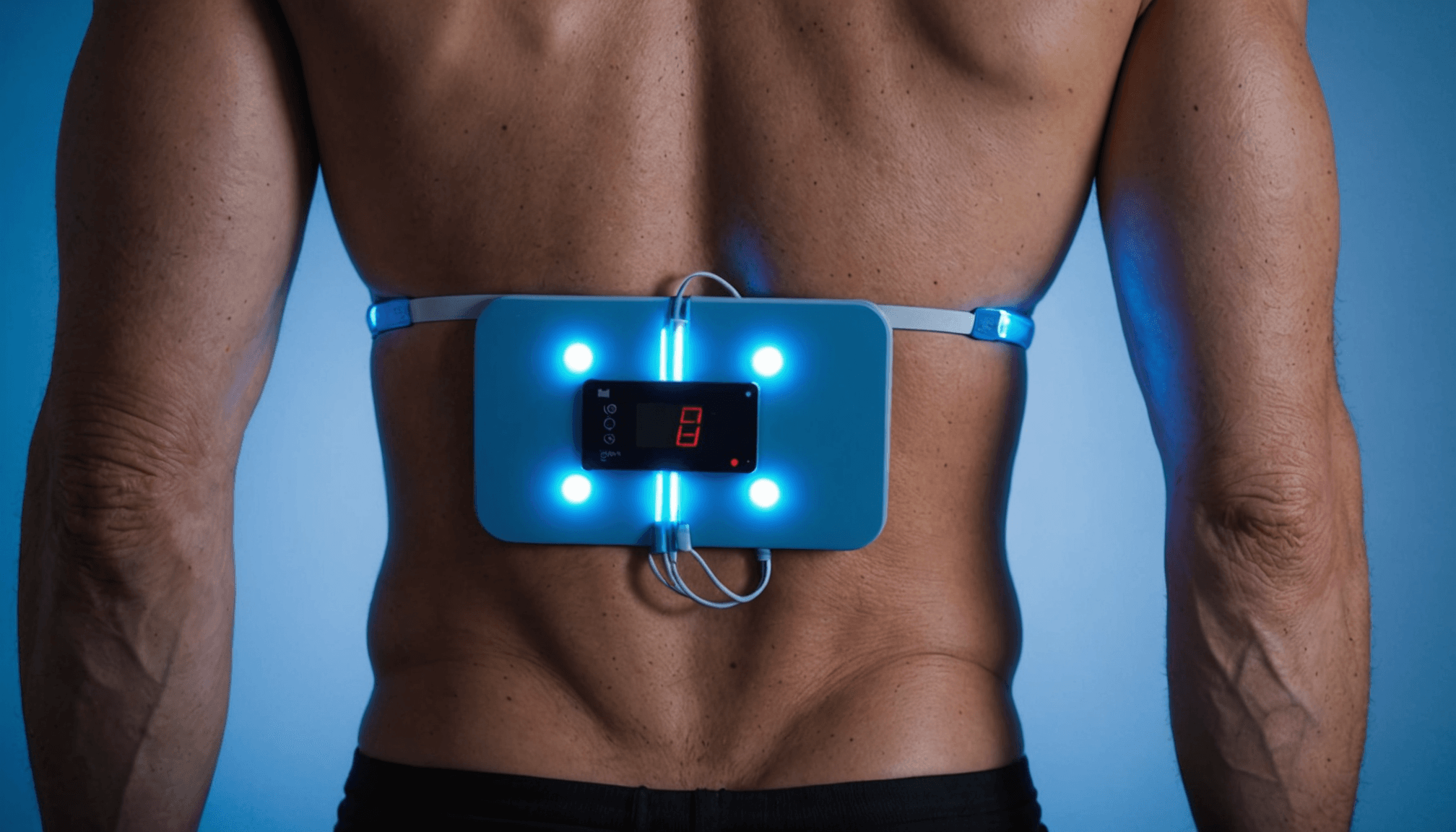
The clinical efficacy of therapeutic ultrasound and electrotherapy has been well-documented across various conditions, making these modalities essential tools for pain management. Individuals experiencing conditions such as arthritis, tendinitis, and lower back pain have reported notable improvements in their symptoms through consistent use of these therapies.
For arthritis patients, therapeutic ultrasound has demonstrated effectiveness in reducing joint pain and stiffness. Studies have shown that ultrasound treatment can significantly increase the range of motion in affected joints. For example, individuals with osteoarthritis may experience reduced inflammation and improved mobility post-treatment, enhancing their daily functioning. Incorporating ultrasound therapy into a regular treatment regimen can lead to substantial long-term benefits.
Electrotherapy, particularly the use of TENS units, has gained popularity among athletes and individuals recovering from surgery or physical injuries. Research indicates that TENS can effectively relieve pain by disrupting pain signal transmission during and after physical activity. Athletes recovering from strains or sprains may benefit from the immediate pain relief offered by electrotherapy, enabling them to resume training sooner without the hindrance of discomfort.
Here is a detailed overview of the conditions commonly treated with therapeutic ultrasound and electrotherapy, along with their respective clinical efficacy:
- Chronic Pain: Both modalities show efficacy in reducing chronic pain symptoms, improving quality of life. Patients with conditions like fibromyalgia have found relief through consistent treatments.
- Musculoskeletal Injuries: Therapeutic ultrasound is often employed for its ability to promote tissue healing and reduce inflammation in sports-related injuries, such as tendonitis.
- Post-Surgical Recovery: Electrotherapy is particularly beneficial in rehabilitation settings, helping to manage pain after surgical procedures while enhancing recovery speed through pain modulation.
- Neuropathic Pain: Electrotherapy has shown success in managing neuropathic pain conditions, aiding in the realignment of dysfunctional nerve responses.
- Pregnancy-Related Back Pain: Safe application of therapeutic ultrasound can offer pain relief for pregnant women experiencing discomfort without exposing the baby to harmful substances or excessive medication.
When considering these therapies for pain relief, it’s essential to keep a few key points in mind:
- Professional Guidance: Always work with a trained practitioner who can tailor these modalities specifically to your needs, especially if you’re new to pain management therapies.
- Combination Treatments: Many patients find that combining therapeutic ultrasound with other therapeutic techniques, like massage or physical therapy, yields the best outcomes.
- Monitor Your Progress: Keep track of your symptoms and recovery to discuss with your therapist. This record can help in refining your treatment plan for maximum effectiveness.
As consumers explore these effective treatments for pain, staying informed and connected with qualified professionals can significantly enhance their experiences and outcomes. Understanding how therapeutic ultrasound and electrotherapy work for various conditions enables individuals to make empowered choices in their pain relief journey.
Comparison of ultrasound and electrotherapy
When comparing therapeutic ultrasound and electrotherapy, several aspects must be considered, including their mechanisms, applications, and patient experiences. Both modalities have unique strengths that can complement each other, but they also differ in how they address pain.
Therapeutic ultrasound excels in providing localized treatment that directly targets tissues at various depths. This type of ultrasonic therapy can penetrate soft tissue, promoting healing and reducing inflammation in areas such as muscles, tendons, and ligaments. The mechanical and thermal effects of ultrasound can significantly enhance tissue repair, making it ideal for conditions like tendonitis or muscle strains. It is often delivered in a clinical setting by trained professionals who can control the parameters of treatment—such as frequency, intensity, and duration—tailored to the patient’s specific needs.
In contrast, electrotherapy, particularly through the use of TENS, offers a more portable solution for pain management that patients can often apply independently. With electrodes placed on the skin, electrical impulses can be used to manage pain in different areas of the body. The advantage of electrotherapy lies in its versatility; it can be used effectively for a wide range of pain conditions, from acute injuries to chronic ailments. Patients often appreciate the immediate relief they can achieve with TENS units, even in non-clinical settings.
Another factor to consider is the duration and intensity of treatment impacts on patient adherence and satisfaction. Many individuals find therapeutic ultrasound to be more comfortable, as it typically involves less active participation from the patient. On the other hand, electrotherapy may require patients to engage actively during treatment, adjusting settings or placement of electrodes based on their comfort, which can feel cumbersome.
Additionally, patient preference can heavily influence the choice between these two therapies. Some individuals respond more favorably to the sensations produced by ultrasound, finding it soothing and effective. Others may prefer the immediate, albeit temporary, relief that electrotherapy offers. The choice of modality often depends on the specific condition being treated, the location of pain, and personal experience with each treatment.
As advancements in technology continue, hybrid models that combine ultrasound and electrotherapy are emerging, providing potential enhanced outcomes. Integrating these modalities allows for the unique benefits of both methods to work in harmony, potentially leading to improved pain management strategies.
“Combination therapies are often more effective than single modality treatments, as they address multiple factors contributing to pain.”
In clinical practice, understanding these distinctions and listening to patient feedback are crucial steps in choosing the most appropriate therapeutic approach. Tailoring treatments to individual preferences and pain conditions can ultimately lead to better management of pain and improved quality of life.
Safety and contraindications
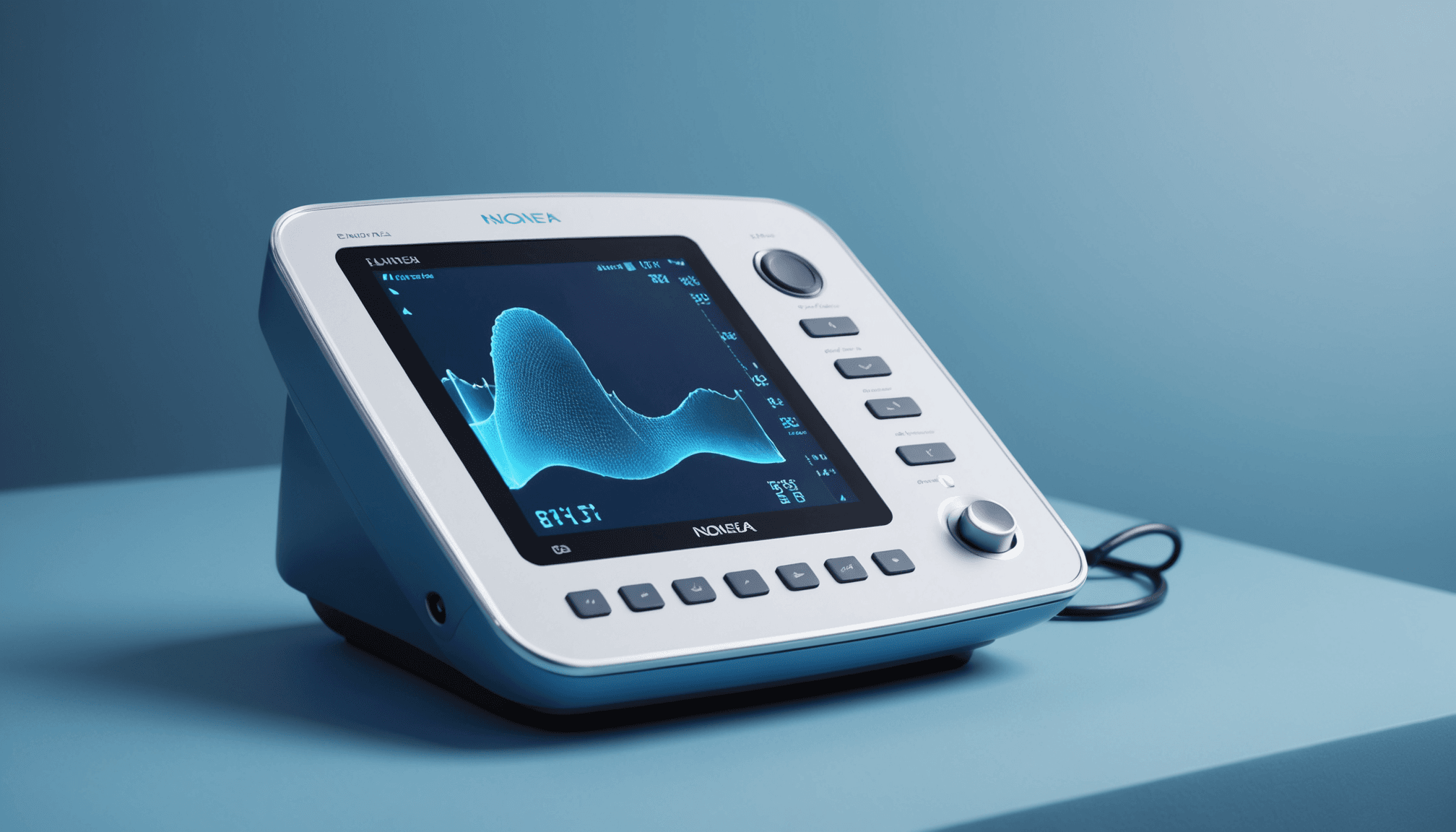 The effectiveness of therapeutic ultrasound and electrotherapy in managing pain comes with several considerations regarding safety and contraindications. Understanding these aspects is critical to optimizing treatment benefits while minimizing potential risks.
Both modalities are generally considered safe when used correctly, but certain conditions may pose risks or require caution. For instance, therapeutic ultrasound should not be applied over areas with active infections, tumors, or over areas with impaired circulation, such as areas affected by deep vein thrombosis. Additionally, applying ultrasound over the abdomen or pelvis of pregnant women should be avoided to protect the developing fetus.
Electrotherapy, while also safe for many patients, has specific contraindications. It should not be used on individuals with pacemakers or other implanted electrical devices, as the electrical impulses may disrupt their function. Furthermore, patients with epilepsy or those who are pregnant should consult healthcare professionals before using electrotherapy to ensure safety.
In both therapies, sensitivity to treatment can vary among individuals, and some may experience discomfort or skin irritation from the ultrasound gel or electrode pads used during application. Consequently, monitoring for adverse reactions is essential, and any discomfort should be reported to the treating professional immediately.
Another consideration relates to the skin over the treatment area. Skin integrity must be maintained, as electrotherapy should not be applied to broken or inflamed skin, and therapeutic ultrasound is less effective over tissues that are overly fibrotic. Always consult with a qualified healthcare provider to determine the appropriateness of these treatments based on individual medical history and conditions.
Finally, the outcome of treatments often depends on the involvement of a trained and certified therapist who can provide personalized treatment plans, assess the patient’s response, and make necessary adjustments throughout the therapy process. Such collaboration enhances safety and efficacy, allowing individuals to engage thoroughly in their pain management journey.
- Is therapeutic ultrasound safe for everyone?
- While therapeutic ultrasound is safe for many, it should not be applied to individuals with active infections, tumors, or impaired circulation. Always consult with a healthcare professional to determine its suitability for your specific condition.
- Are there any contraindications for electrotherapy?
- Yes, electrotherapy should not be used on patients with pacemakers, epilepsy, or during pregnancy without consulting a healthcare provider. It’s also contraindicated for individuals with broken skin or severe inflammation.
- Can I use both ultrasound and electrotherapy together?
- Yes, combining therapeutic ultrasound and electrotherapy can enhance pain relief by targeting different pain mechanisms. However, this should be done under the supervision of a trained professional to ensure safety and effectiveness.
- What if I experience discomfort during treatment?
- If you experience discomfort during ultrasound or electrotherapy, inform your therapist immediately. They can adjust the treatment parameters or assess your needs to ensure your comfort and safety.
- How often should I receive treatment?
- The frequency of treatment varies based on individual conditions and responses. Your therapist will create a personalized plan that may include regular sessions to optimize pain relief and recovery.
- Can I use these therapies at home?
- Portable devices for both therapeutic ultrasound and electrotherapy are available for home use. However, it’s essential to receive proper training from a healthcare professional before using them to ensure safe and effective application.
- Are there any side effects of therapeutic ultrasound or electrotherapy?
- Generally, side effects are minimal but may include skin irritation or discomfort in sensitive individuals. Monitoring and communication with a therapist can help manage any adverse reactions appropriately.
Future directions in pain management strategies
As research progresses in the realm of pain management strategies, the future looks promising for the integration of innovative techniques and technology. One key direction involves the ongoing enhancement of therapeutic ultrasound and electrotherapy, as both modalities continue to evolve in effectiveness and accessibility.
Emerging technologies, such as wearable devices and mobile applications, are starting to play a significant role in personalizing pain management. For example, research is underway to develop portable ultrasound units that individuals can use at home. This advancement would allow for regular treatment, enhancing recovery and pain relief without the need for frequent clinical visits. Athletes could benefit from such devices, applying therapeutic ultrasound after training to address inflammation or minor injuries proactively.
Moreover, the incorporation of data analytics into the use of both therapeutic ultrasound and electrotherapy is set to improve patient outcomes. By utilizing real-time feedback from these devices, practitioners can better understand how individuals respond to different treatment parameters. For instance, if a patient using electrotherapy experiences varying levels of pain relief, data analytics can reveal patterns that inform adjustments to their therapy regimen. This precision approach not only optimizes the efficacy of pain management strategies but also fosters patient engagement in their own care.
Collaboration between multidisciplinary teams is another promising direction. Integrating physical therapists, medical doctors, and pain specialists can lead to comprehensive treatment plans that leverage all available modalities, including therapeutic ultrasound and electrotherapy. For instance, a combined approach involving electrotherapy for immediate pain relief and therapeutic ultrasound for deeper tissue healing can address multiple aspects of a patient’s pain concurrently.
In addition, ongoing education for both therapists and patients about new modalities and techniques will play a crucial role in driving successful treatment outcomes. Workshops, webinars, and online resources are essential for keeping those seeking pain relief informed about the latest developments in therapeutic ultrasound and electrotherapy. Staying up to date will empower individuals to make informed choices about their pain management strategies.
As we look to the future, the potential for combining traditional therapeutic approaches with cutting-edge technology is vast. Innovations in pain management will continue to emerge, providing broader access and tailored care options for various populations, from athletes to pregnant women and corporate professionals. The focus on personalized, effective pain management will undoubtedly transform the ways people approach their discomfort and overall well-being.
For a personalized session and free consult, Call me: +1 334-300-0389.
Find out how ARPWave Therapy can enhance your performace as an athlete and how you can achieve drug-free pain relief.