


Electrotherapy as a non-invasive pain relief method
Electrotherapy as a non-invasive pain relief method

For a personalized session and free consult, Call me: +1 334-300-0389.
Find out how ARPWave Therapy can enhance your performace as an athlete and how you can achieve drug-free pain relief.
- Overview of Electrotherapy Techniques
- Mechanisms of Pain Relief
- Types of Electrotherapy Devices
- Clinical Applications and Efficacy
- Safety and Contraindications
- Future Directions in Electrotherapy Research
Electrotherapy techniques encompass a wide range of methods that utilize electrical stimulation to promote healing and alleviate pain. This non-invasive approach has gained popularity among various demographics, including athletes looking for recovery solutions, corporate professionals seeking stress relief, and pregnant women exploring safe alternatives for discomfort relief.
Modern electrotherapy is primarily categorized into several techniques, each with its specific applications and benefits:
- Transcutaneous Electrical Nerve Stimulation (TENS): This technique involves placing electrodes on the skin to deliver low-voltage electrical currents, which help in interrupting pain signals being sent to the brain. TENS units are portable and user-friendly, making them an excellent option for at-home pain management.
- Electrical Muscle Stimulation (EMS): EMS focuses on stimulating muscle contractions to improve circulation and reduce muscle soreness. This technique is particularly beneficial for athletes recovering from injuries or intense workouts.
- Interferential Current Therapy (IFC): IFC involves the intersection of two medium-frequency electrical currents to target deeper pain areas without affecting the skin. It’s commonly used in physical therapy settings for conditions such as arthritis and tendonitis.
- Microcurrent Therapy: This method uses very low-level electrical currents that mimic the body’s natural signals, which can promote tissue healing and reduce inflammation. Microcurrent therapy is often used for chronic pain and in rehabilitation contexts.
When considering electrotherapy methods, it’s essential to understand how these techniques can fit into your overall pain management or wellness plan. Here are a few practical tips:
- Consult with a healthcare professional: Before starting any electrotherapy regimen, it’s crucial to consult your physician or a physical therapist, especially if you are pregnant or have existing health conditions.
- Choose the right device: Depending on your specific needs, some devices may be more suitable than others. Research different models and read user reviews to find one that is effective and convenient for your lifestyle.
- Follow usage instructions carefully: Adhere to the guidelines provided with your electrotherapy device. Overuse can lead to skin irritation or other issues.
- Combine with other therapies: Electrotherapy can be more effective when used alongside other pain management techniques such as massage therapy, physical therapy, or meditation.
By integrating these non-invasive electrotherapy techniques into your pain relief strategy, you can enhance your overall wellness, potentially allowing for a more fulfilling and active lifestyle.
Mechanisms of Pain Relief
The mechanisms underlying pain relief through electrotherapy are multifaceted and can be categorized into several key processes. These processes primarily engage the nervous system, influencing pain perception and generating a myriad of physiological responses that facilitate healing and comfort.
One critical mechanism is the modulation of pain signals as they travel to the brain. Electrotherapy techniques such as Transcutaneous Electrical Nerve Stimulation (TENS) effectively disrupt the pain signal transmission pathways by stimulating large-diameter nerve fibers, which can inhibit the conduction of pain through the spinal cord. This phenomenon is often referred to as the “gate control theory” of pain, suggesting that non-painful input (from the electrical stimulation) can close the “gates” to painful input, preventing the sensation of pain from reaching the brain.
Additionally, electrotherapy promotes the release of natural pain-relieving chemicals within the body, including endorphins and enkephalins. These neuropeptides act as natural analgesics and help improve mood while also reducing the perception of pain. By enhancing the endogenous release of these substances, electrotherapy provides a non-invasive method for patients to manage pain effectively.
Another significant mechanism is the facilitation of improved circulation. Electrical stimulation increases blood flow to the affected areas, promoting oxygenation and nutrient delivery while aiding in the removal of metabolic waste products. Enhanced circulation can lead to quicker healing, especially in cases of musculoskeletal injuries, as it helps to reduce inflammation and promote tissue repair.
Inflammation is often a major contributor to pain, and electrotherapy can have anti-inflammatory effects as well. For instance, Microcurrent Therapy can reduce swelling and inflammation by influencing cellular activity and promoting ATP (adenosine triphosphate) production within cells, which plays a crucial role in cellular repair and regeneration.
To illustrate these mechanisms, the following table summarizes the various types of pain relief mechanisms linked to electrotherapy:
| Mechanism | Description |
|---|---|
| Pain Signal Modulation | Interrupts pain signals from reaching the brain through electrical stimulation of larger nerve fibers. |
| Natural Pain Relief | Stimulates the release of endorphins and enkephalins, which are natural pain-relievers. |
| Enhanced Circulation | Improves blood flow to tissues, aiding in healing and reducing inflammation. |
| Anti-inflammatory Effects | Reduces swelling by promoting ATP production and influencing cellular activities. |
The cumulative effect of these mechanisms effectively translates into reduced pain sensation and improved functional status for patients utilizing electrotherapy. Understanding these underlying processes is crucial for practitioners and patients alike to maximize the therapeutic benefits of non-invasive electrotherapy in pain management.
Types of Electrotherapy Devices
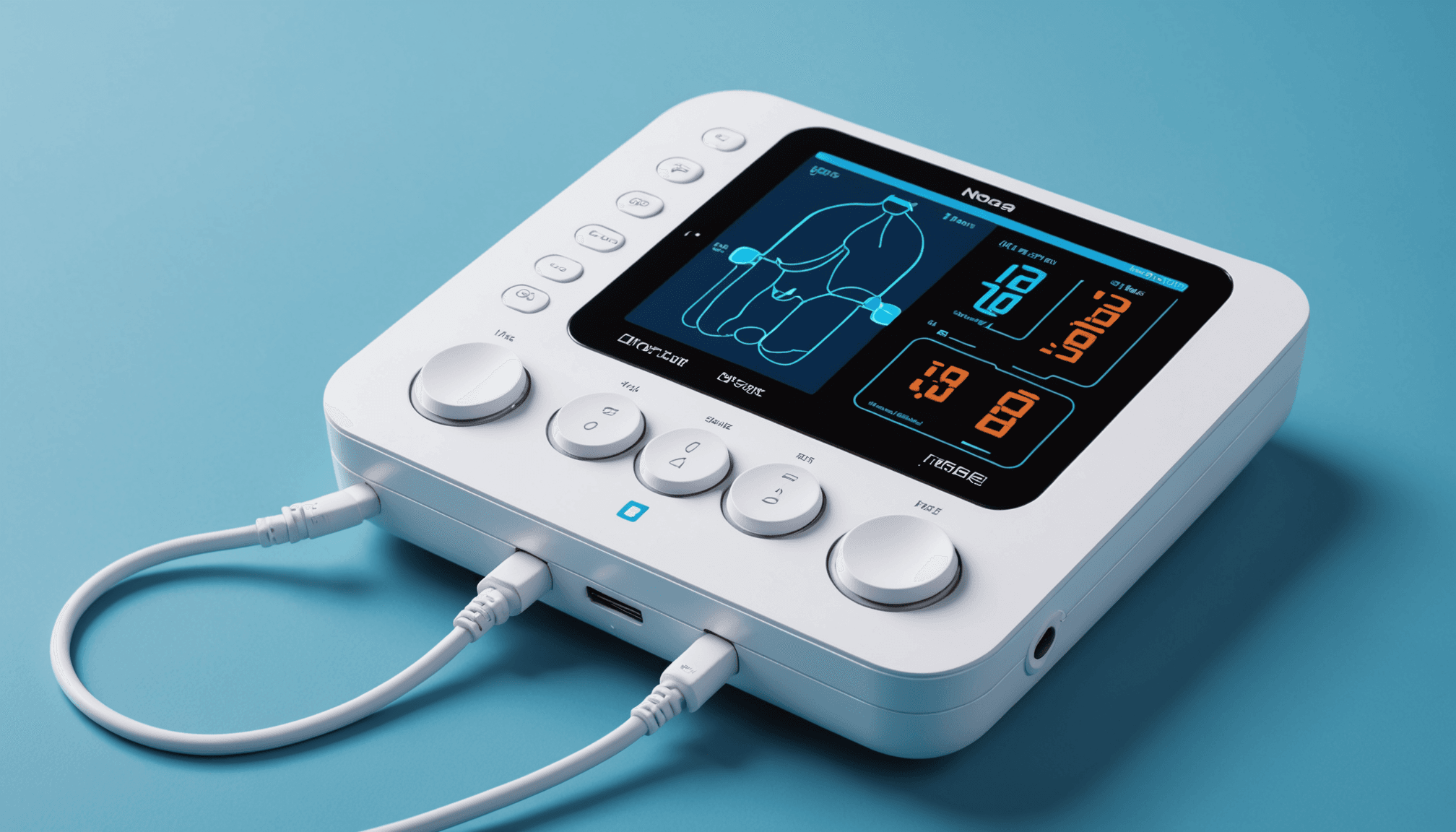
Electrotherapy devices have advanced significantly, providing a range of options tailored to different needs and preferences for pain relief. These devices vary in terms of technology, application methods, and intended uses. Below are some of the most commonly used types of electrotherapy devices available in the market today:
- TENS (Transcutaneous Electrical Nerve Stimulation) Units: These portable devices deliver small electrical impulses through electrodes placed on the skin. TENS units are designed to help alleviate pain by disrupting pain signal transmission to the brain. Users appreciate TENS units for their ease of use and the ability to manage pain in the comfort of their homes.
- EMS (Electrical Muscle Stimulation) Units: EMS devices work by sending electrical impulses that induce muscle contractions. These units are frequently used by athletes for muscle recovery, enhancing blood circulation, and reducing muscle soreness. Most EMS devices offer various settings, allowing users to customize their experience based on muscle groups and recovery needs.
- Interferential Current (IFC) Therapy Devices: IFC devices utilize two medium-frequency currents that intersect to penetrate deeper tissues without discomfort. This approach is particularly effective in treating chronic pain conditions such as joint pain and inflammation. Patients undergoing physiotherapy often find IFC beneficial as part of their treatment regime.
- Microcurrent Therapy Devices: Microcurrent devices employ very low-level electrical currents that mimic natural biological signals in the body. This subtle stimulation promotes cellular repair and reduces inflammation, making it valuable for chronic pain and rehabilitation. Microcurrent therapy has garnered attention among those seeking non-invasive solutions for pain relief and quicker recovery.
When incorporating electrotherapy devices into your pain management routine, consider the following practical advice to maximize their effectiveness:
- Assess Your Needs: Identify the specific type of pain you are experiencing and consult with a healthcare provider to determine which electrotherapy device would best suit your situation. Different conditions may respond better to specific therapies.
- Explore Features and Functions: Look for devices that offer adjustable settings to accommodate different discomfort levels and treatment areas. Features such as programmable timers and intensity levels can enhance your user experience.
- Anatomical Awareness: Be mindful of where you place the electrodes. Each device will come with guidelines on where to place electrodes for optimal results. Misplacement can lead to ineffective treatment or discomfort.
- Regular Use: Consistency is key when using electrotherapy devices. Following the recommended usage schedule will help you achieve the best outcomes over time, making it an integral part of your self-care routine.
- Document Your Progress: Keep a pain journal to track your pain levels and responses to electrotherapy. This record will be beneficial for discussing your progress with healthcare professionals and modifying your approach as needed.
Each type of electrotherapy device can be a valuable tool in your journey toward pain relief, enabling you to take control of your health and wellness in a non-invasive manner. By understanding the variety of options available, you can select the devices that will best cater to your individual pain management needs.
Clinical Applications and Efficacy
Electrotherapy has been integrated into mainstream clinical practice across various medical fields, demonstrating its versatility and efficacy in treating a range of pain-related issues. Comprehensive studies and clinical trials have highlighted the effectiveness of electrotherapy in providing relief for conditions such as chronic lower back pain, osteoarthritis, and post-operative pain, among others. The adaptability of electrotherapy techniques, such as TENS and EMS, allows clinicians to tailor treatment regimens based on the patient’s individual needs, thereby enhancing outcomes.
For instance, in the management of chronic lower back pain, numerous clinical trials have established that TENS can significantly reduce pain levels and improve functional mobility. Patients often report greater satisfaction with their pain management when incorporating TENS into their treatment plan. The portable nature of TENS units allows patients to utilize them at home, thereby integrating pain relief into their daily routines.
Similarly, EMS has gained traction in sports medicine, where it is used to aid recovery and muscle rehabilitation. Athletes often benefit from improved muscle function and reduced recovery times after intense physical activity. Research indicates that EMS not only enhances muscle strength but also significantly reduces soreness, making it an essential tool for athletes to maintain peak performance.
Interferential current therapy has been employed effectively in physical therapy settings for its ability to target deeper tissues without the discomfort sometimes associated with other forms of electrical stimulation. Studies have shown that IFC significantly alleviates pain in patients suffering from conditions like tendonitis and fibromyalgia. The ability of IFC to enhance circulation while providing pain relief makes it an attractive option for practitioners seeking to improve patient outcomes in rehabilitation.
Microcurrent therapy, although often considered a newer modality, has shown promising results in treating chronic pain and aiding recovery post-injury. Its appeal lies not only in its efficacy but also in its non-invasive nature, making it suitable for sensitive populations, such as the elderly or those recovering from surgery. Research has observed that regular microcurrent therapy can lead to substantial reductions in pain levels and improved mobility, enhancing the quality of life for many patients.
The cumulative evidence supporting the efficacy of these electrotherapy techniques is robust, with meta-analyses providing strong support for their inclusion in pain management protocols. Healthcare providers are increasingly recognizing the value of combining electrotherapy with traditional treatments, further enhancing the overall therapeutic effect.
“The integration of non-invasive treatments like electrotherapy represents a paradigm shift in how we approach pain management, offering patients a more comprehensive strategy for relief.” – Source Unknown
However, while the clinical applications are promising, proper guidance on the use of these therapies is crucial. Healthcare professionals typically recommend electrotherapy as part of a multidisciplinary approach to pain management that includes physical therapy, medication, and lifestyle adjustments. As research continues to evolve, the clinical applications of electrotherapy are likely to expand, potentially leading to innovative techniques and devices that enhance patient care and outcomes across various medical disciplines.
Safety and Contraindications
 Electrotherapy, while a promising avenue for pain relief, requires consideration of safety and possible contraindications to ensure effective and responsible use. Various individuals may react differently to electrotherapy treatments, making it important to be aware of conditions that might preclude its use or require caution. For many types of electrotherapy, safety is paramount, and understanding the limitations is essential for both practitioners and patients.
Firstly, individuals with certain medical conditions should exercise caution or seek prior approval from a healthcare professional before undergoing electrotherapy. For example, patients with pacemakers, implanted defibrillators, or other electronic medical devices may experience complications as electrical impulses from the therapy could interfere with their devices. Similarly, those with epilepsy or a history of seizures should avoid using electrotherapy unless under strict medical supervision, as the electrical stimulation may trigger seizures.
Skin conditions and sensitivities can also be relevant considerations. Electrotherapy that applies electrodes directly onto the skin could lead to irritation, burns, or discomfort in people with dermatological issues. Active infections, tumors, or open wounds in the treatment area likewise necessitate avoidance of electrotherapy until they have fully healed. Patients should consult their healthcare providers if they experience skin breakdown, crusting, or severe irritation following therapy.
Pregnant individuals must take special care when considering electrotherapy. While certain techniques may be deemed safe, others could pose unknown risks to fetal health. Healthcare professionals usually recommend avoidance of direct abdominal stimulation during pregnancy and assessment of the chosen modality before application.
Further, it is also vital to recognize the potential for overuse of electrotherapy devices. Patients should adhere strictly to the recommended treatment schedules and modalities. Overstimulation may lead to adverse effects such as increased pain, muscle fatigue, or additional skin irritations. Educating on proper usage, duration, and intensity settings will maximize benefits while minimizing risks.
As research into electrotherapy continues to advance, more insights will emerge on the best practices to ensure safety. It is essential for both practitioners and patients to remain aligned on treatment plans, constantly evaluating effectiveness and safety, thus fostering an atmosphere of learning and adaptation in pain management strategies.
- What types of conditions can electrotherapy treat?
- Electrotherapy can treat a variety of conditions including chronic pain, arthritis, muscle soreness, and post-operative pain. It is often used alongside other therapies to enhance overall wellness and pain management.
- Is electrotherapy safe for everyone?
- While many people can safely use electrotherapy, it may not be suitable for those with certain conditions, such as pacemakers, skin infections, or pregnant individuals. Always consult a healthcare provider before starting treatment.
- How long does an electrotherapy treatment session last?
- Treatment sessions typically last between 20 to 60 minutes, depending on the type of electrotherapy and individual needs. It’s essential to follow the recommended duration set by your healthcare provider or device instructions.
- Can I use electrotherapy devices at home?
- Yes, many electrotherapy devices are designed for at-home use, such as TENS units. However, proper guidance on usage is crucial for safety and effectiveness.
- Will electrotherapy hurt?
- Most users report minimal to no pain during treatments, though some may experience mild discomfort or tingling sensations. It’s important to adjust the intensity to a comfortable level for optimal results.
- How often should I use electrotherapy for pain relief?
- Frequency of use can vary based on individual situations and the type of device. Generally, starting with 1-3 sessions per week is recommended, but follow the advice of your healthcare provider for tailored instructions.
- What should I do if I experience discomfort during electrotherapy?
- If discomfort occurs during treatment, it is advised to reduce the intensity settings or discontinue use. If discomfort persists, seek advice from a healthcare provider to address any concerns.
Future Directions in Electrotherapy Research
As research in electrotherapy continues to grow, several promising directions are emerging that could enhance its application and effectiveness for pain relief. Ongoing studies aim to refine existing techniques, explore new modalities, and investigate the physiological impacts of electrotherapy on various pain conditions. Here are some key areas that are currently under investigation or show potential for future developments:
- Personalized Electrotherapy Protocols: Research is increasingly focusing on how to customize electrotherapy treatments to suit individual patient needs. By utilizing data from biomechanical assessments and patient feedback, practitioners can develop tailored protocols that adapt to specific pain types, severity, and patient responses. This personalized approach aims to improve overall effectiveness and patient satisfaction in pain management.
- Combination Therapies: Exploring the synergistic effects of combining electrotherapy with other therapeutic modalities is a key area of interest. For instance, integrating techniques such as acupuncture, physical therapy, and cognitive-behavioral strategies with electrotherapy could create more comprehensive treatment plans that address pain from multiple angles, potentially leading to enhanced outcomes.
- Neuroimaging Studies: Advancements in neuroimaging techniques are allowing researchers to visually observe how electrotherapy impacts brain activity and pain processing pathways. Such studies could clarify the mechanisms behind pain modulation and inform the development of more effective treatment protocols based on objective findings.
- Device Innovation: The technology surrounding electrotherapy devices is evolving rapidly. Researchers and engineers are working on developing smarter, more user-friendly devices that can be controlled via mobile apps, offering real-time adjustments based on user feedback and conditions. Innovations like wearable electrotherapy devices could provide continuous pain management while integrating seamlessly into daily life, thereby enhancing convenience for users.
- Long-term Effects and Safety Profiles: As more patients turn to electrotherapy for pain relief, understanding the long-term effects and safety profiles of repeated usage is crucial. Ongoing studies aim to collect data on the long-term benefits and any potential adverse effects associated with different types of electrotherapy to ensure patients can engage in a treatment plan with confidence.
By staying abreast of these evolving areas of electrotherapy research, patients and practitioners can utilize the latest findings to optimize pain relief strategies and improve quality of life. Engaging with expert opinions and emerging research can empower consumers to make informed decisions regarding their pain management options, potentially leading to innovative and effective treatments that enhance their well-being.
For a personalized session and free consult, Call me: +1 334-300-0389.
Find out how ARPWave Therapy can enhance your performace as an athlete and how you can achieve drug-free pain relief.