For a personalized session and free consult, Call me: +1 334-300-0389.
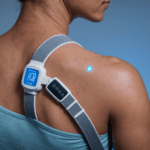
Find out how ARPWave Therapy can enhance your performace as an athlete and how you can achieve drug-free pain relief.
- Clinical evidence for electrotherapy effectiveness
- Types of electrotherapy modalities
- Mechanisms of action in pain relief
- Patient populations and treatment outcomes
- Comparative effectiveness with other pain management techniques
- Future directions in electrotherapy research
Recent clinical research has demonstrated the effectiveness of electrotherapy in managing various types of pain, showcasing its role as a valuable tool for both healthcare providers and patients seeking relief. Studies indicate that electrotherapy not only alleviates pain but can also enhance the overall quality of life by supporting faster recovery and rehabilitation, particularly for conditions such as arthritis, back pain, and sports injuries.
One pivotal study examined the impact of Transcutaneous Electrical Nerve Stimulation (TENS) on patients suffering from chronic low back pain. Participants using TENS reported significant reductions in pain scores compared to those receiving standard care alone. Furthermore, the duration of pain relief was extended, suggesting that the analgesic effects of TENS can substantially enhance day-to-day functioning.
Another research project focused on the use of electrical stimulation in patients with osteoarthritis. Results showed that those who underwent electrotherapy sessions experienced decreased joint pain and improved mobility. The findings suggest that integrating electrotherapy into treatment protocols for osteoarthritis can be an effective component of a comprehensive pain management strategy.
It’s vital for individuals to understand the nuances of using electrotherapy effectively. Here are some practical tips to consider:
- Consult a healthcare professional: Before starting any electrotherapy treatment, it’s essential to consult with a healthcare provider who can tailor the therapy to your specific needs and ensure it’s safe for your condition.
- Choose the right modality: There are several types of electrotherapy, including TENS, Intramuscular Electrical Stimulation (IMES), and interferential current therapy. Research which modality is best suited for your specific type of pain.
- Timing and frequency: Follow advice regarding the frequency and duration of therapy sessions. Some may benefit from daily sessions, while others might need just a few per week.
- Stay informed: Keep up with ongoing clinical research to understand new findings and advancements in electrotherapy. Being well-informed empowers you to make better decisions about your pain management strategy.
By approaching electrotherapy with informed knowledge and professional guidance, individuals can maximize its effectiveness, enhancing their journey toward pain relief.
Types of electrotherapy modalities
A range of electrotherapy modalities exists, each with unique characteristics and applications for pain relief. Among the most common are Transcutaneous Electrical Nerve Stimulation (TENS), Interferential Current Therapy (IFC), Neuromuscular Electrical Stimulation (NMES), and microcurrent therapy. These modalities vary in the way they deliver electrical stimulation, the depth of tissue penetration, and the resulting physiological effects they induce.
TENS operates by delivering low-voltage electrical impulses through electrodes placed on the skin. The primary mechanism of TENS is thought to involve the gate control theory of pain, which posits that the stimulation of non-painful input can suppress the transmission of painful input. Clinical studies indicate that TENS is effective in managing acute and chronic pain conditions, such as those associated with arthritis, fibromyalgia, and post-operative recovery. A recent meta-analysis highlighted that patients using TENS reported a considerable reduction in pain levels, reinforcing its utility as a non-invasive treatment option.
Interferential Current Therapy employs two medium-frequency currents that cross beneath the skin’s surface, creating an interference pattern that generates a deeper therapeutic effect. This modality is particularly beneficial for treating deep tissue pain and has been shown to improve circulation and promote muscle relaxation. A systematic review demonstrated that IFC yielded significant pain relief in patients with various musculoskeletal disorders, leading to improvements in mobility and quality of life.
Neuromuscular Electrical Stimulation serves a different but complementary purpose by stimulating muscle contraction directly through electrical impulses. NMES is often used for rehabilitation purposes, especially in patients with muscle atrophy or weakness following injury or surgery. Research supports that NMES can enhance muscle strength and endurance, making it an integral part of recovery protocols.
Microcurrent therapy, on the other hand, operates at a much lower intensity than other forms of electrotherapy, typically involving currents measured in millionths of an ampere. This modality aims to promote healing at a cellular level by mimicking the body’s natural electrical currents. Clinical evidence suggests microcurrent therapy can help reduce inflammation, speed up recovery from injuries, and alleviate chronic pain syndromes.
The following table summarizes the main characteristics of these modalities, highlighting their distinct applications and clinical evidence supporting their use:
| Modality | Mechanism of Action | Typical Applications | Clinical Evidence |
|---|---|---|---|
| TENS | Gate control theory; pain signal interception | Chronic pain, acute pain relief | Significant reduction in chronic pain scores |
| IFC | Deep tissue current interference | Musculoskeletal disorders, deep tissue pain | Improves pain and mobility in various conditions |
| NMES | Direct muscle contraction stimulation | Muscle atrophy recovery, strength training | Enhances muscle strength and accelerates recovery |
| Microcurrent Therapy | Cellular stimulation, healing acceleration | Inflammation reduction, wound healing, chronic pain | Supports faster recovery and pain alleviation |
Each modality has specific indications and efficacy, highlighting the importance of customizing treatment plans based on individual patient needs, preferences, and the underlying pain conditions being treated. The ongoing clinical research continues to elucidate the optimal application of these modalities, presenting a promising frontier in pain management through electrotherapy. Adopting a tailored approach can significantly enhance treatment outcomes and empower patients in their journey toward effective pain relief.
Mechanisms of action in pain relief
The mechanisms through which electrotherapy alleviates pain are multifaceted and involve various physiological processes. One prominent theory is the activation of the body’s natural pain-blocking mechanisms, which can be stimulated through electrical impulses. This stimulation can modulate pain signals traveling from the affected area to the brain, effectively “closing the gates” to the perception of pain, as supported by the gate control theory.
Another critical aspect is the promotion of increased blood flow to the targeted tissue. Enhanced circulation can help reduce inflammation and facilitate healing, processes that are especially beneficial for individuals suffering from chronic pain conditions such as arthritis or tendinitis. By supplying necessary nutrients and oxygen while removing metabolic waste products, electrotherapy can create an optimal environment for recovery.
Additionally, electrotherapy can induce muscle contractions, which not only can improve muscle strength but also serve to provide analgesic effects through the release of endorphins. These natural painkillers are crucial for enhancing the patient’s overall sense of well-being and can be particularly advantageous for athletes seeking recovery from intense physical activity.
It is vital for individuals considering electrotherapy to be informed about how these mechanisms may interact with their specific pain conditions. Here are practical suggestions for optimizing the benefits of electrotherapy:
- Understand your pain triggers: Keep a detailed record of your pain patterns, including what activities or stressors exacerbate your symptoms. This information can help your healthcare provider tailor the electrotherapy treatment effectively.
- Set realistic goals: Establish achievable pain management goals with your therapist. This might include reducing pain intensity, improving range of motion, or increasing physical activity levels.
- Complement with other therapies: Consider combining electrotherapy with other modalities such as massage therapy, acupuncture, or physical therapy for a more comprehensive approach. This integrative model can enhance overall effectiveness.
- Monitor your progress: Regularly assess how electrotherapy is affecting your pain levels and functional abilities. Keep a journal to note any changes over time, which can help inform future treatment decisions.
By understanding the underlying mechanisms of electrotherapy and how they relate to your pain management strategy, individuals can take an active role in their treatment. This empowerment is essential not only for achieving pain relief but also for enhancing quality of life and functionality.
Patient populations and treatment outcomes
Patient responses to electrotherapy vary widely depending on individual factors such as the underlying condition, severity of symptoms, and compliance with treatment protocols. Clinical research has indicated that specific patient populations can experience more significant benefits from electrotherapy, leading to enhanced outcomes and improved quality of life.
For instance, studies focused on elderly patients demonstrate that those suffering from chronic conditions like arthritis often report substantial pain relief and increased mobility following regular electrotherapy sessions. In one notable clinical trial, elderly participants experienced a marked reduction in pain levels and improved joint function, emphasizing the efficacy of electrotherapy as a non-invasive option for managing age-related pain. This population is particularly responsive due to the potential for electrotherapy to mitigate inflammation and enhance physical function.
Patients recovering from surgery also show favorable outcomes with electrotherapy. Research has indicated that postoperative patients undergoing electrotherapy—particularly NMES—exhibit reduced pain and faster recovery times compared to those who did not receive such treatment. By promoting muscle activation around surgical sites, electrotherapy can improve circulation and reduce swelling, leading to a more swift rehabilitation process. Clinical guidelines increasingly recommend integrating electrotherapy into postoperative care protocols for optimal recovery.
Moreover, individuals suffering from neuropathic pain, such as those with diabetic neuropathy or fibromyalgia, have shown varying responses to different electrotherapy modalities. Studies suggest that TENS can provide notable pain relief and decreased symptoms in these populations. A meta-analysis concluded that a significant proportion of patients reported improvement in pain scores, which points to the efficacy of electrotherapy in addressing complex pain syndromes. The adaptation of treatment plans based on the unique pain profiles of these patients enhances the effectiveness of electrotherapy, underscoring the importance of personalized approaches in pain management.
Electrotherapy is also frequently employed in physical rehabilitation settings. Athletes and active individuals often utilize electrotherapy to manage injuries and enhance recovery. Clinical research has shown that when combined with rehabilitative exercises, electrotherapy can improve outcomes related to muscle strength and functional mobility. In a controlled study, athletes who received combined electrotherapy and physical therapy training exhibited greater strength gains and reduced re-injury rates compared to those who did not include electrical stimulation in their rehabilitation regimen.
“The integration of electrotherapy into patient management can lead to significant improvements in pain relief and overall functional outcomes.”
In summary, the patient populations that benefit most from electrotherapy range from the elderly with chronic pain to postoperative patients, individuals with neuropathic pain, and athletes recovering from injuries. Tailoring treatment plans to the specific needs of these groups is critical in maximizing the therapeutic effects of electrotherapy and achieving desirable treatment outcomes.
Comparative effectiveness with other pain management techniques
Electrotherapy represents a distinct approach within pain management strategies, often standing in comparison to traditional methods such as pharmaceuticals, acupuncture, or physical therapy. The comprehensive clinical research supporting electrotherapy’s effectiveness provides compelling evidence of its unique advantages. When considered alongside other pain management techniques, electrotherapy offers a more holistic and minimally invasive alternative, addressing both the physical and functional aspects of pain relief.
Research highlights that electrotherapy can complement pharmacological treatments by potentially reducing the need for opioids or non-steroidal anti-inflammatory drugs (NSAIDs), which are often associated with adverse effects and dependency issues. For example, a systematic review indicated that integrating TENS with standard analgesic regimens could lead to a significant decrease in pain levels, ultimately resulting in lower medication dosages for patients experiencing chronic pain conditions.
Moreover, electrotherapy’s ability to promote muscle relaxation and improve circulation is often more immediate than the delayed effects of medication. Studies have showcased that athletes using electrotherapy for acute injuries report quicker recovery and less reliance on pain medications due to the stimulatory effects on the body’s natural healing processes. Compared to traditional approaches, electrotherapy can engage more than one mechanism of action simultaneously, making it an incredibly versatile tool in the treatment arsenal.
While acupuncture provides a certain degree of pain relief by stimulating specific neural pathways, electrotherapy tends to ensure a broader activation of sensory and motor pathways, facilitating comprehensive pain modulation. There are instances where electrotherapy has been demonstrated to provide pain relief where acupuncture has been less effective, particularly in cases involving deep tissue pain.
One significant consideration is that the visible outcomes of electrotherapy are often recorded by patients in real-time. Unlike some medication interventions, which may take longer to manifest their effects or may lead to reliance on pharmaceuticals, electrotherapy allows individuals to experience tangible changes after just a few sessions. This immediacy can enhance patient motivation and compliance with treatment protocols, reinforcing an environment of active participation in their wellness journey.
The ongoing exploration of electrotherapy within clinical research is paving the way for innovative treatment protocols and further integration into multidisciplinary pain management frameworks. This evolution encourages healthcare providers to consider electrotherapy not simply as an adjunct but as a cornerstone of effective pain relief strategies that prioritize patient autonomy and well-being. The endless possibilities warrant curiosity and a deeper investigation into how we can continue to refine and apply electrotherapy techniques for various patient populations.
- What is electrotherapy?
- Electrotherapy is a medical treatment that uses electrical stimulation to alleviate pain, promote healing, and enhance muscle function. It’s commonly employed in various pain management protocols and rehabilitation settings.
- How effective is electrotherapy for pain relief?
- Clinical research shows that electrotherapy can significantly reduce pain levels and improve mobility for conditions such as arthritis, post-surgical recovery, and sports injuries. Its effectiveness varies among individuals and types of pain.
- Are there different types of electrotherapy modalities?
- Yes, there are several modalities, including Transcutaneous Electrical Nerve Stimulation (TENS), Interferential Current Therapy (IFC), Neuromuscular Electrical Stimulation (NMES), and microcurrent therapy. Each has unique applications and mechanisms of action.
- Is electrotherapy safe for all patients?
- While electrotherapy is generally safe, particular populations, such as those with pacemakers or certain medical conditions, may require caution. Consulting with a healthcare professional is essential to ensure safety and appropriateness.
- Can electrotherapy replace other pain treatments?
- Electrotherapy can complement traditional pain management techniques and may reduce the need for medications. However, it should not be viewed as a complete replacement, but rather as part of a multidisciplinary approach.
- How often should I undergo electrotherapy?
- The frequency of treatment can vary based on individual conditions and the type of electrotherapy used. Following a healthcare provider’s recommendations will help optimize outcomes and benefit from the therapy.
- What should I expect during an electrotherapy session?
- During a session, electrodes are placed on the skin near the area of pain, and electrical impulses are delivered, creating sensations that may feel like tingling or mild muscle contractions. Most patients find sessions comfortable and sometimes even relaxing.
Future directions in electrotherapy research
As the field of electrotherapy continues to evolve, it is essential to explore upcoming trends and research that could shape the future landscape of pain management. Ongoing clinical research aims to enhance our understanding of how electrotherapy can be optimized for various populations and conditions, potentially leading to new strategies for effective pain relief.
One promising direction is the development of more sophisticated and personalized electrotherapy devices. Advancements in technology, including wearable electrotherapy units, allow patients the flexibility to receive treatment at home, thus enhancing compliance and accessibility. These devices can be programmed to deliver customized treatment protocols tailored to individual pain profiles, which may include parameters such as frequency, intensity, and duration of stimulation. Patients should explore options available in the market while consulting with healthcare professionals about the most suitable devices for their conditions.
Furthermore, research is focusing on combining electrotherapy with other treatment modalities for synergistic effects. For instance, integrating electrotherapy with behavioral therapies, such as cognitive-behavioral therapy (CBT), has shown potential for improving outcomes in patients dealing with chronic pain. Patients engaged in comprehensive treatment plans that include both physical and psychological care are likely to experience more significant improvements in their overall pain management strategies.
Another exciting avenue is the exploration of novel electrotherapy modalities, such as pulsed electromagnetic field therapy and bioelectrical impedance analysis. These emerging techniques are being investigated for their potential benefits in reducing inflammation, enhancing tissue regeneration, and providing relief from chronic pain syndromes. Keeping an eye on these innovations can provide new opportunities for individuals seeking effective pain relief.
Research is also expanding into understanding the neurophysiological mechanisms behind electrotherapy’s efficacy. By studying how different populations respond to various forms of electrotherapy, researchers aim to better tailor treatments to specific pain conditions. For instance, ongoing studies focus on understanding the differential impacts of electrotherapy on diverse demographic groups, ensuring that treatment is effective and appropriate for everyone.
As knowledge of the interactions between electrotherapy and pain management evolves, patients should remain proactive in discussing their options with healthcare providers. Here are some tips to consider:
- Engage in discussions: Talk openly with your healthcare provider about your pain management goals and inquire about the latest advancements in electrotherapy that might benefit you.
- Explore additional educational resources: Seek out reputable online platforms and communities focused on electrotherapy to stay updated on emerging trends and research findings.
- Participate in clinical trials: Consider joining clinical trials investigating new electrotherapy applications, as participating can provide access to cutting-edge treatments while contributing to the advancement of pain relief methods.
- Provide feedback: Sharing your experiences with electrotherapy can help healthcare providers and researchers better understand patient needs and improve treatment protocols.
By staying informed and actively participating in their healthcare journey, individuals can harness the full potential of electrotherapy as part of a comprehensive pain management plan. This proactive approach not only enhances treatment efficacy but ultimately leads to improved overall well-being and quality of life.
For a personalized session and free consult, Call me: +1 334-300-0389.
Find out how ARPWave Therapy can enhance your performace as an athlete and how you can achieve drug-free pain relief.