For a personalized session and free consult, Call me: +1 334-300-0389.
Find out how ARPWave Therapy can enhance your performace as an athlete and how you can achieve drug-free pain relief.
- Understanding electrotherapy
- Types of electrotherapy techniques
- Mechanism of action
- Benefits of electrotherapy for back pain
- Potential risks and considerations
- Future of electrotherapy in pain management
Electrotherapy is a therapeutic technique that utilizes electrical energy to stimulate nerves and muscles, thereby promoting healing and relieving pain. This method has gained popularity due to its non-invasive nature and its efficacy in treating various conditions, particularly those related to the musculoskeletal system. For individuals suffering from chronic or acute back pain, understanding how electrotherapy works is essential to making informed decisions about treatment options.
The application of electrotherapy is rooted in the principle of harnessing electrical impulses to facilitate physiological responses in the body. These impulses can help in the reduction of pain, increase blood flow, and enhance muscle relaxation. Many people seek this form of therapy not only for its pain-relieving properties but also for the minimal side effects compared to traditional pharmaceutical treatments.
Some commonly used electrotherapy modalities include:
- TENS (Transcutaneous Electrical Nerve Stimulation): This technique applies low-voltage electrical currents through electrodes placed on the skin, helping to interrupt pain signals sent to the brain.
- EMS (Electrical Muscle Stimulation): Utilized primarily in rehabilitation and strengthening settings, EMS stimulates muscle contractions, which can aid in recovery from injuries.
- IFT (Interferential Current Therapy): This method combines two medium-frequency currents that interfere with each other, creating a therapeutic effect deep within the tissues while minimizing discomfort.
For individuals seeking relief from back pain, it is crucial to consider the type of electrotherapy that best suits their needs. Consulting with a licensed therapist can provide personalized recommendations based on specific symptoms and medical history. It’s important to ensure any treatment is administered by qualified healthcare professionals to maximize benefits and minimize risks.
When incorporating electrotherapy into a pain management plan, patients should keep the following practical advice in mind:
- Regular Sessions: Consistency is key. Regularly scheduled sessions can improve results and help maintain relief.
- Complementary Therapies: Consider integrating electrotherapy with other treatments, such as massage therapy or physical therapy, for enhanced outcomes.
- Monitor Your Response: Keep track of how your body responds to each session and discuss any changes with your therapist.
Understanding the nuances of electrotherapy can empower individuals to take control of their pain management journey effectively. Whether you are an athlete recovering from an injury, a corporate executive combating stress, or a pregnant woman seeking comfort from back pain, electrotherapy presents an accessible and effective option for alleviating discomfort and promoting overall well-being.
Types of electrotherapy techniques
There are several distinct techniques within the umbrella of electrotherapy, each designed to target specific symptoms and conditions. Understanding these various modalities can help individuals identify the most appropriate type for their back pain management.
| Technique | Description | Common Uses | Effectiveness |
|---|---|---|---|
| TENS | Delivers low-voltage electrical impulses through the skin to block pain signals. | Acute and chronic pain relief, particularly effective for back pain. | High; often provides immediate relief. |
| EMS | Stimulates muscle contractions using electrical impulses to strengthen muscles and reduce atrophy. | Rehabilitation of injuries, muscle strengthening, and recovery. | Moderate; useful in conjunction with other therapies. |
| IFT | Combines two medium-frequency currents to penetrate deeper tissues without irritating the skin. | Chronic pain conditions, inflammation, and tissue healing. | High; effective for deeper pain management. |
| Microcurrent Therapy | Utilizes very low-level electrical currents to facilitate cellular repair and pain management. | Chronic pain, inflammation, and post-surgery recovery. | High; effective for chronic conditions. |
| Ultrasound Therapy | Uses sound waves to generate heat within tissues, enhancing circulation and healing. | Muscle spasms, inflammation, and tissue repair. | High; effective for soft tissue-related back pain. |
Each of these techniques employs different frequencies, intensities, and types of electrical stimulation to achieve specific therapeutic goals. For instance, TENS is particularly popular due to its ease of use and quick pain relief for those experiencing acute back pain. In contrast, EMS can be more beneficial for individuals looking to strengthen their back muscles post-injury.
Microcurrent therapy, with its ability to facilitate cellular repair at a microscopic level, has gained traction in treating chronic pain conditions. Patients often report improvements in their discomfort levels and overall function after consistent sessions. Ultrasound therapy, while often associated with physical rehabilitation, also plays a crucial role in alleviating pain through enhanced tissue healing, making it a versatile option for back pain sufferers.
When embarking on an electrotherapy treatment plan, the selection of the method should align with the individual’s specific type of back pain, overall health status, and treatment objectives. Collaborating with healthcare providers ensures that the chosen technique not only addresses pain alleviation but also supports the broader rehabilitation and wellness goals.
Mechanism of action

The mechanism through which electrotherapy alleviates back pain is based on the interaction between electrical impulses and the body’s physiological responses. When electrical stimulation is applied, it triggers a series of reactions that can effectively reduce pain sensations and enhance healing processes.
Electrotherapy primarily works by manipulating nerve pathways. For instance, as low-voltage currents from devices like TENS travel through the skin to the underlying tissues, they may stimulate sensory fibers that carry less intense signals to the brain. This reduces the perception of pain—a phenomenon known as the “gating theory of pain.” Essentially, the electrical impulses block pain signals from reaching the brain, thus providing immediate relief for conditions such as lower back pain.
Another significant mechanism at play involves the increase in blood circulation resulting from electrotherapy. Improved blood flow helps to deliver more oxygen and nutrients to the affected areas, which are critical for recovery and tissue repair. This process not only aids in muscle relaxation but also accelerates the healing of inflamed tissues, reducing the overall severity of back pain.
Additionally, certain types of electrotherapy, like EMS, stimulate muscle contractions. These contractions can help strengthen the muscles surrounding the spine, improving support and stability, which is essential for individuals experiencing chronic back pain due to weakness or atrophy. This dual approach—relieving pain while simultaneously promoting muscle health—can be particularly beneficial for athletes and those engaged in physically demanding occupations.
The effectiveness of electrotherapy also tends to increase with the regularity of treatment. Patients often report enhanced pain management outcomes when sessions are scheduled consistently, allowing the body to adapt to and benefit from the electrical stimulation over time. It’s important for individuals to communicate openly with their therapists about their experiences, as adjustments to the intensity or frequency of treatment may be necessary to optimize results.
For those with specific concerns or conditions, it’s essential to consider the underlying mechanisms of their pain when choosing an electrotherapy technique. Consulting with a qualified therapist can provide valuable insights tailored to the individual’s health profile, ensuring the selected method operates effectively to alleviate their back pain.
Incorporating electrotherapy as part of a comprehensive pain management strategy can yield significant benefits, especially when combined with other interventions like manual therapy or corrective exercises. This holistic approach allows individuals not only to treat the symptoms but also to address the root causes of their pain, fostering long-term relief.
Benefits of electrotherapy for back pain
The numerous benefits of electrotherapy for those experiencing back pain encompass both immediate relief and long-term improvements in mobility and quality of life. One of the most significant advantages is its ability to provide rapid pain reduction. Patients often report experiencing less discomfort shortly after their first session, as electrotherapy acts directly on the nerve pathways to block pain signals from reaching the brain. This can offer a much-needed escape for individuals suffering from acute pain exacerbations or chronic back pain flare-ups, allowing them to engage more comfortably in daily activities.
Moreover, electrotherapy can enhance muscle function and strength. By stimulating the muscles around the spine, techniques like Electrical Muscle Stimulation (EMS) facilitate contractions that promote muscle health and integrity. A stronger musculoskeletal framework can alleviate undue stress on the spine and reduce the potential for future injuries. For many individuals, especially those recovering from lower back pain due to injury or sedentariness, strengthening these core muscles is crucial to ensuring a more stable and resilient back.
In addition to these immediate and functional benefits, electrotherapy also fosters improved blood circulation to pain-affected areas. Enhanced blood flow helps deliver essential nutrients and oxygen, which aid in healing and reduce inflammation. This restoration process can significantly decrease recovery time from injuries or chronic conditions, ultimately contributing to better long-term outcomes.
“Electrotherapy is a powerful tool not just for alleviating pain but also for promoting overall musculoskeletal health.” – Pain Management Specialist
Another compelling benefit is the minimal side effects associated with electrotherapy compared to traditional pain medications that often carry risks of dependency, gastrointestinal issues, or other complications. Because electrotherapy is non-invasive and tends to have few adverse reactions, it presents a safer alternative for many patients. This makes it particularly appealing to individuals looking to manage back pain without the potential drawbacks of pharmacological treatments.
Additionally, electrotherapy can be easily integrated into a broader pain management strategy. When combined with other therapeutic modalities, such as physical therapy, chiropractic care, or massage, patients often find enhanced effectiveness in their treatment results. This multidisciplinary approach not only addresses the symptoms but also encourages lasting lifestyle changes that promote overall well-being.
Ultimately, the benefits of electrotherapy for back pain extend beyond just immediate symptom relief; they also encompass improvements in physical function, reduction of dependencies on medication, and the establishment of a more robust musculoskeletal foundation. This makes electrotherapy a compelling option for individuals seeking comprehensive strategies to manage their back pain effectively.
Potential risks and considerations
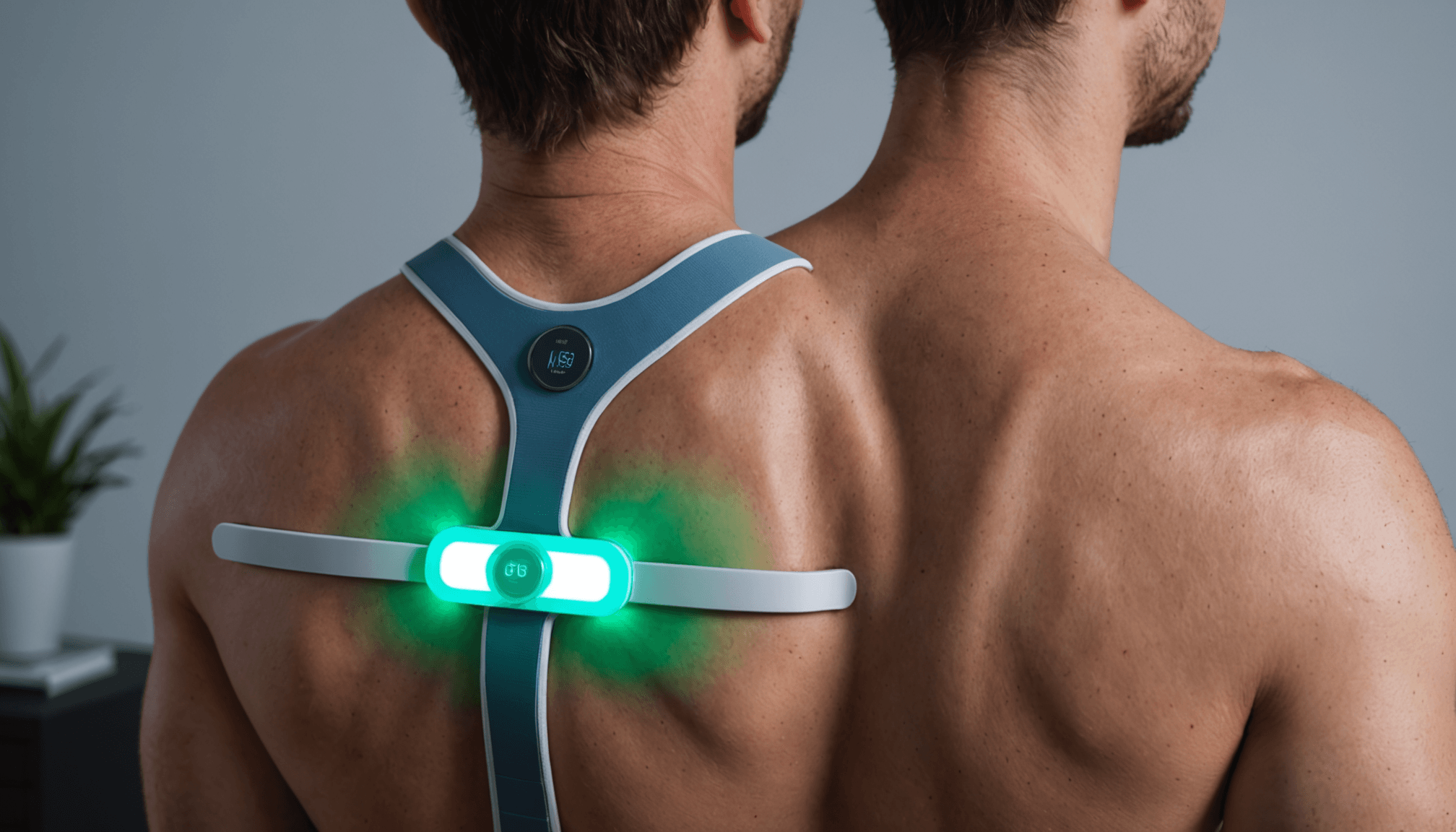 While electrotherapy can be an effective method for alleviating back pain, it is essential to be aware of potential risks and considerations associated with its use. Occasional side effects may include skin irritation from electrode placements or temporary muscle soreness after stimulation. These effects are generally mild and can often be managed by adjusting the intensity or duration of treatment, but they highlight the necessity of professional supervision during sessions.
Certain individuals should refrain from electrotherapy altogether. Those with pacemakers or implantable devices, for instance, may face risks from electrical currents that could interfere with their heart function. Similarly, pregnant women, especially in the abdominal or pelvic region, need to consult healthcare providers before undergoing any electrotherapy treatments. It’s crucial to evaluate underlying medical conditions, as conditions such as epilepsy or certain types of neuropathy may exacerbate complications associated with electrical stimulation.
Patients also need to maintain realistic expectations regarding treatment outcomes. While many individuals report significant relief within a few sessions, others may find it takes longer to experience notable effects. The response to electrotherapy can vary based on factors such as the underlying cause of back pain, individual physiology, and adherence to treatment protocols. Hence, open communication with healthcare providers about any questions or concerns throughout the process is essential for optimizing results.
Moreover, as with any healing modality, the most effective use of electrotherapy occurs within a broader pain management plan that considers lifestyle modifications, such as posture correction, exercise, and ergonomic adjustments. Patients should engage in discussions about how electrotherapy fits into their overall treatment strategy; integration with other therapies like physical therapy, chiropractic care, or acupuncture can enhance its effectiveness and help in achieving long-term relief.
As you navigate the nuances of electrotherapy, consider the potential implications of each session and the importance of a personalized approach that aligns with your health goals. Doing so not only empowers you to make informed decisions about your treatment but also fosters a greater understanding of pain management.
- What is electrotherapy?
- Electrotherapy is a therapeutic technique that uses electrical impulses to alleviate pain, stimulate muscles, and promote healing in various conditions, including back pain.
- How does electrotherapy alleviate back pain?
- By sending electrical impulses through the skin, electrotherapy interferes with pain signals sent to the brain, providing relief. It also enhances blood flow and muscle function, crucial for recovery.
- Are there any side effects associated with electrotherapy?
- Some common side effects may include skin irritation and temporary muscle soreness. However, these effects are generally mild and can often be mitigated by adjusting treatment parameters.
- Who should avoid electrotherapy?
- Individuals with pacemakers, certain medical conditions like epilepsy, or those who are pregnant should avoid electrotherapy or consult with a healthcare professional before treatment.
- How often should electrotherapy sessions be scheduled?
- Consistency is critical for maximizing the benefits of electrotherapy. The frequency of sessions may vary based on individual needs but typically ranges from 1-3 times a week.
- Can electrotherapy be used alongside other treatments?
- Yes, electrotherapy can complement other therapies like physical therapy, chiropractic care, or massage, enhancing overall pain management and contributing to better health outcomes.
- How do I know if electrotherapy is right for my back pain?
- Consulting with a qualified healthcare provider can help you determine if electrotherapy is suitable based on your specific symptoms, medical history, and treatment goals.
Future of electrotherapy in pain management
The future of electrotherapy in pain management appears promising as research continues to unveil its multifaceted benefits for individuals suffering from back pain and other conditions. With advances in technology, electrotherapy devices are becoming more sophisticated, user-friendly, and accessible to a broader audience. This evolution paves the way for home-based electrotherapy solutions, allowing patients to manage their back pain conveniently and comfortably in their own environment.
Recent studies suggest that incorporating smart technology into electrotherapy devices could enhance user experience and treatment outcomes. For instance, devices that connect via smartphones or tablets enable patients to customize settings, track their pain levels, and adjust treatment parameters in real time. Such features can empower individuals to take a more active role in their pain management journey.
Moreover, interdisciplinary approaches that integrate electrotherapy with findings from fields such as neuroscience and bioengineering show significant potential for addressing chronic pain syndromes. Research indicates that understanding the neurological pathways of pain can lead to more targeted and effective electrotherapy treatments. By tailoring electrotherapy modalities to individual patients based on their unique pain characteristics and responses, healthcare providers may improve their treatment effectiveness dramatically.
As awareness of electrotherapy’s benefits grows, more healthcare practitioners are likely to embrace this modality, leading to increased integration into conventional treatment plans. For patients, this means access to comprehensive care that combines traditional therapies with innovative electrotherapy techniques.
Healthcare professionals are encouraged to stay updated on the latest developments in electrotherapy research. In particular, advancements related to deep tissue stimulation and neuromodulation present exciting opportunities to further alleviate back pain and other musculoskeletal issues. Additionally, training and certification programs focusing on modern electrotherapy techniques can enhance the skills of therapists, ensuring that they provide the most effective care possible.
While the future is bright, it is essential for patients to maintain open communication with their healthcare providers regarding electrotherapy. As technology advances, the suitability of various devices and treatments will vary among individuals. Conducting thorough discussions about the integration of electrotherapy into pain management strategies will help tailor approaches that best fit each person’s needs. This collaborative effort between patients and providers ultimately contributes to a more personalized and effective approach to alleviating back pain and enhancing overall quality of life.
As electrotherapy continues to evolve, it represents a vital component of a holistic approach to pain management, providing individuals with innovative tools to effectively manage their back pain while promoting better physical health overall.
For a personalized session and free consult, Call me: +1 334-300-0389.
Find out how ARPWave Therapy can enhance your performace as an athlete and how you can achieve drug-free pain relief.