


Integrating electrotherapy with other modalities for pain
Integrating electrotherapy with other modalities for pain

For a personalized session and free consult, Call me: +1 334-300-0389.
Find out how ARPWave Therapy can enhance your performace as an athlete and how you can achieve drug-free pain relief.
- Understanding electrotherapy and its mechanisms
- Complementary modalities in pain management
- Clinical applications of integrated approaches
- Evidence-based outcomes and effectiveness
- Patient assessment and personalized treatment plans
- Future directions in multimodal pain therapy
Electrotherapy, a powerful tool in the realm of pain management, operates through various mechanisms that can effectively complement traditional massage therapy. By understanding these mechanisms, individuals can better appreciate how integrating electrotherapy with other modalities can enhance overall pain relief.
At its core, electrotherapy utilizes electrical impulses to stimulate nerves and muscles, which can lead to a reduction in pain symptoms. This stimulation can help in several ways:
- Interference with Pain Signals: By delivering electrical impulses, electrotherapy can block pain signals from reaching the brain, providing immediate relief.
- Muscle Relaxation: Electrical stimulation encourages muscle relaxation, which is particularly beneficial for those suffering from muscle tension or spasms.
- Improved Circulation: The rhythmic contractions from electrotherapy can enhance blood flow, promoting faster healing and recovery by delivering oxygen and nutrients to affected areas.
- Endorphin Release: Electrotherapy can trigger the body’s natural painkillers, helping to reduce discomfort and create a sense of well-being.
For individuals seeking pain relief, especially Athletes or those involved in strenuous work, integrating electrotherapy with massage therapy can yield significant results. Consider scheduling a session where massage techniques work on tension and discomfort, followed by localized electrotherapy to target deeper muscle layers and enhance overall recovery.
It’s also essential to consult with a qualified practitioner regarding the appropriate settings and types of electrotherapy, such as TENS units or Interferential Current (IFC), that may best suit your individual needs. Keep in mind that not all pain is the same; therefore, a personalized approach is crucial.
For the best outcomes, consumers should be aware of the following suggestions:
- Ensure that the practitioner is certified in both massage therapy and electrotherapy, as understanding the interplay between these techniques can maximize treatment efficacy.
- Discuss any underlying health conditions or medications with your practitioner to avoid complications.
- Incorporate regular follow-up sessions to monitor progress and adjust treatment plans as needed.
- Stay hydrated and engage in gentle stretches post-treatment to maintain the benefits gained from these combined therapies.
By integrating electrotherapy with traditional massage techniques, individuals can take a proactive approach to managing pain, resulting in enhanced recovery times and a greater sense of well-being.
Complementary modalities in pain management
Complementary modalities play a critical role in modern pain management, offering diverse strategies that can work synergistically with electrotherapy. Each modality contributes unique benefits, facilitating a multi-layered approach to treating persistent pain. Integrating methods such as physical therapy, acupuncture, chiropractic care, and mindfulness-based techniques can provide holistic support for individuals experiencing chronic discomfort.
Physical therapy focuses on improving movement and function through targeted exercises and manual interventions. It emphasizes strengthening weakened muscles, improving flexibility, and enhancing postural alignment, which can significantly alleviate pain issues. By employing electrotherapy within a physical therapy regimen, practitioners can enhance muscle engagement and expedite recovery processes.
Acupuncture, an ancient practice rooted in traditional Chinese medicine, has gained recognition for its ability to modulate pain perceptions and restore balance within the body. By stimulating specific points along the body’s meridians, acupuncture can foster natural healing responses. When combined with electrotherapy, the dual approach may amplify pain relief by concurrently promoting endorphin release and blocking pain signals.
Chiropractic care, centered around spinal adjustments and alignment therapy, aims to rectify musculoskeletal imbalances that contribute to pain. Adjustments can also enhance neurophysiological pathways that are responsive to electrotherapy. Integrating these two modalities can optimize patient outcomes, ensuring that both skeletal and soft-tissue components are addressed comprehensively.
Mindfulness-based techniques, including meditation and cognitive behavioral therapy, assist individuals in managing pain perception through mental strategies. Research suggests that psychological factors significantly influence pain experiences. Incorporating mindfulness with physical and electrotherapy modalities can not only restore physical functionality but also elevate psychological resilience against pain.
The following table illustrates a comparison of various complementary modalities and their unique benefits in pain management:
| Modality | Mechanism of Action | Benefits | Best Paired With |
|---|---|---|---|
| Physical Therapy | Exercise and manual therapy to improve function | Strengthening, flexibility, balance | Electrotherapy for enhanced muscle engagement |
| Acupuncture | Stimulation of points on meridians | Endorphin release, pain modulation | Electrotherapy for compounded effects |
| Chiropractic Care | Adjustment of spinal and musculoskeletal alignment | Restored balance, reduced nerve pressure | Electrotherapy to support recovery |
| Mindfulness Techniques | Cognitive strategies to alter pain perception | Increased emotional resilience, reduced anxiety | Physical therapies to address underlying issues |
Ultimately, the integration of electrotherapy with other modalities allows practitioners to tailor pain management strategies effectively to individual needs. This personalized approach acknowledges the multifaceted nature of pain and optimally harnesses the strengths of various techniques to yield significant improvements in patient outcomes. Each modality’s unique attributes, when harmonized with electrotherapy, can guide individuals toward a comprehensive pain management solution.
Clinical applications of integrated approaches
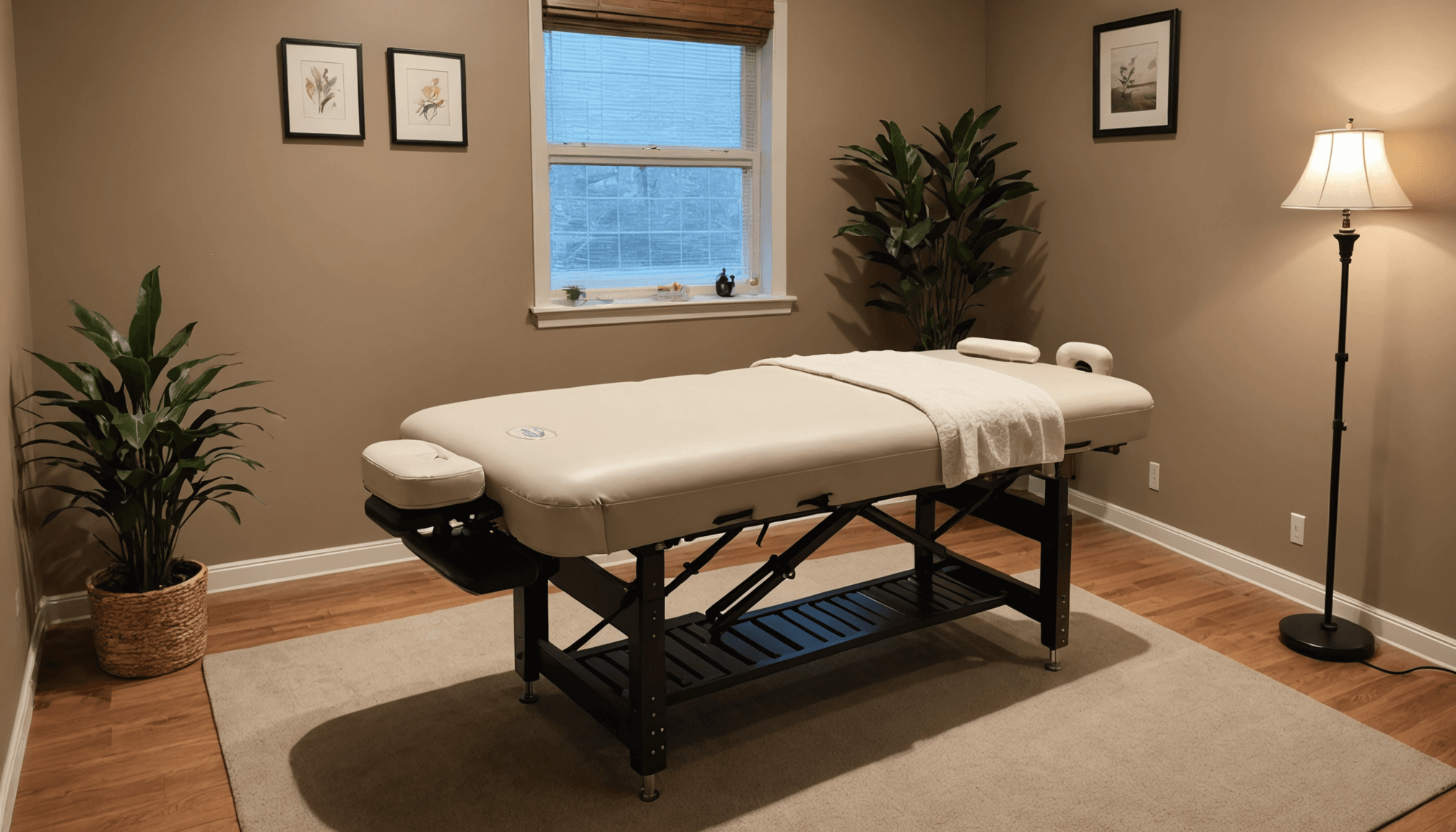
Integrating various therapies can significantly enhance treatment outcomes for individuals dealing with chronic pain conditions. In clinical settings, practitioners often employ a combination of massage therapy and electrotherapy to create a synergistic effect that addresses both immediate distress and long-term healing.
For example, during a clinical session, a massage therapist may begin with traditional techniques such as Swedish or deep tissue massage to loosen tense muscles and improve circulation. This initial phase helps to prepare soft tissues for the subsequent application of electrotherapy. By following up with treatments like Transcutaneous Electrical Nerve Stimulation (TENS), the therapist can then target specific pain pathways more effectively, providing dual benefits of pain relief and muscle relaxation.
Specific clinical applications include:
- Post-Surgical Rehabilitation: Combining massage with electrotherapy can help manage pain and reduce inflammation in post-operative patients. For instance, after knee surgery, regular sessions that integrate these modalities can alleviate discomfort while improving mobility.
- Sciatica Treatment: Practitioners can use massage to relieve tension in the lower back and legs, followed by electrotherapy to reduce nerve pain. This combination can be particularly effective for those who experience persistent sciatic pain.
- Sports Injuries: Athletes often benefit from integrated approaches wherein massage is applied to breakdown scar tissue and enhance muscle flexibility, and electrotherapy is utilized to minimize inflammation and promote recovery.
Additionally, a growing body of evidence suggests that when various modalities are integrated, patients often report improved outcomes. Examples of these clinical applications include:
- Fibromyalgia Management: Individuals with fibromyalgia typically experience widespread pain and tenderness. An integrated approach using massage therapy to relax muscles, combined with electrotherapy to target localized pain, can lead to a reduction in overall discomfort.
- Chronic Headache Relief: Combining craniosacral massage to alleviate tension in the neck and shoulders with electrotherapy to relieve headache pain presents a holistic approach to managing chronic headaches.
Patients should communicate openly with their healthcare providers to determine appropriate integration methods based on their specific conditions. It’s essential that they discuss how each modality works, and any potential interactions that could arise when therapies are combined.
Moreover, practitioners should consider individual patient needs and preferences when formulating treatment plans. This might involve adjusting the intensity of the electrotherapy setting based on the patient’s tolerance or tailoring specific massage techniques to target areas of discomfort.
Ultimately, integrating electrotherapy with other modalities not only enhances therapeutic effectiveness but also fosters a collaborative atmosphere in pain management, allowing for a more comprehensive approach to patient care.
Evidence-based outcomes and effectiveness
Clinical research has increasingly highlighted the positive outcomes associated with integrating electrotherapy into pain management protocols. Numerous studies have investigated the effectiveness of this approach across various populations and pain conditions. The convergence of evidence supports the notion that combining electrotherapy with complementary modalities can result in superior pain relief compared to standalone treatments.
A meta-analysis examining the effects of electrotherapy on chronic pain conditions found that patients receiving integrated treatments often reported greater reductions in pain intensity and improved functionality. For instance, combining electrotherapy techniques such as TENS or interferential current therapy with traditional physical therapy not only alleviates pain but also boosts the effectiveness of rehabilitative exercises.
“Integrating electrotherapy with other therapeutic modalities can lead to improved pain relief and patient satisfaction.”
This synergy is especially noted in conditions like osteoarthritis, where both acute and chronic pain can be effectively managed through targeted electrotherapy.
Moreover, randomized controlled trials focusing on specific conditions such as neuropathic pain and myofascial pain syndrome have yielded compelling results. In these studies, the integration of electrotherapy with massage therapy or acupuncture has been shown to enhance analgesic effects. For example, patients participating in treatment plans that included electrotherapy sessions alongside acupuncture reported a pronounced decrease in pain levels and an increase in overall quality of life. These improvements were attributed to the cumulative effects of multiple therapies acting on pain pathways and promoting healing.
In pediatric populations, studies have indicated that integrating electrotherapy with other modalities can significantly reduce pain associated with various musculoskeletal disorders. Children undergoing electrotherapy combined with playful, engaging physical therapy exercises often experience less discomfort and greater adherence to treatment protocols due to enhanced engagement and positive feelings toward their therapy.
In the realm of postoperative recovery, literature suggests that patients receiving a multifaceted treatment approach—including electrotherapy after surgical procedures—exhibited quicker recovery times and lower incidences of postoperative pain. By addressing both acute surgical pain and potential complications through integrated methods, healthcare providers can improve patient outcomes and satisfaction scores.
Social factors also play a crucial role in evaluating pain management outcomes. Surveys have shown that patients feel a higher sense of control over their recovery when participating in a comprehensive, integrated approach rather than isolated therapies. The collaborative nature of these treatment plans fosters a therapeutic alliance between practitioners and patients, enhancing motivation and commitment to treatment.
The data underscore the importance of developing personalized and evidence-based treatment plans that incorporate electrotherapy and other modalities. By recognizing the unique needs and preferences of patients, practitioners can design integrative strategies that leverage the strengths of each approach, ultimately leading to more effective pain management solutions.
Patient assessment and personalized treatment plans
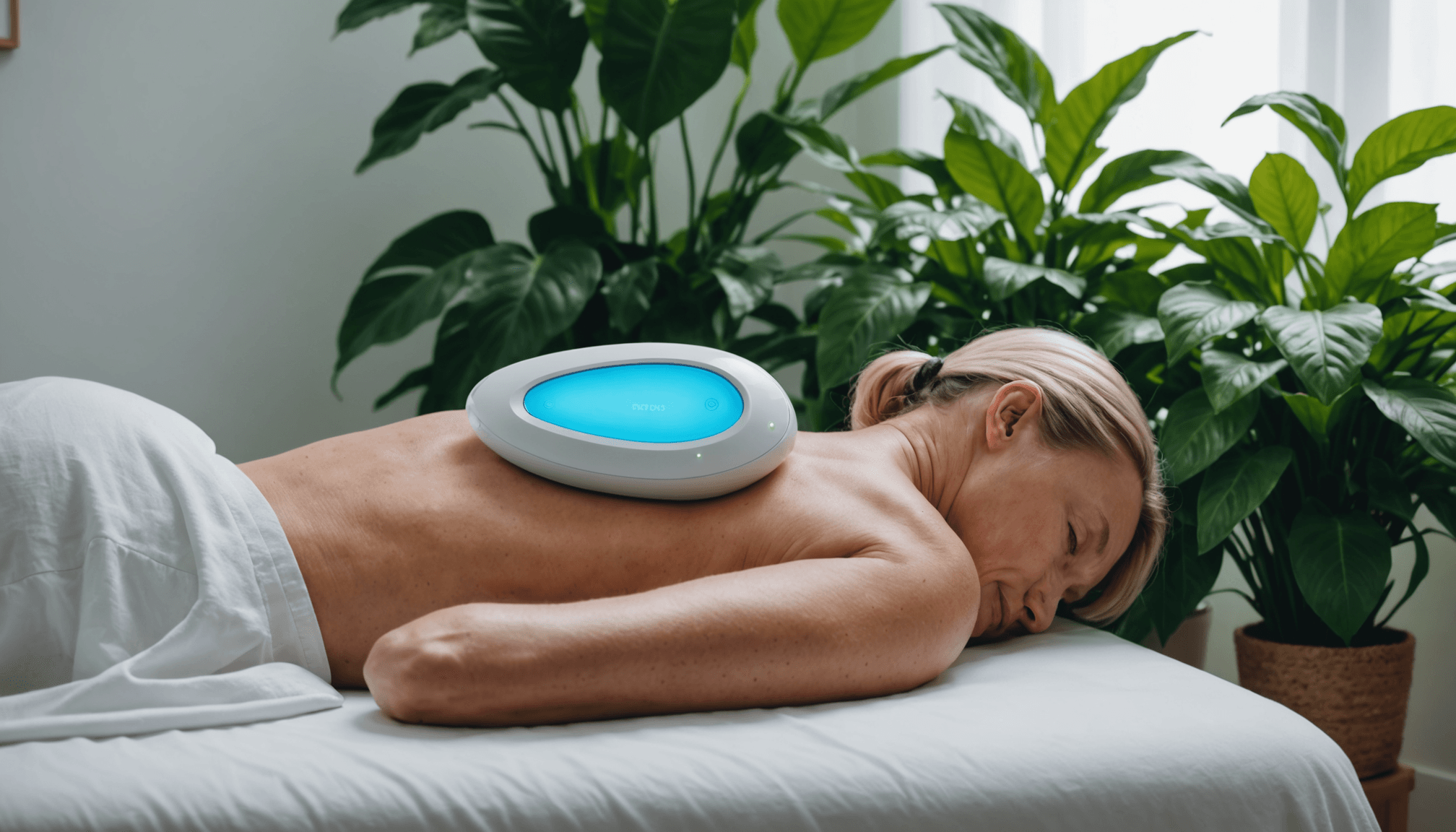 Personalized treatment planning in pain management involves a thorough understanding of each patient’s unique experiences, needs, and goals. Recent approaches emphasize the importance of comprehensive patient assessment tools that guide practitioners in developing tailored therapy regimens. Such assessments can include detailed patient histories, pain mapping, and self-reported outcome measures.
An essential first step is gathering information regarding the intensity, frequency, and duration of pain, which can help make connections between various pain mechanisms and contributing factors. Additionally, understanding the psychological and emotional aspects of pain opens avenues for integrating modalities that address these dimensions. For example, evaluating stress levels and emotional resilience can inform the inclusion of mindfulness and relaxation techniques alongside electrotherapy and massage.
Patients may respond differently to treatments depending on several factors, including their age, activity level, and overall health status. A personalized approach would take these factors into consideration, adjusting treatment plans dynamically based on patient feedback and ongoing assessments. For instance, if a patient reports a significant reduction in pain following a series of electrotherapy treatments, the practitioner may decide to increase the intensity or frequency, or to combine electrotherapy with other modalities like manual therapy or heat application to enhance results.
It’s also crucial to empower patients through education, informing them about how integrating these techniques can foster better management of their pain. An informed patient is more likely to engage in their recovery process actively, understanding the roles that various therapies play in facilitating healing and improving quality of life. Regular follow-ups become essential to gather continuous feedback on treatment effectiveness, which aids practitioners in refining approaches and ensuring that the patient remains the focal point of care.
Incorporating technology, such as mobile applications that help track pain levels and treatment responses, can facilitate real-time adjustments to treatment plans. This integration of technology into patient care not only enhances feedback loops but also aligns with modern healthcare’s moves towards precision medicine.
Ultimately, developing personalized treatment plans that integrate electrotherapy with various modalities fosters a comprehensive pain management strategy that acknowledges the complex nature of pain. As practitioners continue to explore and understand these integrative approaches, patients are given an opportunity to engage holistically with their pain management journey.
- What is electrotherapy?
- Electrotherapy involves the use of electrical impulses to treat pain and promote healing. It stimulates nerves and muscles, which can block pain signals, improve circulation, and promote relaxation.
- How can electrotherapy be integrated with other treatment modalities?
- Electrotherapy can be combined with massage therapy, physical therapy, acupuncture, and mindfulness techniques to create a multifaceted treatment plan aimed at improving pain management outcomes through synergistic effects.
- Is electrotherapy safe for everyone?
- While electrotherapy is generally safe, it may not be suitable for individuals with certain medical conditions, such as those with pacemakers, epilepsy, or pregnancy. Consulting with a healthcare provider is essential to determine appropriateness.
- Can I use electrotherapy at home?
- Yes, many forms of electrotherapy devices, like TENS units, are available for home use. However, it’s important to receive proper guidance from a healthcare professional regarding their safe application.
- How long does it take to feel relief from electrotherapy?
- The time to experience relief can vary based on the condition being treated and the individual’s response. Some may notice immediate relief, while others may require several sessions to achieve significant changes in pain levels.
- How is patient assessment conducted before starting electrotherapy?
- Patient assessment typically includes gathering a detailed medical history, performing a physical examination, and assessing the nature and severity of pain. This information helps tailor the electrotherapy treatment plan to the individual’s needs.
- What should I expect during an electrotherapy session?
- During an electrotherapy session, you may feel mild sensations as the electrical impulses stimulate nerves. Sessions are generally non-invasive and can last anywhere from a few minutes to around an hour, depending on the treatment plan.
Future directions in multimodal pain therapy
As the landscape of pain therapy continues to evolve, there is an increasing recognition of the importance of integrating diverse treatment modalities. This trend reflects a broader understanding that complex pain conditions often necessitate multifaceted strategies, combining various therapeutic approaches to optimize patient outcomes. The goal is to develop comprehensive, patient-centered programs that harness the strengths of each modality while addressing the individual needs of patients across different demographics.
One promising area of exploration involves the application of technology to enhance treatment efficacy and patient compliance. For example, telehealth consultations have become particularly beneficial for individuals who have mobility issues or live in remote locations. Practitioners can assess patients and provide tailored recommendations on integrating electrotherapy with other modalities, even from a distance. This can include guidance on using portable electrotherapy units at home, alongside recommendations for at-home massage techniques, stretching, and adaptive exercise programs.
Moreover, incorporating wearable technology that tracks pain levels, physical activity, and emotional wellbeing can provide invaluable data to support treatment decisions. For instance, wearables that monitor physiological responses can help practitioners assess how well patients are responding to integrated treatment plans in real-time, allowing for timely adjustments aimed at improving therapeutic outcomes.
Training and educating practitioners on the nuances of various therapeutic modalities are essential for ensuring effective integration. Creating multidisciplinary teams that include massage therapists, physiotherapists, and electrotherapy specialists can facilitate a collaborative approach to patient care. This team-based model promotes an environment where knowledge exchange enhances each practitioner’s expertise, ultimately benefiting patient interactions and outcomes.
Continued research is also a vital component of advancing integrated pain therapies. Clinical trials that focus on the combined effects of electrotherapy with modalities such as acupuncture, physical therapy, and cognitive behavioral therapy will help establish evidence-based best practices. Findings from these studies can guide practitioners to develop tailored protocols that honor the specific pain profiles and therapeutic goals of their patients.
As the understanding of pain evolves, it is crucial for patients to actively engage in their treatment journeys. Educating patients about the benefits of integrating electrotherapy with other modalities can empower them to advocate for their needs and preferences in therapeutic settings. Providing them with resources and education on self-care practices will enhance their capacity to manage pain effectively and improve their overall quality of life.
Furthermore, community support groups and wellness workshops can play a significant role in promoting awareness about integrated pain management strategies. These initiatives encourage shared experiences and foster a sense of belonging among individuals navigating similar pain challenges, which can significantly enhance their emotional and psychological resilience.
Ultimately, the future of multimodal pain therapy lies in the seamless integration of advanced technology, collaborative practice among healthcare providers, robust clinical research, and active patient participation. By embracing a holistic approach to pain management, we can pave the way for more effective solutions that truly cater to the diverse needs of individuals suffering from pain.
For a personalized session and free consult, Call me: +1 334-300-0389.
Find out how ARPWave Therapy can enhance your performace as an athlete and how you can achieve drug-free pain relief.