For a personalized session and free consult, Call me: +1 334-300-0389.
Find out how ARPWave Therapy can enhance your performace as an athlete and how you can achieve drug-free pain relief.
- Optimal frequency of electrotherapy sessions
- Types of electrotherapy modalities
- Expected outcomes and benefits
- Factors influencing treatment frequency
- Guidelines for safe usage
- Consulting with a healthcare professional
The optimal frequency of electrotherapy sessions largely depends on individual conditions and treatment goals. Typically, practitioners recommend starting with sessions ranging from two to three times a week for individuals dealing with acute pain or recovering from an injury. This frequency allows the body to integrate the effects of the therapy while providing sufficient stimulation to facilitate healing.
For chronic pain conditions or ongoing muscle tension, clients may benefit from a more sustained approach, with sessions scheduled once or twice a week. This can aid in maintaining therapeutic gains while allowing the body ample time to recover between treatments.
It’s crucial to listen to your body’s responses during and after treatments. If you experience heightened soreness or discomfort, it may indicate that the frequency of your electrotherapy sessions is too high. Conversely, if you notice that symptoms are returning too quickly, consider discussing with your provider the possibility of increasing the frequency. A personalized treatment schedule can ensure you achieve the best results without overwhelming your system.
Additionally, the type of electrotherapy being utilized may influence how often you should engage in sessions. For instance, TENS (Transcutaneous Electric Nerve Stimulation) may be used more frequently as it is often effective for immediate pain relief, whereas Modality such as EMS (Electromyostimulation) might be used alongside a structured exercise program and may require fewer sessions.
In cases involving sports recovery, athletes might find that after an intense training block, daily electrotherapy sessions can help reduce muscle fatigue and soreness, ultimately enhancing recovery times. However, it’s essential to communicate with sports therapists and coaches to frame an appropriate schedule that aligns with training cycles.
Ultimately, finding the optimal frequency will vary among individuals; thus, tracking progress and symptoms in a journal can be beneficial. This personal record can facilitate discussions with therapists and help refine your treatment plan to ensure maximum efficacy.
Types of electrotherapy modalities
Electrotherapy encompasses several specific modalities, each designed to provide unique therapeutic benefits through the application of electrical currents. Understanding these modalities is crucial for optimizing treatment and achieving the best results. Below are some of the most commonly used types of electrotherapy:
| Modality | Purpose | Typical Use | Best Results For |
|---|---|---|---|
| TENS (Transcutaneous Electrical Nerve Stimulation) | Pain relief by blocking pain signals | Acute and chronic pain management | Post-surgery pain, arthritis, back pain |
| EMS (Electrical Muscle Stimulation) | Muscle contraction to improve strength and prevent atrophy | Rehabilitation and strength training | Athletic training, injury recovery |
| IFC (Interferential Current Therapy) | Target deeper tissues with lower amplitude | Chronic pain and inflammation reduction | Joint pain, headaches |
| Microcurrent Therapy | Cellular regeneration and tissue healing | Soft tissue injuries and cosmetic treatments | Scar tissue, wrinkle reduction |
| Shockwave Therapy | Stimulates healing in soft tissues | Chronic tendinopathies and plantar fasciitis | Sports injuries, tendon issues |
Each modality varies in its mechanism of action, treatment frequency, and areas of effectiveness. TENS, for example, is extremely versatile and can be used quite frequently as it provides immediate pain relief without significant side effects. On the other hand, EMS is typically combined with a physical therapy regimen and may not be necessary as frequently, given its focus on muscle recovery and strength enhancement.
IFC uses two medium-frequency currents that intersect at the target area, providing deeper penetration with reduced discomfort. This could lead to the best results in managing chronic pain conditions over the longer term. Meanwhile, microcurrent therapy, often favorably received in cosmetic treatments, works at the cellular level, making it ideal for condition management rather than immediate pain relief.
When determining how often to utilize these modalities, it’s essential to consider their varying effects and intended outcomes. Consulting with a healthcare professional helps tailor a treatment plan based on the specifics of the condition, previous responses to treatment, and personal goals, ensuring that you can achieve the best results from electrotherapy in a safe and effective manner.
Expected outcomes and benefits
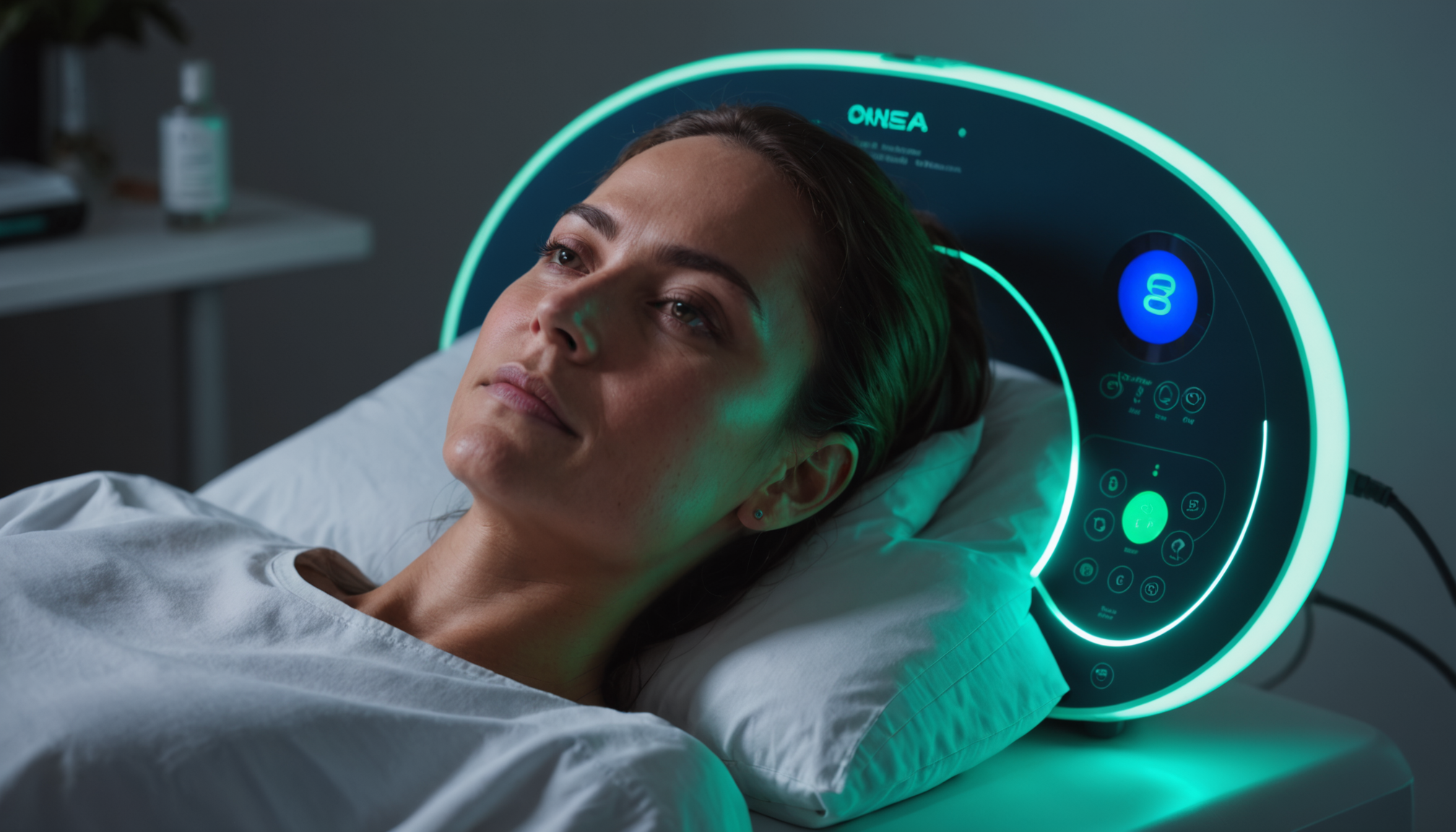
Electrotherapy can lead to a range of positive outcomes, particularly when used correctly and frequently. One primary benefit of electrotherapy is its ability to provide effective pain relief, making it especially valuable for individuals dealing with acute or chronic pain conditions. Patients often report a significant reduction in pain levels, which can enhance overall quality of life and improve functionality in daily activities. By blocking pain signals, electrotherapy modalities like TENS can help individuals resume their normal routines more quickly.
Moreover, electrotherapy can promote accelerated healing by increasing blood circulation to the affected areas. This enhanced blood flow delivers oxygen and nutrients essential for tissue repair, facilitating faster recovery times after injuries or surgeries. Athletes, in particular, can benefit from this as it allows them to recover more swiftly from intensive training or competition, minimizing downtime.
In terms of muscle recovery, modalities such as EMS provide muscle stimulation that aids in preventing atrophy during periods of inactivity while also enhancing strength. By regularly incorporating this type of therapy into a rehabilitation program, individuals can achieve better muscle function and improve athletic performance.
Another significant outcome is the reduction in muscle tension and spasm relief. This can be particularly beneficial for corporate executives who may experience stress-related muscle tightness due to prolonged sitting or poor posture. Regular sessions can help alleviate these issues, enhancing relaxation and promoting better mental clarity.
Patients utilizing electrotherapy have also reported improved mobility and joint function, especially in conditions like arthritis. This improvement allows individuals to engage more comfortably in physical activities they enjoy, further contributing to their overall well-being.
Furthermore, electrotherapy has been shown to aid in the management of inflammation. By targeting inflamed tissues, certain electrotherapy modalities can assist in decreasing swelling and pain, which is crucial for rehabilitation following injuries.
The cumulative effects of consistent treatment underscore the importance of adhering to a planned schedule. The expectation of long-term benefits like enhanced strength, faster healing, and increased range of motion emphasizes the necessity of finding an optimal frequency tailored to individual needs. To tap into the maximum potential of electrotherapy, patients should regularly consult with their healthcare providers to adjust treatment plans based on their progress and feedback.
Factors influencing treatment frequency
Several factors can influence how often electrotherapy sessions should take place, and these considerations come from both objective medical aspects and personal experiences. One of the primary determinants is the specific condition being treated. Acute injuries, for example, may require more frequent sessions initially—potentially every day—to effectively manage pain and stimulate healing, while chronic conditions often benefit from a less frequent regimen, perhaps a couple of times a week.
In addition to the type of condition, individual patient responses can significantly alter treatment frequency. Tolerance levels for electrical stimulation can vary widely; some patients may feel immediate relief after just one session, while others might require multiple treatments to start noticing improvements. Monitoring one’s body response to treatment is crucial; if soreness increases or if there is a lack of improvement, it might suggest that the frequency of sessions should be adjusted.
Lifestyle also plays a substantial role. Patients who lead highly active lifestyles or engage in physical labor may benefit from more regular electrotherapy sessions to help manage the cumulative strain on their bodies. Conversely, individuals with sedentary jobs may need fewer sessions as their muscle tension is less likely to develop at the same pace.
Moreover, the goals of therapy are essential in establishing a treatment plan. Rehabilitation after surgery, for example, may necessitate frequent electrotherapy sessions during the initial recovery phase to facilitate healing and regain mobility. As healing progresses, the frequency can often be reduced to maintenance levels.
Psychological factors can also influence treatment frequency. Patients with higher anxiety levels related to pain or recovery may find reassurance in more frequent sessions, while others might feel confident with a spaced-out schedule. Identifying these personal needs and feelings can help in crafting an effective treatment plan.
Consulting regularly with a healthcare professional is vital to ensure that any adjustments in frequency reflect the evolving nature of the patient’s condition and personal circumstances. Adhering to a flexible treatment plan that accounts for these factors can lead to optimal results, ensuring that patients receive the benefit of electrotherapy tailored specifically to their needs.
“The best results from electrotherapy come when treatment frequency is personalized to each patient’s unique circumstances and responses.”
Guidelines for safe usage
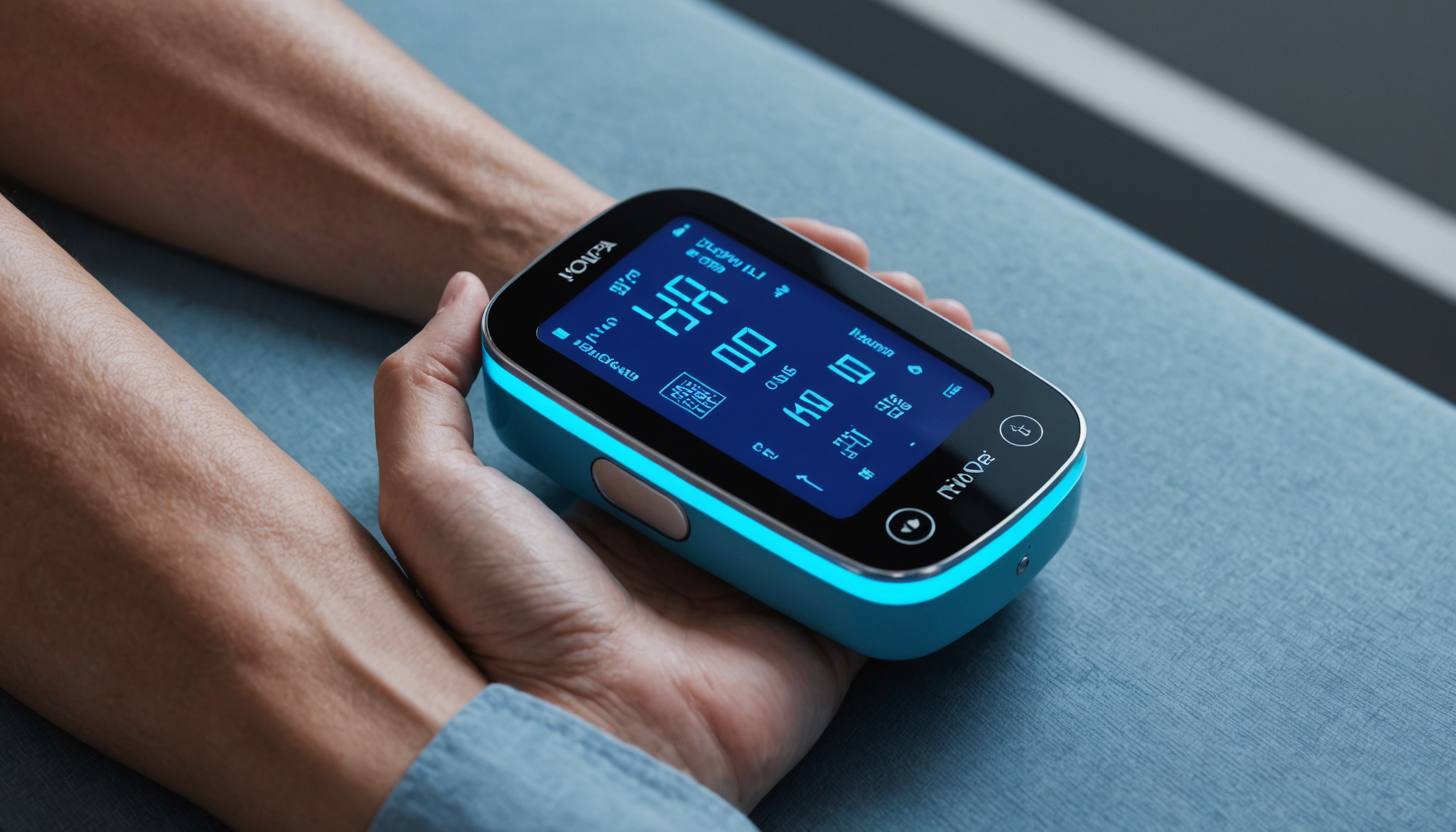 Guidelines for safe usage entail understanding and adhering to specific protocols to ensure effective treatment while minimizing any risks associated with electrotherapy. It is imperative to consult a qualified healthcare provider before engaging in electrotherapy, especially for individuals with underlying health conditions such as heart disease, diabetes, or those who are pregnant. A thorough assessment allows for tailored recommendations based on individual health profiles, which can optimize treatment outcomes.
Before starting any session, users should familiarize themselves with the specific electrotherapy modality being used, as each method may come with its own set of instructions and precautions. For instance, TENS units require users to place electrodes on clean, dry skin and avoid areas with broken skin or impaired sensation, while other modalities might have distinct placement guidelines. Proper electrode placement is crucial, as incorrect positioning can lead to ineffective treatment or discomfort.
Monitoring your body’s responses during and after each session is paramount. Sensations such as tingling or mild discomfort are typically acceptable, but any sharp pain or significant discomfort should prompt an immediate cessation of therapy and a consultation with a provider. Timing is also essential; sessions that are too lengthy may result in overstimulation, while irregular application may prevent the desired therapeutic effects. Therefore, adhering to recommended session lengths and frequencies is critical.
Maintain clear communication with your healthcare provider about any medications you’re taking that may affect your neurological sensitivity or skin reactions. This dialogue can facilitate informed choices regarding your electrotherapy regimen, ensuring safety and efficacy.
Furthermore, consideration of surrounding factors—such as stress levels, hydration, and other supportive therapies—can enhance the effectiveness of electrotherapy. Being mindful of lifestyle choices and seeking a comprehensive approach can significantly amplify the benefits of your sessions, potentially leading to better results over time.
Knowledge is power, and being proactive about understanding how to use electrotherapy safely can not only improve the effectiveness of your treatment but can also empower you in your overall wellness journey. Engage thoughtfully with your therapies, and always strive to deepen your understanding of how best to utilize these powerful tools.
- How frequently should I use electrotherapy for it to be effective?
- The frequency of electrotherapy sessions is usually guided by your specific condition and treatment goals. Typically, starting with 2-3 times a week is recommended for acute issues, while chronic conditions may require less frequent sessions, such as weekly.
- Can anyone use electrotherapy treatments?
- Not everyone is a suitable candidate for electrotherapy. Consulting with a healthcare professional is crucial, especially for individuals with conditions like heart disease, implanted electronic devices, or during pregnancy.
- Are there side effects associated with electrotherapy?
- While electrotherapy is generally considered safe, common side effects may include mild discomfort, skin irritation at the electrode sites, or temporary muscle soreness. It’s important to monitor your body’s reactions and communicate any concerns to your clinician.
- What should I do if I experience pain during electrotherapy?
- If you experience sharp pain or significant discomfort during a session, it is best to stop the treatment immediately. Report any adverse experiences to your healthcare provider to reassess treatment parameters.
- How long does an electrotherapy session usually last?
- Sessions typically last between 20 to 60 minutes, depending on the modality used and the specific treatment goals. It’s crucial to follow the guidance provided by your healthcare provider regarding session lengths.
- Is electrotherapy safe for chronic pain management?
- Yes, electrotherapy can be very effective for chronic pain management when used appropriately. However, finding the correct frequency and modality is essential, and this should be done in consultation with a healthcare professional.
- Can I use electrotherapy at home?
- Home units for certain types of electrotherapy, like TENS, can be used safely after receiving instruction from a healthcare provider. Make sure to adhere to guidelines for operation and electrode placement to ensure safe treatment.
Consulting with a healthcare professional
Before incorporating electrotherapy into your health and wellness routine, it’s essential to consult with a healthcare professional. This step is crucial for ensuring that the therapy aligns well with your individual health needs and goals. A thorough evaluation will help your provider assess any underlying conditions you may have, such as heart disease or neurological disorders, which could affect your safety and response to electrotherapy.
During your consultation, be prepared to discuss your specific symptoms, treatment objectives, and any previous therapies you have tried. This information will assist your healthcare provider in recommending the most appropriate electrotherapy modality for your situation, whether it’s for pain relief, muscle recovery, or managing inflammation. For instance, individuals recovering from surgery may benefit from more intensive applications of TENS or EMS to accelerate healing, while others might need a different focus such as tension relief.
It’s also vital to communicate openly about any medications or supplements you are taking. Certain medications can alter your body’s sensitivity to electrical stimulation or affect your skin’s response. Consequently, your healthcare professional may need to adjust the settings or frequency of your electrotherapy sessions based on this information.
Once treatment begins, ongoing communication is key. Track your progress and any changes in your symptoms. Keeping a detailed record can help you and your healthcare provider make informed decisions about adjusting treatment frequency or modalities. If you’re experiencing significant discomfort during sessions, inform your provider immediately. They can help determine if adjustments are necessary, such as modifying session length or changing your therapy approach.
Understanding that electrotherapy is a component of a comprehensive wellness plan will empower you to make the most of these treatments. Discuss the integration of other therapies—like massage, physical therapy, or lifestyle modifications—along with your electrotherapy regimen. A holistic approach tailored to your unique health journey can lead to the best results.
Don’t hesitate to ask questions during your consultations. Whether you’re curious about how often you should be using electrotherapy or what to expect from your sessions, getting clarity will not only enhance your confidence in the treatment process but also improve your overall experience. By establishing a collaborative relationship with your healthcare provider, you can ensure a more effective and personalized electrotherapy experience.
For a personalized session and free consult, Call me: +1 334-300-0389.
Find out how ARPWave Therapy can enhance your performace as an athlete and how you can achieve drug-free pain relief.