


The future of electrotherapy in managing pain
The future of electrotherapy in managing pain

For a personalized session and free consult, Call me: +1 334-300-0389.
Find out how ARPWave Therapy can enhance your performace as an athlete and how you can achieve drug-free pain relief.
- The role of electrotherapy in pain management
- Types of electrotherapy techniques
- Mechanisms of action in pain relief
- Current applications in clinical practice
- Future advancements and research directions
- Patient considerations and safety measures
In the evolving landscape of pain management, the integration of electrotherapy has emerged as a transformative approach, offering new avenues for relief. For individuals seeking pain relief—from athletes recovering from injuries to corporate executives combating stress—understanding the role of electrotherapy can enhance overall wellness journeys.
Electrotherapy utilizes electrical currents to modulate pain signals in the body. This technique provides a non-invasive alternative to traditional pain management methods, making it an appealing option for many. Some key roles that electrotherapy plays in managing pain include:
- Reduction of Inflammation: Electrotherapy can decrease inflammation associated with acute and chronic pain conditions by enhancing circulation and stimulating cellular repair.
- Pain Signal Interference: By disrupting pain signals before they reach the brain, electrotherapy can significantly alleviate discomfort in patients experiencing neuropathic pain or musculoskeletal issues.
- Muscle Relaxation: The application of electrical impulses helps to relax tight muscles, which can lead to reduced pain levels and improved functionality, especially in those with tension-related ailments.
One popular method of electrotherapy is Transcutaneous Electrical Nerve Stimulation (TENS), which is widely used in both clinical settings and at home. Individuals using TENS units can benefit from the convenience of portable devices, allowing for pain management on-the-go, whether during physical activities or in the office.
For athletes, incorporating electrotherapy into recovery protocols can expedite healing by promoting muscle recovery and improving overall performance. Likewise, for pregnant women, consulting a healthcare professional about safe electrotherapy options can provide a much-needed reprieve from pregnancy-related discomfort.
When seeking electrotherapy treatments, it’s essential for individuals to consult licensed practitioners who can tailor therapies to specific needs. Moreover, it’s advisable for consumers to be informed about the type of electrotherapy devices they choose for at-home use, ensuring they come from reputable manufacturers and are suitable for their conditions.
As the future of electrotherapy in managing pain continues to evolve, advancements in technology and research will likely expand its applications, leading to more personalized and effective treatment options for individuals from all walks of life.
Types of electrotherapy techniques
Electrotherapy encompasses a variety of techniques that can be employed to alleviate pain and promote healing through the use of electrical currents. Each technique is based on different principles and applications, catering to diverse patient needs and clinical scenarios. The following outlines some of the most commonly used types of electrotherapy techniques:
| Technique | Description | Applications |
|---|---|---|
| Transcutaneous Electrical Nerve Stimulation (TENS) | TENS uses low-voltage electrical currents delivered through the skin to stimulate nerves and reduce pain perception. | Chronic pain, postoperative pain, and muscle soreness. |
| Electrical Muscle Stimulation (EMS) | EMS involves the use of electrical impulses to stimulate muscle contraction, strengthening muscle groups and improving endurance. | Rehabilitation after injury and muscle atrophy prevention. |
| Interferential Current Therapy (IFC) | This technique utilizes two medium-frequency electrical currents that intersect, creating a deeper current within the tissue to alleviate pain. | Joint pain, chronic pain conditions, and muscle spasms. |
| Neuromuscular Electrical Stimulation (NMES) | NMES is a specific form of EMS focused on activating motor nerves to elicit muscle contractions for rehabilitation purposes. | Orthopedic recovery, stroke rehabilitation, and muscle re-education. |
| Microcurrent Therapy | This technique applies very low-level electrical currents that mimic the body’s own natural currents, promoting cellular repair and regeneration. | Wound healing, inflammation reduction, and pain relief. |
Each technique offers unique benefits and targets various aspects of pain management. For example, TENS is particularly favored for its ease of use and portability, enabling patients to manage pain in their everyday lives. On the other hand, EMS is designed for muscle rehabilitation, making it valuable in athletic training and recovery phases.
Moreover, the choice of technique can depend on the specific condition being treated. For instance, individuals with complex regional pain syndrome may benefit from IFC due to its dual-current approach that can penetrate deeper tissues effectively. In contrast, patients recovering from surgery may find TENS helpful for immediate pain relief without significant side effects.
The landscape of electrotherapy is continuously evolving, with ongoing research investigating the efficacy and mechanisms behind these techniques. Future advancements may enhance existing approaches and lead to the development of new modalities, further integrating electrotherapy into comprehensive pain management strategies. This ongoing exploration provides hope for more tailored therapies, ensuring that patients can receive optimal care tailored to their unique pain experiences and needs.
Mechanisms of action in pain relief
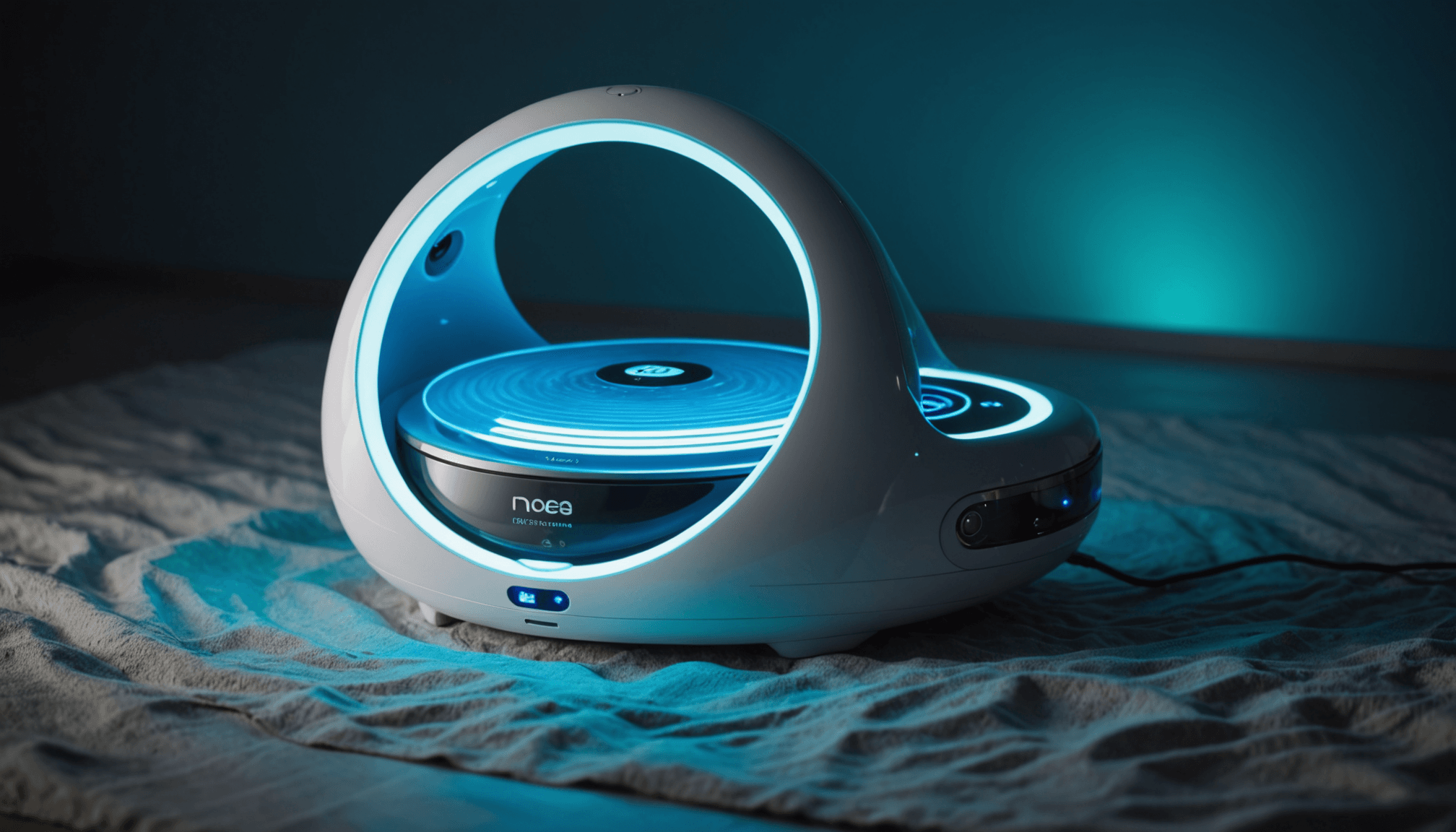
The effectiveness of electrotherapy in managing pain lies in its ability to engage various physiological mechanisms that contribute to pain relief and healing processes. By utilizing electrical currents, these therapies interact with the body’s nervous system in sophisticated ways, offering individuals—whether they are recovering athletes, pregnant women, or busy corporate professionals—a chance for significant pain reduction.
One key mechanism is the stimulation of endogenous opioids. Electrotherapy can trigger the body’s natural production of endorphins and enkephalins, which act as natural painkillers. For instance, when using TENS, many individuals report a feeling of relaxation and pain relief that correlates with the release of these chemicals. For those who experience chronic pain, incorporating such electrotherapy techniques into healing routines can not only mitigate discomfort but also improve psychological well-being.
Another important mechanism involves the modulation of pain signals through the spinal cord. This is often referred to as the gate control theory of pain. According to this theory, the application of electrical currents can close the “gate” to pain signaling pathways, effectively reducing the perception of pain in the brain. This has important implications for individuals dealing with conditions like fibromyalgia or arthritis, where persistent pain can be debilitating.
Increased Blood Circulation: Electrotherapy can enhance circulation in targeted areas, which is crucial for delivering oxygen and nutrients necessary for healing muscle and soft tissue injuries. Athletes, particularly, may leverage this benefit after rigorous training or injury, helping to expedite recovery.
Inhibition of Inflammatory Processes: Electrical stimulation can also influence inflammatory markers in the body. By modulating the inflammatory response, electrotherapy is capable of providing relief from pain associated with inflammatory diseases, making it an appealing option for pregnant women facing swelling and discomfort.
Moreover, the adjustment of nerve excitability through electrotherapy aids in sensitizing or desensitizing nerve pathways. Services like NMES can provide functional benefit by both helping to restore muscle balance and preventing muscle atrophy, especially pertinent for those recovering from surgery or injury.
When selecting the type of electrotherapy to pursue, understanding these mechanisms can help individuals make informed decisions about their pain management plans. It is advised to consult with qualified healthcare professionals who can tailor electrotherapy applications based on individual health conditions and pain profiles. Whether using at-home devices or seeking in-office treatments, awareness of how electrotherapy functions will enhance the overall experience and efficacy of pain management strategies.
As the future of electrotherapy continues to evolve, ongoing research may uncover new insights into the intricate relationships between electrical stimulation, the body’s healing processes, and pain modulation. This promises a potentially transformative impact on how pain can be managed in a variety of clinical and everyday settings, paving the way for improved quality of life for many individuals.
Current applications in clinical practice
In recent years, electrotherapy has found its way into various clinical settings, showcasing its versatility in managing pain across a wide range of conditions. Physical therapists, pain management specialists, and rehabilitation clinics have incorporated electrotherapy into their protocols, demonstrating its efficacy and adaptability to patient needs.
Patients suffering from chronic pain are frequently using TENS units as part of their treatment regimen. These portable devices allow for the application of low-voltage electrical currents to be administered conveniently, making pain relief accessible for individuals in their daily lives. Studies have shown that patients using TENS report substantial reductions in pain severity, enabling them to engage more fully during therapy sessions and improve their functional capacities.
One prominent application of electrotherapy is in the post-operative recovery phase. Following surgical procedures, patients often experience acute pain, where electrotherapy serves to alleviate discomfort and promote faster healing. By applying treatments like NMES, medical professionals can stimulate muscle contractions, which not only help reduce pain but also aid in preventing muscle atrophy during recovery.
In sports medicine, electrotherapy is rapidly gaining traction as athletes pursue optimal performance and rapid recovery from injuries. Techniques such as EMS help regenerate muscle fibers, improve strength, and enhance overall rehabilitation strategies. Many athletic trainers integrate electrotherapy into their practice, facilitating recovery from strains or sprains, and allowing athletes to return to their sport sooner.
Moreover, in the realm of chronic conditions such as arthritis and fibromyalgia, electrotherapy stands out as an adjunctive treatment method. Its application can result in reduced reliance on pharmacological interventions, providing a holistic alternative that complements traditional therapies. Healthcare providers are increasingly looking to offer electrotherapy as part of comprehensive pain management programs that cater to the individualized needs of patients.
“Electrotherapy is transforming pain management, providing not just relief, but also empowering patients to take an active role in their recovery.” – Pain Management Specialist
With the continued advancement of technology, current electrotherapy devices boast improved functionalities, including enhanced programmability and personalized settings that cater specifically to individual pain profiles. This adaptability is crucial as it allows healthcare providers to fine-tune treatment plans based on patient responses, further optimizing outcomes in pain management.
As research deepens our understanding of the mechanisms of electrotherapy, including its effects on nerve signaling and muscle recovery, the scope of clinical applications is likely to broaden. Ongoing studies aim to investigate new modalities and combine electrotherapy with other therapeutic methods such as physical therapy or medication, enhancing the effectiveness of pain management strategies for patients from diverse backgrounds. The integration of innovation within this field hints at a promising future where electrotherapy could play a cornerstone role in changing how we approach managing pain across various demographics and conditions.
Future advancements and research directions
 Ongoing advancements in electrotherapy are set to revolutionize how we approach managing pain, leading to more targeted and effective treatments. Research is diverging into several promising areas, including personalized medicine, artificial intelligence, and novel delivery methods.
One exciting direction is the integration of wearable technology that monitors individual pain responses in real-time and adjusts the electrical stimulation accordingly. Imagine a device that learns from your body’s reactions, dynamically modifying its settings to provide optimal relief at any given moment. This could dramatically increase adherence to treatment regimens, as patients no longer have to guess the intensity or duration of therapy.
Another area of research focuses on combining electrotherapy with biological therapies, such as stem cells or regenerative medicine. The potential synergy between electrical stimulation and biological healing could enhance tissue repair and expedite recovery, presenting a unique opportunity for conditions that currently have limited treatment options.
Furthermore, advancements in nanotechnology may open avenues for localized, highly specific electrical stimulation. This would involve using nano-sized electrodes that can target pain at a cellular level, reducing side effects while maximizing pain relief.
As we investigate these future possibilities, it’s critical for practitioners and patients alike to remain informed about the latest studies and innovations in electrotherapy. Education around emerging technologies can empower individuals to advocate for their health, pushing for more personalized and effective pain management solutions.
- What is electrotherapy?
- Electrotherapy is a treatment method that uses electrical currents to manage pain and promote healing. It can involve various techniques like TENS, EMS, or microcurrent therapy, targeting specific pain pathways in the body.
- How does electrotherapy relieve pain?
- Electrotherapy alleviates pain by stimulating the release of endorphins, blocking pain signals, and enhancing blood circulation in affected areas. These mechanisms work together to provide both immediate and long-term pain relief.
- Is electrotherapy safe?
- Electrotherapy is generally considered safe when administered by a qualified practitioner or when using approved home devices. However, individuals with certain medical conditions, such as pacemakers, should consult a doctor before beginning treatment.
- Can anyone use electrotherapy for pain management?
- While many people can benefit from electrotherapy, it may not be suitable for everyone. Pregnant women, individuals with specific heart conditions, or those with skin sensitivities should consult their healthcare provider to discuss potential risks.
- How long do electrotherapy sessions last?
- Sessions can vary in length depending on the technique and specific outcomes desired, typically ranging from 15 to 60 minutes. Consulting with a healthcare professional can help determine the best duration for individual needs.
- What should I expect during an electrotherapy session?
- During an electrotherapy session, electrodes are placed on the skin at targeted areas. Patients may feel a tingling sensation or muscle contractions, which should not be painful. A licensed practitioner will adjust settings based on personal comfort levels.
- How often should I undergo electrotherapy treatments?
- The frequency of treatments can vary based on individual pain levels and condition severity. Some may benefit from several sessions a week, while others may only need occasional treatments. A healthcare provider can recommend a tailored schedule.
Patient considerations and safety measures
When considering electrotherapy as a method for managing pain, patient safety and individual circumstances should always take precedence. Understanding specific conditions and possible contraindications helps ensure safe use, especially when navigating various electrotherapy techniques like TENS, EMS, or NMES.
Consultation with Healthcare Providers: Prior to initiating any electrotherapy treatment, it is crucial to consult with a qualified healthcare professional. This is especially important for individuals with underlying health conditions, such as heart disease, pregnancy, or neurological disorders. A provider can help tailor treatments accordingly, minimizing risk and maximizing effectiveness.
- Pregnant Women: While some types of electrotherapy may be safe during pregnancy, others are not recommended. Consulting with a healthcare provider specializing in maternal health can provide guidance on suitable treatments for managing pain during pregnancy.
- Individuals with Pacemakers: Those with implanted medical devices like pacemakers should avoid certain electrotherapy methods unless cleared by a cardiologist, as electrical currents can interfere with device functionality.
- Skin Sensitivities: Patients with skin conditions or sensitivities should be cautious when using devices that apply electrodes directly to the skin. Ensuring skin integrity and pre-testing small areas can prevent adverse reactions.
Proper Device Usage: If considering at-home electrotherapy devices, it’s essential to understand how to use them effectively. Always follow manufacturer instructions regarding placement, duration, and intensity of treatments. Overuse or improper application can lead to skin irritation or heightened discomfort.
Monitoring Reactions: During electrotherapy sessions, it is important to actively monitor the body’s responses. Patients should communicate any discomfort or unusual sensations to their practitioner, allowing adjustments to the treatment protocol. This vigilance ensures that the benefits of electrotherapy are fully realized without compromising safety.
Avoiding Specific Areas: Applying electrotherapy near the neck, head, or directly over the heart is generally discouraged due to potential risks. Likewise, areas with open wounds, infections, or tumors should be avoided to prevent exacerbating these conditions.
Environmental Considerations: For those integrating at-home electrotherapy into their routines, selecting a peaceful environment is also important. Minimizing distractions during sessions can enhance effectiveness, allowing individuals to focus on relaxation and pain relief.
Staying informed about the latest research and advancements in electrotherapy can help users make educated decisions about their pain management strategies. Emerging technologies may offer new methods and devices that enhance patient safety and treatment efficacy. Engaging in continuous education about what is available in the realm of electrotherapy can empower individuals, leading to more informed, effective, and safe pain management practices.
For a personalized session and free consult, Call me: +1 334-300-0389.
Find out how ARPWave Therapy can enhance your performace as an athlete and how you can achieve drug-free pain relief.