


The benefits of electrotherapy for muscle pain
The benefits of electrotherapy for muscle pain

For a personalized session and free consult, Call me: +1 334-300-0389.
Find out how ARPWave Therapy can enhance your performace as an athlete and how you can achieve drug-free pain relief.
- The science behind electrotherapy
- Types of electrotherapy methods
- How electrotherapy alleviates muscle pain
- Benefits of electrotherapy for recovery
- Safety and precautions when using electrotherapy
- Conclusion and recommendations for use
Electrotherapy operates on the principle of using electrical impulses to influence the body’s physiological processes. This technique harnesses the power of low-frequency electrical currents to stimulate nerves and muscles, promoting healing and pain relief. By delivering targeted electrical stimulation, electrotherapy can enhance blood circulation, reduce inflammation, and facilitate muscle relaxation, thereby aiding in the alleviation of muscle pain.
In the realm of massage therapy, understanding the scientific fundamentals of electrotherapy can significantly enhance treatment effectiveness. When electrical impulses are applied, they can trigger a variety of responses in the body. For instance, the stimulation of sensory nerves can help block pain signals from reaching the brain, while also encouraging the release of endorphins, the body’s natural painkillers. Techniques such as Transcutaneous Electrical Nerve Stimulation (TENS) and Neuromuscular Electrical Stimulation (NMES) are commonly used in conjunction with massage therapy to optimize results.
Moreover, the benefits of integrating electrotherapy into massage therapy practices extend beyond just pain management. Improved muscle function and reduced muscle spasms are significant advantages that can assist athletes in their recovery process. A well-designed electrotherapy session can complement traditional massage techniques, providing muscle stimulation that may be hard to achieve through manual manipulation alone.
For individuals seeking pain relief, understanding how these electrical impulses interact with their body can empower them to make informed choices regarding their treatment plans. It’s essential to consult with a trained professional who can assess individual needs and tailor electrotherapy sessions accordingly. Whether you’re an athlete, corporate executive, or a pregnant woman managing discomfort, the proper use of electrotherapy can play a vital role in your wellness journey.
As you explore your options for incorporating electrotherapy into your routine, consider the following:
- Consult a professional: Prior to starting electrotherapy, seek advice from a qualified healthcare provider who understands both your body’s needs and the techniques available.
- Combine with other therapies: Electrotherapy can be more effective when paired with traditional massage or physical therapy techniques, enhancing overall outcomes.
- Monitor your body’s response: Pay attention to how your body reacts to treatments. Adjust the intensity and frequency of sessions as necessary to achieve optimal results.
- Use at home with care: If you opt for at-home units, ensure you understand their operation and follow manufacturer guidelines to avoid injury or ineffectiveness.
In summary, the integration of electrotherapy into massage therapy offers a multi-faceted approach to pain relief and recovery, enabling individuals to experience a greater sense of well-being. Being informed about the underlying science can lead to more effective usage and improved outcomes, making it a valuable tool for those seeking relief from muscle pain.
Types of electrotherapy methods
Electrotherapy encompasses various methods, each with unique techniques and applications tailored to address different types of muscle pain and aid recovery. Understanding these methods allows practitioners and patients to select the most appropriate approach based on specific needs.
Transcutaneous Electrical Nerve Stimulation (TENS) is one of the most popular electrotherapy modalities. This technique involves placing electrodes on the skin, which then deliver low-voltage electrical currents designed to alleviate pain. TENS primarily functions by stimulating the sensory nerves, which can help block the pain signals sent to the brain and promote the release of endorphins. This makes TENS particularly effective for individuals experiencing chronic pain conditions, muscle soreness, or post-surgical pain.
Neuromuscular Electrical Stimulation (NMES) aims to induce muscle contractions using electrical impulses. This method is beneficial in rehabilitative contexts, where muscle weakness or atrophy is present. By activating the muscle fibers, NMES helps improve strength, endurance, and overall muscle function. Physical therapists often incorporate NMES into treatment plans for patients recovering from injuries or surgeries, thus expediting rehabilitation and minimizing muscle wasting.
Another widely used method is Interferential Current (IFC) therapy, which utilizes two medium-frequency alternating currents that intersect at the treatment site. This technique allows for deeper tissue penetration without causing discomfort on the skin’s surface. IFC is particularly effective for alleviating pain associated with deeper muscle tissues and joints, making it a preferred choice for treating conditions like osteoarthritis and chronic lower back pain.
Below is a comparison of the different electrotherapy methods, outlining their primary uses and benefits:
| Type of Electrotherapy | Primary Use | Benefits |
|---|---|---|
| TENS | Pain relief | Blocks pain signals, promotes endorphin release, advantageous for chronic pain management |
| NMES | Muscle rehabilitation | Enhances muscle strength and function, aids recovery from injury |
| IFC | Deep muscle pain relief | Effective for deeper tissue injuries, less skin discomfort, and improved circulation |
In addition to these prominent methods, various emerging technologies in electrotherapy include Pulsed Electromagnetic Field Therapy (PEMF), which uses electromagnetic fields to promote cellular repair and regeneration, and Microcurrent Therapy, which applies very low current levels to support tissue healing. These advanced modalities continue to enhance therapeutic options for those seeking relief from muscle pain.
Choosing the appropriate electrotherapy method can significantly impact treatment outcomes. Patients should engage with healthcare providers to determine the most suitable approach for their unique situations, thereby benefiting from tailored therapies designed to meet individual pain relief and recovery goals. The integration of these electrotherapy methods into comprehensive care plans ensures a holistic approach to managing muscle pain and enhancing overall physical well-being.
How electrotherapy alleviates muscle pain
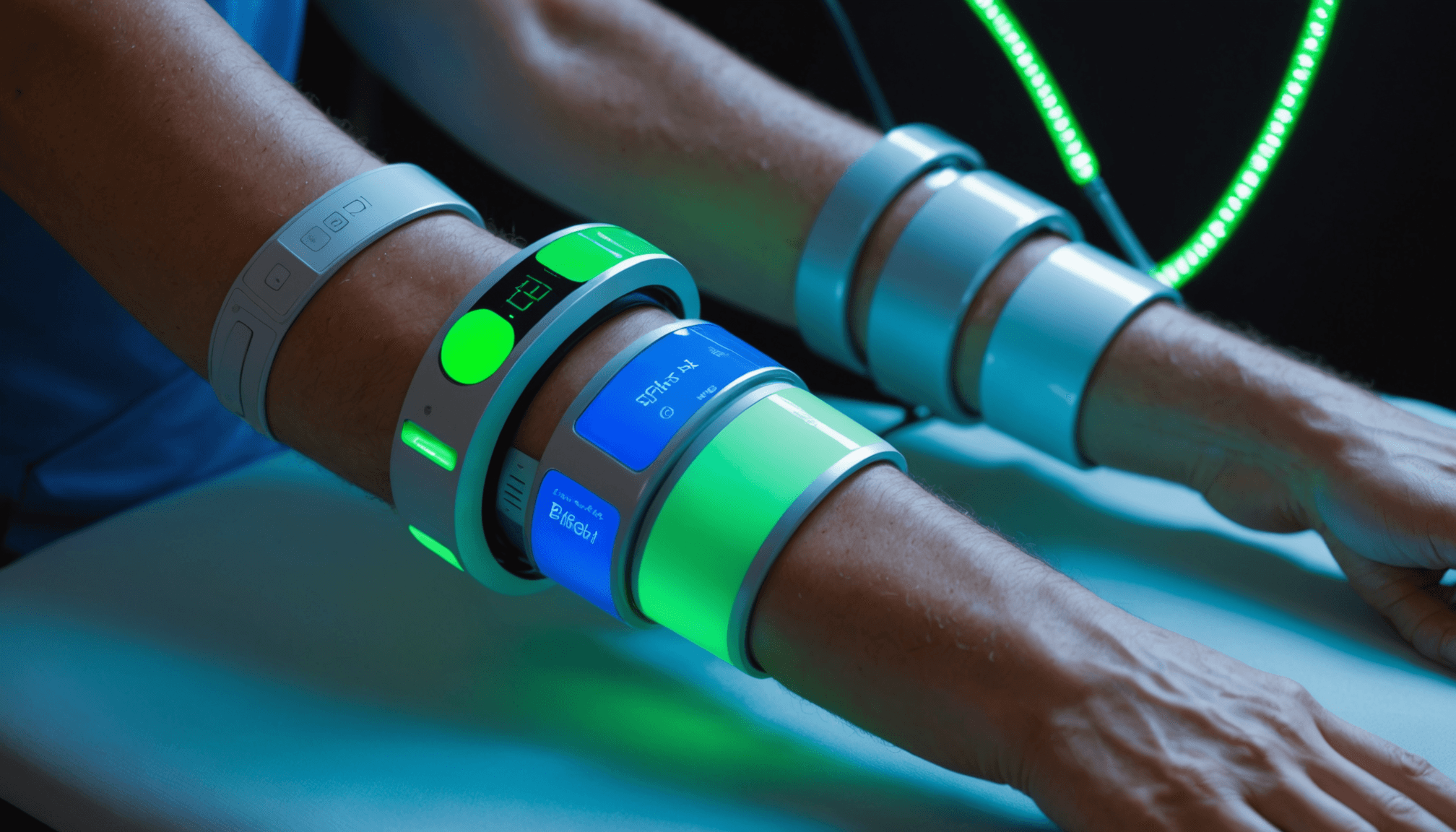
Electrotherapy alleviates muscle pain through various mechanisms that engage the body’s natural processes. One of the primary ways it achieves this is by disrupting pain signals that travel to the brain, providing immediate pain relief. When electrical impulses are delivered through electrodes on the skin, they stimulate the sensory nerves and can effectively block pain signals via the gate control theory, which posits that non-painful input can inhibit painful input. This makes electrotherapy a valuable tool for both acute and chronic muscle pain management.
Additionally, electrotherapy promotes the release of endorphins—natural pain-relieving chemicals in the body. By encouraging this release, individuals often experience reduced pain perception and an enhanced sense of well-being. The stimulation generated by electrotherapy also encourages increased blood flow to the affected muscles, which aids in the healing process by delivering oxygen and nutrients while removing metabolic waste. This improved circulation can further assist in reducing inflammation, which often accompanies muscle injuries or inflammation.
Another significant benefit of electrotherapy for muscle pain is its ability to induce muscle contractions directly. For those suffering from muscle weakness or atrophy, especially post-injury, techniques such as Neuromuscular Electrical Stimulation (NMES) can encourage muscle engagement. This not only helps in maintaining muscle tone but can also expedite recovery by preventing muscle wasting during periods of inactivity.
For athletes, the utility of electrotherapy extends beyond just immediate relief. Incorporating electrotherapy into their recovery regimen can help minimize muscle soreness post-exercise, improve performance through enhanced muscle recovery, and decrease the time needed for healing after strenuous activities. Moreover, its application can assist in preparing muscles for exertion, ensuring they are primed and less prone to injury.
While electrotherapy offers substantial benefits for managing muscle pain, individuals should also consider the following tips to optimize their treatment:
- Utilize the right settings: Adjust the frequency and intensity of the electrical impulses according to personal comfort and specific pain levels. Consulting with a therapist can help find the optimal settings.
- Maintain regular sessions: Consistency is key when it comes to electrotherapy. Regular sessions can help maintain pain relief and improve long-term outcomes.
- Incorporate relaxation techniques: Combining electrotherapy with relaxation methods such as deep breathing or mindfulness can further enhance pain relief and stress reduction.
- Stay informed: Keep abreast of new electrotherapy advancements and research to make informed decisions regarding therapies that may be applicable to your treatment.
Ultimately, for individuals seeking effective muscle pain relief—be it athletes recovering from rigorous training or everyday individuals coping with discomfort—understanding how electrotherapy works and maximizing its application can lead to improved quality of life. By integrating electrotherapy into a comprehensive pain management strategy, users can harness the full benefits it offers in conjunction with other therapeutic modalities.
Benefits of electrotherapy for recovery
Electrotherapy has emerged as a valuable ally in the recovery process, facilitating a range of benefits that go beyond simple pain relief. One significant advantage of this treatment modality is its ability to accelerate the healing process by enhancing blood circulation. The electrical impulses stimulate blood flow to the affected areas, facilitating the delivery of oxygen and nutrients essential for tissue repair. Increased circulation also aids in the removal of waste products and toxins, which can accumulate in muscles after injury or strain, further promoting recovery.
Additionally, electrotherapy can effectively reduce inflammation, a common response to muscle injury or overuse. By modulating inflammatory processes, it helps to alleviate pain and swelling more quickly than with rest alone. This is particularly beneficial for individuals looking to return to their normal activities or athletic performance in a timely manner. As inflammation decreases, individuals may notice a significant improvement in their range of motion, enabling better functionality in daily tasks or sports activities.
Moreover, the incorporation of electrotherapy into rehabilitation protocols can help maintain muscle strength and prevent atrophy during periods of immobilization. For instance, patients recovering from surgery or injury often face challenges associated with muscle weakness due to inactivity. Using methods such as Neuromuscular Electrical Stimulation (NMES) allows for the direct activation of muscle fibers, thereby preserving muscle tone and structural integrity over time. This is instrumental in ensuring that as patients transition back to their regular activities, they are not at an increased risk of re-injury due to weakened muscles.
Another noteworthy benefit of electrotherapy is its positive influence on psychological aspects of recovery. Pain management through electrotherapy not only alleviates physical discomfort but can also lead to reduced anxiety and improved mood. When individuals experience less pain, they are more likely to engage in physical therapy exercises and stay motivated throughout their recovery journey. This holistic approach contributes significantly to overall well-being and enhances adherence to rehabilitation programs.
In exploring the benefits of electrotherapy for recovery, it’s essential to recognize its versatility in various settings. Athletes frequently utilize electrotherapy as part of their training and recovery regimens to enhance performance and mitigate muscle soreness post-exercise. By integrating electrotherapy, they can optimize muscle recovery times, thus ensuring that they are ready to compete at their best.
“Electrotherapy not only speeds up physical recovery but also improves emotional resilience, enabling individuals to confront their healing journey with a more positive mindset.” – Author Unknown
The therapeutic potential of electrotherapy represents a multifaceted approach to recovery, effectively addressing both the physical and psychological components of muscle pain. Whether dealing with a minor strain or recovering from a significant injury, electrotherapy can provide substantial benefits that make the path to recovery smoother and more efficient.
Safety and precautions when using electrotherapy
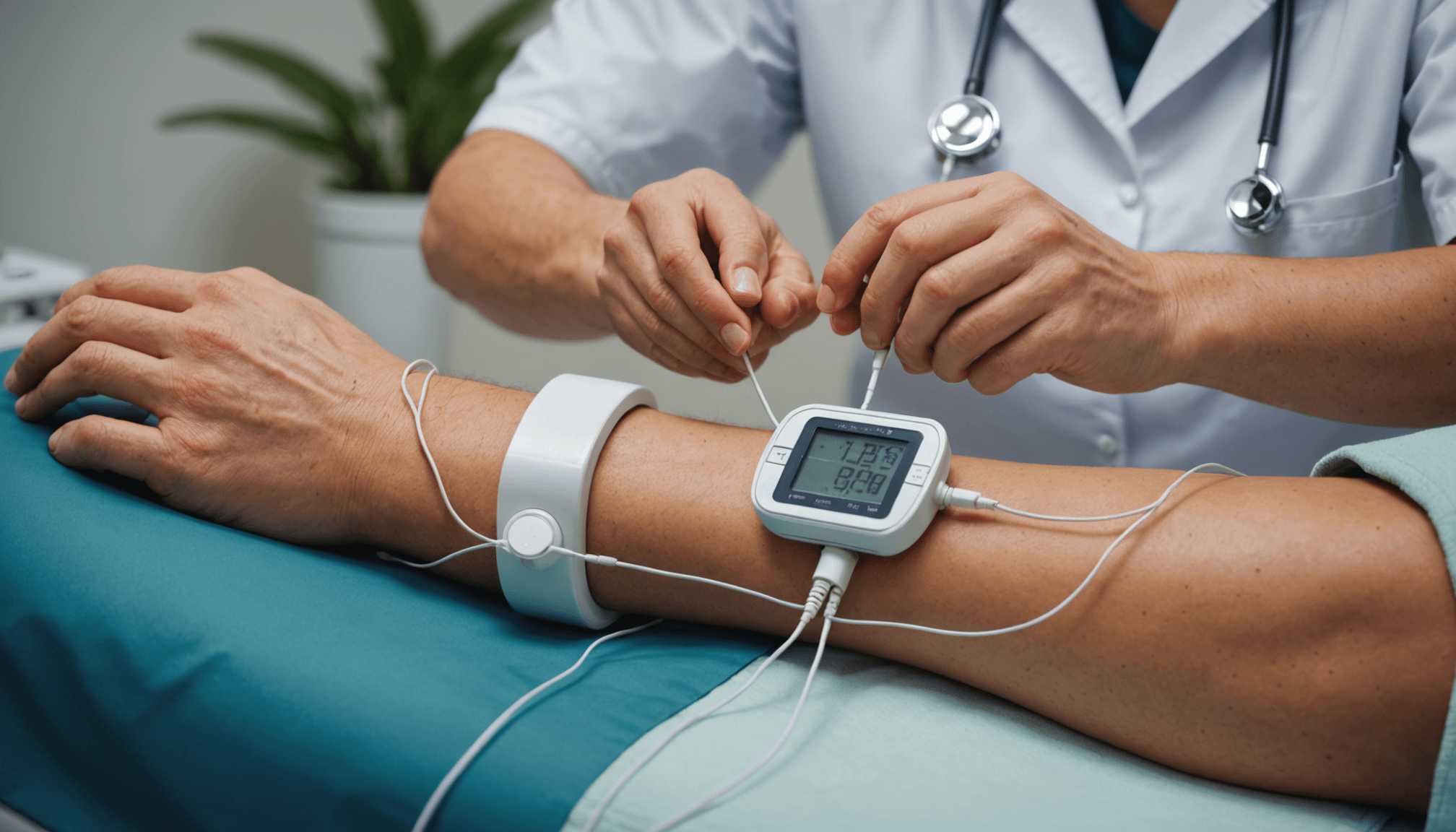 When considering the safety and precautions associated with electrotherapy, it is crucial to prioritize a few key aspects to ensure effective and safe treatment. First and foremost, consult with a healthcare professional before starting any electrotherapy treatment. This step is especially vital for individuals with underlying health conditions, such as heart problems, skin sensitivities, or pregnant women, as specific precautions must be taken to avoid complications.
Proper placement of electrodes is another essential factor. Incorrect electrode positioning can lead to ineffective treatment or even discomfort. Following the guidance of a trained therapist or the manufacturer’s instructions when using home devices is imperative. Additionally, understanding individual tolerance levels can greatly enhance the effectiveness of the treatment. To optimize the experience, start with lower intensity and gradually increase it as comfort allows.
Monitoring how your body reacts during and after each session is also recommended. If discomfort or unusual symptoms occur—such as swelling, redness, or a burning sensation—cessation of treatment and consultation with a provider is crucial. These responses may indicate that adjustments are needed in the treatment plan.
Using FDA-approved devices is also an important safety measure. Non-regulated electrical stimulation devices might not deliver the desired results and can bring safety hazards. Therefore, it’s wise to either utilize devices prescribed by professionals or those that have undergone rigorous testing.
Moreover, individuals should pay attention to session duration. Prolonged exposure to electrical impulses can lead to muscle fatigue or soreness. Follow recommended treatment times and frequency to maintain a balanced approach. Lastly, electrotherapy should not replace traditional medical care but complement it. Combining electrotherapy with traditional rehabilitation methods can enhance recovery and ensure a comprehensive treatment plan.
As you delve deeper into the world of electrotherapy, consider the multifaceted implications of its use. What safety measures do you feel are most crucial? How might these protocols shape your perspective on treating muscle pain effectively and safely? Understanding these nuances can lead to a more informed and empowered approach to managing your well-being.
- What is electrotherapy?
- Electrotherapy is a therapeutic technique that uses electrical impulses to alleviate pain and stimulate muscles. It operates through methods like TENS and NMES, which target nerves and muscles to promote healing and recovery.
- Is electrotherapy safe for everyone?
- While many individuals can benefit from electrotherapy, it may not be suitable for everyone. Those with certain health conditions, such as pacemakers, heart issues, or pregnant women, should consult a healthcare professional before starting treatment.
- How does electrotherapy relieve muscle pain?
- Electrotherapy relieves muscle pain by disrupting pain signals to the brain and promoting endorphin release. It also enhances blood circulation, delivering oxygen and nutrients while reducing inflammation in affected areas.
- Can I use electrotherapy devices at home?
- Yes, home-use electrotherapy devices are available, but it’s essential to follow the manufacturer’s instructions carefully. Consulting with a healthcare provider can also ensure safe use and optimal settings.
- How often should I use electrotherapy?
- The frequency of electrotherapy sessions can vary depending on individual needs and health conditions. Typically, starting with 2-3 sessions a week is advisable, but a healthcare provider can recommend the best schedule based on specific situations.
- Are there any side effects associated with electrotherapy?
- Most people tolerate electrotherapy well, but potential side effects may include skin irritation or muscle soreness. Monitoring your body’s response and adjusting treatment parameters can help mitigate these effects.
- How long do electrotherapy sessions usually last?
- Electrotherapy sessions generally last between 15 to 30 minutes, depending on the individual’s treatment goals and recommendations from the healthcare provider. Following appropriate session lengths is essential for maximizing benefits and avoiding fatigue.
Conclusion and recommendations for use
When considering the integration of electrotherapy into your pain management and recovery routine, it’s essential to approach it with a well-informed and practical perspective. For those seeking effective relief from muscle pain, following specific recommendations can optimize your experience and enhance recovery.
Understand your needs: Before starting electrotherapy, assess your specific conditions and needs. Individuals may have varying responses to electrotherapy, and understanding what you aim to achieve—whether it’s pain relief, muscle recovery, or enhanced performance—will guide your treatment plan.
Choose the right method: Different electrotherapy methods serve various purposes. For muscle soreness, Transcutaneous Electrical Nerve Stimulation (TENS) is an excellent option due to its pain-alleviating properties. Conversely, Neuromuscular Electrical Stimulation (NMES) is advantageous for muscle rehabilitation. Consult with a healthcare provider to select the most suitable technique for your circumstances.
Consistency is key: Regular electrotherapy sessions lead to better outcomes. Establish a schedule that works for you, whether it’s a couple of times a week or daily treatments based on your recovery needs. Maintaining consistency can enhance muscle healing and effectively reduce pain over time.
Mind your comfort: During electrotherapy sessions, adjust the intensity to a level that feels effective but comfortable. Start with lower settings and gradually increase them as you become more accustomed to the sensation. It’s essential to monitor your body’s response to avoid discomfort or adverse reactions.
Follow safety precautions: Always adhere to safety guidelines while using electrotherapy devices. Ensure that you are using FDA-approved machines, and pay attention to General Health recommendations, especially concerning session duration and frequency. Limiting treatment to recommended intervals can prevent muscle fatigue and irritation.
Incorporate complementary therapies: Pairing electrotherapy with other therapeutic modalities—such as massage therapy, physical therapy, or relaxation techniques—can amplify its benefits. This holistic approach addresses multiple aspects of muscle pain and recovery, leading to well-rounded results.
Stay informed: Continuous learning about electrotherapy advancements and research can empower individuals to make better choices regarding their therapeutic approaches. Knowledge of emerging technologies may offer even more options for managing muscle pain effectively.
Engaging in open discussions with healthcare professionals about your experiences and treatments can also enhance your understanding and effectiveness of electrotherapy in managing muscle pain and promoting overall recovery.
For a personalized session and free consult, Call me: +1 334-300-0389.
Find out how ARPWave Therapy can enhance your performace as an athlete and how you can achieve drug-free pain relief.