For a personalized session and free consult, Call me: +1 334-300-0389.
Find out how ARPWave Therapy can enhance your performace as an athlete and how you can achieve drug-free pain relief.
- Electrotherapy modalities for pain management
- Mechanisms of electrotherapy in pain relief
- Benefits of electrotherapy for the elderly
- Safety and precautions in elderly patients
- Comparative effectiveness of electrotherapy techniques
- Future directions in electrotherapy research for pain relief
Electrotherapy encompasses a variety of modalities that have proven effective in managing pain, particularly for the elderly. Each of these modalities utilizes electrical currents to alleviate discomfort, promote healing, and enhance the overall quality of life for patients. Below are some common methods used in electrotherapy:
- TENS (Transcutaneous Electrical Nerve Stimulation): This method is highly popular for both acute and chronic pain relief. By delivering low-voltage electrical currents through the skin, TENS can block pain signals sent to the brain, providing significant relief. It is particularly beneficial for conditions such as arthritis and back pain, which are prevalent among the elderly.
- IFC (Interferential Current Therapy): IFC employs two different electrical frequencies that intersect the targeted area, producing a unique current that penetrates deep tissue. This method is effective for muscle spasms and joint pain, making it a viable option for older adults suffering from conditions like fibromyalgia or muscle strain.
- EMS (Electrical Muscle Stimulation): EMS is used primarily to stimulate muscle contractions, which can help improve strength and circulation. For elderly patients who may experience muscle atrophy or weakness, incorporating EMS in their treatment plan can aid in maintaining muscle mass and reducing discomfort.
- Microcurrent therapy: This gentle form of electrotherapy operates at a cellular level, promoting healing through low-intensity electrical currents. It’s especially effective in reducing pain and inflammation, fostering recovery from injuries, and enhancing lymphatic drainage in the elderly.
When considering electrotherapy for pain management, it’s essential for users to collaborate with trained professionals to identify the most suitable modality. Here are some practical tips for consumers:
- Consult a healthcare provider to assess your specific condition and recommend an appropriate electrotherapy modality.
- Ensure that the practitioner is certified and has experience working with the elderly population to ensure effective and safe treatment.
- Keep track of your pain levels before, during, and after treatments to provide useful feedback to your therapist, which can help customize your pain relief plan.
- Consider combining electrotherapy with other pain management techniques, such as gentle massage or physical therapy, for enhanced benefits.
By understanding these modalities and approaching electrotherapy with informed choices, consumers can maximize their potential for pain relief and overall wellness, leading to improved functional ability and quality of life.
Mechanisms of electrotherapy in pain relief
Electrotherapy operates through various mechanisms that contribute to pain relief, particularly in elderly patients who often suffer from chronic pain conditions. Understanding these mechanisms is essential for optimizing treatment efficacy and enhancing patient outcomes.
One primary mechanism is the gate control theory of pain, which suggests that non-painful stimuli can inhibit the transmission of painful stimuli. This is what occurs in TENS therapy; the electrical impulses from TENS devices stimulate sensory fibers, effectively closing the “gates” in the spinal cord that allow pain signals to travel to the brain. The resulting increase in sensory input can reduce the perception of pain, making TENS a practical option for elderly individuals experiencing conditions like osteoarthritis.
Another mechanism involves the release of endorphins, which are natural pain-relieving chemicals produced by the body. Electrotherapy techniques, particularly TENS and IFC, have been shown to trigger the release of these endorphins, providing a sense of well-being and reducing pain after treatment sessions. This natural method of pain relief is particularly important for the elderly, who may be concerned about the side effects of pharmaceutical pain relief options.
In terms of promoting circulation and reducing inflammation, microcurrent therapy acts at a cellular level by stimulating ATP production, which is crucial for tissue healing and regeneration. Improved cellular function and enhanced blood flow contribute to decreased inflammation and pain in affected areas. For elderly patients with comorbidities, this non-invasive approach can significantly decrease recovery times and enhance healing capabilities without the risks associated with more aggressive medical interventions.
Furthermore, EMS enhances muscle activation and strength, which can often alleviate pain caused by muscle weakness or atrophy in elderly patients. This mechanism is particularly beneficial for maintaining mobility and independence, as it addresses both pain relief and the underlying muscle dysfunction that may exacerbate pain conditions.
The following table highlights the various electrotherapy modalities, their mechanisms, and the specific outcomes relevant to elderly patients:
| Electrotherapy Modality | Mechanism of Action | Expected Outcomes |
|---|---|---|
| TENS | Blocks pain signals through stimulation of sensory fibers | Reduced pain perception, enhanced mood |
| IFC | Utilizes two different frequencies to penetrate deep tissues | Reduced muscle spasms, improved joint pain |
| EMS | Stimulates muscle contractions for strength and circulation | Increased muscle mass, decreased pain from weakness |
| Microcurrent Therapy | Stimulates cellular processes to enhance healing | Decreased inflammation, improved healing time |
The interactions between these mechanisms and their effects on pain relief make electrotherapy a versatile and valuable tool in managing pain, especially for the elderly population. Implementing the appropriate electrotherapy modality based on individual health conditions can significantly improve quality of life and functional ability in older adults.
Benefits of electrotherapy for the elderly
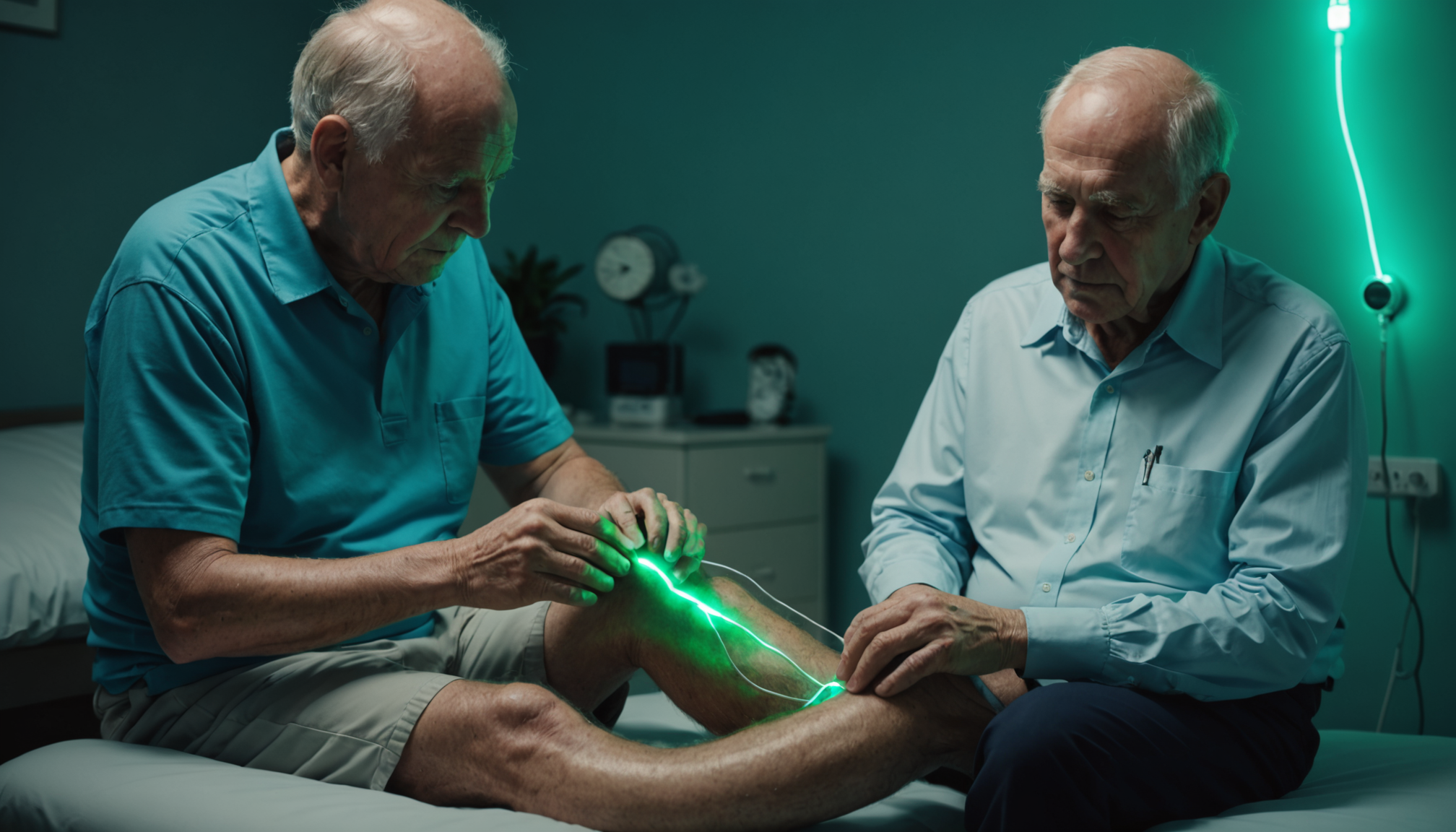
Electrotherapy offers a range of benefits for the elderly, providing effective pain relief and enhancing overall well-being. One of the primary advantages is its ability to manage chronic pain without the need for pharmaceuticals, which can often come with adverse side effects. This non-invasive approach allows older adults to receive treatment that is both safe and effective for various conditions commonly experienced in this age group, such as arthritis, neuropathy, and muscle strains.
Another significant benefit of electrotherapy is its capacity to improve mobility and function. By reducing pain and facilitating muscle activation, treatments like Electrical Muscle Stimulation (EMS) not only alleviate discomfort but also promote physical activity. Regular participation in physical activities is essential for elderly individuals to maintain independence and improve their quality of life. With proper guidance, electrotherapy can encourage a more active lifestyle, reducing the fear of injury associated with chronic pain.
Furthermore, many electrotherapy modalities help stimulate circulation, which is crucial for healing and reducing inflammation. This is particularly important for older adults who may have circulatory issues or slower healing processes due to age-related factors. Improved blood flow ensures that oxygen and nutrients reach damaged tissues, promoting recovery and enhancing overall wellness. This mechanism of action is pivotal in addressing not just pain but also the underlying causes of discomfort.
Additionally, electrotherapy can contribute to a comprehensive pain management regimen. For individuals seeking alternative therapies, combining electrotherapy with massage therapy, physical therapy, or other modalities can lead to synergistic effects in pain relief. Such integrative approaches often result in enhanced patient satisfaction and improved outcomes.
As users consider incorporating electrotherapy into their pain management plans, it’s essential to be well-informed. Here are some practical tips to enhance your experience:
- Consult with a healthcare professional: Before starting any electrotherapy treatments, get a thorough assessment from a qualified provider who understands the specific needs of elderly patients.
- Educate yourself about different modalities: Understanding the various types of electrotherapy, including TENS and microcurrent therapy, can help you make informed choices about which method may be most suitable for your condition.
- Monitor your response: Keep a journal to track your pain levels and any changes you experience with treatment. This information can be invaluable when discussing your progress with your therapist.
- Stay engaged in your treatment: Take an active role in your pain management by asking questions and expressing any concerns or preferences regarding your therapy. Open communication with your practitioner will lead to more personalized care.
The benefits of electrotherapy for pain relief in the elderly are vast and varied, promoting better health outcomes and improved quality of life. By understanding its advantages and approaching treatment thoughtfully, older adults can take proactive steps towards managing their pain effectively.
Safety and precautions in elderly patients
In providing electrotherapy treatments for elderly patients, a thorough evaluation of individual health status is critical to ensure safety and effectiveness. As older adults often present with comorbidities, pre-existing conditions must be carefully assessed before initiating therapy. It is important to note that not all electrotherapy modalities are suitable for every individual. For instance, patients with implanted medical devices such as pacemakers should avoid certain forms of electrotherapy that may interfere with device function.
Additionally, skin integrity is a vital consideration. Elderly patients are more prone to skin sensitivities, abrasions, or conditions such as eczema, which can affect treatment outcomes. Practitioners should always examine the skin before applying electrodes or conducting treatments. Ensuring the targeted area is free from irritation or lesions will reduce the risk of adverse reactions.
The type and intensity of electrical stimulation must be tailored to meet the specific needs of elderly patients. Starting with lower intensities and gradually increasing as tolerated can minimize discomfort and the risk of potential side effects. Continuous monitoring during sessions is crucial, allowing practitioners to modify settings in real-time based on the patient’s feedback and responses.
“Safety is not a gadget but a state of mind.” – Eleanor Everet
Furthermore, educating elderly patients about what to expect during electrotherapy sessions is essential. Clear communication can help alleviate anxiety and promote adherence to treatment plans. Patients should be informed about potential sensations during treatment, such as tingling or muscle contractions, which are generally mild but can be startling for those unfamiliar with the process.
Careful consideration should also be given to the frequency and duration of treatments. For elderly patients, shorter and more frequent sessions may be more effective than longer sessions, as they can reduce fatigue and improve compliance. A personalized treatment schedule, designed collaboratively with healthcare providers, will maximize pain relief while minimizing risks.
Allergic reactions to electrode adhesives or gel pads can occur, making it essential to select hypoallergenic products. Regular checks for electrode placement and skin reactions will help in adjusting products and ensuring patient comfort.
Finally, it is vital to incorporate a multidisciplinary approach when implementing electrotherapy in the elderly. Working alongside physical therapists, occupational therapists, and other healthcare professionals can foster a comprehensive treatment plan that addresses not only pain management but also mobility and overall functional independence.
Adherence to these safety measures and precautions will enhance the efficacy of electrotherapy for pain relief in elderly patients, promoting both their health and well-being in aging.
Comparative effectiveness of electrotherapy techniques
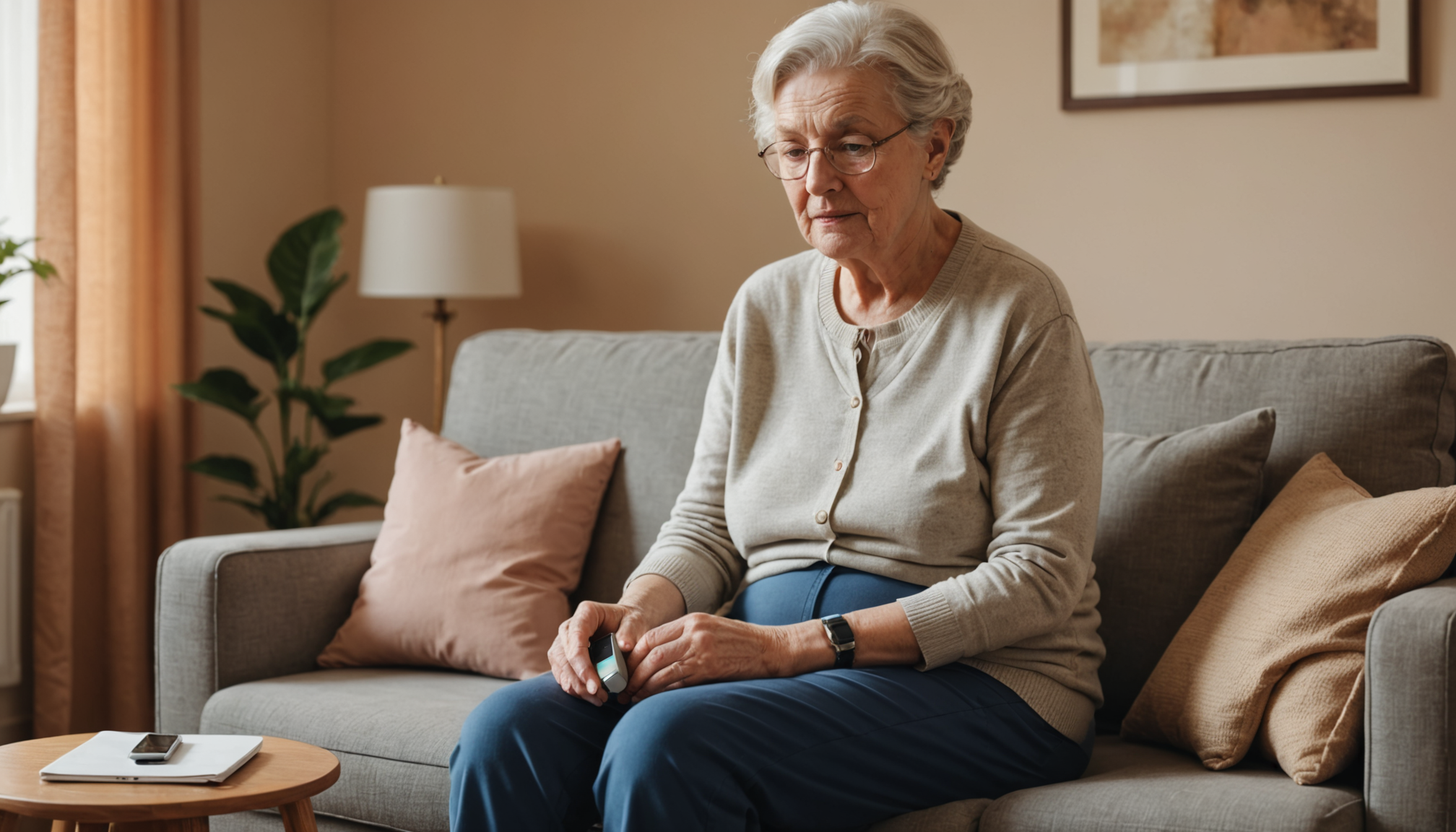 Compared to traditional methods of pain management, electrotherapy techniques present varying effectiveness, influenced by the specific condition being treated, patient demographics, and individual responses to treatment. Studies indicate that TENS and IFC therapies are particularly effective for superficial pain conditions such as arthritis and localized muscle pain, providing significant relief while allowing patients to maintain their daily activities. However, for deeper tissue penetration or more complex conditions such as post-surgical pain, modalities like microcurrent therapy or EMS may yield superior outcomes by addressing underlying muscle dysfunction and facilitating healing at the cellular level.
Research has shown that TENS is often favored for acute pain management, while IFC may be the preferred choice for chronic muscle spasms. Meanwhile, EMS serves not only to relieve pain but also to combat muscular atrophy, which is a common issue in the elderly population. Therefore, understanding these nuances is crucial for practitioners developing pain relief strategies tailored to the elderly.
Emerging evidence suggests that combining different electrotherapy modalities can enhance treatment outcomes. For instance, using TENS alongside physical therapy has reported improved functional mobility and overall pain management in older adults. This multi-modal approach highlights the importance of interdisciplinary strategies in pain management, encouraging healthcare providers to consider comprehensive treatment plans that integrate various therapeutic techniques to suit individual patient needs.
As conversations sobre the efficacy of different electrotherapy modalities continue to evolve, clients and practitioners alike should remain informed about current research findings. The landscape of pain relief for the elderly is rapidly changing, and there is an undeniable thirst for knowledge that must be satisfied. Encouraging inquisitiveness drives improvement and innovation within the field, leading to better methods of care.
- What are the main types of electrotherapy used for pain relief?
- The primary types of electrotherapy for pain relief include Transcutaneous Electrical Nerve Stimulation (TENS), Interferential Current Therapy (IFC), Electrical Muscle Stimulation (EMS), and microcurrent therapy. Each modality utilizes different mechanisms to alleviate pain and promote healing.
- How does TENS therapy work?
- TENS therapy sends low-voltage electrical impulses through the skin to stimulate nerve fibers, which can block pain signals from reaching the brain. This results in reduced pain perception and improved comfort for the patient.
- Is electrotherapy safe for elderly patients?
- Yes, electrotherapy is generally considered safe for elderly patients; however, it is crucial to have a thorough assessment by a healthcare professional to rule out any contraindications. Special precautions should be followed based on individual health conditions.
- Can electrotherapy replace medication for pain management?
- For some individuals, electrotherapy can serve as an effective alternative or complement to medication for pain management. It is essential to discuss treatment options with a healthcare provider to determine the best approach for each patient.
- How long does a typical electrotherapy session last?
- A typical electrotherapy session may last anywhere from 10 to 30 minutes, depending on the patient’s specific needs and the modality used. Healthcare professionals will adjust the duration based on individual responses and treatment objectives.
- Are there any side effects associated with electrotherapy?
- Common side effects may include mild discomfort, skin irritation, or muscle twitching. However, these effects are usually temporary and can be minimized through proper assessment and treatment administration.
- How often should elderly patients undergo electrotherapy treatments?
- The frequency of electrotherapy treatments varies depending on the individual’s condition and response to therapy. A healthcare provider will typically recommend a personalized treatment plan to optimize pain relief and therapeutic outcomes.
Future directions in electrotherapy research for pain relief
The future of electrotherapy research for pain relief, especially among the elderly, shows promising advancements that could potentially refine treatment methods and improve patient outcomes. This growing field aims to investigate new electrotherapy modalities and techniques, further understanding their mechanisms and optimizing their application in diverse patient populations.
One significant area of exploration is the development of wearable electrotherapy devices. As technology continues to evolve, these portable devices may offer real-time pain management solutions for elderly patients, allowing them to receive treatment without the constraints of scheduled therapy sessions. These innovations could empower individuals to manage their pain more independently and effectively, fitting treatment seamlessly into their daily lives.
Another promising area is the integration of electrotherapy with other pain management strategies, such as pharmacotherapy and complementary therapies. By researching synergistic effects, studies could uncover how electrotherapy can enhance the benefits of traditional pain relief methods. This integrative approach could lead to more comprehensive treatment plans that address both the symptoms and underlying causes of pain.
Research also aims to personalize electrotherapy protocols, tailoring treatments based on individual factors such as genetics, pain type, and response to previous therapies. This precision medicine approach could maximize the effectiveness of electrotherapy in older adults by identifying optimal treatment parameters for each patient, potentially increasing the overall quality of pain management.
The neurobiological effects of electrotherapy are also under intensive investigation. Understanding how electrotherapy influences brain activity and pain perception may pave the way for developing tailored treatments that are more effective in modulating chronic pain, a common ailment in the elderly population. This could lead to significant advancements in treating conditions such as neuropathic pain and fibromyalgia.
Furthermore, as the population ages, there is an urgent need for research focusing on the unique needs of older adults. Studies aimed at assessing the long-term effects and efficacy of various electrotherapy modalities specifically in elderly cohorts will be invaluable. By focusing on this demographic, researchers can uncover the optimal treatment strategies that accommodate age-related physiological changes and comorbidities.
Lastly, increased funding for clinical trials and interdisciplinary collaboration can significantly enhance the body of knowledge surrounding electrotherapy. By involving geriatricians, pain specialists, and physiotherapists in research efforts, a comprehensive understanding can emerge, fostering better treatment methodologies that are applicable across various healthcare settings.
The future directions in electrotherapy research for pain relief hold the potential to revolutionize how we approach pain management, particularly for the elderly. With continued investigation into technology, integration, personalization, neurobiology, and collaboration, the ultimate goal remains: to provide safe, effective, and accessible pain relief solutions that enhance the quality of life for older adults.
For a personalized session and free consult, Call me: +1 334-300-0389.
Find out how ARPWave Therapy can enhance your performace as an athlete and how you can achieve drug-free pain relief.