For a personalized session and free consult, Call me: +1 334-300-0389.
Find out how ARPWave Therapy can enhance your performace as an athlete and how you can achieve drug-free pain relief.
- Understanding Electrotherapy
- Types of Electrotherapy Techniques
- Factors Influencing Treatment Personalization
- Assessing Patient Needs and Goals
- Monitoring and Adjusting Treatments
- Future Trends in Electrotherapy Personalization
Electrotherapy is a therapeutic approach that utilizes electrical energy to stimulate various physiological responses within the body, enhancing recovery and pain relief. For individuals seeking pain relief, such as athletes and corporate executives, understanding how to effectively integrate electrotherapy into their treatment regimen is essential for achieving effective results.
There are several methods of electrotherapy available, including Transcutaneous Electrical Nerve Stimulation (TENS), Interferential Current (IFC), and Electrical Muscle Stimulation (EMS). Each technique serves distinct purposes and can be tailored to address individual needs and conditions.
When considering electrotherapy treatments, it is critical for patients to be aware of the following factors:
- Medical History: Always inform your therapist about your complete medical history, including any medical conditions or medications you are taking, as these may influence the choice of treatment.
- Type of Pain: Identifying whether the pain is acute or chronic can help therapists determine the most suitable electrotherapy technique.
- Personal Goals: Discuss with your therapist what you hope to achieve through treatments—whether it’s pain management, rehabilitation, or performance enhancement.
It’s also essential to participate actively in the treatment process. Patients should monitor their responses to electrotherapy sessions and communicate with their therapists about any changes experienced during or after treatment. For instance, noticing improvements in mobility, reduction in pain, or increased relaxation can help tailor future sessions.
Incorporating these practices into your electrotherapy sessions enhances the likelihood of personalizing treatments effectively:
- Engage in a thorough pre-treatment assessment to outline expectations and inform decision-making.
- Utilize personal tracking methods, such as journals or apps, to record your pain levels and physical responses to treatments.
- Remain open to adjustments in your treatment plan, as therapists may need to modify approaches based on real-time feedback.
Additionally, keeping a regular schedule for treatments—coupled with complementary therapies like massage or physical therapy—can significantly increase the overall effectiveness of electrotherapy. Collaboration with healthcare professionals ensures that your treatment is both safe and tailored to your unique needs, ultimately maximizing the benefit derived from each session.
Research suggests that the integration of personalized electrotherapy techniques not only enhances rehabilitation outcomes but may also lead to greater patient satisfaction (Nijs et al., 2015). By taking an active role in your care and understanding the principles behind electrotherapy, you can work towards achieving optimal results in your pain management journey.
Types of Electrotherapy Techniques
Different electrotherapy techniques offer a variety of methodologies to target specific conditions and patient needs. Understanding the distinctions between these methods can aid in personalizing treatments and achieving effective results. The most commonly utilized techniques include Transcutaneous Electrical Nerve Stimulation (TENS), Interferential Current (IFC), Electrical Muscle Stimulation (EMS), and Neuromuscular Electrical Stimulation (NMES), among others.
Transcutaneous Electrical Nerve Stimulation (TENS) is primarily designed to alleviate pain through the application of low-voltage electrical currents. By stimulating sensory nerves, TENS promotes the release of endorphins, which are the body’s natural painkillers. TENS is often recommended for patients experiencing chronic pain conditions, such as arthritis or lower back pain, and can be administered in both clinical settings and at home.
Interferential Current (IFC) therapy is another advanced technique that uses two medium-frequency electrical currents that intersect at the site of pain, providing relief by penetrating deeper into the tissues compared to TENS. IFC is beneficial for managing both acute and chronic pain, as well as enhancing circulation and reducing edema. This technique is particularly useful for those undergoing rehabilitation following sports injuries or surgeries.
Electrical Muscle Stimulation (EMS) functions by stimulating muscle contractions through electrical impulses, which can aid in muscle strengthening, reducing muscle atrophy, and improving motor function. EMS can also be effective for patients recovering from injuries, as it helps maintain muscle tone and function during periods of inactivity.
Neuromuscular Electrical Stimulation (NMES) takes EMS further by not only stimulating muscle contractions but also focusing on specific neuromuscular pathways, which can promote functional rehabilitation. This approach is frequently utilized in clinical and physiotherapy settings for patients who have experienced stroke or other motor impairments.
To visualize the distinctions and applications of these techniques, the following table compares their characteristics:
| Technique | Purpose | Target Conditions | Application Method |
|---|---|---|---|
| TENS | Pain relief | Chronic pain, arthritis | Electrodes placed on skin |
| IFC | Deep tissue pain relief, circulation | Acute pain, post-surgical rehabilitation | Electrodes placed on or around pain site |
| EMS | Muscle strengthening | Muscle atrophy, recovery from injuries | Electrodes placed on specific muscle groups |
| NMES | Neuromuscular rehabilitation | Stroke, motor impairments | Electrodes placed over motor points |
Each technique has its unique applications and outcomes, and as such, may be selected based on the individualized needs and goals of each patient. Collaboration with healthcare providers to determine the most appropriate technique will significantly enhance the efficacy of personalized electrotherapy treatments. Insights into patient history, preferences, and desired results are vital in tailoring the electrotherapy method to enhance the therapeutic experience and optimize recovery. By leveraging these diverse modalities thoughtfully, practitioners can improve the likelihood of achieving effective results in electrotherapy.
Factors Influencing Treatment Personalization
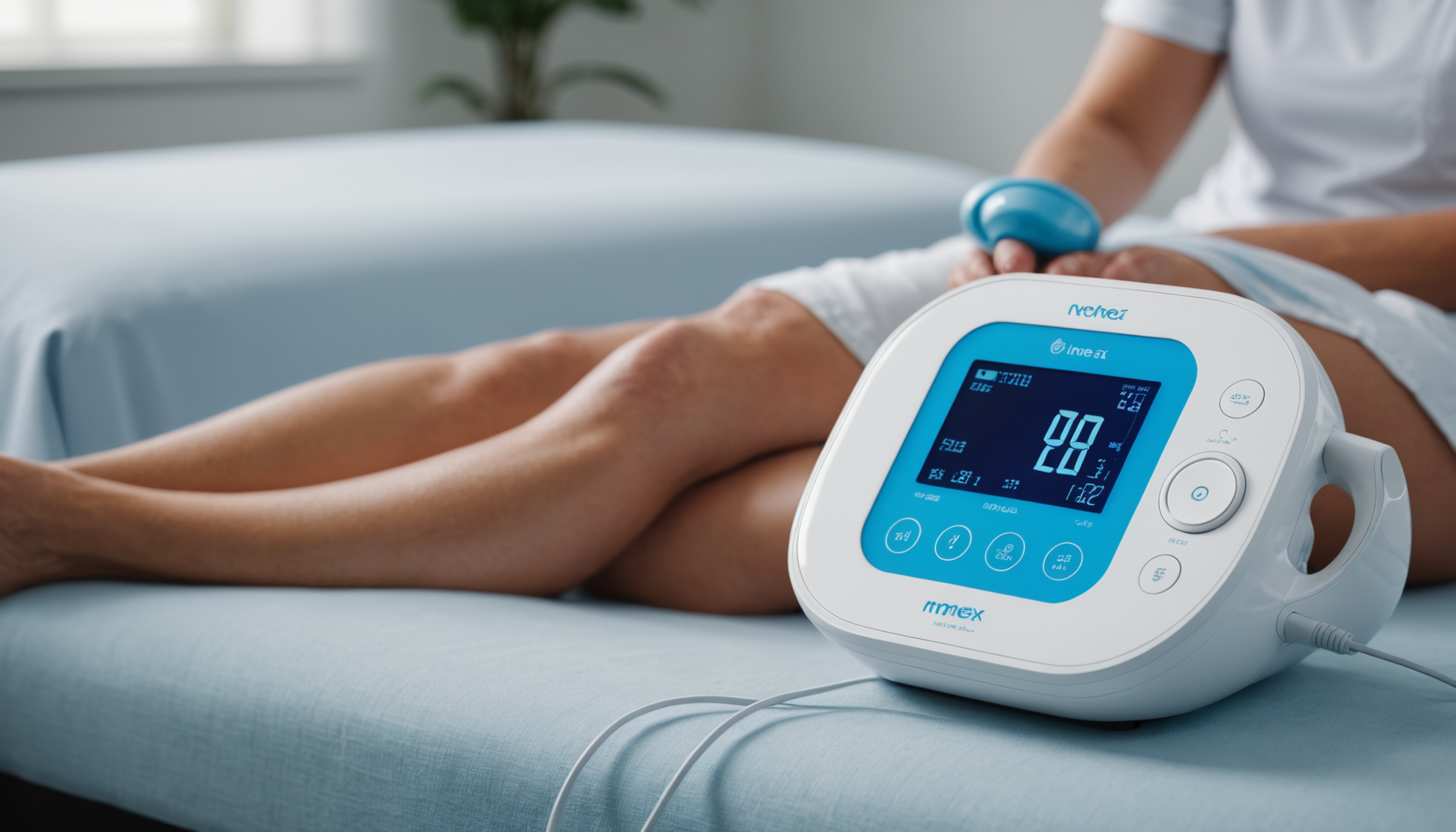
The personalization of electrotherapy treatments is influenced by several key factors that can greatly affect their efficacy. Understanding these factors allows both practitioners and patients to develop a more tailored approach to treatment, ultimately leading to more effective results.
Patient Demographics: Individual characteristics, such as age, gender, and physical fitness level, play a significant role in treatment personalization. For example, older adults may respond differently to certain techniques than younger patients due to varying skin sensitivity and muscle mass. Tailoring the electrotherapy approach to these demographics can enhance comfort and outcomes.
Type and Location of Pain: Consideration of where and how pain manifests is crucial. For localized pain, techniques like TENS or IFC directly over the affected area can be particularly beneficial, whereas generalized chronic pain may require a more comprehensive strategy that combines multiple methods. Understanding the relationship between the pain location and specific muscle groups involved can aid in selecting the most effective approach.
Patient Lifestyle and Activity Levels: The daily activities and lifestyle choices of a patient heavily influence treatment personalization. Athletes, for instance, may require a focus on recovery and performance enhancement, while corporate executives facing stress may benefit from treatments aimed at relaxation and tension relief. Assessing the individual’s lifestyle can guide therapists in customizing treatment plans effectively.
Psychological Factors: Stress and mental health can impact how patients perceive pain and respond to treatments. A patient’s emotional state may influence their pain levels and treatment outcomes. Integrating approaches that address both the physical and psychological aspects of pain can lead to better overall results.
Feedback Mechanisms: Establishing a continuous feedback loop between the patient and therapist is vital for effective personalization. Regular check-ins allow for adjustments based on the patient’s response to treatment. This adaptation ensures that the therapy remains effective and can evolve with the patient’s needs over time.
Technological Integration: The incorporation of technology, such as wearable devices or mobile applications to track pain levels, can significantly enhance treatment personalization. These tools provide valuable data that allow therapists to fine-tune electrotherapy treatments for optimal effectiveness. Patients should be encouraged to utilize such tools to keep detailed records of their pain experiences and responses to therapy.
Taking into account these factors when personalizing electrotherapy treatments can significantly improve the outcomes for patients seeking effective pain relief. Each patient’s unique circumstances inform the treatment process, resulting in a more holistic and dynamic approach to therapy.
Assessing Patient Needs and Goals
Using a comprehensive assessment process is crucial for determining individual patient needs and goals in electrotherapy. Initially, a detailed conversation between the patient and therapist should take place, allowing the patient to express their experience of pain or discomfort. This dialogue not only unveils the type and intensity of pain but also reveals the impact it has on the patient’s daily activities and overall quality of life. Understanding these nuances assists the therapist in personalizing treatments that best address the patient’s specific requirements.
In addition to verbal assessments, standardized questionnaires and pain scales can be instrumental in quantifying the patient’s experience. These tools help to objectively measure pain levels, functional capabilities, and other related factors over time. Incorporating these metrics into the treatment plan ensures that progress is monitored effectively, and adjustments can be made as needed.
“The key to successful treatment is understanding not just the condition, but the individual behind it.”
Establishing clear treatment goals is another integral aspect of this assessment phase. Patients may have diverse objectives, ranging from immediate pain relief to long-term rehabilitation goals. Encouraging patients to articulate what they hope to achieve provides clarity for both the patient and the therapist and sets the stage for an effective treatment plan. For instance, an athlete may prioritize performance enhancement and injury recovery, while an office worker might seek to alleviate chronic tension and improve overall well-being.
Furthermore, it is essential to take an integrative approach that considers biological, psychological, and social factors affecting the patient’s condition. Collaborating with multi-disciplinary teams, including physiotherapists, psychologists, and dietitians, can provide a well-rounded perspective and enhance treatment personalization. This holistic view not only addresses the physical symptoms but also supports mental health and lifestyle adjustments conducive to healing.
Setting realistic milestones is crucial for patient motivation and engagement throughout the treatment process. By breaking down larger goals into manageable steps, patients can experience a sense of accomplishment that fosters compliance and commitment to the treatment regimen. Regular follow-ups to review these milestones, make necessary adjustments, and celebrate progress further empower patients to actively participate in their healing journey.
In essence, assessing patient needs and goals is not merely a one-time evaluation, but an ongoing dialogue and process. Engaging patients in their treatment decisions, incorporating their feedback, and adjusting the plan as necessary can lead to a more effective electrotherapy experience. Personalizing treatments based on individual assessment ultimately paves the way for better outcomes and greater patient satisfaction.
Monitoring and Adjusting Treatments
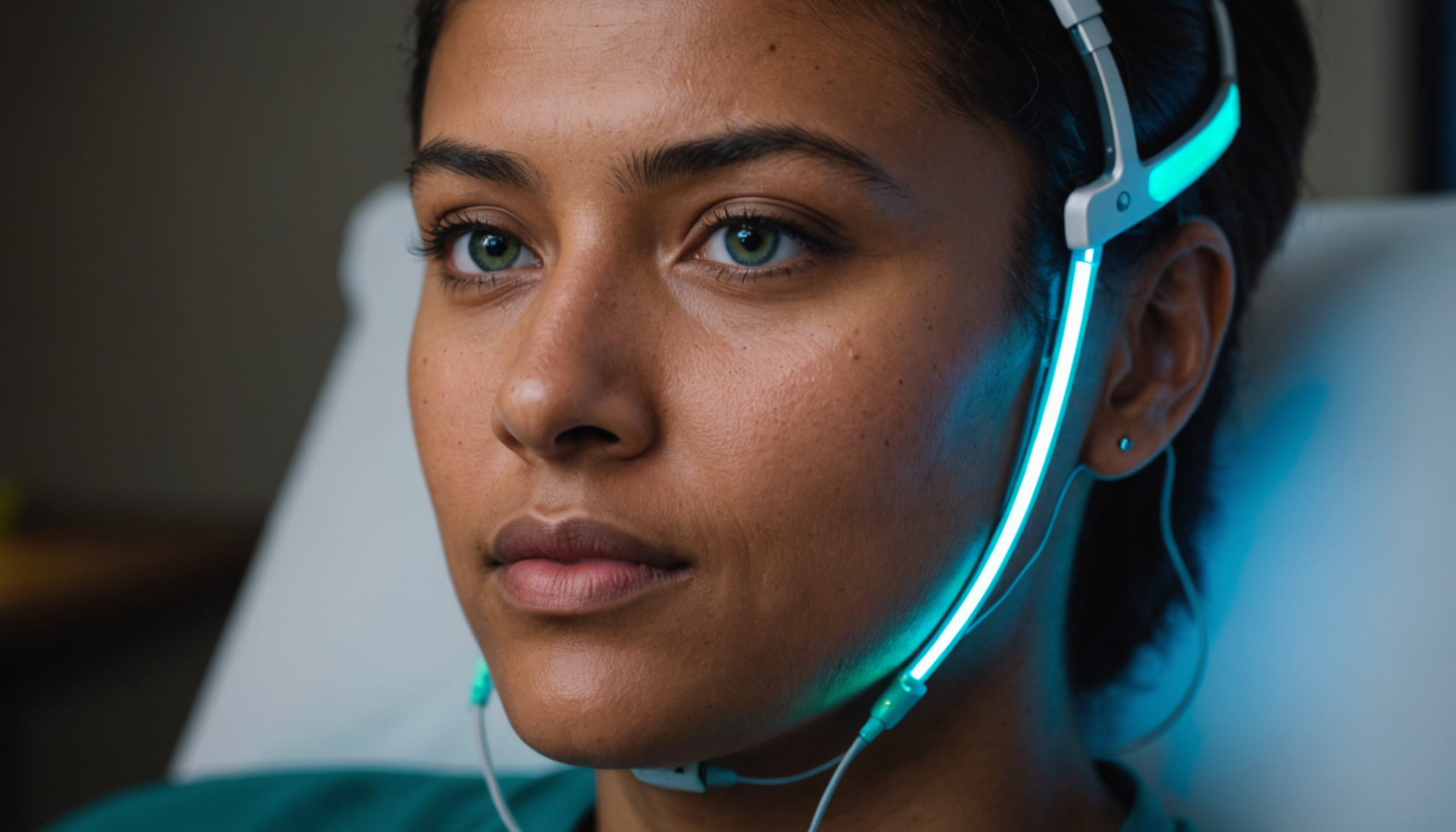 A thorough and ongoing process of monitoring and adjusting electrotherapy treatments is critical to achieving effective results. Once a patient begins their personalized electrotherapy regimen, regular evaluations should be conducted to assess treatment efficacy and make necessary adjustments. This is not just about tracking the physical response but also about understanding the emotional and psychological impact of the therapy. Patients should feel encouraged to share their experiences openly with therapists, as this communication fosters an environment where modifications can be made based on real-time feedback.
One essential aspect of monitoring involves setting benchmarks for progress. This may include periodic assessments of pain levels, mobility, and functional statuses, which can be compared against the initial evaluation. Utilizing tools such as visual analog scales or pain diaries can empower patients to document their experiences accurately and help therapists interpret the data over time. For instance, if a patient initially rated their pain as a six out of ten and later reports a decrease to a three, this tangible progress can inform key decisions about treatment frequency or electrode placement.
In addition, technological advancements play a crucial role in enhancing the monitoring process. Wearable devices that track physiological responses can provide both patients and therapists with vital information on how the body is reacting to treatment. This data can indicate whether the current electrotherapy method is delivering the anticipated results or if modifications are needed to optimize performance. Interaction with apps designed for health tracking can also smooth the pathway for immediate communication regarding unexpected responses during or after treatment.
Adjustments may vary based on individual responses, as not all patients will react identically to electrotherapy techniques, even when they present similar symptoms. Therefore, when issues arise—be it increased discomfort or technical complications with equipment—practitioners can quickly adapt the approach. Assessments should evolve as the patient’s condition improves or changes over time, redefining goals and selecting appropriate techniques that align with their current physical and mental health status.
Another crucial element in effective treatment monitoring is the integration of complementary therapies. When combined with routine electrotherapy, techniques such as massage or physical therapy can be assessed alongside electrotherapy’s effectiveness, creating a comprehensive approach that supports various healing pathways. Evaluating the synergistic effects of such combinations may yield richer insights into patient progress and satisfaction.
Encouraging patient education on the nuances of their condition and treatments is equally important. When patients understand why adjustments are made, they are more likely to engage actively in the process, leading to better adherence and outcomes. Empowerment through knowledge allows individuals to take control of their pain management journey and fosters curiosity about potential alternative therapies and combinations.
By cultivating a vigilant and responsive monitoring approach, healthcare practitioners can ensure that electrotherapy remains personalized, effective, and aligned with evolving patient needs. This commitment to customization and adaptation forms the backbone of successful treatment outcomes, ultimately leading patients toward a pathway of sustained recovery and enhanced quality of life.
- What is electrotherapy?
- Electrotherapy is a treatment method that uses electrical energy to stimulate physiological responses in the body, promoting recovery, enhancing circulation, and alleviating pain.
- Who can benefit from electrotherapy?
- Electrotherapy can benefit a wide range of individuals, including those with chronic pain, athletes recovering from injuries, and patients undergoing rehabilitation post-surgery. Customized treatments can address the specific needs of each patient.
- How is electrotherapy personalized?
- Electrotherapy is personalized by considering factors such as the patient’s medical history, type and location of pain, individual goals, feedback during treatments, and ongoing assessments to adjust methods as necessary.
- What are the common types of electrotherapy techniques?
- Common techniques include Transcutaneous Electrical Nerve Stimulation (TENS) for pain relief, Interferential Current (IFC) for deeper tissue treatment, Electrical Muscle Stimulation (EMS) for muscle strengthening, and Neuromuscular Electrical Stimulation (NMES) for rehabilitation.
- How often should electrotherapy sessions be scheduled?
- The frequency of electrotherapy sessions varies based on individual conditions and treatment goals. A healthcare provider can recommend the best schedule based on the patient’s specific needs and progress.
- Can electrotherapy replace other treatments?
- While electrotherapy can be a highly effective pain management tool, it is often used in conjunction with other therapies, such as physical therapy and medication, to provide a more comprehensive treatment approach.
- Are there any side effects of electrotherapy?
- Generally, electrotherapy is considered safe, but some patients may experience minor skin irritation or discomfort at the site of electrode placement. Discussing any concerns with a healthcare professional is essential for safe treatment.
Future Trends in Electrotherapy Personalization
As technology continues to advance, the future of personalized electrotherapy treatments is becoming increasingly sophisticated and tailored to meet the specific needs of individual patients. One of the most promising trends is the integration of artificial intelligence (AI) and machine learning into treatment plans. These technologies can analyze large sets of patient data to identify patterns and recommend the most effective therapies based on real-time feedback, thus further personalizing treatments.
Moreover, the rise of telehealth platforms allows patients to access electrotherapy services remotely, making it more convenient for those who may have difficulty traveling to a clinic. Patients can receive guidance from trained professionals through video consultations, ensuring they receive appropriate instructions and support in their healing process. With the aid of portable electrotherapy devices, individuals can engage in self-care practices at home while still adhering to their personalized treatment plans.
Wearable technology is another significant trend, offering patients the ability to monitor their physiological responses such as heart rate, stress levels, and muscle activity in conjunction with their electrotherapy sessions. These devices can send data to healthcare providers, enabling them to adjust treatment modalities on the fly to ensure optimal outcomes. For instance, if a patient reports increased pain while wearing a device, the therapist can provide immediate feedback or modify the electrotherapy settings to enhance comfort and efficacy.
Additionally, a growing emphasis on holistic approaches is transforming electrotherapy practices. This entails not only focusing on the physical aspects of pain management but also addressing the emotional and psychological components that accompany chronic conditions. Therapists are increasingly incorporating mindfulness practices, relaxation techniques, and cognitive-behavioral strategies alongside electrotherapy to create a more integrated and effective treatment approach.
Collaboration among multidisciplinary teams is also becoming a hallmark of personalized electrotherapy. By working alongside physiotherapists, psychologists, and nutritionists, practitioners can develop comprehensive care plans that cater to the diverse needs of patients. Notably, incorporating nutrition and lifestyle modifications can further enhance the healing process, leading to more effective results.
As research in electrotherapy evolves, ongoing clinical trials and studies are refining our understanding of its applications and outcomes. Emerging evidence suggests that precision medicine—tailoring treatments based on genetic, environmental, and lifestyle factors—will play a pivotal role in personalizing electrotherapy treatments, ensuring that patients receive the best possible care.
The dynamic landscape of electrotherapy continues to expand, presenting exciting opportunities for patients seeking effective pain relief and rehabilitation strategies. By embracing innovation and fostering collaboration, the future of electrotherapy personalization holds the promise of even more tailored, effective, and satisfying treatment experiences.
For a personalized session and free consult, Call me: +1 334-300-0389.
Find out how ARPWave Therapy can enhance your performace as an athlete and how you can achieve drug-free pain relief.