


Understanding frequency settings in electrotherapy devices
Understanding frequency settings in electrotherapy devices

For a personalized session and free consult, Call me: +1 334-300-0389.
Find out how ARPWave Therapy can enhance your performace as an athlete and how you can achieve drug-free pain relief.
- Frequency settings and their significance
- Types of electrotherapy frequencies
- Mechanisms of action in electrotherapy
- Clinical applications of different frequencies
- Guidelines for selecting appropriate frequency
- Future trends in electrotherapy frequency settings
In the realm of electrotherapy, frequency settings play a pivotal role in determining the effectiveness of treatment outcomes. These settings control how often electrical signals are delivered to the body, and selecting the right frequency can significantly influence pain relief, muscle stimulation, and overall therapeutic results.
Patients and therapists alike should be aware that different frequencies elicit various physiological responses. Low frequencies, typically under 10 Hz, are often associated with muscle contraction and can help in rehabilitation by promoting muscle strength and endurance. Conversely, mid-range frequencies, usually between 1-100 Hz, are effective for pain relief and can facilitate the body’s natural recovery processes. High frequencies above 100 Hz are generally used for pain management and can assist in reducing muscle spasms.
When considering the right electrotherapy device, it’s crucial to understand the desired treatment outcome. For instance, an athlete seeking to alleviate soreness after a strenuous workout may benefit from a device set to a higher frequency for rapid pain relief. Meanwhile, a corporate executive experiencing tension-related headaches might find low-frequency settings more beneficial for relaxation and tension relief.
Before proceeding with electrotherapy, it is advisable to consult with a licensed massage therapist or healthcare provider who understands the nuances of frequency settings. Here are some practical tips to enhance your experience:
- Ensure the device is appropriate for your specific needs by researching its frequency capabilities.
- Start with lower frequencies and gradually increase as tolerated; this allows your body to adjust to the stimulation.
- Maintain a log of your sessions, noting frequency settings and your body’s responses, which can guide future treatments.
- Pay attention to any discomfort during treatment; adjusting the frequency may be necessary to avoid adverse effects.
- Combine electrotherapy with complementary therapies such as massage or stretching for enhanced results.
By understanding the implications of frequency settings in electrotherapy, individuals can make more informed choices, tailoring their therapy to achieve optimal results tailored to their unique health circumstances.
Types of electrotherapy frequencies
Electrotherapy encompasses a wide range of frequency settings, each serving a unique purpose within therapeutic applications. The primary categories of electrotherapy frequencies can be grouped into low, medium, and high frequency ranges, each with specific applications and physiological effects.
Low frequencies, usually classified as those below 10 Hz, are often utilized for enhancing muscle activation and rehabilitation. At this range, the stimulation may not produce a strong muscular contraction but can facilitate muscle re-education and promote recovery from injuries. Low frequencies are effective for applications such as increasing blood circulation and reducing muscle spasms, contributing to an overall sense of relaxation.
Mid-range frequencies, extending from 1 Hz to 100 Hz, provide a versatile option for pain management and can evoke different physiological responses depending on their specific settings. Frequencies around 20-40 Hz are particularly effective for pain relief, as they closely align with the body’s natural pain modulation systems. The sensation experienced at this range is typically soothing, making it a favored choice in therapeutic settings for addressing chronic pain, inflammation, and tension-related discomfort.
High-frequency settings, which generally exceed 100 Hz, are used primarily for acute pain management and rapid relief from muscle tension. The faster pulse rates enable a wider and softer stimulation that is often less intense but effective at inhibiting pain signals reaching the brain. Frequencies in this category have been documented to assist in reducing muscle spasms and can be employed in various clinical environments, particularly for patients needing immediate alleviation of pain symptoms associated with acute injuries.
The table below provides a concise comparison of the different types of electrotherapy frequencies alongside their respective applications and effects:
| Frequency Range | Typical Applications | Physiological Effects |
|---|---|---|
| Low (<10 Hz) | Muscle re-education, blood circulation | Muscle relaxation, reduced spasms |
| Mid (1-100 Hz) | Pain relief, inflammation reduction | Enhanced tissue healing, improved pain modulation |
| High (>100 Hz) | Acute pain relief, muscle tension reduction | Suppressed pain signals, rapid tension relief |
Understanding the distinct roles of these frequency types is essential for optimizing therapeutic outcomes with electrotherapy devices. By being informed about how each frequency range interacts with the body, clinicians and patients can make strategic decisions that enhance the efficacy of treatment protocols. Ultimately, matching the right type of frequency to specific conditions or patient needs supports more effective management of pain and promotes overall wellness.
Mechanisms of action in electrotherapy
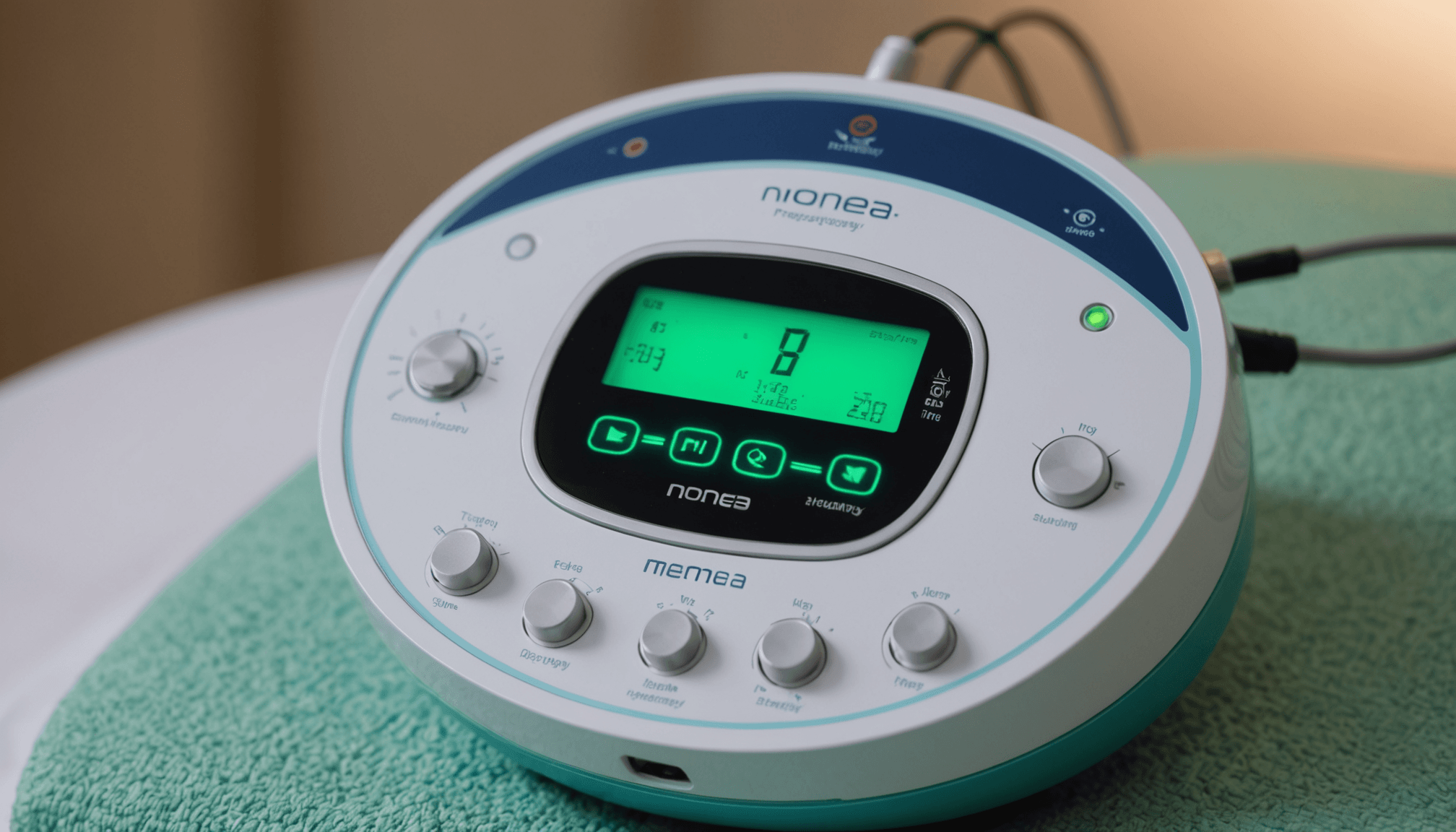
Electrotherapy functions through several mechanisms that harness the body’s innate ability to heal. Understanding these mechanisms is crucial to optimizing the use of electrotherapy devices for various applications. Primarily, electrotherapy stimulates nerve and muscle tissues, inducing changes in cellular activity, improving blood flow, reducing inflammation, and modifying pain perception.
One of the primary mechanisms is neuromuscular stimulation, which involves the activation of motor neurons through electrical impulses. This stimulation can lead to muscle contractions, promoting muscle strength, endurance, and rehabilitation post-injury. For athletes, using electrotherapy devices with appropriate frequency settings can facilitate quicker recovery from strenuous workouts by enhancing muscle recruitment and diminishing post-exercise soreness.
Additionally, electrotherapy enhances circulation by promoting vasodilation through the release of local vasodilators during stimulation. Increased blood flow can help deliver essential nutrients to tissues, improve healing rates, and reduce swelling and inflammation. For corporate executives suffering from tension-related headaches or stress, employing lower frequencies can promote relaxation by improving blood flow to the scalp and neck regions.
Pain modulation is another critical mechanism, involving the interruption of pain signals traveling to the brain. Electrotherapy devices can trigger the release of endorphins, natural painkillers produced by the body, while low and mid-range frequencies effectively reduce the perception of pain by stimulating inhibitory pathways within the nervous system. This effect is particularly beneficial for individuals with chronic pain conditions or those undergoing post-operative recovery.
For optimal effectiveness, patients should consider the specific conditions being treated and customize their electrotherapy sessions accordingly. Here are some practical suggestions to enhance the benefits of electrotherapy:
- Consult a Professional: Always consult with a qualified healthcare provider or licensed massage therapist skilled in electrotherapy. They can guide you on the best frequency settings based on your condition and treatment goals.
- Be Consistent: Regular treatments can yield better results. Establish a consistent schedule that aligns with your recovery or relaxation needs.
- Monitor Your Response: Keep track of your experiences with different frequency settings through a journal. Pay attention to what feels best and report any discomfort to your therapist.
- Utilize Complementary Techniques: Combine electrotherapy with other treatments such as massage therapy or active stretching to further enhance relaxation and heal targeted areas.
- Educate Yourself: Stay informed about the types of electrotherapy devices available and their specific benefits. This knowledge can empower you to make appropriate choices for your therapy sessions.
By understanding how electrotherapy works and applying this knowledge to frequency settings, individuals can maximize the benefits of their treatments, ensuring more effective pain relief and recovery processes.
Clinical applications of different frequencies
The application of different frequencies in electrotherapy is critical in addressing a variety of clinical conditions, each frequency offering specific benefits tailored to individual therapeutic needs. In practice, frequency settings are not only determined by the type of condition being treated but also by the desired outcomes from the therapy.
For instance, low-frequency settings (typically under 10 Hz) are frequently employed in clinical environments for muscle re-education and rehabilitation. These frequencies are particularly effective for patients recovering from injuries, as they promote gentle muscle contractions without the risk of excessive strain. Such applications are paramount for individuals recovering from surgery or trauma, where gradual reintroduction of muscle activity is vital.
Mid-range frequencies (between 1 and 100 Hz) serve as a versatile approach for pain management. Frequencies around 20-40 Hz have shown significant results in alleviating chronic pain and discomfort associated with conditions such as arthritis, fibromyalgia, and lower back pain. In these scenarios, the electrotherapy devices modulate pain by engaging the body’s natural pain control mechanisms. This is achieved through the stimulation of sensory nerves that can interrupt pain signal transmission, consequently providing relief to patients.
High-frequency applications (above 100 Hz) are predominantly focused on rapid pain relief and managing acute discomfort. These frequencies enable a more extensive and less intense stimulation of the peripheral nerves. Clinicians often utilize them for patients enduring acute injuries, muscle spasms, or post-operative pain where fast-acting relief is essential. Such settings are particularly beneficial in sports medicine, where athletes require immediate recovery solutions to return to their activities.
Additionally, certain frequencies have been shown to enhance therapeutic effects when combined with other modalities. For example, integrating low-frequency electrotherapy with ultrasound treatments can further encourage healing in soft tissues by maximizing blood flow and diminishing inflammation. Moreover, along with triggering endorphin release, these frequencies may also uplift a patient’s mood, contributing to a more comprehensive approach to holistic health.
“Electrotherapy devices harness the body’s own healing processes, enabling targeted treatment through specific frequency settings.”
The choice of frequency is imperative not just for pain relief but also for optimizing muscle function, improving mobility, and facilitating recovery. Each patient responds uniquely to electrotherapy, underscoring the importance of customized treatment plans. Understanding the intricate details of frequency applications can significantly enhance patient outcomes, ensuring that therapeutic sessions are as effective and efficient as possible. Regular consultation with healthcare professionals experienced in electrotherapy is essential to tailor treatments that align with specific conditions and individual responses, ultimately fostering a more impactful healing experience.
Guidelines for selecting appropriate frequency
 Selecting the appropriate frequency in electrotherapy requires a nuanced understanding of individual patient needs and therapeutic goals. Various factors influence frequency selection, including the specific condition being treated, the desired outcome, and the patient’s personal response to treatment. Careful consideration of these elements not only optimizes therapy but also empowers patients to take an active role in their healing journey.
When faced with conditions like chronic pain or muscle tightness, therapists often recommend starting with mid-range frequencies, approximately 20-40 Hz. This range facilitates natural pain modulation by engaging the body’s endogenous pain control systems. Patients experiencing acute injuries, on the other hand, may benefit from higher frequencies, which target rapid relief and help manage acute discomfort effectively. Conversely, individuals looking to promote relaxation or muscle recovery after physical exertion should explore lower frequencies, which can enhance blood circulation and promote a soothing effect.
An essential aspect of selecting the right frequency includes ongoing assessment. Patients are encouraged to pay attention to their responses during and after each session. Keeping a detailed log of frequency settings and subjective experiences will provide invaluable insights that can guide future treatments. Additionally, consultations with licensed massage therapists or healthcare providers specializing in electrotherapy are crucial to refine frequency choices based on progress and responses over time.
Consideration of the equipment itself is also vital. Different electrotherapy devices offer diverse frequency settings and modalities, from electrical nerve stimulation to interferential therapy. Each device may have unique advantages depending on the therapeutic context, making it imperative for patients to understand the functionalities of their chosen devices fully. This awareness enhances the therapeutic experience and ensures alignment with specific health objectives.
By engaging in this exploratory process of selecting and adjusting frequency settings, patients can ignite their curiosity and become active participants in their healing. This journey of self-discovery and education can foster a deeper connection to one’s health and well-being. The more one learns about the intricacies of frequency settings and their impact on electrotherapy outcomes, the better equipped they will be to make informed decisions that can lead to enhanced therapeutic benefits.
- What frequency settings are best for muscle recovery?
- Low frequencies, typically under 10 Hz, are ideal for muscle recovery as they promote relaxation and stimulate blood flow, aiding in the healing process.
- How can I determine which frequency is right for my condition?
- Consulting with a healthcare provider or licensed therapist is essential. They can evaluate your condition and recommend suitable frequency settings tailored to your specific needs.
- Are higher frequencies always better for pain relief?
- Not necessarily. While higher frequencies may offer rapid relief for acute pain, mid-range frequencies can be more effective for chronic pain management and modulation.
- How often should I use electrotherapy devices?
- Usage frequency depends on individual conditions and treatment goals. Regular sessions can enhance therapeutic outcomes, but specific schedules should be discussed with a health professional.
- Can I use electrotherapy devices at home?
- Yes, many electrotherapy devices are designed for home use. However, it’s important to understand your device’s specific settings and functions and to follow guidelines for safe usage.
- Is it safe to change frequency settings during treatment?
- Adjusting frequency settings during treatment can be safe, but it’s best done under the guidance of a professional to ensure effectiveness and avoid discomfort.
- How do I know if the frequency is too high for me?
- If you experience significant discomfort, muscle twitching, or pain during treatment, the frequency may be too high. It’s advisable to reduce the frequency and consult with a therapist to ensure optimal settings.
Future trends in electrotherapy frequency settings
The landscape of electrotherapy is evolving rapidly, with advancements in technology and a deeper understanding of frequency settings enhancing treatment capabilities. As more research unfolds, there is increasing emphasis on personalization and optimization in the application of electrotherapy devices.
One of the promising trends is the integration of mobile technology with electrotherapy devices. With smart apps that can sync with electrotherapy units, patients can tailor their treatments more effectively by adjusting frequency settings in accordance with real-time feedback. For example, these apps can track factors such as muscle recovery rates and pain levels, allowing users to modify their treatment protocols based on individual responses.
Furthermore, research into tailored frequency protocols is gaining ground. New studies suggest that individualizing frequency settings based on unique patient profiles—considering factors like age, body type, and specific health concerns—can lead to more effective treatments. This approach aligns with the growing recognition of holistic health, where emotional and physical factors are taken into account. Athletes, for instance, may benefit from frequencies that are adjusted according to their training cycles, enhancing muscle recovery and performance.
Evidence-based guidelines are also likely to shape future practices. As clinical trials provide clearer data on the efficacy of specific frequency settings for a variety of conditions, therapists will increasingly rely on these insights to guide their treatments. For example, treatments utilizing mid-range frequencies may be refined further based on emerging data demonstrating their effectiveness in chronic pain conditions or injury recovery.
Another area poised for growth is the use of combination therapies, where electrotherapy interfaces with other modalities, such as ultrasound or heat therapy. By synchronizing different frequencies from electrotherapy devices with these therapies, practitioners can enhance the overall effectiveness of treatments, tackling complex conditions from multiple angles.
The rise of wearable electrotherapy solutions indicates a significant shift toward accessibility and convenience. As these devices become more compact and user-friendly, individuals will find it easier to incorporate electrotherapy into their daily routines, making treatments more consistent. For instance, busy corporate executives can utilize portable electrotherapy devices during breaks, facilitating stress relief and relaxation while managing their schedules.
Finally, ongoing education for both practitioners and patients will play a critical role in the advancement of electrotherapy. Therapists must stay abreast of the latest research and developments to provide informed recommendations on frequency settings that suit specific needs. Simultaneously, patients should be encouraged to educate themselves about how different settings affect their body, empowering them to actively participate in their treatment planning.
By embracing these future trends, both clinicians and patients can look forward to a more personalized and effective electrotherapy experience, optimizing treatment outcomes and fostering a greater understanding of how frequency settings influence healing processes.
For a personalized session and free consult, Call me: +1 334-300-0389.
Find out how ARPWave Therapy can enhance your performace as an athlete and how you can achieve drug-free pain relief.