For a personalized session and free consult, Call me: +1 334-300-0389.
Find out how ARPWave Therapy can enhance your performace as an athlete and how you can achieve drug-free pain relief.
- Electrotherapy: An Overview
- Early Developments in Electrotherapy
- Mechanisms of Action in Pain Relief
- Types of Electrotherapy Modalities
- Clinical Applications and Efficacy
- Future Directions in Electrotherapy Research
Electrotherapy represents a significant advancement in the field of pain management, providing innovative solutions for individuals seeking relief from various conditions. This modality involves the use of electrical energy in therapeutic applications, aiming to alleviate pain and promote healing. It encompasses a variety of techniques including, but not limited to, transcutaneous electrical nerve stimulation (TENS), electrical muscle stimulation (EMS), and interferential current therapy. Each method utilizes electrical currents to interact with the body’s nervous system, providing analgesic effects and enhancing recovery.
For those considering electrotherapy as part of their pain management strategy, it is essential to understand the specific applications and benefits associated with each type. When consulting with a professional, be sure to discuss your individual needs and the nature of your pain. Here are some practical tips to enhance your experience with electrotherapy:
- Consult a Professional: Always seek advice from a qualified healthcare provider before starting any electrotherapy treatment. They can help determine the most effective modality for your specific condition.
- Understand the Equipment: Familiarize yourself with the devices used in electrotherapy. Portable TENS units are increasingly available for home use, making it easier for patients to manage their pain on their own.
- Follow Treatment Protocols: Adhere strictly to the protocols recommended by your healthcare provider. This includes the duration and frequency of treatments, which are essential for maximizing the benefits.
- Incorporate Complementary Therapies: Consider combining electrotherapy with other forms of treatment, such as massage therapy or physical therapy, to enhance overall pain relief efforts.
- Monitor Your Progress: Keep track of your pain levels and functional improvements. This information will be valuable for your healthcare provider in adjusting your treatment plan as necessary.
- Educate Yourself: Stay informed about the latest advancements in electrotherapy. Understanding the history and evolution of this therapy can empower you to make better choices regarding your treatment.
Incorporating electrotherapy into your pain management regimen can be a transformative experience. By following these guidelines and remaining engaged in your treatment process, you can optimize the benefits of electrotherapy and work towards a more comfortable and active lifestyle.
Early Developments in Electrotherapy
In the late 18th and early 19th centuries, the groundwork for electrotherapy was laid by early pioneers who sought to explore the effects of electricity on the human body. Notably, the work of Italian scientist Alessandro Volta and British doctor William Galvani underscored the potential applications of electrical stimulation in medical settings. Galvani’s experiments with frog legs offered insights into how electrical currents could provoke muscle contractions, leading to early concepts that would influence later therapeutic practices.
By the mid-1800s, the advent of the telegraph and advancements in electrical engineering spurred interest in applying electricity directly to medical treatments. One significant figure during this period was Giovanni Aldini, who further developed Galvani’s theories. Aldini’s public demonstrations of electrical stimulation to restore motion in living creatures and impact human ailments garnered widespread attention. His work paved the way for early electrotherapeutic devices designed to treat various conditions, essentially introducing the concept of using electricity as a clinical intervention for pain management.
The transition from experimentation to clinical application was marked by the introduction of devices such as the faradic current and static electricity machines, which became prominent in physiotherapeutic practices. These devices allowed clinicians to deliver electrical currents effectively to targeted areas, purportedly alleviating pain and improving muscle function. References to beneficial outcomes from using electrical stimulation in conditions like rheumatism, neuralgia, and other chronic pain syndromes appeared in medical literature during this time.
As electrotherapy gained recognition, various methodologies began to emerge. The 20th century witnessed the introduction of more sophisticated devices, including the transcutaneous electrical nerve stimulation (TENS) units, which allowed patients to self-administer therapy at home. This innovation not only extended the reach of electrotherapy beyond clinical settings but also sparked interest in patient empowerment and autonomy in managing pain.
While historical developments laid a robust framework for electrotherapy, the evolution continued with subsequent research that aimed to better understand the mechanisms through which electrical stimulation exerts its effects. Early practitioners often relied on anecdotal evidence rather than empirical research; however, as the field advanced, studies began to quantify the efficacy of electrotherapy, leading to increased acceptance within the medical community.
| Year | Pioneer | Invention | Impact on Electrotherapy |
|---|---|---|---|
| 1780 | Alessandro Volta | Voltaic Pile | Introduced stable electric current for experiments in medicine. |
| 1791 | Luigi Galvani | Galvanism | Founded the principle of muscle contraction through electrical stimulation. |
| 1803 | Giovanni Aldini | Electrotherapy Demonstrations | Popularized the medical applications of electrical stimulation. |
| 1950s | Various Researchers | TENS Units | Enabled at-home pain management and autonomy for patients. |
The progression of electrotherapy from early rudimentary experiments to sophisticated clinical applications illustrates a significant milestone in the history of pain management. This backdrop serves as a testament to the enduring quest for effective pain relief methods, shaping the landscape of modern therapeutic interventions. Efficient utilization of these early discoveries has contributed to ongoing advancements and innovations, continuously enhancing the efficacy of electrotherapy in contemporary medical practice.
Mechanisms of Action in Pain Relief
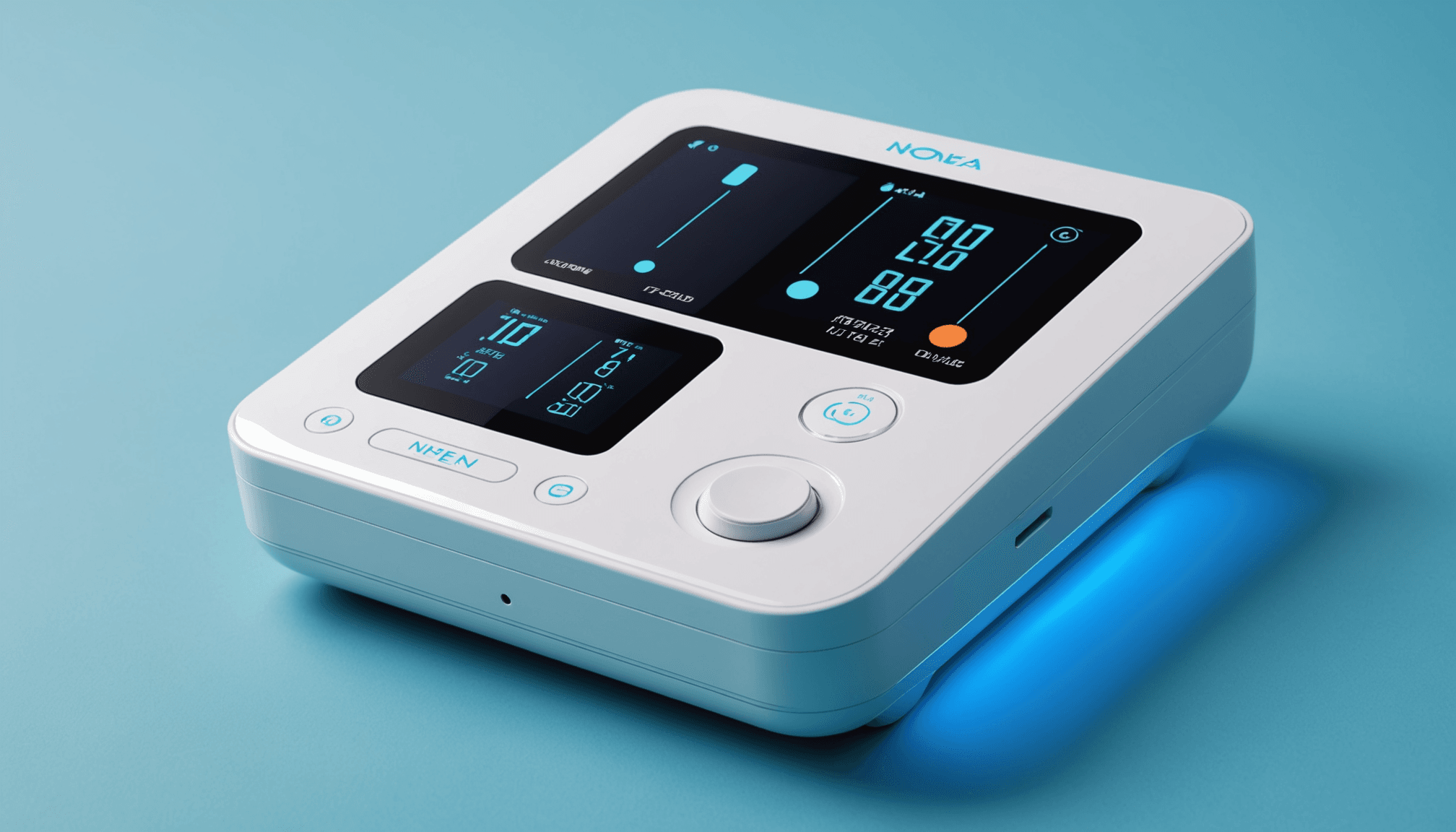
The effectiveness of electrotherapy in pain management is closely tied to a variety of mechanisms that work synergistically to alleviate discomfort. Understanding these mechanisms is crucial for individuals seeking pain relief through this innovative treatment modality. Electrotherapy primarily operates through the stimulation of nerve fibers, modulation of pain signaling pathways, and the induction of physiological responses that promote healing.
One of the key mechanisms is the gate control theory of pain. According to this theory, the application of electrical stimulation can interfere with the transmission of pain signals to the brain. By stimulating larger, non-pain nerve fibers, electrotherapy creates a “gate” that blocks painful impulses. This effect can be particularly useful for athletes experiencing acute injuries or chronic pain, as it allows for immediate pain relief without the need for pharmacological interventions.
Another critical aspect is the release of endorphins, the body’s natural painkillers. Electrotherapy can stimulate the production and release of these neurochemicals, providing an analgesic effect. This is especially beneficial for individuals managing chronic conditions, such as arthritis or fibromyalgia, where persistent pain can significantly impair quality of life.
Additionally, electrotherapy promotes local circulation, which enhances the delivery of oxygen and nutrients to affected tissues. Improved blood flow can expedite the healing process, offering athletes and those recovering from surgery an effective tool for rehabilitation. For pregnant women who may experience discomfort due to musculoskeletal changes, gentle electrotherapy can provide relief without the risks associated with medication.
For those considering incorporating electrotherapy into their pain management regimen, here are some practical tips:
- Understand Your Pain: Identifying the source and type of pain you are experiencing can help determine the most appropriate electrotherapy modality. For example, localized pain may respond well to TENS, while muscle spasms may benefit from EMS.
- Talk to Your Therapist: Engage with your massage therapist or healthcare provider about how electrotherapy can enhance your treatment plan. Combining traditional massage therapy with electrotherapy can provide a comprehensive approach to pain relief.
- Be Mindful of Sensations: During electrotherapy sessions, pay attention to how your body responds. A pleasant tingling sensation is normal, but discomfort may indicate that adjustments are needed.
- Stay Consistent: Regular sessions often yield better results. Whether you are using a portable unit at home or attending a clinic, maintaining a consistent schedule is key to managing pain effectively.
- Monitor Hydration: Electrotherapy can affect muscle and tissue hydration levels. Ensure you stay adequately hydrated to support the recovery process.
As the field of electrotherapy continues to evolve, ongoing research and technological advancements promise to enhance the efficacy of treatments. Staying informed about these developments and integrating evidence-based practices into your pain management strategy can help you harness the full potential of electrotherapy in your journey toward relief.
Types of Electrotherapy Modalities
Various types of electrotherapy modalities are used in clinical practice, each with unique applications tailored to address specific pain management needs. Among the most well-known is Transcutaneous Electrical Nerve Stimulation (TENS), which delivers low-voltage electrical currents through the skin to stimulate nerve fibers. TENS is particularly effective for managing chronic pain conditions, including arthritis and back pain. The device often features adjustable intensity settings, allowing users to customize their experience based on their comfort level and the severity of pain.
Another commonly utilized modality is Electrical Muscle Stimulation (EMS), which targets muscle tissue to elicit contractions. This approach can assist in muscle rehabilitation and strengthening, making it invaluable for patients recovering from surgeries or injuries. By stimulating muscle fibers, EMS enhances blood flow, reduces muscle atrophy, and can alleviate soreness post-exercise. Additionally, EMS can help reduce the risk of complications associated with prolonged immobility, such as deep vein thrombosis.
Interferential Current Therapy (IFC) is another advanced modality that employs intersecting electrical currents to penetrate deeper tissues without increasing discomfort. This technique is often used to treat musculoskeletal pain and edema. IFC produces a unique physiological effect by creating a therapeutic window that promotes tissue healing while reducing pain perception. Many practitioners prefer this method for its ability to manage pain without causing overt muscle fatigue.
Microcurrent therapy is also gaining attention for its potential in pain management and tissue repair. This modality uses extremely low-level electrical currents, typically below the threshold of perception, which can encourage cellular repair processes. Clinical studies suggest microcurrent therapy reduces inflammation, improves healing time, and enhances overall cellular function, making it suitable for various acute and chronic pain conditions, including tendonitis and bursitis.
Another notable modality is the use of bioelectrical impedance analysis (BIA), which incorporates electrical signals to assess body composition and identify potential pain sources. By measuring impedances in tissues, healthcare providers can gain insights into inflammation and fluid retention, facilitating targeted treatment strategies.
“Pain is an inevitable part of life; how we manage it is what determines our quality of life.”
Electrical stimulation can also be combined with other therapies, such as heat or cold therapy, to maximize efficacy. For instance, alternating between TENS and thermotherapy may soothe pain while promoting healing in soft tissues.
Individuals seeking to explore these modalities should discuss their specific pain conditions with their healthcare providers. Understanding the available options can lead to personalized treatment plans that optimize outcomes and better align with individual preferences and lifestyles. As continuous advancements in electrotherapy technologies emerge, patients can look forward to more innovative solutions in their quest for effective pain management.
Clinical Applications and Efficacy
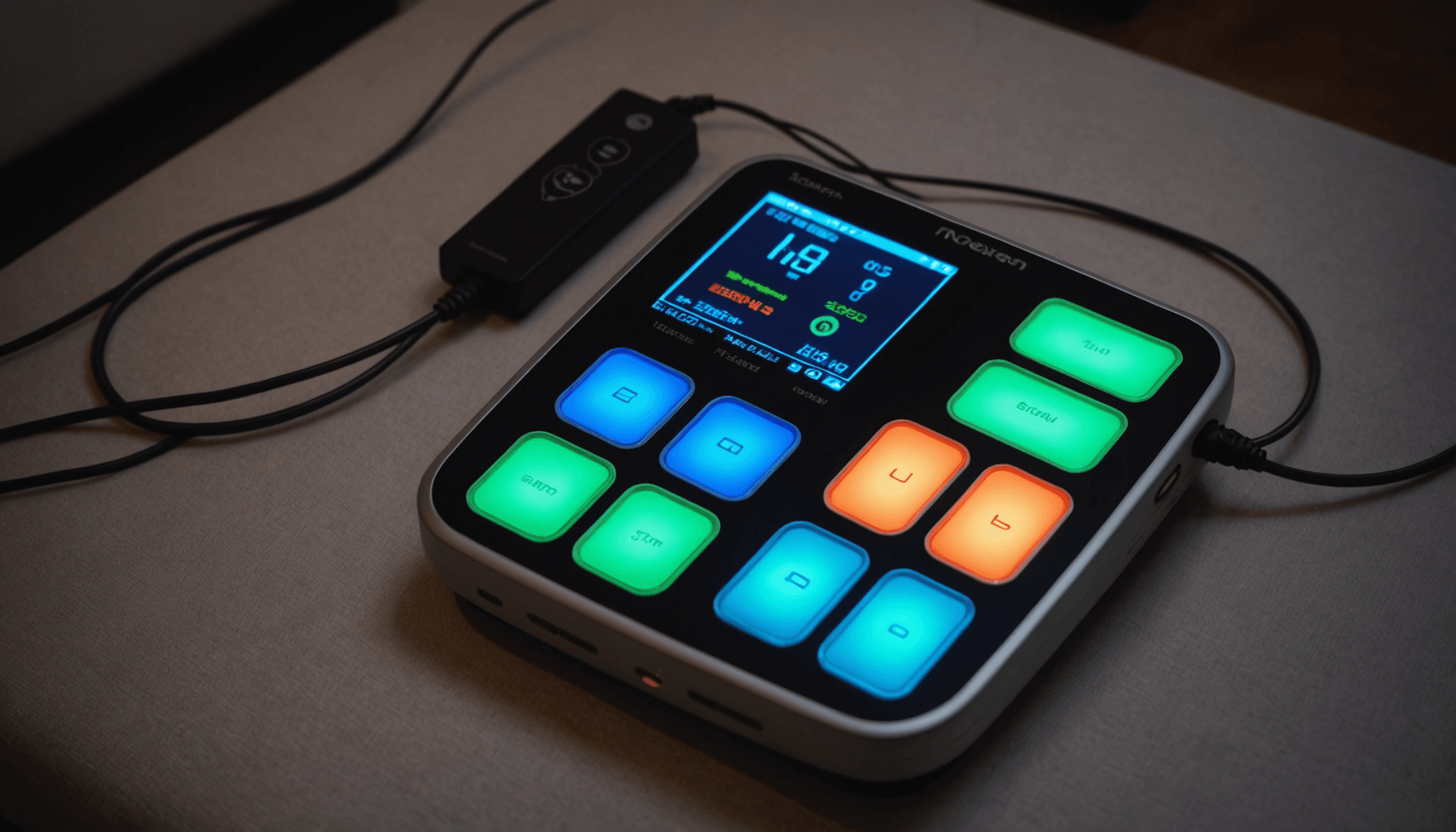 Electrotherapy has found extensive applications in clinical settings, demonstrating efficacy across a range of conditions, including musculoskeletal pain, neuropathic pain, and postoperative discomfort. Through the strategic application of electrical currents, these treatments aim to modify the pain experience and enhance recovery processes. Numerous studies have substantiated its effectiveness, indicating that these modalities can significantly reduce pain intensity, improve function, and promote rehabilitation outcomes.
The versatility of electrotherapy allows it to be integrated into various treatment protocols. For example, patients suffering from chronic lower back pain or arthritis have reported relief and improved mobility following regular TENS sessions. As this modality creates a non-invasive means of managing pain, it is particularly valued by individuals looking to avoid medication or invasive procedures. Notably, research has shown that electrotherapy can induce positive physiological changes, such as increased blood flow and muscle relaxation, which play crucial roles in pain alleviation and recovery.
Moreover, the incorporation of electrotherapy into physical rehabilitation sessions can create synergistic effects, enhancing muscle performance and accelerating the healing of injuries. Clinical trials have suggested that those who incorporate EMS in their recovery programs may experience reduced muscle soreness and increased strength, facilitating earlier return to functional activities. Patients’ testimonials further reflect how the consistent use of electrotherapy results in not just temporary relief but a sustained improvement in their quality of life.
As awareness of the capabilities of electrotherapy grows, newer applications are emerging with a focus on personalized treatment plans. Healthcare providers are increasingly customizing modalities based on individual patient needs, preferences, and specific pain profiles. This tailored approach not only improves outcomes but also enhances patient engagement and satisfaction. The dynamic evolution of this field—the history rich with innovative practices—promises even more groundbreaking advancements on the horizon.
Curiosity about the mechanisms underlying these interventions adds an additional layer to the exploration of electrotherapy. How does the body respond to such treatments? What breakthroughs are researchers unearthing to enhance efficacy further? The quest for knowledge in this ever-evolving field continues to inspire healthcare professionals and patients alike.
- What is electrotherapy?
- Electrotherapy is a treatment modality that uses electrical energy to relieve pain and promote healing. It encompasses various equipment and techniques, such as TENS and EMS, to provide effective pain management solutions.
- How does electrotherapy alleviate pain?
- Electrotherapy works through mechanisms such as stimulating nerve fibers to inhibit pain signals, releasing endorphins, and improving blood circulation in the affected areas, all of which contribute to pain relief and recovery.
- Is electrotherapy safe?
- Generally, electrotherapy is considered safe when administered by a qualified healthcare professional. However, individuals with certain conditions, such as implanted medical devices, should consult their doctors before undergoing treatment.
- How long do the effects of electrotherapy last?
- The duration of pain relief can vary widely among individuals and depends on the type of electrotherapy used, the condition being treated, and the frequency of treatments. Regular sessions may lead to more sustained benefits.
- Can electrotherapy be used alongside other treatments?
- Yes, electrotherapy is often used in conjunction with other therapies, such as physical therapy or massage, to enhance overall outcomes. This multidisciplinary approach can address pain more comprehensively.
- How often should I undergo electrotherapy?
- The frequency of electrotherapy sessions depends on individual needs, the severity of pain, and the specific treatment protocol recommended by a healthcare professional. Regularly evaluating pain levels can help tailor the frequency appropriately.
- Are there any side effects associated with electrotherapy?
- While most individuals tolerate electrotherapy well, some may experience mild discomfort, skin irritation, or muscle soreness following treatment. These effects are typically temporary and can be managed with adjustments to treatment parameters.
Future Directions in Electrotherapy Research
As the field of electrotherapy in pain management continues to evolve, ongoing research presents exciting directions that promise to enhance treatment efficacy and patient outcomes. Current studies are increasingly focused on understanding how electrical stimulation interacts with biological processes at both systemic and cellular levels, opening new avenues for therapeutic applications and treatment modalities.
One promising area of research involves the development of more sophisticated devices that utilize advanced algorithms and feedback systems to personalize treatment. Smart electrotherapy devices are being designed to monitor a patient’s physiological responses in real-time, adjusting the stimulation parameters automatically to ensure optimal effectiveness and comfort. This individualized approach is particularly beneficial for athletes or individuals with chronic pain, as it tailors therapy to meet their unique needs and fluctuating pain levels.
Additionally, there is growing interest in the use of electrotherapy across various demographic groups, including pregnant women. Studies are assessing the safety and effectiveness of various electrotherapy modalities during pregnancy to alleviate discomfort while ensuring the well-being of both mother and child. Such research could lead to better integrative treatments that combine the benefits of electrotherapy with traditional prenatal care.
Another exciting direction is exploring the mechanisms through which electrotherapy influences mental health and emotional well-being. Recent research has uncovered that electrical stimulation may affect the brain’s reward pathways, potentially reducing anxiety and depression, which are often linked to chronic pain. Integrating electrotherapy with holistic care models that include pain management, emotional support, and lifestyle modification may lead to more comprehensive treatment strategies.
Emphasis on evidence-based practices is expected to drive further exploration into the efficacy of various electrotherapy modalities for different types of pain conditions. Clinical trials are ongoing to evaluate the effectiveness of electrotherapy in treating neuropathic pain, migraines, and fibromyalgia, with hopes of providing substantial empirical evidence to support its adoption in routine pain management protocols.
As more research is conducted, healthcare practitioners are encouraged to remain updated with the latest findings and advancements. Patients should actively engage in their pain management journey by discussing potential electrotherapy options with their healthcare providers. Here are some practical suggestions for those seeking to optimize their experience with electrotherapy:
- Stay Informed: Regularly check for updates regarding new studies and emerging technologies in electrotherapy. Websites of reputable medical organizations can be excellent resources.
- Advocate for Personalization: Don’t hesitate to ask your healthcare provider about personalized treatment options based on the latest research findings.
- Employ a Multidisciplinary Approach: Consider incorporating various therapies into your pain management plan—such as physical therapy, massage, and behavioral health support—to address the multifaceted nature of pain.
- Track Your Progress: Keep a detailed record of your pain levels and responses to electrotherapy sessions. This information is valuable for adjusting treatment plans effectively.
- Join Support Groups: Engage with others who are exploring electrotherapy. Shared experiences can provide insights and encouragement on your pain management journey.
The future of electrotherapy in pain management looks promising, fueled by a commitment to ongoing research, innovation, and patient engagement. As the potential applications expand, individuals will have greater opportunities to discover effective solutions tailored to their unique conditions.
For a personalized session and free consult, Call me: +1 334-300-0389.
Find out how ARPWave Therapy can enhance your performace as an athlete and how you can achieve drug-free pain relief.