


A comprehensive overview of electrotherapy techniques
A comprehensive overview of electrotherapy techniques

For a personalized session and free consult, Call me: +1 334-300-0389.
Find out how ARPWave Therapy can enhance your performace as an athlete and how you can achieve drug-free pain relief.
- Electrotherapy Techniques Explained
- Historical Development of Electrotherapy
- Types of Electrotherapy Modalities
- Mechanisms of Action in Electrotherapy
- Clinical Applications and Benefits
- Safety Considerations and Contraindications
In recent years, the landscape of pain management and rehabilitation has evolved significantly, with a growing focus on integrating various modalities to enhance treatment efficacy. One such approach is the incorporation of electrotherapy techniques into therapeutic practices. These techniques utilize electrical energy to stimulate tissues, promote healing, and alleviate pain, offering numerous benefits for individuals across different demographics.
Understanding the fundamentals of electrotherapy is essential for both consumers and practitioners. Here are some key points to consider when exploring this therapy:
- Choose the Right Technique: Various electrotherapy modalities are available, including Transcutaneous Electrical Nerve Stimulation (TENS), Electrical Muscle Stimulation (EMS), and interferential current therapy. Each technique serves unique purposes; for example, TENS is often employed for pain relief, while EMS focuses on muscle rehabilitation. Assess your specific needs or consult with a professional to determine the most suitable option for you.
- Consult a Professional: Before starting any electrotherapy treatment, seek advice from a qualified healthcare provider or licensed therapist. They can evaluate your condition and recommend the appropriate technique and settings, ensuring safety and effectiveness.
- Learn the Basic Protocols: Familiarize yourself with recommended protocols for the chosen technique. For instance, TENS units typically involve placing pads on the skin at the pain site and adjusting frequency and intensity levels to achieve optimal results. Adhering to guidelines helps maximize benefits.
- Monitor Your Body’s Response: Pay attention to how your body reacts during treatment. Mild tingling or muscle contractions are normal; however, if you experience any discomfort or adverse reactions such as skin irritation or excessive muscle soreness, discontinue use and consult a professional immediately.
- Integrate with Other Therapies: For enhanced results, consider combining electrotherapy with other therapeutic practices like massage therapy or physical rehabilitation. This multimodal approach can lead to more comprehensive pain relief and improved functionality.
- Stay Informed: As with any health-related practice, staying educated about the latest developments and advancements in electrotherapy is beneficial. Researching current studies and seeking knowledge from credible sources can empower you to make informed decisions about your treatment options.
Incorporating these practices into your exploration of electrotherapy can lead to greater satisfaction and effectiveness in managing pain or enhancing recovery. Whether you are an athlete looking to optimize performance, a corporate executive seeking stress relief, or an expectant mother managing discomfort, understanding and implementing these techniques can significantly contribute to your overall well-being.
Historical Development of Electrotherapy
The evolution of electrotherapy is deeply rooted in the scientific exploration of electricity and its interaction with biological tissues. The origins can be traced back to ancient civilizations, where natural phenomena were first ingeniously appropriated for therapeutic purposes.
Historically, the ancient Greeks and Egyptians noted the benefits of electrical fish, such as the torpedo ray, whose shocks were used to treat various ailments. This intuitive understanding laid the groundwork for further exploration into electrical healing. However, it wasn’t until the 18th century that more systematic studies began. Pioneers like Giovanni Aldini, who was instrumental in promoting the medical use of galvanism, conducted experiments demonstrating the efficacy of electrical currents in stimulating muscle contractions and alleviating pain.
As the 19th century progressed, the development of more refined electrical devices led to a surge in electrotherapy applications. With the advent of the electromagnetic theory and discoveries by figures like Michael Faraday, electrotherapy gained a scientific basis and credibility. In this era, devices like the faradic current and galvanic machines emerged, marking the transition from rudimentary techniques to more standardized therapeutic practices.
The 20th century saw an explosion of interest in electrotherapy, with numerous types of modalities being introduced, including:
| Time Period | Key Developments in Electrotherapy |
|---|---|
| 18th Century | Use of electrical fish for therapeutic effects; early experiments by Aldini. |
| 19th Century | Introduction of galvanism and faradic current devices; major theoretical advancements. |
| 20th Century | Emergence of diverse electrotherapy modalities; incorporation of TENS and EMS into clinical practice. |
In clinical settings, the growing acceptance and acknowledgment of electrotherapy provided clinicians with a powerful tool to assist in pain management, muscle rehabilitation, and tissue healing. As research methodologies improved, so did the understanding of electrotherapy’s mechanisms of action. Studies began to clarify how electrical stimulation could influence cellular processes, leading to tissue repair and pain modulation.
This comprehensive overview of the historical trajectory of electrotherapy showcases not only its gradual scientific validation but also its adaptation over time in medical practice. Today, electrotherapy continues to evolve, harnessing technological advancements to optimize treatment protocols and efficacy for a variety of conditions, establishing its relevance in modern healthcare.
Types of Electrotherapy Modalities
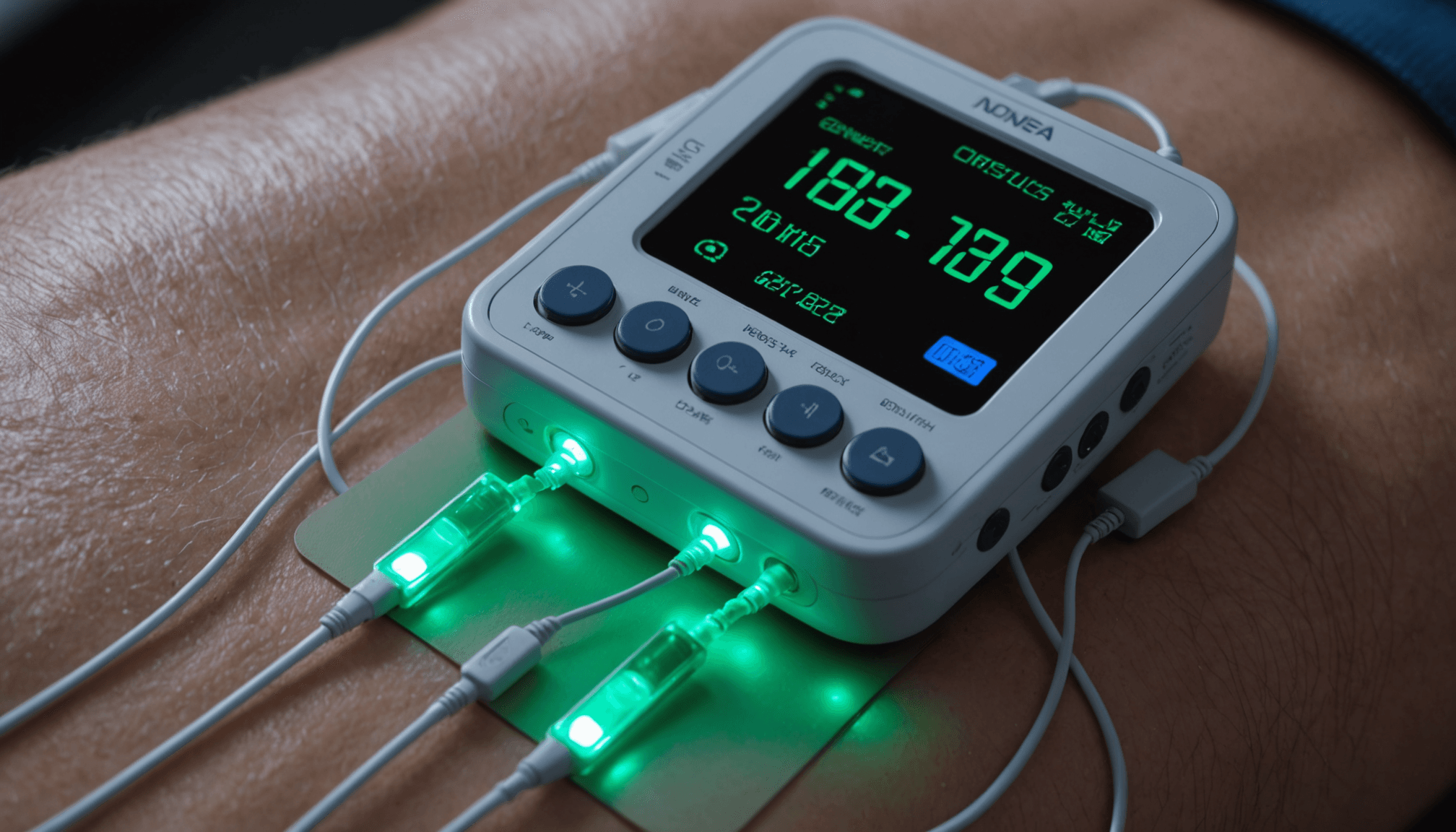
When exploring the landscape of electrotherapy modalities, it’s essential to understand the wide range of options available, each designed to address specific needs. These techniques employ electrical stimuli in varied ways, from nerve stimulation to muscle contractions, thereby offering distinct therapeutic benefits.
Here are some of the most recognized types of electrotherapy modalities:
- Transcutaneous Electrical Nerve Stimulation (TENS): This non-invasive technique uses low-voltage electrical currents to relieve pain. Electrodes are placed on the skin, sending impulses that interfere with the transmission of pain signals to the brain. TENS is often used for conditions like chronic pain syndromes, post-surgical pain, and arthritis. Users can customize settings to target specific areas of discomfort, making it a versatile option for many.
- Electrical Muscle Stimulation (EMS): EMS is designed to activate muscle tissue using electrical impulses. It is frequently used in rehabilitation settings to improve muscle strength and enhance recovery after injury or surgery. Athletes often use EMS for muscle conditioning or increasing performance during training regimens. This modality can also prevent atrophy in immobilized patients.
- Interferential Current Therapy (IFC): This method utilizes two medium-frequency electrical currents that intersect, creating a unique current that penetrates deeper into tissue. IFC is particularly effective for pain relief, swelling reduction, and increased mobility. Many practitioners find it beneficial in treating more complex pain syndromes such as fibromyalgia or neuropathic pain.
- Microcurrent Therapy: Often referred to as “the therapy of the cells,” microcurrent therapy applies very low-level electrical currents to stimulate healing at the cellular level. Commonly used in facial aesthetics, it promotes collagen production and can help reduce wrinkles and improve skin tone. It’s also utilized in pain management, encouraging cellular repair mechanisms.
- Ultrasound Therapy: While not purely a form of electrotherapy, ultrasound therapy uses sound waves to promote tissue healing and pain relief. The vibrations generated can reduce inflammation, increase blood flow, and enhance the healing process in both muscle and tendon injuries.
As you consider integrating these electrotherapy types into your treatment regimen, keep in mind the following practical advice:
- Choose Based on Needs: Select a modality that aligns with your health objectives. For example, if pain management is your primary concern, TENS units may be the best fit, while those aiming to strengthen muscles should consider EMS.
- Professional Guidance: Always consult with a licensed therapist or healthcare provider before starting therapy. They can help tailor treatment to your unique health profile, ensuring safety and effectiveness in your approach.
- Regular Assessments: Monitor progress throughout your treatment. Keeping track of symptoms and any changes can help optimize the effectiveness of the selected modality. Communicate your findings with your provider for adjustments as needed.
- Equipment Quality: If considering at-home devices, ensure they are from reputable brands and meet safety standards. Look for certifications and check consumer reviews.
- Combining Modalities: Don’t hesitate to combine different modalities. For instance, using TENS alongside traditional massage therapy can enhance relaxation and pain relief while promoting muscle recovery.
By understanding these various electrotherapy techniques and integrating them thoughtfully into your treatment plan, whether at home or through a professional, you can significantly enhance your overall wellness journey.
Mechanisms of Action in Electrotherapy
The intricate mechanisms through which electrotherapy exerts its effects are pivotal in understanding its therapeutic potentials. At its core, electrotherapy leverages electrical currents to modulate physiological functions, targeting specific tissues to facilitate healing, alleviate pain, and restore function. The various techniques exhibit distinct mechanisms depending on the type and application of electrical stimulation.
One fundamental action of electrotherapy is the alteration of neuronal excitability. Electrical impulses can interfere with the transmission of pain signals through afferent nerve fibers. This principle underlies the efficacy of techniques such as Transcutaneous Electrical Nerve Stimulation (TENS), where the application of electrical currents produces sensations that can overshadow pain signals sent to the brain. This is known as the “gateway control theory of pain,” which posits that non-painful input can suppress the transmission of painful stimuli, effectively reducing the perception of pain.
In addition to pain modulation, electrotherapy can enhance muscle function through direct muscle stimulation. Electrical Muscle Stimulation (EMS) activates motor neurons to induce muscle contractions, promoting muscle strengthening and rehabilitation. The electrical impulses mimic the body’s natural signals to control muscle movement, which is particularly beneficial in recovery after injury or surgery when voluntary contractions may be compromised. This process involves not only the immediate strengthening of muscle fibers but also the potential for long-term adaptations in muscle structure and function.
Another significant mechanism involves the facilitation of tissue healing through increased cellular activity. Electrical stimulation can enhance blood flow to the targeted area, which is crucial for delivering nutrients and oxygen essential for tissue repair. Microcurrent therapy operates at a cellular level, using extremely low currents that stimulate ATP (adenosine triphosphate) production, the energy currency of cells. This increase in cellular energy can accelerate the healing process, making it valuable for treating chronic wounds and soft tissue injuries.
Furthermore, electrotherapy has an anti-inflammatory effect by modulating the activity of cellular mediators involved in inflammatory processes. By reducing inflammation, these techniques can contribute to quicker recovery times and decreased pain levels. Studies have shown that electrical stimulation can influence the release of inflammatory mediators and enhance the body’s natural healing mechanisms.
As the understanding of these complex mechanisms grows, ongoing research continues to shed light on the nuanced ways in which electrotherapy techniques can be optimized for various clinical scenarios. Innovative technologies and advanced devices are being developed that allow for more precise targeting and tailored approaches to individual patient needs.
“The use of electrical currents in treatment provides a comprehensive overview of how modern techniques can harness the body’s own healing capabilities.”
Embracing these insights enables both practitioners and patients to navigate the burgeoning landscape of electrotherapy effectively, ensuring the selection of appropriate techniques that align with specific therapeutic goals while maximizing their benefits.
Clinical Applications and Benefits
Clinical applications of electrotherapy span a multitude of conditions, demonstrating its transformative potential across various domains of healthcare. For individuals dealing with chronic pain, electrotherapy serves as a non-invasive alternative to medications or surgical interventions. Techniques like Transcutaneous Electrical Nerve Stimulation (TENS) have been widely adopted for managing pain associated with conditions such as arthritis, fibromyalgia, and post-operative recovery. By modulating pain signals through electrical impulses, TENS empowers patients to regain control over their discomfort, ultimately improving their quality of life.
Furthermore, in the realm of rehabilitation, Electrical Muscle Stimulation (EMS) has garnered attention for its efficacy in enhancing muscle strength and preventing atrophy during recovery periods. This technique is commonly employed in sports therapy, where athletes utilize it to maintain peak muscle performance or accelerate recovery post-injury. The ability of EMS to mimic natural muscle contractions can be a game-changer for patients who have limited mobility, offering them a pathway to strengthen their muscles while minimizing strain.
Another intriguing aspect of electrotherapy lies in its application in wound healing. Microcurrent therapy, for example, is gaining recognition for its role in promoting tissue regeneration at a cellular level. By stimulating ATP production, this technique can significantly enhance healing rates for chronic wounds, making it an invaluable tool in both clinical and aesthetic practices. The implications of accelerated healing not only benefit individual patients but also present opportunities for enhancing overall healthcare efficiency.
Moreover, electrotherapy has been found effective in improving circulation, reducing inflammation, and alleviating muscle spasms. These benefits extend to patients with neurological conditions, where electrotherapy can assist in motor function recovery by re-establishing neural communication pathways. The success of such treatments often spurs curiosity about other potential applications, driving ongoing research and exploration in the field.
The versatility of electrotherapy techniques continues to inspire practitioners and patients alike, fostering a deeper exploration into how electrical stimulation can be harnessed to address unique health challenges. As you delve into this captivating area of study, consider the diverse spectrum of applications and the research that continues to illuminate the complexities of the body’s responses to electrical currents.
- What is electrotherapy?
- Electrotherapy refers to the use of electrical energy for therapeutic purposes. It involves various techniques designed to alleviate pain, promote healing, and enhance muscle function through electrical stimulation of tissues.
- How does TENS work for pain relief?
- Transcutaneous Electrical Nerve Stimulation (TENS) works by delivering low-voltage electrical impulses through the skin, which interrupt pain signals to the brain. This process can decrease the perception of pain and promote the release of endorphins, natural pain-relieving chemicals.
- Is Electrical Muscle Stimulation (EMS) safe?
- Yes, EMS is generally considered safe when used correctly under professional guidance. It is particularly beneficial for rehabilitation post-injury or surgery, but it should be avoided in individuals with certain contraindications, such as pacemakers or active infections.
- Can electrotherapy be used at home?
- Many electrotherapy devices, such as TENS units, are available for home use. However, it is essential to consult a healthcare provider to ensure proper usage and settings tailored to individual needs.
- What conditions can be treated with electrotherapy?
- Electrotherapy is effective for a wide range of conditions, including chronic pain, muscle injuries, post-surgical rehabilitation, and enhancing wound healing. Its versatility makes it a valuable tool in both conservative and rehabilitative care.
- Are there any side effects associated with electrotherapy?
- While generally safe, electrotherapy can cause mild side effects, such as skin irritation or muscle soreness. It’s crucial to monitor your body’s responses and consult a professional if any adverse reactions occur.
- How does microcurrent therapy work?
- Microcurrent therapy delivers low-level electrical currents that stimulate cellular processes, particularly ATP production, which is vital for tissue repair and regeneration. This technique is known for its effectiveness in enhancing healing and reducing inflammation.
Safety Considerations and Contraindications
When considering electrotherapy, understanding safety considerations and contraindications is crucial for ensuring a positive experience and avoiding potential adverse effects. While electrotherapy techniques can provide significant benefits, they may not be suitable for everyone.
Consultation with a Healthcare Provider: Before beginning any electrotherapy treatment, it is essential to consult with a qualified healthcare professional. They can assess your medical history, current health conditions, and the specifics of your treatment goals. This evaluation is particularly important for individuals with pre-existing health concerns, such as heart conditions or neurological disorders.
Contraindications to Consider: Certain conditions may pose risks when using electrotherapy, and awareness of these is vital. Here are some common contraindications:
- Cardiac Pacemakers: Individuals with pacemakers should avoid electrotherapy treatments involving electrical stimulation, as the currents could interfere with the device’s functioning.
- Pregnancy: Pregnant women are advised to steer clear of most electrotherapy modalities, especially in the abdominal region, due to potential risks to fetal development.
- Recent Surgery or Open Wounds: Electrotherapy should not be applied to areas with open wounds or fresh surgical sites, as this may hinder healing or introduce infection.
- Skin Conditions: Those with skin disorders, such as dermatitis or psoriasis, should exercise caution, as electrode placement can exacerbate symptoms or cause irritation.
- Epilepsy: Patients with epilepsy should consult their healthcare provider before utilizing any form of electrical stimulation, as it may trigger seizures.
Monitoring During Treatment: While undergoing electrotherapy, it’s important to closely monitor your body’s responses. Common sensations include mild tingling or muscle contractions. However, if you start to feel significant pain, discomfort, or notice skin irritation, discontinue use immediately and seek guidance from a healthcare provider. Safety during treatment is paramount, and any adverse reaction should be taken seriously.
Proper Use of Equipment: If you opt for at-home electrotherapy devices, familiarize yourself with the manufacturer’s instructions and safety precautions. Use only devices that have been vetted for quality and safety standards. Checking for certifications and reading consumer reviews can help ensure that you are using reliable equipment.
Integrate Responsibly: While combining electrotherapy with other therapeutic modalities, such as massage, can enhance overall treatment efficacy, make sure these combinations are approved by your healthcare provider. They can suggest a comprehensive approach tailored to your specific needs and health status.
By taking these safety considerations into account, you can responsibly navigate the use of electrotherapy techniques, maximizing benefits while minimizing risks. Understanding your health profile and the implications of electrotherapy will empower you to engage positively in your health and wellness journey.
For a personalized session and free consult, Call me: +1 334-300-0389.
Find out how ARPWave Therapy can enhance your performace as an athlete and how you can achieve drug-free pain relief.