


Understanding pain pathways and the role of electrotherapy
Understanding pain pathways and the role of electrotherapy

For a personalized session and free consult, Call me: +1 334-300-0389.
Find out how ARPWave Therapy can enhance your performace as an athlete and how you can achieve drug-free pain relief.
- Understanding pain pathways
- Mechanisms of pain transmission
- Types of electrotherapy
- Clinical applications of electrotherapy
- Efficacy of electrotherapy in pain management
- Future directions in pain treatment
Understanding how pain pathways function is essential for effectively addressing discomfort through massage therapy. Pain is not just a symptom; it’s a complex process involving various pathways within the body that relay messages of discomfort to the brain. By recognizing these pathways, individuals can better appreciate the impact of massage therapy and its role in alleviating pain.
Massage therapy works on multiple levels, primarily by influencing the body’s ability to manage pain signals. Here are several ways to enhance your massage therapy experience:
- Communicate openly with your therapist about your pain. Sharing specific areas of discomfort or stress can help tailor the session to your needs.
- Be mindful of your breathing during the session. Deep, controlled breaths can help relax the body and facilitate a more effective release of muscle tension.
- Consider integrating electrotherapy techniques into your routine. These methods can complement massage by enhancing the body’s natural ability to block pain pathways.
- If you experience significant tension in certain areas, bringing a heat pack or using cold therapy afterward can promote recovery and address any residual pain.
- Stay hydrated before and after your massage session to aid in muscle recovery and enhance the overall effectiveness of the treatment.
For specific populations, like pregnant women or athletes, it’s crucial to consult with a healthcare professional to identify safe and effective massage techniques. Pregnant women may benefit from prenatal massage that focuses on relieving lower back pain and promoting overall relaxation, while athletes often require deeper tissue work for muscle recovery.
As you continue to explore massage therapy, keep in mind the vital connection between pain pathways and stress relief. By focusing on your unique needs and responses, you can create a supportive environment that enhances your therapeutic experience and enriches your journey toward pain relief.
Mechanisms of pain transmission
Pain transmission is a multifaceted process that begins with the activation of nociceptors, specialized sensory receptors designed to detect harmful stimuli. These receptors are predominantly found in the skin, muscles, joints, and some internal organs. When tissues are damaged or irritated, these nociceptors become activated and generate electrical signals that travel along peripheral nerves towards the spinal cord.
At the spinal cord level, the transmission of pain signals is modulated by various factors. The incoming nociceptive signals can be filtered and altered by other sensory inputs, as well as by descending pathways from the brain that may either amplify or inhibit the pain experience. Understanding this modulation is key to recognizing how interventions, such as electrotherapy, can influence pain perception.
Once signals reach the spinal cord, they are relayed to the brain via ascending pathways. This involves several key neurotransmitters, such as substance P, glutamate, and other neuropeptides, which play critical roles in the communication between nerve cells. The thalamus is the first major relay station in the brain, forwarding these signals to other regions, including the somatosensory cortex, limbic system, and prefrontal cortex, where emotional responses to pain are also processed.
The table below summarizes the critical components of pain transmission:
| Component | Function |
|---|---|
| Nociceptors | Detect harmful stimuli and initiate pain signals. |
| Peripheral Nervous System | Transmits signals from nociceptors to the spinal cord. |
| Spinal Cord | Modulates pain signals, integrating them with other sensory inputs. |
| Neurotransmitters | Facilitate the transmission of pain signals between nerve cells. |
| Thalamus | Acts as a relay center for pain signals to the brain. |
| Cortex and Limbic System | Processes the sensory and emotional aspects of pain. |
In addition to the basic understanding of these transmission pathways, pain modulation occurs through various mechanisms, including the gate control theory. This theory suggests that non-painful stimuli can coexist with painful stimuli, effectively “closing the gate” to pain signals ascending to the brain. Electrotherapy takes advantage of this principle by delivering electrical impulses that can stimulate non-nociceptive pathways, thereby reducing the perception of pain.
The efficacy of electrotherapy in modulating pain stems from its ability to affect both peripheral and central mechanisms. By producing electrical stimulation, electrotherapy can trigger the release of endorphins—the body’s natural painkillers—and enhance blood flow to the affected areas, further assisting in tissue repair and reducing inflammation.
Understanding these mechanisms of pain transmission provides essential insight into why electrotherapy can play a pivotal role in pain management, enabling care providers to customize and enhance treatment approaches tailored to individual patient needs.
Types of electrotherapy
There are several types of electrotherapy techniques that have gained popularity in both clinical and therapeutic settings, each designed to target specific pain pathways and enhance overall pain relief. Understanding these different modalities can help individuals make informed decisions about incorporating electrotherapy into their pain management strategies.
Transcutaneous Electrical Nerve Stimulation (TENS) is perhaps the most recognized form of electrotherapy. This technique employs low-voltage electrical currents delivered through electrodes placed on the skin to stimulate nerves and reduce pain perception. TENS effectively takes advantage of the gate control theory of pain modulation, potentially leading to decreased pain signals reaching the brain. Users may experience immediate relief, making TENS a favorable option for those suffering from acute pain, such as that associated with sports injuries or postoperative recovery.
Electrical Muscle Stimulation (EMS) is another form that focuses more on muscle recovery. By sending electrical impulses to the muscles, EMS can help relieve muscle spasms, reduce atrophy, and promote rehabilitation. Athletes in particular may benefit from EMS to enhance muscle performance or recovery after strenuous activity, as it aids in improving blood flow and reducing lactate buildup in tissues.
Interferential Current Therapy (IFC) utilizes a combination of two medium-frequency electrical currents that create a stronger therapeutic effect without increasing discomfort. This method deeply penetrates tissues, providing effective pain relief for conditions like chronic pain and joint disorders. The unique feature of IFC is its ability to stimulate larger areas of the body, making it advantageous for those with widespread pain.
However, it’s important for individuals to consult with healthcare professionals before starting any form of electrotherapy. Factors such as skin sensitivity, underlying medical conditions, and the presence of implanted devices (like pacemakers) can influence the suitability of these treatments. Always ensure that therapy is administered by trained professionals to optimize safety and efficacy.
When considering electrotherapy, here are some practical tips to enhance your experience:
- Assess your needs: Identify the specific areas of pain or discomfort you wish to address with electrotherapy.
- Seek professional guidance: Work with a qualified therapist who can recommend the most appropriate type of electrotherapy for your situation.
- Combine therapies: Consider integrating electrotherapy with other therapies, such as massage or physical therapy, for a holistic approach to pain management.
- Monitor your response: Keep track of your pain levels and any noticeable changes before and after sessions to evaluate the effectiveness of the treatment.
- Educate yourself: Understanding how different electrotherapy types work will empower you to make informed choices about your pain relief journey.
Incorporating these types of electrotherapy can transform your approach to pain management, offering tools that complement your massage therapy experience. By understanding the role and mechanisms of electrotherapy, you can better navigate your options for achieving lasting relief.
Clinical applications of electrotherapy
Electrotherapy has become well-recognized in clinical settings for its diverse applications in pain management, serving as an adjunct or alternative to traditional pharmacological approaches. One notable application is in the realm of musculoskeletal pain, such as back pain, arthritis, and post-surgical discomfort. Clinicians often employ electrotherapy to target localized areas of pain, harnessing its effects to stimulate the nerves and reduce pain perception while promoting tissue healing.
Another significant clinical application is in the treatment of neuropathic pain, which arises from nerve damage or dysfunction. Conditions like diabetic neuropathy or post-herpetic neuralgia can be particularly challenging to manage. Here, specific forms of electrotherapy can provide relief by modulating the abnormal signaling of pain pathways, ultimately altering how the brain perceives pain. For example, TENS has been shown to diminish neuropathic pain perception effectively, offering patients a non-invasive option for symptom management.
Moreover, electrotherapy is increasingly recognized in rehabilitation settings, particularly post-injury or surgery. It plays a vital role in muscle re-education and recovery through methods such as Electrical Muscle Stimulation (EMS). For individuals who experience muscle atrophy following extended periods of immobility, EMS can help maintain muscle integrity and strength. Coupled with traditional physical therapy protocols, the integration of electrotherapy supports faster recovery timelines and enhances overall functional outcomes.
“The goal of electrotherapy is not only to alleviate pain but also to optimize therapeutic outcomes by supporting the body’s natural healing processes.”
In addition to chronic pain management and rehabilitation, electrotherapy has found its place in oncology settings. Patients undergoing cancer treatments frequently experience severe pain as a side effect. Electrotherapy modalities, such as Interferential Current Therapy (IFC), have been employed to manage this type of pain. Studies indicate that these techniques can effectively provide pain relief, improving the quality of life for patients as they navigate their treatment journey.
Furthermore, in the domain of sports medicine, athletes are increasingly utilizing electrotherapy as part of their training and recovery regimens. The rapid application of these techniques before competitions can aid in injury prevention by promoting muscle readiness. Additionally, post-exercise, these modalities can facilitate recovery by enhancing circulation to muscles, thus curtailing soreness and stiffness that follows intense activity.
As the understanding of pain pathways continues to expand, so too does the role of electrotherapy in various clinical applications. Healthcare providers are increasingly exploring tailored plans that incorporate electrotherapy alongside other therapeutic approaches. This multidisciplinary perspective fosters a patient-centered approach, acknowledging unique pain experiences and optimizing overall treatment strategies. Therefore, through its diverse applications, electrotherapy stands as a vital component in modern pain management protocols, addressing the nuanced and multifactorial nature of pain through targeted intervention.
Efficacy of electrotherapy in pain management
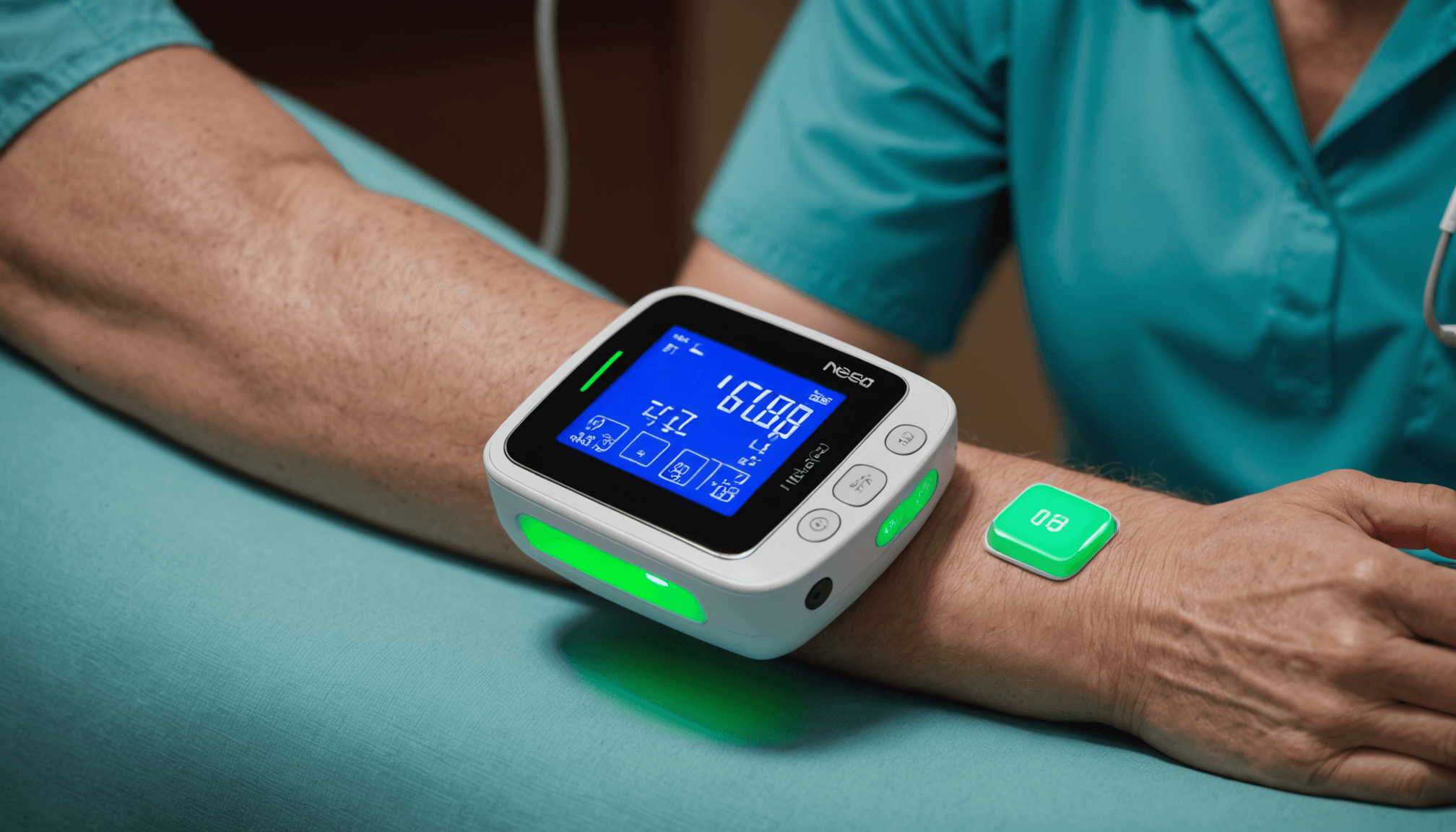 Electrotherapy has shown surprising efficacy in the realm of pain management, as evidenced by numerous studies and clinical applications. One of its primary advantages lies in its ability to address pain through non-pharmacological means, providing an alternative source of relief for patients who may not respond well to medications or who prefer to minimize their drug intake. The intricate relationship between pain pathways and the mechanisms behind electrotherapy highlights its potential to not only alleviate persistent discomfort but also to facilitate recovery processes in a safe and effective manner.
The effectiveness of various electrotherapy modalities varies according to the type of pain being treated. For instance, Transcutaneous Electrical Nerve Stimulation (TENS) has emerged as a preferred choice for acute and chronic pain, allowing patients to experience immediate relief by targeting the nociceptive signals that would otherwise reach the brain. Studies have shown that TENS can significantly reduce pain levels among individuals suffering from conditions such as fibromyalgia or postoperative pain, fostering a newfound capacity for movement and daily functioning.
Beyond TENS, other techniques such as Interferential Current Therapy (IFC) demonstrate efficacy in treating deeper-seated pain, attracting attention for its unique ability to stimulate larger areas of tissue without heightened discomfort. Patients with fibromyalgia, arthritis, or sports injuries report not only reductions in pain but also improved mobility and overall quality of life following consistent IFC treatments. The role of muscle recovery through Electrical Muscle Stimulation (EMS) further emphasizes how electrotherapy modalities can assist in transmitting therapeutic benefits by enhancing blood circulation and decreasing muscle soreness.
Furthermore, the long-term application of electrotherapy can lead to cumulative benefits. Regular use can help retrain the nervous system’s response to pain, fostering an adaptive mechanism that ultimately supports patients in managing pain independently. The fluid nature of pain pathways allows the body to undergo neuroplastic changes, and incorporating electrotherapy into traditional rehabilitation programs may assist in these transformative processes.
Moreover, as we navigate the complexities of pain management, it becomes vital to consider that every patient’s experience is unique. Individual responses to electrotherapy treatments can vary based on factors like the type of pain condition, personal pain thresholds, and the combination with other therapeutic modalities. Understanding the intricacies of how different electrotherapy types impact the nervous system will empower patients and healthcare providers alike to tailor pain management strategies specifically designed to their needs.
- What is electrotherapy?
- Electrotherapy involves the use of electrical currents to treat pain and promote healing. Various modalities, like TENS or EMS, aim to modify pain perception and enhance muscle recovery, providing non-invasive treatment options.
- How does TENS work in managing pain?
- Transcutaneous Electrical Nerve Stimulation (TENS) works by delivering low-voltage currents through the skin to stimulate peripheral nerves, effectively interrupting pain signals and activating the body’s natural pain relief responses.
- Is electrotherapy safe for everyone?
- Generally, electrotherapy is safe for many individuals; however, those with certain conditions, such as pacemakers, pregnant women, or those with skin sensitivities, should consult a healthcare provider to assess if it’s a suitable option.
- Can electrotherapy replace traditional pain medications?
- While electrotherapy can provide significant pain relief and may serve as an alternative for some individuals, it is often used as an adjunct to other therapies. It’s crucial to discuss treatment plans with healthcare providers to find the best combination for you.
- How often should I use electrotherapy for effective pain management?
- The frequency of electrotherapy use can vary depending on individual pain conditions and treatment responses. Generally, consulting with a healthcare professional can help determine the optimal schedule for effective management.
- What conditions can benefit from electrotherapy?
- Electrotherapy can benefit a wide range of conditions, including chronic pain issues like arthritis, fibromyalgia, postoperative pain, and even sports injuries. Tailored applications can address specific areas of discomfort and promote recovery.
- Can I use electrotherapy at home?
- Many electrotherapy devices designed for home use are available, including TENS units. If considering at-home treatment, it’s paramount to first seek guidance from a healthcare professional to ensure proper usage and safety.
Future directions in pain treatment
As we advance our understanding of pain pathways and the role of various therapeutic modalities, the future of pain treatment is bright and multifaceted. Innovations in technology and ongoing research are driving new approaches that integrate traditional interventions with emerging therapies. This fusion seeks to provide more effective and personalized pain management solutions tailored to individual needs.
One burgeoning area of exploration is the integration of biofeedback and neurostimulation techniques, which allow individuals to train their responses to pain through real-time data about bodily functions. Biofeedback empowers patients to gain insight into their physiological responses, helping to cultivate coping strategies that can mitigate pain perception.
Additionally, the development of wearable electrotherapy devices is on the rise. These compact units can be worn throughout the day, providing consistent pain management without interrupting daily activities. This increased accessibility allows patients to engage in self-management practices, enhancing compliance and improving overall outcomes.
Moreover, research into personalized electrotherapy regimens continues to evolve, utilizing data analytics and artificial intelligence to tailor treatments based on individual pain profiles and responses. These advancements aim to refine therapeutic approaches and maximize efficacy while minimizing side effects.
For those considering electrotherapy as part of their pain management strategy, awareness of new technologies and methods is crucial. Here are some practical suggestions:
- Stay informed: Regularly research and consult with healthcare professionals about the latest advancements in electrotherapy and pain management techniques.
- Participate in discussions: Engage with support groups or online forums to share experiences and learn from others who have used electrotherapy for pain relief.
- Consider clinical trials: Explore opportunities to participate in clinical trials that may offer access to cutting-edge therapies and treatments that are still under investigation.
- Monitor outcomes: Keep a detailed log of your experiences with various pain management approaches, particularly when integrating new technologies or methods, to determine what works best for you.
- Collaborate with your healthcare team: Ensure that your pain management plan is coordinated among your providers to allow for comprehensive care that includes electrotherapy, massage therapy, and any other relevant treatments.
With the continuous evolution of therapy options, individuals now hold greater power in defining their paths toward pain relief. The convergence of new technologies and traditional methods can ultimately enhance the understanding of individual pain responses and create a more responsive and effective pain management landscape.
For a personalized session and free consult, Call me: +1 334-300-0389.
Find out how ARPWave Therapy can enhance your performace as an athlete and how you can achieve drug-free pain relief.