For a personalized session and free consult, Call me: +1 334-300-0389.
Find out how ARPWave Therapy can enhance your performace as an athlete and how you can achieve drug-free pain relief.
- Understanding Electrotherapy for Fibromyalgia
- Types of Electrotherapy Treatments
- Mechanism of Action
- Benefits of Electrotherapy
- Potential Risks and Considerations
- Integrating Electrotherapy into a Treatment Plan
When navigating the complexities of managing fibromyalgia, many individuals seek alternative therapies to complement their traditional treatment regimens. One such option is electrotherapy, which utilizes electrical impulses to stimulate nerves and muscles, offering potential relief from pain and discomfort associated with this condition. It is essential for consumers to educate themselves about the different types of electrotherapy available and how they can incorporate it into their wellness strategy.
It is advisable for consumers to consult with a healthcare provider before starting any electrotherapy treatments. Not all modalities are suitable for every individual; thus, tailored guidance is critical. There are various types of electrotherapy treatments, including Transcutaneous Electrical Nerve Stimulation (TENS), interferential current therapy, and neuromuscular electrical stimulation (NMES), each designed to address specific symptoms and challenges associated with fibromyalgia.
Aside from understanding the types available, individuals should foster a partnership with their massage therapist or clinician. Regular communication regarding treatment progress, symptom changes, and any side effects is crucial in optimizing the benefits of electrotherapy. Patients should be proactive in discussing their experiences—this includes detailing pain levels, mobility, and overall emotional well-being.
Additionally, consumers should remain informed about how to maintain their health and enhance the efficacy of electrotherapy. Here are some practical tips:
- Hydration: Staying well-hydrated can improve muscle function and may augment the effects of electrotherapy.
- Consistent Schedule: Regular appointments for electrotherapy can lead to better outcomes. Be sure to stick to a treatment schedule as recommended by your therapist.
- Complementary Therapies: Consider integrating other therapies, such as massage therapy or physical therapy, to address muscle tension and enhance relaxation.
- Mindfulness Techniques: Incorporate stress management practices, like deep breathing or meditation, to bolster your mental health during treatment.
Understanding the nuances involved in navigating electrotherapy will enable individuals suffering from fibromyalgia to take charge of their treatment journey. By combining knowledge with the right supportive therapies, patients can achieve improved pain management and enhanced quality of life.
Types of Electrotherapy Treatments
Electrotherapy encompasses a variety of treatments, each utilizing different electrical modalities to target pain relief and muscle function. Among the most common types are Transcutaneous Electrical Nerve Stimulation (TENS), interferential current therapy (IFC), and neuromuscular electrical stimulation (NMES). Each of these therapies addresses the unique aspects of fibromyalgia and can be integrated into a comprehensive pain management plan.
TENS employs low-voltage electrical currents delivered via electrodes placed on the skin. This technique aims to interrupt pain signals that the body sends to the brain while promoting the release of endorphins, the body’s natural painkillers. TENS is often user-friendly and can be used at home, providing flexibility for those needing on-demand relief.
Interferential current therapy (IFC) utilizes two different medium-frequency electrical currents that intersect at the area of pain. This interaction creates a higher frequency stimulation without discomfort, which can penetrate deeper tissues compared to TENS. IFC is especially effective for alleviating localized pain and reducing inflammation, making it a valuable option for fibromyalgia patients experiencing specific tender points.
Neuromuscular electrical stimulation (NMES) is designed to stimulate muscle contractions, which can improve muscle strength and reduce atrophy. This therapy is particularly beneficial for individuals suffering from muscle weakness due to fibromyalgia. By stimulating motor nerves, NMES can enhance circulation, decrease muscle spasms, and improve overall muscle function.
To provide a clear comparison of these modalities, the following table summarizes their features, applications, and potential benefits:
| Type of Electrotherapy | Primary Function | Target Area | Typical Usage | Benefits |
|---|---|---|---|---|
| TENS | Pain relief | Surface nerves | Home use, as needed | Interrupts pain signals, boosts endorphins |
| Interferential Current Therapy | Pain relief and inflammation reduction | Deep tissue | Clinical or home use, depending on device | Comfortable deep tissue stimulation, localized effect |
| Neuromuscular Electrical Stimulation | Muscle strengthening | Muscle contractions | Clinical supervision typically required | Improves muscle function, reduces atrophy |
In selecting the most appropriate electrotherapy treatment for fibromyalgia, it is crucial for patients to consider their specific symptoms, comfort levels, and desired outcomes. Consulting with healthcare providers can facilitate a tailored approach, ensuring that the chosen type of electrotherapy aligns well with the individual’s overall treatment plan. By understanding the various types available, patients can effectively navigate their options, harnessing the power of electrotherapy to manage their fibromyalgia symptoms more effectively.
Mechanism of Action

The mechanisms behind electrotherapy involve several physiological processes that contribute to pain relief and improved function in individuals with fibromyalgia. At the core of these treatments are electrical impulses designed to interact with the nervous system, altering the way pain signals are processed and perceived by the brain. When electrical currents are applied to the skin through electrodes, they can stimulate sensory nerves, which may inhibit the transmission of pain signals from the affected areas.
One primary way this occurs is through a phenomenon known as the gate control theory of pain. This theory suggests that non-painful stimuli, such as electrical impulses, can close the “gates” in the spinal cord that allow pain signals to travel to the brain. By actively stimulating these areas, electrotherapy can help reduce the perception of pain, allowing individuals with fibromyalgia to experience relief from their chronic discomfort.
Furthermore, electrotherapy also promotes the release of endogenous opioids—natural pain-relieving chemicals produced by the body. When these chemicals are released, they bind to opioid receptors in the brain, effectively decreasing the experience of pain and enhancing overall well-being. This analgesic effect is particularly beneficial for individuals with fibromyalgia, who often suffer from widespread pain.
In addition to pain modulation, electrotherapy can influence muscle function. Techniques like neuromuscular electrical stimulation (NMES) induce muscle contractions, increasing blood flow to the area and promoting healing in tissues that may be weakened or atrophied due to inactivity or chronic pain conditions. This mechanism aids in improving muscle strength and function, which is crucial for fibromyalgia patients who may experience muscle weakness or fatigue.
For those considering electrotherapy, it is essential to engage with healthcare professionals to tailor the treatment approach to individual needs. Sensitivity levels to electrical stimulation can vary widely among patients, necessitating a gradual introduction of electrotherapy modalities. Starting with low-intensity settings can help gauge tolerance and effectiveness.
Understanding the underlying mechanisms of action in electrotherapy can empower individuals with fibromyalgia to make informed decisions about their pain management strategies. By navigating these options with professional guidance, patients can optimize their treatment experience, combining electrotherapy with other supportive therapies for enhanced outcomes.
Benefits of Electrotherapy
Electrotherapy presents a variety of benefits for individuals managing fibromyalgia, providing crucial pain relief and improved quality of life. One notable advantage is its non-invasive nature, allowing patients to utilize these treatments with minimal disruption to their daily routines. Many people find that electrotherapy can significantly reduce their reliance on medication, particularly due to its ability to alleviate localized pain without the side effects often associated with pharmaceuticals.
The versatility of electrotherapy treatments means they can be tailored to address specific patient needs. For example, TENS units can be easily used at home, allowing patients to mitigate pain during activities or at night without having to schedule frequent clinical visits. This level of accessibility empowers individuals to take control of their condition while promoting self-managed pain relief.
Additionally, the therapeutic effects of electrotherapy extend beyond just pain alleviation. Many users report improved circulation, which can play a crucial role in reducing muscle stiffness and promoting relaxation. Enhanced blood flow can contribute to overall recovery and help diminish the fatigue commonly associated with fibromyalgia. Moreover, electrotherapy aids in muscle rehabilitation, strengthening the muscles and reducing atrophy that may develop due to chronic pain or inactivity.
Notably, electrotherapy can foster a sense of well-being and emotional resilience, helping patients cope with the mental and emotional challenges of managing a chronic condition like fibromyalgia. As patients experience pain reduction and improved mobility, their overall mood and quality of life can enhance, creating a positive feedback loop.
“When individuals engage with therapies that empower them, such as electrotherapy, they often discover new ways to manage their health while fostering a deeper connection to their treatment journey.”
Furthermore, the integration of electrotherapy into traditional treatment plans often results in better overall outcomes. When combined with other therapeutic modalities, such as cognitive behavioral therapy or physical therapy, electrotherapy can amplify the benefits of a holistic approach to fibromyalgia management. This integrated strategy promotes a more comprehensive understanding of the condition and fosters enhanced patient commitment to their treatment regimens.
Prospective patients should remain proactive and informed about the available options. Engaging in conversations with healthcare providers about personal experiences and treatment preferences can enhance the effectiveness of electrotherapy. As individuals navigate the complexities of fibromyalgia, recognizing and embracing the multifaceted benefits of electrotherapy can lead to noteworthy improvements in both physical and emotional health.
Potential Risks and Considerations
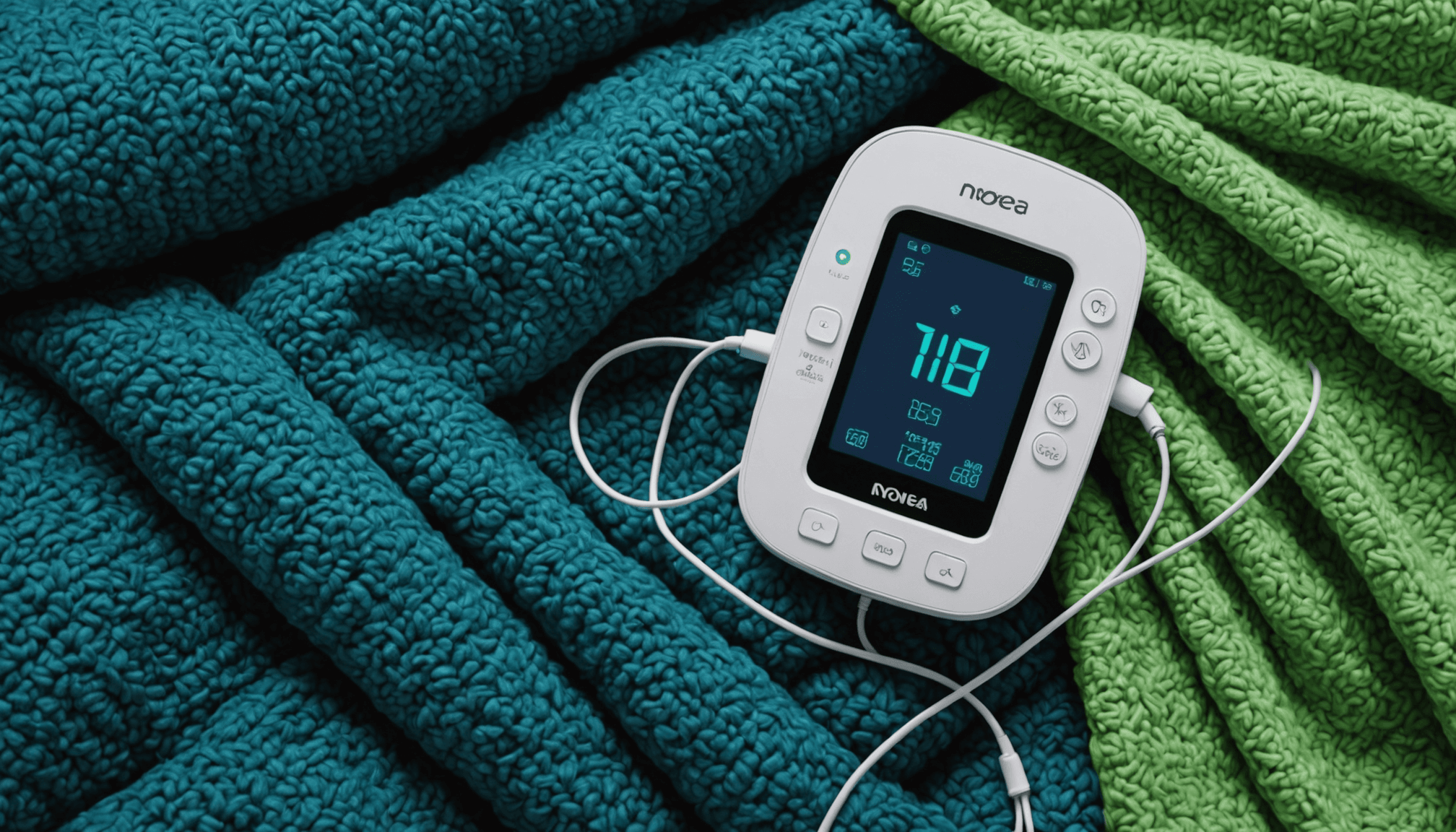 The potential risks associated with electrotherapy for fibromyalgia include skin irritation, muscle soreness, and the possibility of exacerbating certain conditions. While many users tolerate electrotherapy well, some may experience discomfort or adverse reactions, especially if the treatment is not tailored adequately to their needs. For this reason, it is paramount that patients engage in thorough discussions with their healthcare providers before initiating electrotherapy.
Patients should be aware of contraindications for electrotherapy, such as pregnancy, pacemakers, or other implanted medical devices, which may prevent safe use. Sensitivity to electrical stimulation can vary widely among individuals; thus, it is critical to monitor any discomfort during treatments closely. Starting at lower intensities can help gauge each person’s tolerance level and adjust the plan accordingly. Consistent communication with therapists and feedback on experiences will also play a significant role in avoiding potential discomfort and maximizing the effectiveness of the treatment.
Moreover, while electrotherapy can significantly contribute to pain reduction and muscle function, it is not a standalone solution. Relying exclusively on electrotherapy without considering a comprehensive treatment plan that includes lifestyle modifications, mindfulness practices, and other therapeutic modalities can limit overall effectiveness. Maintaining a holistic approach to fibromyalgia management ensures that all aspects of the condition are addressed, leading to better outcomes in pain relief and overall well-being.
- What is electrotherapy, and how does it help with fibromyalgia?
- Electrotherapy involves using electrical impulses to stimulate nerves and muscles, providing pain relief and improving muscle function. It helps manage fibromyalgia symptoms by interrupting pain signals and promoting the release of natural painkillers.
- Are there different types of electrotherapy treatments?
- Yes, common types include Transcutaneous Electrical Nerve Stimulation (TENS), interferential current therapy, and neuromuscular electrical stimulation (NMES). Each type has specific applications and benefits tailored to different aspects of fibromyalgia.
- Is electrotherapy safe for everyone with fibromyalgia?
- While generally safe, electrotherapy may not be suitable for individuals with certain medical conditions or implanted devices, such as pacemakers. It’s crucial to consult with a healthcare provider to ensure it’s appropriate for your specific situation.
- How often should I undergo electrotherapy treatments?
- The frequency of treatments can vary based on individual needs and the type of electrotherapy being used. Regular appointments are generally recommended for optimal results, often guided by your therapist’s recommendations.
- Can I use electrotherapy at home?
- Many electrotherapy devices, such as TENS units, are designed for home use, allowing patients to manage their pain conveniently. However, proper education and guidance from a healthcare provider are essential to ensure effective and safe usage.
- What are the potential side effects of electrotherapy?
- Common side effects may include skin irritation, muscle soreness, and occasional discomfort during treatment. Monitoring your response and discussing any concerns with your therapist can help mitigate these risks.
- How can I integrate electrotherapy into my overall treatment plan for fibromyalgia?
- Integrating electrotherapy involves discussing its potential benefits with your healthcare provider and creating a personalized treatment plan. Combining electrotherapy with other therapies, such as physical therapy and mindfulness practices, can lead to better overall outcomes.
Integrating Electrotherapy into a Treatment Plan
Integrating electrotherapy into a comprehensive treatment plan requires a thoughtful approach that considers individual needs and preferences. Patients are encouraged to engage in open discussions with their healthcare providers to tailor the integration process effectively and ensure that the benefits of electrotherapy align with overall wellness goals.
When beginning the integration process, it is essential for individuals to undergo an initial evaluation that includes a thorough assessment of their fibromyalgia symptoms, previous treatments, and overall health status. This information provides a baseline from which healthcare providers can recommend precise electrotherapy modalities. For instance, if a patient experiences localized pain, therapies such as TENS or interferential current therapy may be suggested, while neuromuscular electrical stimulation could be beneficial for muscle-strengthening objectives.
As part of the treatment plan, frequency and duration of electrotherapy sessions should be established. Typically, initial sessions may involve shorter durations with lower electrical intensities to gauge comfort levels, gradually increasing as tolerance builds. A consistent schedule—whether twice a week or bi-weekly—should be created based on individual responses and therapeutic goals.
Here are some practical strategies to effectively integrate electrotherapy into a treatment plan:
- Collaboration with Healthcare Providers: Regular follow-ups with healthcare providers are crucial to adjust treatment plans based on progress and feedback. Active collaboration ensures that any modifications reflect an evolving understanding of the patient’s condition.
- Education on Device Use: For those using home electrotherapy devices, it is vital to receive thorough training on operational aspects, including proper electrode placement and intensity settings. Misuse can lead to reduced efficacy or discomfort.
- Combining Modalities: Consider integrating electrotherapy with other forms of treatment, such as massage therapy, acupuncture, or physical therapy, to create a layered approach to pain management. Combining therapies may enhance benefits by addressing multiple aspects of fibromyalgia symptoms.
- Self-Monitoring: Encourage patients to maintain a pain journal to track symptoms before, during, and after electrotherapy sessions. Reflecting on this information can help individuals identify which treatments yield the best results and support ongoing discussions with their providers.
- Incorporating Lifestyle Changes: Complementing electrotherapy with lifestyle modifications—like engaging in gentle exercise, practicing stress management techniques, or maintaining a balanced diet—can foster a holistic approach to improving overall well-being.
As patients embark on their caregiving journey, understanding and implementing these strategies can enhance the effectiveness of electrotherapy, allowing them to navigate their fibromyalgia management with confidence. Integrating electrotherapy into treatment plans can ultimately empower individuals to take an active role in shaping their pain relief journey.
For a personalized session and free consult, Call me: +1 334-300-0389.
Find out how ARPWave Therapy can enhance your performace as an athlete and how you can achieve drug-free pain relief.