


The psychological effects of electrotherapy on pain perception
The psychological effects of electrotherapy on pain perception

For a personalized session and free consult, Call me: +1 334-300-0389.
Find out how ARPWave Therapy can enhance your performace as an athlete and how you can achieve drug-free pain relief.
- Understanding Electrotherapy and Its Mechanisms
- Psychological Framework of Pain Perception
- Effects of Electrotherapy on Pain Relief
- Patient Experiences and Testimonials
- Clinical Studies and Evidence-Based Research
- Future Directions in Electrotherapy and Pain Management
Electrotherapy encompasses a range of treatments that employ electrical stimuli to alleviate pain and promote recovery. By understanding its mechanisms, patients can better appreciate how this modality might influence their treatment plans, especially when coupled with approaches like massage therapy. Notably, electrotherapy can engage various physiological responses in the body, which may modify pain perception and reduce discomfort.
One common form of electrotherapy is Transcutaneous Electrical Nerve Stimulation (TENS), which sends low-voltage electrical impulses through the skin. These impulses can interrupt pain signals sent to the brain and stimulate the production of endorphins, the body’s natural painkillers. As a result, TENS may not only provide immediate relief but can also alter the psychological response to pain, fostering a more positive mental state regarding ongoing discomfort.
When integrating electrotherapy into your pain management strategy, consider the following practical tips:
- Consult with a Professional: Before beginning any electrotherapy treatment, consult a healthcare provider with experience in pain management to tailor the approach to your specific needs.
- Understand Treatment Goals: Have clear objectives for what you wish to achieve with electrotherapy, whether it’s immediate pain relief, muscle relaxation, or a reduction in chronic pain symptoms.
- Complement with Massage Therapy: Combining electrotherapy with massage therapy can enhance overall benefits. While electrotherapy addresses pain at a neurological level, massage can improve circulation and relax muscle tension, leading to a holistic approach to pain management.
- Track Your Symptoms: Maintain a journal documenting your experiences, noting any changes in pain levels, emotional states, or physical responses to treatments. This can help both you and your healthcare provider make informed adjustments to your treatment plan.
- Stay Informed: Research reputable sources and staying informed about new advancements in electrotherapy can help you make educated decisions about your treatment options.
It’s essential for consumers, especially athletes or those involved in high-stress jobs, to recognize how their psychological state can impact their pain perception. Stress and anxiety can exacerbate feelings of discomfort, thus using electrotherapy in conjunction with relaxation techniques such as massage could provide a multidimensional approach to enhancing both physical and mental wellness.
Incorporating elements of mindfulness or meditation during electrotherapy sessions may also be beneficial. This encourages not only physical healing but also an improved psychological resilience, allowing individuals to confront pain with greater strength.
Psychological Framework of Pain Perception
Pain perception is a complex interplay between physiological and psychological factors. The role of psychological effects in pain perception is crucial as it can significantly influence how individuals experience and respond to pain. Cognitive appraisal, emotional state, and past experiences all contribute to an individual’s interpretation of pain, effectively modulating their overall experience.
Research indicates that pain is not merely a sensory experience; it is also shaped by psychological context. For instance, individuals who perceive pain as a threat may respond with heightened anxiety, leading to a cycle of increased pain sensitivity. Conversely, a positive mindset can enhance coping strategies, ultimately decreasing pain perception. This psychological framework underscores the importance of addressing mental health in pain management strategies, especially for those considering electrotherapy.
Electrotherapy, with its aim to disrupt pain signals and promote healing, can potentially modify these psychological aspects of pain perception. The experience of receiving electrotherapy, particularly modalities like TENS, may encourage a shift in cognitive appraisal regarding pain. Patients often report feelings of relaxation and improved mood during and after treatments, which can help reduce the emotional burden associated with chronic pain.
Furthermore, the engagement of neurophysiological pathways during electrotherapy can result in the release of neurotransmitters such as endorphins and serotonin. These biochemical responses can enhance mood, mitigate anxiety, and foster a more optimistic perspective toward pain. Enhanced mood can, in turn, alter the perception of pain, making discomfort more manageable.
The following table summarizes the psychological factors that influence pain perception along with how electrotherapy may play a role in modifying these factors:
| Psychological Factor | Effect on Pain Perception | Potential Impact of Electrotherapy |
|---|---|---|
| Cognitive Appraisal | Determines the perceived threat level of pain, influencing emotional response. | Modifies cognitive response through distraction and neuromodulation. |
| Emotional State | Anxiety and depression can enhance pain perception. | Can alleviate negative emotions, leading to a more positive pain experience. |
| Past Experiences | Previous pain experiences can shape future perceptions and responses. | May alter memory of pain through positive experiences during treatment. |
| Expectations | High expectations of pain relief may lead to higher satisfaction. | Using evidence-based protocols can enhance expectation outcomes. |
In summary, the psychological effects of electrotherapy extend beyond mere physical relief. By addressing the underlying psychological framework of pain perception, electrotherapy not only serves as a therapeutic modality for pain management but also reinforces the importance of psychological well-being in achieving optimal pain relief outcomes. Understanding and incorporating these insights can lead to a more effective, comprehensive approach to pain management that considers both the mind and body, ultimately enhancing quality of life for those affected by chronic pain.
Effects of Electrotherapy on Pain Relief

Electrotherapy has been shown to have significant effects on pain relief, particularly by altering how pain is perceived by the brain. By utilizing targeted electrical currents, these therapies can modulate nerve signals, providing a dual approach that addresses both the physical and psychological dimensions of pain.
For individuals seeking pain relief through electrotherapy, it is crucial to understand various modalities and their potential applications. Here are some practical insights for enhancing your experience:
- Choose the Right Modality: Familiarize yourself with different types of electrotherapy, such as TENS, Electroacupuncture, or Interferential Current Therapy. Each method has unique benefits, so consult with a practitioner to determine which aligns best with your specific pain issues.
- Frequency and Duration: Follow recommended frequencies and durations for treatment sessions. Overuse may lead to irritation or diminished effects, while proper adherence can optimize pain relief. A typical TENS session can last anywhere from 20 to 60 minutes depending on the intensity and type of pain being treated.
- Pay Attention to Your Body: Listen to your body’s responses during electrotherapy sessions. If you experience discomfort or unexpected pain, communicate this to your therapist, as adjustments may be necessary for optimal effectiveness.
- Combine with Other Therapies: For a synergistic effect, consider pairing electrotherapy with other pain management techniques, such as massage therapy, stretching, or physical exercise. For example, massage can loosen tight muscles, which might enhance the efficacy of the electrotherapy by ensuring better muscle responsiveness.
- Mindfulness Practices: Incorporate mindfulness techniques to calm your mind during sessions. Engaging in breathing exercises or visualization can amplify the psychological effects of therapy, allowing for greater relaxation and a more profound release of tension.
Those involved in sports or high-demand professions often find pain relief through electrotherapy not only physically beneficial but also psychologically uplifting. Engaging with the treatment can promote a sense of control over pain management, reducing anxiety levels associated with injury or chronic pain conditions. With improved moods, individuals may experience a decrease in overall pain perception, allowing for a more proactive approach to recovery.
It’s also essential to keep track of your treatment progress. Recording measurable outcomes such as pain levels, emotional states, and functional mobility can provide valuable insights for both you and your healthcare team. This allows for more informed decisions regarding the continuation or modification of your therapy regimen.
In terms of home-use devices, consumers should ensure that any electrotherapy equipment is certified and designed for their specific needs. Consulting with a healthcare provider can ensure its safe and effective use, making sure you understand how to operate the device correctly to prevent injury or ineffectiveness.
Electrotherapy presents several pathways to manage and alleviate pain through both physiological and psychological mechanisms. By actively participating in your treatment and embracing complementary therapies, you can not only mitigate pain but also enhance your overall quality of life.
Patient Experiences and Testimonials
Patients’ experiences with electrotherapy can provide valuable insights into its effectiveness as a pain management tool, shedding light on both the psychological effects and practical implications of such treatments. Testimonials often reveal a spectrum of responses, highlighting not just physical relief, but emotional and psychological transformations.
Many patients report an immediate sense of relief from pain during and after electrotherapy sessions, which is frequently accompanied by a notable improvement in mood and a reduction in anxiety about their chronic conditions. For example, one individual expressed,
“After my electrotherapy sessions, I felt lighter, like a weight had been lifted. It wasn’t just about the pain; I felt mentally clearer and more optimistic about my recovery.”
This underscores the notion that the psychological effects of electrotherapy extend beyond immediate pain relief to foster a more positive outlook on health.
The mental state of patients before treatment can also significantly influence their experiences. Those who approach electrotherapy with a hopeful mindset often report more favorable outcomes. A patient shared,
“Going into each session, I focused on visualizing my pain melting away. It created a mental shift that made the whole treatment process much more effective for me.”
This points to the critical interplay between expectation and experience in pain perception, where a positive mental attitude can amplify the effectiveness of the therapy.
Moreover, the communal aspect of sharing experiences can enhance individual coping strategies. Many patients find solace in support groups or forums where they can discuss their journeys with electrotherapy. These interactions often provide emotional support and a shared understanding of the psychological challenges associated with chronic pain. One participant noted,
“Hearing how others have benefitted from the therapy gave me hope. It made the process less daunting knowing that I wasn’t alone in this battle against pain.”
This emphasizes the therapeutic potential of social support, as it can further bolster psychological resilience and facilitate a more comprehensive approach to pain management.
However, not all experiences are uniformly positive. Some individuals might encounter minimal effects, leading to feelings of frustration or disappointment. A patient reflected,
“I tried electrotherapy after hearing all the great stories, but my experience didn’t meet my expectations. It was discouraging to feel like I was putting time and effort into something that didn’t work for me.”
This highlights the importance of individualized treatment plans and the need for ongoing communication with healthcare providers to explore alternative or complementary therapies.
Ultimately, patient experiences with electrotherapy illustrate a rich tapestry of psychological effects that underscore its role in pain management. By integrating personal narratives and feedback, practitioners can continue to refine electrotherapy techniques and ensure they address both physical and emotional needs, fostering an environment where patients feel empowered and supported in their journey toward pain relief.
Clinical Studies and Evidence-Based Research
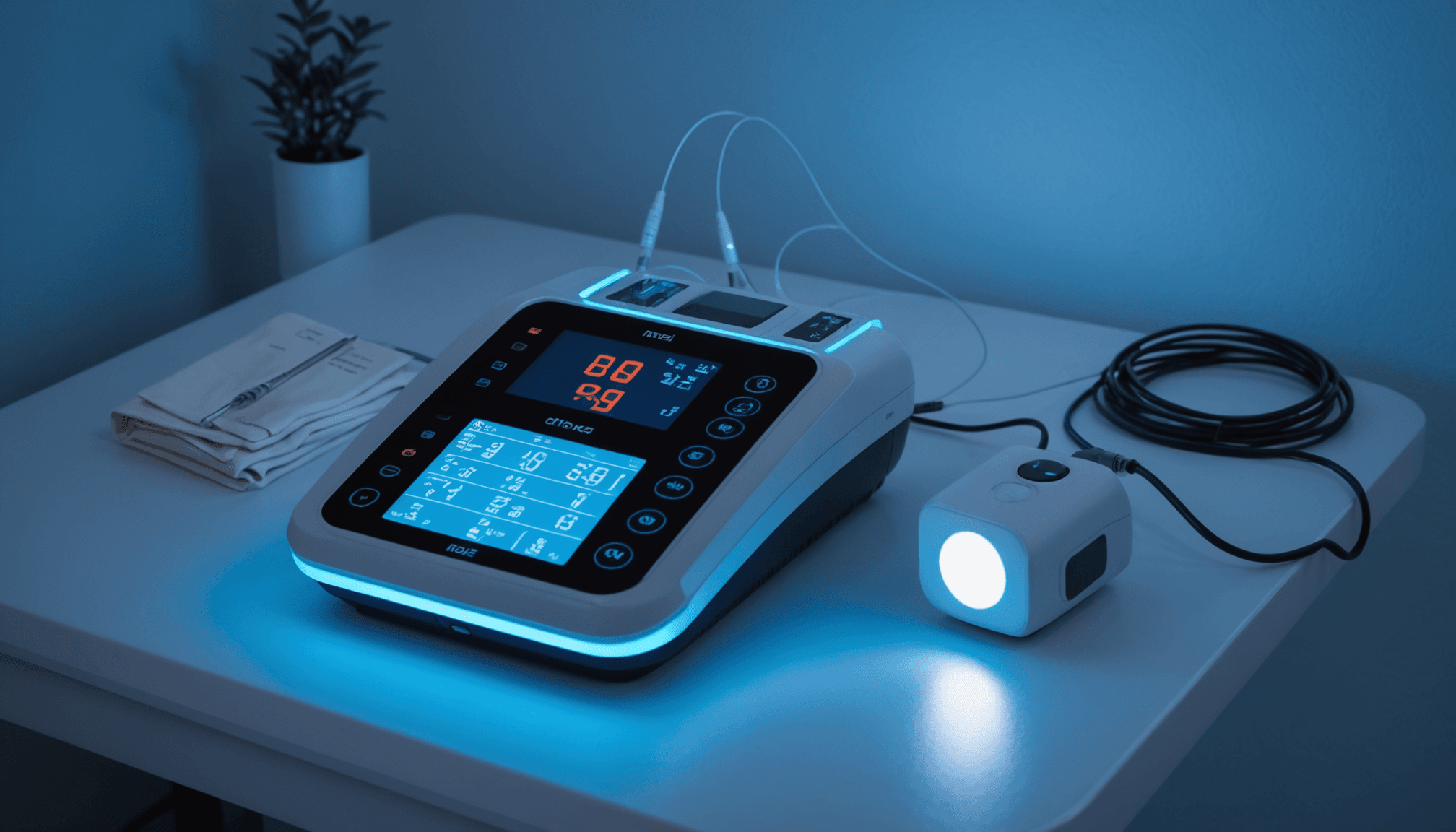 Clinical studies have increasingly highlighted the intricate relationship between electrotherapy, pain perception, and psychological outcomes. Various research efforts have sought to establish a clearer understanding of how different electrotherapy modalities impact pain relief and the accompanying psychological effects. Notably, randomized controlled trials have consistently demonstrated that electrotherapy, particularly Transcutaneous Electrical Nerve Stimulation (TENS), can lead to notable reductions in pain intensity across a spectrum of conditions, including chronic pain syndromes and post-operative recovery.
In one systematic review, researchers aggregated results from multiple studies and found that patients receiving TENS therapy reported a significant decrease in pain levels compared to those receiving sham treatments. This evidence suggests that the physiological mechanisms induced by electrical stimulation, such as the interruption of pain signal transmission and the release of endorphins, play a crucial role in diminishing pain perception. However, the psychological ramifications of these studies are equally compelling, as improvements in pain perception are often linked to enhanced emotional well-being and decreased anxiety levels.
Furthermore, research also elaborates on the psychosocial aspects tied to electrotherapy. For instance, a study exploring the experiences of patients undergoing electrotherapy for chronic pain found that many reported feelings of hope and an improved quality of life post-treatment. Participants noted not only physical relief but also a notable shift in their psychological outlook, suggesting that the perception of pain can be modulated by successful treatment experiences. One participant shared, “Not only did the pain decrease, but I also felt more empowered and in control of my recovery,” underscoring the interplay between physical pain relief and psychological improvement.
In terms of methodology, several recent studies have utilized advanced imaging techniques, such as fMRI, to observe the brain’s response to electrotherapy. Results indicate that electrotherapy can alter brain activity in regions associated with pain processing and emotional regulation, reinforcing the idea that pain is not solely a sensory experience but also deeply intertwined with psychological states. The potential for electrotherapy to reshape not only how pain is physically experienced but also how it is psychologically processed opens exciting avenues for further research.
As these clinical studies advance, they will undoubtedly contribute to a more robust understanding of the multifaceted effects of electrotherapy on pain management. Such findings encourage healthcare providers to consider the primary and secondary benefits of electrotherapy, particularly in fostering a positive psychological state that can bolster pain relief efforts. The implications of this knowledge can catalyze innovative treatment protocols that address both the physiological and psychological dimensions of pain, ultimately elevating the standard of care in pain management practices.
- What is electrotherapy?
- Electrotherapy is a non-invasive treatment method that uses electrical stimulation to alleviate pain and promote healing. It includes various modalities, such as TENS, Electroacupuncture, and Interferential Current Therapy.
- How does electrotherapy affect pain perception?
- Electrotherapy modulates pain perception by disrupting pain signals sent to the brain and stimulating the release of endorphins, leading to reduced pain intensity and improved emotional well-being.
- Can electrotherapy have psychological effects?
- Yes, many patients experience psychological benefits from electrotherapy, such as reduced anxiety, increased feelings of empowerment, and an overall improved outlook towards pain management.
- Is electrotherapy safe for everyone?
- While electrotherapy is generally safe, it may not be suitable for individuals with certain conditions, such as those with implanted medical devices or specific neurological disorders. Consulting with a healthcare provider is essential before starting treatment.
- How long does a typical electrotherapy session last?
- A typical session can last from 20 to 60 minutes, depending on the type of electrotherapy used and the nature of the condition being treated. It’s crucial to follow the recommendations of a trained provider.
- What can I do to enhance my experience with electrotherapy?
- Combining electrotherapy with complementary therapies like massage, practicing mindfulness, and maintaining open communication with your healthcare provider can enhance the overall effectiveness and improve psychological outcomes.
- What should I expect during an electrotherapy session?
- Patients can expect a sensation similar to a tingling or mild buzzing during the session. Each experience may vary, so it’s important to communicate with the practitioner about comfort levels and any concerns.
Future Directions in Electrotherapy and Pain Management
As the field of pain management continues to evolve, electrotherapy is gaining recognition for its potential to transform approaches to alleviating discomfort and enhancing psychological well-being. The future of electrotherapy may be shaped by integrative methodologies, where treatment plans encompass not only the physical aspects of pain relief but also the psychological dimensions influencing a patient’s recovery.
One promising direction involves the use of biofeedback technologies, which combine electrotherapy with real-time monitoring of physiological and psychological responses. This approach allows patients to observe how their bodies respond to electrical stimuli, promoting greater self-awareness and empowering them to manage their pain proactively. By understanding their unique responses, individuals can adjust relaxation techniques or coping strategies to optimize their treatment experience.
Furthermore, ongoing research is likely to refine the types of electrical stimulation and frequencies used in electrotherapy, tailoring them to individual needs for even more effective outcomes. Future studies could focus on the nuances of pain perception, identifying specific patterns that link psychological states with varying levels of pain intensity, thereby enabling more personalized treatment plans. For instance, adapting the electrotherapy settings based on a patient’s stress level or emotional state could enhance the overall efficacy of the interventions.
Advancements in telehealth could also play a crucial role in the dissemination of electrotherapy treatments, allowing patients access to consultative and therapeutic care remotely. With wearable technology that incorporates electrotherapy functions, individuals could potentially manage their pain in real-time, integrating behavioral and psychological strategies into their treatment. This transitional approach leverages technology to support patients in navigating their pain journey more effectively, decreasing reliance on medications and fostering a holistic mindset towards wellbeing.
Moreover, education and awareness initiatives will be key in shaping public perception around electrotherapy and its benefits. As misinformation can cloud patient understanding, increased transparency about the mechanisms of electrotherapy and its psychological effects can encourage wider acceptance and utilization of this treatment modality. Healthcare providers must advocate for ongoing dialogue about the mental health implications of chronic pain and how therapies like electrotherapy can influence recovery in a supportive manner.
Lastly, fostering interdisciplinary collaboration among healthcare professionals creates a platform for integrating psychological support with physical treatment methods. For example, encouraging professionals from various disciplines—such as psychology, massage therapy, and physiotherapy—to work together could enhance the development of comprehensive treatment strategies that address both the physical and psychological components of pain. This could lead to approaches that not only relieve pain but also improve overall quality of life.
As we look ahead, the future of electrotherapy in pain management holds great promise, particularly when it comes to understanding its multifaceted effects on pain perception. By embracing these innovative strategies, patients, therapists, and practitioners alike can pave the way for more effective and holistic pain relief solutions.
For a personalized session and free consult, Call me: +1 334-300-0389.
Find out how ARPWave Therapy can enhance your performace as an athlete and how you can achieve drug-free pain relief.