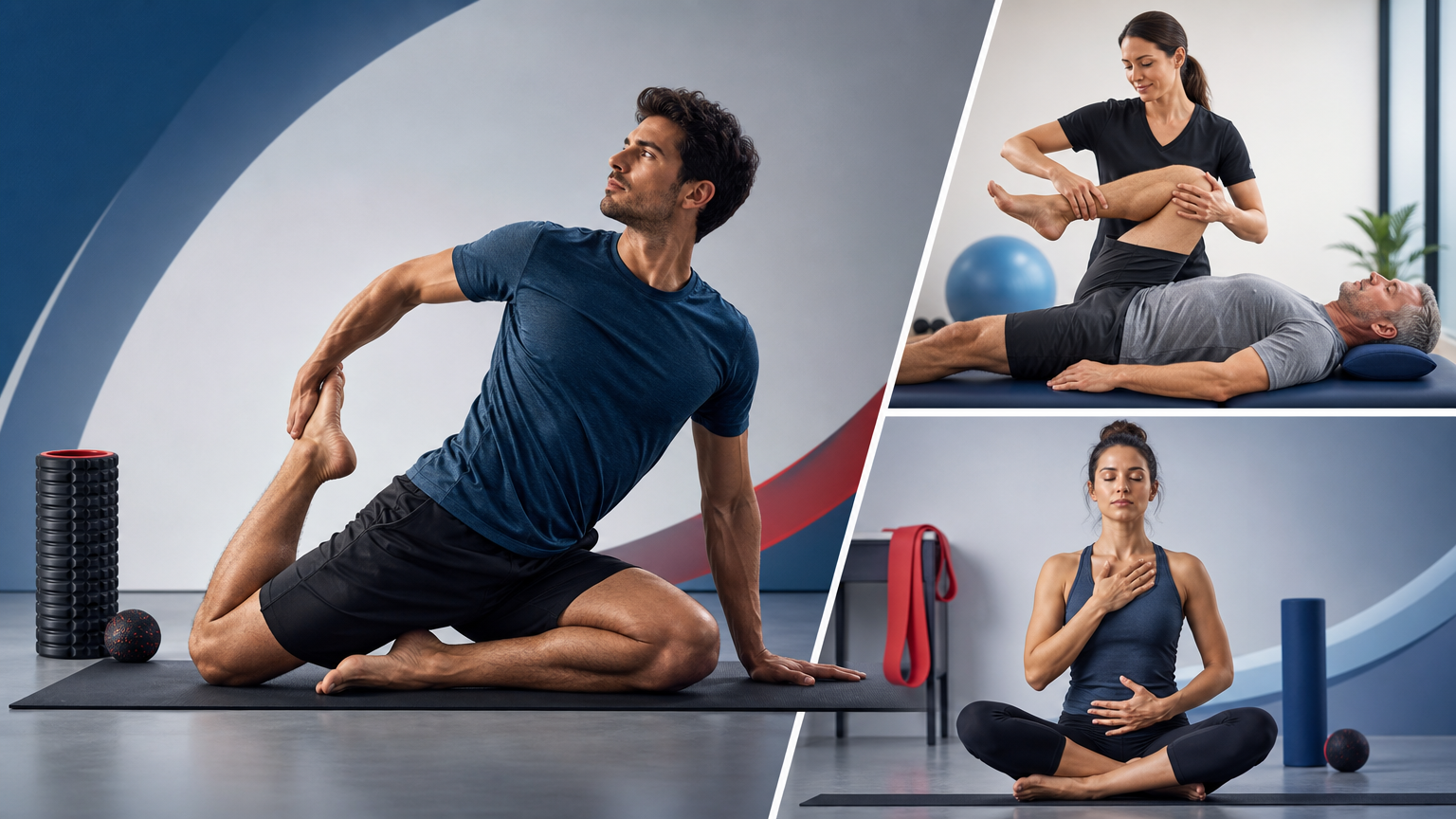


Simple stretches to relieve fibromyalgia discomfort
Simple stretches to relieve fibromyalgia discomfort

For a personalized session and free consult, Call me: +1 334-300-0389.
Find out how ARPWave Therapy can enhance your performace as an athlete and how you can achieve drug-free pain relief.
- Understanding fibromyalgia
- Benefits of stretching
- Gentle stretches for the neck
- Lower back stretches
- Leg and hip stretches
- Incorporating stretching into your routine
Fibromyalgia is a complex and often misunderstood condition characterized by widespread pain, fatigue, and an array of other symptoms that can significantly impact daily life. For those dealing with fibromyalgia, incorporating therapeutic practices, such as massage therapy and stretching, can offer substantial relief. Understanding the nature of fibromyalgia is crucial for tailoring effective pain management strategies.
The condition is marked by an amplification of pain signals in the brain, leading to heightened sensitivity and discomfort in response to stimuli that might not typically cause pain. In addition to pain, individuals may experience sleep disturbances, memory problems, and emotional challenges, which can complicate traditional treatment approaches. This multifaceted profile means that a comprehensive care plan encompassing physical, psychological, and holistic approaches can be particularly beneficial.
If you or someone you know is living with fibromyalgia, it is important to prioritize self-care routines that include gentle and simple stretches. Gentle stretching can improve flexibility, enhance circulation, and reduce muscle tension, ultimately leading to a decrease in discomfort. Combining these stretches with regular massage therapy sessions can yield even more significant benefits. Massage helps to relax tight muscles, alleviate pain, and promote a general sense of well-being, which is essential for those with fibromyalgia.
When considering the right approach, always consult with a healthcare professional or a trained massage therapist who understands fibromyalgia. They can provide insights into how to initiate a stretching routine safely and effectively. Here are some critical things to remember:
- Start slowly: Begin with short sessions of gentle stretching to gauge how your body responds. Always listen to your body and avoid pushing through pain.
- Incorporate a variety of stretches: Focus on different areas such as the neck, back, and legs to ensure a holistic approach to relieving discomfort.
- Establish a routine: Consistency is key. Aim to incorporate stretching into your daily regimen, even if it’s just for a few minutes.
- Mind your posture: Good posture plays a role in reducing strain on your muscles, so pay attention to how you sit and stand during your stretching routines.
- Consider complementary therapies: Techniques such as aromatherapy, heat therapy, or even acupuncture can enhance the benefits of massage and stretching.
By understanding the complexities of fibromyalgia and integrating practices like stretching and massage, individuals can work towards managing their discomfort more effectively and improving their overall quality of life.
Benefits of stretching
Engaging in stretching exercises offers numerous benefits, especially for those living with fibromyalgia. One of the primary advantages is the enhancement of flexibility. Regularly practicing simple stretches can help counteract the stiffness often experienced by individuals with fibromyalgia. Increased flexibility allows for a broader range of motion in daily activities, making movements less painful and more fluid.
Furthermore, stretching promotes improved circulation, which is vital for overall muscle health. Enhanced blood flow not only helps deliver essential nutrients to muscle tissues but also aids in the removal of metabolic waste products. This is particularly beneficial for individuals with fibromyalgia, as poor circulation can exacerbate pain and fatigue. By incorporating stretching into their routine, individuals may notice a significant decrease in muscle soreness and an improvement in energy levels.
Another key benefit of stretching is the reduction of muscle tension. Underlying stiffness can lead to discomfort and increased pain intensity for those affected by fibromyalgia. Simple stretches can help to physically release tension stored in the muscles, leading to a more relaxed state. This therapeutic effect can contribute to better sleep quality, as relaxation is essential for restful sleep.
Moreover, the psychological advantages of stretching should not be overlooked. Engaging in regular stretching routines can help foster a greater mind-body connection, encouraging mindfulness and relaxation. This holistic approach is beneficial for managing the emotional symptoms often present in fibromyalgia, such as anxiety and depression. The act of stretching itself can serve as a form of meditation, allowing individuals to focus on their breathing and body awareness.
To illustrate the varied benefits of stretching, the following table summarizes the key advantages along with their specific effects on fibromyalgia discomfort:
| Benefit | Description | Impact on Fibromyalgia |
|---|---|---|
| Enhanced Flexibility | Improves range of motion in joints | Reduces stiffness and discomfort during movement |
| Increased Circulation | Promotes blood flow to muscle tissues | Aids in nutrient delivery and waste removal, reduces pain |
| Reduced Muscle Tension | Helps relax tight muscles | Leads to lower pain levels and improved overall comfort |
| Improved Sleep Quality | Encourages relaxation before bed | Helps alleviate fibromyalgia-related sleep disturbances |
| Psychological Benefits | Promotes mindfulness and relaxation | Assists in managing anxiety and emotional symptoms |
In essence, simple stretches not only provide physical relief but also contribute significantly to emotional well-being, creating a comprehensive approach to managing fibromyalgia discomfort. The integration of stretching into daily life serves as a powerful tool for those seeking a holistic method to alleviate their symptoms.
Gentle stretches for the neck
Gentle stretches for the neck can offer significant relief for individuals experiencing fibromyalgia discomfort. The neck is often a tension zone, and gentle stretching can help reduce muscle tightness while improving flexibility and relaxation. Engaging in simple stretches for the neck can not only alleviate localized pain but also promote overall well-being.
One effective neck stretch is the neck tilt. Begin by sitting or standing with your back straight. Slowly tilt your head to one side, bringing your ear towards your shoulder. Hold this position for 15-30 seconds, feeling the gentle stretch along the opposite side of your neck. Return to the center and repeat on the other side. This stretch helps release tension in the muscles and increases mobility.
Another beneficial stretch is the neck rotation. Start in a comfortable seated position. Keeping your shoulders relaxed, slowly turn your head to one side, aiming to align your chin with your shoulder. Hold for 15-30 seconds, and then rotate to the other side. This motion can help relieve stiffness and improve the range of motion in the neck.
In addition to these stretches, the chin tuck is a simple but effective exercise. Sit up straight and gently tuck your chin towards your chest, elongating your neck. Hold for a few seconds, then release. This stretch helps strengthen the muscles in your neck and can counteract the forward head posture often seen in those with chronic pain conditions.
Consider incorporating these stretches into your daily routine. Aim for a few minutes each day. It can be helpful to pair stretching with deep breathing exercises. Focusing on your breath while stretching promotes relaxation and mindfulness, further enhancing the benefits of these practices. Remember to maintain good posture throughout each stretch, as this can reduce the risk of injury and improve effectiveness.
Additionally, using heat therapy can complement neck stretches effectively. Applying a warm towel or heating pad to your neck before stretching can help loosen tight muscles and enhance flexibility. Cold therapy may also be beneficial post-stretching if you experience any swelling or inflammation after your routine.
Always listen to your body; stop and consult a healthcare professional if you feel any sharp pain during stretches. Regularly practicing these gentle neck stretches can help manage fibromyalgia discomfort effectively, allowing for a more comfortable and enjoyable daily life.
Lower back stretches
The lower back is a common area of discomfort for individuals with fibromyalgia, often exacerbated by muscle tightness and poor posture. Engaging in specific stretches designed for the lower back can provide much-needed relief and improve overall mobility. These stretches not only target the muscles in the lower back but can also help alleviate tension throughout the hips and pelvis, contributing to a greater sense of well-being.
One effective stretch is the knees-to-chest stretch. To perform this stretch, lie on your back with your knees bent and feet flat on the floor. Gently pull one knee towards your chest, using your hands to grasp the knee just below the joint. Hold this position for 15-30 seconds while keeping the other foot on the ground. Release the knee and switch to the other leg, repeating the stretch for both sides. This movement helps to elongate the lower back muscles and relieve pressure.
Another valuable stretch is the cat-cow stretch. Begin in a tabletop position on your hands and knees, ensuring your wrists are aligned with your shoulders and knees with your hips. Inhale deeply as you arch your back, allowing your belly to sink towards the floor and lifting your head and tailbone upwards (the cow position). Exhale slowly as you round your spine towards the ceiling, tucking your chin to your chest (the cat position). Repeat this sequence for several breaths. This dynamic stretch promotes flexibility and encourages movement within the spine, which can be beneficial for individuals affected by fibromyalgia.
For a more restorative option, the child’s pose is a great choice. Start in a kneeling position, then sit back on your heels and extend your arms forward on the ground as you lower your torso. Hold this position for as long as it feels comfortable. It provides a gentle stretch through the lower back and hips while promoting relaxation. This pose is especially useful for calming the mind and relieving stress, which is essential for managing fibromyalgia-related discomfort.
Additionally, practicing the seated forward bend can be beneficial. Sit on the floor with your legs extended straight in front of you. Inhale as you reach your arms overhead, then exhale while hinging at the hips to lean forward, reaching toward your toes. Focus on maintaining a straight back as you stretch. This position helps target the hamstrings and lower back, releasing tightness and increasing flexibility.
Incorporating these simple stretches into your daily routine can be done in just a few minutes. It is essential to listen to your body and avoid any movement that causes sharp pain. Gradually build up the duration and intensity of your stretches as your body adapts and responds positively. Consider pairing these stretches with deep breathing exercises to further enhance relaxation and mindfulness.
“Stretching is a vital part of self-care for managing pain and discomfort associated with fibromyalgia.”
Lastly, be aware of your posture throughout the day. Proper alignment while sitting, standing, and moving can significantly impact your lower back health. Regularly integrating these stretching techniques can help manage fibromyalgia discomfort, creating a more comfortable and enjoyable daily life.
Leg and hip stretches
 Leg and hip stretches can play a crucial role in alleviating discomfort experienced by individuals with fibromyalgia. Often, the hips and legs harbor tension that can exacerbate pain and limit mobility. Engaging in specific stretches targeting these areas can lead to notable improvements in flexibility and relief from tightness.
One effective stretch is the figure-four stretch. Start by lying on your back with your knees bent. Cross your right ankle over your left knee, forming a “4” shape. Gently pull your left thigh towards your chest, feeling the stretch in your right hip. Hold for 15-30 seconds before switching sides. This stretch releases tension in the hip joints and helps increase blood flow to the area.
Another beneficial option is the seated hamstring stretch. While sitting on the edge of a chair or on the floor, extend one leg straight while keeping the other leg bent with the foot flat. Slowly lean forward, reaching towards your toes on the extended leg. Hold this position for 15-30 seconds, feeling the stretch along the back of your thigh. This simple stretch can help alleviate the tightness that often accompanies fibromyalgia.
The supine hip flexor stretch is also highly effective. Begin by lying on your back and pulling one knee towards your chest while allowing the other leg to extend straight. Hold for 15-30 seconds, ensuring you maintain a relaxed posture. This stretch targets the hip flexors, which can often become tight due to prolonged sitting or inactivity.
In addition, the standing quadriceps stretch can be incorporated as well. Stand tall and use a chair or wall for support. Bend one knee and bring your heel towards your glutes, grabbing your ankle with your hand. Hold for 15-30 seconds, then switch legs. This simple stretch reduces tension in the quadriceps and promotes better balance.
Incorporating these stretches into your daily routine doesn’t require a significant time commitment; just a few minutes can yield substantial benefits. To maximize the effects, pair stretching sessions with mindful breathing, which enhances relaxation and promotes body awareness. Listening to your body’s signals is essential; if any stretch induces sharp pain, it may be best to adjust or consult with a healthcare professional for tailored advice.
Being mindful of proper posture will not only help in performing these stretches correctly but also contribute to overall hip and leg health. Regularly practicing stretches tailored for the legs and hips can serve as a vital part of a holistic approach to managing fibromyalgia discomfort, ultimately paving the way toward a more flexible and pain-free lifestyle.
- What types of stretches are best for leg and hip discomfort?
- Gentle stretches like the figure-four stretch, seated hamstring stretch, and supine hip flexor stretch are effective for relieving discomfort in the legs and hips. These stretches help improve flexibility and release tightness in the muscles.
- How often should I do leg and hip stretches?
- Aim to incorporate leg and hip stretches into your routine at least a few times a week, if not daily. Even a few minutes of stretching can provide significant relief from discomfort and enhance mobility.
- Can stretching truly help with fibromyalgia pain?
- Yes, stretching can help alleviate fibromyalgia pain by improving flexibility, enhancing circulation, and reducing muscle tension. Engaging in regular stretching routines promotes relaxation, which is beneficial for overall pain management.
- Should I consult a professional before starting a stretching routine?
- It’s advisable to consult with a healthcare professional or a trained massage therapist, particularly if you are new to stretching or have ongoing pain. They can recommend appropriate stretches tailored to your needs.
- What if I feel pain while stretching?
- Always listen to your body. If you experience sharp pain while stretching, stop immediately and consult a healthcare provider. It’s important to differentiate between discomfort and pain during stretching.
- Are there any specific techniques to enhance the effectiveness of stretches?
- Pairing stretches with deep breathing can enhance their effectiveness, promoting relaxation and mindfulness. Maintaining proper posture during stretches is also crucial to avoid injury and maximize benefits.
- How long should I hold each stretch?
- Holding each stretch for 15-30 seconds is generally effective. Ensure you are breathing deeply and relaxing into the stretch to fully reap its benefits.
Incorporating stretching into your routine
Incorporating stretching into your daily routine is essential for those managing fibromyalgia discomfort. A regular practice of simple stretches can greatly enhance flexibility, reduce muscle tension, and promote overall well-being. The key to successfully integrating stretching into your lifestyle is to establish a consistent routine that fits your schedule while remaining gentle on your body.
To get started, aim to dedicate a specific time each day to stretching. This can be as simple as a few minutes in the morning to prepare your body for the day ahead or in the evening to wind down before sleep. It’s best to choose a time when you feel most comfortable and have few distractions. Consider pairing your stretching with a calming activity, such as listening to soothing music or practicing mindfulness to maximize its benefits.
Furthermore, creating a dedicated stretching space can enhance your practice. Designate an area in your home with enough room to stretch comfortably. Having a clean, clutter-free environment can help you focus and relax, making your stretching routine more effective.
When practicing, remember to start slow and gradually build up the intensity of your stretches. A gentle approach will allow your body to adapt without risking injury. Additionally, pay attention to your breathing. Inhale deeply through your nose and exhale slowly through your mouth as you transition into and out of each stretch. This focus on breath not only aids relaxation but also allows you to connect better with your body’s signals.
To make your routine more engaging, consider incorporating a variety of stretches that target different muscle groups, such as those we’ve previously discussed for the neck, lower back, and legs. You might find it helpful to create a stretching sequence that you can follow easily each day. An example sequence could start with neck stretches, move to lower back stretches, progress to leg and hip stretches, and conclude with a few deep, restorative poses.
Additionally, tracking your progress can help keep you motivated. Consider using a journal or a health app to note the stretches you perform, how you felt before and after, and any changes in your discomfort levels over time. This self-monitoring encourages accountability and can reveal patterns that are helping you manage your symptoms more effectively.
As you develop your stretching routine, it’s also important to remain mindful of how your body responds. If you notice persistent discomfort or pain during certain stretches, it may be beneficial to consult with a healthcare professional or a specialized massage therapist. They can provide personalized guidance on modifying your stretches or suggest alternative techniques better suited to your needs.
Complement your stretching routine with other self-care practices, such as massage therapy, relaxation exercises, or warm baths, which can further relieve tension and promote overall comfort. By incorporating simple stretches and being mindful of their execution, you can play a significant role in managing fibromyalgia discomfort and improving your quality of life.
For a personalized session and free consult, Call me: +1 334-300-0389.
Find out how ARPWave Therapy can enhance your performace as an athlete and how you can achieve drug-free pain relief.