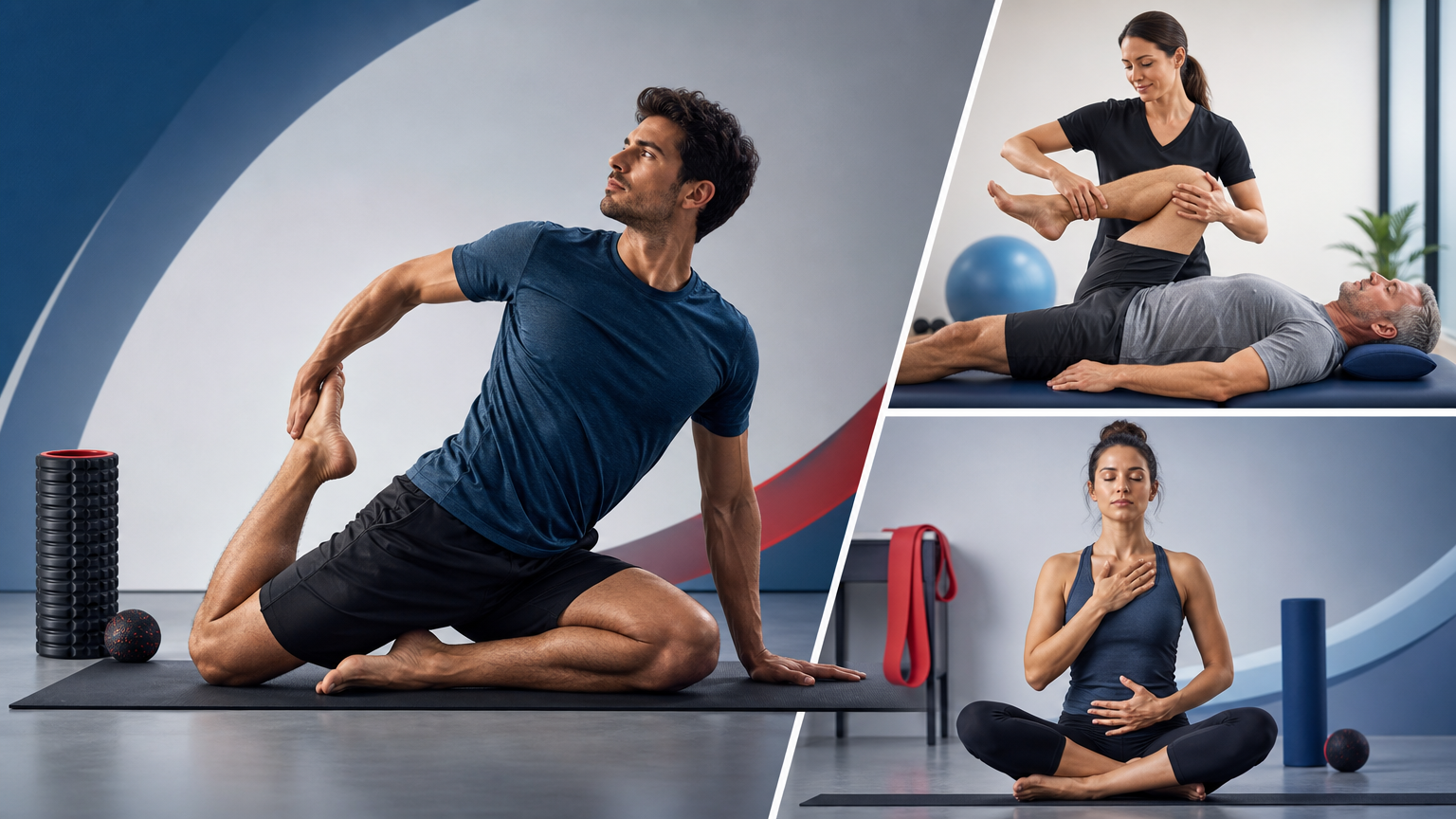


Yoga and stretching for fibromyalgia relief
Yoga and stretching for fibromyalgia relief
For a personalized session and free consult, Call me: +1 334-300-0389.
Find out how ARPWave Therapy can enhance your performace as an athlete and how you can achieve drug-free pain relief.
- Yoga and stretching techniques for fibromyalgia
- Benefits of yoga for fibromyalgia relief
- Types of yoga suitable for fibromyalgia patients
- Stretching exercises to alleviate fibromyalgia symptoms
- Creating a home practice for fibromyalgia relief
- Tips for enhancing your yoga and stretching routine
For individuals with fibromyalgia, incorporating yoga and stretching techniques into their daily routine can be transformative in managing symptoms and enhancing overall well-being. These practices not only promote physical relief but also encourage mental relaxation, creating a holistic approach to health.
When beginning to explore yoga and stretching for fibromyalgia, it’s essential to focus on gentle movements that respect your body’s limits. Here are some techniques that can be particularly beneficial:
- Gentle Yoga Poses: Poses such as Child’s Pose, Cat-Cow, and Seated Forward Bend can help ease tension in the back, hips, and shoulders. Aim to hold each pose for a few breaths, allowing your body to acclimate to the stretch.
- Static Stretching: Incorporating simple static stretches into your routine can enhance flexibility and reduce muscle tightness. Consider stretches like neck rolls, shoulder stretches, and hamstring stretches, holding each for 15-30 seconds.
- Deep Breathing: Pair your yoga and stretching with deep breathing exercises. Inhale through your nose for a count of four, hold for a count of four, and exhale through your mouth for a count of six. This helps to calm the nervous system and reduce stress.
- Restorative Yoga: This style of yoga involves supported poses held for longer periods, allowing for deep relaxation. Use props such as blankets, bolsters, or yoga blocks for comfort, and focus on poses like Supported Bridge and Legs-Up-the-Wall.
- Mindfulness Practices: Incorporate mindfulness into your routines by paying attention to how each stretch or pose feels in your body. This can help in tuning into areas of tension and promoting relaxation.
While these techniques can provide significant relief, it’s important to listen to your body and avoid pushing yourself into pain. Always consult with a healthcare professional before starting a new exercise program, especially if you have specific health concerns related to fibromyalgia.
In addition to the physical techniques, fostering a calming environment can enhance your practice. Consider dimming the lights, playing soft music, or using essential oils to create a serene space conducive to relaxation and healing.
Benefits of yoga for fibromyalgia relief
The practice of yoga offers numerous benefits specifically tailored to help alleviate the symptoms of fibromyalgia. One of the primary advantages is its ability to reduce pain perception. Research has shown that consistent yoga practice can lead to decreased pain levels and an increase in pain tolerance. This change is thought to be linked to the body’s enhanced ability to manage stress and the release of endorphins, which are the body’s natural pain relievers.
Another significant benefit is the improvement in flexibility and balance, which are often compromised in individuals with fibromyalgia. Through gentle stretching and yoga poses, participants can experience increased range of motion in their joints and improved overall mobility. Enhanced flexibility not only alleviates tight muscles but also helps prevent injuries related to overexertion or muscle strain.
Furthermore, yoga encourages better sleep patterns. Many fibromyalgia patients struggle with insomnia or disrupted sleep, which can exacerbate fatigue and pain. The incorporation of relaxation techniques and deep breathing in yoga helps facilitate deeper, more restorative sleep. Relaxation strategies activate the parasympathetic nervous system, promoting a sense of calm that can lead to improved sleep quality.
Additionally, yoga fosters a sense of community and support. Many find that participating in group classes or workshops provides emotional benefits, such as reduced feelings of isolation and anxiety. The shared experience of practicing yoga can create social bonds, allowing individuals with fibromyalgia to connect with others facing similar challenges.
The table below outlines some of the key benefits of yoga for individuals with fibromyalgia:
| Benefit | Description |
|---|---|
| Pain Relief | Reduction in pain perception and increased pain tolerance through the release of endorphins. |
| Flexibility and Balance | Improved flexibility and mobility, reducing stiffness and the risk of injury. |
| Improved Sleep Quality | Enhanced relaxation and better sleep patterns due to stress reduction techniques. |
| Emotional Support | A sense of community and connection through shared experiences in group classes. |
These benefits highlight the holistic approach yoga provides for managing fibromyalgia. By addressing not just the physical but also emotional and social aspects of the condition, yoga becomes a valuable tool in the quest for relief and improved quality of life.
Types of yoga suitable for fibromyalgia patients
When considering types of yoga that are suitable for fibromyalgia patients, it’s essential to focus on styles that emphasize gentle movements, relaxation, and attention to breath. Here are several types that have proven particularly beneficial:
- Hatha Yoga: A gentle introduction to yoga, Hatha poses focus on basic postures that can be practiced at a slow pace. This style allows for modifications, making it accessible for those dealing with fibromyalgia-related pain and fatigue. Poses such as Mountain Pose and Warrior I can help build strength without excessive strain.
- Yin Yoga: This style involves holding poses for an extended period, usually three to five minutes, promoting deep relaxation and flexibility. Yin yoga targets the connective tissues, which can be particularly helpful in managing stiffness that often accompanies fibromyalgia. Poses like Butterfly and Supported Fish are excellent options that provide gentle stretches.
- Restorative Yoga: Focusing on complete relaxation, restorative yoga uses props to support your body in various poses. This type emphasizes calming the nervous system, which can be incredibly beneficial for fibromyalgia patients who may experience heightened stress. Positions such as Child’s Pose and Legs-Up-the-Wall can allow for deep rest and recovery.
- Chair Yoga: For those who may find it difficult to get down to the mat, chair yoga offers a safe and effective alternative. It allows for practicing yoga while seated, reducing the risk of strain. This makes it enjoyable and accessible for individuals who may experience severe fatigue or pain.
- Gentle Flow Yoga: This style combines fluid movement with breath, gently linking poses together. While not as intense as traditional flow yoga, it still allows for body awareness and mobility enhancement. Poses can be modified to match energy levels, ensuring that participants can maintain comfort while engaging in a rhythm that feels natural.
It’s vital to approach these practices with an open mind and a focus on what feels right for your body. Opt for classes that cater specifically to beginners or those with chronic pain to ensure the environment is supportive. Additionally, don’t hesitate to communicate your needs to the instructor, who can provide necessary modifications or alternative poses as required.
Incorporating a variety of these yoga styles into your routine not only offers physical relief but also encourages a deeper mind-body connection that can be particularly important for managing the multifaceted symptoms of fibromyalgia.
Stretching exercises to alleviate fibromyalgia symptoms
Stretching exercises play a crucial role in alleviating the symptoms of fibromyalgia, providing a means to release tension, improve flexibility, and enhance overall comfort. It’s essential to approach stretching with mindfulness, allowing the body to ease into each movement rather than forcing it. Here are several effective stretching exercises designed to help manage fibromyalgia symptoms:
Begin with gentle neck stretches to alleviate tension that often builds in this area. Sit or stand comfortably, and slowly tilt your head to one side, bringing your ear toward your shoulder. Hold this position for 15-30 seconds, feeling the stretch in the side of your neck. Switch sides and repeat, ensuring you keep your shoulders relaxed and away from your ears.
Next, consider shoulder rolls. This simple exercise can help release tightness and promote relaxation. Sitting or standing, roll your shoulders forward in a circular motion for a count of five, then reverse the direction for another count of five. This movement not only stretches the shoulder muscles but also encourages blood flow to the area.
Focusing on the lower body, hamstring stretches can significantly alleviate discomfort in the legs. While seated on the floor with one leg extended straight out, bend the other leg so the foot is touching the inner thigh of the extended leg. Gently reach toward the toes of the straight leg, keeping your back straight, and hold for 15-30 seconds. Switch sides and re-evaluate the stretch, ensuring the movement feels comfortable and welcoming.
For those who experience tightness in the hips, a seated forward bend can be particularly beneficial. Sit with your legs straight in front of you, and as you inhale, reach your arms up overhead. As you exhale, hinge at the hips and fold forward, reaching towards your feet. This position encourages a gentle stretch in the back and legs while promoting relaxation through deep breathing.
Incorporating gentle back stretches can also help relieve tension that often builds in the spine due to fibromyalgia. A simple Cat-Cow stretch, performed on hands and knees, can be effective. As you inhale, arch your back, lifting your head and tailbone (Cow Pose), and as you exhale, round your spine towards the ceiling, tucking your chin into your chest (Cat Pose). Repeat this flow for several breaths, paying special attention to how your back feels with each movement.
Lastly, finish your stretching routine with a gentle twist. While seated, place your right hand on your left knee and twist your torso gently to the left, using your left hand for support behind you. Hold the position for several breaths before switching sides. This exercise helps in maintaining spinal mobility and promotes relaxation.
Incorporating stretching into your daily routine can help ease the discomfort associated with fibromyalgia. The key is to approach each stretch with patience and care, focusing on your body’s signals and avoiding any movements that cause pain. Remember, these exercises should complement your overall wellness strategy, which may also include yoga and other forms of movement for holistic relief.
“Stretching is a form of self-care that enhances flexibility and relaxation, making it a vital practice for those with chronic conditions.” – Unknown
Creating a home practice for fibromyalgia relief
Creating a consistent home practice for fibromyalgia relief can be a life-changing approach to managing your symptoms. Establishing a regular routine provides structure and encourages you to actively engage with your body, fostering a sense of agency in your healing journey. Start by designating a specific time each day for your yoga and stretching sessions. This consistency not only reinforces the habit but also allows you to carve out time for self-care amidst life’s demands.
Begin by creating a dedicated space in your home for yoga and stretching. This environment should evoke calmness and relaxation. Consider using a mat, soft lighting, and perhaps incorporating soothing scents like lavender or eucalyptus oils. Having your practice area set up regularly helps your mind associate that space with tranquility and healing, making it easier to transition into your routine.
Warm-up exercises are essential to prepare your body for deeper stretching. Gentle neck rolls, shoulder shrugs, and wrist circles can help release built-up tension. Follow this with deep breathing exercises to center yourself. Inhale slowly through your nose, filling your lungs, then exhale gently through your mouth. Focusing on your breath signals your body to relax, making the subsequent stretches more beneficial.
As you select poses and stretches, focus on those that align with your current physical state and energy levels. On days when fatigue is greater or pain levels are high, opt for more restorative poses that provide relief without strain. Conversely, on days when you have more energy, incorporate gentle flow sequences that allow for greater movement and flexibility.
Track your progress by keeping a journal of your experiences. Note the poses that resonate with you, how your body feels before and after each session, and any changes in your symptoms over time. This practice not only cultivates mindfulness but also provides valuable insights into what works best for your body.
Make sure to listen to your body and adjust the intensity as needed. Avoid discomfort, and don’t hesitate to modify poses to accommodate your current state. Remember that yoga and stretching are about connecting with your body and promoting healing, so prioritize your comfort and well-being above all.
To deepen your practice, consider exploring online resources, such as classes tailored specifically for fibromyalgia or chronic pain. Many instructors offer modifications and tips that can enhance your routine. Connecting with a community, even virtually, can provide motivation and inspiration, making your home practice an engaging and rewarding part of your day.
- What should I wear for yoga and stretching with fibromyalgia?
- Opt for comfortable, breathable clothing that allows for ease of movement. Look for fabrics that wick moisture away and avoid tight-fitting options that could constrict your movement.
- How long should my yoga and stretching sessions be?
- Sessions can range from 10 to 30 minutes, depending on your energy levels and schedule. Focus on quality over quantity, ensuring that you take adequate time to connect with each pose.
- Can yoga actually help with fibromyalgia symptoms?
- Yes, studies and personal testimonies suggest that yoga can help reduce pain, improve flexibility, and enhance emotional well-being for individuals with fibromyalgia, acting as a complementary approach to traditional treatments.
- Is it safe to do yoga if I’m having a flare-up?
- It’s crucial to listen to your body during flare-ups. Gentle, restorative poses may still be beneficial, but avoid any movements that exacerbate your pain. Always consult with a healthcare provider if you’re unsure.
- How can I modify poses for my body?
- Use props like blocks, straps, or cushions to make poses more accessible and comfortable. Discuss your individual needs with a trained instructor, who can provide personalized modifications.
- Should I practice alone or join a class?
- Both options have their advantages. Practicing alone allows for personalized focus, while group classes can offer support and motivation. Choose what feels best for you and consider alternating between both.
- How can I stay motivated to maintain my home practice?
- Set realistic goals and track your progress, celebrating small achievements. Joining online communities or inviting a friend to practice with you can also increase motivation and accountability.
Tips for enhancing your yoga and stretching routine
Enhancing your yoga and stretching routine can significantly elevate the effectiveness of your practice, especially when it comes to providing relief from fibromyalgia symptoms. Here are some practical tips to consider:
- Prioritize Consistency: Establish a consistent schedule for your practice, even if it’s just a few minutes each day. Aim for daily sessions to create a habit, as regularity can greatly enhance muscle memory and relaxation over time.
- Warm Up Properly: Begin each session with gentle warm-up exercises to prepare your muscles and joints. Incorporating movements such as neck rolls, wrist stretches, and gentle twists can help ease any stiffness and reduce the risk of injury.
- Listen to Your Body: Pay close attention to how your body feels during each pose. If something doesn’t feel right or causes pain, modify or skip the position. It’s important to honor your body’s limits, particularly on days when symptoms are flaring.
- Focus on Breath: Deep, mindful breathing is integral to yoga and stretching. It helps to calm the nervous system and allows for deeper relaxation within poses. Coordinate your movements with your breath, exhaling on difficult exertions and inhaling as you move into stretches.
- Incorporate Props: Make use of props such as blocks, straps, or cushions for added support. These tools can help you achieve better alignment and make poses more accessible without straining, which is especially useful for fibromyalgia patients.
- Track Your Progress: Keep a journal of your yoga and stretching practices. Note which poses provide the most relief, how you feel before and after sessions, and any progress you may notice over time. This can not only motivate you but also help you refine your routine.
- Modify as Needed: Don’t hesitate to modify poses or choose gentler alternatives when necessary. For instance, if standing poses are tiring, consider seated variations or gentler stretches that achieve similar results without overwhelming your body.
- Choose Appropriate Classes: Look for classes or online tutorials specifically designed for individuals with fibromyalgia or chronic pain. These resources often provide tailored modifications and strategies for gentle movement to better suit your needs.
- Create a Soothing Environment: Make your practice area inviting and relaxing. Consider using calming scents like lavender or peaceful music in the background to enhance the overall experience, helping your mind and body shift into a state of relaxation.
- Stay Hydrated: Hydration supports muscle function and recovery, making it crucial before and after your practice. Drink water before you start your stretching, and consider sipping throughout your routine to stay refreshed.
By incorporating these tips into your yoga and stretching practice, you can create a nurturing and effective routine that not only helps relieve the symptoms of fibromyalgia but also enriches your overall well-being. Be patient with yourself as you explore these practices, and remember that progress may take time. Enjoy the journey towards greater comfort and relief.
For a personalized session and free consult, Call me: +1 334-300-0389.
Find out how ARPWave Therapy can enhance your performace as an athlete and how you can achieve drug-free pain relief.