For a personalized session and free consult, Call me: +1 334-300-0389.
Find out how ARPWave Therapy can enhance your performace as an athlete and how you can achieve drug-free pain relief.
- Overview of Electrotherapy
- Mechanisms of Pain Relief
- Types of Electrotherapy Treatments
- Evidence and Efficacy
- Safety and Side Effects
- Future Directions in Joint Pain Management
Electrotherapy is an innovative approach that harnesses electrical energy to stimulate nerve and muscle tissue, promoting healing and relieving pain. This therapy has gained traction among various demographics, including athletes seeking to recover quickly, corporate executives managing stress, and individuals experiencing chronic joint pain. The process typically involves the application of electrical currents through the skin, which interact with nerves and tissues, triggering natural physiological responses that can alleviate discomfort.
When exploring the use of electrotherapy for joint pain relief, it’s important to understand the principles behind its effectiveness. The therapy can help reduce inflammation, increase blood flow, and stimulate the body’s own healing mechanisms. For instance, if you’re dealing with a sports injury, applying a transcutaneous electrical nerve stimulation (TENS) unit can help soothe the pain while also encouraging the healing of the affected area.
For optimal results, here are some practical tips to consider:
- Consult a Professional: Always seek advice from a qualified healthcare provider before starting electrotherapy. They can assess your specific condition and recommend appropriate treatment protocols tailored to your needs.
- Proper Equipment: If you’re using at-home electrotherapy devices, ensure they are FDA-approved and follow the manufacturer’s instructions closely. Using faulty equipment can lead to ineffective treatment or potential harm.
- Consistency is Key: Regularly scheduled sessions tend to yield better outcomes. Many practitioners recommend treatments multiple times a week to maintain pain relief and improve functionality over time.
- Combine with Other Therapies: Electrotherapy works well in conjunction with other forms of treatment such as physical therapy, massage, or chiropractic care. This multi-pronged approach can enhance overall effectiveness.
Additionally, be mindful of your body’s responses during treatment. It’s normal to feel slight discomfort initially, but severe pain could indicate improper usage or a contraindication for your specific situation. Ensuring you are comfortable will enhance your overall experience and results.
The growing body of research around electrotherapy reinforces its potential benefits, though individual responses can vary. Keeping an open line of communication with your healthcare provider during your treatment can help in adjusting the therapy based on your progress and experience.
Mechanisms of Pain Relief
Electrotherapy operates through several complex mechanisms that contribute to pain relief and healing in joint conditions. Understanding these mechanisms is essential for enhancing the efficacy of treatments and adapting therapies to individual patient needs.
One mechanism is the activation of pain relief pathways in the nervous system. Electrotherapy stimulates peripheral nerves, which can lead to the modulation of pain signals sent to the brain. This is particularly relevant in conditions like osteoarthritis or tendonitis, where chronic pain can be debilitating. Through this stimulation, electrotherapy can promote the release of endorphins and enkephalins—natural pain-relieving chemicals produced by the body. This natural analgesic response often results in decreased pain perception, allowing patients to engage more fully in their daily activities and rehabilitation exercises.
Another important aspect of electrotherapy is its influence on blood circulation. Increased blood flow to the affected joint can foster more efficient oxygenation and nutrient delivery to damaged tissues, which is crucial for the healing process. Furthermore, improved circulation helps to clear out metabolic waste products that can contribute to inflammation and pain. This combination of effects not only alleviates current discomfort but also aids in accelerating recovery.
Electrotherapy also plays a role in reducing inflammation through mechanisms such as vasodilation and modulation of inflammatory mediators. Studies suggest that certain forms of electrical stimulation can influence the inflammatory response, helping to reduce swelling and pain. This is particularly beneficial for patients with conditions like rheumatoid arthritis, where joint inflammation is a significant issue.
Furthermore, electrotherapy can enhance muscle relaxation and improve range of motion. Muscles surrounding a painful joint often become tense as a protective response, leading to stiffness and further pain. By applying electrical stimulation, muscle fibers can relax, alleviating tension and improving mobility. This effect is especially useful in rehabilitation settings where restoring function is a primary goal.
To illustrate these mechanisms further, the following table summarizes the major pain relief pathways and their associated benefits:
| Mechanism | Effects on Pain Relief | Conditions Benefitted |
|---|---|---|
| Nerve Stimulation | Increases endorphin release, modulates pain signals | Osteoarthritis, tendonitis |
| Increased Circulation | Enhances oxygen and nutrient supply, clears waste | Post-surgical recovery, sports injuries |
| Inflammation Modulation | Reduces swelling and inflammatory markers | Rheumatoid arthritis, acute injuries |
| Muscle Relaxation | Decreases muscle tension and improves mobility | Chronic back pain, frozen shoulder |
Furthermore, understanding the individual response to electrotherapy is crucial, as factors such as the type of joint pain, duration of symptoms, and overall health condition can significantly influence treatment outcomes. Hence, exploring the use of electrotherapy in joint pain relief is a tailored process, often requiring adjustments based on patient feedback and clinical assessment. The evolving landscape of research continues to shed light on these mechanisms, promising more refined techniques in the management of joint pain through electrotherapy.
Types of Electrotherapy Treatments
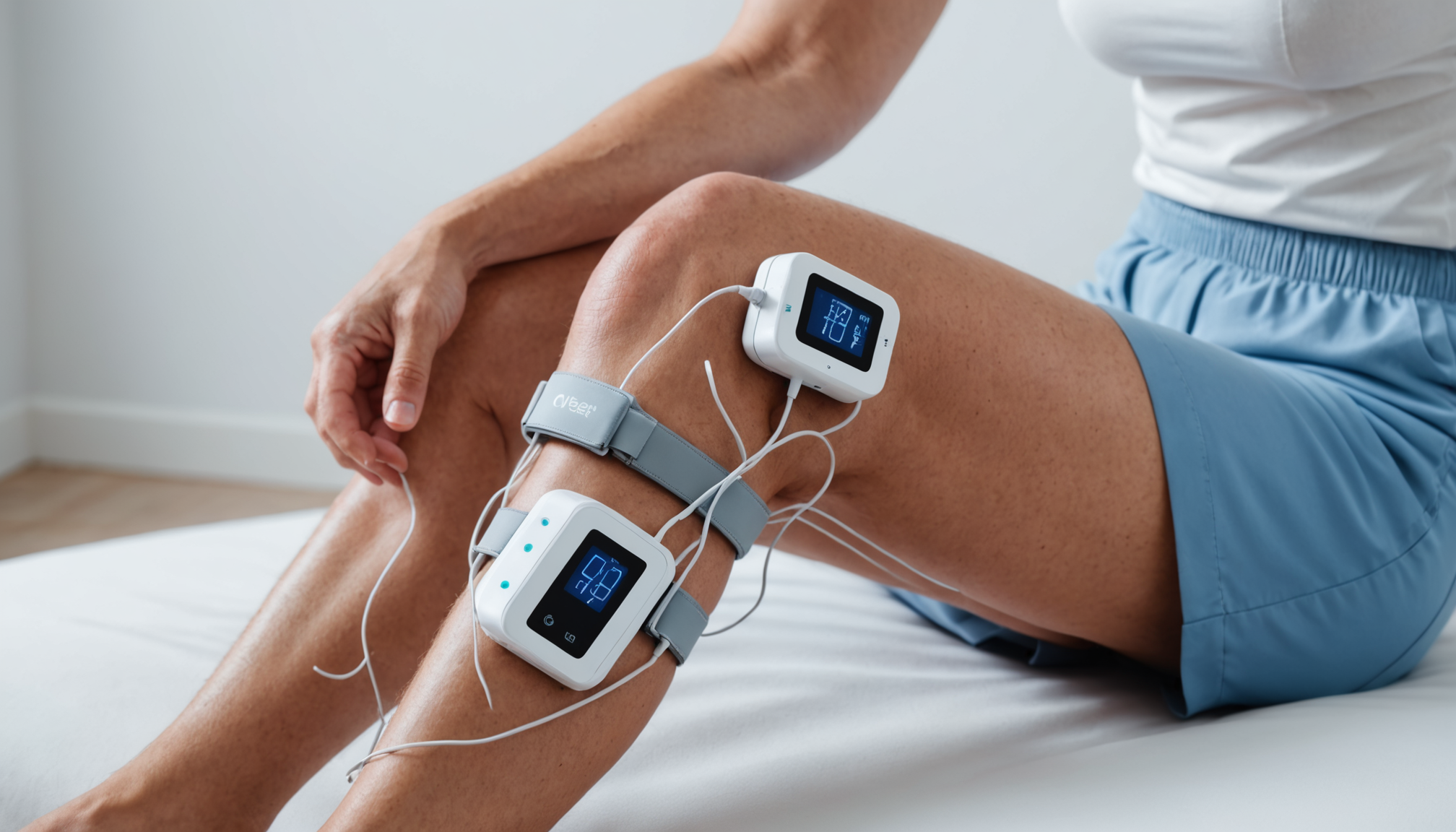
There are several types of electrotherapy treatments that can be utilized for pain relief, particularly for joint issues. Each method leverages electrical currents to achieve therapeutic effects that can significantly alleviate discomfort and enhance recovery. Below are some of the most commonly used forms of electrotherapy:
- Transcutaneous Electrical Nerve Stimulation (TENS): This non-invasive technique involves applying electrodes to the skin to deliver low-voltage electrical currents. TENS works by stimulating sensory nerves to interfere with pain transmission to the brain, effectively reducing the perception of pain. For those with chronic joint pain, TENS can be an effective on-demand tool to manage flares without medication.
- Electrical Muscle Stimulation (EMS): EMS focuses on stimulating muscle contractions through electrical impulses. This method can be particularly beneficial post-injury or surgery to prevent muscle atrophy and promote strength recovery. It’s also used in rehabilitation programs to aid in restoring functional movement and reducing pain associated with muscle tension.
- Interferential Current Therapy (IFC): This involves the simultaneous delivery of two medium-frequency electrical currents that intersect at the target area. The overlapping currents create a low-frequency stimulation effect that can penetrate deeper tissues, promoting circulation and reducing inflammation. IFC is often preferred for its ability to cover larger areas and provide relief from deep-seated joint pain.
- Microwave Therapy: This method uses high-frequency electromagnetic waves to produce heat in targeted tissues. The heat generated can aid in reducing stiffness and promoting increased blood flow, which is particularly useful for joint pain caused by conditions such as arthritis. Microwave therapy can enhance the effectiveness of traditional massage techniques and other treatment modalities.
- Phonophoresis: This technique combines ultrasound technology with medications applied to the skin, enhancing the absorption of the therapeutic agent. By using ultrasound waves, phonophoresis allows anti-inflammatory drugs or pain relief gels to penetrate deeper tissues, providing targeted relief where it’s most needed.
When exploring the use of these electrotherapy treatments, it’s essential to consider individual needs and circumstances. Factors such as the specific type of joint pain, medical history, and overall health will influence which electrotherapy methods are most suitable.
Here are some important considerations and practical advice for individuals looking to explore these electrotherapy treatments:
- Professional Guidance: Always consult with a healthcare provider or licensed therapist before beginning any electrotherapy treatment. They can help determine the best approach tailored to your specific condition and goals.
- Follow Protocol: Adhere strictly to recommended treatment protocols, including the duration and frequency of sessions. Each type of electrotherapy has its guidelines, and following them maximizes benefits while minimizing risks.
- Monitor Your Response: Pay attention to how your body responds during and after treatments. If you encounter unexpected pain or discomfort, communicate this with your practitioner to adjust your therapy accordingly.
- Incorporate Complementary Therapies: Consider combining electrotherapy with other treatments such as manual therapy, acupuncture, or physical therapy. This holistic approach can enhance overall effectiveness and improve outcomes for joint pain relief.
- Avoid Contraindications: Be aware of specific contraindications associated with electrotherapy, like certain pacemakers or pregnancy. Discuss any health concerns with your therapist to ensure a safe and effective treatment plan.
As research continues to evolve, the landscape of electrotherapy and its applications in joint pain relief expands. Staying informed about new advancements and therapeutic options can further empower individuals seeking effective solutions for their pain management needs.
Evidence and Efficacy
Emerging evidence regarding the efficacy of electrotherapy for joint pain relief indicates a promising landscape. Numerous studies and clinical trials have explored the use of various electrotherapy modalities, revealing their potential to provide substantial relief for individuals suffering from chronic joint issues, including conditions like osteoarthritis and rheumatoid arthritis.
A meta-analysis of randomized controlled trials has shown that TENS, in particular, can significantly reduce pain and improve functionality in patients with chronic joint pain. Patients using TENS reported not only lower pain scores but also increased mobility in activities of daily living. Similarly, electrical muscle stimulation (EMS) has been associated with enhanced muscle recovery and reduced pain following surgical interventions for joint problems. This suggests that EMS not only alleviates discomfort during recovery but may also facilitate quicker rehabilitation and return to normal activities.
Interferential current therapy (IFC) has generated noteworthy interest for its deep tissue penetration capabilities. Clinical studies have demonstrated that IFC can effectively manage deeper-seated joint pain, providing benefits comparable to conventional analgesic medications. Patients reported sustained pain relief and better joint function after undergoing IFC sessions, often requiring less pharmacological intervention for pain management.
The positive outcomes become even more pronounced when electrotherapy is combined with other treatment modalities. For instance, a study highlighted that patients receiving a combination of electrotherapy and physical therapy showed greater improvements in joint mobility and pain levels compared to those undergoing only one type of treatment. This underscores the collaborative potential of electrotherapy in comprehensive pain management strategies for joint pain relief.
The integration of electrotherapy within a multidisciplinary treatment plan has shown promising results, particularly in reducing pain and enhancing patient satisfaction.
While the evidence supporting electrotherapy continues to grow, it is essential to acknowledge the variability in individual responses. Factors such as patient age, severity of joint damage, treatment duration, and adherence to protocols can significantly impact the efficacy of electrotherapy treatments. Further rigorous research is necessary to fine-tune treatment parameters and solidify best practices for the application of electrotherapy in joint pain management.
Moreover, patient education plays a critical role in maximizing these benefits. Understanding how to use electrotherapy devices correctly, alongside the importance of consistency in treatment frequency, can empower patients in their pain relief journey. Ongoing follow-up with healthcare providers ensures that therapies can be adjusted as needed, optimizing outcomes over time.
In summary, the current landscape of research reveals a growing consensus on the potential benefits of electrotherapy for joint pain relief, highlighting its role as a valuable tool within a broader pain management framework. As investigations proceed, the hope is that future innovations will enhance the effectiveness and accessibility of these therapies, paving the way for improved quality of life for individuals with joint pain.
Safety and Side Effects
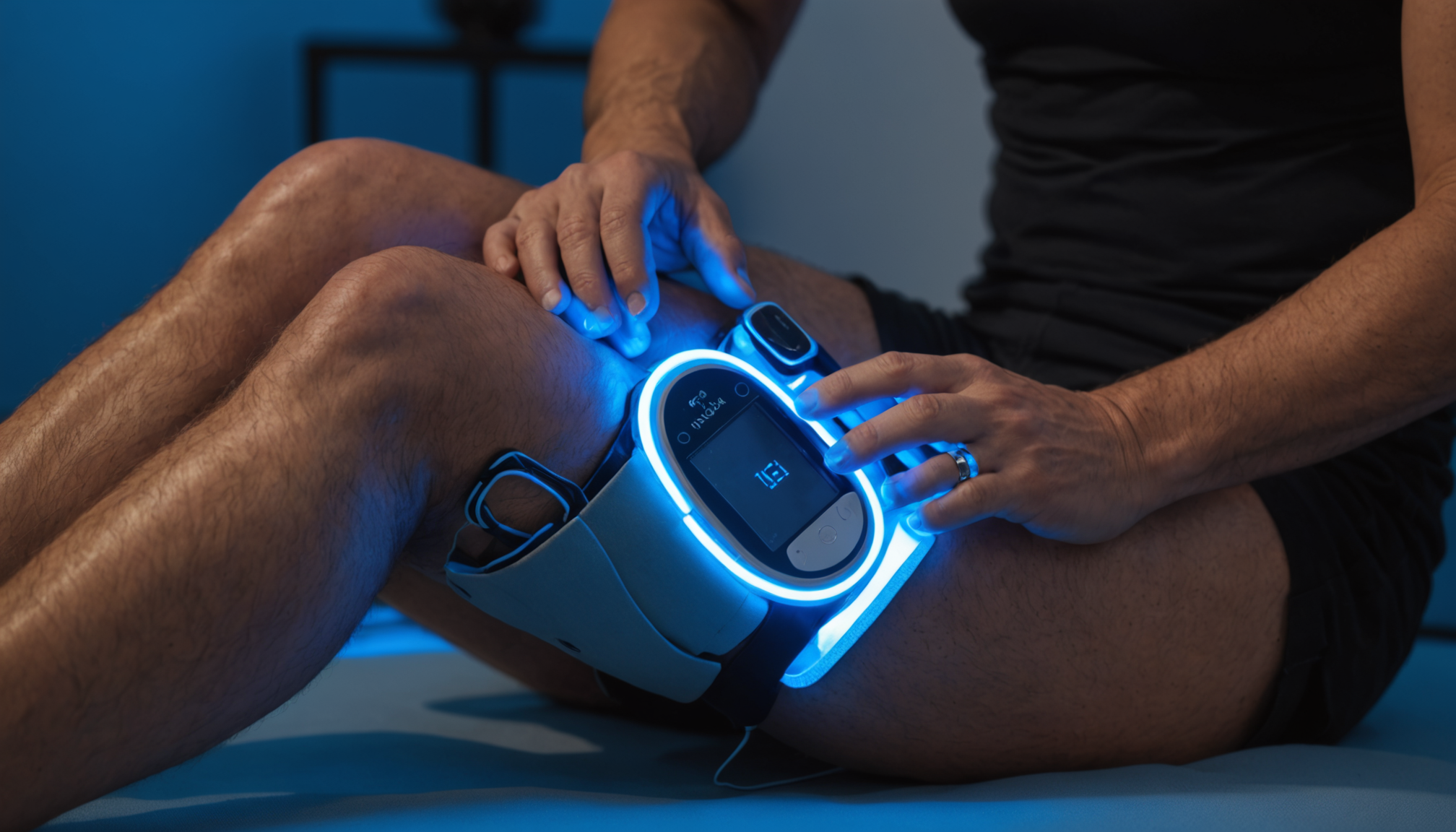 In considering the safety and side effects associated with electrotherapy, it’s essential to recognize that while this method can provide significant relief from joint pain, it is not without potential repercussions. Generally, electrotherapy is considered safe when administered correctly, particularly when overseen by a healthcare professional. However, individual experiences can vary, and some users may encounter mild side effects.
One of the most commonly reported side effects is skin irritation at the site of electrode placement. This can range from minor redness to allergic reactions depending on the individual’s skin sensitivity and the type of electrodes used. Ensuring proper electrode placement and maintaining skin integrity through cleanliness can help mitigate these issues.
Another aspect to be aware of is the sensation experienced during treatment. For instance, TENS often induces a tingling or pulsing sensation, which many find therapeutic. However, improper settings or an unusually high intensity may cause discomfort or muscle spasms. It’s vital for users to continuously monitor their comfort levels and adjust settings as needed. Patients should always communicate with their healthcare provider about how the treatment feels and whether any adjustments are necessary.
Electrotherapy also has specific contraindications that users should be aware of. For example, individuals with pacemakers or other implanted electronic devices may be advised against using electrotherapy due to the potential for interference. Pregnant women should also consult healthcare providers, as electrotherapy’s effects on fetal development are not well understood. Additionally, those with certain skin conditions or open wounds should avoid treatments that apply electrical currents directly to the affected areas.
Research into long-term effects is still developing, but current evidence suggests that when used responsibly, electrotherapy poses minimal risks. Nevertheless, staying informed about how different techniques work and their potential implications remains crucial. Patients are encouraged to engage in discussions about their electrotherapy treatment plans actively and advocate for any concerns they may have.
Exploring this intersection of pain management and technological intervention opens up a wealth of knowledge. Are you curious about the nuances of your electrotherapy treatment? How does it integrate with other aspects of your health management strategies? As you continue on your journey towards joint pain relief, arming yourself with information and seeking guidance can lead to a more pleasant and effective therapeutic experience.
- What is electrotherapy, and how does it work for joint pain relief?
- Electrotherapy involves using electrical currents to stimulate nerves and muscles, thereby alleviating pain and promoting healing in affected areas. It works by blocking pain signals, increasing blood circulation, and releasing natural pain-relieving chemicals in the body.
- Are there different types of electrotherapy treatments for joint pain?
- Yes, several types of electrotherapy treatments can be utilized for joint pain relief, including TENS, EMS, IFC, microwave therapy, and phonophoresis. Each method has its unique benefits and applications based on the specific needs and conditions of the patient.
- Is electrotherapy safe for everyone?
- While electrotherapy is generally safe, it may not be suitable for individuals with certain medical conditions, such as those with pacemakers or pregnancy. It’s essential to consult a healthcare provider to determine if electrotherapy is appropriate for your specific situation.
- What side effects can I expect from electrotherapy?
- Common side effects may include minor skin irritation at electrode sites or discomfort during treatment if the settings are too high. Most side effects are mild and can be managed by proper equipment use and communication with your healthcare provider.
- How often should I undergo electrotherapy treatments?
- The frequency of electrotherapy sessions can vary based on the individual’s condition and response to treatment. Many practitioners recommend starting with multiple sessions per week and adjusting as necessary to achieve optimal pain relief.
- Can I use electrotherapy devices at home?
- Yes, there are FDA-approved home electrotherapy devices available. However, it’s crucial to receive professional guidance on their use and ensure you follow the manufacturer’s instructions for safety and effectiveness.
- How can I maximize the benefits of electrotherapy for joint pain relief?
- Maximizing the benefits of electrotherapy involves consistent treatment, combining it with other therapies such as physical therapy, and maintaining open communication with your healthcare provider to ensure adjustments can be made as necessary.
Future Directions in Joint Pain Management
The future of joint pain management is likely to embrace a more integrative approach, combining traditional therapies with innovative techniques like electrotherapy. As research evolves and our understanding of pain mechanisms deepens, new applications and technologies will emerge, enhancing the effectiveness of pain relief strategies.
One exciting prospect in the field is the development of more sophisticated electrotherapy devices that offer customizable treatment options. For example, advancements in technology could lead to smart electrotherapy units that adapt their stimulation patterns in real-time based on feedback from users. This personalized approach ensures treatments are tailored not only to the type of pain but also to the individual’s response, potentially improving outcomes significantly.
Additionally, ongoing studies are expected to explore the synergy between electrotherapy and rehabilitation protocols. Integrating these treatment modalities could enhance recovery for athletes or individuals post-surgery, making the transition back to normal activities smoother and more efficient. Researchers are investigating how electrotherapy can complement physical therapy exercises, targeting specific muscle groups and joint areas to accelerate healing.
As the understanding of chronic pain continues to expand, the focus may shift toward addressing underlying conditions rather than just symptoms. Electrotherapy could play a role in this paradigm by assisting in the management of inflammation and promoting tissue regeneration, which are critical in chronic joint pain cases.
Furthermore, collaborations between healthcare providers, therapists, and technology developers are likely to generate new evidence-based protocols. This could involve training health professionals to use the latest electrotherapy techniques effectively or ensuring that patients are educated on their treatment options—empowering them to play an active role in their pain relief journey.
For individuals seeking relief from joint pain, staying informed about these developments is vital. Here are some suggestions to enhance your experience with electrotherapy:
- Engage in Continuous Learning: Keep up with the latest research and advancements in electrotherapy. Websites, webinars, or local workshops can provide valuable insights into this evolving field.
- Participate in Clinical Trials: If you are open to it, consider participating in clinical trials that explore new treatments involving electrotherapy. This not only contributes to science but may also provide you access to cutting-edge therapies.
- Advocate for Yourself: Discuss emerging technologies and treatment methods with your healthcare provider. Being proactive in your treatment plan ensures that you explore all viable options for joint pain relief.
- Network with Others: Engage with community groups or online forums where you can learn from others’ experiences with electrotherapy or joint pain management. Sharing information can offer new perspectives and coping strategies.
The shift towards a more comprehensive view of joint pain management indicates a promising future where individuals can benefit from a blend of technology and traditional healthcare practices. By actively exploring the use of electrotherapy while remaining engaged with emerging research and innovations, individuals can take significant steps toward alleviating their joint pain and enhancing overall wellness.
For a personalized session and free consult, Call me: +1 334-300-0389.
Find out how ARPWave Therapy can enhance your performace as an athlete and how you can achieve drug-free pain relief.