


Exploring bioelectromagnetics for chronic pain relief
Exploring bioelectromagnetics for chronic pain relief

For a personalized session and free consult, Call me: +1 334-300-0389.
Find out how ARPWave Therapy can enhance your performace as an athlete and how you can achieve drug-free pain relief.
- Exploring Bioelectromagnetics in Pain Management
- Mechanisms of Bioelectromagnetic Therapy
- Types of Bioelectromagnetic Devices
- Clinical Applications and Case Studies
- Challenges and Considerations
- Future Directions in Pain Relief Research
As we delve into the realm of bioelectromagnetics for chronic pain relief, it’s essential to understand how this innovative approach can be seamlessly integrated into existing therapeutic practices, particularly massage therapy. Incorporating bioelectromagnetic modalities can enhance the overall effectiveness of massage and provide clients with a more comprehensive pain management solution.
For those seeking pain relief, it is crucial to be aware of how bioelectromagnetic fields (BEMFs) can interact positively with the body’s natural healing processes. Massage therapy on its own can help reduce muscle tension, stimulate circulation, and enhance relaxation, but combining it with bioelectromagnetic devices may lead to improved outcomes, particularly in managing chronic pain conditions.
Here are some practical suggestions for integrating bioelectromagnetic therapy into your massage practices:
- Research Reliable Devices: Invest in reputable bioelectromagnetic devices that have undergone clinical studies. Devices such as PEMF (Pulsed Electromagnetic Field) therapy systems can be particularly effective. Ensure the device is FDA-approved and has credible testimonials or research backing its effectiveness.
- Client Consultation: Always conduct a thorough consultation with clients before starting treatment. Discuss their health history, pain levels, and any contraindications with electromagnetic fields. This consideration ensures personalized care and safety.
- Session Integration: Consider incorporating bioelectromagnetic therapy during massage sessions. For instance, you can apply a PEMF device while performing deep tissue work on tense muscles. This simultaneous application can facilitate quicker muscle relaxation and pain relief.
- Educate Clients: Provide clients with information about how bioelectromagnetics function and the benefits they can expect. Educated clients are more likely to engage in their treatment plan and adhere to recommended sessions.
- Monitor Progress: Keep track of your clients’ responses to the integration of bioelectromagnetic therapy. Regularly review their pain levels and any changes. This data will help you refine your approach and demonstrate the efficacy of combining therapies.
In addition to hands-on techniques, the environment in which the therapy is conducted can enhance the overall experience. Ensure the treatment space is calming and free from distractions, employing soft lighting and soothing music. Consider using bioelectromagnetic devices in a manner that promotes relaxation, such as placing them on specific areas of tension while engaging in other manual therapy techniques.
Lastly, it’s worth noting that individuals, such as corporate executives experiencing stress or pregnant women dealing with discomfort, may benefit significantly from this dual approach. Tailoring sessions to their unique needs, including gentle touch and bioelectromagnetic support, can create a more holistic and satisfying experience, thus fostering greater overall well-being.
Mechanisms of Bioelectromagnetic Therapy
The therapeutic mechanisms of bioelectromagnetics involve complex interactions between electromagnetic fields and biological tissues. Bioelectromagnetic therapy primarily focuses on utilizing pulsed electromagnetic fields (PEMF), electromagnetic fields (EMF), or other electrical stimulation techniques to promote healing and pain relief. These mechanisms can be broadly categorized into several physiological responses that significantly contribute to the management of chronic pain.
One key mechanism is the modulation of pain perception through the while also facilitating cellular repair processes. Studies suggest that bioelectromagnetic fields can influence ion channels within cell membranes, leading to altered nerve excitability and pain signal transmission. This modulation may result in decreased pain perception and improved tolerance to discomfort, which is particularly beneficial for individuals suffering from chronic pain syndromes.
Another significant mechanism involves the enhancement of blood circulation and lymphatic flow. Bioelectromagnetic therapies have been shown to stimulate vasodilation, the widening of blood vessels, which subsequently increases blood flow to affected areas. Enhanced circulation helps deliver essential nutrients and oxygen to tissues, promoting healing and reducing inflammation. This effect is crucial in managing chronic pain conditions characterized by tissue hypoxia or inflammation.
Moreover, bioelectromagnetic therapy may influence the release of neurotransmitters and hormones that play critical roles in pain regulation. For instance, the application of specific frequencies may encourage the release of endorphins, the body’s natural painkillers, thereby contributing to pain relief. This biochemical response not only impacts pain perception but can also lead to improvements in mood and overall well-being, creating a more positive feedback loop for chronic pain patients.
The table below summarizes various mechanisms of bioelectromagnetic therapy and their implications for pain management:
| Mechanism | Description | Implications for Chronic Pain Relief |
|---|---|---|
| Pain Modulation | Influences nerve excitability and alters pain signal transmission. | Decreased pain perception and improved pain tolerance. |
| Enhanced Circulation | Stimulates vasodilation, increasing blood and oxygen flow to tissues. | Promotes healing of tissues and reduces inflammation. |
| Neurotransmitter Release | Encourages the release of endorphins and other regulatory hormones. | Natural pain relief and potential improvement in mood. |
| Cellular Repair | Stimulates cellular activities and regeneration processes. | Accelerates tissue healing and reduces chronic pain symptoms. |
In addition to these physiological effects, bioelectromagnetic therapy can serve as a complementary approach alongside other therapeutic modalities. For example, when combined with traditional physical therapy or pharmacological interventions, bioelectromagnetics can enhance treatment efficacy by addressing multiple facets of the pain experience. This integrative strategy is particularly valuable in chronic pain conditions where multifactorial treatments often yield the best outcomes.
Ultimately, the mechanisms underpinning bioelectromagnetic therapy offer exciting potential for addressing chronic pain. By tapping into the body’s intrinsic healing processes, this innovative approach can enhance traditional pain management strategies and improve patient outcomes, paving the way for a more comprehensive understanding of pain relief options.
Types of Bioelectromagnetic Devices
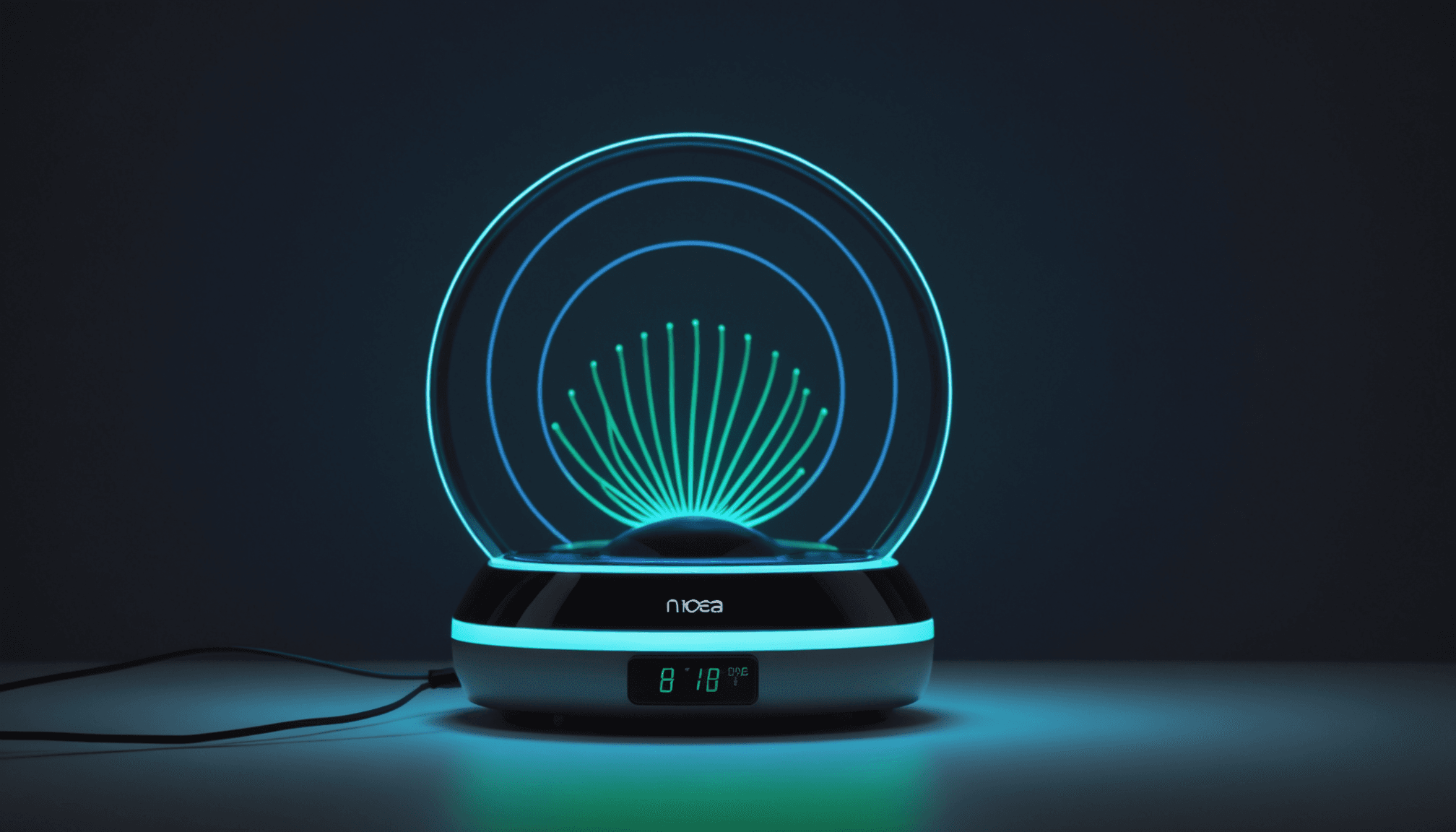
There are several types of bioelectromagnetic devices that can be effectively utilized in pain management and massage therapy. Each device has its specific applications and advantages, making it essential for practitioners and clients to choose the right one based on their individual needs and circumstances.
- Pulsed Electromagnetic Field (PEMF) Devices: These devices send low-frequency electromagnetic waves into the body. They are designed to enhance blood flow, reduce inflammation, and promote cellular repair. PEMF therapy has shown promise in relieving chronic pain by stimulating the body’s natural healing processes. Clients experiencing conditions such as arthritis or fibromyalgia may benefit from treatments using PEMF devices. It is advisable to discuss the duration and intensity of treatment sessions to ensure optimal results.
- Transcutaneous Electrical Nerve Stimulation (TENS): TENS units deliver electrical impulses through the skin to modulate pain perception. These devices are often portable and can be used at home, making them a convenient option for individuals managing chronic pain. However, practitioners should guide clients on proper usage, including electrode placement and session duration, to maximize their effectiveness.
- Magnetic Field Therapy Devices: These devices utilize static or dynamic magnetic fields, which can aid in pain relief and inflammation reduction. Magnetic field therapy may work by enhancing blood circulation and reducing nerve pain. When utilizing these devices, it’s crucial to monitor client feedback closely and adjust settings according to their comfort and response.
- Infrared and Laser Therapy Devices: While not traditional bioelectromagnetic devices, infrared and laser therapies utilize light frequencies that can penetrate deep into the tissue, promoting healing and pain relief. These therapies can be effective for muscle strain or joint pain, offering a non-invasive way to support tissue recovery. Practitioners should educate clients about possible sensations, such as warmth, to ensure their comfort during treatment.
- Combination Units: Some advanced devices uniquely combine PEMF and TENS therapies, allowing for a multifaceted approach to pain relief. These combination units can provide enhanced therapeutic benefits and should be used under the guidance of a qualified professional to tailor treatments accurately.
When selecting a bioelectromagnetic device, clients should consider the following factors:
- Consultation with a Healthcare Provider: Always consult with a healthcare professional to ensure that the chosen device is appropriate for your specific pain condition. This step is especially important for individuals with underlying health issues or those who are pregnant.
- Device Credibility and Research: Check for clinical research or reviews to ensure the effectiveness and safety of the device. Look for certifications and patents that confirm the manufacturer’s credibility.
- Personal Comfort: Clients should assess how the device feels during use. They should not experience discomfort or pain during therapy sessions. Comfort can significantly impact adherence to treatment.
- Ease of Use: Select devices that are user-friendly, particularly for home use. Complexity can deter ongoing use, which is crucial in pain management.
Integrating these devices into massage therapy routines enhances the potential for chronic pain relief. Practitioners should continue to explore these modalities and stay informed about new technologies and treatment protocols. By doing so, they can ensure the delivery of effective, tailored treatments that meet the unique needs of each client.
Clinical Applications and Case Studies
Clinical applications of bioelectromagnetics in pain management have seen significant developments that illustrate its potential in treating various conditions. Numerous studies and case reports highlight the effectiveness of different bioelectromagnetic therapies, showcasing diverse outcomes for patients suffering from chronic pain.
One notable application is the use of Pulsed Electromagnetic Field (PEMF) therapy in treating arthritis. For instance, a clinical trial involving patients with osteoarthritis demonstrated substantial reductions in pain levels and improvements in functionality after regular PEMF sessions. Participants reported decreased stiffness and enhanced mobility, suggesting that this form of bioelectromagnetic therapy could pave the way for non-invasive treatment options that rival traditional pain management methods. These findings reinforce the need for healthcare providers to consider incorporating PEMF into their treatment arsenal.
Another compelling case study involved individuals with fibromyalgia, a condition characterized by widespread pain and fatigue. Participants engaged in a structured bioelectromagnetic therapy regimen that utilized TENS units alongside conventional care. Results reported were promising, with many individuals experiencing significant pain relief and improved quality of life. Clinicians noted improved sleep patterns and mood stability in conjunction with the physical alleviation of symptoms, implying a multifaceted benefit from bioelectromagnetic intervention.
Additionally, bioelectromagnetics has shown effectiveness in postoperative pain management. Patients recovering from surgery often face challenges with pain control, leading to extended recovery times and increased reliance on opioids. In a controlled study, a group of surgical patients received magnetic field therapy post-operation. The results indicated a marked reduction in pain levels and lower opioid consumption compared to a control group that received standard care. This evidence highlights the capacity of bioelectromagnetic therapy to not only assist in immediate pain relief but also contribute to the reduction of harmful medication dependency.
“The future of pain management may depend on innovative approaches like bioelectromagnetics, which offer safe, non-invasive alternatives to traditional therapies.”
Chronic back pain, another severe condition, has also benefited from bioelectromagnetic treatments. In a comprehensive review, multiple studies examined the results of magnetic field therapy on patients suffering from chronic lower back pain. Findings demonstrated that regular exposure led to greater pain reduction and better mobility over time. Users reported a return to daily activities sooner, positively impacting their overall well-being and psychological health.
Patients diagnosed with neuropathic pain have also experienced significant improvements from bioelectromagnetic therapies. A case study involving patients with diabetic neuropathy highlighted that incorporating electrical stimulation devices into their treatment plans resulted in lower pain severity and improved sensory function. These positive outcomes encourage further exploration into how bioelectromagnetics can be tailored specifically to address complex pain disorders.
However, the application of bioelectromagnetic therapies is not without challenges, including variability in treatment protocols and patient responses. Addressing these obstacles requires ongoing research to establish standardized practices and optimize treatment protocols effectively. As findings continue to emerge, the evidence for using bioelectromagnetics in chronic pain relief builds, encouraging practitioners to innovate and expand their therapeutic approaches for enhanced patient outcomes.
Challenges and Considerations
 As practitioners and researchers delve deeper into the complexities of bioelectromagnetics for chronic pain relief, several challenges become apparent. One significant consideration is the variability in individual responses to bioelectromagnetic therapy. The nuances of human physiology imply that what works effectively for one person might not yield the same results for another. Personalizing treatment approaches based on thorough client assessments and ongoing feedback is crucial. Customizing therapy ensures that the emotional and physiological needs of clients are met, optimizing the chances for successful outcomes.
Moreover, there exists a need for further validation through rigorous scientific studies. While preliminary evidence suggests promising results, many bioelectromagnetic therapies lack extensive clinical trials that unequivocally establish their efficacy and safety. Comprehensive research will not only help in understanding the mechanisms behind these therapies but also assist in developing standardized treatment protocols that practitioners can confidently implement.
Another challenge involves the technological disparities among bioelectromagnetic devices. The market has seen an influx of various machines and equipment, each with different claims and specifications. Ensuring that practitioners select devices backed by credible research is imperative. Raising awareness regarding the quality of these devices can significantly impact the reliability of treatment outcomes.
Ethical considerations also come into play, as it’s essential for practitioners to inform clients about potential risks and benefits associated with bioelectromagnetic therapies. Practicing transparency fosters trust and allows for informed consent, thus creating a collaborative therapeutic environment.
Furthermore, there can be limitations around accessibility and affordability. Not all clients may have immediate access to advanced bioelectromagnetic therapy technologies, which can impact treatment continuity. Addressing these disparities requires innovative approaches to ensure that these promising therapies are available and accessible to a broader population.
Lastly, integrating bioelectromagnetics into traditional therapeutic frameworks poses its own set of challenges. Training practitioners to effectively utilize bioelectromagnetic devices alongside existing modalities requires specialized knowledge. Continuous education and resources will empower healthcare providers to confidently offer these therapies and expand their practice.
Taking all these challenges into consideration provokes a deeper inquiry into how we can refine and enhance bioelectromagnetic therapies for chronic pain relief. The ongoing exploration into this field not only represents a pathway for innovative pain management strategies but also invites practitioners and clients alike to remain engaged in the search for optimal healing solutions that resonate with their unique experiences.
- What is bioelectromagnetics?
- Bioelectromagnetics is the study of how electromagnetic fields interact with biological systems. It encompasses various therapies that use electricity or magnetic fields to promote healing and relieve pain.
- How does bioelectromagnetic therapy relieve chronic pain?
- This therapy can modulate pain perception, enhance blood circulation, and stimulate cellular repair processes, leading to reduced inflammation and pain perception over time.
- Who can benefit from bioelectromagnetic therapies?
- People suffering from chronic pain conditions such as arthritis, fibromyalgia, neuropathic pain, or sports injuries may find these therapies particularly helpful, as they can enhance healing and pain relief.
- Are there any side effects associated with bioelectromagnetic therapy?
- Most bioelectromagnetic therapies are well-tolerated, but some individuals may experience minor side effects such as localized warmth or discomfort. Consulting with a healthcare provider can mitigate these concerns.
- How can bioelectromagnetics be integrated into massage therapy?
- Practitioners can incorporate bioelectromagnetic devices during massage sessions to enhance muscle relaxation and pain relief, creating a holistic treatment experience tailored to the client’s needs.
- Is bioelectromagnetic therapy FDA-approved?
- Many bioelectromagnetic devices have received FDA clearance or approval, particularly those categorized as medical devices. It’s crucial to research specific devices to confirm their regulatory status.
- What should I consider before starting bioelectromagnetic therapy?
- Before beginning treatment, consult with a healthcare provider to assess your specific condition, discuss contraindications, and explore the best device options suitable for your pain management needs.
Future Directions in Pain Relief Research
As we continue to advance in the field of chronic pain relief, exciting possibilities are emerging that integrate traditional massage therapy with cutting-edge bioelectromagnetic modalities. The future direction of pain relief research is not only focused on enhancing existing therapies but also on understanding how to best incorporate new technologies to create more effective treatment options.
Individuals seeking pain relief should take note of the growing trend in personalized therapy approaches. Integrating massage therapy with bioelectromagnetic treatments presents an opportunity to tailor pain management strategies specifically to the unique needs of each client. As more studies investigate this integrative method, practitioners can refine their techniques to achieve optimal results.
- Encouraging Collaborative Research: Collaboration between researchers and practitioners in both massage and bioelectromagnetic fields is essential. By sharing successful case studies and ongoing research, both fields can benefit from new insights and treatment strategies that may enhance chronic pain management.
- Innovation in Device Development: As technology advances, the demand for more effective bioelectromagnetic devices is likely to increase. Practitioners should keep abreast of emerging technologies, which can provide new ways to improve client outcomes. Attending workshops and training sessions on new devices can be beneficial.
- Focus on Evidence-Based Practices: It is crucial to conduct and evaluate clinical trials to establish the safety and efficacy of combined therapies. Practitioners should remain committed to utilizing evidence-based practices to validate their treatment options, thereby increasing client trust and compliance.
- Education and Empowerment: Educating clients on the potential benefits of using bioelectromagnetic therapies alongside traditional massage techniques will empower them to take an active role in their pain management. By offering resources and support, clients may feel more confident in their treatment choices.
- Expanding Accessibility: Addressing the barriers to access for bioelectromagnetic therapies is critical. Practitioners should consider ways to enhance the availability of these combinations in various therapeutic settings, potentially including mobile therapy practices.
Moreover, embracing the future requires remaining open to new ideas and approaches within the realm of pain relief. Engaging with clients about their experiences and preferences will pave the way for individualized care that resonates deeply with their healing journeys.
As we look ahead, the integration of bioelectromagnetics into pain relief paradigms offers profound potential for enhancing wellness and reducing discomfort. By exploring these innovative modalities, practitioners can ensure they provide their clients with comprehensive and advanced treatment options, ultimately advancing the field of chronic pain therapy.
For a personalized session and free consult, Call me: +1 334-300-0389.
Find out how ARPWave Therapy can enhance your performace as an athlete and how you can achieve drug-free pain relief.