For a personalized session and free consult, Call me: +1 334-300-0389.
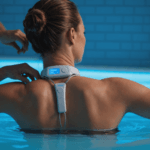
Find out how ARPWave Therapy can enhance your performace as an athlete and how you can achieve drug-free pain relief.
- The impact of neuroplasticity on therapeutic interventions
- Mechanisms of electrotherapy
- Neuroplasticity and its role in recovery
- Clinical applications of electrotherapy
- Factors influencing neuroplastic changes
- Future directions in neurotherapy and electrotherapy
Massage therapy can play a significant role in enhancing therapeutic interventions by harnessing the principles of neuroplasticity. This concept refers to the brain’s ability to reorganize itself by forming new neural connections throughout life, which is particularly beneficial for individuals seeking pain relief, recovery from injuries, or stress management.
For those experiencing chronic pain or recovering from injuries, incorporating neuroplasticity principles into one’s massage therapy regimen can improve outcomes. Here are some practical tips:
- Regular Sessions: Schedule consistent massage therapy sessions to reinforce the brain’s new pathways. This fosters ongoing improvement in body awareness and relaxation techniques.
- Mindful Techniques: Encourage practitioners to integrate mindfulness into sessions. Being aware of bodily sensations during massage can aid in reinforcing neural connections related to relaxation and pain management.
- Targeted Approaches: Discuss specific areas of discomfort with the therapist, enabling them to tailor treatments that not only address the physical tension but also the emotional and neurological aspects of pain.
For athletes, understanding the impact of neuroplasticity can further enhance performance and recovery. Engaging in massages that promote relaxation and muscle recovery can lead to better muscle memory and adaptability. Recommendations include:
- Pre-Event Massages: Consider a lighter massage before competitions to enhance muscle readiness and neural responsiveness.
- Post-Event Recovery: Opt for deeper pressure techniques post-competition to assist in muscle recovery and initiate neuroplastic changes promoting better resilience.
- Cross-Training: Utilize different massage techniques or modalities, like deep tissue or sports massage, to encourage varied stimuli, fostering adaptive responses in the neuromuscular system.
For corporate executives looking to relieve stress, massage therapy aimed at enhancing neuroplasticity can lead to profound relaxation and improved mental clarity. Suggestions to maximize benefits include:
- Short Breaks: Encourage taking short massage breaks throughout the workday to reset the mind and body, alleviating stress and promoting focus.
- Workstation Setup: Advocate for ergonomic assessments and adjustments to facilitate proper posture, which can help in reducing tension and enhancing neural integration between body and mind.
- Breathing Exercises: Combine massage with breathing techniques during sessions to maximize relaxation and support neuroplastic changes associated with calmness and stress relief.
Pregnant women can also benefit greatly from understanding the role of neuroplasticity during their pre-natal and post-natal care. Gentle massage therapy can address common discomforts while promoting emotional well-being. Important considerations include:
- Consultation with Healthcare Providers: Always consult with a healthcare professional before starting any new massage therapies during pregnancy to ensure safety for both mother and baby.
- Specialized Techniques: Seek therapists trained in prenatal massage to ensure that the techniques used foster comfort and adaptability during this transformative time.
- Stress Reduction: Utilize massage as a way to connect with the body, lessen anxiety, and facilitate neuroplastic changes that support a positive mindset during pregnancy.
By strategically utilizing massage therapy in conjunction with neuroplasticity principles, individuals across various backgrounds can experience enhanced therapeutic outcomes. This holistic approach not only addresses immediate concerns but also lays the groundwork for long-term improvements in physical and emotional well-being.
Mechanisms of electrotherapy
Electrotherapy employs a variety of mechanisms to promote therapeutic outcomes, primarily through electrical stimulation of nerves and muscles. The direct delivery of electrical impulses can facilitate physiological responses in various tissues, leading to significant improvements in pain relief, muscle recovery, and overall functional ability. There are several key mechanisms through which electrotherapy operates.
One prominent mechanism is the modulation of pain by acting on the peripheral and central nervous systems. When electrical currents are applied to the skin or underlying tissues, they can stimulate sensory receptors and potentially inhibit pain transmission pathways. This is often referred to as the “gate control theory,” which posits that non-painful stimuli can close the neurological gates to painful input, thereby reducing the perception of pain. A variety of electrotherapy modalities, such as TENS (Transcutaneous Electrical Nerve Stimulation), utilize this principle effectively.
Additionally, electrotherapy can induce muscle contractions and enhance neuromuscular function through electrically induced action potentials. This can be beneficial not only for muscle strengthening but also for facilitating movements in patients who may have experienced neurological deficits, such as stroke victims. By promoting muscle recruitment, electrotherapy aids in maintaining muscle mass and endurance, which are critical for rehabilitation.
Another mechanism involves the promotion of circulation in treated areas. Electrical stimulation increases blood flow by inducing vasodilation through the release of nitric oxide, a vasodilatory agent. Enhanced circulation can accelerate the healing process by ensuring that nutrients and oxygen are delivered to damaged tissues while simultaneously aiding in the removal of metabolic waste products. This aspect is particularly important in post-surgical recovery and in the treatment of chronic wounds.
The following table outlines the different electrotherapy techniques, their mechanisms, and their clinical applications:
| Electrotherapy Technique | Mechanism | Clinical Applications |
|---|---|---|
| TENS | Modulates pain through sensory nerve stimulation | Chronic pain management, acute injury |
| Neuromuscular Electrical Stimulation (NMES) | Stimulates muscle contractions to enhance strength | Muscle atrophy prevention, functional rehabilitation |
| Interferential Current Therapy (IFC) | Penetrates deeper tissues while reducing traumatic pain sensation | Chronic pain, tissue healing |
| Galvanic Stimulation | Promotes tissue healing through electrical current | Wound healing, inflammation reduction |
Electrotherapy not only provides immediate relief and support during the recovery process but also enhances neuroplastic changes. As neuroplasticity is the brain’s ability to adapt and reorganize itself, the positive outcomes from electrotherapy can have a lasting impact. By reinforcing new pathways associated with movement and pain modulation, electrotherapy complements conventional rehabilitation techniques effectively.
Furthermore, advancements in technology are expanding the potential for electrotherapy applications. New devices, such as wearable electrotherapy units, are allowing patients to manage their conditions more independently at home. These innovations promise to further leverage the principles of neuroplasticity and improve patient adherence and outcomes in therapeutic regimens. Overall, the mechanisms of electrotherapy are multifaceted, underscoring its essential role in enhancing recovery and promoting optimal treatment outcomes.
Neuroplasticity and its role in recovery
Neuroplasticity plays a crucial role in the recovery process for individuals experiencing various conditions. When the brain and nervous system regain their capacity for change and adaptation, it opens the door for enhanced healing and improved outcomes. Massage therapy, when combined with an understanding of neuroplasticity, can significantly impact this journey to recovery.
To facilitate neuroplastic changes that support recovery, it is essential to engage in consistent, targeted massage therapy sessions. Massage not only helps in reducing muscle tension but also stimulates the nervous system, promoting better communication between the brain and the body. Here are some actionable strategies to optimize the role of neuroplasticity in recovery:
- Personalized Treatment Plans: Collaborate with a skilled massage therapist to develop a tailored treatment plan that targets specific areas of pain or discomfort. Individualized approaches enhance the therapeutic process and can lead to more effective outcomes.
- Focus on Sensory Awareness: Encourage clients to pay attention to how their body feels during and after massage. This heightened awareness can strengthen neural pathways associated with relaxation and pain relief.
- Incorporate Movement: Combine massage therapy with guided movement or stretching exercises. This integration can further promote neuroplasticity by encouraging new motor patterns and improving overall mobility.
- Utilize Progressive Techniques: Consider incorporating techniques such as myofascial release or trigger point therapy, which can address deeper layers of muscle tension and improve the overall effectiveness of the massage.
In the context of recovery from injury or surgeries, it’s important to integrate massage therapy with conventional rehabilitation approaches. Therapists can work alongside physical therapy to create a comprehensive plan that maximizes both manual therapies and neuromuscular re-education. When both therapies are synergistically combined, individuals can experience enhanced outcomes:
- Post-Surgery Recovery: Gentle massage on surrounding areas can help in reducing swelling and pain while promoting circulation to healing tissues, thereby supporting neuroplastic changes in the recovery process.
- Chronic Pain Management: For those with chronic pain conditions, consistent massage therapy can reinforce positive neuroplastic changes, gradually decreasing pain perception and improving function.
- Emotional Support: Massage also promotes the release of endorphins and other neurotransmitters that can enhance mood and reduce anxiety, which are instrumental in fostering a healing environment for neuroplasticity.
Furthermore, it’s vital that individuals seeking recovery engage with their massage therapists, providing feedback and discussing sensations experienced during their sessions. This communication can help therapists adjust their techniques to better facilitate desired outcomes, thereby reinforcing the relationship between neuroplasticity and recovery.
Ultimately, understanding and appreciating the role of neuroplasticity in recovery can significantly influence how individuals approach their wellness journeys. By integrating massage therapy with strategies that promote neuroplastic change, clients can optimize their recovery processes and achieve lasting benefits.
Clinical applications of electrotherapy
Electrotherapy has established a prominent position within clinical practice due to its diverse applications in treating various conditions, including musculoskeletal disorders, neurological illnesses, and post-surgical rehabilitation. This therapeutic intervention leverages the principles of neuroplasticity, allowing patients to experience improved function and enhanced outcomes over time.
One of the most significant clinical applications of electrotherapy is its use in managing chronic pain. Modalities such as Transcutaneous Electrical Nerve Stimulation (TENS) deliver low-frequency electrical impulses that stimulate sensory nerves, effectively modulating pain signals before they reach the brain. This intervention has shown success in decreasing pain perception, leading to a better quality of life. Enhancing the brain’s capacity to reinforce neural pathways related to pain control can significantly reduce patients’ reliance on medications while simultaneously promoting functional independence.
In the realm of rehabilitation, electrotherapy is invaluable for individuals recovering from injuries or surgeries. Techniques like Neuromuscular Electrical Stimulation (NMES) are employed to facilitate muscle contractions, which can enhance strength and restore motor function in patients with muscle atrophy or neural deficits. By activating muscle fibers that may not respond effectively due to injury or illness, electrotherapy supports neuromuscular re-education and contributes to the neuroplastic changes required for recovery.
Electrotherapy also plays a vital role in the treatment of neurological conditions, such as stroke. As neuroplasticity allows the brain to rearrange its connections and functions, electrotherapy can assist in the recovery of lost motor skills. Using electrical stimulation in conjunction with traditional physical therapy can lead to an accelerated return of voluntary movement in affected limbs, reinforcing the neural networks involved in movement and coordination.
Furthermore, ongoing studies suggest that electrotherapy can improve circulation and promote tissue healing by increasing blood flow through vasodilation. Improved blood supply to damaged areas accelerates the delivery of nutrients and oxygen, vital for healing. In clinical settings, this mechanism is particularly beneficial for wound healing, including diabetic and pressure ulcers, where enhanced vascular supply can reduce healing time significantly.
“The brain’s ability to reorganize itself through neuroplasticity can allow new strategies for pain management and recovery.”
In pediatric populations, electrotherapy can support the development of motor skills in children with developmental delays or neurological impairments. Early intervention can harness neuroplasticity during critical development phases, allowing for improved outcomes and better integration of motor functions. Protocols using electrotherapy in this group have been shown to yield positive changes in both physical abilities and overall developmental progress.
While the benefits are compelling, the effectiveness of electrotherapy can be influenced by multiple factors, including the specific technique employed, duration and intensity of treatment, and individual patient characteristics. Tailoring treatment regimens to meet unique patient needs is crucial for optimizing outcomes in clinical practice.
Through these various applications, electrotherapy not only enhances immediate therapeutic interventions but also lays the groundwork for long-term neuroplastic benefits, facilitating a holistic approach to patient recovery and rehabilitation across differing clinical contexts.
Factors influencing neuroplastic changes
Neuroplastic changes are influenced by a range of factors, emphasizing the dynamic interplay between the brain, nervous system, and therapeutic interventions. One significant element is the intensity and frequency of treatment. Studies indicate that consistent and adequately intense stimulation can foster stronger neural adaptations. For electrotherapy, this means adjusting parameters such as frequency, duration, and waveform to optimize outcomes. Therapists can tailor regenerative treatments based on the specific needs of the patient, ensuring that neuroplastic responses are both effective and relevant to their recovery journey.
Another crucial factor is the timing of interventions. When electrotherapy or massage therapy follows injury or surgery, the immediate neuroplastic responses may be heightened. Early applications can harness the brain’s natural mechanisms for healing, potentially improving the patient’s recovery trajectory. Individual differences, such as age, overall health, and neurological conditions, also play a critical role in influencing how effectively neuroplastic changes can occur.
Patient motivation and engagement are additional factors worthy of consideration. The active participation of patients in their recovery fosters an environment conducive to neuroplastic changes. Approaches that include education about the healing process, goal-setting, and self-management techniques empower individuals, enhancing their commitment to therapy and reinforcing new neural pathways. Integrating mindfulness and cognitive-behavioral strategies may further stimulate neuroplasticity, promoting not only physical recovery but also emotional resilience.
Moreover, lifestyle factors—such as nutrition, sleep, and physical activity—can greatly impact neuroplastic outcomes. Proper nutrition supports brain health by providing essential nutrients that assist in the formation of new neural connections. Similarly, quality sleep is crucial for memory consolidation and recovery after therapeutic sessions, while regular physical activity is known to stimulate neurogenesis, adding another layer of enhancement to the neuroplastic landscape.
Harnessing these factors effectively can maximize this phenomenon, leading to improved therapeutic results. Thoughtful integration of various therapeutic modalities, when framed by an understanding of neuroplasticity, yields the potential for profound transformations in patient care and treatment outcomes.
- What is neuroplasticity?
- Neuroplasticity is the brain’s ability to reorganize itself by forming new neural connections throughout life. It’s crucial for learning, memory, and recovery from injuries as it allows the brain to adapt to new experiences and challenges.
- How does electrotherapy promote neuroplasticity?
- Electrotherapy promotes neuroplasticity by stimulating nerves and muscles, which can enhance the brain’s reorganization capabilities. By delivering electrical impulses, it can assist in pain modulation and muscle activation, fostering neural adaptations essential for recovery.
- What factors influence neuroplastic changes?
- Factors influencing neuroplastic changes include the intensity and frequency of therapeutic interventions, timing relative to injury, individual patient characteristics, motivation, lifestyle factors, and active engagement in treatment processes.
- Can neuroplasticity help with chronic pain management?
- Yes, neuroplasticity can play a significant role in chronic pain management by reshaping how the brain processes pain signals. Therapeutic interventions that promote neuroplasticity can lead to long-term changes in pain perception, potentially reducing reliance on medications.
- How does massage therapy support neuroplasticity?
- Massage therapy supports neuroplasticity by reducing muscle tension and enhancing sensory awareness, which can reinforce new neural pathways. Tailored massage interventions can also aid emotional well-being, crucial for fostering a healing environment.
- Is it possible to train neuroplasticity through specific activities?
- Absolutely, engaging in targeted activities, such as physical exercise, cognitive challenges, and mindfulness practices, can train and enhance neuroplasticity. These activities stimulate brain activity and promote the formation of new neural connections.
- What role do lifestyle factors play in neuroplasticity?
- Lifestyle factors like nutrition, sleep, and physical activity significantly influence neuroplasticity. Adequate nutrition fuels brain health, proper sleep supports recovery and memory consolidation, while regular physical activity promotes the growth of new neurons.
Future directions in neurotherapy and electrotherapy
As the field of neurotherapy and electrotherapy continues to evolve, innovative approaches and technologies are being developed to maximize the benefits of these therapies for a wider array of conditions. The integration of neuroplasticity principles into therapeutic practices is opening up new avenues for enhancing patient outcomes across various populations.
One promising direction involves the use of personalized neurotherapy protocols that are tailored to individual patient needs. By utilizing advanced imaging techniques, such as functional MRI and EEG, therapists can assess brain activity and tailor electrotherapy and massage techniques that target specific neural pathways. This personalized approach allows practitioners to optimize therapeutic interventions and, potentially, accelerate neuroplastic changes necessary for recovery.
Additionally, the advent of wearable technology for electrotherapy presents exciting opportunities for patients. Devices that deliver targeted electrical stimulation can now be employed at home, allowing individuals to manage their pain and rehabilitation while seamlessly integrating therapeutic practices into their daily routines. This autonomous approach not only empowers patients but also reinforces neuroplasticity through consistent practice.
Furthermore, research is delving into the combined effects of various therapeutic modalities, examining how electrotherapy interacts with practices like mindfulness and cognitive behavioral therapy (CBT) to enhance neuroplastic outcomes. For instance, techniques that encourage mental imagery combined with electrical stimulation may enhance the efficacy of both treatments, leading to more substantial improvements in pain management and functional recovery.
The incorporation of rehabilitation gaming into electrotherapy is another burgeoning area. These interactive therapies use gaming technology to engage patients in active rehabilitation, promoting physical movement while receiving electrical stimulation. This interactive approach not only captivates patients but is also found to stimulate neuroplasticity, making the rehabilitation process both enjoyable and effective.
In clinical settings, there is a growing emphasis on interdisciplinary collaboration. By bringing together physical therapists, massage therapists, and neuropsychologists, a comprehensive treatment plan can be designed that approaches patient care from multiple angles. This collaborative effort can lead to a more holistic understanding of each patient’s experience, aligning therapeutic interventions with their unique challenges and harnessing neuroplasticity to improve rehabilitation outcomes.
These future directions in neurotherapy and electrotherapy demonstrate the potential for significantly enhancing recovery and quality of life for individuals grappling with pain, injury, or neurological conditions. By staying current with emerging techniques and technologies, both practitioners and patients alike can embrace a more proactive approach to health and wellness, optimizing the benefits of neuroplasticity in enhancing therapeutic outcomes.
For a personalized session and free consult, Call me: +1 334-300-0389.
Find out how ARPWave Therapy can enhance your performace as an athlete and how you can achieve drug-free pain relief.