


Understanding the role of electrotherapy in sports injuries
Understanding the role of electrotherapy in sports injuries

For a personalized session and free consult, Call me: +1 334-300-0389.
Find out how ARPWave Therapy can enhance your performace as an athlete and how you can achieve drug-free pain relief.
- Overview of Electrotherapy
- Types of Electrotherapy Modalities
- Mechanisms of Action in Tissue Healing
- Applications in Sports Injury Management
- Evidence-Based Effectiveness
- Guidelines for Safe Use in Athletes
Electrotherapy serves a crucial role in the management of various sports injuries, leveraging electrical currents to stimulate tissues, reduce pain, and promote healing. The primary goal of electrotherapy is to assist the body’s natural healing processes through the application of electrical energy. This treatment modality can significantly benefit athletes, weekend warriors, and anyone involved in physical activity, especially when dealing with acute or chronic injuries.
One of the key advantages of electrotherapy is its ability to provide pain relief. By interrupting pain signals sent to the brain, electrotherapy can lead to a reduction in discomfort, enabling individuals to engage more comfortably in rehabilitation exercises. There are several types of electrotherapy modalities, including but not limited to TENS (Transcutaneous Electrical Nerve Stimulation), electrical stimulation for muscle contractions, and ultrasound therapy, each selected based on the specific injury and treatment goals.
Understanding how electrotherapy can impact healing is vital for its effective application. For instance, it can enhance circulation to injured areas, thereby promoting tissue recovery. Feedback from numerous studies suggests that athletes utilizing these modalities often experience faster recovery times, which is particularly valuable for those looking to return to their sport as quickly as possible.
For consumers considering electrotherapy for sports injuries, several practical tips can enhance their experience:
- Consult a Professional: Before starting electrotherapy, it’s important to seek advice from qualified professionals, such as physiotherapists or licensed massage therapists, who can assess your specific condition.
- Combine Modalities: Don’t rely solely on electrotherapy. Combining it with other treatments like manual therapy, stretching, and strengthening exercises will yield comprehensive recovery benefits.
- Practice Consistency: Regular sessions often lead to better outcomes. Adhering to a recommended treatment schedule can optimize healing.
- Pay Attention to Your Body: Monitor how your body responds to treatments, and communicate any discomfort or adverse effects to your therapist.
- Educate Yourself: Understanding the principles behind electrotherapy can empower you in your recovery journey. Familiarize yourself with different modalities and how they apply to your specific injuries.
Considering these factors can enhance the effectiveness of electrotherapy in managing sports injuries. By empowering yourself with knowledge and seeking professional guidance, you can utilize these advanced treatment methods to accelerate your healing process and return to your favorite activities with confidence.
Types of Electrotherapy Modalities
Electrotherapy encompasses a range of different modalities, each designed to address specific needs and types of sports injuries. The most commonly used modalities include Transcutaneous Electrical Nerve Stimulation (TENS), neuromuscular electrical stimulation (NMES), interferential current therapy (IFC), and ultrasound therapy. Each modality utilizes electrical currents in varying forms and frequencies, impacting the body’s tissues in unique ways.
TENS units are primarily used for pain management. They work by sending low-voltage electrical impulses through the skin, which can disrupt the pain signals reaching the brain. Additionally, TENS may prompt the release of endorphins, the body’s natural painkillers. The flexibility of TENS units allows athletes to use them in various settings, whether during rehabilitation exercises or at rest.
NMES, on the other hand, targets muscle activation and rehabilitation. This modality stimulates muscle contractions using electrical impulses, which can help in restoring muscle strength and improving muscle function after injury. Athletes often benefit from NMES during the acute phase of injury when voluntary muscle contractions are difficult or painful. NMES is particularly effective in preventing muscle atrophy during periods of immobilization.
Interferential Current Therapy (IFC) combines multiple frequencies of electrical current to produce a deeper tissue penetration effect. This modality is thought to increase blood flow and promote healing in muscles and soft tissues. Its ability to penetrate deeper than TENS makes IFC a popular choice for treating deeper-seated injuries and pain conditions, often used in conjunction with other therapies for optimal recovery.
Ultrasound therapy utilizes sound waves to produce thermal and non-thermal effects in soft tissues. This modality can enhance tissue repair, reduce inflammation, and increase circulation. By applying sound waves at high frequencies, ultrasound generates micro-massage effects that encourage blood flow and promote healing in areas with chronic injuries or inflammation.
The table below provides a comparison of the various electrotherapy modalities commonly used in sports injury management:
| Modality | Primary Use | Mechanism of Action | Advantages |
|---|---|---|---|
| TENS | Pain management | Interrupts pain signals, releases endorphins | Portable, non-invasive, easy to use |
| NMES | Muscle activation and strengthening | Stimulates muscle contractions | Prevents atrophy, improves muscle function |
| IFC | Deep tissue pain relief | Combines multiple frequencies for deeper penetration | Effective for deeper tissues, versatile applications |
| Ultrasound | Tissue repair and inflammation reduction | Generates micro-massage through sound waves | Enhances blood flow, non-invasive, targeted treatment |
The selection of an appropriate electrotherapy modality is dependent on various factors, including the nature of the injury, the stage of healing, and the overall treatment goals. Understanding the distinct roles each modality plays in recovery allows practitioners to tailor therapies to individual athlete needs, maximizing efficacy in managing sports injuries. For optimal outcomes, combining these modalities with manual therapies, rehabilitation exercises, and adequate rest further supports the recovery process, helping athletes return to peak performance levels.
Mechanisms of Action in Tissue Healing

Electrotherapy plays a vital role in tissue healing, utilizing various mechanisms to facilitate recovery and promote realignment of injured structures. One of the primary ways electrotherapy aids in healing is through the stimulation of cellular regeneration. By delivering electrical currents to affected tissues, it encourages cellular activities that are crucial for repair, such as collagen synthesis, which in turn supports structural integrity and functionality.
Another mechanism of action involves improving blood circulation in the injured area. Enhanced blood flow delivers essential nutrients and oxygen, while also assisting in the removal of metabolic waste products. For example, using modalities like interferential current therapy can penetrate deeper into tissues, providing a comprehensive approach that increases vascularity and promotes swelling reduction, allowing for a more rapid recovery process.
Furthermore, electrotherapy has a profound impact on modulating inflammation. By controlling inflammatory responses, patients may experience a reduction in pain and swelling that often accompanies injuries. Transcutaneous Electrical Nerve Stimulation (TENS) works effectively by interfering with the pain pathways, directly affecting how pain is perceived by the brain, thus significantly reducing discomfort during the healing phase.
It’s also essential to consider the neurophysiological effects of electrotherapy. For instance, neuromuscular electrical stimulation (NMES) not only aids in muscle repair but also enhances neuromuscular control. This is especially beneficial during recovery from sports injuries, where muscle activation may be compromised. By activating muscles through electrical impulses, NMES can help maintain strength and prevent atrophy, promoting a quicker return to function.
When utilizing electrotherapy for tissue healing, consumers are encouraged to:
- Seek Professional Guidance: Engage with therapists who are trained in electrotherapy applications. A professional can provide tailored treatment plans aimed at maximizing healing effects based on individual injuries.
- Be Consistent with Treatment: Regular sessions are crucial. Sticking to the recommended treatment schedule ensures the body receives consistent support for recovery.
- Incorporate into Multidisciplinary Approaches: Electrotherapy should be one part of a larger treatment plan that may include massage therapy, physical therapy, or exercise rehabilitation for optimal outcomes.
- Stay Informed: Understanding different electrotherapy modalities can empower individuals to discuss their treatment options effectively, as well as set realistic expectations for recovery timelines.
By leveraging the mechanisms of action inherent in electrotherapy, individuals dealing with sports injuries can enhance their healing process, paving the way for a successful recovery and a return to peak performance.
Applications in Sports Injury Management
Electrotherapy is increasingly recognized for its vital applications in the management of sports injuries, offering diverse treatment options depending on the type and severity of the injury. Numerous studies have provided evidence of its efficacy, demonstrating that the most effective outcomes often arise from a tailored approach to treatment. Athletes from various disciplines can benefit from its use, particularly when they experience acute injuries such as strains, sprains, or tendonitis.
Different electrotherapy modalities serve distinct roles in the management of sports injuries. For instance, TENS units are often used during the acute phase of an injury to provide immediate pain relief, allowing athletes to engage in preliminary rehabilitation efforts without the hindrance of discomfort. The ability of TENS to release endorphins and block pain signals is particularly valuable for athletes facing the initial throes of injury where pain management is crucial for continuation of therapy.
In cases where muscle function is compromised, neuromuscular electrical stimulation (NMES) can play a significant role in rehabilitation. By inducing muscle contractions, NMES helps maintain muscle strength and prevent atrophy throughout the recovery process. This is especially important for injuries that necessitate immobilization or limited movement, ensuring that the affected muscles remain engaged, thereby promoting quicker recovery and readiness to return to sport.
Additionally, electrotherapy can support the healing of deeper tissues. Modalities like interferential current therapy (IFC) can penetrate various layers of tissue, addressing injuries that may not be immediately apparent, such as deep muscle tears or joint issues. The enhanced blood flow resulting from IFC stimulates healing processes, improves nutrient delivery, and accelerates the removal of waste products—all critical components in the recovery of sports injuries.
Another essential application of electrotherapy involves reducing inflammation. Many athletes turn to ultrasound therapy to address soft tissue injuries where swelling and inflammation are prevalent. The thermal and non-thermal effects of ultrasound can effectively decrease inflammation, alleviate pain, and promote greater flexibility in the healing tissues, paving the way for efficient rehabilitation.
It’s crucial for athletes working with electrotherapy to remain proactive in their recovery plans.
“Optimal outcomes are often achieved when integrating electrotherapy into a broader rehabilitation strategy,”
remarks leading sports therapists. This means coupling electrotherapy with manual therapy, strength training, and flexibility exercises to ensure a comprehensive recovery process. Athletes should consult with knowledgeable practitioners to develop individualized treatment plans that align with their unique therapeutic needs.
The applications of electrotherapy in managing sports injuries are extensive, and when properly utilized, they serve to not only expedite recovery but also enhance overall athletic performance. By understanding how these modalities can be effectively incorporated into injury management plans, athletes give themselves a competitive advantage in the recovery process, ultimately returning to their sport with renewed vigor and resilience.
Evidence-Based Effectiveness
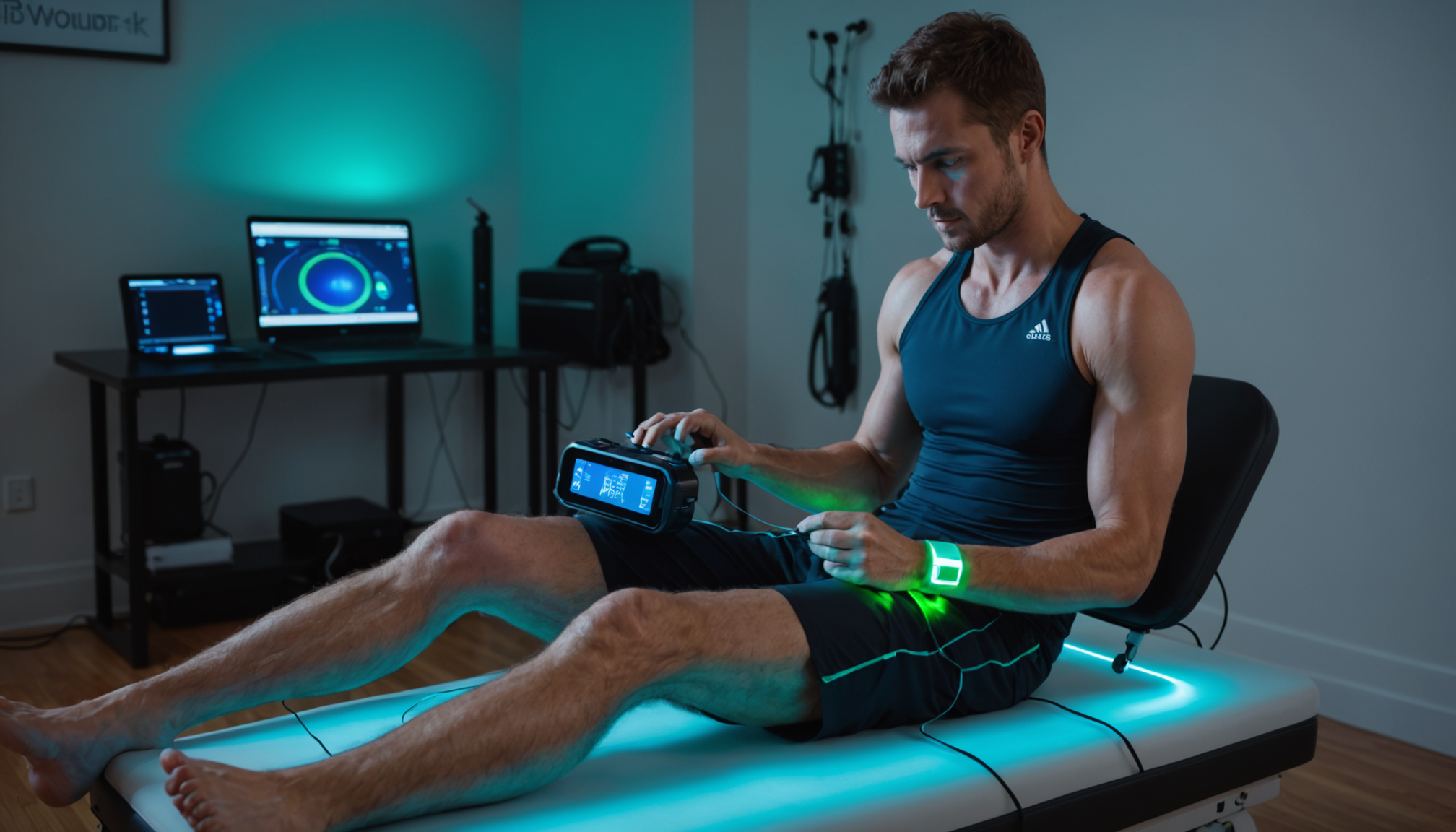 Research has consistently highlighted the effectiveness of electrotherapy in various sports injury contexts, showcasing improved outcomes in both acute and chronic conditions. Clinical trials have demonstrated that modalities like TENS and NMES can reduce pain levels significantly, which allows athletes to resume training and rehabilitation sooner rather than later. The strong evidence supporting these treatment paths has made electrotherapy a go-to method for healthcare professionals working with active populations.
Multiple studies with diverse populations, including competitive athletes and recreational sports enthusiasts, confirm that early implementation of electrotherapy leads to enhanced recovery trajectories. For example, athletes utilizing TENS for pain management have shown a 30% reduction in pain levels, facilitating the resumption of necessary physical activity. Similarly, NMES has been shown to counteract muscle atrophy effectively, with measurable improvements noted in muscle strength and functionality during the rehabilitation phase.
Moreover, the evidence supporting the efficacy of interferential current therapy in managing deeper tissue damage has sparked interest. Those experiencing joint pain or injury have reported notable success using IFC, resulting in less discomfort and quicker mobilization post-injury. With ultrasound therapy being a commonly employed technique in physical therapy environments, its ability to enhance tissue repair processes through increased local blood flow and stimulation has been widely documented, proving essential for optimizing recovery.
As more athletes and therapists grapple with injury management, the urgency of adopting evidence-based approaches becomes evident. The documented successes of electrotherapy treatments call for further investigation, urging professionals in the field to consider these modalities as crucial components of sports injury recovery. A deeper understanding of the scientific backing will not only empower practitioners but can also lead to the invention of innovative combinations of therapies, broadening the scope of recovery practices within sports medicine.
- What types of sports injuries can benefit from electrotherapy?
- Electrotherapy is beneficial for a wide range of sports injuries, including acute injuries like sprains and strains, as well as chronic conditions like tendonitis. Each modality can be tailored to address specific issues, such as pain relief or muscle stimulation.
- How does electrotherapy relieve pain?
- Electrotherapy relief occurs by transmitting electrical impulses that interfere with pain signals sent to the brain and promote the release of endorphins. This combination can provide significant pain reduction, facilitating more effective rehabilitation efforts.
- Is electrotherapy safe for all athletes?
- Generally, electrotherapy is safe for most athletes; however, precautions should be taken for individuals with certain medical conditions, such as heart problems or epilepsy. Consulting with healthcare professionals before starting treatment is crucial to ensure safety.
- How often should I use electrotherapy during recovery?
- The frequency of electrotherapy sessions can depend on the severity of the injury and treatment goals. Many healthcare professionals recommend regular sessions, often several times a week, for optimal healing results.
- Can electrotherapy replace traditional rehabilitation methods?
- Electrotherapy should be viewed as a complementary treatment rather than a replacement for traditional rehabilitation methods. Combining it with physical therapy, manual techniques, and exercise is typically the most effective approach.
- How long does it typically take to see results from electrotherapy?
- Results can vary depending on the injury type and severity, but many individuals report noticeable pain reduction and improved muscle function within a few sessions. Regular treatment can lead to gradual improvements over weeks.
- What qualifications should a therapist have for providing electrotherapy?
- Therapists administering electrotherapy should hold relevant qualifications in physical therapy or sports medicine and be trained in electrotherapy techniques. Ensuring they have the necessary expertise can maximize treatment effectiveness.
Guidelines for Safe Use in Athletes
Ensuring the safe use of electrotherapy in athletes requires adherence to specific guidelines that enhance treatment effectiveness while mitigating potential risks. It’s vital for athletes to approach electrotherapy with caution and professionalism, as improper application can lead to adverse effects. Here are key recommendations to consider:
- Comprehensive Assessment: Before initiating electrotherapy, athletes should undergo a thorough assessment by a qualified healthcare professional. This evaluation will help determine the suitability of electrotherapy based on the specific nature and severity of the injury.
- Adhere to Protocols: Follow established protocols and treatment guidelines designed for the type of electrotherapy being utilized. It’s crucial to understand the indications, contraindications, and precise settings for each modality to prevent complications.
- Monitor Treatment Responses: Athletes must keep track of their responses during electrotherapy sessions. Documenting pain levels, sensations, and any unusual reactions helps healthcare providers make informed adjustments to the treatment plan.
- Use Under Supervision: Where possible, electrotherapy should be conducted under the guidance of licensed therapists or clinicians who have experience in sports injury management. This ensures proper technique and dosage tailored to the athlete’s needs.
- Educate Yourself: Athletes should take the time to understand the electrotherapy modality being used. Knowledge about its benefits and limitations can empower athletes to engage in productive discussions with their therapists, optimizing treatment outcomes.
- Integrate Holistically: Incorporate electrotherapy within a larger rehabilitation framework that includes physical therapy, strength training, and stretching. A holistic approach combines various treatment techniques for comprehensive recovery.
- Avoid Overuse: While regular treatments can be beneficial, overusing electrotherapy may lead to diminished effectiveness or unwanted side effects. Athletes should adhere to recommended frequency guidelines based on their injury specifics.
- Be Aware of Contraindications: Certain conditions, including cardiac pacemakers or pregnancy, may pose contraindications for specific electrotherapy modalities. Athletes must discuss any medical history that could affect their safety during treatment.
By following these guidelines, athletes can confidently utilize the role of electrotherapy in managing sports injuries while ensuring their safety and maximizing the benefits of their treatment plans. Engaging in electrotherapy responsibly not only aids in faster recovery but also supports overall athletic performance, enabling a quicker return to sport and daily activities.
For a personalized session and free consult, Call me: +1 334-300-0389.
Find out how ARPWave Therapy can enhance your performace as an athlete and how you can achieve drug-free pain relief.