For a personalized session and free consult, Call me: +1 334-300-0389.
Find out how ARPWave Therapy can enhance your performace as an athlete and how you can achieve drug-free pain relief.
- The role of electrotherapy in modulating inflammation
- Types of electrotherapy techniques
- Mechanisms of action in inflammatory conditions
- Clinical applications and effectiveness
- Safety and contraindications
- Future directions in electrotherapy research
Electrotherapy serves as a powerful tool in the realm of massage therapy, particularly for its ability to influence the relationship between electrotherapy and inflammation. By utilizing various electrotherapy techniques, therapists can provide significant relief for clients experiencing inflammatory pain, thereby enhancing their overall experience and recovery.
For those seeking pain relief, such as athletes dealing with acute injuries or corporate executives managing stress-related inflammation, understanding how to integrate electrotherapy into a traditional massage regime can be beneficial. Here are some practical tips:
- Consult with a professional: Always consult a licensed massage therapist with experience in electrotherapy techniques. They can tailor the treatment to your specific inflammatory condition.
- Combine modalities: Consider incorporating ultrasound therapy, TENS (Transcutaneous Electrical Nerve Stimulation), or interference current therapy within your massage therapy sessions. These modalities can assist in reducing inflammation while promoting muscle relaxation.
- Personalize your approach: If you’re pregnant or have chronic conditions, it’s vital to inform your therapist about your medical history. They’ll adapt the electrotherapy settings to ensure safety and efficacy.
- Monitor your responses: Pay attention to how your body responds post-session. If you notice any adverse effects, such as increased pain or discomfort, communicate this to your therapist immediately.
- Stay informed: Keep updated on the latest research regarding the effectiveness of electrotherapy in treating inflammation. Websites such as PubMed and clinical research journals can provide valuable insights.
By following these simple guidelines, clients can effectively navigate the integration of electrotherapy into their massage therapy experience, enhancing the healing process associated with inflammation. Explore your options, stay proactive about your treatment, and ensure that your journey toward pain relief is both safe and effective.
Types of electrotherapy techniques
Electrotherapy encompasses a variety of techniques aimed at alleviating pain and modulating inflammation through electrical signals. These techniques employ different types of currents and modalities to target specific tissues and induce physiological changes. Below, several common forms of electrotherapy are described, highlighting their unique features and applications.
| Electrotherapy Technique | Description | Application in Inflammation |
|---|---|---|
| Transcutaneous Electrical Nerve Stimulation (TENS) | A non-invasive method that delivers low-voltage electrical currents through the skin. | TENS is often employed to manage acute and chronic pain, reducing inflammation by inhibiting pain signals sent to the brain. |
| Interferential Current Therapy (IFC) | Utilizes two medium-frequency currents that interfere with each other, creating a deeper therapeutic effect. | IFC is effective in reducing muscle spasms and relieving pain in conditions associated with inflammation, such as arthritis. |
| Ultrasound Therapy | Employs sound waves to generate heat within tissues, increasing blood flow and promoting healing. | This technique is particularly beneficial for reducing swelling and inflammation in soft tissues, accelerating recovery. |
| Electrical Muscle Stimulation (EMS) | Involves stimulating muscle contractions using electrical impulses, which can enhance circulation and muscle function. | EMS can be applied in rehabilitation settings to improve muscle recovery, thus indirectly reducing inflammation related to disuse. |
| Microcurrent Therapy | Uses extremely low-level currents that mimic the body’s natural electrical signals to promote cellular repair. | This technique is effective in influencing the inflammatory response at the cellular level, aiding in the reduction of edema and tissue repair. |
The appropriate selection of electrotherapy technique largely depends on the individual’s specific condition and treatment goals. For example, TENS may be preferred for immediate pain relief, while ultrasound therapy is often chosen for chronic inflammation due to its deep tissue effect. Understanding these options enhances the therapeutic relationship between practitioners and patients, allowing for tailored treatment plans that directly address inflammatory conditions.
As electrotherapy continues to evolve, innovative techniques may emerge, combining various modalities to enhance patient outcomes further. This adaptability emphasizes the importance of ongoing research and clinical trials to elucidate the most effective applications of electrotherapy in managing inflammation. Furthermore, practitioners must stay current with advances in technology and methodologies to ensure the delivery of optimal care tailored to the unique needs of their clients.
Mechanisms of action in inflammatory conditions
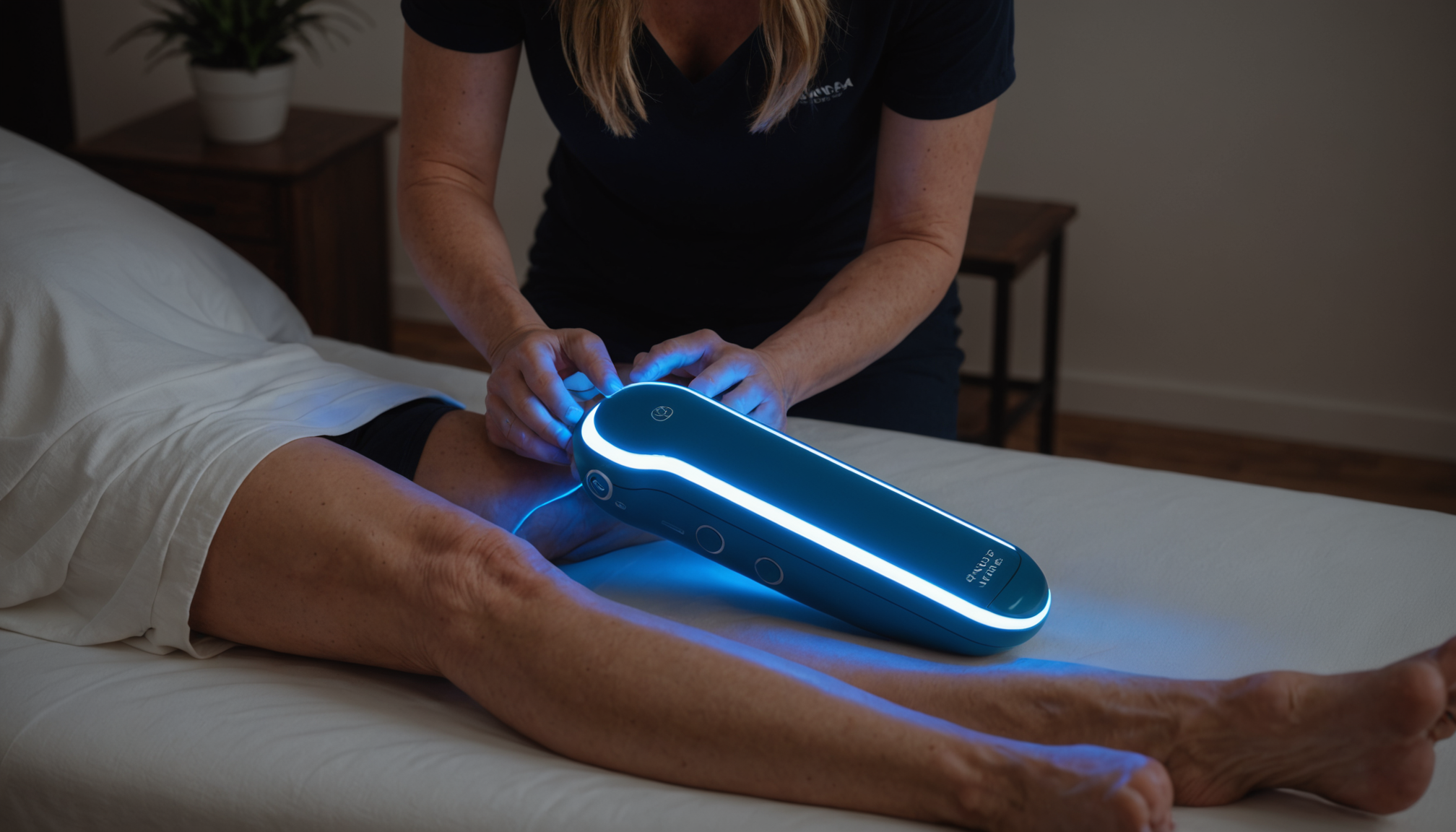
Understanding the mechanisms through which electrotherapy affects inflammation is crucial for both therapists and clients seeking effective pain relief strategies. These mechanisms are multifaceted, involving biochemical, neurological, and physical responses that modulate inflammatory processes in the body.
One of the primary mechanisms is the reduction of pain perception through neurological pathways. By stimulating the sensory nerves, electrotherapy can disrupt pain signals as they travel to the brain. For instance, techniques like TENS work by sending electrical impulses that can effectively block the transmission of pain signals, leading to a noticeable decrease in discomfort. This is particularly beneficial for individuals with chronic inflammatory conditions such as arthritis, where the persistent pain can significantly affect quality of life.
Additionally, electrotherapy promotes improved blood circulation. Enhanced blood flow facilitates the delivery of oxygen and essential nutrients to inflamed tissues, thus accelerating the healing process. For example, ultrasound therapy generates internal heat and vibrations, which not only increase blood flow but also stimulate cellular repair mechanisms. This is essential in conditions characterized by inflammation, such as tendonitis, where promoting healing through increased circulation can lead to faster recovery.
Another significant aspect of electrotherapy’s impact on inflammation is its ability to influence the body’s biochemical responses. Electrical stimulation has been shown to modulate the release of various cytokines and growth factors that play a critical role in the inflammatory process. By altering the balance of pro-inflammatory and anti-inflammatory mediators, electrotherapy can help restore homeostasis in the affected tissues.
Moreover, the mechanical effects of electrotherapy cannot be overlooked. Techniques like electrical muscle stimulation (EMS) induce muscle contractions, which help in minimizing atrophy in immobilized or injured muscles. This is particularly relevant for athletes recovering from injuries or individuals undergoing rehabilitation, as maintaining muscle function can directly contribute to reducing inflammation over time.
For clients exploring the benefits of incorporating electrotherapy into their massage therapy sessions, it is essential to consider the following suggestions:
- Discuss your condition: Be open about your specific inflammatory issues with your therapist. They can help choose the most appropriate electrotherapy technique based on your needs.
- Experiment with techniques: Don’t hesitate to try different types of electrotherapy within your sessions. Combining approaches, like using TENS for immediate pain relief followed by ultrasound for deep tissue recovery, might yield significant benefits.
- Stay hydrated: Proper hydration can enhance the effectiveness of electrotherapy by aiding in the flushing out of toxins and supporting overall cellular function.
- Practice post-treatment care: Follow any aftercare instructions provided by your therapist, such as specific exercises or stretches, to maximize the benefits of the electrotherapy session.
Ultimately, a well-informed approach to utilizing electrotherapy can amplify the relationship between massage therapy and inflammation management, leading to more profound, sustained relief for clients. Engaging with a knowledgeable therapist and being proactive about your treatment journey can pave the way to a more effective pain relief experience.
Clinical applications and effectiveness
Electrotherapy has shown promising clinical applications across various fields, particularly in the management of inflammatory conditions. A plethora of studies have recorded its effectiveness in treating conditions like arthritis, tendonitis, and sports injuries, where inflammation plays a critical role in the pain experience. The versatility of electrotherapy techniques allows practitioners to target specific symptoms and meet individual patient needs efficiently.
One notable application is in the rehabilitation of athletes recovering from injuries. The application of techniques such as TENS and ultrasound therapy has been reported to significantly reduce pain and swelling, facilitating a quicker return to physical activity. For instance, a systematic review indicated that patients receiving TENS therapy reported substantial pain relief compared to those who did not, suggesting that electrotherapy can effectively address the acute pain associated with inflammation.
In chronic inflammatory conditions, electrotherapy can be particularly beneficial. For example, patients suffering from rheumatoid arthritis have experienced reductions in joint pain and stiffness with regular treatments utilizing electrotherapy modalities. This is due to the dual impact of alleviating pain while simultaneously addressing the underlying inflammatory processes, which is essential for effective long-term management of chronic conditions.
The effectiveness of electrotherapy can also be noted in postoperative recovery settings. Patients undergoing surgeries that involve tissue trauma often experience significant inflammation. When electrotherapy is introduced during the rehabilitation phase, it can assist in minimizing recovery time and improving overall outcomes. Studies have noted that incorporating ultrasound therapy post-surgery leads to decreased swelling and improved range of motion, underscoring its role in aiding recovery from inflammation-induced complications.
Moreover, electrotherapy’s influence on inflammation extends beyond mere symptom management. Research has shown that it can positively affect the healing of tissues at the cellular level. For example, microcurrent therapy has been documented to stimulate cellular repair mechanisms effectively, enhancing the body’s natural healing processes. This promotes a more balanced inflammatory response, reducing the chances of chronic inflammation development.
“The successful integration of electrotherapy into therapeutic practices for inflammation-related conditions demonstrates its relevance and effectiveness in contemporary medicine.”
The continuous evolution of electrotherapy techniques presents exciting possibilities for enhancing treatment effectiveness. As emerging research highlights additional benefits, practitioners may find innovative ways to optimize these modalities for various inflammatory conditions. For patients, understanding the potential of electrotherapy in managing their specific inflammatory issues can empower them to engage actively in their treatment plans, paving the way for a more comprehensive approach to pain relief and recovery.
By considering the broad range of clinical applications and the evidence supporting their effectiveness, it becomes clear that electrotherapy holds a valuable position in the management of inflammation, providing tangible relief and facilitating recovery for many individuals.
Safety and contraindications
 Electrotherapy’s safety and contraindications warrant careful consideration, as understanding these aspects is essential for both therapists and clients alike. While generally regarded as safe when administered by trained professionals, certain precautions must be observed to ensure positive outcomes and minimize risks.
Clients with implanted medical devices, such as pacemakers, should refrain from using electrotherapy, as electrical currents may interfere with the device’s function. Additionally, those with conditions like epilepsy or severe cardiovascular issues must consult their healthcare provider before undergoing electrotherapy to avoid potential complications. Pregnant women should also exercise caution, as certain electrotherapy techniques may not be suitable during pregnancy due to unknown effects on fetal development.
Skin conditions, including infections or open wounds, pose another risk factor. Therapists should assess the skin’s integrity and avoid treatment in affected areas to prevent exacerbating the condition. Similarly, individuals who are highly sensitive to electrical stimulation or have specific allergies may experience discomfort or adverse reactions that compromise their treatment experience.
It’s also important to stay aware of the treatment’s intensity and duration. Overuse or excessive intensity can lead to skin irritation or discomfort, making it crucial for therapists to tailor settings to the client’s tolerance level. Monitoring client feedback during sessions provides valuable insight into comfort levels and ensures a safe, beneficial experience throughout the electrotherapy process.
Encouraging open communication between the therapist and client fosters a therapeutic relationship built on trust, allowing for tailored adjustments to enhance both safety and efficacy. By emphasizing education and informed consent, clients can embark on their journey through electrotherapy with confidence, furthering their understanding of how it can effectively address inflammation while maintaining a focus on well-being.
- What should I discuss with my therapist before starting electrotherapy?
- It’s vital to disclose your medical history, including any pre-existing conditions, medications, and previous experiences with electrotherapy. This information allows the therapist to tailor the treatment to your specific needs safely.
- Are there any side effects of electrotherapy?
- While electrotherapy is generally safe, some clients may experience mild skin irritation, discomfort at the site of application, or muscle soreness. These effects are typically temporary and can be managed by adjusting treatment parameters.
- Can electrotherapy be used for all types of inflammation?
- Electrotherapy can be beneficial for various inflammatory conditions, including arthritis, tendonitis, and sports injuries. However, the appropriateness of specific techniques should be evaluated by a qualified professional based on individual circumstances.
- Is electrotherapy safe for pregnant women?
- Pregnant women should consult their healthcare providers before undergoing electrotherapy. Some techniques may be contraindicated due to potential risks to fetal development.
- How often can I receive electrotherapy treatments?
- The frequency of electrotherapy treatments depends on individual needs and responses. A healthcare provider or therapist can recommend an optimal treatment schedule based on the condition being addressed.
- What should I do if I experience discomfort during electrotherapy?
- Immediately inform your therapist if you experience any discomfort during the session. They can adjust the settings or techniques to ensure that the treatment remains comfortable and effective.
- Are there any conditions that strictly prohibit the use of electrotherapy?
- Yes, conditions such as pacemakers, certain heart conditions, and active infections are contraindicated for electrotherapy. Always discuss your health status with your therapist to ensure safe treatment.
Future directions in electrotherapy research
As electrotherapy continues to advance, future research is poised to explore innovative approaches and techniques that can enhance its relationship with inflammation management. One exciting direction is the integration of advanced technology, such as wearable devices that can monitor the body’s response to electrotherapy in real-time. This could facilitate personalized treatment plans that adapt to the patient’s immediate needs, resulting in more effective management of inflammation.
Furthermore, increased interest in the molecular mechanisms of electrotherapy may lead to a deeper understanding of how electrical stimulation influences cellular behavior. Research could focus on the modulation of inflammatory cytokines in various conditions, refining approaches to target specific pathways involved in the inflammatory process. This targeted approach could enhance treatment efficacy for individuals suffering from chronic inflammatory diseases.
Clinical trials are continuously assessing the effectiveness of various electrotherapy modalities across different populations, particularly in sports medicine and rehabilitation settings. The evaluation of long-term outcomes and comparisons of different techniques will provide valuable data that can guide practitioners in delivering optimal care tailored to individual inflammatory issues.
Moreover, the exploration of combining electrotherapy with other therapeutic modalities, such as manual therapy and nutritional interventions, holds great promise. Collaborative approaches may provide synergistic effects that elevate the overall treatment experience, emphasizing a comprehensive model of care that addresses both physical and biochemical factors contributing to inflammation.
To prepare for these developments, clients should remain proactive in their treatment journey. Here are some practical suggestions to effectively engage with the evolving landscape of electrotherapy for inflammation management:
- Follow latest research: Stay informed about new studies and advancements in electrotherapy techniques. Resources such as academic journals, webinars, and clinical updates can help you understand emerging practices.
- Engage in discussions with your therapist: Openly communicate with your practitioner about your preferences and interests in innovative treatment options. They can guide you on the best path forward based on current trends.
- Consider integrated approaches: Be open to complementary therapies alongside electrotherapy. Practices like nutrition counseling, physical activity, and stress management techniques can together foster a more holistic approach to inflammation.
- Utilize technology: Explore available apps and tools that can help monitor your symptoms and responses to therapy. Such advancements can empower you to take control of your healing process.
By remaining engaged and informed, clients can maximize the benefits of electrotherapy within their wellness protocols, adapting to the evolving landscape of treatment options and ensuring a proactive, informed approach to managing inflammation.
For a personalized session and free consult, Call me: +1 334-300-0389.
Find out how ARPWave Therapy can enhance your performace as an athlete and how you can achieve drug-free pain relief.