


Comparing TENS and EMS for effective pain relief
Comparing TENS and EMS for effective pain relief

For a personalized session and free consult, Call me: +1 334-300-0389.
Find out how ARPWave Therapy can enhance your performace as an athlete and how you can achieve drug-free pain relief.
- Understanding TENS and EMS
- Mechanism of Action
- Indications for Use
- Comparison of Efficacy
- Safety and Side Effects
- Conclusion and Recommendations
When it comes to exploring non-invasive methods for pain relief, understanding the distinctions between TENS (Transcutaneous Electrical Nerve Stimulation) and EMS (Electrical Muscle Stimulation) is essential for making informed decisions. Both modalities utilize electrical impulses but serve different purposes, targeting various pain relief and muscle recovery needs.
TENS therapy primarily targets the nervous system to inhibit pain signals sent to the brain. This method uses low-voltage electrical currents to stimulate sensory nerves, which can release endorphins and assist in pain management. Individuals experiencing conditions such as arthritis, muscle injuries, or chronic pain often find TENS particularly beneficial. For optimum results, it is crucial to correctly position the electrodes on the area experiencing discomfort. For example, placing the pads around the edges of a painful area can create a larger zone of pain relief.
On the other hand, EMS focuses on stimulating the muscle fibers directly, encouraging contractions that can enhance blood flow, promote muscle recovery, and improve strength. This method is particularly popular among athletes looking to enhance performance, rehabilitate injuries, or reduce muscle soreness. When using EMS, it is important to ensure the intensity settings are appropriate for your muscle condition to avoid discomfort or injury. Users can start at lower levels and gradually increase as their comfort with the therapy grows.
Both TENS and EMS can be safely used at home, but there are a few practical tips consumers should keep in mind:
- Always consult a healthcare professional before beginning treatment, especially if you have underlying health conditions.
- Ensure the devices are FDA-approved or recommended by a certified practitioner for safety.
- Follow the manufacturer’s instructions regarding session length and frequency to prevent overuse and potential skin irritation.
- Monitor the skin for any adverse reactions, such as redness or irritation, and adjust usage accordingly.
- Consider keeping a journal to track your pain relief progress and any effects, which can help inform discussions with your healthcare provider.
Understanding how to effectively utilize TENS and EMS for pain relief provides consumers a powerful way to enhance their health and wellness routines. By taking the time to learn about these modalities and consult professionals as needed, individuals can optimize their experiences with these therapies for improved outcomes.
Mechanism of Action
The effectiveness of both TENS and EMS therapies can be attributed to their unique mechanisms of action, which play critical roles in pain management and muscle recovery. TENS primarily functions through the gate control theory of pain, where the electrical impulses interfere with the transmission of pain signals to the brain. By stimulating sensory nerves, TENS can increase the release of natural pain-relieving substances like endorphins, providing a substantial analgesic effect for individuals suffering from various pain conditions.
Conversely, EMS operates by inducing muscle contractions through electrical stimulation. These contractions can enhance local blood circulation, leading to improved oxygenation and nutrient delivery to the muscles. This mechanism not only assists in muscle recovery after exertion or injury but also contributes to muscle strengthening. Through regular use, EMS can be effective for rehabilitating atrophied muscles and improving overall performance in athletes.
When comparing the mechanisms of TENS and EMS, it’s helpful to examine their primary functions, applications, and outcomes. The following table illustrates key differences:
| Feature | TENS | EMS |
|---|---|---|
| Primary Purpose | Pain relief through nerve stimulation | Muscle stimulation and recovery |
| Mechanism of Action | Blocks pain signals and increases endorphin release | Induces muscle contractions to stimulate blood flow |
| Typical Applications | Chronic pain, arthritis, post-surgery recovery | Muscle rehabilitation, workout recovery, performance enhancement |
| User Experience | May feel soothing tingling sensations | Involves rhythmic muscle contractions |
| Intensity Settings | Customizable to individual comfort levels | Gradual adjustments recommended for training intensity |
While TENS and EMS have distinct applications and mechanisms, both modalities can play complementary roles in a pain management or rehabilitation program. Understanding the nuanced differences between them allows users to select the appropriate therapy based on their specific needs, ultimately leading to effective pain relief and enhanced muscle performance.
Indications for Use
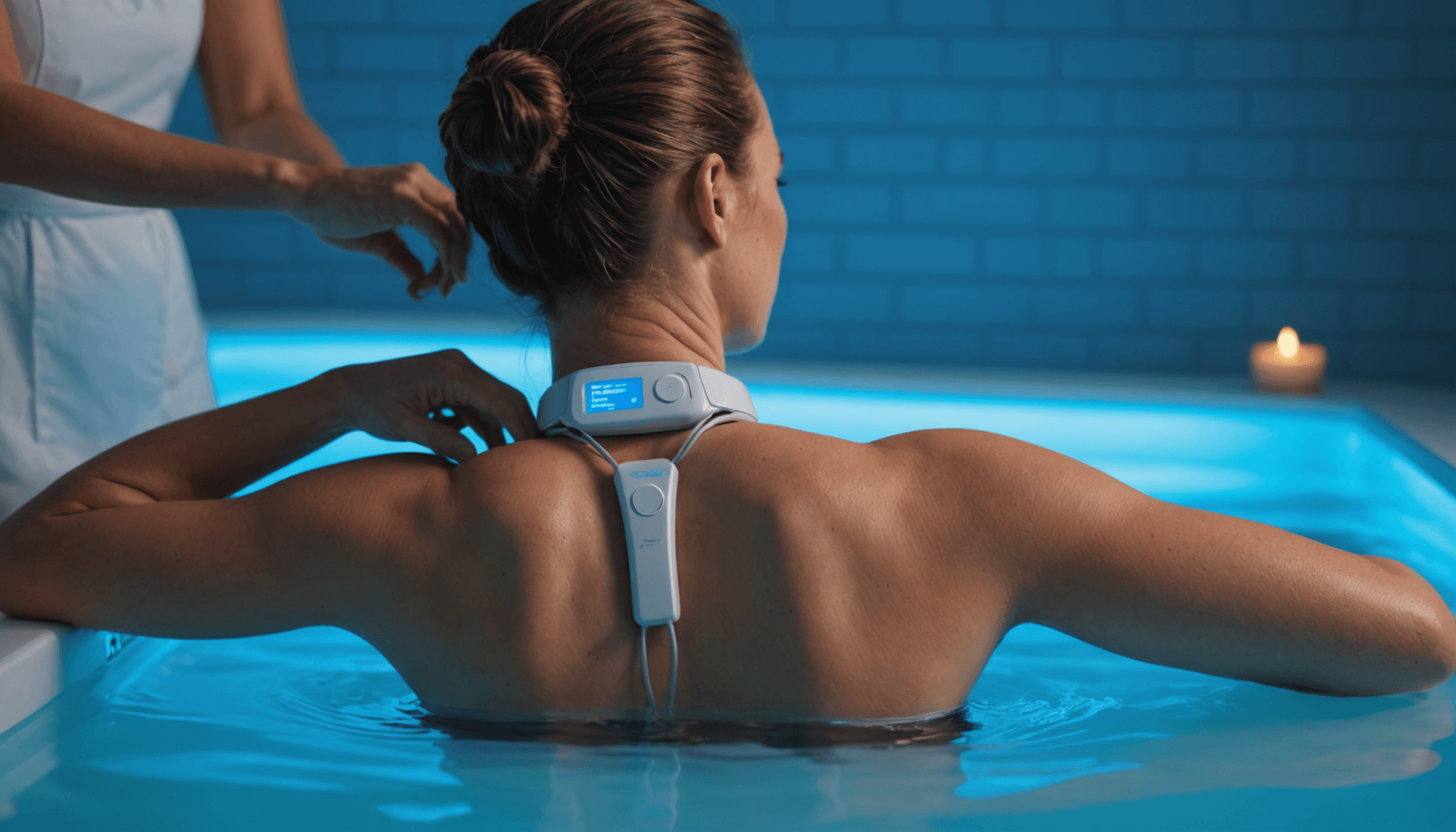
When considering the indications for using TENS and EMS, it is essential to recognize the specific scenarios where these therapies can provide effective pain relief or muscle support. Each modality caters to distinct needs and conditions, making it crucial for consumers to understand when to use which type of treatment.
TENS therapy is particularly beneficial in the following situations:
- Chronic Pain Conditions: Individuals suffering from conditions such as fibromyalgia, arthritis, or back pain often benefit from TENS. The gentle electrical impulses help manage pain by interrupting the pain signals sent to the brain.
- Post-Surgical Recovery: TENS can be used effectively after surgical procedures to alleviate pain without the side effects associated with narcotic pain medications.
- Neuropathic Pain: Patients with nerve-related pain, such as diabetic neuropathy, may find relief with TENS, as it alters the perception of pain in the nervous system.
On the other hand, EMS serves a different purpose and is especially effective for:
- Muscle Rehabilitation: After injuries, EMS can help stimulate muscle fibers to promote faster recovery and prevent atrophy in inactive muscles.
- Athletic Training: Athletes often utilize EMS to enhance muscle performance, increase strength, and reduce soreness following intensive workouts.
- Improving Blood Circulation: EMS can aid individuals with poor circulation by promoting blood flow and oxygen delivery to the tissues, supporting overall muscle health.
For pregnant women or those with conditions like hypertension, it is vital to consult with a healthcare provider before considering either TENS or EMS. Safety is paramount, and these therapies may not be suitable for everyone, particularly given their electrical nature.
Furthermore, individuals in corporate environments or high-stress jobs can also benefit significantly from both modalities. TENS can provide quick pain relief during long hours of sedentary work and assist in managing stress-related muscular tension. Conversely, EMS may offer a convenient post-work solution for muscle relaxation and recovery, enabling better health management and performance.
Understanding the specific indications for both TENS and EMS helps consumers select the appropriate modality for their needs. Proper use not only aids in pain relief and muscle recovery but can also enhance overall well-being when integrated into one’s health routine.
Comparison of Efficacy
The comparison of efficacy between TENS and EMS showcases the strengths of each modality in specific contexts, emphasizing how they cater to different needs in pain relief and muscle recovery. Research comparing their effectiveness often highlights two primary dimensions: pain management capabilities and muscle performance enhancement.
Clinical studies indicate that TENS is highly effective for various pain conditions. A meta-analysis found that patients using TENS reported significant reductions in pain levels, particularly for chronic and post-operative pain. The efficiency of TENS in pain relief has made it a go-to treatment method for those suffering from conditions like osteoarthritis and fibromyalgia, where traditional pain relief medications may fall short or cause undesirable side effects. Furthermore, the ability of TENS to stimulate endorphin release contributes to its long-lasting effects on pain relief, making it a practical option for patients seeking an alternative or adjunct to pharmacological treatments.
In contrast, EMS has gained popularity among athletes and those in rehabilitation for its role in strengthening muscles and aiding recovery. Research shows that EMS can significantly enhance muscle strength and contribute positively to muscle endurance. For instance, athletes using EMS incorporated into their training regimens frequently report improved performance metrics, recovery times, and decreased muscle soreness, making it a valuable addition to competitive training. Additionally, the application of EMS in rehabilitation settings has been noted for its ability to prevent muscle atrophy in cases where voluntary muscle contractions are not possible, supporting the healing process effectively.
While both methods are effective, their success often depends on the individual’s specific condition and treatment goals. The choice between TENS and EMS may influence patient outcomes significantly, as evidenced by clinical perspectives on their applications.
“The choice of electrical stimulation technique can significantly affect recovery and pain management outcomes.” – Clinical Journal of Pain
Ultimately, clinical professionals recommend tailoring the use of TENS or EMS based on individual assessments, as this personalization can maximize the efficacy of either modality in achieving pain relief or muscle recovery. To further guide users, it remains essential to consider the nature of their pain or muscle condition, as well as the recommended treatment protocols through consultations with healthcare providers.
Safety and Side Effects
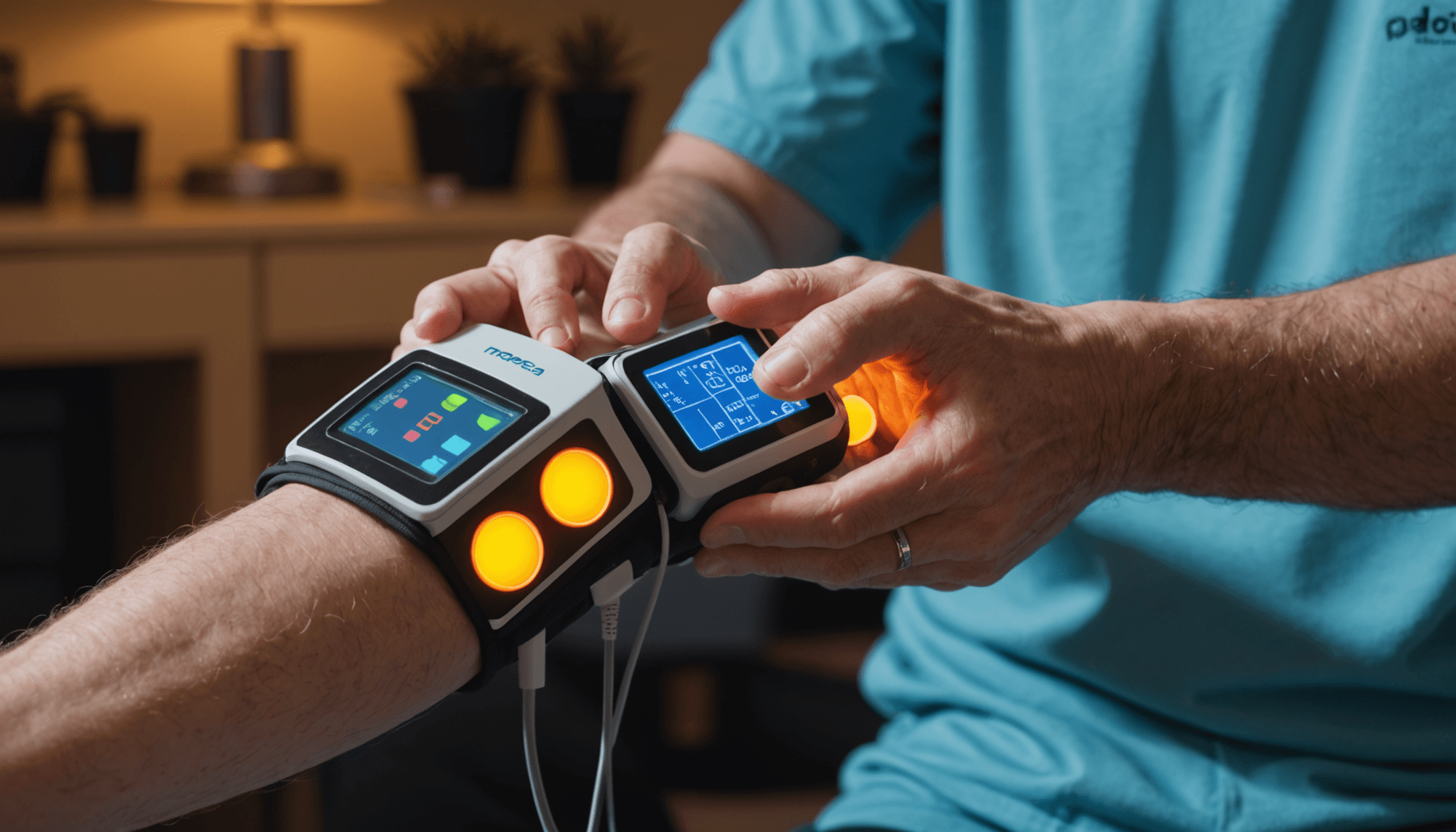 Safety in the use of TENS and EMS is of paramount importance, especially considering the electrical nature of these therapies. Both modalities are generally regarded as safe when used as directed, but some precautions must be observed to ensure a positive experience. Users should be aware of potential side effects, which may vary according to individual sensitivity, device settings, and the area of application.
For TENS, the most common side effect is skin irritation at the electrode sites, which can manifest as redness or discomfort. It is crucial to monitor the skin regularly and adjust electrode placement as needed. In rare cases, clumsiness or dizziness may occur if the electrical intensity is set too high, so gradually increasing the settings can help alleviate discomfort while still providing effective pain relief. TENS should also be avoided in certain populations, such as those with implanted devices like pacemakers, individuals with epilepsy, or pregnant women without prior medical consultation.
Likewise, EMS carries its own set of considerations. Users may experience muscle soreness or cramps following a session, particularly if the intensity is set too high or if the muscles are unaccustomed to stimulation. It is vital to start at lower intensity levels and gradually increase based on tolerance. Additionally, individuals with certain medical conditions such as deep vein thrombosis or recent surgeries should consult with healthcare professionals before utilizing EMS.
Both TENS and EMS should only be used according to the manufacturer’s instructions regarding duration, frequency, and application. Overuse can lead to diminishing returns or adverse effects rather than improving outcomes. Furthermore, understanding one’s limits and consulting with professionals can allow users to harness the full benefits of these modalities while minimizing risk.
- What is the difference between TENS and EMS?
- TENS primarily focuses on pain relief by blocking pain signals to the brain, while EMS targets muscle stimulation to enhance recovery and strength. Both employ electrical impulses but serve distinct therapeutic purposes.
- Can TENS and EMS be used together?
- Yes, TENS and EMS can be used in conjunction to address pain and facilitate muscle recovery. However, it’s advisable to consult a healthcare provider to tailor the use for optimal results based on individual needs.
- Are there any contraindications for using TENS or EMS?
- Individuals with pacemakers, epilepsy, severe heart conditions, or pregnant women should avoid using TENS and EMS without medical guidance. Consulting a healthcare professional is essential to ensure safe usage.
- How often can I use TENS or EMS?
- The frequency of use can vary based on individual conditions and device instructions, but it’s commonly safe to use TENS several times a day for pain relief and EMS up to three times per week for muscle recovery. Always refer to device guidelines and personal comfort.
- What should I do if I experience irritation from TENS or EMS?
- If irritation occurs, stop using the device and assess the skin condition. Consider adjusting the electrode placement, reducing the intensity, or allowing time for the skin to heal before resuming treatment.
- Can anyone use TENS or EMS devices?
- While many people can benefit from TENS and EMS, certain individuals should consult a healthcare professional before use, particularly those with underlying health issues or specific medical conditions that could be exacerbated.
- How do I find the right settings for TENS or EMS?
- Start with the lowest setting and gradually increase the intensity to a comfortable level. Users should aim for a pleasant tingling sensation with TENS and noticeable but not painful muscle contractions with EMS, adjusting settings based on personal comfort.
Conclusion and Recommendations
To maximize the benefits of TENS and EMS in your pain relief or muscle recovery journey, consider the following recommendations:
- Consult a Professional: Before starting with TENS or EMS, especially for those with chronic conditions or new to electrical stimulation therapy, consulting with a healthcare provider or massage therapy expert is crucial. They can help tailor the treatment to your specific needs, ensuring safety and effectiveness.
- Proper Placement of Electrodes: For TENS, the correct placement of electrodes is key to effective pain relief. Stick to recommended areas relevant to your pain condition. For example, in treating lower back pain, position the electrodes along the spine and surrounding muscle groups to optimize stimulation.
- Start Low and Gradually Increase: When using EMS, begin with a lower intensity setting and gradually increase it as your muscles adjust. This approach helps avoid discomfort and potential soreness. A good practice is to increase intensity in small increments through sessions.
- Monitor Session Duration: For both TENS and EMS, adhere to recommended session lengths. Limit TENS sessions to 20–30 minutes and EMS sessions to 15–20 minutes to avoid overstimulation, which can lead to skin irritation and muscle fatigue.
- Hydrate: Especially after EMS sessions, ensure you drink plenty of water to aid muscle recovery. Staying hydrated helps flush out toxins released during stimulation and supports overall bodily functions.
- Personalize Your Experience: Keep a journal to track how you respond to TENS and EMS treatment over time. Record your pain levels, the settings used, and any side effects experienced. This data can help inform your approach and assist discussions with your healthcare provider for adjustments.
- Incorporate into Routine: Consider integrating TENS and EMS into your wellness routine. For instance, utilizing TENS to alleviate pain before exercises or post-workout EMS can enhance recovery and overall performance. Try to establish a consistent schedule for optimal results.
- Stay Informed: Stay updated on the latest research and techniques regarding TENS and EMS applications. Engage with communities or forums discussing experiences and tips on using these modalities effectively.
Incorporating these suggestions into your TENS and EMS therapy can enhance their effectiveness and provide a more comprehensive approach to managing pain and supporting muscle recovery.
For a personalized session and free consult, Call me: +1 334-300-0389.
Find out how ARPWave Therapy can enhance your performace as an athlete and how you can achieve drug-free pain relief.