For a personalized session and free consult, Call me: +1 334-300-0389.
Find out how ARPWave Therapy can enhance your performace as an athlete and how you can achieve drug-free pain relief.
- Electrotherapy modalities in neuropathic pain management
- Mechanisms of action in neuropathic pain relief
- Clinical applications and effectiveness of electrotherapy
- Comparative analysis of electrotherapy techniques
- Patient selection and treatment protocols
- Future directions and research in electrotherapy for neuropathic pain
Electrotherapy has emerged as a valuable tool in the management of neuropathic pain, providing innovative methods to alleviate discomfort and improve the quality of life for many individuals. As people seek relief from chronic pain, understanding the various electrotherapy modalities available can be essential in making informed decisions regarding their treatments.
Several electrotherapy techniques are commonly utilized in the management of neuropathic pain. Here are some effective modalities:
- TENS (Transcutaneous Electrical Nerve Stimulation) – This technique involves the application of low-voltage electrical currents through the skin to help reduce pain perception. TENS is particularly popular due to its ease of use and ability to be administered at home. Users are often advised to experiment with different pulse frequencies to find what alleviates their pain effectively.
- IFC (Interferential Current Therapy) – This modality combines two electrical currents with the goal of creating a higher frequency current at the site of pain. IFC is often more comfortable than TENS and can penetrate deeper tissues. It is typically administered by professional practitioners, requiring specific equipment to generate the necessary currents.
- EMS (Electrical Muscle Stimulation) – While primarily used for muscle rehabilitation, EMS can also aid in pain management for neuropathic conditions by stimulating muscles and improving blood circulation. This technique is particularly beneficial for individuals experiencing muscle atrophy due to prolonged pain conditions.
- Neuromuscular Electrical Stimulation (NMES) – NMES is similar to EMS but focuses on generating muscle contractions. By providing electrical impulses to the nerves, NMES can enhance muscle function and promote rehabilitation, which is useful for those suffering from neuropathic pain that leads to muscle dysfunction.
- Microwave and Radiofrequency Ablation – These advanced techniques involve using heat generated by microwave or radiofrequency energy to target specific nerves associated with pain, potentially offering long-lasting relief. These are typically utilized in more severe cases of neuropathic pain where traditional methods have been ineffective.
When considering electrotherapy, it is crucial for individuals to be aware of potential factors that may influence their treatment outcomes. Some key considerations include:
- Consultation with Healthcare Professionals – Before starting any electrotherapy treatment, it’s essential to discuss your medical history, current medications, and specific pain issues with a healthcare professional. They can tailor an approach that best fits your individual needs.
- Consistency and Duration – Regular sessions may be necessary to achieve optimal results. Users are encouraged to maintain a consistent schedule and follow the recommended duration prescribed by their therapist or doctor.
- Comfort and Skin Sensitivity – Some individuals may experience skin sensitivity when using electrotherapy devices. It is important to monitor your skin’s reaction and adjust the settings or therapy routines as needed to maintain comfort.
- Complementary Therapies – Electrotherapy can be most effective when used in conjunction with other treatment approaches such as physical therapy, medication management, or lifestyle modifications.
Incorporating electrotherapy in the management of neuropathic pain can offer significant benefits, but it is vital to choose the right modality and approach while being mindful of personal health factors and professional guidance.
Mechanisms of action in neuropathic pain relief
Electrotherapy plays a pivotal role in the management of neuropathic pain through several underlying mechanisms that contribute to pain relief. Understanding these mechanisms can help clinicians and patients alike optimize treatment outcomes.
One prominent mechanism by which electrotherapy alleviates neuropathic pain is through modulation of the pain signaling pathways in the nervous system. Electrotherapy modalities like TENS and IFC are believed to activate large, myelinated sensory fibers, which can inhibit the transmission of pain signals carried by smaller, unmyelinated fibers, a phenomenon known as the “gate control theory.” According to this theory, when non-painful stimuli enter the nervous system, they compete with painful stimuli for processing, effectively reducing the perception of pain.
Moreover, electrotherapy is known to influence the release of endogenous opioids in the body. This natural phenomenon suggests that electrical stimulation can enhance the body’s ability to produce its pain-relieving chemicals, such as endorphins. This mechanism not only helps in the immediate relief of pain but can also contribute to longer-lasting effects, as the increase in these opioids may alter the body’s overall pain threshold.
Inflammation is another crucial component of neuropathic pain, and electrotherapy may help in modulating inflammatory responses. By promoting blood flow and enhancing tissue repair, electrical stimulation reduces inflammation at the site of injury, which can be particularly beneficial in cases where nerve damage has occurred.
The relationship between electrotherapy and neuronal plasticity should also be noted. Repeated electrical stimulation may encourage changes in neural pathways or modify synaptic connectivity, leading to potential long-term changes in pain perception. This neuroplasticity aspect is especially significant in neuropathic pain, as it is often characterized by maladaptive alterations in central and peripheral nerve systems.
To illustrate the various mechanisms in a consolidated manner, the following table summarizes the key processes through which electrotherapy influences neuropathic pain relief:
| Mechanism | Description |
|---|---|
| Pain Modulation | Activates larger sensory fibers to inhibit the transmission of pain signals (gate control theory). |
| Endogenous Opioid Release | Stimulates the body’s production of natural pain-relieving chemicals, improving pain threshold. |
| Reduction of Inflammation | Enhances blood flow and tissue repair at the site of injury, decreasing inflammatory responses. |
| Neuroplastic Changes | Encourages alterations in neural pathways that may lead to long-term changes in pain perception. |
In summary, electrotherapy operates through a multifaceted approach that includes pain modulation, the enhancement of opioid release, reduction of inflammation, and fostering neuroplastic changes. These mechanisms underscore the effectiveness of electrotherapy as a significant tool in managing neuropathic pain, offering hope for those who suffer from this challenging condition.
Clinical applications and effectiveness of electrotherapy
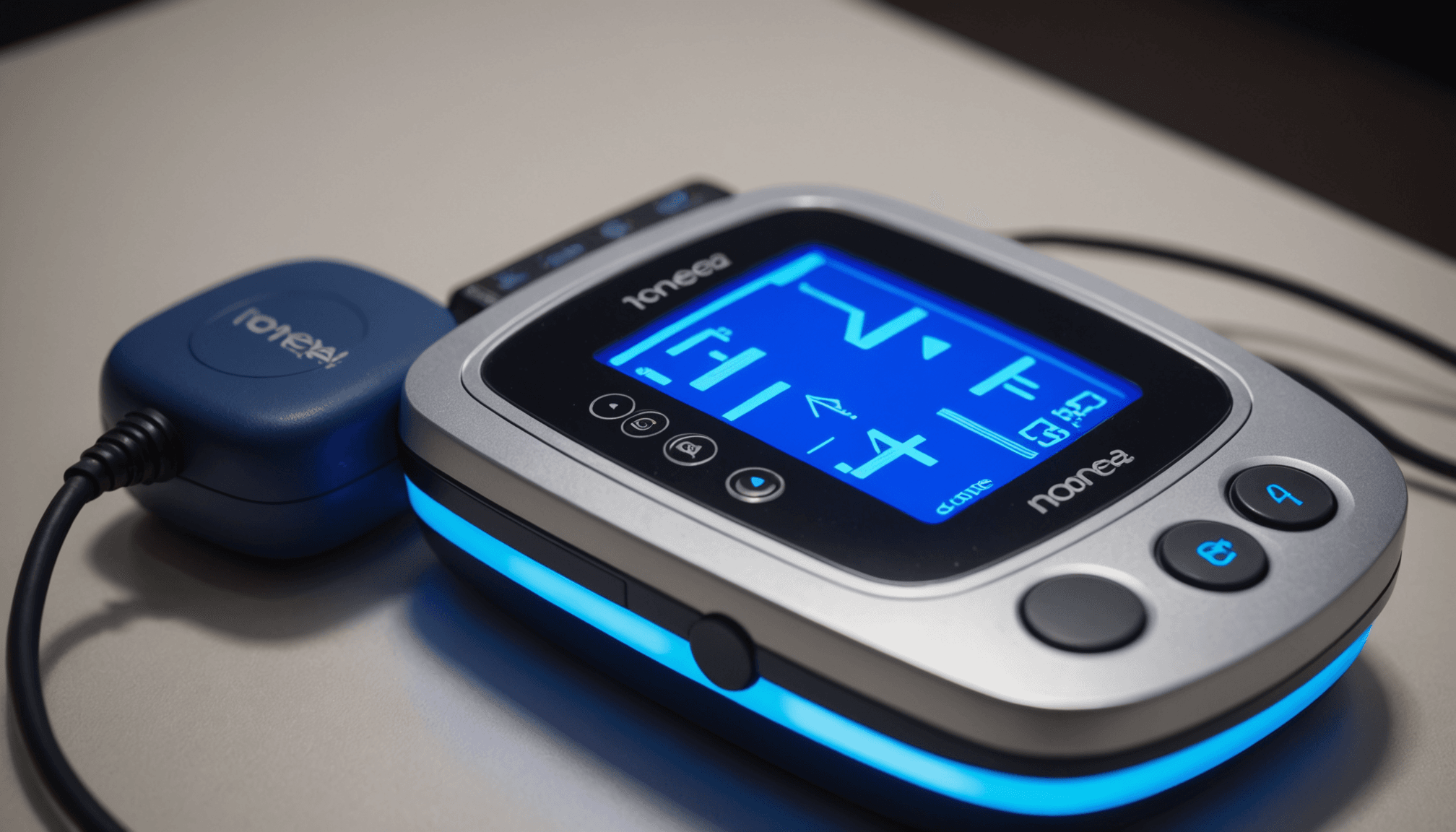
Electrotherapy has found its place as a valuable asset in the clinical management of neuropathic pain, with various applications that cater to a diverse range of patients. Both acute and chronic conditions can benefit from incorporating electrotherapy, recognizing that its effectiveness can vary based on the individual’s unique circumstances and needs.
In clinical environments, practitioners utilize electrotherapy modalities not only as standalone treatments but also as complementary options alongside other therapeutic techniques. Here are some specific applications and the populations that may benefit:
- Post-Surgical Pain Management – After surgical interventions, especially those involving nerve or musculoskeletal structures, electrotherapy can mitigate pain and promote faster recovery. Patients recovering from procedures like carpal tunnel release or hip arthroplasty may find TENS or IFC particularly effective.
- Neuropathies – Conditions such as diabetic neuropathy or postherpetic neuralgia can lead to debilitating pain. Electrotherapy techniques, especially TENS and NMES, have shown promise in alleviating symptoms for patients by targeting affected nerve pathways directly.
- Chronic Pain Syndromes – For individuals with chronic conditions like fibromyalgia, electrotherapy can be integrated into a comprehensive pain management plan. This modality aids in reducing overall pain levels and improving muscle function, providing a multi-faceted approach to treatment.
- Sports Rehabilitation – Athletes recovering from injuries can benefit significantly from electrical muscle stimulation (EMS) to enhance muscle activation, reduce atrophy, and decrease pain associated with injury, ensuring quicker returns to sport.
- Labor and Delivery – Pregnant individuals can find relief during labor through TENS. This non-invasive electrotherapy option offers a drug-free pain relief method that may appeal to those seeking natural birthing options.
Research continues to support the effectiveness of electrotherapy in these clinical scenarios, showcasing significant improvements in pain levels and functional mobility. However, for individuals considering electrotherapy, there are important aspects to keep in mind:
- Initial Assessment – Always undergo an initial assessment by a licensed professional who understands your pain history and can recommend the most appropriate electrotherapy modality.
- Personalized Treatment Plans – Effectiveness is often enhanced when treatments are tailored to each individual’s specific pain profile and physical condition. Adapt treatment frequency, intensity, and duration based on ongoing assessment.
- Monitoring Progress – Keep a pain diary or use tracking apps to monitor your pain levels and functionality over time. Regular evaluations with your healthcare provider can help adjust treatment protocols as needed.
- Stay Informed – Be proactive in understanding available technologies. Reviews and experiences shared in forums or communities can shed light on personal experiences with various electrotherapy modalities.
Incorporating electrotherapy into pain management can yield substantial benefits, making it a vital option for many patients dealing with neuropathic pain conditions. By remaining informed about the available modalities and approaches, individuals can take charge of their pain relief journeys, ensuring the best possible outcomes with the aid of professional guidance.
Comparative analysis of electrotherapy techniques
Comparative analysis of electrotherapy techniques reveals distinct advantages and limitations across the various modalities employed in managing neuropathic pain. Understanding these differences is essential for healthcare professionals and patients alike as they strive to find the most effective treatment pathways.
One of the key points of comparison among electrotherapy techniques is their mechanism of action and depth of tissue penetration. TENS, for example, is celebrated for its accessibility and user-friendliness, allowing patients to administer treatment independently at home. However, its efficacy may be limited to superficial pain relief, primarily affecting the skin and subcutaneous tissues. In contrast, interferential current therapy (IFC) is designed to penetrate deeper tissues, working at higher frequencies that produce a more profound analgesic effect. This characteristic can make IFC a preferred choice for managing deeper somatic pain associated with neuropathic conditions.
Furthermore, while electrical muscle stimulation (EMS) and neuromuscular electrical stimulation (NMES) primarily focus on muscle activation and rehabilitation, their role in pain management complements traditional electrotherapy approaches. EMS is particularly effective in preventing atrophy in immobilized muscles, making it beneficial for patients whose neuropathic pain prevents them from engaging in physical activity. NMES, on the other hand, targets specific muscle groups to facilitate recovery and improve functional movement, which can alleviate pain indirectly by restoring normal function and reducing compensatory movements that contribute to discomfort.
The long-term effectiveness of various modalities also warrants consideration. While TENS may offer quick relief, its effects can be transient, prompting some patients to seek ongoing treatments. Conversely, techniques like microwave and radiofrequency ablation can yield longer-lasting results by actively targeting pain-generating nerves and disrupting pain pathways. Although these advanced modalities might involve more complex procedures and risks, their potential for sustained relief presents a compelling option for individuals with chronic neuropathic pain that resists conventional therapies.
“Effective pain management often requires a multifaceted approach, where the unique properties of each electrotherapy technique can be harnessed to provide comprehensive care.”
Patient tolerance and comfort play pivotal roles in the comparative analysis of electrotherapy modalities. Some patients may respond better to the gentler stimulation provided by TENS, while others may prefer the deeper penetration of IFC or the measurable muscle contractions achieved through EMS/NMES. Individualized treatment plans are essential, as the patient’s personal preferences, pain characteristics, and response to initial therapy can significantly affect adherence and outcomes.
Cost-effectiveness and accessibility also emerge as critical factors, particularly in regions with limited healthcare resources. TENS units are generally more affordable and widely available, making them an attractive option for those seeking self-management strategies. In contrast, the necessity of specialized equipment and trained personnel for therapies like IFC can create barriers to access for some patients, particularly in underserved communities.
In summation, a comprehensive understanding of the comparative benefits and drawbacks of various electrotherapy techniques enables patients and clinicians to make informed decisions tailored to individual needs. A thoughtful evaluation of each modality’s characteristics—ranging from depth of efficacy and patient comfort to accessibility—ensures that those suffering from neuropathic pain can pursue the most appropriate and effective treatment pathway.
Patient selection and treatment protocols
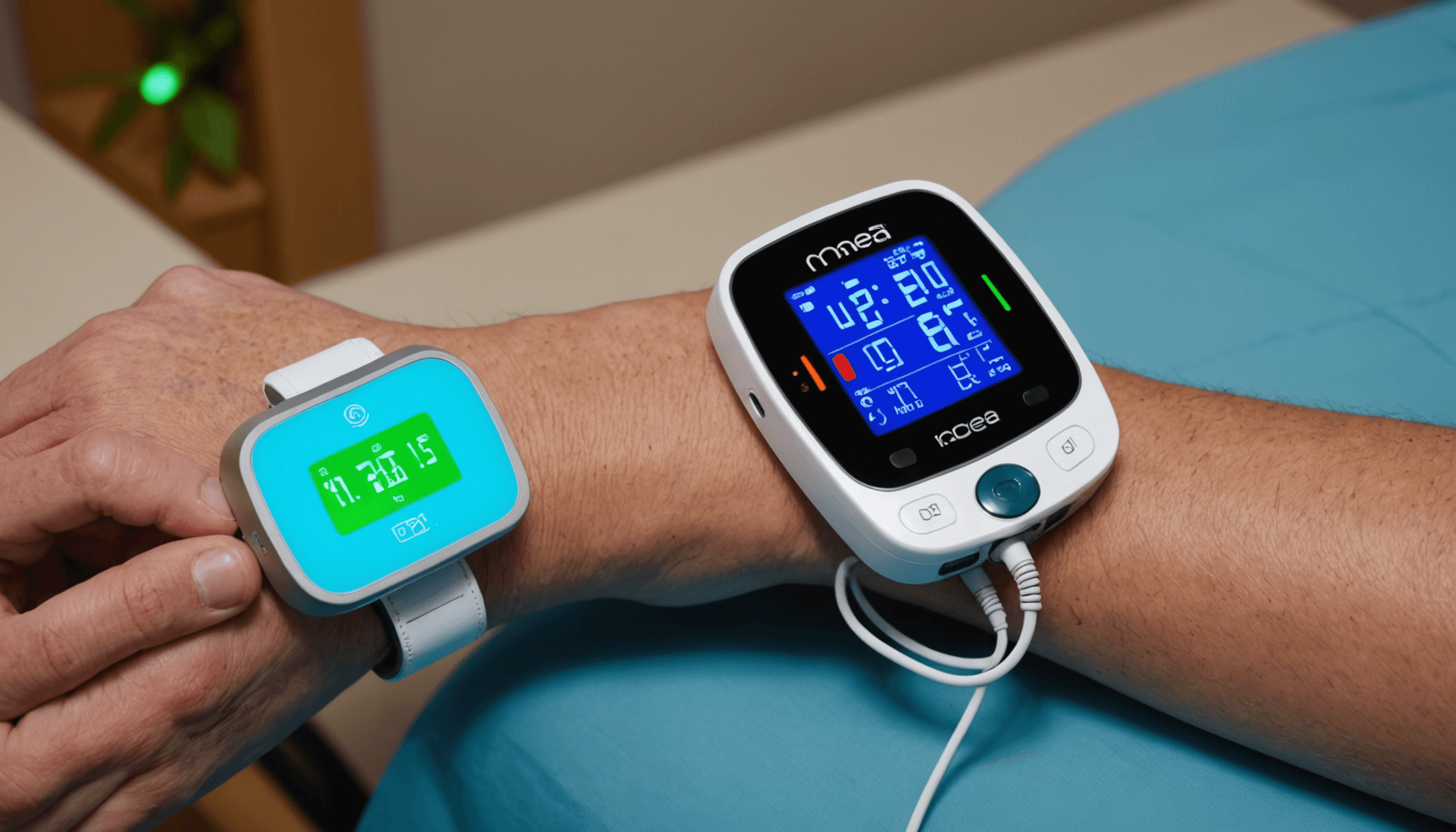 Patient selection and treatment protocols play a crucial role in optimizing the effectiveness of electrotherapy for neuropathic pain management. It is essential to identify the right candidates for electrotherapy based on individual characteristics, the nature of their pain condition, and their overall health status. Success hinges on a well-structured assessment, during which healthcare professionals should collect detailed medical histories, conduct physical evaluations, and consider any co-existing conditions.
One of the first steps in patient selection is determining the specific type of neuropathic pain the individual is experiencing. This ranges from diabetic neuropathy and postherpetic neuralgia to pain resultant from chemotherapy. Each type may respond differently to electrotherapy modalities, and this understanding guides customized treatment decisions. For instance, TENS may be particularly effective for externally localized pain, while deeper modalities like interferential current therapy or neuromuscular stimulation might be more suitable for internal pain sources or conditions involving significant muscular dysfunction.
Patient compliance is another critical factor. A successful treatment protocol involves educating individuals about their condition, the purpose of electrotherapy, and what to expect during sessions. Empowering patients with knowledge and encouraging an active role in their pain management can lead to increased commitment to treatment protocols. The setting of realistic goals—such as gradual improvements in pain levels or increased mobility—supports motivation and engagement.
The frequency and duration of electrotherapy sessions also require careful planning. Initial treatment may involve more frequent visits to build tolerance and assess outcomes before establishing a maintenance schedule. It’s imperative that clinicians remain flexible, adjusting the treatment plan according to patient feedback and ongoing assessment, ensuring that efficacy is continually optimized.
With respect to the treatment protocols, the importance of integrating electrotherapy with other therapeutic approaches cannot be understated. Combining modalities such as physical therapy, pharmacologic interventions, or even psychological support can create a multi-faceted approach that significantly enhances outcomes. Each patient’s protocol should be unique, tailored to address individual pain patterns, responses to therapy, and additional lifestyle factors.
Moreover, technology plays a vital role in treatment. The utilization of home-based electrotherapy devices expands access for individuals who may not be able to attend regular clinic visits. Ensuring that patients understand how to safely and effectively use these devices can significantly empower their pain management journey.
As electrotherapy continues to evolve, ongoing research into best practices for patient selection, treatment protocols, and integration with comprehensive care will further fortify its role in effectively managing neuropathic pain. The intricacies of personalizing treatment present an exciting opportunity for both patients and clinicians to explore the vast landscape of options available in the realm of pain management.
- What types of neuropathic pain can be treated with electrotherapy?
- Electrotherapy can be effective for various types of neuropathic pain, including diabetic neuropathy, postherpetic neuralgia, and pain following surgical interventions. Each condition may respond differently to specific modalities, necessitating tailored treatment approaches.
- How does a healthcare professional determine if electrotherapy is right for me?
- Healthcare professionals evaluate your medical history, perform physical examinations, and assess the characteristics of your pain to determine if electrotherapy is appropriate. They consider individual factors such as overall health status and co-existing medical conditions in their assessment.
- How long can I expect to see results from electrotherapy treatments?
- Results can vary based on the individual and the specific electrotherapy modality used. Many patients report some pain relief after a few sessions, but it may take several weeks of consistent treatment to achieve optimal results.
- Are there any risks or side effects associated with electrotherapy?
- While electrotherapy is generally considered safe, some individuals may experience skin irritation, muscle soreness, or discomfort during treatment. It is important to communicate any adverse effects to your healthcare provider for adjustments to be made.
- Can I use electrotherapy devices at home?
- Yes, many electrotherapy devices, such as TENS units, are available for home use. However, it is essential to receive proper instruction from a healthcare professional on how to use these devices effectively and safely.
- How often should I undergo electrotherapy sessions?
- The frequency of sessions is typically determined by a healthcare provider based on your individual pain condition and treatment goals. Initial visits may be more frequent, transitioning to maintenance as your pain levels and mobility improve.
- Can electrotherapy be used alongside other pain management treatments?
- Absolutely! Electrotherapy can be effectively integrated with other therapies, such as medication, physical therapy, and lifestyle adjustments, to create a comprehensive pain management strategy tailored to your specific needs.
Future directions and research in electrotherapy for neuropathic pain
Recent advancements in electrotherapy technology and research are paving the way for innovative approaches in the management of neuropathic pain. Ongoing studies are focusing on optimizing existing modalities and developing new techniques to enhance treatment efficacy. One promising area is the integration of artificial intelligence and machine learning in predicting patient responses to various electrotherapy treatments. By analyzing patient data, these technologies may help clinicians customize treatment plans based on individual pain profiles, leading to more targeted and effective interventions.
Future research is also examining the combination of electrotherapy with other therapeutic modalities, such as pharmacological treatments, physical therapy, and psychological support. This integrative approach may enhance overall pain relief and improve functional outcomes for patients experiencing neuropathic pain. For instance, studies investigating the use of TENS in conjunction with cognitive behavioral therapy highlight how this synergy can maximize pain relief by addressing both the physical and psychological aspects of pain.
Another area of interest is the exploration of non-invasive neurostimulation techniques, such as transcranial magnetic stimulation (TMS) and cranial electrotherapy stimulation (CES). These methods offer new avenues for reaching deeper brain structures involved in pain perception without the need for electrodes placed on the skin. Ongoing trials aim to determine their effectiveness in treating various neuropathic pain conditions, broadening the toolkit available to healthcare providers.
Clinical trials are also looking into the effects of different electrotherapy parameters, such as frequency, duration, and stimulation intensity, to identify the optimal settings that maximize pain relief while minimizing side effects. The refinement of these parameters could lead to more effective and safer treatment options for various patient populations.
As researchers delve deeper into the mechanisms of action underlying electrotherapy, the potential for biological markers to predict treatment responses may emerge. Understanding individual variability in pain perception and treatment efficacy through personalized medicine can lead to improved outcomes for those dealing with chronic neuropathic pain.
Continued advocacy for access to electrotherapy treatments is essential, not only for enhancing healthcare resources but also for ensuring that all individuals have the opportunity to benefit from these advances. As electrotherapy evolves, it holds significant promise in the fight against neuropathic pain, offering new hope and improving the quality of life for many patients.
For a personalized session and free consult, Call me: +1 334-300-0389.
Find out how ARPWave Therapy can enhance your performace as an athlete and how you can achieve drug-free pain relief.