


Troubleshooting common issues with electrotherapy use
Troubleshooting common issues with electrotherapy use

For a personalized session and free consult, Call me: +1 334-300-0389.
Find out how ARPWave Therapy can enhance your performace as an athlete and how you can achieve drug-free pain relief.
- Troubleshooting common issues with electrotherapy use
- Understanding electrotherapy and its applications
- Identifying common problems with electrotherapy
- Assessing patient responses to treatment
- Adjusting settings for optimal results
- Safety precautions to consider
- Seeking professional guidance and support
When engaging with electrotherapy, troubleshooting common issues is crucial to maximize the benefits of treatment. Whether you’re a dedicated athlete aiming for peak performance or someone seeking relief from chronic pain, understanding how to navigate these challenges can significantly enhance your experience.
One prevalent issue that individuals face is the experience of discomfort during treatment. If the sensation caused by electrotherapy is too strong, consider adjusting the intensity settings on your device. It’s important to start at a lower intensity, gradually increasing it until you find a comfortable level. If discomfort persists, it could indicate that the electrode placement is incorrect or that the specific type of electrotherapy being used does not suit your needs.
Another common issue is the development of skin irritation at the site of electrode application. To manage this, ensure that the skin is clean, dry, and free from lotions or oils before application. Opt for high-quality electrodes and replace them regularly to prevent any adverse reactions. If irritation continues, switching to hypoallergenic electrodes may be necessary.
Inconsistent results can also arise during electrotherapy use. This inconsistency can stem from various factors, such as insufficient session duration or improper treatment frequency. To enhance outcomes, tailor the treatment schedule based on personal needs and response; typically, more frequent sessions lead to better results, but it’s essential to avoid overutilization to allow the body adequate recovery time.
If you find that the electrotherapy device is not functioning correctly, troubleshooting the device itself becomes necessary. Check the power supply, and inspect the wires and connections to ensure everything is secure. If you notice visible damage or malfunction, consult the user manual for further instructions or contact customer support for guidance.
Before initiating any electrotherapy regimen, it is valuable to consult with a healthcare professional or a certified massage therapist who is knowledgeable about electrotherapy use. They can provide personalized advice tailored to your specific needs, ensuring safe and effective integration of electrotherapy into your pain management or wellness routine.
For those utilizing electrotherapy in their practice, offering your clients clear instructions on potential issues they may encounter during sessions enhances the experience and fosters trust in your expertise. Educating them on troubleshooting techniques can improve their confidence and satisfaction with treatment, leading to continued patronage and positive outcomes.
Understanding electrotherapy and its applications
Electrotherapy is a therapeutic approach that utilizes electrical stimulation for various medical and wellness applications. It is renowned for its efficacy in managing pain, stimulating muscle recovery, and promoting tissue healing. Different modalities exist within electrotherapy, including TENS (Transcutaneous Electrical Nerve Stimulation), EMS (Electrical Muscle Stimulation), and interferential current therapy, each serving distinct purposes and benefits tailored to individual needs.
The applications of electrotherapy span a wide range of conditions. For instance, TENS is primarily employed for pain relief—effective for conditions such as arthritis, fibromyalgia, and post-surgical pain. The mechanism behind TENS involves the stimulation of sensory nerves to hinder the transmission of pain signals to the brain, thereby reducing the perception of pain.
Conversely, EMS is utilized more for muscle strengthening and rehabilitation. By inducing muscle contractions through electrical impulses, it aids in maintaining muscle tone, improving endurance, and facilitating recovery in athletes. EMS is especially beneficial for patients recovering from injuries or surgeries, providing a method to stimulate muscles in cases where voluntary movement is limited or painful.
Interferential current therapy, another type of electrotherapy, employs two medium-frequency currents that intersect to provide deeper tissue penetration without causing discomfort. Its applications include treating deeper-seated pain conditions, such as lower back pain or sciatica, and enhancing circulation in injured tissues to promote healing.
Each electrotherapy modality may present unique challenges or common issues that users need to be aware of. Key factors influencing the effectiveness of treatment include electrode placement, type of current used, and settings adjustment based on individual responses. To facilitate better understanding, a comparison of the primary electrotherapy types and their uses is outlined in the table below:
| Type of Electrotherapy | Primary Use | Common Issues |
|---|---|---|
| TENS | Pain relief | Discomfort at electrode site, inadequate pain relief |
| EMS | Muscle stimulation and rehabilitation | Muscle fatigue, incorrect intensity settings |
| Interferential Current | Deeper tissue pain treatment | Electrode misplacement, skin irritation |
Understanding the various applications of electrotherapy allows users to select the appropriate modality for their condition while being aware of troubleshooting common issues that may arise during treatment. Correct setup and patient education on device usage can significantly enhance the effectiveness and satisfaction of electrotherapy use. Each individual may respond differently, therefore, tailoring the approach to specific needs is essential to achieving optimal therapeutic outcomes.
Identifying common problems with electrotherapy
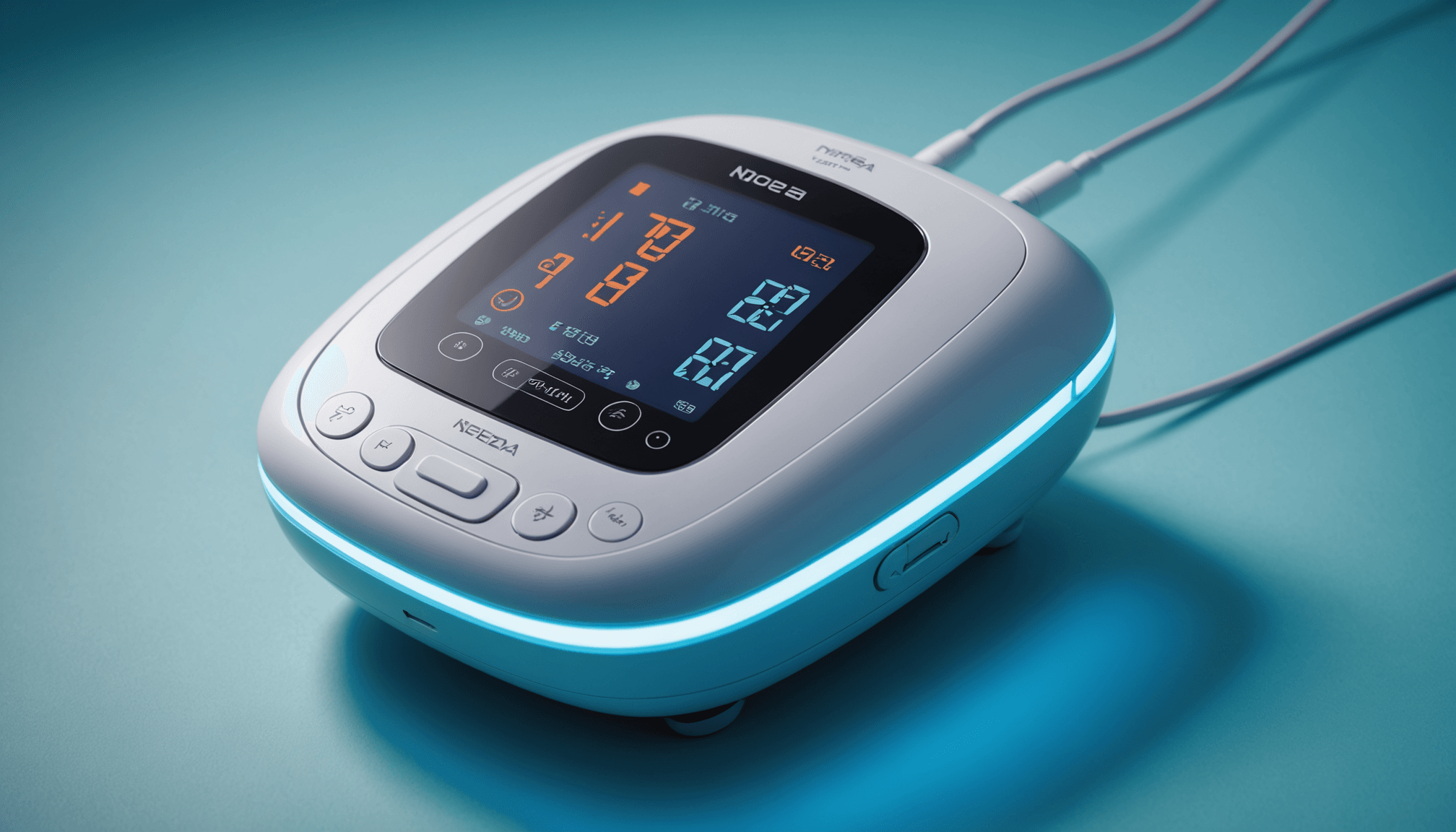
Identifying issues that may arise during electrotherapy use is essential for achieving the best treatment outcomes. Users often experience various challenges that can impede the effectiveness of their sessions or lead to discomfort. Recognizing these potential pitfalls is the first step in troubleshooting and ensuring a positive experience.
One of the most frequently reported problems is an inadequate response to pain relief. Users may find that the electrotherapy device does not alleviate their discomfort as expected. This may occur due to several factors:
- Electrode Placement: Improper positioning of electrodes can significantly impact the effectiveness of treatment. Ensure that electrodes are placed over the primary area of pain, following guidelines provided in user manuals or by healthcare professionals.
- Intensity Settings: If the intensity is set too low, patients may not feel the desired effect. It is crucial to adjust the settings gradually, starting from a lower intensity and increasing to a comfortable level while monitoring the body’s response.
- Session Duration: Short sessions may not provide sufficient stimulation for therapeutic benefits. Adhering to recommended duration guidelines can enhance the effectiveness of treatment.
Another issue users might face is skin irritation or allergic reactions at the site of electrode application. This is typically caused by:
- Electrode Quality: Low-quality electrodes may contain adhesives that irritate the skin. Opt for hypoallergenic electrodes to reduce the risk of irritation.
- Skin Preparation: Ensure that the skin is clean and dry prior to applying electrodes. Avoid using creams or lotions that can hinder adhesion and lead to irritation.
- Frequency of Use: Prolonged use of the same electrode site can lead to irritation. Rotate electrode placements to allow the skin to recover between sessions.
Additionally, some users experience inconsistent results with electrotherapy treatment. This can stem from:
- Frequency of Treatments: Spacing out treatments too far may lead to reduced effectiveness. Regular sessions are generally recommended to maintain pain relief and muscle engagement.
- Device Functionality: Troubleshooting the device is vital if consistent results are not achieved. Regularly check connections and ensure that the power source is functional.
Continuous education about effective techniques for electrotherapy use is essential for both practitioners and clients. This includes promoting clear communication about expected outcomes and troubleshooting strategies. Providing users with educational materials or guides can empower them to handle common issues confidently, enhancing their overall experience.
Lastly, it is beneficial to seek guidance from healthcare professionals or certified massage therapists who can assist with identifying and addressing specific challenges based on individual needs, ensuring that electrotherapy usage is both safe and effective.
Assessing patient responses to treatment
Assessing patient responses during electrotherapy sessions is essential for optimizing treatment and ensuring effectiveness. Each patient’s experience can vary based on individual sensitivities, pain thresholds, and conditions being treated. To effectively gauge responses, practitioners should pay close attention to verbal feedback and observable reactions during sessions. This attentive approach allows for swift adjustments to treatment protocols based on the patient’s comfort and outcomes.
Begin by engaging the patient in conversation throughout the session to better understand their experience. Ask specific questions such as, “How does the intensity feel now?” or “Are you experiencing any discomfort?” This dialogue helps identify immediate concerns and gauge their pain levels or discomfort. Furthermore, encourage patients to express whether they feel relaxation, muscle twitching, or any unpleasant sensations.
“Listening to the patient is paramount; it enables clinicians to adapt treatments dynamically and foster a more collaborative care experience.”
Monitoring physiological responses is also critical. Practitioners should observe patients for signs like changes in muscle tone, facial expressions, or body language, which can indicate discomfort or undue stress. If a patient appears tense or shows signs of reluctance to continue, reassessment of settings is warranted.
Documenting patient responses after each session is a valuable practice. This record-keeping will help track patterns over time, enabling clinicians to identify which settings or modalities yield the best results for individual patients. Consistent data can aid in troubleshooting common issues that arise with electrotherapy use, improving treatment efficacy and enhancing patient satisfaction.
It’s important to consider potential cumulative effects as well. For certain conditions, reactions may vary from session to session. Some patients may report immediate relief, while others experience delayed effects, making patience and careful observation vital. Adjusting the treatment plan based on these evolving responses can lead to more tailored and successful outcomes.
In managing electrotherapy, the goal is to create a safe and comfortable environment where patients feel empowered to share their experiences. This level of interaction not only builds trust between clinician and patient but also facilitates a comprehensive understanding of troubleshooting common issues. Ultimately, by honing in on patient responses, practitioners can fine-tune their approach to better meet individual needs, enhancing the overall therapeutic experience.
Adjusting settings for optimal results
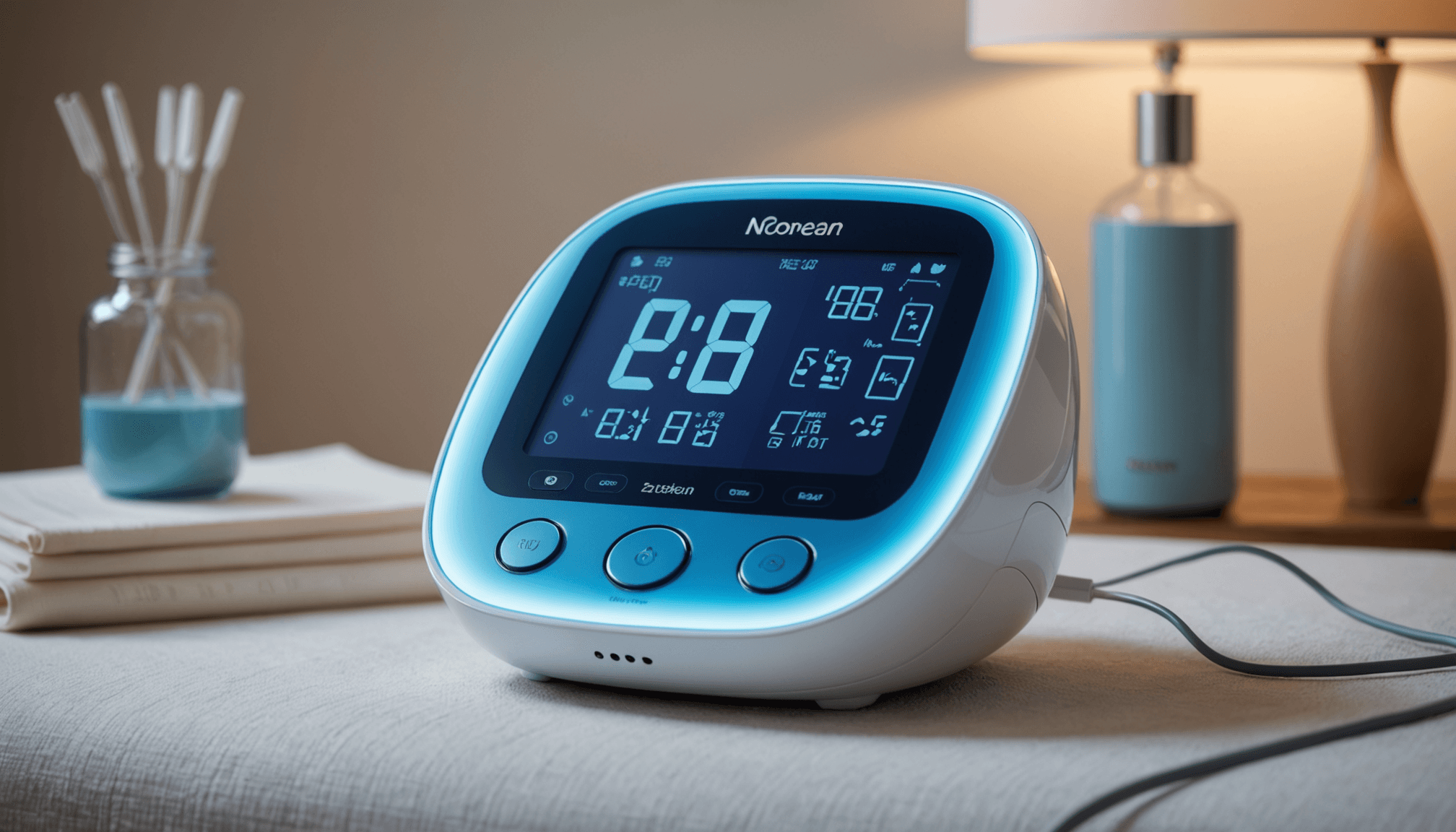 Adjusting settings for electrotherapy devices is a vital aspect of ensuring optimal outcomes for patients. Each device is equipped with multiple settings that can be tailored to an individual’s needs, allowing for a personalized treatment experience. The goal is to find the most effective combination of intensity, frequency, and duration that aligns with the patient’s condition and comfort level.
When starting therapy, always begin at a lower intensity. This approach not only minimizes discomfort but also allows for a gradual adaptation to electrical stimulation. Gradually increasing the intensity provides the opportunity to monitor how the body reacts in real-time. It’s essential to communicate with the patient throughout the process, encouraging them to report on their sensations and any notable changes in their pain levels. This feedback is invaluable for determining the most suitable settings.
Moreover, frequency settings play a critical role in the efficacy of treatment. Different conditions may require varying treatment frequencies; for instance, chronic pain might benefit from more frequent sessions, while rehabilitation may necessitate long durations but less frequent consultations. The practitioner should assess the patient’s tolerance and effectiveness of treatments continually, making adjustments as needed.
Duration is another critical factor; sessions that are too short may not deliver the desired therapeutic effects, while excessively lengthy sessions can lead to fatigued muscles or diminished results. The optimal length often depends on the treatment goal and patient feedback, forming a cycle of adjustment that can lead to enhanced outcomes.
Any troubleshooting of the device or treatment plan should consider these adjustable settings. If a patient experiences discomfort, for instance, it may well mean that the settings need to be modified. This proactive approach in addressing common issues is essential to foster an effective treatment environment where the patient’s needs guide the process.
It’s fascinating to consider how these adjustments can dramatically impact the overall experience. The nuances of working with electrotherapy equipment provide a deeper understanding of patient care, where each setting is not merely a number but a pathway to healing and restoration. The field of electrotherapy is rich with potential, and delving into its intricacies can uncover innovative strategies for improved therapeutic benefits.
- What is electrotherapy?
- Electrotherapy involves using electrical stimulation to manage pain, promote tissue healing, and stimulate muscle activity. It encompasses various modalities like TENS, EMS, and interferential current therapy, each with unique applications.
- How do I know which electrotherapy device to use?
- Choosing the right electrotherapy device depends on your specific condition and treatment goals. Consulting with a healthcare professional can help tailor the most appropriate modality for your needs.
- Is electrotherapy safe for everyone?
- While electrotherapy is generally safe, it may not be suitable for individuals with certain medical conditions, such as pacemakers or severe heart issues. A healthcare consultation is advised to determine suitability.
- How often should I undergo electrotherapy sessions?
- The frequency of electrotherapy sessions varies based on individual needs and the severity of the condition being treated. Most users benefit from regular sessions, but it’s essential to allow adequate recovery time.
- What should I do if I experience discomfort during a session?
- If discomfort arises, immediately communicate with your therapist and consider adjusting the settings. Lowering the intensity or changing the electrode placement may alleviate the issue.
- Can I perform electrotherapy at home?
- Yes, many devices are designed for home use, but it’s important to receive proper training and guidance from healthcare professionals before starting treatment. This ensures safe and effective use.
- How long should an electrotherapy session last?
- Typical electrotherapy sessions last between 20 to 40 minutes, depending on the treatment type and individual response. Always follow your practitioner’s recommendations regarding session length.
Safety precautions to consider
Engaging in electrotherapy presents numerous benefits, but ensuring safety during its use is paramount. Adhering to specific precautions can avert potential complications and enhance the overall treatment experience. Here are essential safety practices individuals should consider when utilizing electrotherapy devices.
- Consulting Healthcare Professionals: Before utilizing electrotherapy, it’s crucial to consult a healthcare professional or a certified massage therapist. They can assess individual health conditions, review any contraindications, and recommend appropriate modalities tailored to specific needs.
- Understanding Contraindications: Be acutely aware of the contraindications associated with electrotherapy. Conditions such as heart disease, recent surgeries, or the presence of electronic implants like pacemakers may restrict the use of certain devices. Always disclose your medical history to avoid any adverse effects.
- Using Quality Devices: Invest in reputable electrotherapy devices that meet safety standards. Avoid acquiring low-cost, unverified equipment that may not have been rigorously tested for efficacy and safety. Recognizing quality brands can minimize risk and ensure a reliable therapy experience.
- Following Manufacturer’s Guidelines: Each device comes with a user manual outlining the operational procedures, safety measures, and recommended settings. Familiarize yourself with these instructions to achieve optimal results while minimizing hazards associated with improper use.
- Monitoring Skin Integrity: Prior to each session, inspect the skin for any irritations or injuries where electrodes may be applied. Users should avoid placing electrodes over broken or irritated skin to prevent further complications.
- Avoiding Overstimulation: Be cautious with treatment frequency and duration. Overuse of electrotherapy can lead to muscle fatigue or skin irritation. Listening to your body and adhering to a prescribed schedule will help maintain effectiveness and safety.
- Staying Hydrated: Hydration plays a vital role in overall wellness and muscle function. Adequate hydration before and after therapy can support muscle recovery and help alleviate potential side effects.
- Educating Yourself: Knowledge is a powerful tool. Seeking information on troubleshooting common issues that may arise during electrotherapy can empower users to handle minor problems effectively and enhance the therapy experience.
Implementing these safety precautions not only maximizes the effectiveness of electrotherapy but also promotes a secure environment for treatment. By preparing adequately and understanding the potential risks, users can confidently engage in electrotherapy, benefiting from its therapeutic advantages while mitigating common issues in usage.
Seeking professional guidance and support
In the realm of electrotherapy, seeking professional guidance and support is an invaluable step for both novice users and seasoned practitioners. Engaging with healthcare professionals who specialize in electrotherapy not only enhances the efficacy of treatment but also provides assurance regarding safety and best practices.
Consulting a licensed massage therapist or a qualified physiotherapist can significantly impact your experience with electrical stimulation therapies. These professionals possess the expertise to assess individual conditions, ensuring that the selected therapy aligns with specific health needs. If you are managing chronic pain, rehabilitation, or muscle strengthening, their insights will be instrumental in tailoring a regimen suited for you.
For individuals seeking pain relief, understanding the complexities of electrotherapy use is vital. A skilled therapist can offer comprehensive guidance on device selection, optimal settings, and expected outcomes based on the unique circumstances of the client. Regular check-ins and adjustments to treatment protocols can lead to improved results while minimizing the risks of common issues associated with electrotherapy.
Moreover, professional support can provide critical education on troubleshooting techniques. By educating users about the nuances of electrode placement, intensity adjustments, and session duration, therapists empower clients to manage their experience effectively. Knowledge of how to handle potential issues, such as skin irritation or discomfort during treatment, can foster confidence and promote self-efficacy.
Attending workshops or informational sessions led by qualified professionals can also expand one’s understanding of electrotherapy. Participants will benefit from real-time demonstrations, hands-on experience, and the opportunity to ask questions that directly address their concerns. Staying informed about advancements in electrotherapy technology and techniques enhances users’ capability to troubleshoot and resolve issues as they arise.
For practitioners utilizing electrotherapy within their practice, seeking guidance from industry experts can refine their skills and bolster their confidence in delivering effective care. Collaborating with colleagues or joining professional networks provides access to shared knowledge and experiences, creating a support system that encourages continuous improvement in practice standards.
Pursuing professional guidance not only enriches the treatment experience but also enhances accountability and outcomes in electrotherapy use. Both users and practitioners benefit from a well-informed approach, enabling them to navigate any potential challenges while optimizing the therapeutic advantages of electrotherapy.
For a personalized session and free consult, Call me: +1 334-300-0389.
Find out how ARPWave Therapy can enhance your performace as an athlete and how you can achieve drug-free pain relief.