For a personalized session and free consult, Call me: +1 334-300-0389.
Find out how ARPWave Therapy can enhance your performace as an athlete and how you can achieve drug-free pain relief.
- Electrotherapy modalities in palliative care
- Mechanisms of action
- Clinical applications in pain management
- Efficacy and evidence-based outcomes
- Safety and side effect profiles
- Future directions and research opportunities
In the realm of palliative care, numerous electrotherapy modalities exist that aim to alleviate pain and improve the quality of life for patients. Broadly, these techniques utilize electrical stimulation to target pain pathways, enhancing comfort through various mechanisms. Here, we will discuss some common modalities used in palliative care.
One prevalent form is Transcutaneous Electrical Nerve Stimulation (TENS), which involves applying low-voltage electrical currents via pads placed on the skin. TENS is often recommended for its ease of use and non-invasive nature. Patients typically experience a tingling sensation, which can help disrupt pain signals sent to the brain. Many find relief from conditions such as arthritis, fibromyalgia, and post-operative pain with TENS therapy.
Another modality gaining attention is Neuromuscular Electrical Stimulation (NMES), which is primarily utilized to stimulate muscle contractions. This has proven beneficial in maintaining muscle function and preventing atrophy in patients who may be immobilized due to pain or illness. For those suffering from chronic pain conditions, NMES can also play a role in reducing discomfort and aiding in overall rehabilitation.
Interferential current therapy is yet another effective technique. It employs two medium-frequency currents that intersect at the site of pain, creating a deeper stimulation without discomfort. This modality can penetrate more profound tissues, making it particularly useful for conditions such as deep muscle injuries or chronic lower back pain.
- Bioelectrical therapy: This involves low-frequency electrical currents aimed at promoting tissue healing and reducing inflammation, ideal for patients with chronic conditions.
- Iontophoresis: A technique where electrical current drives medication through the skin, useful for localized pain relief and inflammation reduction.
When considering these modalities, it’s essential for patients to communicate openly with their healthcare providers regarding their current health status and pain levels, as this can guide the choice of the most appropriate therapy. Additionally, potential users should be aware of important factors such as the proper placement of electrodes, the duration of treatment, and any contraindications, such as the presence of pacemakers or pregnancy, as these can affect safety and effectiveness.
Overall, these electrotherapy options have been integrated into palliative care strategies to enhance pain management, offering patients a range of possibilities tailored to their individual needs. As research continues to evolve, professionals must stay informed about advancements in therapy modalities and their applications in various pain management scenarios.
Mechanisms of action
Electrical stimulation techniques act through several physiological and biophysical mechanisms, primarily targeting the nervous system to modulate pain perception. Understanding these mechanisms is fundamental to optimizing electrotherapy modalities for effective pain management in palliative care settings.
One primary mechanism of action involves the Gate Control Theory of pain, which posits that non-painful stimuli can inhibit the transmission of painful stimuli to the brain. When electrical currents are applied via modalities like TENS, they stimulate A-beta sensory fibers, which, in turn, can block the transmission of pain signals carried by A-delta and C fibers. This creates a “gate” that decreases the sensation of pain, providing significant relief to patients experiencing chronic pain conditions.
Another critical mechanism is the release of endogenous opioids. Electrotherapy has been shown to promote the release of neurotransmitters such as endorphins and enkephalins, which are natural pain-relieving compounds produced by the body. This process enhances the body’s ability to cope with pain, functioning similarly to pharmacological opioids but with fewer side effects and risks of dependency.
Moreover, electrotherapy can facilitate increased blood flow to the treated area. The electrical stimulation causes vasodilation of blood vessels, which enhances circulation, reduces muscle tension, and promotes healing in inflamed or injured tissues. This is particularly beneficial in palliative care, where patients often suffer from issues related to immobility and inflammation.
Additionally, stimulation of muscle contractions through modalities like NMES helps preserve muscle function and prevent atrophy, contributing not only to pain relief but also to improved physical mobility and quality of life. The rhythmic contractions can reduce muscle spasms, alleviate stiffness, and improve overall resilience, which is especially important for patients with limited mobility due to chronic health conditions.
To visualize the various mechanisms at play, the following table summarizes the primary mechanisms of action and their implications for pain management in palliative care:
| Mechanism | Description | Clinical Implications |
|---|---|---|
| Gate Control Theory | Stimulation of non-painful A-beta fibers inhibits pain signal transmission. | Provides acute pain relief for chronic pain conditions. |
| Endogenous Opioid Release | Electrical currents stimulate the release of natural opioids within the body. | Enhances pain management while minimizing side effects associated with external opioids. |
| Increased Blood Flow | Electrotherapy promotes vasodilation, increasing circulation. | Assists in tissue healing and reduces pain caused by inflammation. |
| Muscle Contraction Stimulation | Induces involuntary muscle contractions to prevent atrophy. | Improves mobility and reduces muscular discomfort in patients with chronic pain. |
Understanding these mechanisms of action is vital for clinicians as they select appropriate electrotherapy modalities for patients in palliative care. Each patient’s unique pain characteristics, health status, and treatment response should guide therapy decisions, ensuring that electrotherapy is employed effectively as part of a comprehensive pain management strategy. By leveraging these mechanisms, healthcare providers can optimize pain relief, enhance patient comfort, and improve overall quality of life in this vulnerable population.
Clinical applications in pain management
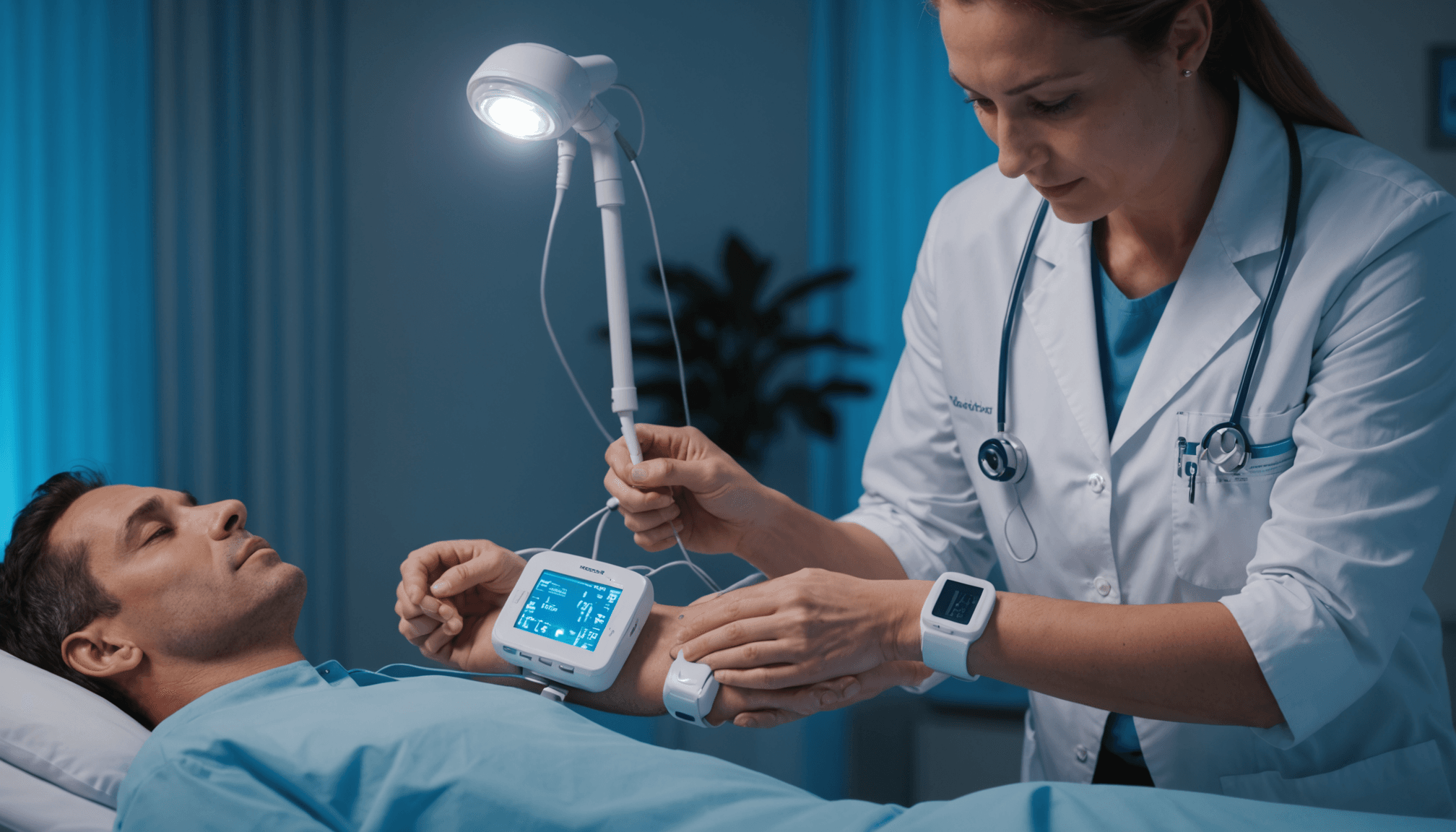
In clinical applications of pain management, electrotherapy offers a multifaceted approach to alleviating discomfort for patients, particularly within palliative care settings. This approach can be tailored to individual needs, addressing various types of pain through specific techniques and modalities.
One notable application is in the management of neuropathic pain, which often results from damage to the nervous system. Patients suffering from this type of pain may experience sensations like burning or tingling, which can be debilitating. Electrotherapy modalities such as TENS and NMES have shown promising results in alleviating neuropathic pain by modulating pain signals and promoting muscle relaxation. The utilization of these modalities can significantly enhance the quality of life for individuals with chronic neuropathic conditions.
Another important application lies in the relief of cancer-related pain. As patients navigate through their treatment and end-of-life care, they may face various sources of pain, including surgery, chemotherapy, or the disease itself. Clinicians can employ electrotherapy techniques tailored to the specific type of pain, enabling effective symptom management. Evidence suggests that TENS, in particular, can serve as an adjunctive treatment, providing substantial relief from pain and enabling patients to participate more actively in their care.
Furthermore, electrotherapy can be particularly beneficial for musculoskeletal pain, which is prevalent among patients with chronic illnesses or those undergoing rehabilitation. Techniques such as interferential therapy target deeper tissues and can aid in reducing inflammation and muscle spasms, promoting healing and comfort. Utilizing these methods allows healthcare providers to address pain comprehensively while minimizing reliance on medication.
- Consider the specific pain type: Tailor the electrotherapy modality to the nature of the pain present. For instance, TENS might be more effective for acute pain, while NMES may be better for muscle weakness.
- Consult with healthcare professionals: Communication with providers is crucial for determining the right treatment plan, based on individual health and pain conditions.
- Be aware of treatment duration: Optimal session lengths vary by modality; following recommendations enhances efficacy and safety.
- Understand contraindications: Ensure electrode placement and therapy type are safe for each patient, particularly concerning issues like pacemakers or skin sensitivities.
Utilizing these practical approaches within electrotherapy offers a significant avenue for improving pain management in palliative care, allowing patients to find relief in a compassionate and personalized manner. Moreover, ongoing education and training for healthcare professionals regarding these modalities are essential to keep up with evolving best practices and evidence-based outcomes, assuring the best care possible for those in need.
Efficacy and evidence-based outcomes
Clinical studies exploring the efficacy of electrotherapy in palliative care demonstrate varied, yet promising, outcomes for pain management among patients with chronic conditions. Research consistently indicates that modalities such as TENS, NMES, and interferential current therapy can lead to significant improvements in pain levels and overall quality of life.
A meta-analysis focused on TENS therapy highlighted its ability to reduce pain intensity in patients with various chronic pain conditions, such as osteoarthritis and lower back pain. The findings suggest that consistent use of TENS can yield a clinically significant reduction in perceived pain levels, lower the reliance on opioid medications, and improve patient mobility. A systematic review further confirmed that patients who utilized TENS reported better pain relief compared to those who did not, underscoring its role as a valuable adjunctive therapy in palliative care settings.
“Effective pain management should be rooted in a comprehensive approach that considers the diverse needs of patients, especially in palliative care.” – American Pain Society
Results from studies assessing NMES have also shown promising benefits, particularly in maintaining muscle strength and function in individuals with limited mobility. This modality not only helps reduce muscle atrophy and promotes muscle relaxation but also assists in pain relief associated with muscle spasms. A research review found that NMES combined with conventional treatment methods resulted in reduced pain scores and enhanced rehabilitation outcomes for patients with chronic pain, illustrating its effectiveness as part of a multidisciplinary approach.
Interferential current therapy has been noted for its deeper tissue stimulation and ability to target pain more effectively. Clinical outcomes indicate that patients with chronic pain conditions often experience significant pain relief after several sessions, allowing for improved functionality and daily activity participation. Comparative studies reveal that interferential therapy can outperform other modalities in specific scenarios, particularly in addressing deep-seated pain not adequately managed by superficial treatments.
However, it is essential to recognize that although these electrotherapy modalities show evidence of efficacy, patient responses can vary widely. Factors such as the type of pain, individual tolerance to electrical stimulation, and specific health conditions must inform the treatment plan. As the understanding of electrotherapy continues to evolve, ongoing research is necessary to elucidate optimal parameters, appropriate patient selection, and integration with other therapeutic interventions to achieve the best outcomes in palliative care for pain management.
The integration of electrotherapy into comprehensive pain management strategies ensures that patients in palliative care settings can access a range of effective treatment options, allowing healthcare providers to personalize pain relief interventions based on individual patient needs and responses.
Safety and side effect profiles
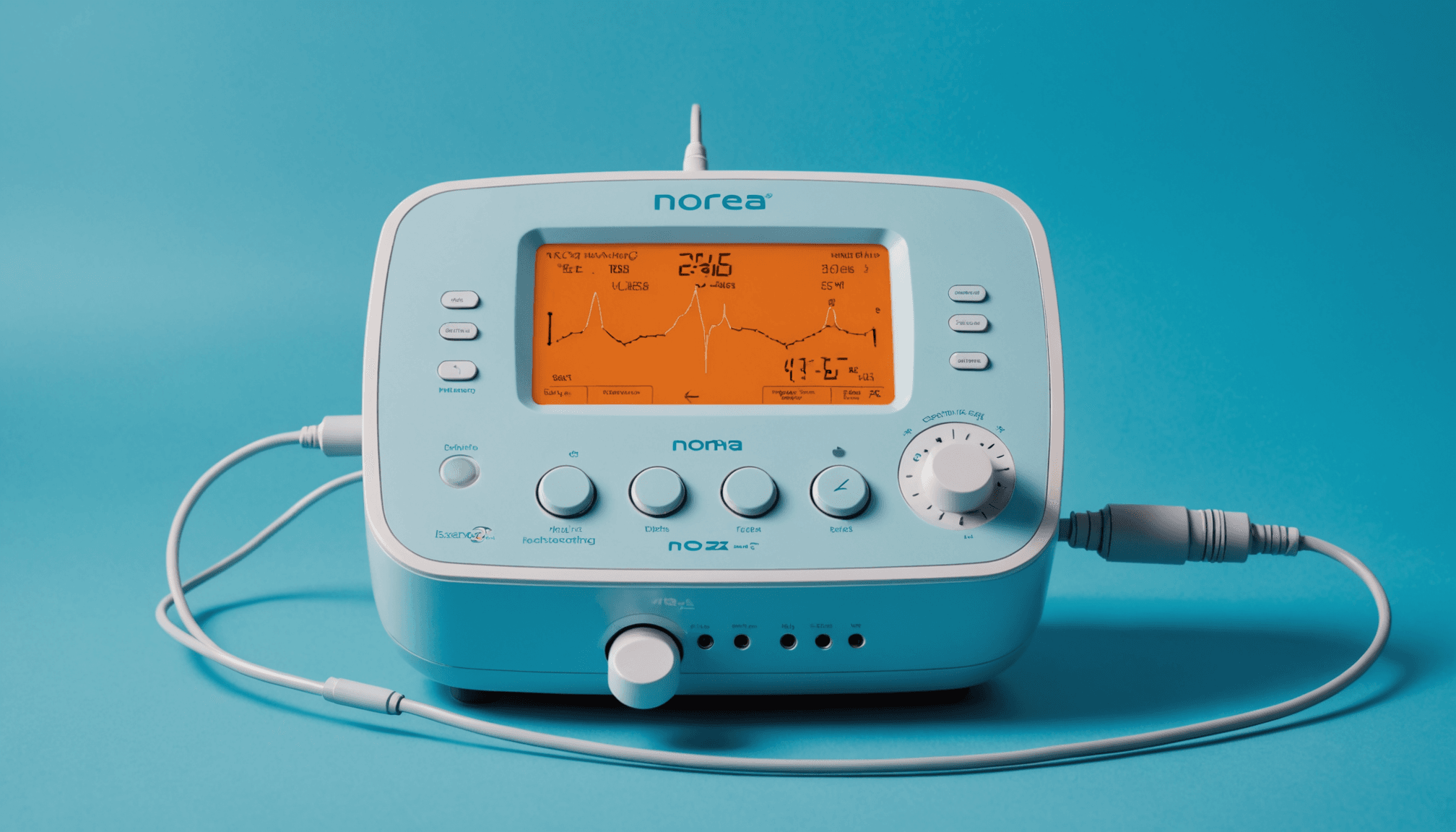 Electrotherapy modalities, while generally safe, can present certain side effects and contraindications that healthcare providers and patients should carefully consider. Common side effects often include localized skin irritation at the electrode sites, which can manifest as redness, itching, or discomfort. These reactions are usually mild and can be mitigated through proper electrode placement and skin preparation prior to treatment. It is also essential to monitor the duration and intensity of treatment, as excessive stimulation may lead to muscle soreness or spasms, particularly in patients who are not accustomed to electrical stimulation.
Some patients may experience mild dizziness or fatigue following a session, particularly with modalities that induce muscle contractions. This underscores the importance of assessing individual tolerance and adjusting treatment parameters accordingly. Another aspect of safety is the potential for interaction with certain medical devices, such as pacemakers or implanted defibrillators, where electrical currents can interfere with device function. Therefore, it is crucial for patients to disclose their full medical history, including any cardiac conditions, prior to initiating electrotherapy.
Certain populations may have specific contraindications, such as those with skin conditions, open wounds, or areas with diminished sensation, as electrotherapy may exacerbate these issues or cause unintentional injury. Pregnant women should also exercise caution with specific modalities, especially those involving deeper tissue stimulation.
Healthcare providers must engage in a detailed assessment to identify any potential risk factors and ensure that electrotherapy is an appropriate choice for their patients. Ultimately, careful consideration of patient safety, closely monitoring for side effects, and making clinical adjustments as necessary can enable healthcare professionals to harness the benefits of electrotherapy effectively while minimizing risks.
- What is electrotherapy?
- Electrotherapy is a therapeutic technique that uses electrical stimulation to manage pain and promote healing by modulating pain signals, increasing blood flow, and facilitating muscle contractions.
- How does electrotherapy work for pain management?
- It works by introducing electrical impulses that can interfere with pain signals in the nervous system, stimulate the release of natural pain-relief chemicals, and improve tissue circulation.
- Is electrotherapy safe for everyone?
- While generally safe, electrotherapy may not be suitable for individuals with certain medical conditions, such as those with pacemakers, specific skin conditions, or pregnant women. A comprehensive medical assessment is essential.
- What are the common side effects of electrotherapy?
- Common side effects may include skin irritation, mild dizziness, fatigue, and muscle soreness. These effects are typically mild and manageable with proper adjustments to treatment protocols.
- How long do electrotherapy sessions usually last?
- Sessions typically range from 20 to 30 minutes, depending on the specific modality used and the individual’s comfort level. Providers will customize session lengths based on patient needs and treatment goals.
- Can electrotherapy be used in combination with other treatments?
- Yes, electrotherapy can be effectively integrated into comprehensive treatment plans alongside other therapies such as medication, physical therapy, or massage, enhancing overall pain management strategies.
- How can patients find a qualified provider for electrotherapy?
- Patients should seek a licensed healthcare professional experienced in electrotherapy and palliative care. Referrals from primary care providers or local pain management clinics are good starting points.
Future directions and research opportunities
As the field of electrotherapy in palliative care continues to evolve, several future directions and research opportunities emerge that have the potential to enhance pain management strategies for patients. Ongoing studies are crucial in determining the most effective modalities and parameters for individual patient needs, ensuring tailored treatments that maximize therapeutic outcomes.
One promising avenue is the exploration of personalized electrotherapy protocols. Variability in patient responses to electrotherapy highlights the need for individualized treatment regimens based on specific pain types, patient demographics, and comorbidities. Research into genetic factors influencing pain perception and treatment responsiveness could offer insights into customizing electrotherapy approaches, resulting in improved efficacy for diverse populations.
Additionally, the integration of advanced technologies, such as wearable devices and telehealth solutions, may revolutionize how electrotherapy is delivered in palliative care settings. Wearable electrotherapy devices enable continuous and remote treatment, allowing for real-time adjustments based on patient feedback. This innovation could enhance accessibility, particularly for patients with mobility limitations or those residing in rural areas.
Furthermore, expanding the evidence base through large-scale clinical trials is essential for establishing standardized treatment protocols. While small studies have demonstrated positive outcomes, comprehensive research is necessary to quantify the effectiveness of various electrotherapy modalities, assess long-term benefits, and evaluate potential side effects across different patient populations. Collaboration between multidisciplinary teams, including pain management specialists, physiotherapists, and researchers, can facilitate the development of robust studies that address critical questions within the field.
Another important aspect to consider is the ongoing education and training of healthcare providers in electrotherapy techniques. Ensuring that clinicians remain current with the latest advancements and best practices is vital for optimal patient outcomes. Conferences, workshops, and online training programs can serve as effective platforms for knowledge dissemination, thereby enhancing the skill set of professionals involved in palliative care.
- Encourage patient participation: Engage patients in discussions about their pain management goals and preferences related to electrotherapy, fostering a collaborative therapeutic environment.
- Monitor outcomes actively: Regularly assess the effectiveness of the chosen electrotherapy protocols through patient feedback and clinical evaluations, ensuring timely adjustments when necessary.
- Advocate for research funding: Support initiatives aimed at increasing funding for research in electrotherapy, which can lead to the development of innovative approaches and enhancement of patient care.
- Embrace technology: Stay informed about emerging technologies in electrotherapy, such as digital platforms and devices that facilitate remote pain management, to improve patient accessibility.
In navigating these future directions, the goal remains clear: to advance the applications of electrotherapy within palliative care, ultimately enhancing the quality of life for patients experiencing pain. By focusing on personalized treatment, integrating technological advancements, expanding evidence-based practices, and facilitating education, the landscape of pain management can vastly improve, providing patients with the relief and comfort they deserve.
For a personalized session and free consult, Call me: +1 334-300-0389.
Find out how ARPWave Therapy can enhance your performace as an athlete and how you can achieve drug-free pain relief.