


Demystifying the effects of electrical stimulation on pain
Demystifying the effects of electrical stimulation on pain

For a personalized session and free consult, Call me: +1 334-300-0389.
Find out how ARPWave Therapy can enhance your performace as an athlete and how you can achieve drug-free pain relief.
- Effects of electrical stimulation on pain perception
- Mechanisms of pain modulation
- Types of electrical stimulation techniques
- Clinical applications and efficacy
- Safety and side effects
- Future directions in pain management
The use of electrical stimulation in therapy has gained traction as it offers a unique approach to understanding and addressing pain. When applied correctly, electrical stimulation can effectively alter the way the brain perceives pain signals. This is particularly beneficial for individuals suffering from chronic pain conditions, as it provides an alternative method to traditional pain relief techniques.
Research indicates that demystifying effects of electrical stimulation therapy involves various factors that can enhance its efficacy. One of the key aspects is the interaction between electrical impulses and the nervous system. When electrical currents are applied, they can stimulate sensory fibers that may overwhelm the transmission of pain signals to the brain. This phenomenon, often described as the “gate control theory,” suggests that stimulating non-painful input can close the gates to painful input, effectively reducing the sensation of pain.
For those considering electrical stimulation therapy as part of their pain management strategy, here are some practical tips:
- Consult a Professional: Always seek guidance from a licensed massage therapist or healthcare provider who is experienced in electrical stimulation techniques. They can help tailor the treatment to your specific needs.
- Understand Your Options: There are various types of electrical stimulation devices available, including TENS (Transcutaneous Electrical Nerve Stimulation) units and EMS (Electrical Muscle Stimulation) devices. Research and ask your therapist which option is best suited for your condition.
- Set Realistic Goals: Keep in mind that while electrical stimulation can significantly reduce pain, combining it with other modalities such as massage therapy, physical therapy, or lifestyle changes usually yields the best results.
- Stay Informed: Educate yourself on the latest studies and developments in electrical stimulation therapies to better understand how they can benefit you. Reliable sources include peer-reviewed journals and professional organizations.
- Monitor Your Response: After starting electrical stimulation therapy, pay attention to how your body responds. Keep a journal of your pain levels and any improvements, discussing these with your therapist for ongoing adjustment of the treatment.
Incorporating electrical stimulation into your pain management routine can be a valuable addition. When approached with the right knowledge and support, it can lead to a significant improvement in your quality of life.
Mechanisms of pain modulation
Electrical stimulation can modulate pain through several intricate biological mechanisms. These mechanisms interact at various levels within the nervous system to alter the perception of pain, influencing both acute and chronic pain conditions. Understanding these processes is essential for harnessing the full potential of electrical stimulation therapies in clinical settings.
One key mechanism is the direct stimulation of sensory nerve fibers. When electrical currents are delivered to specific areas, they activate large-diameter Aβ fibers that transmit non-painful stimuli. This activation leads to the inhibition of pain transmission pathways, as described by the gate control theory. The theory posits that the incoming non-painful stimuli can “close the gate” on the pain signals, effectively reducing the sensation of pain reaching the brain.
Additionally, electrical stimulation can promote the release of neurotransmitters that modulate pain perception. These neurotransmitters include endorphins and enkephalins, which are natural pain-relieving compounds produced by the body. The release of these substances contributes to an analgesic effect, creating a sense of comfort and reducing pain levels. This is particularly relevant in chronic pain conditions where the body may not effectively produce these chemicals on its own.
Further, electrical stimulation has been shown to influence the spinal cord’s processing of pain signals. By affecting dorsal horn neurons, electrical stimulation can alter the excitability of pain pathways before they reach the brain. This modulation can help downregulate the chronic pain signals that frequently become amplified due to persistent pain conditions.
To illustrate the differences in these mechanisms, the following table outlines and compares the major biological processes involved in pain modulation through electrical stimulation:
| Mechanism | Description | Effect on Pain |
|---|---|---|
| Gate Control Theory | Activation of Aβ fibers inhibits pain signal transmission. | Reduces perception of pain through competitive inhibition. |
| Release of Neurotransmitters | Stimulates the release of endorphins and enkephalins. | Provides natural analgesic effects, enhancing pain relief. |
| Spinal Cord Modulation | Alters excitability of pain pathways in the dorsal horn. | Decreases transmission of chronic pain signals, lessening pain experience. |
| Cortical Response Modification | Influences how the brain interprets pain signals. | May alter emotional and sensory responses to pain. |
Moreover, the cortical response to electrical stimulation reflects the brain’s adaptability. Research indicates that the brain can recalibrate its response to pain by rewiring neural circuits, hence changing the emotional and sensory interpretation of pain. This neuroplasticity plays a crucial role in chronic pain management, as it means the brain can learn to process pain in less distressing ways.
In summary, the diverse mechanisms through which electrical stimulation modulates pain encompass neural, chemical, and cortical changes that together enhance its therapeutic efficacy. Recognizing these mechanisms is integral to demystifying the effects of electrical stimulation as a viable and effective treatment for various pain conditions.
Types of electrical stimulation techniques
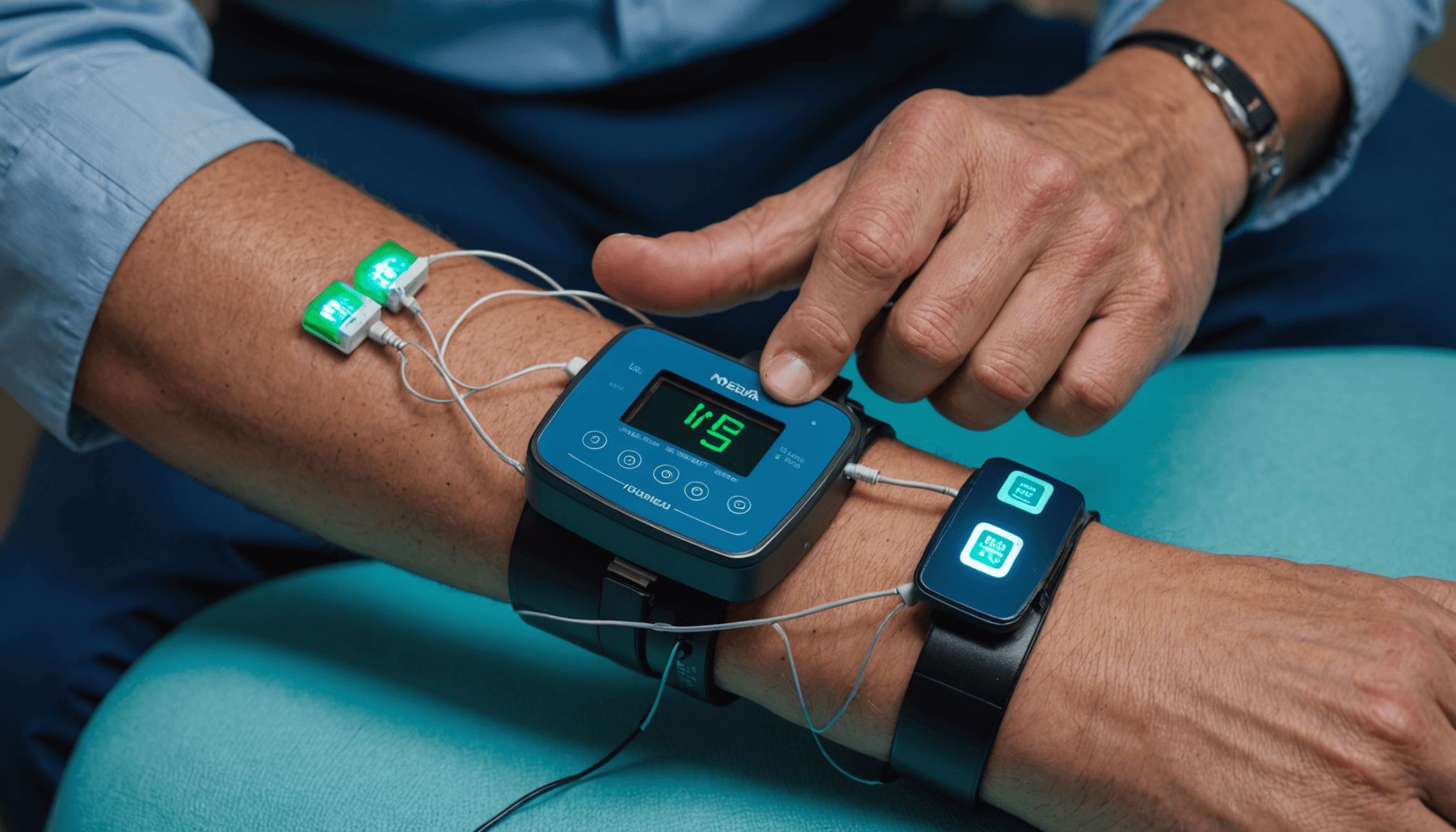
Electrical stimulation techniques are diverse and tailored to meet the specific needs of individuals experiencing pain and discomfort. Each technique offers unique benefits that cater to various pain conditions, from acute injuries to chronic ailments. Here, we outline several prominent types of electrical stimulation techniques that have proven effective in pain management.
- Transcutaneous Electrical Nerve Stimulation (TENS): TENS is one of the most commonly used electrical stimulation techniques. It involves placing electrodes on the skin to deliver low-voltage electrical currents, which stimulate the nerves. This method can help reduce pain perception by activating the body’s natural painkillers, such as endorphins. For those seeking a drug-free pain relief option, TENS can be an effective choice for conditions like arthritis, migraines, and muscle strains. Users should follow device instructions carefully, ensuring that electrodes are placed correctly for optimal effect.
- Electrical Muscle Stimulation (EMS): EMS targets muscle contractions by sending electrical impulses directly to the muscles. This technique can improve muscle strength, enhance recovery after exercise, and alleviate muscle spasms. Athletes often use EMS as part of their training regimen to aid rehabilitation and optimize performance. When using EMS devices, ensure the intensity is set appropriately to prevent discomfort or injury, and consult with a professional to establish a safe protocol.
- Pulsed Electromagnetic Field Therapy (PEMF): This technique uses electromagnetic fields to promote healing at the cellular level. PEMF can improve blood flow and reduce inflammation, making it beneficial for chronic pain conditions like fibromyalgia or post-surgery recovery. Individuals considering PEMF therapy should check for contraindications, especially if they have implanted medical devices.
- Neuromuscular Electrical Stimulation (NMES): NMES focuses on re-educating muscles and restoring their function, especially after injury or surgery. It’s useful for patients recovering from stroke or orthopedic surgeries. NMES promotes muscle contractions and can prevent atrophy, helping to regain mobility and strength. As with other electrical stimulation methods, proper guidance from a physical therapist is essential to maximize results and ensure safe usage.
- Iontophoresis: This technique involves the use of electrical current to drive medication through the skin, delivering localized treatment for pain or inflammation. Commonly used for conditions like tendonitis or bursitis, iontophoresis allows for targeted medication delivery without the need for injections. It’s advised to discuss the suitability of this treatment with a healthcare provider, particularly if one has skin sensitivities or allergies to the medication used.
When exploring these electrical stimulation techniques, keep the following considerations in mind:
- Personalization: Each individual’s pain experience is unique. What works for one person may not work for another. Therefore, work with a licensed practitioner to identify the most effective technique for your specific condition and pain levels.
- Setting Realistic Expectations: While electrical stimulation therapies can provide significant pain relief, it’s essential to set realistic outcomes. These techniques may not completely eliminate pain but can be part of a comprehensive pain management strategy that includes physical therapy, exercise, and other modalities.
- Safety Precautions: Before starting any electrical stimulation therapy, discuss your medical history with a healthcare provider to avoid potential side effects or contraindications, especially if you have underlying health conditions or are pregnant.
Incorporating various electrical stimulation techniques into pain management practices can enhance the efficacy of therapy. By understanding the options available, individuals can make informed decisions and work with their healthcare teams to optimize treatment plans that effectively target pain and promote overall well-being.
Clinical applications and efficacy
Clinical applications of electrical stimulation in pain management encompass a broad spectrum of conditions and situations, showcasing its versatility and effectiveness. Various studies and clinical experiences highlight how these techniques can alleviate pain and improve function in patients suffering from acute and chronic pain conditions. One of the most notable areas of application is in the management of musculoskeletal pain, where electrical stimulation has shown significant potential.
Conditions such as lower back pain, osteoarthritis, and fibromyalgia benefit from electrical stimulation by modulating pain perception and enhancing physical functioning. For instance, TENS units are widely employed in the management of chronic pain conditions, providing patients with a non-invasive and drug-free option for relief. Many patients report substantial decreases in pain intensity and improvements in daily activities, showcasing the practical benefits of this approach.
“The application of electrical stimulation in pain management not only reduces discomfort but also enables patients to restore functionality and improve their overall quality of life.”
Furthermore, electrical stimulation techniques have been integrated into rehabilitation programs for post-operative recovery, helping to reduce pain and enhance muscle strength following surgical interventions. Neuromuscular electrical stimulation (NMES), for example, plays a critical role in preventing muscle atrophy in patients recovering from orthopedic surgeries. By promoting muscle contractions and improving circulation, NMES can help restore mobility more efficiently than traditional methods alone.
In addition to musculoskeletal pain, electrical stimulation has shown promise in neurological pain conditions, such as neuropathy and chronic migraines. Studies indicate that applying electrical stimulation to targeted areas can influence the pathways involved in neuropathic pain, offering a potential solution for patients who have not found relief with conventional treatments. As research continues to uncover the underlying mechanisms and optimal techniques, applications in this field are likely to expand.
Research also highlights the benefits of electrical stimulation in palliative care settings, where managing pain in patients with terminal illnesses becomes paramount. Utilizing various electrical stimulation techniques can improve pain control while reducing reliance on opioid medications, addressing a major concern regarding side effects and dependency.
In light of these possibilities, it is crucial to engage healthcare professionals who understand the nuances of electrical stimulation therapy. Collaboration among providers can ensure that patients receive personalized treatment plans that address their specific pain conditions while maximizing the potential therapeutic benefits of this approach.
Importantly, ongoing studies continue to evaluate the efficacy of electrical stimulation in various clinical scenarios, indicating a promising future for its application in pain management. With advancements in technology and a deeper understanding of pain mechanisms, the therapeutic landscape will likely continue to evolve, offering new hope for individuals seeking relief through innovative electrical stimulation methods.
Safety and side effects
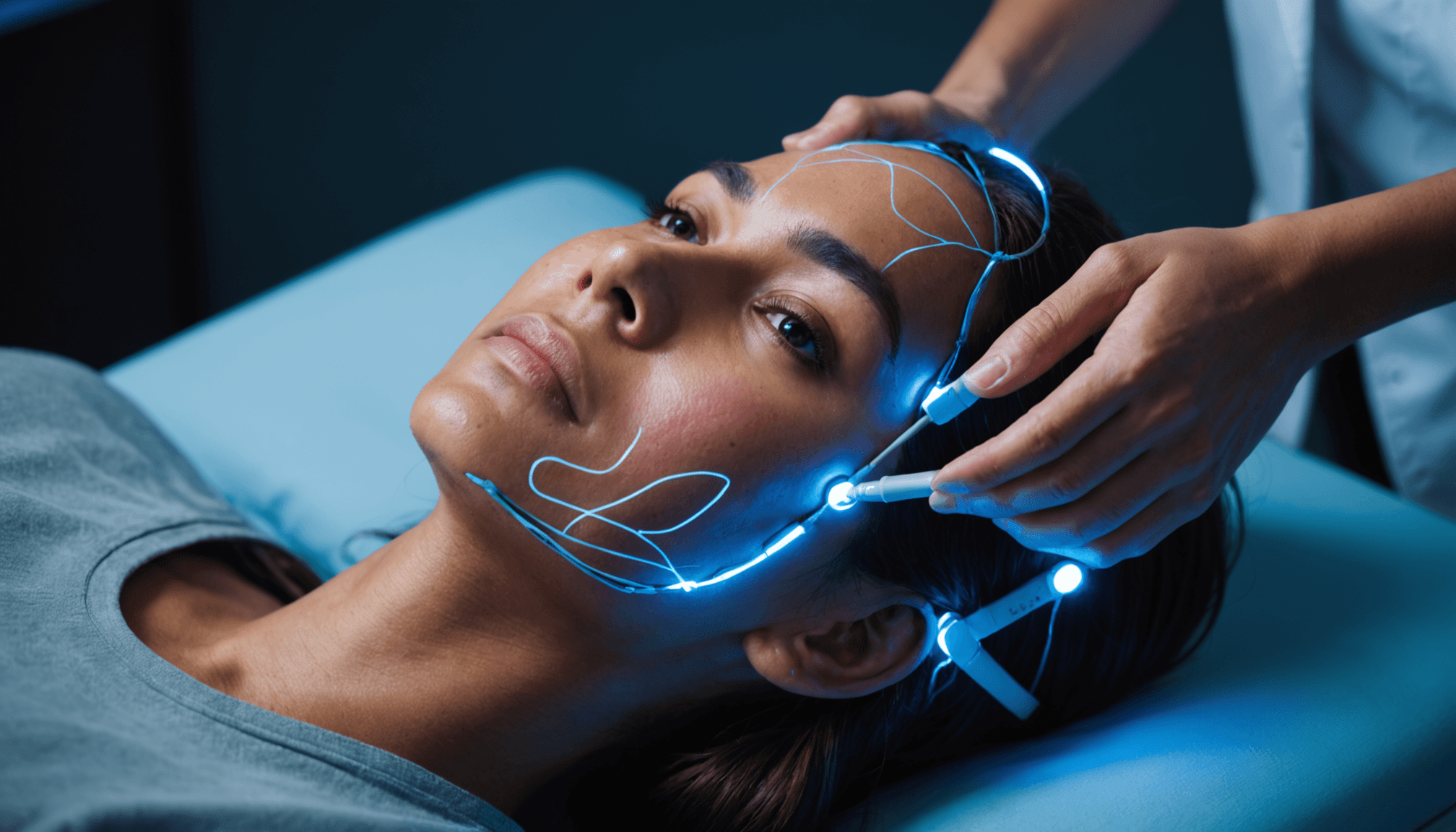 While electrical stimulation techniques are generally considered safe, there are potential side effects and contraindications that individuals should be aware of before beginning treatment. Common side effects may include mild skin irritation at electrode sites, transient muscle soreness, or discomfort during the application of electrical currents. These are usually temporary and resolve shortly after treatment.
However, it’s essential to assess individual health conditions, as certain medical users may be advised against using electrical stimulation devices. For example, individuals with pacemakers, certain heart conditions, or those who are pregnant should consult their healthcare provider before undergoing electrical stimulation. This precaution ensures that the chosen method will not pose any risk to the individual’s health while allowing for the demystifying effects of electrical stimulation to be fully and safely realized.
As with any therapeutic approach, ongoing communication with healthcare professionals is crucial. They can guide the user on how to monitor their response to treatment, adjust parameters as necessary, and determine the best protocol for their specific needs. Functional improvements and pain relief can promote a better quality of life, but understanding these safety considerations allows patients to engage actively in their pain management journey.
- What are the common side effects of electrical stimulation?
- Common side effects include mild skin irritation, temporary muscle soreness, or discomfort during therapy. These effects are usually short-lived and diminish soon after treatment.
- Is electrical stimulation safe for everyone?
- While generally safe, electrical stimulation may not be suitable for individuals with certain conditions such as pacemakers, some heart conditions, or pregnant women. Always consult a healthcare provider before starting treatment.
- How can I ensure that I use electrical stimulation safely?
- To use electrical stimulation safely, follow the manufacturer’s instructions, consult with a licensed therapist, and monitor your body’s response to the therapy. Regularly discuss your treatment progress with your healthcare provider.
- Can electrical stimulation cause any significant reactions?
- Significant reactions are rare, but individuals may experience some discomfort or unwanted sensations. If you notice severe reactions, such as skin burns or significant pain, discontinue use and consult a healthcare professional.
- How often should I undergo electrical stimulation therapy?
- The frequency of electrical stimulation therapy varies by individual needs and conditions. Your healthcare provider can recommend a personalized schedule based on your response to treatment and pain levels.
- Can electrical stimulation replace other forms of pain management?
- Electrical stimulation can be a valuable tool for pain management, but it is typically most effective when used in conjunction with other therapies, such as physical therapy, medication, or lifestyle changes. It should not be seen as a standalone solution.
- What should I do if I experience pain during treatment?
- If you experience pain during electrical stimulation, reduce the intensity or stop the treatment altogether and consult a healthcare provider. Adjustments can often be made to enhance comfort and effectiveness.
Future directions in pain management
As the landscape of pain management evolves, integrating emerging technologies and approaches will be crucial for enhancing patient outcomes. One area that is gaining attention is the ongoing research and application of electrical stimulation modalities, as they hold significant promise in addressing both acute and chronic pain. By understanding the potential for innovation in this field, those seeking relief can better navigate their options.
One promising avenue is the customization of electrical stimulation protocols to align with individual patient profiles. Future advancements may incorporate artificial intelligence and machine learning to analyze patient responses and dynamically adjust treatment parameters in real-time. This personalized approach can enhance efficacy by ensuring that each patient receives the optimal dose and type of stimulation tailored to their unique pain experiences.
Another potential direction lies in the increased use of portable and wearable electrical stimulation devices. These innovations enable individuals to engage in self-management of their pain, affording greater autonomy and flexibility in their treatment. Wearable technology can allow users to receive pain relief on-the-go, integrating seamlessly into their daily routines without the need for constant professional oversight.
Additionally, researchers are exploring the synergistic effects of combining electrical stimulation with other therapeutic modalities, such as massage therapy and mindfulness practices. This multimodal approach could enhance overall pain relief, addressing the psychological and physiological dimensions of pain more comprehensively. Integrating these techniques recognizes that pain management is not merely about alleviating discomfort but also about improving quality of life.
Moreover, expanding access to educational resources about electrical stimulation therapy is vital. Ensuring that patients understand their treatment options, including the mechanisms of pain modulation and safety considerations, empowers them to make informed choices about their care. Workshops, online resources, and improved training for therapists can collectively contribute to a more knowledgeable patient population that can articulate their needs and preferences when it comes to pain management.
Ultimately, as the field of electrical stimulation continues to advance, it is essential for practitioners and patients to stay informed about the latest evidence-based practices and therapies. Engaging in ongoing research, clinical trials, and educational initiatives will pave the way for groundbreaking discoveries that may redefine how we perceive and treat pain.
In light of these developments, it is crucial for individuals seeking pain relief—whether they are athletes, corporate executives, or individuals managing chronic conditions—to continuously evaluate their treatment options. Collaborating with healthcare providers and staying appraised of new findings will empower them to leverage the most effective techniques available for their unique circumstances.
For a personalized session and free consult, Call me: +1 334-300-0389.
Find out how ARPWave Therapy can enhance your performace as an athlete and how you can achieve drug-free pain relief.