


Evaluating the risks and rewards of electrotherapy
Evaluating the risks and rewards of electrotherapy

For a personalized session and free consult, Call me: +1 334-300-0389.
Find out how ARPWave Therapy can enhance your performace as an athlete and how you can achieve drug-free pain relief.
- Understanding electrotherapy: Principles and modalities
- Potential benefits of electrotherapy
- Common risks and side effects
- Patient selection criteria
- Evaluating treatment effectiveness
- Future directions in electrotherapy research
Electrotherapy is an innovative approach used in various therapeutic settings, demonstrating significant potential for both pain management and functional improvement. When considering electrotherapy as a treatment modality, it is essential to understand its principles and the different modalities available. The core principle of electrotherapy revolves around the application of electrical currents to stimulate nerves and muscles, which can effectively alleviate pain and enhance recovery.
There are several commonly used electrotherapy modalities that practitioners may utilize:
- TENS (Transcutaneous Electrical Nerve Stimulation) – A low-voltage electrical current is delivered through electrodes placed on the skin, which is believed to interrupt pain signals to the brain and stimulate the release of endorphins, offering pain relief.
- EMS (Electrical Muscle Stimulation) – This technique contracts muscles through electrical impulses, promoting muscle strength and recovery by increasing blood flow and reducing muscle atrophy.
- IFC (Interferential Current Therapy) – A more complex mode that delivers two different frequencies to provide deeper penetration of tissue, potentially enhancing pain relief and improving circulation.
- Microcurrent Therapy – Utilizes extremely low levels of electrical currents, often employed for chronic pain and tissue repair, supporting cellular activity and healing.
When evaluating the appropriateness of electrotherapy, it’s crucial to take into account the specific needs and conditions of the individual. For instance, athletes might benefit from EMS to recover from strenuous exercise, while those managing chronic pain may find TENS more beneficial. Always ensure that any practitioner you choose is certified and skilled in the specific modality being utilized, as improper application can lead to unwanted risks, such as skin irritation or exacerbation of existing conditions.
Moreover, consumers should remain informed about their own health conditions and discuss them thoroughly with their healthcare provider before starting electrotherapy. For instance, individuals with pacemakers, certain skin conditions, or complications in healing may require caution. It’s important to remain proactive in seeking a treatment approach that aligns with your health goals while also being mindful of the potential rewards and challenges associated with electrotherapy.
Ultimately, as you explore the various options available, keeping an open dialogue with your therapist can lead to a more tailored approach that enhances the effectiveness of your overall treatment plan.
Potential benefits of electrotherapy
Electrotherapy offers a range of potential benefits that extend beyond merely alleviating pain. Many patients find significant improvements in function, recovery time, and overall quality of life. Understanding these benefits can help patients and providers make informed decisions regarding the use of this modality in various therapeutic contexts.
One of the primary advantages of electrotherapy is its ability to provide pain relief without the use of pharmacological agents. This is particularly beneficial for patients who are sensitive to drugs or those who prefer to avoid medications due to side effects or contraindications. The various modalities, such as TENS and IFC, have been shown to disrupt pain signaling pathways, offering patients a non-invasive option to manage their discomfort.
Additionally, electrotherapy can promote healing and rehabilitation. For example, EMS is widely used to assist athletes recovering from injuries, allowing for muscle strengthening and preventing disuse atrophy. This modality effectively enhances blood circulation, which is vital for delivering nutrients and oxygen to injured tissues, thus accelerating the healing process.
In the context of chronic conditions, such as arthritis or fibromyalgia, electrotherapy can help manage persistent pain and improve function. Patients often report enhanced mobility and a decrease in the intensity of pain over time, thus positively impacting their day-to-day activities. Furthermore, electrotherapy may contribute to improved muscle coordination and performance in rehabilitative settings, aiding those recovering from surgical procedures or acute injuries.
The ongoing development of research in electrotherapy has led to more sophisticated devices and techniques, expanding treatment options for various conditions. For instance, innovations in microcurrent therapy show promise in treating both acute and chronic pain, as well as accelerating cellular repair processes. As research continues, practitioners are increasingly able to tailor treatments to the specific needs of individual patients, optimizing both effectiveness and outcomes.
It is important to consider the various benefits of electrotherapy in a structured format to help illustrate these points clearly. The following table outlines some of the key modalities, their potential benefits, and clinical applications:
| Electrotherapy Modality | Potential Benefits | Common Applications |
|---|---|---|
| TENS | Interrupts pain signals, stimulates endorphin release | Chronic pain, neuropathic pain, postoperative pain |
| EMS | Promotes muscle contraction, enhances blood flow | Muscle recovery, strengthening, sports rehabilitation |
| IFC | Deeper tissue penetration, improved circulation | Acute and chronic pain, arthritis, sports injuries |
| Microcurrent Therapy | Supports cellular repair, reduces inflammation | Chronic pain, soft tissue injuries, post-surgical recovery |
Evaluating the clear advantages of electrotherapy not only aids in understanding its role in pain management and rehabilitation but also highlights its growing significance in modern medical practice. As more patients seek alternatives to traditional pain relief strategies, the importance of recognizing the therapeutic rewards of electrotherapy becomes increasingly relevant in the pursuit of optimal health and well-being.
Common risks and side effects
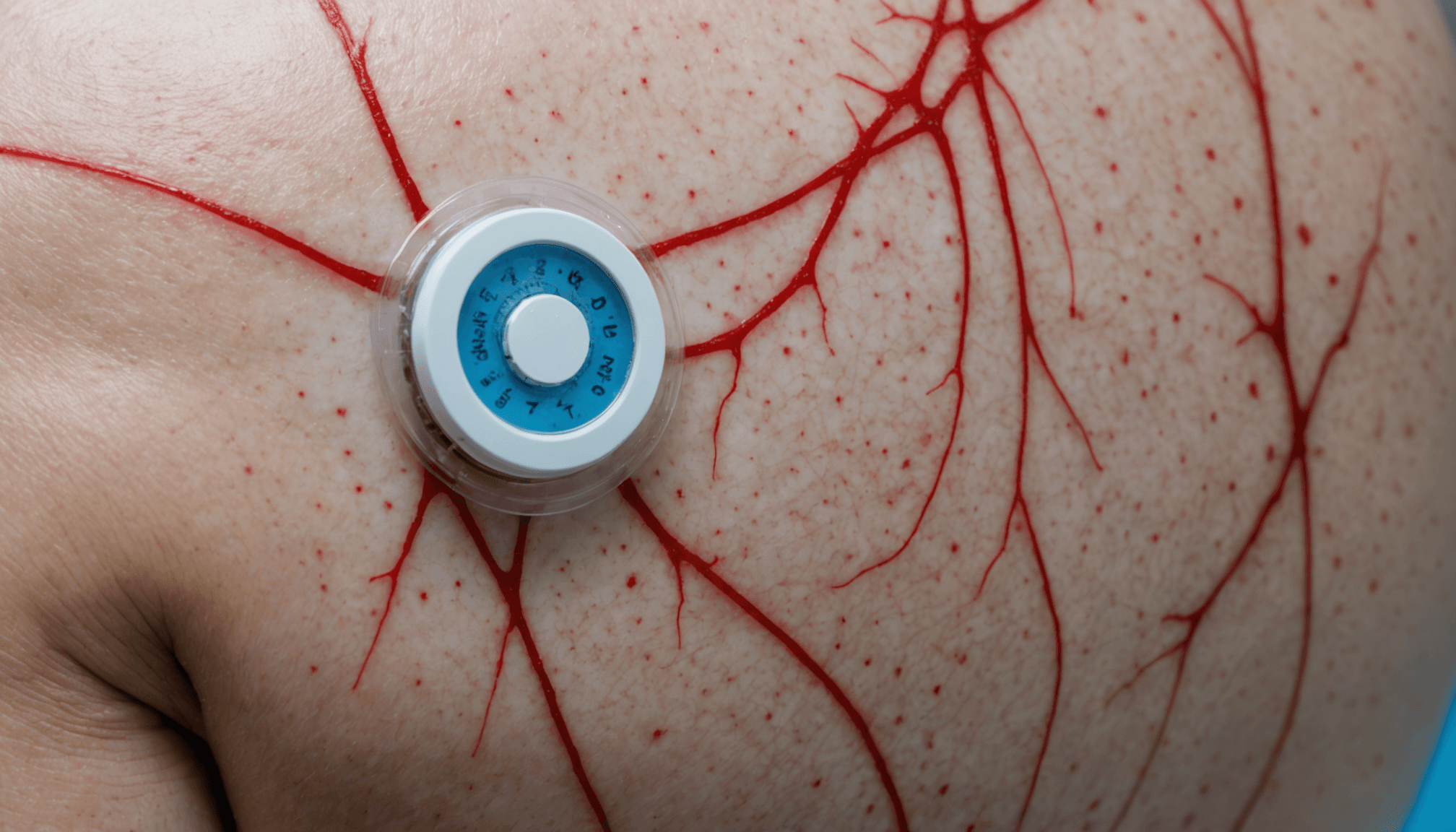
While electrotherapy can offer numerous benefits, it is essential to recognize that there are also potential risks and side effects associated with its use. Awareness of these factors is critical for anyone considering this therapeutic modality to ensure a safe and effective treatment experience. Practitioners and patients should engage in open discussions about any concerns before beginning treatment.
Some common risks and side effects include:
- Skin Irritation: Prolonged use of electrodes can lead to skin reactions, such as redness, itching, or irritation at the site of application. It’s advisable to ensure proper electrode placement and skin care before and after electrotherapy sessions. Always communicate any discomfort to your therapist.
- Muscle Soreness: After treatment, patients may experience mild soreness or discomfort in the muscles stimulated by electrotherapy. This is often similar to the feeling after a workout and generally subsides quickly. Adequate hydration and gentle stretching can help alleviate this sensation.
- Inconsistent Treatment Responses: Not all individuals respond the same way to electrotherapy, and some may find limited relief or no improvement in their condition. This variability can be due to factors such as underlying health conditions, the specific modality used, or the duration of treatment. Keeping a detailed record of your symptoms and treatment responses can aid in evaluating the effectiveness over time.
- Exacerbation of Symptoms: In rare cases, some patients may experience an increase in pain or discomfort following electrotherapy sessions. This reaction can occur if the settings are too high or if the modality is not suitable for the individual’s condition. Adjustments or a different approach may be necessary, hence regular evaluation with your therapist is crucial.
- Contraindications: Certain populations, such as individuals with implantable devices (e.g., pacemakers), those with specific skin conditions, or pregnant women in some circumstances, should avoid electrotherapy. Always consult your healthcare provider to ensure you are a suitable candidate for this treatment.
It’s crucial for patients to have a thorough assessment and discussion of their medical history with a qualified practitioner before commencing electrotherapy. Individual circumstances should be evaluated to determine appropriate treatment plans and modalities to minimize risks. Here are some practical tips to follow when considering electrotherapy:
- Ensure comprehensive communication with your healthcare provider, including disclosing any medications, prior treatments, or existing health conditions.
- Seek a licensed practitioner who is experienced in the specific modality being used, as improper application can lead to increased risks.
- Keep track of your experiences during and after treatment, including any side effects or changes in symptoms, and promptly report these to your practitioner.
- Follow the therapist’s recommendations regarding session frequency and intensity to optimize your comfort and treatment outcomes.
Being informed and proactive in your approach to electrotherapy can lead to better management of potential risks while enhancing the potential rewards associated with treatment. This mindfulness is particularly valuable for those seeking alternative pain relief methods or rehabilitation solutions.
Patient selection criteria
Patient selection for electrotherapy involves a careful evaluation of various factors to ensure that individuals are appropriate candidates for this treatment modality. Not all patients will experience the same beneficial outcomes, and certain conditions or characteristics may warrant closer scrutiny before proceeding with electrotherapy.
It is crucial to assess the patient’s medical history, particularly any underlying health issues that may influence the effectiveness and safety of the treatment. For instance, individuals with a history of cardiovascular conditions may require particular attention, especially if considering modalities like TENS that may affect heart rhythms. Similarly, conditions such as epilepsy or those that predispose to seizures must be assessed meticulously, as they could present contraindications for certain electrotherapy forms.
Additionally, the presence of implanted medical devices, like pacemakers or defibrillators, is a significant consideration. Patients with such devices are commonly advised against electrotherapy due to the potential for electrical interference, which could lead to serious complications. Those with dermatological issues, such as eczema or open wounds in areas targeted for treatment, should also be evaluated thoroughly, as these conditions could exacerbate risks during therapy.
Patient age and activity levels play critical roles in determining the appropriateness of electrotherapy as well. For instance, younger individuals engaged in sports might benefit significantly from modalities aimed at enhancing recovery or preventing injuries, while older adults may have different responses due to age-related physiological changes. Furthermore, assessing a patient’s goals and expectations from electrotherapy is essential; some individuals may seek pain relief, while others could be focused on rehabilitation and strength building. Understanding these objectives helps tailor the treatment approach to meet each patient’s unique needs.
Furthermore, evaluating the patient’s responsiveness to previous treatments is vital. If a patient has a history of ineffective response to electrical stimulation therapies in the past, this should inform the practitioner’s decision-making process about whether to proceed with electrotherapy or explore alternative treatment options.
Ensuring informed consent is also critical in the selection process. Patients should be thoroughly educated about the potential benefits, risks, and side effects associated with the chosen electrotherapy modality. This dialogue fosters a sense of partnership between the patient and practitioner, enabling more personalized treatment plans that align with the patient’s overall health goals.
“The art of medicine consists of amusing the patient while nature cures the disease.” – Voltaire
Ultimately, selecting candidates for electrotherapy is a dynamic process that emphasizes the importance of individualized care and shared decision-making. Regular follow-up assessments can help in modifying treatment plans as necessary, ensuring that patients receive the most effective care tailored to their specific conditions and desired results.
Evaluating treatment effectiveness
 Evaluating treatment effectiveness in electrotherapy involves a multifaceted approach that encompasses both subjective and objective measures. Practitioners must consider how well the chosen electrotherapy modality aligns with the patient’s specific conditions and treatment objectives. This requires a detailed understanding of baseline symptoms, ongoing evaluations, and the overall response to therapy.
Subjectively, patients should be invited to share their experiences throughout the treatment process. This can include verbal assessments of pain levels, functional improvements, and general well-being after each session. Utilizing standardized questionnaires—like the Visual Analog Scale (VAS) for pain or the Oswestry Disability Index (ODI) for functional abilities—provides quantifiable data that can help gauge effectiveness over time. Moreover, documenting a patient’s feedback on any side effects or discomfort provides crucial insights into refining treatment protocols.
Objectively, practitioners can utilize measures such as physical assessments and diagnostic imaging to evaluate changes in muscle strength, range of motion, or swelling. These assessments may include goniometric measurements for joint mobility or electromyography (EMG) tests to assess muscle function, which can be invaluable in determining whether the electrotherapy is producing the desired neuro-stimulation effects. Comparing these results against pre-treatment baselines can illustrate the tangible benefits or any lack thereof.
Monitoring the frequency and intensity of treatments is equally important in evaluating effectiveness. Each individual may respond differently to various modalities, impacting how adjustments in frequency or intensity can optimize results. Regular re-assessment enables providers to tailor the electrotherapy sessions, ensuring that the treatment remains within therapeutic parameters while minimizing any discomfort or adverse effects.
It is equally essential to explore the ongoing research in electrotherapy, as advancements in technology and technique can introduce innovative ways to enhance treatment efficacy. New studies may suggest alternative modalities or improved parameters for existing methods, encouraging practitioners to remain updated and adaptable in their approaches.
By consciously evaluating both the patient’s subjective experiences and objective measures, healthcare providers can navigate the landscape of electrotherapy more effectively, ensuring that each individual’s treatment plan is as personalized and effective as possible. This dynamic process not only enhances outcomes but fosters a deeper understanding of the electrotherapy modality’s evolving role in patient care, prompting further inquiry and exploration in the field.
- What is electrotherapy and how does it work?
- Electrotherapy involves the application of electrical currents to stimulate nerves and muscles, which can help alleviate pain and promote healing. Different modalities, like TENS and EMS, utilize unique methods to disrupt pain signals and enhance muscle function.
- Is electrotherapy safe for everyone?
- While many patients can benefit from electrotherapy, it may not be suitable for individuals with certain medical conditions, such as those with pacemakers, specific skin conditions, or pregnancy. Consulting a healthcare provider is crucial to determine its appropriateness.
- How long does each electrotherapy session last?
- Session durations can vary based on the specific modality used and the individual’s needs, but they typically last between 20 to 60 minutes. Your therapist will offer guidance based on your specific treatment plan.
- How many electrotherapy sessions will I need?
- The number of sessions required often depends on the condition being treated and individual response to therapy. Some patients may experience relief in just a few sessions, while others may require ongoing treatments for optimal results.
- Can electrotherapy replace medications for pain management?
- Electrotherapy can serve as an effective alternative or complement to pain medications, especially for those who prefer to avoid pharmaceuticals. However, it’s important to discuss this strategy with your healthcare provider to ensure a balanced approach to pain management.
- What side effects can occur with electrotherapy?
- Common side effects include skin irritation at electrode sites, mild muscle soreness, and inconsistent treatment responses. Keeping an open line of communication with your therapist can help manage and address any concerns promptly.
- Is there ongoing research into electrotherapy?
- Yes, research in electrotherapy is expanding as new advancements in technology and techniques emerge. This continuous exploration aims to refine treatment methods and improve outcomes for various conditions.
Future directions in electrotherapy research
As the landscape of electrotherapy evolves, ongoing research is crucial for uncovering new modalities, refining existing techniques, and enhancing treatment effectiveness. Notably, future studies aim to better understand the mechanistic pathways through which electrotherapy delivers its benefits, which can ultimately lead to optimized protocols tailored to individual needs.
Personalized Treatment Approaches: Future research should emphasize the importance of personalized medicine in electrotherapy. By integrating genetic, physiological, and psychological factors, researchers can develop individualized treatment plans that maximize rewards while minimizing risks. For instance, understanding how different patients respond to electrical stimuli could enable practitioners to adjust frequency and intensity uniquely suited to each individual’s requirements.
Innovations in Technology: Technological advancements, such as wearable electrotherapy devices and the integration of biofeedback mechanisms, are on the rise. These innovations promise to enhance patient engagement and adherence to treatment. The incorporation of real-time monitoring can help practitioners evaluate treatment effectiveness more accurately, allowing for immediate adjustments based on patient feedback.
Expanding Clinical Applications: Future investigations may also focus on broadening the clinical applications of electrotherapy. Conditions such as migraines, depression, and even post-operative healing may see new studies exploring the efficacy of electrotherapy. For example, using microcurrent therapy for wound healing is a promising area, with ongoing trials assessing its potential to accelerate recovery while reducing the risks of delayed healing.
Multimodal Approaches: Evidence suggests that combining electrotherapy with other treatment modalities may yield superior outcomes. Future studies might explore collaborative protocols using electrotherapy alongside physical therapy, massage, and mindfulness practices to create a holistic approach for pain management and stress relief. This synergy could amplify the therapeutic rewards while reducing reliance on medications.
Training and Education: Another critical direction for future research involves enhancing practitioner education and training. Developing standardized guidelines for the application of electrotherapy can ensure that therapists and practitioners are equipped with the necessary skills to utilize these techniques effectively. This focus on education will help mitigate risks associated with improper application, ensuring that patients receive safe and effective treatment.
The future of electrotherapy is poised for exciting developments, driven by research exploring personalized treatments, advanced technologies, and integrative approaches. Staying informed about these advancements can empower patients and practitioners to harness the full potential of electrotherapy, balancing the risks and maximizing the rewards in pursuit of health and wellness.
For a personalized session and free consult, Call me: +1 334-300-0389.
Find out how ARPWave Therapy can enhance your performace as an athlete and how you can achieve drug-free pain relief.