For a personalized session and free consult, Call me: +1 334-300-0389.
Find out how ARPWave Therapy can enhance your performace as an athlete and how you can achieve drug-free pain relief.
- Understanding electrotherapy for pain relief
- Common misconceptions about electrotherapy
- How electrotherapy works
- Types of electrotherapy treatments
- Effectiveness of electrotherapy for different types of pain
- Safety and side effects of electrotherapy
Electrotherapy has emerged as a valuable approach for managing pain, particularly for individuals seeking alternatives to traditional pain relief methods. This treatment uses electrical signals to stimulate nerves and muscles, potentially leading to reduced pain sensation and improved mobility. While the mechanisms of electrotherapy can be complex, the fundamental principle revolves around the idea of modifying the body’s electrical signals to achieve therapeutic effects.
For those considering electrotherapy for pain relief, understanding the types of treatments available is crucial. Common methods include Transcutaneous Electrical Nerve Stimulation (TENS), which is often used for chronic pain, and Electrical Muscle Stimulation (EMS), designed to promote muscle recovery and alleviation of tension. Each type of treatment has specific applications, making it essential to choose one that targets your unique needs.
Consumers should also be aware of a few practical guidelines when engaging in electrotherapy:
- Consult a healthcare professional: Before beginning any electrotherapy treatment, obtain a thorough assessment from a qualified practitioner who can recommend the most appropriate therapy based on your condition.
- Consider the setting: Electrotherapy devices vary from clinical-grade machines to portable units for home use. Ensure that any device you use is safe, effective, and approved by relevant health authorities.
- Monitor your response: Keep track of your body’s responses to electrotherapy. For some, the sensation may be uncomfortable or even painful. If you experience adverse effects, consult your practitioner immediately.
- Keep a consistent schedule: For optimal results, adhere to a scheduled program of electrotherapy sessions as advised by your therapist. Consistency is key to yielding the best outcomes.
- Integrate with other therapies: Combining electrotherapy with other pain management strategies—such as massage therapy, physical therapy, or relaxation techniques—can enhance overall effectiveness.
Research has shown that electrotherapy can significantly benefit patients with various conditions, including arthritis, fibromyalgia, and sports-related injuries. Therefore, as you explore ways to manage your pain, keep in mind the critical role electrotherapy can play in your recovery journey.
In the quest for pain relief, debunking myths surrounding electrotherapy is essential for informed decision-making. By approaching this treatment with a clear understanding and proper resources, individuals can optimize their pain management strategies effectively.
Common misconceptions about electrotherapy
Electrotherapy has garnered attention as a potential treatment for various pain conditions, but several misconceptions can cloud the understanding of its efficacy and safety. Debunking myths surrounding electrotherapy is essential for patients seeking pain relief to make informed choices about their treatment options.
One prevalent myth is that electrotherapy is merely a placebo effect. While some individuals may experience relief that could be attributed to psychological factors, scientific evidence illustrates that electrotherapy can induce physiological changes within the body. Studies have demonstrated that electrical stimulation can facilitate the release of endorphins—natural pain-relieving chemicals—and modify pain perception by altering nerve signal transmission. In clinical trials, patients utilizing TENS or EMS have shown significant improvements in pain levels compared to control groups, indicating that the benefits extend beyond mere belief in the treatment.
Another misconception is that electrotherapy is only effective for acute pain and lacks utility for chronic conditions. In reality, electrotherapy has shown promise across a spectrum of pain types. Research indicates that chronic conditions, such as osteoarthritis and neuropathic pain, can be effectively managed with appropriate electrotherapy techniques. A comprehensive review revealed that electrotherapy could improve pain scores and quality of life in patients with chronic pain, challenging the notion that it is unsuitable for long-term management.
Furthermore, some individuals believe that electrotherapy is dangerous, leading to apprehension about its use. While it is crucial to follow safety guidelines and consult healthcare providers, studies indicate that electrotherapy is generally safe for most patients. Side effects, when they occur, tend to be minor and may include skin irritation or discomfort at the electrode site. The risk of more serious adverse effects can be minimized by ensuring that electrotherapy is conducted under professional supervision.
Another common myth is that electrotherapy is an instant fix. Many patients expect immediate pain relief after just a few sessions. However, research supports the idea that consistent and ongoing treatment over time yields better outcomes. A systematic review highlighted that the cumulative effect of regular electrotherapy sessions not only aids in pain reduction but also contributes to improved muscle function and mobility.
The table below illustrates a comparison of common misconceptions about electrotherapy with factual evidence to clear up the confusion:
| Myth | Fact |
|---|---|
| Electrotherapy is only a placebo effect. | Scientific evidence demonstrates physiological changes at the neural level, influencing pain perception. |
| Electrotherapy is ineffective for chronic pain. | Research supports its effectiveness for chronic conditions, including arthritis and neuropathic pain. |
| Electrotherapy is dangerous. | It is generally safe when used as directed; side effects are typically mild. |
| Electrotherapy provides instant relief. | Ongoing treatment is often necessary for optimal outcomes and sustained relief. |
By addressing these misconceptions, individuals can approach electrotherapy with realistic expectations and a clear understanding of how it can fit into their overall pain management strategy. Each patient’s experience may differ, but informed decision-making is paramount in optimizing treatment outcomes and enhancing quality of life.
How electrotherapy works
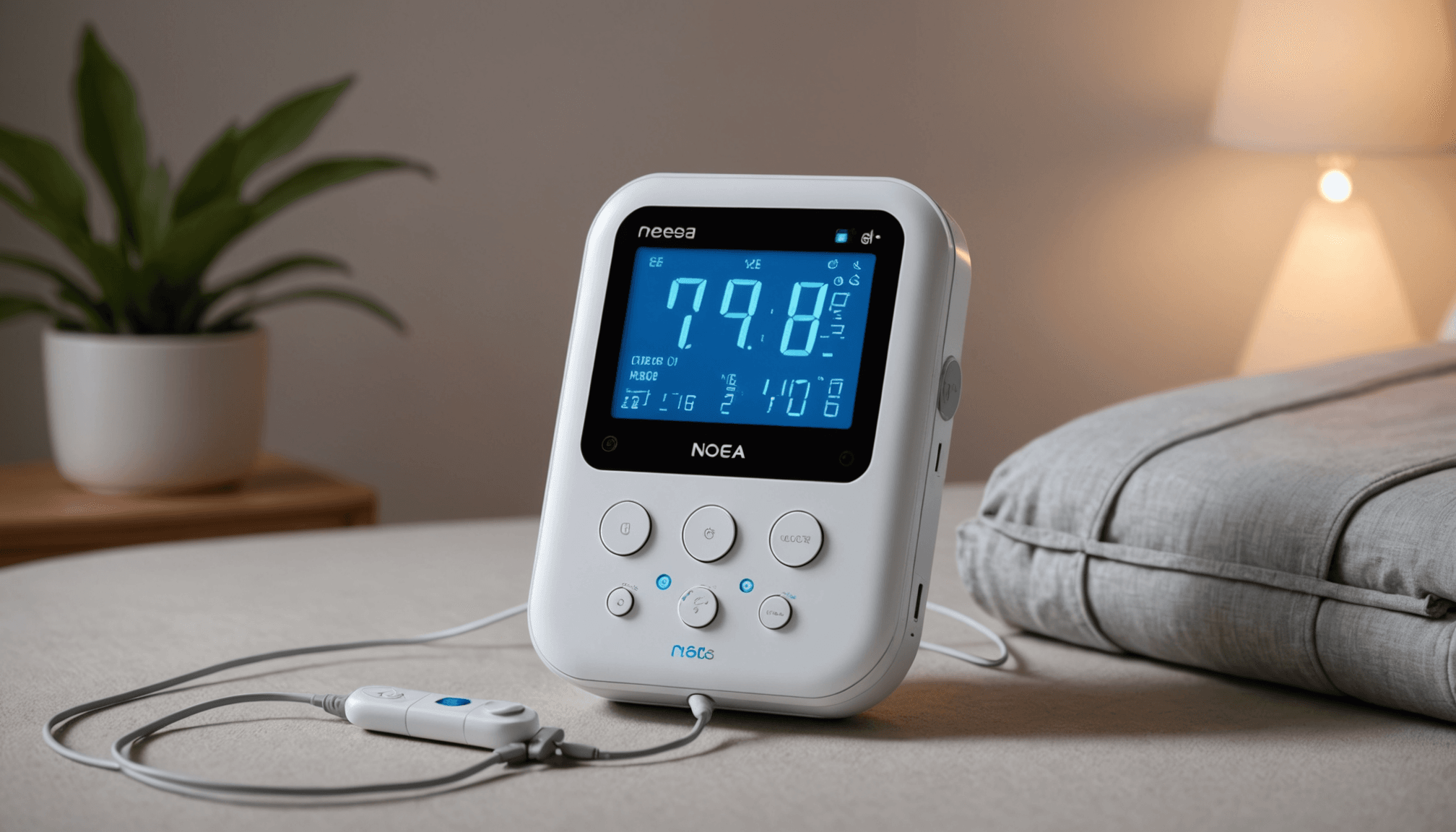
Electrotherapy utilizes electrical impulses to engage the body’s nervous system, promoting therapeutic effects that can alleviate pain. This method primarily works through two mechanisms: blocking pain signals and stimulating muscle contractions. By applying carefully calibrated electrical currents via electrodes placed on the skin, electrotherapy can effectively disrupt the pathway of pain signals before they reach the brain. This is often referred to as the “gate control” theory of pain management, where the bombardment of the sensory nerves by electrical impulses can mask pain sensations.
Another fundamental aspect of how electrotherapy works involves the release of endorphins. These natural pain-relieving chemicals produced in the body act as natural analgesics, reducing the perception of pain. For instance, during a TENS (Transcutaneous Electrical Nerve Stimulation) session, the electrical impulses generated can trigger the body’s endorphin release, leading to an enhanced feeling of well-being and reduced discomfort.
Among the different types of electrotherapy treatments, each has specific ways of functioning that cater to various aspects of pain relief:
- Transcutaneous Electrical Nerve Stimulation (TENS): This method targets nerve fibers to interrupt pain signals and reduce discomfort, making it suitable for chronic pain conditions like arthritis and lower back pain.
- Electrical Muscle Stimulation (EMS): Focused on muscle recovery and rehabilitation, EMS promotes muscle contractions, enhancing blood circulation and alleviating tension. It is particularly beneficial for athletes seeking recovery from injuries.
- Neuromuscular Electrical Stimulation (NMES): Used mainly in physical therapy settings, NMES helps re-educate muscles by stimulating them to contract, crucial for individuals recovering from surgery or injury.
Consumers interested in exploring electrotherapy should consider practical advice to enhance their experiences:
- Start with a professional assessment: Consult a healthcare provider for a tailored plan that addresses your specific pain conditions. This enables you to choose the right type of electrotherapy for your needs.
- Educate yourself about device options: If opting for at-home treatments, research various electrotherapy devices thoroughly. Look for FDA-approved models and read user reviews to gauge effectiveness and safety.
- Practice consistency: Like many therapies, the benefits of electrotherapy build over time. Sticking to a treatment plan and attending regular sessions, as guided by your healthcare provider, is essential for optimal pain relief.
- Combine therapies: For enhanced outcomes, consider integrating electrotherapy with other treatments like massage therapy or physical therapy. This holistic approach can significantly augment the individual effects of each therapy.
Those seeking pain relief must understand that the effectiveness of electrotherapy doesn’t happen overnight. Regular and consistent treatment is crucial to reaping the full benefits. Research supports the idea that cumulative treatments lead to more significant long-term relief and improved muscle functionality.
Types of electrotherapy treatments
Electrotherapy encompasses a variety of treatment modalities, each designed to address pain through specific mechanisms. Understanding these diverse treatments allows individuals to select the most appropriate method for their particular condition.
Transcutaneous Electrical Nerve Stimulation (TENS) is one of the most widely known and utilized forms of electrotherapy. Patients typically use TENS units to deliver electrical impulses through adhesive electrodes placed on the skin. These impulses interfere with the transmission of pain signals to the brain, effectively providing relief for chronic pain conditions such as arthritis and lower back pain. The portability of TENS devices allows for flexibility in usage; patients can manage their pain in the comfort of their own homes or while on the go.
Another popular form is Electrical Muscle Stimulation (EMS), which focuses on muscle recovery and rehabilitation. EMS works by sending electrical impulses to the muscles, stimulating them to contract. This contraction enhances blood flow to the area, alleviating tension and promoting faster recovery after injuries or strenuous activities. Athletes often turn to EMS when looking to expedite muscle healing and maintain a regime of strength training during recovery.
Neuromuscular Electrical Stimulation (NMES) shares similarities with EMS but is primarily used in physical therapy settings. NMES aims to re-educate muscles that may have weakened due to surgery or injury. By inducing contractions, NMES assists in restoring muscle function and strength, making it an integral part of rehabilitation protocols.
Iontophoresis is another method of electrotherapy that combines electrical currents with medication delivery. During this procedure, a medication (often anti-inflammatory) is infused through the skin using a mild electrical current. This direct delivery can enhance the efficacy of the medication while minimizing systemic side effects, making iontophoresis a compelling option for localized pain management.
Lastly, microcurrent therapy employs very low levels of electrical current to promote healing at a cellular level. Often referred to as a “cellular repair” technique, microcurrent therapy is believed to help reduce inflammation and enhance tissue repair, making it a useful adjunct for chronic conditions or post-surgical recovery.
For individuals interested in trying electrotherapy for pain relief, it is vital to consult with a healthcare professional to determine which type is best suited for their specific condition. With various options available, appropriate guidance can help tailor a treatment plan that maximizes benefits and enhances the pain management process. As patients explore these different types of electrotherapy treatments, they can look forward to potentially significant improvements in their pain levels, further underscoring the importance of informed and personalized therapy choices.
“The application of electrotherapy has been shown to promote healing and reduce pain in numerous clinical settings.” – Clinical Research on Electrotherapy
Effectiveness of electrotherapy for different types of pain
 Research into the effectiveness of electrotherapy reveals that it can address various types of pain, offering hope to individuals grappling with chronic or acute discomfort. Clinical evidence suggests that this method can be particularly useful for conditions ranging from musculoskeletal pain, such as arthritis and fibromyalgia, to sports injuries and post-surgical recovery. For instance, studies indicate that TENS can help reduce pain perception in individuals with chronic pain, enhancing their quality of life and enabling them to engage more fully in daily activities.
The effectiveness of electrotherapy varies among individuals and conditions, highlighting the importance of personalized treatment plans. It is essential to recognize that while some may experience substantial relief from just a few sessions, others may require a longer duration of treatment to reap the full benefits. This variability underscores the need for a consistent and guided approach, often coupled with professional input for optimal results. As more people seek alternatives to pharmaceutical pain relief, the quest for knowledge around these treatments remains vital, encouraging ongoing exploration of their applications and efficacy.
Furthermore, electrotherapy can be an integral part of a holistic pain management strategy. For example, its use alongside massage therapy or physical therapy can create a synergistic effect, potentially boosting overall therapeutic outcomes. This interconnectedness invites patients to consider how their pain management approaches can evolve through a combination of treatments rather than relying solely on one method. Engaging with healthcare providers to explore these options can foster a more comprehensive understanding of managing pain effectively.
- What conditions can electrotherapy treat?
- Electrotherapy can effectively treat various conditions, including chronic pain, arthritis, sports injuries, fibromyalgia, and post-operative recovery. It is designed to alleviate pain and improve mobility through different mechanisms depending on the treatment type.
- Is electrotherapy safe for everyone?
- While generally safe, electrotherapy may not be suitable for individuals with certain medical conditions, such as those with pacemakers or pregnant women. It’s essential to consult a healthcare professional to determine if electrotherapy is appropriate for your specific health situation.
- How long does it take to feel the effects of electrotherapy?
- The time it takes to experience relief varies among individuals and conditions. Some may feel immediate improvements, while others might require several sessions over weeks to experience significant benefits.
- Can electrotherapy be used in combination with other treatments?
- Absolutely! Many practitioners recommend combining electrotherapy with other therapies like physical therapy or massage for a more comprehensive approach to pain management. This combination can enhance overall effectiveness and promote better healing outcomes.
- Are there any side effects associated with electrotherapy?
- While electrotherapy is generally well-tolerated, some individuals may experience mild side effects, such as skin irritation or discomfort at the electrode sites. These effects are usually temporary and can be minimized through proper application and care.
- How do I know which type of electrotherapy is right for me?
- Identifying the right type of electrotherapy requires a thorough assessment by a healthcare provider. They can recommend the most suitable method based on your specific pain condition and treatment goals.
- Is electrotherapy an instant solution for pain relief?
- Electrotherapy is not a quick fix; instead, it often requires ongoing sessions for optimal results. Cumulative treatments can lead to more significant long-term pain relief and improved muscle function.
Safety and side effects of electrotherapy
When considering the safety and potential side effects associated with electrotherapy as a method for pain relief, it is essential to approach this treatment with informed awareness. Overall, electrotherapy is generally regarded as a safe therapeutic option for most individuals. However, like any medical treatment, specific precautions and side effects should be taken into account.
Common Side Effects
While many patients tolerate electrotherapy well, some may experience mild side effects, including:
- Skin Irritation: This can occur at the electrode sites, particularly if the electrodes are not applied properly or the skin is sensitive.
- Discomfort: Some individuals report discomfort or tingling during the session. This sensation should not be painful; if it is, the intensity of the device may need to be adjusted.
- Muscle Soreness: Following treatment, mild soreness in the stimulated muscles can occur, especially if electrical stimulation is used to promote muscle contractions.
Precautions to Consider
Given the potential for individual variability in reactions, it is crucial for patients to take the following precautions:
- Consult a Healthcare Professional: Before beginning electrotherapy, a comprehensive evaluation by a healthcare provider is essential. This ensures the treatment aligns with your medical history and condition.
- Avoid Certain Conditions: Individuals with pacemakers, epilepsy, or specific heart conditions should refrain from using electrotherapy without professional guidance, as electrical currents may interfere with these medical devices or conditions.
- Skip Use During Pregnancy: Pregnant women are often advised to avoid electrotherapy on their abdomen or pelvic areas due to potential risks to the fetus.
Important Considerations
As with any treatment, paying attention to your body’s responses is vital. If unexpected symptoms arise during or after electrotherapy—such as prolonged pain, swelling, or any signs of an allergic reaction—seek immediate guidance from your healthcare provider. They can assist in determining whether these effects are related to the treatment and whether adjustments are necessary.
Combining Treatments for Better Results
For those considering the integration of electrotherapy with other modalities for enhanced pain relief, such as massage therapy or physical rehabilitation, it’s advisable to discuss these plans with your therapist or doctor. A coordinated approach can maximize the overall effectiveness, promoting better outcomes in pain management and recovery.
While electrotherapy offers a promising avenue for pain relief, a comprehensive understanding of its safety profile, possible side effects, and necessary precautions can help individuals make well-informed choices. By staying informed, patients can navigate their treatment options effectively, ultimately working towards improved health and well-being.
For a personalized session and free consult, Call me: +1 334-300-0389.
Find out how ARPWave Therapy can enhance your performace as an athlete and how you can achieve drug-free pain relief.