


The cost-effectiveness of electrotherapy for pain relief
The cost-effectiveness of electrotherapy for pain relief

For a personalized session and free consult, Call me: +1 334-300-0389.
Find out how ARPWave Therapy can enhance your performace as an athlete and how you can achieve drug-free pain relief.
- The effectiveness of electrotherapy in pain management
- Understanding electrotherapy modalities
- Comparative analysis of treatment costs
- Patient outcomes and satisfaction levels
- Safety and side effects of electrotherapy
- Future directions in electrotherapy research
When considering pain relief solutions, it’s vital to recognize that electrotherapy has emerged as a powerful ally in managing various types of discomfort. This non-invasive approach harnesses electrical stimulation to alleviate pain and enhance healing. To maximize the benefits of electrotherapy, individuals seeking pain relief should consider a few key factors.
Understanding Your Pain Type: Different types of pain may respond differently to electrotherapy. For instance, chronic pain conditions such as arthritis or fibromyalgia may benefit from modalities like transcutaneous electrical nerve stimulation (TENS). In contrast, acute pain from sports injuries might respond well to electrical stimulation therapies that promote muscle recovery. Identifying the nature of your pain can better guide your choice of therapy.
Consulting Healthcare Professionals: Before starting any electrotherapy regimen, it’s crucial to consult with a qualified healthcare provider or physical therapist. They can assess your specific situation and recommend appropriate treatment protocols that align with your pain management goals. A thorough medical assessment can also help rule out contraindications, ensuring your safety throughout the process.
Choosing the Right Equipment: If you’re considering using at-home electrotherapy devices like TENS units, it’s essential to select a device that is not only effective but also user-friendly. Look for units with adjustable intensity settings and multiple stimulation modes to tailor the treatment to your needs. Brands with positive user reviews often offer models that provide therapeutic benefits without causing discomfort.
Incorporating Electrotherapy into Your Routine: To achieve optimal results, establish a regular electrotherapy schedule. Consistency is key; whether you’re using a device at home or receiving sessions under a therapist’s guidance, frequent treatments may lead to improved pain relief outcomes. For example, some patients find benefit in combining electrotherapy with complementary therapies like massage or physical therapy.
Monitoring Progress: Keeping a pain diary can be beneficial in tracking your symptoms and the effectiveness of electrotherapy. Note the intensity and frequency of your pain, alongside any activities performed or treatments administered. This can provide valuable insights when discussing your progress with healthcare professionals and help to fine-tune your treatment plan.
Adopting these practices can enhance the overall effectiveness and user experience of electrotherapy for pain relief. Always remember that everyone’s journey in pain management is unique, and what works best is a personalized approach tailored to individual needs.
Understanding electrotherapy modalities
Electrotherapy encompasses a variety of modalities, each designed to address specific pain conditions and patient needs. Among the most common types of electrotherapy are Transcutaneous Electrical Nerve Stimulation (TENS), Interferential Current Therapy (IFC), and neuromuscular electrical stimulation (NMES). Understanding how these modalities function can help in choosing the most effective treatment option for pain relief.
TENS is perhaps the most widely recognized form of electrotherapy. It involves the application of low-voltage electrical currents through electrodes placed on the skin. The primary mechanism by which TENS alleviates pain is by stimulating sensory nerves, which can inhibit the transmission of pain signals to the brain. This ‘gate control theory’ of pain suggests that by stimulating non-painful input, the perception of pain can be diminished. TENS devices are often valued for their portability and ease of use, making them suitable for both clinical settings and home use.
Interferential Current Therapy involves the intersection of two high-frequency electrical currents, which can penetrate deeper into the tissues than traditional TENS units. This modality is beneficial for treating both acute and chronic pain, as it stimulates larger areas of tissue and can help reduce inflammation, promote circulation, and facilitate muscle relaxation. IFC therapy requires a clinician’s expertise to ensure proper application and to optimize treatment settings for individual patient needs.
Neuromuscular electrical stimulation (NMES) is different in that it targets muscles to facilitate contraction, thus aiding in muscle recovery and rehabilitation. It is commonly used in physical therapy settings for patients recovering from surgery or injury, as it can help with muscle strengthening and reducing atrophy. NMES can also aid in pain management by promoting the release of endorphins and improving blood circulation, which can further enhance healing.
The effectiveness of these modalities can be influenced by numerous factors, including the duration of therapy sessions, frequency of treatments, and specific patient characteristics, such as pain type and tolerance levels. For comparative purposes, the following table outlines key characteristics of these electrotherapy modalities:
| Modality | Applications | Depth of Penetration | Typical Use | Patient Considerations |
|---|---|---|---|---|
| TENS | Chronic pain, neuropathic pain | Superficial | At-home and clinical | Portable, adjustable settings |
| IFC | Acute and chronic pain | Deeper tissue | Clinical | Requires therapist for application |
| NMES | Muscle recovery, rehabilitation | Variable depending on settings | Clinical | Therapist-assisted, strength-building |
Integrating these modalities into pain management strategies not only enhances effectiveness but also improves patient compliance and satisfaction. Each type of electrotherapy brings its unique advantages, making it critical to assess individual circumstances to determine the most cost-effective and beneficial approach to pain relief. Engaging healthcare professionals for guidance ensures that treatments align with best practices and meet patient-specific needs.
Comparative analysis of treatment costs
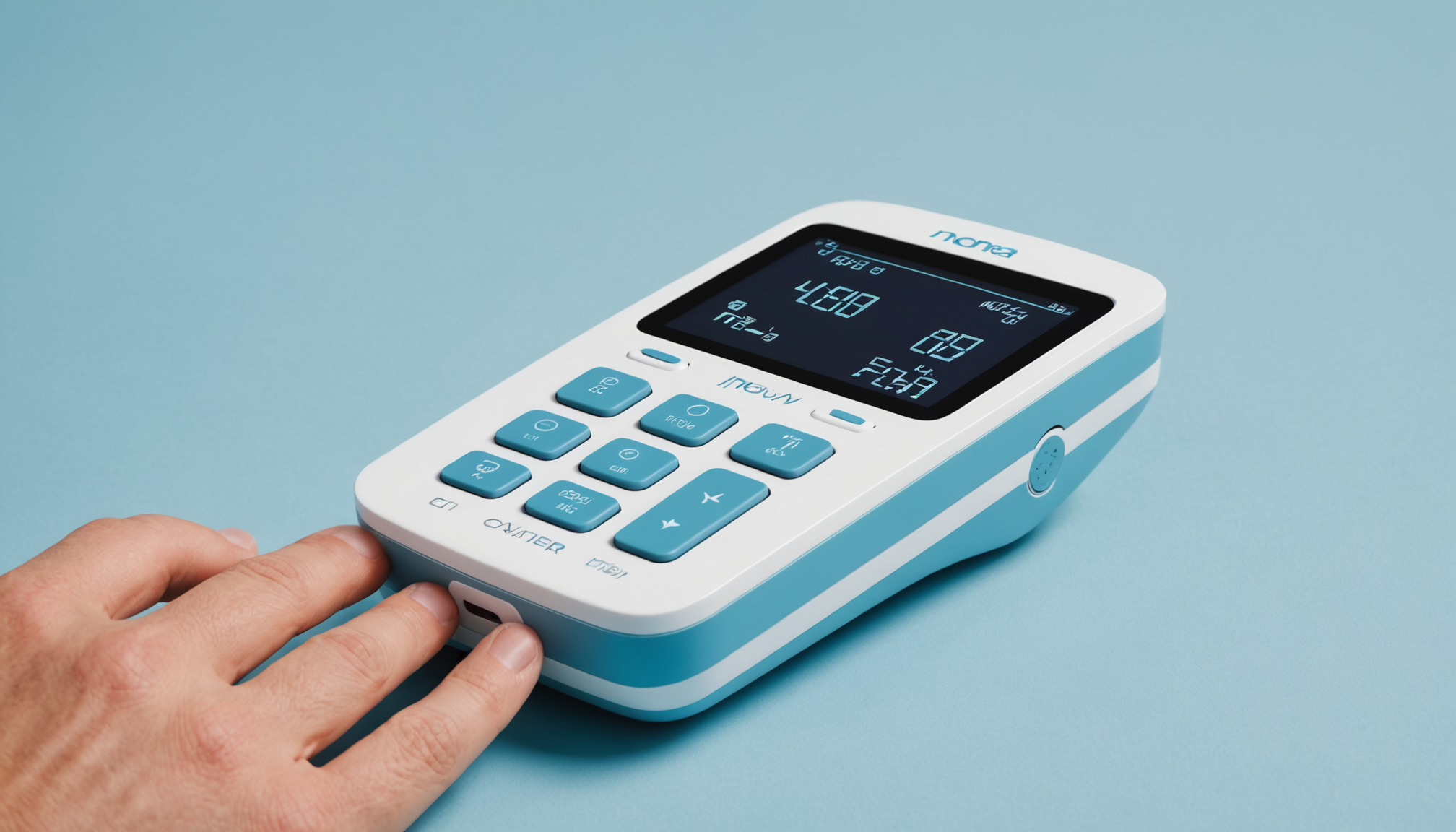
When evaluating the cost-effectiveness of electrotherapy for pain relief, it’s essential to consider the various factors that influence treatment costs and outcomes. Different electrotherapy modalities not only have distinct pricing structures but also varying levels of accessibility and effectiveness that might impact overall expenditures over time.
Understanding Costs: The costs associated with electrotherapy can differ significantly based on the treatment setting (home vs. clinical), the specific modality used, and the duration of therapy. For instance, while purchasing a home TENS unit might involve a one-time investment ranging from $30 to $150, regular therapy sessions in a clinic may cost between $50 to $100 per session. It’s important to factor in these expenses while also considering how often treatments will be needed for effective pain management.
Insurance Coverage: Before committing to electrotherapy, review your health insurance policy. Many plans cover specific electrotherapy treatments, which can substantially reduce out-of-pocket costs. Contact your insurance provider to inquire about pre-approval processes and what modalities are covered, as some insurers may only reimburse for certain types of therapy or require documentation of medical necessity.
Maximizing Effectiveness: To enhance the cost-effectiveness of electrotherapy, patients should combine their use with other complementary therapies. For example, integrating massage therapy or physical therapy can extend the benefits of electrotherapy treatments, potentially reducing the frequency and duration of sessions needed. This holistic approach not only helps in managing pain but also improves overall health outcomes.
Patient Education: understanding how to use at-home electrotherapy devices effectively can lead to better pain management and reduce the number of clinical visits. Patients should familiarize themselves with device settings, electrode placement, and treatment duration to ensure they get the most therapeutic benefit. Many manufacturers offer user guides and customer support, which can be invaluable for optimizing treatment.
Monitoring Outcomes: Keeping track of expenses and treatment responses can identify the most cost-effective strategies for managing pain. Using a pain diary that logs treatment sessions, associated costs, and pain levels may reveal trends that highlight which therapies provide the best return on investment. Tracking progress not only assists in discussions with healthcare providers but can also facilitate adjustments to a pain management plan that suits individual financial and health needs.
Navigating the costs associated with electrotherapy involves careful planning and understanding of both treatment options and personal financial circumstances. By adopting a comprehensive approach that includes education, effective use, and monitoring, patients can achieve significant pain relief while managing their costs more effectively.
Patient outcomes and satisfaction levels
Patient feedback and satisfaction are crucial metrics in evaluating the effectiveness of electrotherapy for pain relief. Various studies have consistently shown that electrotherapy not only helps to diminish pain levels but also enhances the quality of life for many patients.
Many patients report positive changes in their pain symptoms following electrotherapy treatments, contributing to higher satisfaction levels. Surveys and clinical trials indicate that a significant percentage of individuals undergoing electrotherapy experience moderate to substantial relief from their pain conditions. This response often leads to improved mobility and better engagement in daily activities. Consequently, enhanced functionality plays a vital role in patient satisfaction, as patients are able to return to hobbies, work, or family activities that were previously hindered by pain.
“Pain management is not just about alleviating symptoms; it’s about empowering patients to reclaim their lives.”
Moreover, the accessibility of at-home electrotherapy devices has greatly impacted patient satisfaction. Many individuals appreciate the convenience and flexibility of being able to manage their pain in the comfort of their own homes. Patients often report that they value the ability to use devices such as TENS units as needed, which fosters a sense of autonomy in their pain management journey. This self-administration aspect can significantly increase patient engagement, leading to more consistent usage and better overall outcomes.
The setting in which treatment occurs also influences satisfaction levels. Clinical environments often provide professional guidance and a supportive atmosphere, which can enhance the therapy experience. Skilled therapists can tailor treatments specifically to a patient’s needs, adjusting parameters for efficacy and comfort. This personalized approach often results in higher patient satisfaction compared to generic pain relief methods.
Despite the reported efficacy and satisfaction associated with electrotherapy, some patients may express concerns regarding the duration of treatments and perceived effectiveness over time. Continued education about the therapy’s processes, mechanisms, and comparisons with other modalities can alleviate these concerns, helping patients feel more informed and satisfied with their electrotherapy experiences.
Importantly, the psychological components of pain management also play a role in overall satisfaction. Electrotherapy can serve as a part of a broader pain management strategy. When combined with cognitive behavioral therapy (CBT) or mindfulness techniques, many patients report improved outcomes and enhanced satisfaction, as they feel supported in managing both the physical and emotional aspects of chronic pain.
With continued advancements in electrotherapy technology and technique, patient outcomes are likely to improve further. Ongoing research into patient responses and satisfaction levels will help refine treatments and educate practitioners on best practices, ultimately enhancing the overall effectiveness of electrotherapy in pain relief.
Safety and side effects of electrotherapy
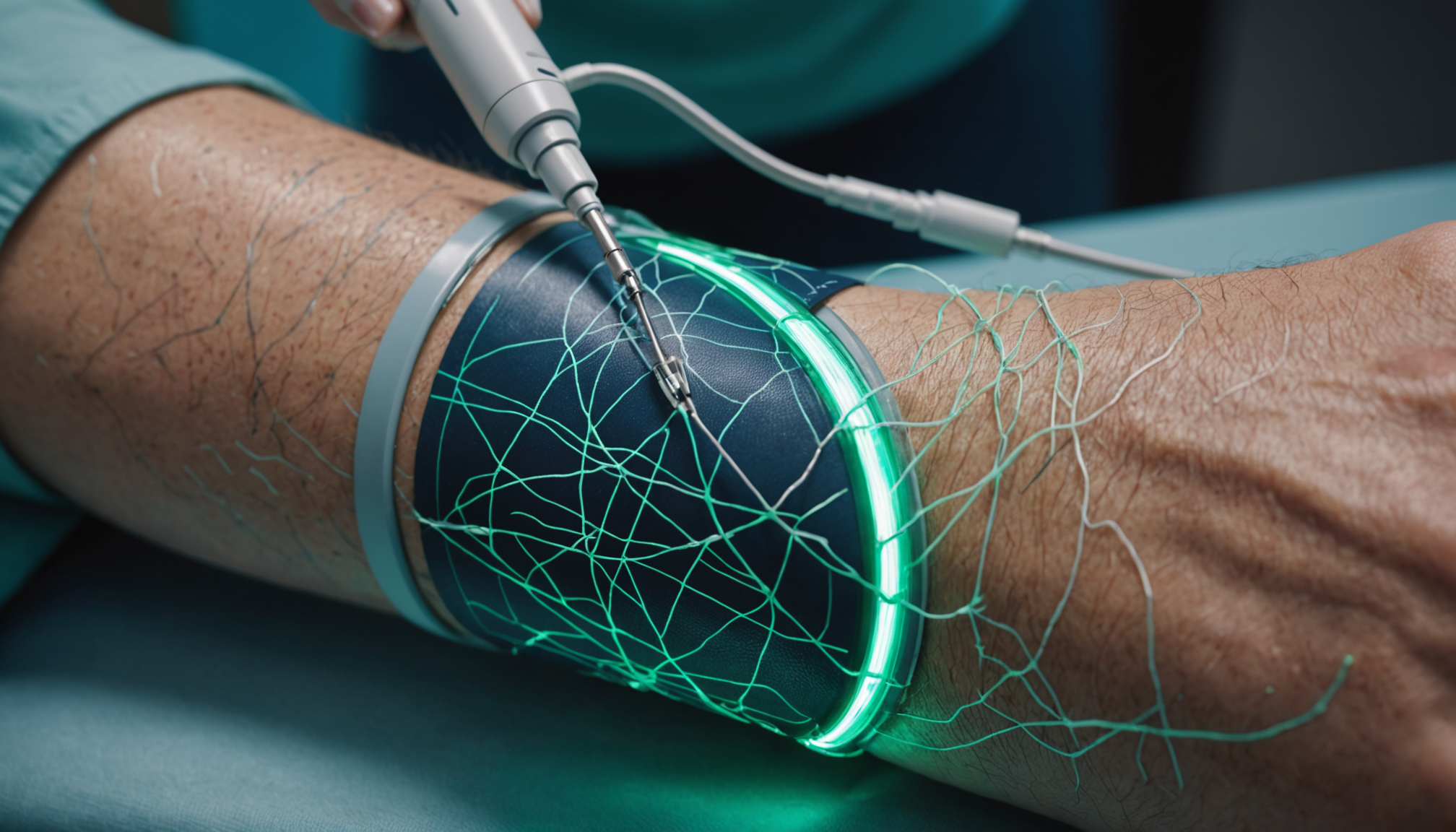 Electrotherapy has emerged as a valuable tool in pain management, with its safety profile being a critical aspect that patients and healthcare providers consider before initiating treatment. The modalities used in electrotherapy, while generally safe, are not without potential side effects. It’s essential to understand these safety parameters to maximize the benefits while minimizing risks.
Most commonly, patients may experience mild skin irritation at the site of electrode placement, particularly if the skin is sensitive or if the electrodes are not replaced regularly. This irritation can often be alleviated by ensuring proper hygiene and by using hypoallergenic electrodes. In rare cases, patients may report discomfort during treatment sessions, especially if the intensity settings are too high; therefore, it’s crucial to adjust settings according to individual tolerance levels.
Another consideration is the contraindications associated with certain electrotherapy devices. For instance, individuals with pacemakers or other implanted electronic devices should avoid electrotherapy, as it can interfere with the functioning of these devices. Additionally, pregnant women are often advised to refrain from using electrotherapy on abdominal or pelvic regions unless under strict medical supervision. Understanding these contraindications is important for patient safety, making a thorough health assessment and professional guidance indispensable before beginning treatment.
Some patients might also express concerns about the long-term effects of consistent electrotherapy use. Current research indicates that when used appropriately, electrotherapy does not pose long-term health risks. However, ongoing studies are needed to evaluate its efficacy and safety for extended periods. It is essential for patients to remain informed about their treatment and to communicate openly with their healthcare team regarding any unusual sensations or side effects experienced during therapy.
Finally, the psychological aspect of safety should not be overlooked. Many patients derive a sense of empowerment and reassurance from actively participating in their pain management strategies through safe, administered electrotherapy. Educating patients about what to expect can diminish anxiety and foster a positive mindset towards their treatment journey.
Engaging openly with healthcare professionals about these safety considerations allows patients to make informed choices about their pain management. Electrotherapy, when used judiciously and professionally supervised, offers a promising solution for pain relief, accompanied by a considerable safety profile. As the field evolves, better understanding and refinement of these modalities will likely enhance their application, effectiveness, and safety in clinical practices.
- What is electrotherapy?
- Electrotherapy is a non-invasive treatment method that uses electrical currents to help manage pain and promote healing. It encompasses various modalities, including TENS, IFC, and NMES, each designed for specific pain conditions.
- Is electrotherapy safe?
- Generally, electrotherapy is considered safe when administered correctly. However, specific populations, such as those with pacemakers or pregnant women, should avoid certain modalities unless under medical guidance.
- What side effects can occur with electrotherapy?
- While most patients experience minimal side effects, potential issues include mild skin irritation, discomfort during treatment if settings are too high, and individual contraindications depending on health conditions.
- How often should one undergo electrotherapy treatments?
- The frequency of electrotherapy sessions varies based on individual needs, pain levels, and the specific modality being used. It’s best to follow a healthcare provider’s recommendations for optimal results.
- Can electrotherapy be used at home?
- Yes, many patients successfully use at-home electrotherapy devices, like TENS units, to manage pain. It’s important to receive proper training from a healthcare provider on how to use these devices effectively.
- What should I expect during an electrotherapy session?
- During a session, you can expect the application of electrodes on the affected area, where electrical currents are delivered. Most patients feel a tingling sensation, but it shouldn’t be painful; settings can be adjusted for comfort.
- How does electrotherapy compare to traditional pain relief methods?
- Electrotherapy can be a complementary approach alongside traditional methods, such as medications or physical therapy. It often provides additional pain relief, helps reduce reliance on pharmaceuticals, and can improve overall treatment outcomes.
Future directions in electrotherapy research
As the field of electrotherapy continues to evolve, research in this area is paving the way for novel applications and enhanced treatment protocols. Emerging studies aim to refine existing modalities and expand the range of conditions that can benefit from electrotherapy, ultimately aiming for improved patient outcomes and satisfaction.
Innovative Modalities: Future research is increasingly focusing on the development of new and hybrid electrotherapy modalities that combine features from existing techniques. For example, researchers are exploring the integration of TENS with neuromuscular electrical stimulation (NMES) to create treatment protocols that target multiple pain mechanisms simultaneously. This can potentially enhance pain relief and facilitate faster recovery times, appealing to various patient demographics, including athletes and those recovering from surgeries.
Personalized Treatment Approaches: Another promising direction is the move towards personalized medicine in pain management. By utilizing genetic profiling and patient-reported outcomes, healthcare providers may soon be able to tailor electrotherapy protocols to individual needs, optimizing efficacy while minimizing costs. Studies are examining how different patients respond to various electrotherapy settings and adjusting treatment plans accordingly for greater cost-effectiveness and improved relief.
Technological Advancements: The incorporation of technology into electrotherapy is also advancing rapidly. Wearable devices that can administer electrotherapy in real-time while monitoring patient responses are becoming more sophisticated. These advancements make it possible to offer more accessible and effective pain relief solutions at home, which can significantly reduce overall treatment costs for patients by decreasing the need for in-office visits.
Multimodal Pain Management: Future research will likely continue to explore the benefits of combining electrotherapy with other therapeutic modalities, such as cognitive behavioral therapy (CBT) and mindfulness techniques. This multimodal approach addresses both the physiological and psychological aspects of pain management and promotes comprehensive patient care. Collaborative research is focusing on optimizing these combined therapies to enhance overall patient satisfaction and treatment success.
Broader Accessibility: Efforts are underway to increase the accessibility of electrotherapy treatments, especially in underserved populations. Community-based programs that offer electrotherapy in conjunction with education and resources on pain management are being developed. Research is evaluating these programs’ effectiveness in improving pain relief, patient outcomes, and long-term health, as well as their potential to reduce healthcare costs by minimizing hospital visits.
The future directions of electrotherapy research present promising opportunities for achieving more effective pain relief strategies. Ongoing collaboration between researchers, healthcare providers, and patients will be critical in shaping these advancements and ensuring they meet the diverse needs of those seeking relief from pain.
For a personalized session and free consult, Call me: +1 334-300-0389.
Find out how ARPWave Therapy can enhance your performace as an athlete and how you can achieve drug-free pain relief.