For a personalized session and free consult, Call me: +1 334-300-0389.
Find out how ARPWave Therapy can enhance your performace as an athlete and how you can achieve drug-free pain relief.
- Overview of Electrotherapy Devices
- Types of Electrotherapy Devices
- Benefits of Home Use
- Safety Considerations
- How to Choose the Right Device
- Best Practices for Effective Use
Electrotherapy devices are specialized tools designed to deliver electrical impulses to the body, promoting various therapeutic effects. These devices utilize electrical currents to stimulate nerves and muscles, aiming to alleviate pain, improve circulation, and enhance muscle relaxation. They are increasingly popular for individuals seeking non-invasive methods for pain management and wellness, particularly in the comfort of their own homes.
Several types of electrotherapy modalities exist, including Transcutaneous Electrical Nerve Stimulation (TENS), Electrical Muscle Stimulation (EMS), and Interferential Current (IFC) therapy. Each modality serves a unique purpose and is suitable for different applications, whether it’s for pain relief, muscle recovery, or injury rehabilitation.
For consumers seeking to integrate electrotherapy into their health and wellness routines, it’s crucial to understand the various features and functionalities of these devices. Most electrotherapy devices are user-friendly, often equipped with adjustable settings that allow users to tailor their experience based on their specific needs. However, as appealing as these benefits may be, it’s essential to use these devices responsibly and to be informed about the best practices for optimal outcomes.
Consumers should consider the following when utilizing electrotherapy devices:
- Understand the technology: Familiarize yourself with how the device operates, including the different settings and recommended treatment durations.
- Consult a healthcare professional: Before beginning any electrotherapy regimen, especially if you have underlying health conditions, consult with a healthcare provider to ensure it is appropriate for your situation.
- Follow the manufacturer’s instructions: Each device will have specific usage guidelines, including placement of electrodes and duration of treatment.
- Monitor your body’s response: Pay attention to how your body reacts during and after treatment. Discontinue use if you experience any adverse effects or increased discomfort.
By adhering to these guidelines, users can effectively harness the therapeutic benefits of electrotherapy devices while minimizing risks associated with their usage. This makes electrotherapy a valuable addition to any home wellness regimen, ideal for those seeking stress relief, pain management, or enhanced athletic performance.
Types of Electrotherapy Devices
Electrotherapy devices can be classified into several categories, each leveraging different technologies to achieve specific therapeutic outcomes. Understanding the different types available is essential for selecting the appropriate device to meet individual needs.
One of the most common types is Transcutaneous Electrical Nerve Stimulation (TENS). TENS devices deliver low-voltage electrical impulses through the skin, targeting pain pathways to disrupt the perception of pain. They are often used for conditions such as arthritis, back pain, and muscle soreness. These devices typically come with adjustable parameters, allowing users to modify the intensity and frequency of impulses, making them versatile for various types of pain.
Another category is Electrical Muscle Stimulation (EMS). Unlike TENS, which primarily addresses pain, EMS aims to stimulate muscle contractions through electrical impulses. This modality assists in muscle strengthening, rehabilitation after injury, and can promote muscle recovery post-exercise. EMS devices are particularly beneficial for individuals undergoing physiotherapy or athletes looking for an efficient way to enhance muscle performance.
Interferential Current (IFC) therapy is another advanced form of electrotherapy that combines two medium-frequency currents. This approach penetrates deeper tissues, providing relief for difficult-to-reach pain and improving circulation. IFC therapy is often utilized in clinical settings, but portable devices are now available for home use, giving users access to professional-grade treatment at home.
Microcurrent therapy is a more recent addition to the list of electrotherapy devices. Utilized in cosmetic applications and for pain management, it uses extremely low levels of electrical current to stimulate cellular repair and growth. Microcurrent devices are popular in anti-aging treatments and rehabilitation settings, as they promote tissue healing without causing discomfort.
To further clarify the options available, the following table summarizes key features of various electrotherapy devices:
| Device Type | Primary Function | Typical Use Cases | Considerations |
|---|---|---|---|
| TENS | Pain relief | Chronic pain, arthritis, muscle soreness | Portable, user-friendly; should be used with caution in certain health conditions |
| EMS | Muscle stimulation | Muscle strengthening, rehabilitation, recovery | Requires proper electrode placement for maximum benefit |
| IFC | Deep tissue pain relief | Chronic pain management, circulation improvement | Provides broader coverage than TENS; more complex settings |
| Microcurrent | Cellular repair | Anti-aging treatments, injury recovery | May require professional guidance for optimal results |
In summary, the variety of electrotherapy devices available for home use makes it crucial for users to identify their specific health goals and select the appropriate type of device accordingly. By understanding the unique functionalities and applications of TENS, EMS, IFC, and microcurrent therapies, individuals can make informed decisions that best suit their treatment needs.
Benefits of Home Use

Utilizing electrotherapy devices at home offers numerous advantages for individuals seeking effective pain relief, muscle recovery, or relaxation. One of the most significant benefits is the convenience of accessing therapy on your own schedule, which can help enhance overall well-being without the need for frequent clinic visits. For those with busy lifestyles—like corporate executives or athletes—this aspect is particularly appealing as it integrates seamlessly into daily routines.
Cost-Effectiveness: Investing in a home electrotherapy device can lead to long-term savings. Rather than paying for multiple sessions with a therapist, users have the ability to manage their own pain relief and muscle recovery at home. This not only reduces the financial burden but also empowers individuals to take charge of their health care.
Customization: Home electrotherapy devices often come with adjustable settings, allowing users to personalize treatments based on their unique conditions and preferences. This level of customization ensures that individuals can focus on areas that require specific attention, whether it’s persistent lower back pain, tension in the neck and shoulders, or muscle soreness after exercising. For athletes, the ability to modify intensity levels can enhance training outcomes or expedite recovery times post-activity.
Consistency and Compliance: Regular use of electrotherapy can be beneficial for managing chronic conditions. Having a device at home encourages consistent therapy as individuals can easily fit sessions into their daily schedules, whether it’s 10 minutes in the morning or longer sessions after a workout. This regularity can enhance the overall effectiveness of the treatment, leading to improved results over time.
For pregnant women, gentle forms of electrotherapy can help alleviate common discomforts such as lower back pain or swelling. However, it’s essential to consult a healthcare provider before using any device during pregnancy to ensure safety.
Accessibility: Home use of electrotherapy devices makes these therapeutic options more accessible to those with mobility issues who may find it challenging to visit a clinic. With a simple setup, users can obtain the necessary pain relief and relaxation directly in their homes, promoting a more comfortable experience.
Moreover, advancements in technology have made many of these devices user-friendly, with easy-to-read displays and instructions. This helps prevent confusion, allowing users to benefit from effective treatments right out of the box.
It’s important for consumers to be mindful of their own health needs and take note of any changes in their body’s response to the therapy. Keeping a treatment log can help track progress, adjust settings effectively, and recognize what works best for each individual.
Incorporating electrotherapy devices into a home wellness routine not only enhances physical health but can also result in improved mental well-being. The ability to manage pain or stress effectively can lead to better focus, increased energy levels, and an overall enhanced quality of life.
Safety Considerations
Utilizing electrotherapy devices at home can pose certain risks and considerations that users must be aware of to ensure safe and effective treatment. Understanding and addressing these safety aspects is paramount to prevent adverse effects and to maximize the therapeutic potential of these devices.
The first key consideration is the importance of proper placement and usage of electrodes. Misplacing electrodes can lead to ineffective treatment or could even exacerbate pain. Following the manufacturer’s guidelines for electrode placement is essential. Users should ensure that their skin is clean and dry before application, as oils or lotions can hinder conduction and reduce efficacy.
In addition to electrode placement, users should be cautious regarding the intensity settings of their devices. Individuals new to electrotherapy should start with lower intensities and gradually increase them based on comfort levels. Sudden exposure to high settings may cause discomfort or pain. Paying attention to one’s body response during treatment is crucial. If there is any sensation of burning, excessive discomfort, or unusual reactions, it is imperative to stop using the device and consult a healthcare professional.
Individuals with certain medical conditions must also exercise caution when using electrotherapy devices. Those with heart conditions, pacemakers, or epilepsy should seek medical advice before utilizing these devices, as electrical impulses may interfere with their health. Pregnant women should avoid using electrotherapy on their abdomen or pelvic area unless specifically advised by a healthcare provider, as it may not be safe for the developing fetus.
Moreover, electrotherapy is not suitable for open wounds or areas with diminished sensation. Using devices on broken skin can increase the risk of further injury or infection. Users should also be aware of the duration of treatment sessions. Overuse can lead to muscle fatigue or soreness; therefore, it is important to adhere to recommended session lengths and frequencies.
It is also wise to keep electrotherapy devices clean and well-maintained. Regularly inspecting for damage or wear and properly storing the devices when not in use helps ensure longevity and safety. Additionally, replacing electrodes as per the manufacturer’s recommendations prevents reduced effectiveness and maintains hygiene.
“Safety is not a gadget but a state of mind.” – Eleanor Everet
Lastly, being informed about the specific device features, functionalities, and contraindications is crucial. Reading the user manual thoroughly will provide users with a deeper understanding of how to use the device safely and effectively. Consulting with a healthcare provider before starting any electrotherapy can also enhance safety, particularly for individuals with underlying health issues or those unfamiliar with this form of treatment.
By prioritizing safety considerations, users can confidently leverage the benefits of electrotherapy devices for home use while minimizing potential risks.
How to Choose the Right Device
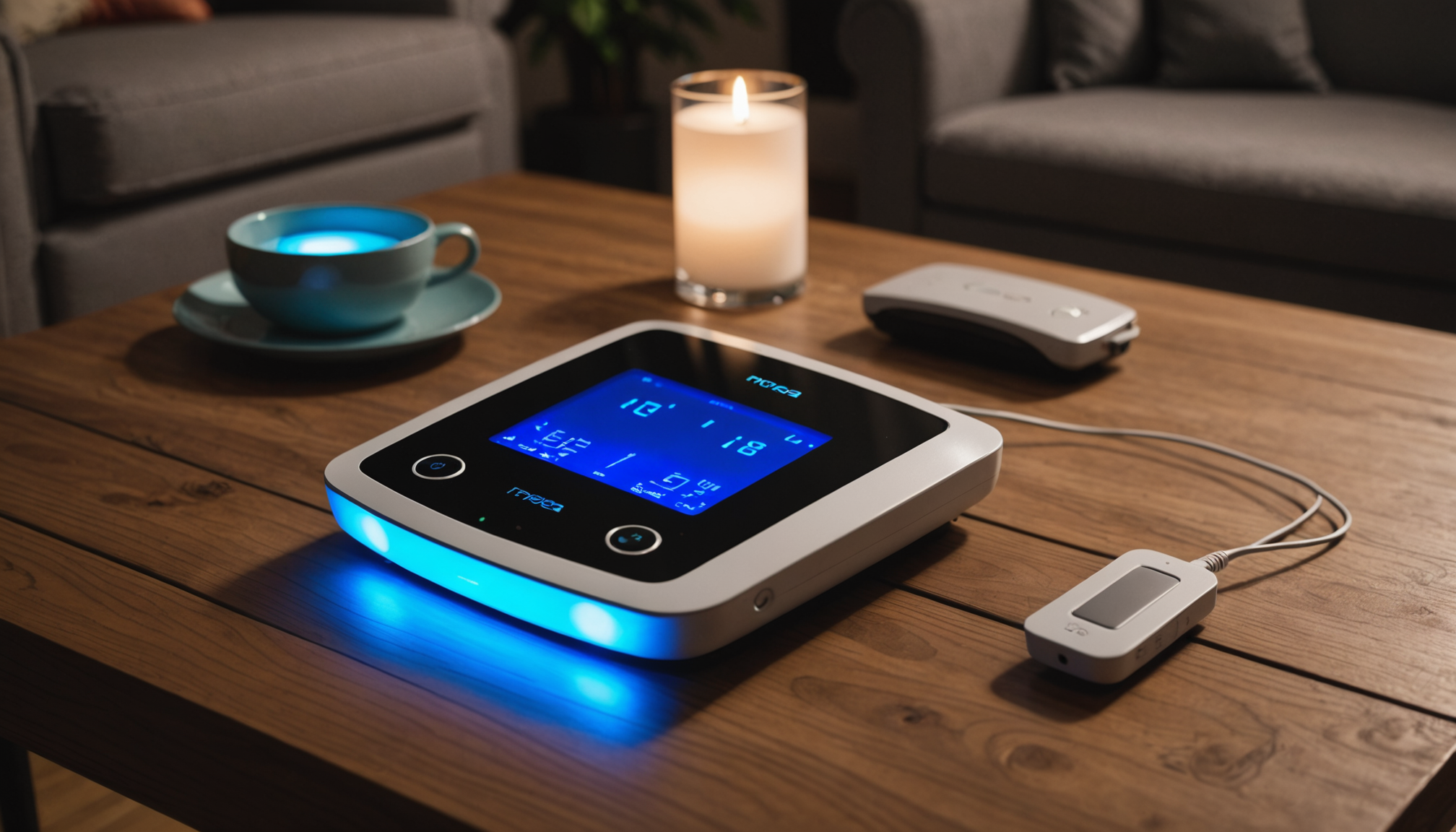 When selecting an electrotherapy device for home use, several critical factors should be considered to ensure it aligns with one’s specific health needs and goals. It’s not merely about choosing a device that appears appealing or fits within a budget; rather, it involves a thoughtful assessment of functionality, comfort, and therapeutic objectives.
First, users should identify their primary reason for using electrotherapy. Are you seeking pain relief, muscle recovery, or perhaps rehabilitation after an injury? Different devices cater to varied therapeutic functions. For instance, those primarily concerned with alleviating pain may benefit more from a TENS unit, while individuals focused on muscle strengthening might find EMS devices more suitable. Understanding these distinctions aids in narrowing down the options.
Another essential consideration is the device’s features and settings. Many electrotherapy devices come equipped with a multitude of customizable settings, such as intensity levels and treatment modes. A device that offers flexibility in its programming can cater to both acute pain relief and ongoing management of chronic conditions. Users should look for devices that allow them to tailor their experience to their comfort level while still achieving therapeutic effectiveness.
The portability of the device is also an important factor. Since the advantages of home use encompass convenience and accessibility, choosing a lightweight, portable device can facilitate consistent therapy sessions, whether at home or on the go. This accessibility ensures that therapy can be seamlessly integrated into daily routines.
Moreover, safety features should not be overlooked when choosing electrotherapy devices. Devices should include built-in mechanisms that protect against potential overuse or mishaps. It’s essential to choose a reputable brand known for quality and safety standards, as this not only guarantees effectiveness but also minimizes risks associated with poorly made products.
User reviews and recommendations can provide invaluable insights. Feedback from those who have similar conditions can reveal practical experiences and outcomes that may influence your decision. Researching user experiences can help identify any commonly faced challenges or benefits that previous users have encountered.
Lastly, considering the warranty and customer support offered by the manufacturer can provide peace of mind. An ample warranty indicates the manufacturer’s confidence in their product, while accessible customer support can assist with any questions or concerns post-purchase.
Equipped with these considerations, individuals can embark on the journey to select their ideal electrotherapy device, paving the way for a more personalized approach to health and wellness within the comfort of their home.
- What is electrotherapy?
- Electrotherapy refers to the use of electrical impulses to treat various health conditions, including pain management and muscle rehabilitation. It employs devices that deliver controlled electrical currents to stimulate nerves and muscles for therapeutic benefits.
- Are electrotherapy devices safe for home use?
- Yes, most electrotherapy devices designed for home use are safe when used according to the manufacturer’s instructions and under appropriate conditions. However, individuals with certain medical conditions should consult a healthcare provider before use.
- How often should I use an electrotherapy device?
- The frequency of use may vary based on individual needs and the specific device. Generally, users can benefit from daily sessions ranging from 10 to 30 minutes, but it’s important to adhere to the guidelines provided with the device.
- Can electrotherapy help with chronic pain?
- Yes, many people find that electrotherapy can effectively help manage chronic pain conditions like arthritis, lower back pain, and fibromyalgia. However, results can vary, and it’s important to tailor the device settings to your specific condition for maximum benefits.
- How do I choose the right electrotherapy device?
- To choose the right device, assess your specific health goals, consider the available features and settings of the device, and research user feedback. Additionally, consulting a healthcare professional can provide valuable guidance.
- Will I feel any pain during electrotherapy?
- While some users may feel a tingling sensation, electrotherapy should not cause pain. If discomfort occurs, it’s advisable to lower the intensity or discontinue use. Listening to your body is crucial during treatment.
- Do I need a prescription to buy an electrotherapy device?
- No, most consumer-grade electrotherapy devices can be purchased over the counter without a prescription. However, those with pre-existing health conditions should consult a healthcare professional before beginning use.
Best Practices for Effective Use
To maximize the benefits of electrotherapy devices for home use, it is essential for users to follow specific best practices that can enhance their experience and ensure effectiveness. Whether using TENS, EMS, or another type of electrotherapy device, these tips are designed to facilitate safe and effective use.
1. Start Slow: If you’re new to electrotherapy, begin with lower settings to get accustomed to the sensations. Gradually increase the intensity as you become more comfortable. It’s important to find a level that effectively relieves pain or tension without causing discomfort.
2. Proper Placement: Ensure electrodes are placed as indicated in the device’s manual. Correct placement is crucial for targeting the right areas and achieving optimal results. An improper setup can lead to diminished effectiveness or even increased discomfort.
3. Maintain Hygiene: Clean the skin before applying electrodes and ensure that the device is maintained according to manufacturer instructions. This practice promotes better conductivity and prevents skin irritation or infection.
4. Timing Matters: Aim for consistent session durations as recommended by the manufacturer, typically ranging from 10 to 30 minutes. Establish a routine that suits your lifestyle, whether it be daily or several times a week, to create a habit that supports better outcomes.
5. Stay Hydrated: Adequate hydration helps maintain muscle elasticity and overall function. After using an electrotherapy device, drinking water can support muscle recovery and replenish any fluids lost during the session.
6. Monitor Your Body: Keep track of any changes in your symptoms and how your body responds during and after electrotherapy sessions. Documenting these observations can help you identify effective settings and durations for future treatments.
7. Combine with Other Therapies: Electrotherapy can be effectively combined with other pain management strategies, such as physical therapy, stretching exercises, or relaxation techniques. This multi-faceted approach can enhance overall efficacy.
8. Educate Yourself: Take the time to read the user manual thoroughly to understand the features and functionalities of your electrotherapy device. Being well-informed will help you make the most of its capabilities and ensure safe use.
9. Consult Professionals: Seek guidance from healthcare providers or certified therapists who can offer recommendations based on your specific health concerns. Professional insight can tailor your electrotherapy experience to your individual needs.
Incorporating these best practices into your use of electrotherapy devices can significantly enhance their effectiveness, helping to provide the pain relief, muscle recovery, or stress reduction you are seeking. Such mindful approaches will not only amplify the benefits but also foster a positive and enriching experience with home therapy.
For a personalized session and free consult, Call me: +1 334-300-0389.
Find out how ARPWave Therapy can enhance your performace as an athlete and how you can achieve drug-free pain relief.