

Stretching chairs and devices to assist fibromyalgia patients
Stretching chairs and devices to assist fibromyalgia patients
For a personalized session and free consult, Call me: +1 334-300-0389.
Find out how ARPWave Therapy can enhance your performace as an athlete and how you can achieve drug-free pain relief.
- Understanding fibromyalgia and its challenges
- Benefits of stretching chairs for pain relief
- Devices designed for improved mobility
- User testimonials and success stories
- Tips for selecting the right device
- Future innovations in fibromyalgia management
Fibromyalgia is a complex and often misunderstood condition characterized by widespread pain, fatigue, and a range of other symptoms that can significantly affect daily life. Patients frequently report difficulties in managing physical activity due to heightened sensitivity to pain, leading to a cycle of inactivity and further exacerbation of their symptoms. Understanding the subtle nuances of fibromyalgia is crucial for both patients and caregivers to foster effective management strategies.
One of the primary challenges faced by individuals with fibromyalgia is the variability of symptoms. This condition can manifest differently from one person to another, with some experiencing severe pain and fatigue while others might struggle with cognitive issues, often referred to as “fibro fog.” This unpredictability can lead to frustration and social isolation, making it essential to create a supportive environment for those affected.
For many fibromyalgia patients, conventional treatments may not provide the relief they seek. This has shifted the focus towards alternative therapies, including massage therapy, which has been shown to offer significant benefits. Low-impact stretching and relaxation techniques can not only alleviate tension in muscle groups but also improve emotional support and reduce anxiety, enabling patients to regain control over their bodies.
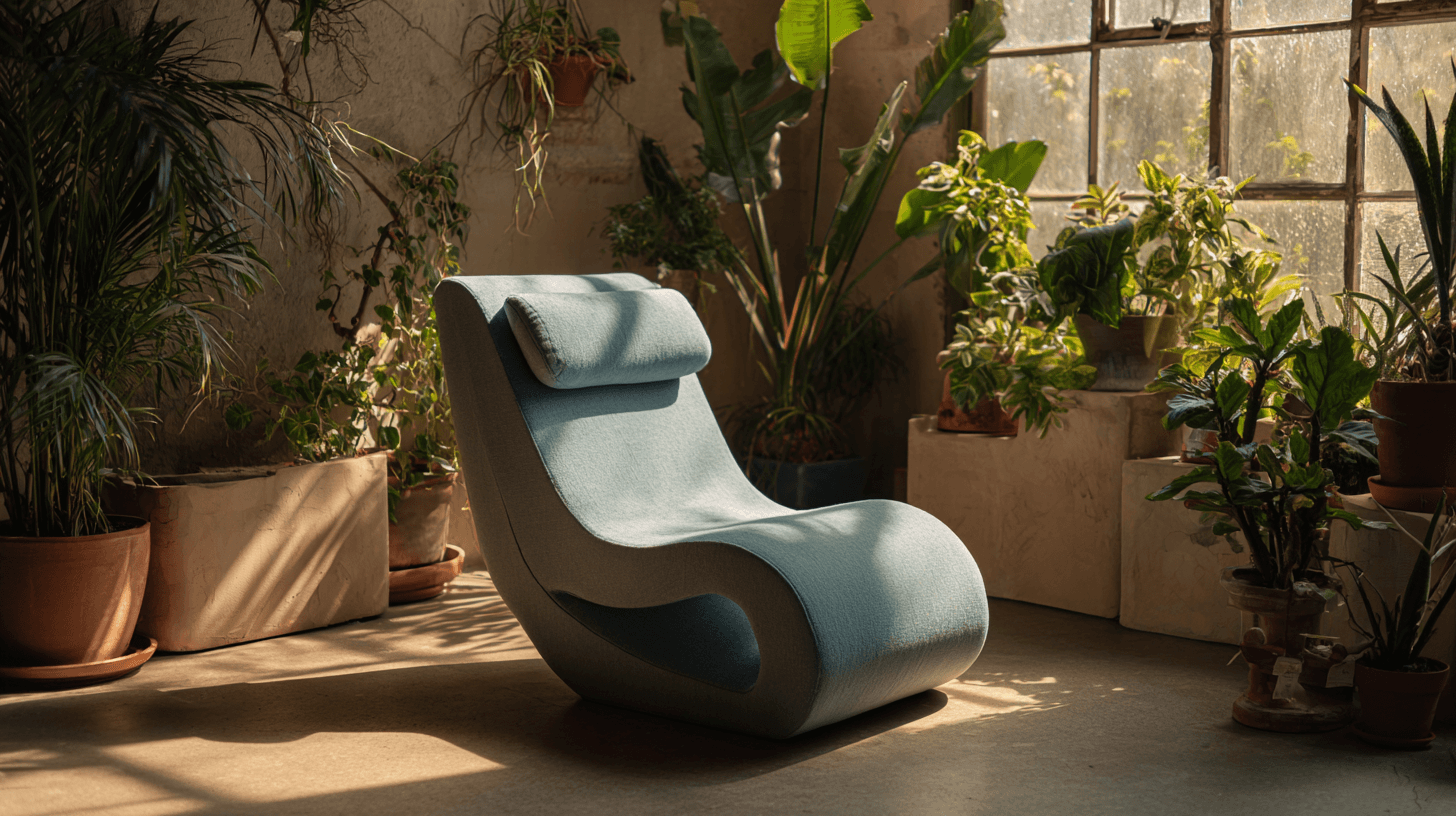
Using stretching chairs can be a game changer for those seeking pain relief. These chairs are designed with ergonomic features that encourage gentle stretching and proper posture, which can alleviate pressure on joints and muscles. Users often find that incorporating short stretching sessions into their routine enhances flexibility and reduces stiffness, thus improving overall mobility.
In addition to physical aids, lifestyle modifications play a critical role in managing fibromyalgia. Patients are encouraged to maintain a consistent routine, prioritize sleep hygiene, and engage in moderate physical activity. Activities like walking, yoga, or water exercises can deliver immense benefits without overwhelming the body.
Understanding fibromyalgia also means recognizing the importance of patient education. Keeping informed about the latest research, therapies, and tools, such as mobility devices, can empower patients to take an active role in their treatment. For instance, utilizing assistive devices not only helps in managing physical limitations but can also instill a sense of independence and self-efficacy.
As the understanding of fibromyalgia continues to evolve, it remains vital for patients to communicate openly with healthcare providers about their experiences. This dialogue can lead to customized treatment plans that address individual needs and preferences, ultimately promoting a better quality of life.
Benefits of stretching chairs for pain relief
The integration of stretching chairs into the daily routine of fibromyalgia patients offers multifaceted benefits that go beyond mere physical relief. These specially designed chairs facilitate light stretching exercises, which can help to mitigate pain and improve mobility. By incorporating this passive form of exercise into their environment, users often experience reduced muscle tension, improved circulation, and enhanced flexibility.
A crucial aspect of stretching chairs is their ergonomic design, which supports proper posture and alleviates stress on joints and muscles. The key feature of these chairs is their ability to gently engage different muscle groups without requiring the user to exert significant effort. This is especially beneficial for fibromyalgia patients, who may have heightened sensitivity to pain and fatigue with conventional exercise methods.
One of the most significant benefits of using stretching chairs is their impact on pain perception. Research indicates that engaging in regular stretching can lead to a reduction in pain levels for fibromyalgia patients. By encouraging the body to move and stretch gently, these chairs help to release endorphins, the body’s natural painkillers. In addition, through regular use, patients can establish a routine that counters the negative effects of inactivity, thus preventing muscle atrophy and maintaining joint flexibility.
| Benefit | Explanation |
|---|---|
| Reduced Pain | Gentle stretching can lead to decreased pain perception and increased endorphin levels. |
| Improved Flexibility | Regular use aids in keeping joints and muscles flexible and limber. |
| Enhanced Mobility | Encourages light physical activity, which may lead to better overall mobility. |
| Posture Support | Designed to promote proper posture, reducing strain on the back and neck. |
| Emotional Well-being | Can reduce anxiety and improve relaxation, contributing to overall mental health. |
In addition to these direct benefits, stretching chairs can also alleviate some of the mental and emotional strain associated with coping with fibromyalgia. The act of stretching can serve as a meditative practice, allowing patients to focus inward and promote relaxation. This can be particularly beneficial for individuals struggling with chronic fatigue and the psychological stress that often accompanies fibromyalgia.
Moreover, the accessibility of stretching chairs makes them easy to incorporate into any patient’s living space. They can be used at home, in the office, or during travel, providing a versatile solution for those seeking relief. This option allows for quick access to pain relief strategies at any time of day, accommodating the variable nature of fibromyalgia symptoms.
To ensure that patients can maximize the advantages afforded by stretching chairs, several considerations should be taken into account when selecting a model. Factors such as adjustability, support, and the specific stretching mechanisms offered by the chair can play a significant role in the efficacy of the device. By emphasizing these elements, patients can find the best fit for their individual needs, thereby enhancing their experience and maximizing pain relief benefits.
Devices designed for improved mobility
Various devices have been developed to assist individuals with fibromyalgia in achieving better mobility and overall comfort. These innovative tools are designed specifically to help ease daily challenges faced by patients, allowing for a more active and fulfilling lifestyle. By integrating technology with ergonomics, these devices cater to the unique physical demands of fibromyalgia sufferers, offering much-needed support and relief.
One of the most promising types of devices is the mobility aids category, which includes items such as walkers, canes, and knee scooters. These devices can help stabilize balance and reduce the risk of falls, making them essential for those with chronic pain and fatigue. For example, a lightweight folding walker can provide the necessary support while still being easy to transport, enabling users to maintain their independence.
Another category encompasses massaging devices, which include handheld massagers, vibrating foam rollers, and electric massage chairs. These devices provide localized relief by targeting sore muscles and promoting blood circulation. Patients often find that incorporating a portable massager into their routine helps to alleviate muscle tension, which is particularly beneficial after a long day or a flare-up of symptoms.
- Handheld massagers: Easy to maneuver and can be used directly on specific sore areas.
- Electric massage chairs: Provide a full-body massage experience that can promote relaxation and reduce pain levels.
- Vibrating foam rollers: Great for warming up muscles before activity or aiding recovery post-exercise.
Adaptive seating devices, such as supportive cushions and specialized chairs, also play a crucial role in enhancing comfort and posture. These devices are designed to reduce pressure on sensitive areas of the body and promote better alignment, which can alleviate pain. For instance, a memory foam seat cushion can provide relief for individuals who suffer from prolonged sitting discomfort, while still enabling engagement in daily activities.
When exploring options for mobility and comfort devices, it’s crucial to focus on individual needs. Different patients experience varied symptoms and levels of pain, so personalizing the selection process can lead to greater overall satisfaction and effectiveness. Here are some practical tips for selecting the right device:
- Consult with a healthcare professional: Guidance on specific needs and tools can ensure you invest in appropriate devices.
- Test before purchasing: Many medical supply stores allow customers to try devices, ensuring comfort and suitability before commitment.
- Consider portability: Choose devices that are lightweight and easy to carry, helping you maintain your mobility outside the home.
Finding the right devices to assist with fibromyalgia management can greatly impact quality of life. As advancements continue in technology and design, patients now have more options than ever to help mitigate symptoms and enhance mobility. By embracing these tools and integrating them into their daily practices, fibromyalgia patients can unlock new ways to manage their condition and engage in life more fully.
User testimonials and success stories
Real experiences from those who have navigated the challenges of fibromyalgia offer valuable insights into the efficacy of stretching chairs and related devices. Patients often highlight how these tools have transformed their daily routines, providing relief that was previously elusive.
One user, Emily, shared her journey: “After years of struggling with constant pain and fatigue, I discovered a stretching chair that has truly made a difference in my life. It allows me to stretch gently every day without exerting too much effort, and I’ve noticed a significant reduction in my muscle tension. I never thought a chair could be this beneficial!”
Another patient, Michael, echoed similar sentiments. He stated, “I was skeptical at first, but using my stretching chair regularly has improved my flexibility and overall comfort. It became a part of my morning routine, setting a positive tone for the day ahead. It’s incredible how something so simple can make such an impact.”
The personalized aspect of these devices also shines through in Jane’s story. She explained how she struggled to find mobility aids that complemented her lifestyle. “I tried several devices, but none seemed to fit my needs until I found an adaptive cushion for my chair. Now, I can comfortably manage my work-at-home setup and engage with my family without worrying about pain.”
Moreover, many users emphasize the mental benefits they experience alongside physical relief. Sarah highlighted her emotional journey: “I used to feel trapped and overwhelmed by fibromyalgia, but integrating stretching chairs into my routine has not only eased my discomfort but has also given me a sense of control and empowerment over my health.”
“The greatest pleasure in life is doing what people say you cannot do.” – Walter Bagehot
As these testimonials illustrate, the integration of stretching chairs and other mobility devices into daily life may offer fibromyalgia patients not just physical relief but a renewed sense of empowerment and independence. Each story showcases the resilience of individuals facing fibromyalgia, emphasizing the potential for these innovative tools to change their lives for the better.
Tips for selecting the right device
 Selecting the appropriate device to assist with fibromyalgia management is a crucial step towards enhancing comfort and mobility. When navigating through the myriad of options available in the market, patients should consider several key factors to ensure the chosen device meets their specific needs and lifestyle. Understanding the various functionalities and features of each device can greatly influence a patient’s experience.
First and foremost, consideration of individual symptoms is paramount. Fibromyalgia affects each person differently; therefore, what may be beneficial for one individual might not be suitable for another. For example, some patients might require devices that focus primarily on relieving pain in specific areas while others might benefit from those that aid in overall mobility. Tailoring the selection process to reflect personal health challenges can provide a more effective solution.
Another essential aspect is the level of adjustability that a device offers. Stretching chairs, for instance, come in various designs that allow users to modify the angle, height, and even the degree of stretching. A device that can adapt to one’s unique physical requirements serves not just to assist in managing symptoms but also facilitates a more personalized experience. This is especially relevant for patients who have fluctuating pain levels, as being able to adjust a device can significantly impact its efficacy.
Comfort cannot be understated when selecting a device. Long periods spent in a chair or using a specific tool can lead to discomfort, potentially negating its intended benefits. Therefore, opting for devices with ergonomic designs provides support that better aligns with the body’s natural contours. This is crucial for patients, whose sensitivity to pain can intensify with inadequate support.
Patient testimonials can also play a pivotal role in the selection process. Reading about the experiences of others who have utilized similar devices can provide insight into the practical, everyday benefits and limitations that may not be evident in promotional materials. Engaging with user reviews or support groups can lead to valuable recommendations and help shape an informed decision.
Finally, accessibility and ease of use are vital considerations. Many patients with fibromyalgia experience fatigue, making the ability to easily handle or operate a device essential. Devices that are lightweight and intuitively designed will encourage consistent use, leading to better outcomes in pain management and mobility enhancement.
Each of these factors together contributes to the ongoing journey of managing fibromyalgia. It challenges patients to actively engage in their health choices, prompting a deeper understanding of how various devices can assist in their daily lives.
- What should I look for in a stretching chair?
- When selecting a stretching chair, consider its ergonomic design, adjustability, and comfort level. The chair should facilitate gentle stretching without causing strain or discomfort.
- Can devices really help with fibromyalgia symptoms?
- Yes, many devices are designed to assist in alleviating pain and improving mobility for fibromyalgia patients. Regular use of these tools can lead to significant improvements in flexibility and overall daily comfort.
- Are there specific features that can improve mobility devices?
- Look for features such as lightweight construction, adjustable height, and easy-to-grip handles. These attributes enhance usability, making it easier for patients to incorporate the device into their daily routines.
- How can I find the right device for my symptoms?
- Consulting with a healthcare professional can provide valuable insights into which devices might best address your specific symptoms. Additionally, trying out different devices can help ensure they meet your comfort and functional needs.
- Is it necessary to spend a lot of money on these devices?
- While some high-end options may offer advanced features, many effective devices are reasonably priced. It’s essential to focus on the functionality and practicality that best suit your requirements instead of merely the price tag.
- Can stretching chairs and mobility devices be used together?
- Absolutely! Incorporating both stretching chairs and mobility devices into your routine can enhance your overall management strategy for fibromyalgia, providing complementary benefits such as improved flexibility and stability.
- Are there any side effects from using these devices?
- Generally, when used correctly, these devices are safe. However, it’s essential to listen to your body and not overexert yourself, as excessive use may lead to increased discomfort. Always consult a healthcare provider for personalized advice.
Future innovations in fibromyalgia management
The landscape of fibromyalgia management is continually evolving, driven by advancements in technology and a deeper understanding of the condition. Future innovations are likely to encompass a range of devices specifically tailored to enhance the quality of life for fibromyalgia patients and offer personalized approaches to pain relief and mobility improvement.
One emerging trend is the development of smart devices that leverage data tracking and analytical algorithms to customize user experiences. These devices can monitor a patient’s activity levels, pain patterns, and overall well-being, offering real-time recommendations for stretching or movement. For instance, a smart stretching chair could utilize sensors to detect posture and suggest the most beneficial stretches based on the user’s current physical state. This level of personalization could lead to improved outcomes by ensuring that patients engage in activities suitable to their unique symptoms.
Furthermore, researchers are exploring the integration of biofeedback technology in therapeutic devices. This technology could enable patients to receive immediate feedback on their physiological responses during stretching or mobility exercises, allowing them to adjust their movements for maximal benefit. Such applications could empower patients to take an active role in their own therapy, leading to greater engagement and adherence to treatment plans.
In addition, enhancements in material science could lead to the creation of adaptive supports and cushions made from advanced, responsive materials that conform to individual body shapes, providing tailored support to alleviate pain. These materials can balance firmness with comfort, creating a perfect environment for patients who require softer surfaces to prevent further discomfort during daily activities.
Augmented reality (AR) and virtual reality (VR) technologies are also being examined as therapeutic tools for fibromyalgia management. For example, VR environments may offer immersive stretching routines that not only educate patients about the importance of movement but also guide them through exercises in a fun and engaging way. These platforms could serve as motivational aids, encouraging patients to regularly participate in their physical health routines.
Another exciting development involves the research into wearable devices, such as smartwatches and fitness trackers designed specifically for fibromyalgia sufferers. These devices could include features that remind patients to take breaks, engage in stretching, or practice mindfulness techniques. By promoting a proactive approach to pain management, they can help diminish the reliance on medication and provide patients with tools to manage their symptoms more effectively.
Collaboration between healthcare providers, engineers, and technology firms will be crucial in advancing these innovations. By fostering interdisciplinary partnerships, the development of these cutting-edge devices can be guided by feedback from actual users, ensuring that the solutions offered truly meet the needs of fibromyalgia patients.
As the field moves forward, it’s essential for patients to stay informed about new advancements that can support their journey. Engaging with healthcare providers and maintaining open communication about personal experiences with current therapies can pave the way for collaborative care, ensuring the best possible outcomes in managing fibromyalgia.
For a personalized session and free consult, Call me: +1 334-300-0389.
Find out how ARPWave Therapy can enhance your performace as an athlete and how you can achieve drug-free pain relief.