


Understanding the different types of electrotherapy
Understanding the different types of electrotherapy

For a personalized session and free consult, Call me: +1 334-300-0389.
Find out how ARPWave Therapy can enhance your performace as an athlete and how you can achieve drug-free pain relief.
- Understanding electrotherapy modalities
- Types of electrotherapy techniques
- Applications in physical rehabilitation
- Safety considerations and contraindications
- Comparative effectiveness of electrotherapy
- Future trends in electrotherapy advancements
Electrotherapy modalities encompass a variety of techniques designed to utilize electrical stimulation as a means of therapeutic intervention. For individuals seeking pain relief, recovering athletes, and pregnant women looking to alleviate discomfort, knowing how these modalities function can enhance their overall experience and effectiveness. Understanding the distinctions between the various types of electrotherapy not only allows for informed choices but also maximizes the benefits gained from treatments.
One of the most prevalent modalities in electrotherapy is transcutaneous electrical nerve stimulation (TENS). TENS units deliver low-voltage electrical currents through the skin, aiming to disrupt pain signals sent to the brain. This modality is especially beneficial for those with chronic pain conditions, such as arthritis, or athletes who experience post-exercise soreness. When using a TENS unit, ensure the pads are placed directly over the area of discomfort and start with lower settings to gauge your body’s response.
Another commonly used modality is electrical stimulation therapy (EST), which is primarily employed for muscle rehabilitation. It mimics the natural signals of the nervous system, thereby aiding in improving muscle strength and function, particularly important for recovering athletes or patients with muscle atrophy. If you are considering this type of therapy, consult a trained professional who can ensure proper placement of electrodes based on specific muscle groups.
For corporate executives or individuals experiencing stress-related physical tension, modalities like bioelectrical stimulation can be advantageous. This approach not only helps with muscle relaxation but also promotes overall stress relief. Utilizing a device that combines biofeedback and electrical stimulation can empower users to target stress areas effectively. Practicing deep breathing techniques in conjunction with this therapy can amplify the relaxation benefits.
It’s vital for consumers to be aware of a few practical aspects when exploring electrotherapy modalities:
- Always consult with a healthcare provider before starting any electrotherapy treatment, especially if you have existing medical conditions or are pregnant.
- Look for devices that have adjustable settings to cater to your comfort levels.
- Stay informed about the specific type of electrotherapy that aligns best with your needs and conditions, as not all modalities may be suitable for everyone.
- Consider sessions with a licensed professional who can tailor treatments to your personal health goals and ensure safe application.
Incorporating these therapies into your wellness routine or recovery process, be it for athletic performance or managing everyday stress, can provide a significant boost in overall well-being. By actively seeking to understand the different types, you can cultivate a more personalized and effective treatment journey.
Types of electrotherapy techniques
Electrotherapy encompasses a broad array of techniques that utilize electrical stimulation for therapeutic purposes. Understanding these different types can significantly enhance their application in various contexts, including pain relief, muscle rehabilitation, and stress management.
One primary technique is Transcutaneous Electrical Nerve Stimulation (TENS), which focuses on pain management. TENS units work by delivering low-frequency electrical signals through electrodes placed on the skin, which interfere with the transmission of pain signals to the brain while also stimulating the production of endorphins, the body’s natural painkillers. This method can be utilized for conditions such as migraine headaches, chronic lower back pain, or post-operative pain.
Another widely recognized technique is Neuromuscular Electrical Stimulation (NMES). NMES specifically targets muscle strength and function by stimulating motor nerves to contract muscles, which may be particularly beneficial for individuals recovering from surgery or injury. This method enables muscle re-education and helps in decreasing muscle atrophy by mimicking voluntary movements.
In addition, there’s Interferential Current (IFC) therapy. This technique utilizes two medium-frequency alternating currents that intersect at targeted pain areas, creating a therapeutic effect. IFC is noted for its deep penetration and effectiveness in alleviating pain, swelling, and muscle spasms, making it ideal for chronic pain conditions or sports injuries.
Comparison of Different Types of Electrotherapy Techniques
| Technique | Primary Use | Method | Target Audience |
|---|---|---|---|
| TENS | Pain Management | Low-frequency electrical signals | Chronic pain sufferers, athletes |
| NMES | Muscle Strengthening | Electrical stimulation of motor nerves | Post-surgical patients, athletes |
| IFC | Pain and Inflammation Relief | Interference of two medium-frequency currents | Cronchronic pain patients, athletes |
Exploring options like Microcurrent Therapy is also worthwhile. This approach employs very low-level electrical currents that can enhance the body’s natural healing processes at a cellular level. It is often used for facial rejuvenation and pain relief, attracting clients seeking cosmetic as well as therapeutic benefits.
Lastly, Iontophoresis leverages electrical currents to drive medications (such as anti-inflammatory drugs) through the skin, enhancing localized treatment effectiveness. This technique is particularly advantageous for delivering therapies directly to inflamed areas and can result in quicker pain relief or accelerated healing.
By understanding these different types of electrotherapy techniques, individuals can better select the appropriate therapy that aligns with their health goals, ensuring they experience the maximum benefits from their treatment sessions.
Applications in physical rehabilitation
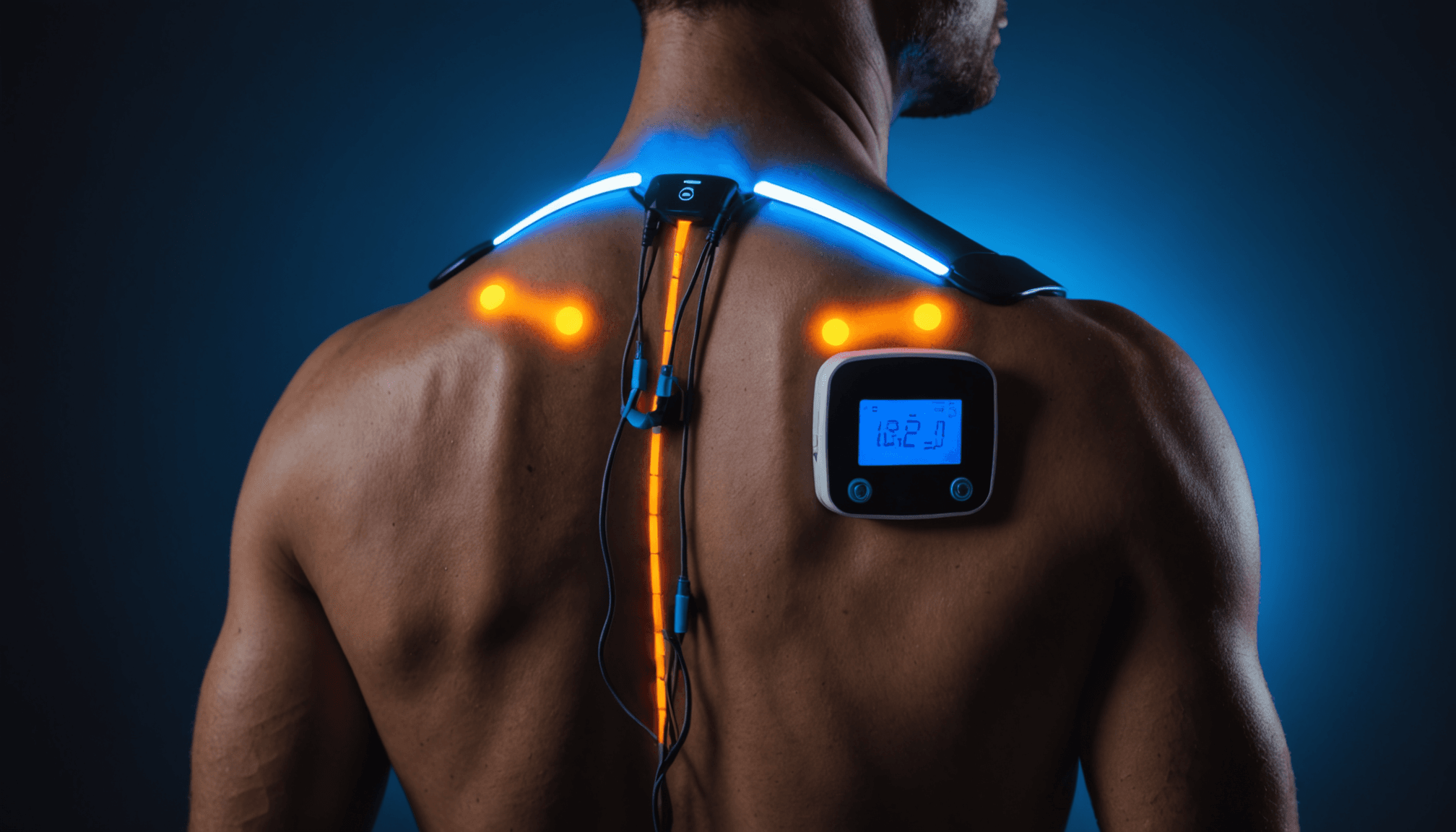
In the realm of physical rehabilitation, electrotherapy plays a significant role in enhancing recovery and pain management. This approach utilizes electrical stimulation to promote tissue healing, alleviate pain, and restore function. For individuals dealing with injuries or chronic pain, understanding how electrotherapy can be specifically applied during rehabilitation can greatly enhance the effectiveness of the therapy.
Transcutaneous Electrical Nerve Stimulation (TENS) is often employed in physical rehabilitation settings to manage pain. It works by sending electrical impulses that help disrupt the pain signals sent to the brain while simultaneously boosting the release of endorphins. For example, athletes recovering from sports injuries often find TENS units helpful in managing post-exercise soreness and pain. When using TENS for rehabilitation, it’s beneficial to follow these guidelines:
- Place the electrodes on or near the painful area, ensuring the pads do not overlap.
- Experiment with different settings to find the most comfortable and effective level for pain relief.
- Utilize the device for short periods at regular intervals, as recommended by a healthcare professional.
Neuromuscular Electrical Stimulation (NMES) is another technique widely used in rehabilitation to improve muscle function. This method stimulates the motor nerves, causing the muscles to contract and thereby enhancing strength and endurance post-injury. NMES is particularly advantageous for individuals recovering from surgeries or muscle atrophy. Key recommendations for NMES use in rehabilitation include:
- Engage with a qualified therapist to determine the appropriate electrode placement and settings tailored to your rehabilitation goals.
- Incorporate NMES into a broader physical therapy regimen that includes active exercises to maximize recovery.
Another effective application is Interferential Current (IFC) therapy, which targets deeper tissues and may be particularly useful for chronic pain or inflammatory conditions. The intersecting currents work to relieve pain and reduce swelling effectively. Here are some suggestions for maximizing the benefits of IFC therapy:
- Ensure the treatment area is clean and dry for optimal electrode placement.
- Keep track of treatment times and settings to provide your therapist with feedback on effectiveness during sessions.
It is also essential to be aware of safety considerations when engaging in electrotherapy as part of rehabilitation. Always consult with a healthcare provider before starting electrotherapy treatments, especially if you have underlying health conditions or are pregnant. Additionally, individuals with pacemakers or other electronic implants should avoid electrotherapy unless under strict medical supervision.
The understanding and application of these different types of electrotherapy in rehabilitation not only aid in pain management but also facilitate faster recovery processes. By integrating these techniques into a personalized treatment plan, you can significantly enhance your rehabilitation journey, allowing you to return to your daily activities and athletic pursuits more swiftly and effectively.
Safety considerations and contraindications
Safety and efficacy are paramount in the application of electrotherapy, as certain conditions and individual circumstances may limit its use. A comprehensive understanding of the safety considerations and contraindications associated with electrotherapy is essential for both practitioners and patients.
Before initiating any electrotherapy treatment, consulting a healthcare provider is crucial, especially for those with existing medical conditions or specific health concerns. Some medical conditions, such as cardiac arrhythmias, epilepsy, or neurological disorders, may contraindicate the use of certain electrotherapy modalities. Pregnant individuals also face potential risks; thus, it is advisable to avoid applications in the abdominal and pelvic areas unless specifically directed by a qualified professional.
Particular care should be taken with devices employing electrical stimulation, such as Transcutaneous Electrical Nerve Stimulation (TENS) or Neuromuscular Electrical Stimulation (NMES). For instance, individuals with implanted medical devices, like pacemakers or defibrillators, should not use these therapies unless closely monitored by medical professionals. The electrical currents used can interfere with the functioning of these devices, posing potential health risks.
Additionally, skin conditions or wounds at the site of electrode placement may also prevent the safe use of electrotherapy, as this could worsen existing skin issues or lead to infections. It is important to ensure that the skin is clean and intact before electrode application. Awareness of any allergies to electrode materials, such as adhesive gel, should also be considered to avoid adverse reactions.
Therapists and practitioners utilizing electrotherapy techniques must also be trained and knowledgeable in the proper application and settings for the selected modality to prevent any harm. Starting with lower intensity settings can help gauge patient tolerance and response. Regular monitoring during sessions ensures that any discomfort or adverse reactions are promptly addressed.
“Safety isn’t just important, it’s the most important thing.” – Unknown
With the rising popularity of home-use electrotherapy devices, consumers should approach these products with caution. While many over-the-counter devices can provide significant benefits, not all devices are created equal in terms of safety and efficacy. Researching product reviews, consulting healthcare professionals, and ensuring the device has adequate safety credentials are vital steps in making informed choices.
By understanding these safety considerations and contraindications, individuals can minimize risks associated with electrotherapy, ensuring that they leverage its benefits without jeopardizing their health. A thorough dialogue with healthcare providers can lead to a tailored approach, optimizing safe and effective use in alignment with personal health needs and treatment goals.
Comparative effectiveness of electrotherapy
 The comparative effectiveness of electrotherapy techniques is a crucial topic in understanding how to best utilize electrical stimulation therapies for a variety of conditions. Research has shown that while many modalities exist, their effectiveness can vary significantly based on the specific application, individual patient needs, and underlying conditions. For example, TENS is often favored for acute and chronic pain management due to its ability to block pain signals and increase endorphin production. In studies comparing TENS to other modalities like NMES, results have indicated that NMES might be more effective in stimulating muscle recovery post-injury or surgery, allowing for improved function and strength.
Moreover, the therapeutic depth achieved by Interferential Current (IFC) therapy suggests an advantage over TENS when targeting deeper tissue structures, making it particularly beneficial for conditions involving inflammation, such as tendonitis or bursitis. It’s fascinating to note that certain modalities may be more effective in specific demographic groups, such as older adults benefiting more from NMES to combat muscle atrophy than younger individuals. The ongoing exploration of microcurrent therapy, particularly in cosmetic applications for skin rejuvenation, unveils not only its pain-relieving advantages but also its ability to promote cellular healing.
Current studies continually refine our understanding of these different types of electrotherapy and their comparative benefits. For practitioners, having a detailed knowledge about the effective applications of each modality can improve treatment outcomes substantially. As research continues to evolve, one is encouraged to delve deeper into how these methods can be integrated within personalized treatment plans, paving the way for advancements in recovery and rehabilitation strategies.
- What is the most effective electrotherapy technique for chronic pain?
- The effectiveness of electrotherapy can vary by individual and condition, but Transcutaneous Electrical Nerve Stimulation (TENS) is widely recognized for its ability to alleviate chronic pain by interrupting pain signals and enhancing endorphin release.
- Can electrotherapy help with muscle recovery?
- Yes, techniques such as Neuromuscular Electrical Stimulation (NMES) are specifically designed to stimulate muscle contraction, aiding in muscle recovery after injury or surgery by promoting strength and function.
- Are there any risks associated with electrotherapy?
- There are some risks, particularly for individuals with certain medical conditions such as cardiac issues or those with implanted devices like pacemakers. Consulting a healthcare provider before starting electrotherapy is crucial.
- How do I know which electrotherapy technique is right for me?
- Choosing the right technique often depends on your specific health goals, underlying conditions, and a thorough assessment by a healthcare professional who can recommend the most suitable modality.
- Is electrotherapy safe for pregnant women?
- Electrotherapy is generally advised against in pregnant women, particularly in abdominal and pelvic areas, unless under specific guidance from a qualified healthcare provider.
- How often should I undergo electrotherapy treatments?
- The frequency of electrotherapy treatments depends on the condition being treated and individual response; a healthcare provider can provide tailored recommendations based on your needs.
- Can I use electrotherapy devices at home?
- While many home-use electrotherapy devices are available and can be beneficial, it is essential to research the product’s safety, consult healthcare professionals, and ensure proper usage to maximize effectiveness and minimize risks.
Future trends in electrotherapy advancements
The landscape of electrotherapy is continuously evolving, driven by advancements in technology and a deeper understanding of how electrical stimulation can be applied therapeutically. As individuals increasingly seek pain relief and recovery solutions, several trends are emerging that are reshaping the future of electrotherapy.
One significant trend is the integration of smart technology into electrotherapy devices. Many companies are developing connected devices that allow users to monitor their therapy sessions through mobile apps. These innovations enable consumers to track their treatment effectiveness, adjust settings intuitively, and receive personalized feedback based on their responses. For example, a TENS unit with a smartphone application could suggest optimal settings based on previous patterns of use and real-time feedback from the user.
Another noteworthy development is the growing interest in wearable electrotherapy devices. These devices are designed to be more accessible and user-friendly, allowing individuals to incorporate electrotherapy into their daily lives without interrupting their routines. Wearable options, such as electrotherapy patches or bands, can provide continuous pain relief or muscle support throughout the day, making them ideal for busy professionals, athletes, and even pregnant women seeking to alleviate discomfort.
Moreover, research is increasingly focusing on the combination of electrotherapy with other therapeutic modalities. Techniques such as exercise therapy, physical therapy, and manual therapy are being integrated with electrotherapy to create well-rounded rehabilitation programs. This multidimensional approach not only enhances the effectiveness of treatments but also allows for a more comprehensive understanding of patient needs and responses. For instance, pairing NMES with physical therapy can amplify muscle recovery and strength gains, ultimately leading to faster rehabilitation outcomes.
Exciting advancements are also being made in neurostimulation therapies, particularly for pain management and neurological rehabilitation. Techniques like spinal cord stimulation and peripheral nerve stimulation are proving to be effective alternatives for individuals who have not found relief through traditional electrotherapy options. These methods provide targeted stimulation to specific nerves, significantly improving pain response and functionality in affected areas.
For consumers, it is essential to stay informed about these innovations. Here are some practical tips to enhance your experience with the latest electrotherapy advancements:
- Explore devices that offer app connectivity or wearable options to track your therapy progress seamlessly.
- Stay updated on research regarding integrating electrotherapy with other therapeutic approaches to provide a more comprehensive treatment plan.
- Consult with qualified practitioners familiar with the latest trends in electrotherapy to ensure you benefit from effective combination therapies.
- Look for products that have undergone clinical testing and have proven efficacy to ensure optimal results.
As electrotherapy continues to evolve through technological advancements and innovative treatment combinations, individuals seeking relief—be it from chronic pain, sports injuries, or stress-related tension—will benefit from a more tailored and effective approach. By incorporating these emerging trends into your treatment plans, you can enhance your therapeutic journey and improve health outcomes overall.
For a personalized session and free consult, Call me: +1 334-300-0389.
Find out how ARPWave Therapy can enhance your performace as an athlete and how you can achieve drug-free pain relief.