


An in-depth guide to electrotherapy for arthritis pain
An in-depth guide to electrotherapy for arthritis pain

For a personalized session and free consult, Call me: +1 334-300-0389.
Find out how ARPWave Therapy can enhance your performace as an athlete and how you can achieve drug-free pain relief.
- Understanding electrotherapy for arthritis pain
- Types of electrotherapy treatments
- How electrotherapy works
- Benefits of electrotherapy for arthritis
- Considerations and contraindications
- Best practices for using electrotherapy at home
Electrotherapy is a modality that can provide significant relief for those experiencing arthritis pain. This treatment uses electrical impulses to stimulate nerves and muscles, which can help in reducing pain and promoting healing. It’s essential to understand that while electrotherapy can be a powerful tool in managing arthritis symptoms, it should be used as part of a comprehensive pain management plan.
When considering electrotherapy for arthritis pain, it’s vital to recognize the importance of proper application and the types of devices available. Patients should seek advice from qualified healthcare providers and trained professionals to understand which treatment option is most suitable for their specific condition.
Moreover, it is advisable to look for FDA-cleared electrotherapy products to ensure safety and efficacy. This includes devices such as TENS (Transcutaneous Electrical Nerve Stimulation) units, which are commonly used for pain relief. These devices work by sending low-voltage electrical impulses through the skin, helping to block pain signals sent to the brain.
Before starting electrotherapy, individuals should also take the following considerations into account:
- Consultation with a healthcare provider: Always consult a physician or physical therapist to determine the appropriate settings and frequency of use.
- Device Familiarization: Take the time to read instructions thoroughly to understand how to use the device effectively and safely.
- Monitoring Skin Response: It’s important to watch for any adverse skin reactions or discomfort during treatments, which may signal the need to adjust settings or discontinue use.
Utilizing electrotherapy effectively can enhance the overall management of arthritis pain. By focusing on the details of the treatment, individuals can find relief and improve their quality of life. Additionally, integrating activities such as stretching and gentle exercise can complement electrotherapy and further assist in alleviating symptoms.
For those who are new to this treatment approach, starting with shorter sessions can help in assessing how the body responds to electrotherapy. Ultimately, the goal is to develop a personalized pain management strategy that incorporates electrotherapy as a beneficial component.
Types of electrotherapy treatments
There are several types of electrotherapy treatments available to help manage arthritis pain, each with unique mechanisms and applications. Understanding these options can empower individuals to select the most appropriate modality for their needs. Below are some of the prominent types of electrotherapy used in the context of arthritis pain relief:
| Type of Electrotherapy | Description | Typical Applications | Effectiveness |
|---|---|---|---|
| TENS (Transcutaneous Electrical Nerve Stimulation) | Uses low-voltage electrical impulses to stimulate peripheral nerves. | Commonly used for localized pain relief in various types of arthritis. | Widely recognized for short-term pain relief; effectiveness can vary by individual. |
| EMS (Electrical Muscle Stimulation) | Stimulates muscle contractions with electrical impulses. | Used for muscle re-education and strength building post-injury or surgery. | Effective for preventing muscle atrophy and improving range of motion. |
| IFC (Interferential Current Therapy) | Employs two medium-frequency electrical currents that interfere to stimulate nerves and reduce pain. | Often used in physical therapy settings for deep tissue pain relief. | Can penetrate deeper tissues, offering effective pain control and inflammation reduction. |
| Microcurrent Therapy | Delivers extremely low levels of electrical current to facilitate healing processes. | Used to promote tissue repair and decrease pain in chronic conditions. | Perceived to enhance cellular regeneration and is typically well-tolerated. |
| Laser Therapy | Uses focused light energy to facilitate healing and reduce inflammation. | Applied in treating specific painful areas affected by arthritis. | Effective for pain relief and stimulation of cellular processes. |
Each of these treatments utilizes electrical impulses or currents in different ways to impact nerve and muscle functioning, which ultimately aids in relieving arthritis pain.
TENS units are particularly popular due to their non-invasive nature and ease of use. By placing electrodes on the skin near the area of pain, patients can experience a tingling sensation that may temporarily mask pain sensations.
In contrast, EMS primarily focuses on stimulating muscle contractions and can be beneficial for individuals needing to prevent muscle atrophy due to inactivity from arthritis pain. This type of therapy can help maintain muscle strength and mobility.
IFC therapy combines two distinct currents to target deeper tissues while minimizing the risk of discomfort commonly associated with surface-level treatments. This makes it a preferred option in clinical settings where specific pain relief is sought.
Microcurrent therapy is known for its gentle approach that supports the body’s natural healing processes. Its low-intensity application is effective for patients sensitive to stronger electrical impulses, making it suitable for various populations.
Lastly, laser therapy represents a more advanced technological application of electrotherapy, utilizing focused light to stimulate healing at the cellular level. Its effectiveness in treating arthritis pain has garnered attention in both clinical and home care settings.
Understanding these diverse treatment modalities allows individuals to tailor their approach to electrotherapy, thereby enhancing the management of arthritis pain effectively.
How electrotherapy works
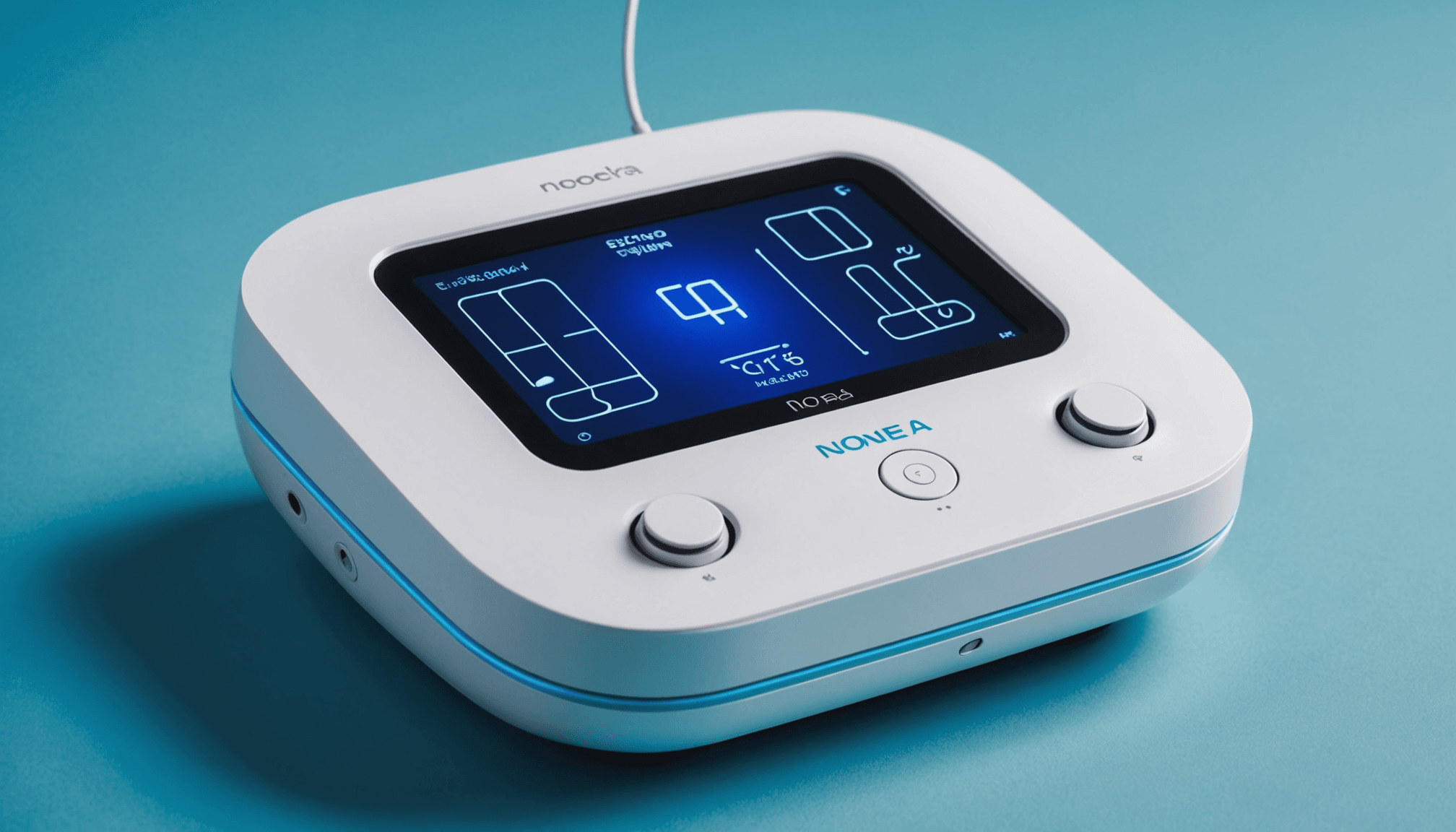
The mechanism behind electrotherapy involves the application of electrical currents to the body, which interact with the nervous system and muscles. When electrical impulses are delivered to the skin via electrodes, they can help modulate pain signaling pathways and influence various biological processes. This allows the body to react to pain and discomfort in distinct ways, enhancing the overall effectiveness of pain management strategies.
At the core of electrotherapy’s function is its ability to stimulate sensory and motor nerve pathways. By sending electrical impulses, electrotherapy can inhibit the transmission of pain signals to the brain, acting as a natural pain blocker. Additionally, the stimulation promotes the release of endorphins, which are the body’s natural pain-relieving chemicals. This dual approach—blocking pain and encouraging natural healing—contributes to the overall success of electrotherapy in managing arthritis pain.
Furthermore, the involvement of muscle stimulation facilitates improved circulation and reduces inflammation in affected areas, offering additional relief for individuals dealing with arthritis. Increased blood flow enhances the delivery of oxygen and essential nutrients to tissues, fostering recovery. This can be particularly important for arthritis patients, as compromised mobility often leads to weakened muscles around the joints.
For individuals considering electrotherapy, it’s essential to be aware of the proper settings and techniques for optimal results. Each device comes with specific guidelines on frequency and intensity; thus, understanding these parameters can significantly impact treatment success.
In a typical session, patients may start with lower frequency settings to gauge their tolerance before gradually increasing intensity. This allows the individual to find the right balance that provides comfort while effectively stimulating the targeted area. Additionally, sessions can vary in length, but they typically last anywhere from 20 to 60 minutes, depending on the individual’s needs and the recommendations from healthcare providers.
To maximize the benefits of electrotherapy, patients should consider integrating it with complementary therapies, such as physical therapy or massage. Combining treatments can enhance muscle relaxation and improve overall functionality, thereby creating a more comprehensive pain management approach.
The effectiveness of electrotherapy also hinges on the individual’s compliance and adherence to prescribed treatments. Regular use as part of a routine can yield cumulative benefits, leading to sustained pain relief and enhanced quality of life. It is crucial to maintain communication with healthcare providers throughout this process, as they can help track progress and make necessary adjustments to treatment plans.
The physiological mechanisms of electrotherapy for arthritis pain showcase the interplay between electrical stimulation, nerve signaling, and pain modulation. By adopting an informed and strategic approach to electrotherapy, individuals can empower themselves to manage their arthritis pain more effectively.
Benefits of electrotherapy for arthritis
Electrotherapy offers a range of benefits for individuals suffering from arthritis pain, enhancing both physical sensations and overall well-being. One of the primary advantages is its ability to alleviate pain through several mechanisms. By delivering electrical impulses, electrotherapy can interrupt pain signals before they reach the brain, effectively reducing the perception of discomfort. This aspect is particularly crucial for those dealing with chronic arthritis pain, where traditional pain relief methods may fall short.
Moreover, electrotherapy can stimulate the release of endorphins, the body’s natural painkillers. This biochemical response not only contributes to pain relief but also promotes an overall sense of well-being. The dual action of blocking pain signals while encouraging the release of these neurotransmitters provides a comprehensive approach to managing arthritis symptoms.
In addition to pain relief, one notable benefit of electrotherapy is its ability to enhance muscle function. Many arthritic patients experience muscle weakness and stiffness due to immobility or pain. Electrotherapy, particularly through modalities like Electrical Muscle Stimulation (EMS), can facilitate muscle contractions, thereby improving strength and mobility. This is essential for maintaining joint function and preventing further deterioration of the surrounding muscles.
Improved circulation is another significant benefit associated with electrotherapy for arthritis pain. The stimulation of tissues encourages increased blood flow to affected areas, delivering oxygen and nutrients necessary for healing. This enhanced circulation can help alleviate inflammation, a key component of arthritis, thereby contributing to reduced pain and improved joint function.
Additionally, patients often find that electrotherapy helps to improve their range of motion. By relaxing tight muscles and reducing spasms, electrotherapy can make it easier for individuals to engage in physical activities that may have been limited due to pain or discomfort. This newfound mobility can encourage more active lifestyles, further facilitating joint health and overall physical fitness.
Maintaining a proactive approach to pain management can be empowering. Electrotherapy sessions can be adjusted to fit individual needs, whether through frequency, duration, or intensity. This adaptability allows users to develop a personalized treatment plan, tailored specifically to their comfort and pain levels.
The integration of electrotherapy into a broader pain management strategy can yield long-term benefits. Patients who commit to regular treatments often experience cumulative effects that extend beyond temporary relief, leading to a more sustainable quality of life.
“Pain is a complex experience; electrotherapy offers a non-invasive method to manage it effectively.”
This approach should always be complemented by guidance from healthcare professionals, ensuring that therapy is used safely and effectively. Consequently, individuals pursuing electrotherapy for arthritis pain are encouraged to stay informed and engaged in their treatment, leveraging the advantages it offers in concert with other therapeutic measures to achieve optimal outcomes.
Considerations and contraindications
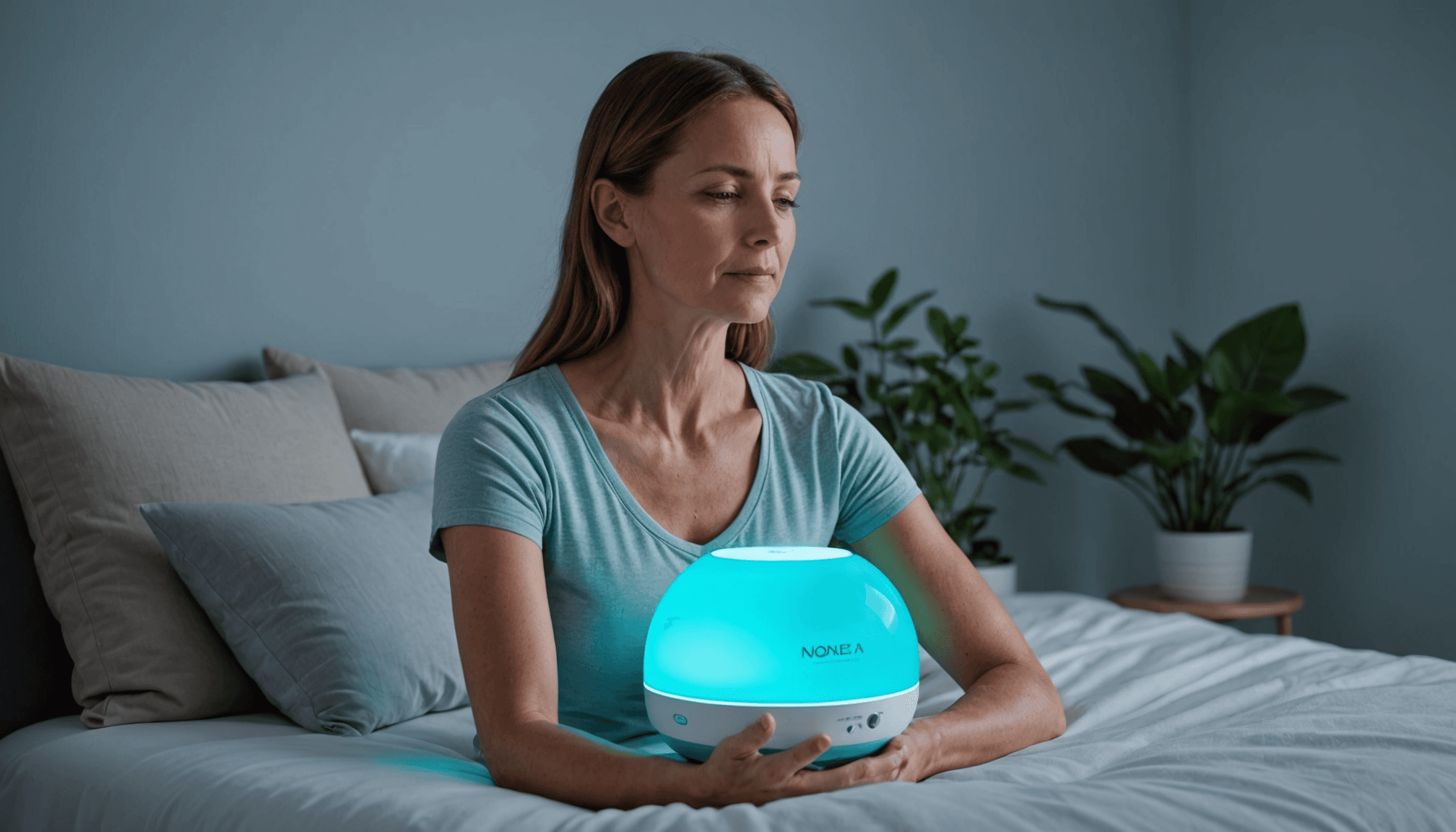 Electrotherapy can be a transformative approach in managing arthritis pain, but it is important to approach its implementation with careful consideration. Not all individuals are suitable candidates for electrotherapy, as various health conditions and personal circumstances can impact its effectiveness and safety. Prior to initiating treatment, one should evaluate specific health factors and consult with a healthcare professional to ensure a well-informed selection.
Certain medical conditions may contraindicate the use of electrotherapy. For instance, individuals with pacemakers or other implanted medical devices should avoid electrotherapy, as electrical currents can interfere with the operation of these devices. Additionally, those who are pregnant or have areas of the body affected by malignancies may also be advised against electrotherapy. Skin integrity is another critical consideration; individuals with open wounds, rashes, or infections should refrain from using electrotherapy until proper healing has occurred.
While electrotherapy is generally considered safe, understanding potential side effects is vital for anyone considering this treatment. Some patients may experience skin irritation at electrode sites, muscle twitches, or an uncomfortable sensation during sessions. Monitoring these reactions is crucial; if discomfort escalates, it is essential to adjust settings or consult a healthcare provider. Furthermore, excessive use or incorrect application can lead to muscle fatigue or overstimulation, which may result in delayed soreness.
Educating oneself about the specific type of electrotherapy being utilized is equally important. Each modality may require different settings or approaches, and a tailored understanding can enhance efficacy. Moreover, maintaining a dialogue with healthcare professionals will enable patients to evolve their treatment plan proactively, assessing ongoing responses and needs regularly.
Emphasizing holistic health is key. Combining electrotherapy with other therapeutic practices—such as physical therapy, exercise, and proper nutritional support—can yield optimal results. Engaging in a comprehensive approach not only addresses the physical dimensions of arthritis but also promotes mental resilience and well-being.
Navigating the possibilities within electrotherapy for arthritis pain requires awareness, respect for one’s unique health circumstances, and a commitment to continuous education. Exploring how electricity plays such a pivotal role in pain management offers a fascinating invitation to investigate further into this in-depth guide to effective treatments.
- What is electrotherapy and how does it help with arthritis pain?
- Electrotherapy involves using electrical impulses to stimulate nerves and muscles, helping to reduce pain and promote healing. It can block pain signals to the brain and encourage the release of natural pain-relieving chemicals, making it effective for managing arthritis pain.
- Are there any side effects associated with electrotherapy?
- Potential side effects may include skin irritation, muscle twitching, or discomfort during sessions. If any adverse reactions occur, it is advisable to adjust settings or consult with a healthcare professional.
- Who should avoid electrotherapy treatments?
- Individuals with pacemakers, pregnancy, or certain medical conditions such as malignancies should generally avoid electrotherapy. It’s essential to consult with a healthcare provider before starting treatment.
- How long does each electrotherapy session typically last?
- Sessions generally last between 20 to 60 minutes, depending on individual needs and specific recommendations from healthcare providers. It’s crucial to discuss duration and frequency with a professional.
- Can electrotherapy be used alongside other treatments?
- Yes, electrotherapy can be effectively integrated with other therapies such as physical therapy, massage, and exercise. Combining treatments can enhance overall pain management strategies.
- How often should I use electrotherapy for arthritis pain?
- The frequency of use varies depending on individual needs and the type of electrotherapy being employed. It’s best to establish a personalized schedule with guidance from a healthcare professional.
- What should I do if I experience discomfort during electrotherapy?
- If discomfort arises during treatment, you should reduce the intensity or adjust the settings on your device. Persistent discomfort should prompt you to consult a healthcare provider for further evaluation.
Best practices for using electrotherapy at home
When utilizing electrotherapy at home, adhering to best practices will ensure that you maximize its benefits while minimizing any potential risks. Below are guidelines designed to help you navigate your electrotherapy journey effectively.
- Follow Manufacturer Instructions: Each electrotherapy device comes with specific instructions regarding usage, settings, and maintenance. Familiarize yourself with these guidelines to ensure safe and effective application. If you’re unsure about how to operate your device, consider reaching out to the manufacturer’s customer service for assistance.
- Start Slow: If you are new to electrotherapy, begin with lower intensity and shorter application times. Gradually increase both as you become more accustomed to the sensation. Starting with sessions of around 10-15 minutes can help gauge your comfort level and response.
- Identify Target Areas: Map out which areas are most affected by arthritis pain and apply electrode pads accordingly. It can be beneficial to use the device in conjunction with gentle mobility exercises or stretches targeted at those specific areas, further enhancing the effectiveness of the therapy.
- Maintain Proper Hygiene: Clean the skin before applying electrodes to avoid irritation. Ensure that electrode pads are free from dirt and oil, and replace them if they become worn or lose their adhesive properties.
- Monitor Skin Condition: Regularly check the skin under and around the electrodes for signs of irritation or redness. If you notice any adverse reactions, consider adjusting the settings or discontinuing use temporarily. It’s crucial to allow your skin to recover if any irritation occurs.
- Combine with Other Therapies: To maximize the benefits of electrotherapy, consider integrating it with other pain management strategies such as heat therapy, stretching routines, or massage. These complementary therapies can help to enhance relaxation and improve overall results.
- Keep a Treatment Journal: Document your sessions, including duration, intensity levels, and any changes in your symptoms. This can help you and your healthcare provider assess the effectiveness of the therapy and make necessary adjustments to your treatment plan.
- Stay Hydrated: Adequate hydration can improve circulation and facilitate the healing process, making it essential to drink water before and after your electrotherapy sessions.
- Consult Regularly with Healthcare Professionals: Engage with doctors, physical therapists, or certified practitioners to review your progress and make informed decisions about continuing electrotherapy as part of your arthritis pain management strategy.
By following these best practices, you can establish a structured and effective approach to using electrotherapy at home for arthritis pain. This proactive stance not only promotes safety but also enhances your chances of achieving meaningful pain relief and improved mobility.
For a personalized session and free consult, Call me: +1 334-300-0389.
Find out how ARPWave Therapy can enhance your performace as an athlete and how you can achieve drug-free pain relief.