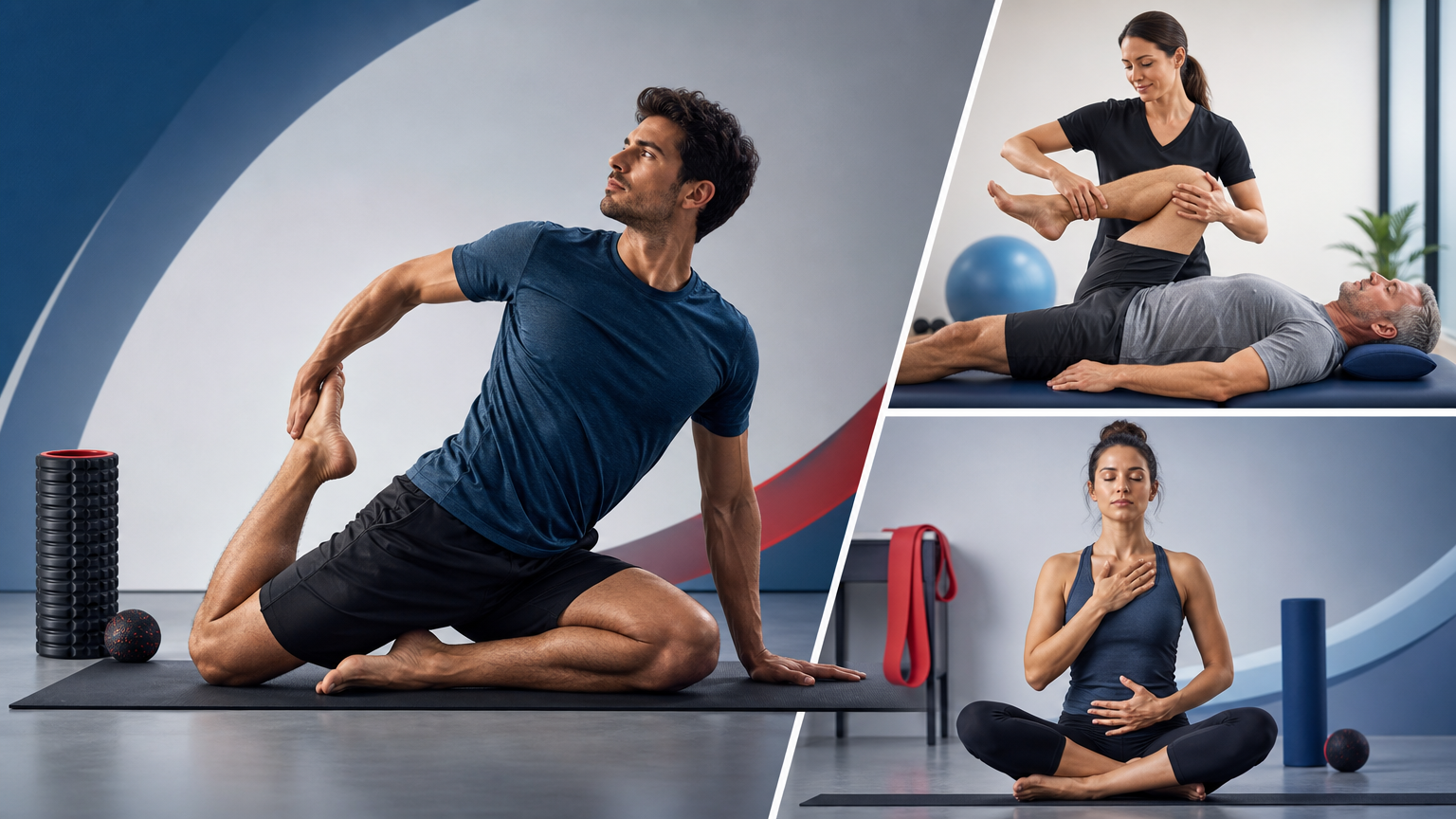


Evaluating the effectiveness of stretching for fibromyalgia relief
Evaluating the effectiveness of stretching for fibromyalgia relief

For a personalized session and free consult, Call me: +1 334-300-0389.
Find out how ARPWave Therapy can enhance your performace as an athlete and how you can achieve drug-free pain relief.
- Evaluating the effectiveness of stretching for fibromyalgia relief
- Understanding fibromyalgia
- Mechanisms of stretching and pain relief
- Review of existing research
- Patient experiences and testimonials
- Recommendations for stretching routines
- Conclusion and future directions
Stretching is often discussed as a potential method for achieving pain relief in individuals with fibromyalgia. While the evidence on its effectiveness varies, many practitioners and clients have found value in integrating stretching into their wellness routines. It’s essential to consider not just the physical movements but also the way stretching can impact overall mental well-being and relaxation.
For those suffering from fibromyalgia, which is characterized by widespread pain, fatigue, and tenderness in localized areas, a gentle and consistent stretching routine may help alleviate some discomfort. Here are some practical tips for exploring stretching as a potential source of relief:
- Start Slowly: If you’re new to stretching or have been inactive, begin with simple stretches that target major muscle groups. Gradually increase the duration and intensity of your stretches as your body adapts.
- Listen to Your Body: Pay close attention to how your body responds. If a movement causes pain, stop immediately. Stretching should not exacerbate discomfort; rather, it should promote a sense of relief.
- Create a Routine: Consistency is key for effectiveness. Consider setting aside specific times each week to practice your stretching exercises, making them part of your daily routine.
- Focus on Relaxation: Incorporate deep breathing techniques while stretching to enhance relaxation. This can further reduce tension in the body and may help alleviate stress, potentially decreasing pain levels.
- Incorporate Supportive Tools: Using tools such as yoga straps, pillows, or foam rollers can help facilitate safe stretching movements. These tools can assist in achieving proper form and provide additional support.
It can also be beneficial to engage in stretches specifically aimed at releasing muscle tension in areas that may feel tight or sore due to fibromyalgia, such as the neck, shoulders, and lower back. Examples of effective stretches include:
- Neck Stretches: Gently tilt your head to one side, bringing your ear towards your shoulder. Hold for 15-30 seconds and repeat on the other side.
- Chest Openers: Stand with your feet shoulder-width apart, clasp your hands behind your back, and gently pull your shoulders back while lifting your chest. Hold this position for 15-30 seconds.
- Child’s Pose: Kneel and sit back on your heels, stretching your arms forward on the floor, which can help release tension in your back and hips.
Regular feedback and adaptations to your stretching routine are crucial. If you are unsure about which stretches to include or how to perform them correctly, consulting a physiotherapist or a qualified massage therapist can provide tailored guidance. Overall, evaluating the effectiveness of stretching for fibromyalgia relief requires patience and a willingness to explore various methods to find what works best for your unique situation.
Understanding fibromyalgia
Fibromyalgia is a chronic condition characterized by widespread musculoskeletal pain, fatigue, sleep disturbances, and psychological distress. Its etiology remains incompletely understood, which makes effective treatment challenging. The experience of fibromyalgia can vary significantly from person to person, often encompassing symptoms like cognitive difficulties, depression, and anxiety along with physical pain. These symptoms can manifest in cycles of flare-ups and periods of relative relief, complicating both diagnosis and management.
A key aspect of fibromyalgia is the alteration of pain processing in the central nervous system, leading to heightened sensitivity to pain stimuli. This phenomenon is often referred to as central sensitization, where normal sensory input is perceived as painful. Muscle tenderness and stiffness are commonly reported, especially in tender points located in specific areas like the neck, shoulders, hips, and knees. Research indicates that this widespread pain can often be exacerbated by stress, poor sleep quality, and lack of exercise.
Given the complexities of fibromyalgia, a multifaceted approach to treatment is essential. This can include medication, psychological support, physical therapy, and lifestyle modifications. Among these, physical activity, particularly stretching, is often emphasized for its potential benefits in improving flexibility, reducing muscle tension, and enhancing overall physical function. Regular stretching routines may promote blood circulation, which can help alleviate pain in fibromyalgia patients.
Evaluating the effectiveness of stretching as part of a comprehensive treatment plan for fibromyalgia can be aided by considering various factors, including an individual’s specific symptoms, physical capabilities, and lifestyle circumstances. A tailored stretching routine that incorporates specific techniques may serve to relieve tension and promote relaxation, ultimately contributing to a better quality of life.
To understand the role of stretching further, a comparison can be made between various physical therapies employed for fibromyalgia pain relief. This table outlines different interventions and their perceived effectiveness in managing fibromyalgia symptoms:
| Intervention | Effectiveness | Notes |
|---|---|---|
| Stretching | Moderate | Helps improve flexibility and reduce muscle soreness. |
| Strength Training | Moderate to High | Improves overall strength and can reduce pain over time. |
| Aerobic Exercise | High | Effective in boosting mood, reducing fatigue, and enhancing overall physical condition. |
| Massage Therapy | Moderate | Provides temporary pain relief and relaxation, but effects vary per individual. |
| Yoga | High | Benefits both physical and mental health through structured movements and relaxation techniques. |
As part of a comprehensive approach to managing fibromyalgia, integrating stretching into regular routines not only targets physical symptoms but also addresses related emotional and psychological issues, offering a multi-dimensional pathway to relief. The potential benefits of stretching should be assessed on a case-by-case basis, with emphasis on personalization to meet individual needs and enhance the effectiveness of the overall treatment strategy.
Mechanisms of stretching and pain relief
Understanding the mechanisms by which stretching may offer pain relief is essential for those dealing with fibromyalgia. The act of stretching can engage various physiological processes that contribute to alleviating discomfort and enhancing overall well-being. One primary mechanism involves the release of tension in muscles and connective tissues, which can reduce the sensation of pain. By performing gentle stretches, individuals may increase blood flow to muscles, facilitating the delivery of oxygen and nutrients while removing metabolic waste products that accumulate in tissues, potentially leading to pain relief.
Furthermore, studies suggest that stretching can influence the body’s sensory nerves. When muscles are stretched, they send signals to the brain that may override pain signals from other areas. This can be particularly beneficial for fibromyalgia patients, who often experience heightened pain sensitivity due to altered pain processing pathways. The gentle manipulation of soft tissues during stretching creates neurological responses that may decrease the perception of pain, enhancing comfort levels.
In addition to physical changes, stretching can significantly impact mental health. Engaging in flexibility routines can promote relaxation, combatting the anxiety and stress that often accompany chronic pain conditions. Mindfulness and focus on breathing during stretching exercises can also trigger the body’s relaxation response, lowering cortisol levels, which may further assist in pain management. This holistic approach to relief, addressing both physical and psychological aspects, reinforces the potential effectiveness of stretching routines for fibromyalgia sufferers.
Moreover, regular stretching can help maintain and improve range of motion, mitigating stiffness in muscles and joints. For individuals with fibromyalgia, maintaining mobility is critical, as decreased flexibility can contribute to further pain and discomfort. Incorporating a variety of stretches targeted at major muscle groups and specific tight areas can help enhance overall physical function, making daily activities easier and more manageable.
For those considering integrating stretching into their pain management strategy, it is advisable to set realistic goals. Ideally, stretching should become a consistent practice, with sessions occurring multiple times weekly. Adopting gentle routines that involve gradual progress, rather than pushing through pain, ensures that benefits are obtained without exacerbating symptoms. Maintaining a journal to track progress, symptom patterns, and feelings during and after stretching sessions can provide insights into what works best for individual needs.
Ultimately, the effectiveness of stretching must be evaluated within the context of each person’s unique experience with fibromyalgia. Consulting healthcare professionals, such as physical therapists or massage therapists, can provide tailored guidance on appropriate techniques and routines that facilitate relief without causing harm.
Review of existing research
Existing research provides various insights into the effectiveness of stretching as a form of relief for individuals with fibromyalgia. Multiple studies have sought to assess the benefits of stretching in reducing pain and improving the overall quality of life for those affected by this chronic condition. For instance, a systematic review of clinical trials focused on non-pharmacological interventions for fibromyalgia concluded that stretching, alongside other forms of physical activity, was associated with modest improvements in pain intensity and overall function.
“Regular and structured stretching routines can contribute significantly to the overall treatment of fibromyalgia, acting as a valuable adjunct to conventional therapies.”
Research also indicates that stretching can improve physical function, enhance flexibility, and promote a sense of well-being. A study published in the *Journal of Pain Research* found that participants who engaged in regular stretching reported lower levels of pain and improved mobility over time compared to those who maintained a sedentary lifestyle. Such findings suggest that even simple stretching exercises can counteract stiffness and help manage the pervasive pain associated with fibromyalgia.
Additionally, other studies have delved into the psychological benefits of stretching for fibromyalgia patients. Mental wellness is a crucial component of fibromyalgia management, and stretching, particularly when combined with mindfulness practices like deep breathing, has been shown to alleviate symptoms of anxiety and depression. These psychological factors can significantly impact an individual’s experience with chronic pain, thus reinforcing the importance of holistic approaches that incorporate physical and mental health strategies.
Despite these positive findings, it is essential to recognize the variability in individual responses to stretching. Some individuals may experience notable relief, while others may find limited benefits. Acknowledging this diversity, several researchers advocate for personalized stretching routines tailored to individual capabilities and symptoms. For optimal results, guided sessions with a physical therapist or certified trainer can help create and adjust stretching programs that resonate with each person’s unique experience of fibromyalgia.
As we continue evaluating the role of stretching in fibromyalgia treatment, it is vital to integrate new insights from ongoing research and patient experiences. Each study adds valuable data to the understanding of how physical interventions like stretching can play a part in managing fibromyalgia and its associated challenges. Emphasizing consistent practice and adaptability in routines seems to be pivotal in harnessing the potential relief stretching offers, making it a noteworthy consideration for comprehensive treatment plans.
Patient experiences and testimonials
 Many individuals living with fibromyalgia have shared their experiences regarding the incorporation of stretching into their pain management strategies, highlighting its perceived effectiveness. These personal accounts often reveal a common theme: while stretching might not completely eradicate symptoms, it frequently provides meaningful relief and improved functionality in daily life. Many participants describe a marked improvement in their ability to manage pain and stiffness after integrating a routine of gentle stretching exercises.
For instance, one patient noted that daily stretching helped them regain mobility, allowing for a greater range of motion and decreased overall discomfort. Another individual emphasized the calming effect of stretching, citing it as a tool not only for physical relief but also for emotional well-being. The practice of engaging in stretches has functioned as a moment of mindfulness, where focusing on the body and breath provided a welcome distraction from chronic pain.
Testimonials often report the importance of developing a routine that feels manageable and sustainable. Some have found success in participating in guided classes, such as yoga or Pilates, where they could learn new stretches and receive motivation from peers and instructors. These communal experiences often foster a sense of belonging and shared resilience among those with similar challenges.
Patients have also indicated the importance of listening to their bodies when stretching. Many have recounted times when they attempted to push past their comfort levels, only to find that such efforts exacerbated their symptoms. They learned to tune in to their bodies, adjusting stretches according to their physical capabilities and energy levels. This adaptive approach has been highlighted as crucial for maintaining a positive relationship with stretching practices.
Thus, the narratives of individuals navigating the complexities of fibromyalgia consistently illustrate the nuances involved in evaluating the effectiveness of stretching. Each experience offers unique insights into how tailored stretching routines can serve as valuable components in the overarching landscape of pain management, creating a tapestry of hope, healing, and encouragement.
- What type of stretches are best for fibromyalgia relief?
- Gentle and restorative stretches are often recommended for fibromyalgia relief. Focus on major muscle groups and areas that typically hold tension, such as the neck, shoulders, and back, while ensuring you listen to your body’s signals.
- How often should I stretch if I have fibromyalgia?
- It’s generally beneficial to engage in stretching at least a few times per week, if not daily. Establishing a consistent routine can help improve flexibility and reduce muscle tension over time.
- Can stretching worsen my fibromyalgia symptoms?
- Improper stretching or overstretching can indeed exacerbate symptoms. It’s important to start slowly, respect your body’s limits, and cease any stretches that cause increased pain or discomfort.
- Are there specific times that are best for stretching?
- Many individuals find that stretching is most effective when performed in the morning to awaken the body or in the evening to help wind down. However, listen to your body and determine when you feel most receptive to stretching.
- Is professional guidance necessary for stretching routines?
- While it can be helpful, particularly for those new to stretching or with significant pain, it is not strictly necessary. Consulting a physical therapist or qualified instructor can provide tailored advice and prevent injury.
- What psychological benefits can stretching provide for fibromyalgia patients?
- Stretching can promote relaxation and reduce anxiety, helping individuals better manage the psychological aspects of fibromyalgia. Mindfulness during stretching can enhance emotional well-being, contributing to an improved pain experience.
- Can stretching alone manage fibromyalgia symptoms?
- While stretching can be a useful component of a comprehensive approach to managing fibromyalgia, it is typically most effective when combined with other treatments and lifestyle modifications. A holistic strategy may yield the best results.
Recommendations for stretching routines
To create an effective stretching routine that addresses the unique needs of individuals experiencing fibromyalgia, it is essential to focus on several key components. The following recommendations can guide you in building a well-rounded stretching practice that promotes relief and improves overall well-being:
- Personalize Your Routine: Tailoring your stretching program based on your specific symptoms and areas of tension is crucial. Identify which muscles are frequently tight or painful and select stretches that target these areas. For example, if you experience tightness in your shoulders, incorporate stretches like shoulder rolls or cross-body arm stretches.
- Engage in Warm-Up Activities: Before beginning stretching, engage in a gentle warm-up to prepare your body. This could include light walking or movements that gradually increase your heart rate and blood flow, which can help make the stretching process more effective and reduce the risk of injury.
- Incorporate Static and Dynamic Stretches: Utilize a combination of static and dynamic stretches. Static stretches involve holding a position for a set amount of time, while dynamic stretches gently move muscles through their full range of motion. For example, dynamic arm circles can precede static chest stretches to enhance flexibility.
- Set Time Limits: Allocate a reasonable amount of time for your stretching sessions. Aim for at least 10-15 minutes, and consider breaking this time into shorter segments if needed. Consistency in practice is more important than the duration of any single session.
- Keep a Positive Mindset: Approach your stretching routine with a positive attitude. Recognize that the goal is not perfection but gradual improvement in flexibility and relief from discomfort. Celebrate small victories, such as increased range of motion or decreased pain levels.
In addition to these foundational tips, consider exploring the integration of gentle forms of exercise like yoga or tai chi, which can complement stretching by promoting mindfulness and relaxation. Both practices focus on fluid movements, breathing, and balance, making them excellent additions to a fibromyalgia management plan.
If you’re unsure about how to structure your stretching routine, seeking assistance from a qualified professional can be beneficial. A physical therapist can provide specific recommendations tailored to your needs, ensuring that you perform each stretch effectively and safely.
Ultimately, the effectiveness of your stretching routine will depend on a consistent, mindful approach. Keep track of your progress in a journal, noting how different stretches make you feel and any changes in your symptoms. Over time, you may discover which stretches bring you the most relief and enhance your overall quality of life.
Conclusion and future directions
In evaluating stretching techniques and their effectiveness for fibromyalgia relief, it’s crucial to extend the discussion toward integrating these practices into daily life. Many individuals report that making stretching a routine part of their day enhances not only physical comfort but also mental resilience amidst the challenges posed by fibromyalgia.
Adopting a mindfulness approach while stretching allows patients to become more attuned to their bodies. This means being aware of any tension, discomfort, or relief experienced during routines. By focusing on the present moment, individuals often find that their stretching sessions become more effective and fulfilling. Engaging in practices such as yoga or Pilates, which naturally incorporate mindfulness, can yield additional benefits and can be particularly advantageous for those dealing with chronic pain.
When implementing stretching in daily routines, consider the following practical tips:
- Morning Rituals: Begin your day with a gentle stretching routine to awaken your body. Simple movements can help improve circulation, reduce stiffness, and set a positive tone for the day ahead.
- Midday Breaks: If you have a sedentary job or lifestyle, set reminders to take short breaks for stretching throughout the day. This can help prevent muscle tightness and refresh your mind, providing a much-needed relief from prolonged sitting or inactivity.
- Evening Wind-Down: Incorporating stretches before bedtime can help to reduce stress and prepare your body for restful sleep. Focus on relaxing stretches that promote deep breathing and relaxation, potentially easing the night’s discomfort.
Additionally, keeping a flexible mindset is essential. The journey toward finding effective stretching techniques for fibromyalgia relief may not always follow a straight path. Regular adjustments may be necessary to accommodate changes in symptoms, energy levels, and emotional well-being. Monitoring how different stretches impact pain levels and overall comfort can provide valuable insights for tailoring your routine.
Collaboration with healthcare professionals, including physical therapists or massage therapists, can enhance your understanding of effective stretching. These specialists can provide personalized guidance to ensure that stretches are performed safely and effectively, thereby maximizing their potential for relief. They can also introduce complementary treatments, such as massage therapy, which may further alleviate muscle tension and improve overall outcomes.
As research continues to evolve, it’s important to stay informed about new findings regarding the effectiveness of stretching and other therapeutic techniques. This ongoing learning can empower individuals with fibromyalgia to take an active role in managing their symptoms, leading to better quality of life.
For a personalized session and free consult, Call me: +1 334-300-0389.
Find out how ARPWave Therapy can enhance your performace as an athlete and how you can achieve drug-free pain relief.