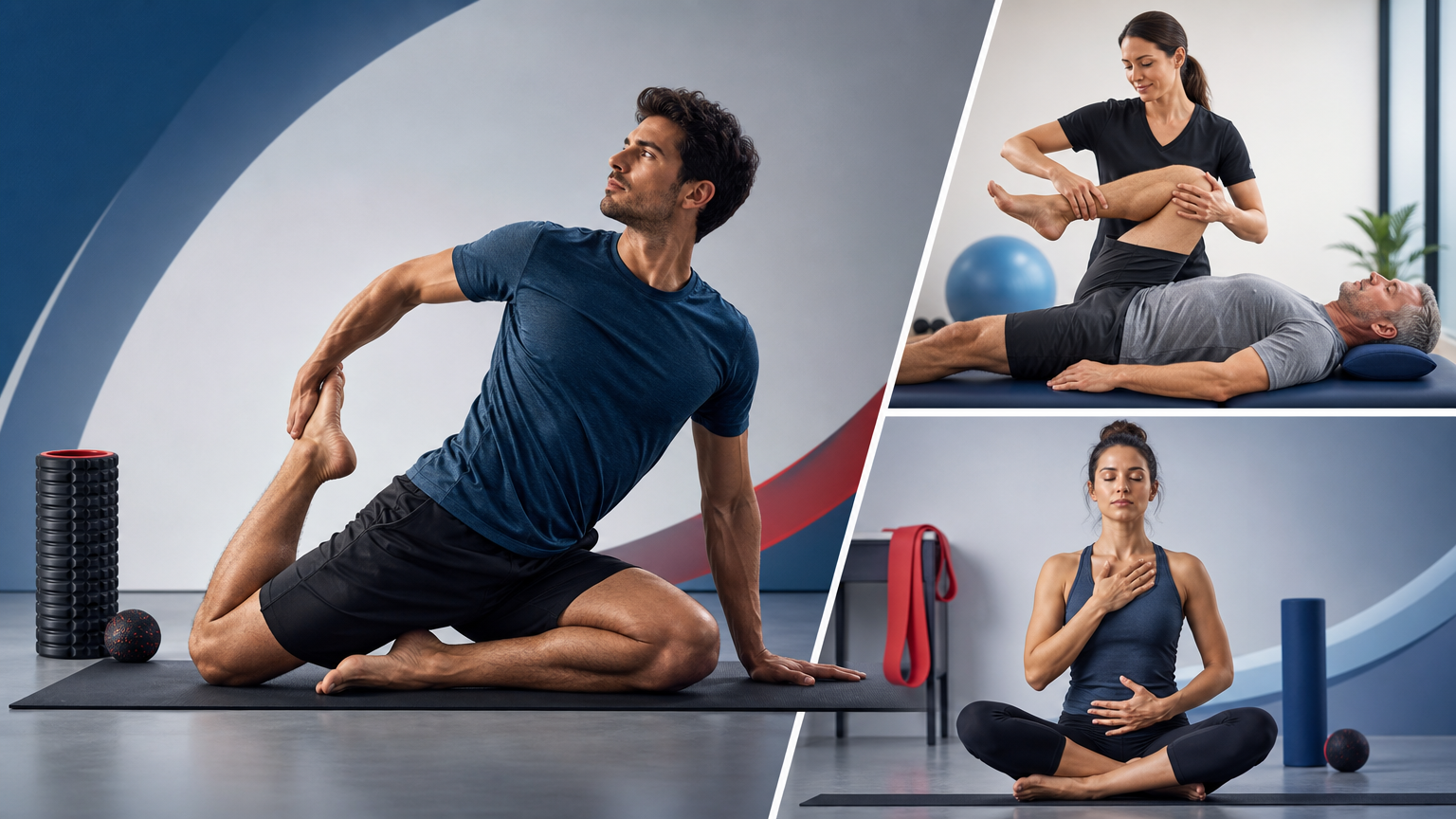


Stretching tips for fibromyalgia during exercise
Stretching tips for fibromyalgia during exercise

For a personalized session and free consult, Call me: +1 334-300-0389.
Find out how ARPWave Therapy can enhance your performace as an athlete and how you can achieve drug-free pain relief.
- Understanding Fibromyalgia and Its Impact on Exercise
- Importance of Stretching for Fibromyalgia Relief
- Types of Stretches Suitable for Fibromyalgia
- Best Practices for Stretching Safely
- Creating a Stretching Routine for Exercise
- Listening to Your Body: When to Modify or Stop
Fibromyalgia is a complex chronic condition characterized by widespread pain, fatigue, and a host of other symptoms that can significantly impact physical activity levels. For many individuals managing fibromyalgia, engaging in regular exercise can be a daunting task due to varying levels of pain, stiffness, and fatigue. However, integrating physical activity into daily routines is crucial for improving overall health and well-being. Understanding how fibromyalgia impacts your body during exercise is the first step in creating a beneficial workout plan that includes stretching tips tailored to your needs.
Exercise can trigger a range of reactions in fibromyalgia patients, from increased pain levels to temporary fatigue, making it essential to approach workout sessions with mindfulness. The type of exercise chosen should take into consideration personal comfort levels and symptom severity. Low-impact activities such as walking, swimming, or yoga are often recommended, as they can help minimize discomfort while promoting flexibility and strength.
Additionally, individuals with fibromyalgia may experience heightened sensitivity to pressure, making traditional muscle strain more critical. This increased sensitivity calls for a gentle approach when exercising, highlighting the importance of incorporating stretching before and after workouts. Stretching not only improves flexibility but also helps in relieving muscle tension, thereby reducing overall discomfort associated with fibromyalgia.
Moreover, it’s essential to note that the impact of fibromyalgia can fluctuate, making it necessary to tailor your exercise routine to how you’re feeling on any given day. Sensitivity to physical sensations, along with fatigue, can severely limit your ability to perform traditional exercises. This is why understanding your body’s signals is paramount for anyone seeking to include exercise in their management of fibromyalgia. Listening to your body and adjusting your activities accordingly can help you maintain a consistent and enjoyable exercise regime.
Regular consultation with healthcare providers, including massage therapists, can provide further support. Therapists can suggest techniques tailored specifically for fibromyalgia sufferers, ensuring that the combination of massage therapy and exercise doesn’t exacerbates symptoms. Therapists knowledgeable about fibromyalgia can also offer valuable insights into safe exercises and stretches suited for individual needs, adding an essential layer of customized care.
Understanding how fibromyalgia impacts your body during exercise allows for more informed decisions regarding physical activity. By carefully selecting exercises and incorporating effective stretching routines, those with fibromyalgia can find a balance that supports both physical health and daily lifestyle, all while embracing the unique challenges presented by this condition.
Importance of Stretching for Fibromyalgia Relief
Stretching plays a crucial role in managing fibromyalgia symptoms, particularly during exercise. For individuals living with this condition, stretching offers numerous benefits that can alleviate discomfort and enhance overall mobility. When incorporated into an exercise routine, stretching helps to counteract the rigidity and tension in muscles that fibromyalgia may exacerbate. By taking the time to stretch, individuals can effectively reduce the risk of injury and improve performance during physical activities.
One of the primary benefits of stretching for those with fibromyalgia is improved flexibility. This is especially important as stiffness can make movement painful and difficult. By engaging in regular stretching sessions, individuals can experience an increased range of motion, which allows for smoother and more comfortable movements. Stretching helps in loosening taut muscles, thereby minimizing discomfort during exercise and daily activities.
Additionally, stretching is known to promote blood circulation, which can be particularly advantageous for fibromyalgia patients who may experience fatigue and general malaise. Enhanced circulation helps deliver essential nutrients and oxygen to muscles, aiding recovery and reducing lingering soreness after workouts. This can create a positive feedback loop wherein the act of stretching not only aids during exercise but also accelerates recovery times, making it easier to maintain a consistent exercise regime.
Moreover, stretching can significantly contribute to the mental well-being of individuals with fibromyalgia. The calming effects of gentle stretching can help to alleviate stress and anxiety, common comorbidities in fibromyalgia sufferers. Taking a moment to focus on breath and movement during stretching can serve as a mindfulness practice, enhancing overall mental health and making exercise feel less daunting.
| Stretching Benefits | Traditional Exercises | Fibromyalgia Considerations |
|---|---|---|
| Improves flexibility | High-impact activities (e.g., running) | May increase pain and stiffness |
| Enhances blood circulation | Weightlifting with heavy loads | Potential for increased fatigue |
| Reduces muscle tension | High-intensity interval training | Could provoke flare-ups |
| Promotes relaxation and mindfulness | Competitive sports | May add stress and anxiety |
Stretching serves as a fundamental practice for individuals with fibromyalgia to incorporate into their exercise routines. The benefits it provides—ranging from improved flexibility and circulation to enhanced mental well-being—make it an indispensable tool for managing fibromyalgia symptoms. By understanding the importance of stretching, individuals can create a more effective exercise program that acknowledges their unique challenges while prioritizing their health and comfort.
Types of Stretches Suitable for Fibromyalgia
When considering stretches suitable for individuals with fibromyalgia, it’s crucial to focus on gentle, low-impact options that promote flexibility without causing additional strain or discomfort. Here are some effective types of stretches that can be beneficial:
- Static Stretches: These stretches involve holding a position for a set duration, typically 15-30 seconds. Incorporating static stretches into your routine can enhance flexibility and relieve muscle tension. Examples include:
- Hamstring Stretch: Sit on the floor with one leg extended and the other bent. Reach towards the toes of the extended leg, holding the stretch to feel a gentle pull in the back of the thigh.
- Shoulder Stretch: Bring one arm across your body and use the opposite arm to gently pull it closer, feeling a stretch across the shoulder.
- Dynamic Stretches: These involve moving parts of your body through a full range of motion and can be included as part of a warm-up. They can help prepare the muscles for exercise. Consider the following:
- Arm Circles: Stand with arms extended out to the sides and make small circles, gradually increasing the diameter.
- Leg Swings: While holding onto a wall or chair for support, gently swing one leg forward and backward to loosen up the hip joints.
- Gentle Yoga Poses: Yoga can enhance flexibility and relaxation, making it an excellent choice for those with fibromyalgia. Consider incorporating these gentle poses:
- Child’s Pose: Kneel on the floor, sit back on your heels, and stretch your arms out in front while lowering your torso to relax the back.
- Cat-Cow Stretch: On all fours, alternate between arching your back towards the ceiling (Cat) and lifting your head and tailbone towards the sky (Cow) to improve spinal flexibility.
- Foam Rolling: While not a stretch in the traditional sense, using a foam roller can be beneficial for muscle recovery and tension relief. Roll gently over sore areas for a few minutes to help release built-up tension.
While practicing these stretches, it’s essential to move with awareness. Pay attention to your body’s signals, adjusting the intensity or duration based on your comfort level. Individuals with fibromyalgia may have varying sensitivity to stretching, so it’s vital to prioritize a gentle approach. Avoid bouncing or forcing stretches, as this can lead to injury or increased pain.
Remember that hydration plays a significant role in muscle function and recovery. Ensure that you’re drinking enough water before and after stretching to keep your muscles functioning optimally.
For those seeking safe and effective ways to incorporate stretching tips into their routine, consider working with a massage therapist trained in fibromyalgia treatment. They can provide personalized guidance on which stretches may be most beneficial based on your unique needs and pain levels.
Best Practices for Stretching Safely
Engaging in stretching requires a careful approach, especially for individuals managing fibromyalgia. To ensure safe and effective stretching practices, it’s vital to follow several key guidelines that prioritize comfort and minimize the risk of exacerbating symptoms.
First and foremost, always begin with a gentle warm-up. Spend a few minutes engaging in light activities such as walking or gentle movements to increase blood flow to your muscles. This will prepare your body for stretching and help reduce stiffness. Warming up is particularly essential for those with fibromyalgia due to the heightened sensitivity to sudden movements.
Use a slow, controlled motion when stretching. Rushing through stretches or forcing your body into a position can lead to unnecessary strain and potential injuries. Focus on deliberate movements, allowing your muscles to gradually adapt to each stretch. This practice will help foster greater relaxation and promote better safety throughout your routine.
Timing is crucial as well. Stretching should ideally take place both before and after exercise to maximize benefits. Pre-exercise stretching helps prepare your muscles for activity, while post-exercise stretching aids in recovery, reducing tension accumulated during physical exertion. Be mindful of not overstretching; aim for a gentle pull rather than a painful stretch, as this can exacerbate symptoms.
In addition to focusing on technique, consider utilizing supportive props. Items such as yoga blocks, straps, or a wall can help make stretches more accessible and comfortable. This can be especially beneficial if flexibility is an issue. Use these tools to help maintain proper alignment and support your body during stretches, ensuring that you can maximize benefits without added strain.
Another vital aspect of safe stretching is maintaining proper breathing. Incorporate deep, slow breaths as you stretch. This will help center your focus and encourage relaxation, which is particularly beneficial for managing fibromyalgia symptoms. Breathing deeply can alleviate stress, allowing for a more enjoyable and beneficial stretching experience.
Listen keenly to your body during stretching sessions. Each individual’s experience with fibromyalgia can vary significantly, meaning that some stretches may feel comfortable while others may lead to discomfort. If you encounter any pain or unusual sensations, modify the stretch or stop altogether. It’s essential to tune into your body and adjust your movements according to your comfort level.
Finally, consistency is key when developing a stretching routine. Aim to incorporate stretching into your daily regimen, even on days you may not be engaging in more vigorous exercise. Regular practice not only enhances flexibility but also builds a more profound connection with your body, helping you better understand its needs.
“It’s not about perfection, it’s about effort. And when you bring that effort every single day, that’s where transformation happens.”
By adhering to these best practices, individuals with fibromyalgia can safely incorporate stretching into their exercise routines. Fostering a mindful and caring approach to stretching not only alleviates discomfort but also cultivates an empowering experience, promoting overall well-being and resilience in managing fibromyalgia symptoms.
Creating a Stretching Routine for Exercise
Creating a personalized stretching routine is essential for individuals living with fibromyalgia, as it allows for tailored practices that accommodate their unique sensitivities and discomfort levels. Start by assessing your individual needs; consider what areas of your body often feel tight or painful and focus your stretches on those specific muscle groups. An effective routine should include a mixture of static stretches to improve flexibility and dynamic stretches to warm up the body effectively.
To establish a routine, consider dedicating just 5–15 minutes before and after exercise for stretching. Before physical activity, engage in dynamic stretches such as arm swings and gentle leg swings, which help to gradually activate the muscles without overexerting them. Post-exercise, focus on static holding stretches for 15-30 seconds to enhance flexibility and aid in muscle recovery. This combination can improve blood flow and facilitate a quicker recovery response, significantly benefiting those managing fibromyalgia symptoms.
A well-rounded stretching routine may also incorporate mindfulness elements. Focusing on your breath can transform stretching from a mere physical activity into a restorative practice. Deep, controlled breathing can foster relaxation and minimize any accompanying pain or tension. Each stretch can be viewed as an opportunity to connect with your body; listen closely to how each muscle responds and adjust the intensity and duration based on what feels right on that particular day.
Consider keeping a stretching log or journal to track your progress and feelings associated with each session. This will help you to identify which stretches yield the most benefit and which might be causing discomfort. Additionally, remember the importance of hydration; maintaining adequate moisture levels in your muscles will maximize effectiveness and help prevent cramping or tightness during stretching.
Integrating a stretching routine can significantly enhance your overall exercise experience and offer a sense of empowerment as you learn to manage your fibromyalgia more effectively. With each session, you will likely gain greater insight into how your body operates and find new ways to honor its limitations while celebrating its capabilities.
- What is the best time to stretch during my exercise routine?
- Stretching is beneficial both before and after exercise. Doing dynamic stretches before a workout warms up the body, while static stretches post-exercise help in recovery and flexibility enhancement.
- How long should I hold each stretch?
- For static stretches, aim to hold each position for 15-30 seconds. This duration allows your muscles to relax and elongate without forcing them into discomfort.
- Can stretching help reduce fibromyalgia pain?
- Yes, stretching can help alleviate fibromyalgia-related pain by reducing muscle tension and improving blood circulation, which can enhance overall comfort and mobility.
- Should I stretch even if I’m feeling pain today?
- If you’re experiencing pain, listen to your body. You can modify your stretches to be gentler or skip them altogether if necessary. Avoid forcing any movements that cause discomfort.
- Are there specific stretches I should avoid with fibromyalgia?
- It’s best to avoid overstretching or high-impact stretches that could strain your muscles. Gentle, low-impact options are typically safer and more effective for those with fibromyalgia.
- How often should I practice stretching?
- Aim to include stretching in your daily routine, even on rest days. Consistency can significantly improve your flexibility and help with muscle tension management.
- Can a massage therapist help with my stretching routine?
- Absolutely! A massage therapist knowledgeable about fibromyalgia can provide tailored guidance and suggest appropriate stretches that cater to your specific needs and limitations.
Listening to Your Body: When to Modify or Stop
Listening to your body is paramount when managing fibromyalgia and engaging in any type of physical activity, including stretching. For those with fibromyalgia, sensitivities to pain and discomfort can fluctuate greatly from day to day, making it essential to pay close attention to how your body responds to different movements and stretches. Here are some practical considerations to keep in mind while stretching, particularly during exercise:
- Recognize Your Limits: Understanding your personal threshold for pain and discomfort is crucial. If a stretch causes sharp pain or a level of discomfort that feels overwhelming, it’s essential to stop immediately. Pain should be a gentle reminder to ease back, rather than a signal to push through. Consider modifying the stretch or substituting it for a gentler one.
- Adjusting According to Symptoms: Fibromyalgia symptoms can vary widely; some days may be better than others. If you wake up feeling particularly fatigued or achy, consider reducing the intensity or duration of your stretching routine. For example, if a specific stretch feels more challenging than usual, opt for a simpler or modified version.
- Focus on Breathing: Deep, intentional breathing not only helps maintain focus but also contributes to relaxation. If you find yourself tensing up during a stretch, take a moment to breathe deeply. This can assist you in softening the muscles and easing discomfort, facilitating a more enjoyable stretching experience.
- Prioritize Comfort: Choose stretches that feel physically comfortable and mentally soothing. If you notice a particular stretch causes undue stress or discomfort, it’s okay to eliminate it from your practice. The goal should always be to cultivate a routine that feels beneficial and supportive to your body.
- Keep a Flexibility Journal: Documenting your stretching experiences can provide insight into how different movements affect your body. Record which stretches alleviate pain and which ones exacerbate it, along with any other observations. This practice can inform your future routines and help you adjust based on your body’s needs.
- Regular Check-Ins: Make it a habit to routinely check in with your body before, during, and after stretching. Ask yourself how you’re feeling and whether any adjustments might be necessary. If an exercise has consistently caused discomfort, consider consulting with a healthcare provider or massage therapist familiar with fibromyalgia for alternatives.
Incorporating these guidelines into your exercise routine can empower you to better manage your fibromyalgia symptoms through mindful stretching practices. Recognizing when to modify or stop is not a sign of weakness but rather a crucial component of respecting your body’s unique signals and needs. By engaging in a thoughtful approach to stretching, you can work toward increasing your flexibility and comfort without compromising your well-being.
For a personalized session and free consult, Call me: +1 334-300-0389.
Find out how ARPWave Therapy can enhance your performace as an athlete and how you can achieve drug-free pain relief.