For a personalized session and free consult, Call me: +1 334-300-0389.
Find out how ARPWave Therapy can enhance your performace as an athlete and how you can achieve drug-free pain relief.
- Understanding Electrotherapy Mechanisms
- Types of Electrotherapy Treatments
- Physiological Effects of Electrotherapy
- Clinical Applications and Benefits
- Safety Considerations and Contraindications
- Future Directions in Electrotherapy Research
In the realm of massage therapy, integrating an understanding of the mechanisms behind electrotherapy can greatly enhance the efficacy of treatments, especially for individuals seeking pain relief or stress reduction. Electrotherapy employs electrical impulses to stimulate tissues, which can promote healing and alleviate discomfort. Therefore, it is crucial for massage therapists and their clients to grasp how these mechanisms operate in order to optimize their sessions.
One primary mechanism is the modulation of pain signals through the nervous system. By employing devices that generate low-frequency electrical currents, therapists can disrupt the transmission of pain signals to the brain, offering immediate relief. This approach can be especially beneficial for athletes recovering from injuries or for individuals with chronic pain conditions. For example, using a Transcutaneous Electrical Nerve Stimulation (TENS) unit during a massage session can amplify the pain-relieving effects significantly.
Another vital aspect is the promotion of blood circulation. Electrical impulses can enhance local blood flow, which in turn accelerates the delivery of oxygen and nutrients to the muscles while facilitating the removal of metabolic waste. For pregnant women or those with circulatory issues, incorporating gentle electrotherapy techniques can support overall well-being without exerting undue pressure on the body.
It is essential for clients to communicate their specific needs and concerns during therapy. Electrophysical agents should be tailored to suit individual situations, especially in sensitive demographics. Below are some practical tips for maximizing the benefits of electrotherapy in massage practice:
- Research Electrotherapy Options: Familiarize yourself with different devices available, such as TENS units or electrical muscle stimulators (EMS), and their suitable applications.
- Consult with Professionals: Before undergoing treatment, especially for those with pre-existing health conditions, always seek advice from qualified health professionals.
- Combine Techniques Wisely: Consider integrating manual therapy with electrotherapy for a comprehensive approach, ensuring that your therapist has training in both modalities.
- Monitor Your Body’s Response: Encourage clients to pay attention to how their bodies react during and after electrotherapy—this feedback is vital for adjusting treatment plans accordingly.
By grasping the underlying science of electrotherapy and its interaction with massage techniques, both clients and therapists can create a personalized approach that enhances therapeutic outcomes, ensuring a more efficient path toward pain relief and relaxation.
Types of Electrotherapy Treatments
Electrotherapy encompasses a variety of treatment modalities that utilize electrical stimulation for therapeutic purposes. Among the most common types of electrotherapy treatments are Transcutaneous Electrical Nerve Stimulation (TENS), Electrical Muscle Stimulation (EMS), Inferential Current (IFC) therapy, and Microcurrent therapy. Each of these techniques has distinct applications, mechanism of action, and effects on the body, making it crucial to understand their specific benefits and uses.
TENS therapy uses low-voltage electrical currents to relieve pain by stimulating sensory nerves and preventing pain signals from reaching the brain. It is typically applied via electrodes placed on or near the painful area. TENS is widely favored for managing acute and chronic pain, and its portability allows for easy use in various settings.
Electrical Muscle Stimulation (EMS) focuses primarily on muscle recovery and strengthening. By delivering electrical impulses directly to muscles, EMS contractions mimic those of voluntary exercise, enhancing muscle tone and circulation. This type of treatment is particularly beneficial for athletes looking to prevent muscle atrophy during periods of inactivity or rehabilitation.
Inferential Current therapy involves the use of two medium-frequency electrical currents that intersect at a specific point in the body. This technique penetrates deeper tissues and helps reduce pain and inflammation by promoting endorphin release and improving blood flow. IFC therapy is often utilized for more profound chronic pain conditions and can be effective in treating large muscle groups.
Microcurrent therapy is a more recent advancement in electrotherapy that uses extremely low electrical currents to promote healing at the cellular level. This modality is particularly effective in tissue repair, reducing inflammation, and accelerating healing post-injury or surgery. Microcurrent therapy is also increasingly popular in aesthetic treatments, where it aids in skin rejuvenation and muscle toning.
The table below summarizes the different types of electrotherapy treatments, their applications, and benefits:
| Type of Electrotherapy | Application | Primary Benefits |
|---|---|---|
| TENS | Pain management | Relieves acute and chronic pain, non-invasive |
| EMS | Muscle rehabilitation and strengthening | Enhances muscle tone, prevents atrophy |
| IFC | Chronic pain and inflammation | Deep tissue penetration, reduces pain and swelling |
| Microcurrent | Tissue repair and cosmetic procedures | Accelerates healing, reduces inflammation, rejuvenates skin |
Each of these electrotherapy modalities plays a critical role in the therapeutic landscape, offering distinct mechanisms for addressing a variety of conditions. By understanding the specific applications and benefits of these treatments, healthcare providers and patients can make informed decisions about electing the appropriate therapy based on individual needs and clinical indications.
Physiological Effects of Electrotherapy

The physiological effects of electrotherapy are myriad and vary depending on the specific modality being used. One of the most significant outcomes of electrotherapy is its ability to modulate pain, which is achieved through a combination of neurophysiological responses. When electrical currents are applied to the skin via electrodes, they interact with sensory nerve fibers, effectively blocking pain signals from transmitting to the brain. This phenomenon can alleviate discomfort in various settings, from sports injuries to chronic pain conditions, providing immediate and often substantial relief.
Moreover, electrotherapy is renowned for its role in improving circulation. The electrical impulses stimulate blood vessels to dilate, enhancing blood flow to the targeted area. This increase in circulation aids in delivering essential nutrients and oxygen to tissues while promoting the removal of metabolic waste products. Enhanced blood flow is particularly beneficial for individuals with poor circulation, such as pregnant women or those recovering from surgery, as it facilitates healing and recovery.
Additionally, electrotherapy can influence muscle function and recovery. For athletes, Electrical Muscle Stimulation (EMS) can be a game changer in maintaining muscle tone and strength during recovery periods. By mimicking the natural contractions of muscles, EMS supports muscle re-education and can enhance performance when returning to activity. Athletes should consider integrating EMS treatments within their recovery programs to optimize their training results.
It’s crucial for both practitioners and clients to be aware of how these physiological effects can vary based on individual needs. Here are some key points to consider:
- Understand Treatment Goals: Before choosing an electrotherapy modality, define your specific goals, whether it’s pain relief, muscle recovery, or enhanced circulation. This can guide appropriate treatment selection.
- Evaluate Symptoms: Consider the underlying conditions being treated. For example, chronic pain conditions may respond best to TENS therapy, while muscle recovery might benefit more from EMS.
- Monitor Progress: Encourage clients to keep a log of their experiences during electrotherapy sessions. This can help adjust treatment plans based on ongoing feedback and outcomes.
- Consult with Health Professionals: Partnering with qualified healthcare providers ensures that electrotherapy is appropriately used within the context of a broader therapeutic approach, particularly for those with complex health issues.
Ultimately, the physiological effects of electrotherapy can significantly enhance therapeutic interventions when applied knowledgeably. Integrating this understanding into massage therapy practices may lead to better outcomes and a more tailored approach for clients seeking relief from pain, improvements in circulation, or faster muscle recovery.
Clinical Applications and Benefits
The clinical applications of electrotherapy are extensive and diverse, catering to a wide range of medical and therapeutic needs. Healthcare providers have leveraged electrotherapy in various fields, including rehabilitative medicine, sports therapy, pain management, and even dermatology. Each application harnesses the principles of electrotherapy to achieve specific outcomes that enhance patient care and improve quality of life.
In the realm of pain management, techniques such as Transcutaneous Electrical Nerve Stimulation (TENS) have proven invaluable. TENS is widely used in clinical settings to alleviate both acute and chronic pain by delivering low-voltage electrical impulses that interrupt pain signal transmission to the brain. The effectiveness of this modality has made it a first-line treatment for conditions like neuropathic pain, arthritis, and post-operative discomfort. Patients often report significant relief after just a few sessions, making TENS a preferred choice among both practitioners and patients.
For muscle recovery and rehabilitation, Electrical Muscle Stimulation (EMS) has become a cornerstone technique. EMS is particularly beneficial for athletes who require quick recovery from exertion or injury. By electrically stimulating muscle fibers, EMS promotes contraction, enhancing blood flow and nutrient delivery to the affected area. The result is not only faster recovery but also improved muscle strength and tone, which is essential for athletes returning to peak performance. Physical therapists frequently incorporate EMS into their rehabilitation protocols, providing patients with dynamic treatment options that cater to their specific recovery needs.
Electrotherapy’s applications extend to treating conditions such as edema and inflammation through Inferential Current (IFC) therapy. This technique employs intersecting electrical currents to penetrate deeper tissues, effectively reducing swelling and promoting healing. Patients suffering from chronic inflammatory conditions, such as bursitis or tendonitis, often find relief through IFC therapy, which helps to improve overall mobility and functionality.
In the domain of aesthetics, microcurrent therapy has gained popularity for its skin-rejuvenating effects. This non-invasive treatment uses extremely low-level electrical currents to stimulate collagen and elastin production, tightening and toning the skin. Furthermore, it can reduce the appearance of fine lines and wrinkles, making it a sought-after option in cosmetic practices. Professionals in skincare often combine microcurrent therapy with other treatments to optimize results, offering patients a holistic approach to skincare.
“Electrotherapy represents a revolutionary intersection of science and clinical practice, offering innovative solutions to enhance healing and improve patient outcomes.” – Unknown
Special populations, including pregnant women and the elderly, can also benefit significantly from electrotherapy. Careful application of low-frequency currents can enhance circulation and reduce discomfort without the risks associated with more invasive treatments. Moreover, tailored electrotherapy protocols have been developed for these demographics, ensuring safety and efficacy while addressing their specific challenges.
Despite the vast benefits, it is essential to recognize that not all patients are suitable candidates for electrotherapy. Individual assessments are critical to determine the appropriateness of the treatment based on medical history, current health status, and specific conditions. As such, healthcare providers should conduct thorough evaluations and remain vigilant about contraindications, integrating electrotherapy into broader individualized treatment plans.
In summary, the clinical applications and benefits of electrotherapy are vast, demonstrating its value across many therapeutic contexts. As the understanding of electrotherapy continues to evolve and improve, it promises to advance further innovations that enhance patient care and pave the way for effective treatment strategies in modern medicine.
Safety Considerations and Contraindications
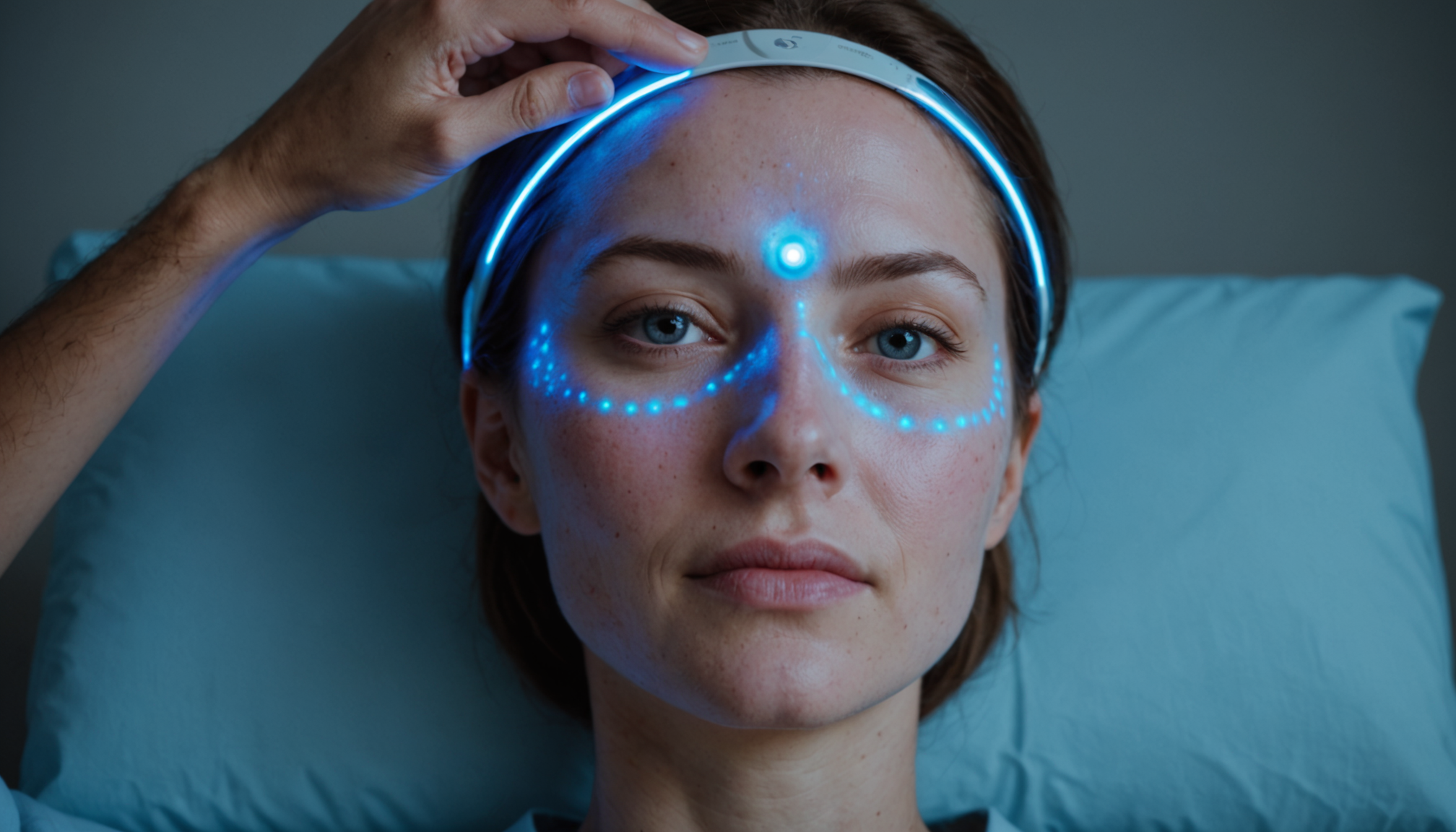 While electrotherapy offers numerous benefits, it is essential to approach its application with a thorough understanding of safety considerations and potential contraindications. Just as any therapeutic intervention, the efficacy and safety of electrotherapy hinge on careful assessment and personalized treatment planning. Essential to this process is recognizing that certain patients may experience adverse effects or may not be appropriate candidates for electrotherapy.
One of the primary concerns revolves around skin integrity at the electrode application sites. Individuals with open wounds, cuts, or skin infections should avoid electrotherapy until these areas have healed, as applying electrical stimulation could exacerbate conditions or introduce infection. In the case of compromised skin, alternative treatments should be explored to ensure the patient’s safety and well-being.
Another critical consideration involves individuals with implanted medical devices, such as pacemakers or defibrillators. The electrical impulses used in electrotherapy may interfere with the proper functioning of these devices, potentially leading to serious health risks. Hence, patients must disclose the presence of such devices to their healthcare providers before undergoing any electrotherapy treatment. Continuous dialogue about medical history fosters a safer treatment environment.
For patients with certain medical conditions, like epilepsy or cardiovascular disorders, caution is advised. Electrotherapy could potentially trigger seizures or influence heart function depending on the electrical parameters used. Therefore, a thorough evaluation by a qualified healthcare provider is crucial in these cases to assess the appropriateness of treatment and to determine safe parameters for therapy.
Pregnant women must also exercise caution, particularly regarding the type and location of electrotherapy applied. While some techniques may be safe, others should be avoided due to potential risks to fetal health, such as altering uterine contractions. Each case should be assessed individually, and consultation with an obstetrician alongside the treating therapist is recommended.
Furthermore, patient discomfort during treatment should be monitored closely. While light sensations or muscle contractions are expected during electrotherapy, excessive pain indicates that the current levels may be too high, necessitating adjustments. Listening to the body’s signals can prevent adverse reactions and enhance the therapeutic experience.
Ultimately, clear communication and a collaborative approach are vital when navigating the safety considerations surrounding electrotherapy. Practitioners should engage patients in discussions about their medical history, seek informed consent, and provide comprehensive information regarding what to expect during treatment. This partnership empowers clients to make knowledgeable decisions about their health, ultimately fostering a therapeutic environment that prioritizes safety and efficacy.
- What types of conditions can be treated with electrotherapy?
- Electrotherapy can be beneficial for a variety of conditions such as chronic pain, muscle rehabilitation, inflammation, and even cosmetic concerns like skin rejuvenation. Each type of electrotherapy modality has specific applications tailored to meet different therapeutic needs.
- Is electrotherapy painful?
- Most patients experience minimal discomfort during electrotherapy, often describing sensations as tingling or mild muscle contractions. However, if any pain arises during treatment, it’s essential to inform the therapist immediately, as adjustments can be made for comfort.
- Are there any contraindications for electrotherapy?
- Yes, contraindications include having implanted devices like pacemakers, being pregnant, or having certain medical conditions such as epilepsy or skin infections. A thorough health assessment should be conducted to ensure safety before beginning treatment.
- How long do electrotherapy sessions typically last?
- Electrotherapy sessions usually last between 20 to 60 minutes, depending on the type of treatment, the targeted area, and individual needs. A healthcare provider will determine the appropriate session length based on the specific condition being treated.
- Can electrotherapy be used in conjunction with other treatments?
- Yes, electrotherapy is often used alongside other therapeutic modalities, such as manual therapy or physical exercise programs, to enhance overall treatment effectiveness and patient outcomes.
- How often should electrotherapy treatments be administered?
- The frequency of electrotherapy treatments varies based on the individual’s condition and treatment goals. Healthcare providers often recommend multiple sessions per week initially, gradually adjusting based on the patient’s progress.
- Is there scientific evidence supporting the effectiveness of electrotherapy?
- Yes, various studies demonstrate the benefits of electrotherapy for pain management, muscle recovery, and tissue healing. Ongoing research is expanding our understanding of its mechanisms and applications in different therapeutic contexts.
Future Directions in Electrotherapy Research
The future of electrotherapy research holds exciting possibilities that can transform how we understand and apply this technology in therapeutic settings. As advancements in science continue to unveil the mechanisms of electrotherapy, researchers are increasingly uncovering new potentials for its application in various clinical settings.
One area of focus involves enhancing the specificity and targeting of electrotherapy modalities. Current studies are exploring the optimization of electrical parameters—such as frequency, pulse duration, and intensity—to tailor treatments more effectively to individual conditions. For example, understanding how different types of electrical stimulation impact specific types of pain or muscle recovery can lead to more personalized and effective therapy plans.
Moreover, the integration of electrotherapy with emerging technologies such as artificial intelligence (AI) and biofeedback is on the horizon. By utilizing AI algorithms, therapists may soon have access to data-driven insights that optimize treatment delivery. This includes real-time adjustments to the electrical settings based on a client’s physiological responses, ultimately enriching the therapeutic experience.
Research is also focusing on the use of electrotherapy in combination with other modalities, such as manual therapy, to enhance overall outcomes. For instance, studies suggest that coupling TENS with massage techniques can amplify pain relief, making it an enticing option for practitioners seeking comprehensive approaches to patient care.
New applications for electrotherapy are continually being evaluated, including its effects on mental health. Emerging research indicates that certain types of electrical stimulation may positively influence mood disorders by modulating brain activity. This could potentially position electrotherapy as a complementary treatment for individuals coping with anxiety and depression.
Another vital area of investigation is the application of electrotherapy in chronic conditions such as fibromyalgia and chronic fatigue syndrome. Understanding the underlying electrical mechanisms in these persistent disorders may provide insights into tailored treatment strategies that can significantly improve quality of life for affected individuals.
As the body of research grows, ongoing clinical trials will play a crucial role in validating the efficacy of new electrotherapy applications. Patients and practitioners should remain informed about these developments, as they may soon lead to innovative treatment options that integrate cutting-edge science with traditional therapy approaches.
The future of electrotherapy research is poised to enhance our understanding and application of this powerful tool in pain relief, rehabilitation, and beyond. Staying abreast of these advancements can help consumers make informed decisions about their therapeutic journeys while fostering a deeper appreciation for the complexities of human health and healing.
For a personalized session and free consult, Call me: +1 334-300-0389.
Find out how ARPWave Therapy can enhance your performace as an athlete and how you can achieve drug-free pain relief.