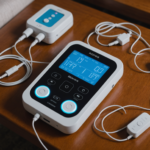
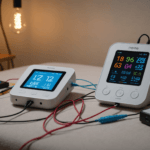
For a personalized session and free consult, Call me: +1 334-300-0389.
Find out how ARPWave Therapy can enhance your performace as an athlete and how you can achieve drug-free pain relief.
- Understanding Electrotherapy
- Types of Electrotherapy Devices
- Key Features to Consider
- Application and Usage Guidelines
- Safety Precautions
- Where to Buy and Price Considerations
Electrotherapy represents a range of therapeutic techniques that utilize electrical energy to alleviate pain and facilitate healing. For those seeking effective methods for pain relief, athletes looking to enhance recovery, or even expectant mothers dealing with discomfort, understanding the principles behind electrotherapy is paramount in choosing the right device for their needs.
At its core, electrotherapy exploits the body’s natural response to electrical stimuli. This approach can lead to altered pain perception, increased circulation, and improved muscle function. By effectively targeting nerves and muscles, electrotherapy can reduce inflammation, increase endorphins, and promote relaxation, making it an appealing option for a diverse audience.
Among the various modalities within electrotherapy, transcutaneous electrical nerve stimulation (TENS) is particularly popular. It is often used for managing chronic pain, especially in conditions such as arthritis or fibromyalgia. Another common form is neuromuscular electrical stimulation (NMES), which aids in muscle rehabilitation and strengthening, beneficial for athletes or those recovering from injuries.
When choosing the right device, it is essential to consider individual needs and health conditions. For instance, individuals with certain medical conditions or those who are pregnant should seek guidance from healthcare professionals before using electrotherapy devices. As a rule of thumb, the following factors should guide consumers:
- Consultation with Professionals: Always consult a healthcare provider or a certified massage therapist who is familiar with electrotherapy. They can help recommend appropriate devices based on your specific conditions.
- Device Type: Identify whether you need a TENS unit, NMES, or a combination of both. Each serves different purposes and applications and should align with your therapeutic goals.
- User-Friendliness: Opt for devices with intuitive controls and clear instructions, especially if you’re new to electrotherapy.
- Portability: Consider compact and rechargeable options, especially if you wish to use your device on the go or during travel.
- Warranty and Support: Choose brands that offer warranties and responsive customer support, ensuring they stand behind the reliability of their products.
The right device can significantly enhance your experience with electrotherapy, but it is crucial to remain informed and cautious. Equip yourself with knowledge, consult professionals, and ensure that you adhere to recommended practices for optimal outcomes.
Types of Electrotherapy Devices
There are several types of electrotherapy devices, each designed for specific therapeutic goals and patient needs. Understanding these different types enables individuals to make educated decisions about which device may be the most suitable for their circumstances.
TENS (Transcutaneous Electrical Nerve Stimulation) devices are primarily used for pain management. They work by sending small electrical impulses through the skin, which can help to disrupt pain signals sent to the brain, thus providing relief. TENS units can vary significantly in their settings, allowing users to adjust intensity and frequency to suit personal comfort levels and therapeutic requirements.
NMES (Neuromuscular Electrical Stimulation) units are distinct as they focus on stimulating muscle contractions. This is particularly beneficial in rehabilitation following injuries or surgeries, where muscle atrophy can occur due to inactivity. By mimicking the action of the nervous system, NMES can help maintain muscle strength and promote recovery by improving circulation to the affected area.
Microcurrent therapy devices deliver low-level electrical currents that are thought to promote cellular repair and reduce inflammation. This modality is often employed in the cosmetic industry for anti-aging treatments as well as in physical therapy for soft tissue recovery.
Iontophoresis devices utilize electric currents to drive medication through the skin, which can be particularly advantageous for localized treatment of conditions such as tendonitis or plantar fasciitis. This method can enhance the effectiveness of topical treatments by ensuring deeper penetration into the tissues.
Below is a table detailing the primary types of electrotherapy devices, their functions, and typical uses:
| Device Type | Function | Typical Uses |
|---|---|---|
| TENS | Pain relief by disrupting pain signals | Chronic pain conditions, arthritis, fibromyalgia |
| NMES | Muscle contraction to enhance rehabilitation | Injury recovery, muscle strengthening |
| Microcurrent Therapy | Cellular repair and inflammation reduction | Anti-aging treatments, soft tissue recovery |
| Iontophoresis | Delivery of medication through the skin | Tendonitis, plantar fasciitis treatment |
Ultimately, the effectiveness of electrotherapy hinges on the type of device chosen. When selecting a device, consider not only the intended use but also factors such as ease of operation, potential treatment duration, and portability. Being aware of these distinctions will facilitate informed decision-making, enabling users to select the right device to meet their specific needs effectively.
Key Features to Consider
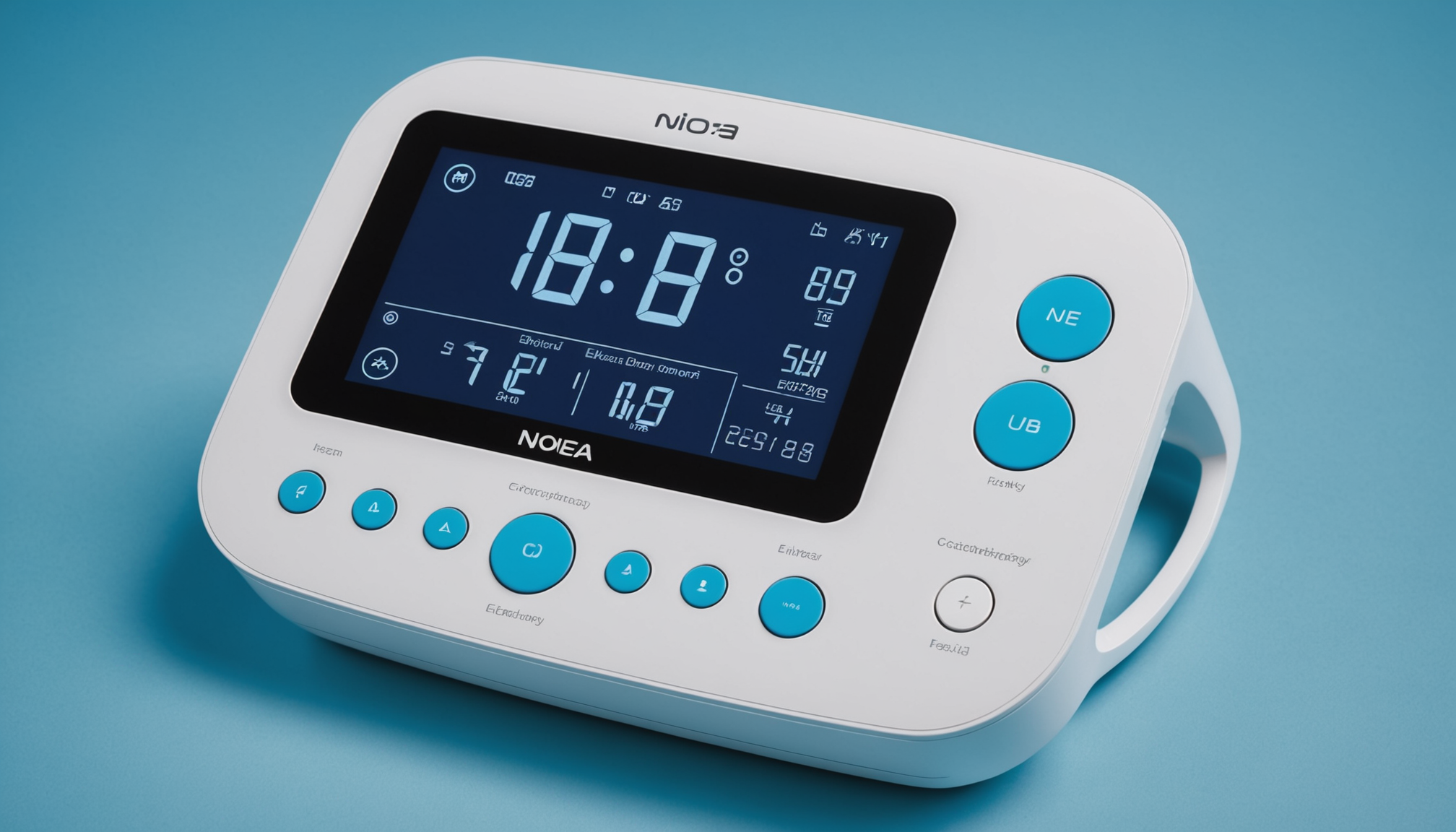
When evaluating electrotherapy devices, certain key features can significantly affect the efficacy and user experience. Understanding these characteristics will aid in choosing the right device tailored to your specific needs and lifestyle.
- Adjustable Settings: Look for devices that offer adjustable intensity and frequency settings. This flexibility allows users to customize their therapy based on personal comfort levels and treatment goals. For instance, lower frequencies may be more beneficial for pain relief, while higher frequencies might be effective for muscle stimulation.
- Electrode Quality: The quality of electrodes directly impacts the effectiveness of the device. Consider devices that come with high-quality, reusable, and skin-friendly electrodes. Options with adhesive properties that ensure proper placement on the treatment area are essential, as they provide consistent electrical delivery over the course of therapy.
- Program Variety: A device that offers multiple pre-set programs can simplify usage, especially for first-time users. Programs specifically designed for pain relief, muscle recovery, and relaxation can address diverse needs. For example, a TENS unit with varied settings for chronic pain management, such as arthritis or back pain, can enhance user satisfaction.
- Display Interface: Consider how user-friendly the display is. A clear, intuitive LCD screen with easy navigation will improve the overall experience and make it simpler to operate the device, especially for less tech-savvy individuals. Ensure the controls are straightforward, and the available settings are clearly indicated.
- Power Source: Battery-operated devices can be convenient for mobility and travel, while plug-in options might offer more consistent power for extended use. Consider your lifestyle and how often you’ll be using the device to determine the best power source for your needs.
- Size and Weight: The device’s size can impact portability, so if you’re looking to use the device in various settings—like at work, during travel, or at home—choose a lightweight and compact option. This will enhance convenience and encourage regular use, vital for effective therapy.
- Durability: Evaluate the build quality of the device. A sturdy device will not only endure regular use but also provide peace of mind regarding safety and functionality. Look for reviews or product descriptions that speak to the durability and quality assurance of the brand.
A comprehensive understanding of these features can greatly enhance your experience with electrotherapy. For instance, if you are an athlete focused on muscle recovery post-training, a device with robust NMES features and adjustable intensity may be particularly beneficial. Similarly, individuals aiming for pain relief might prioritize a TENS unit with a variety of preset programs. Conduct thorough research and perhaps consult with experts or existing users to gather feedback on the features that matter most based on your unique circumstances.
Application and Usage Guidelines
When utilizing electrotherapy devices, adhering to specific application and usage guidelines is critical for ensuring safety and obtaining optimal results. Each device comes with its own set of instructions, and understanding these nuances can facilitate effective treatment.
Before starting therapy, it’s essential to read the manufacturer’s manual thoroughly to grasp the device’s specific functionalities and recommended practices. For example, familiarize yourself with the placement of electrodes; improper positioning can lead to ineffective therapy or discomfort. As a general rule, electrodes should be placed on clean, dry skin, avoiding bony areas or open wounds. This can help ensure that the electrical impulses effectively reach the targeted nerves or muscles.
It’s also important to consider the duration and frequency of sessions. Most electrotherapy devices recommend starting with shorter sessions, around 10 to 20 minutes, particularly for those new to the treatment. As users become more accustomed to the sensations and respond positively, they may gradually increase the duration up to the recommended maximum time, often around 30 to 60 minutes per session, depending on the condition being treated.
Monitoring your body’s response during sessions is crucial. If you experience any discomfort—such as sharp pains, muscle spasm, or skin irritation—it’s advisable to reduce the intensity or pause therapy. Some users might feel a tingling sensation, which is generally expected, but any significant pain should lead to an immediate stop in usage, and consulting a healthcare professional is recommended.
For effective outcomes, consistency is key. Establishing a regular routine enhances the benefits of electrotherapy, as it allows the body to adapt and respond to the treatments effectively. Users might benefit from setting specific days and times for their sessions, whether they’re targeting pain management or muscle recovery.
In cases where electrotherapy devices are used alongside other treatments, such as physical therapy or medication, coordination with healthcare providers is critical. They can offer vital insights into integrating electrotherapy into a broader treatment plan, ensuring that it complements rather than interferes with other modalities.
“To achieve optimal therapeutic outcomes, it is essential to follow prescribed application guidelines and monitor your body’s responses closely.”
Keeping a journal can also be beneficial for tracking progress and side effects. Documenting each session with notes on duration, intensity settings, and perceived effects will help you and your healthcare provider gauge the effectiveness of the treatment and make necessary adjustments.
Lastly, patience is important. Results may not be immediate, as electrotherapy can take time to show noticeable improvements, particularly in chronic pain management or muscle rehabilitation. Thus, maintaining realistic expectations and staying committed to the therapy can lead to substantial improvements over time.
Safety Precautions
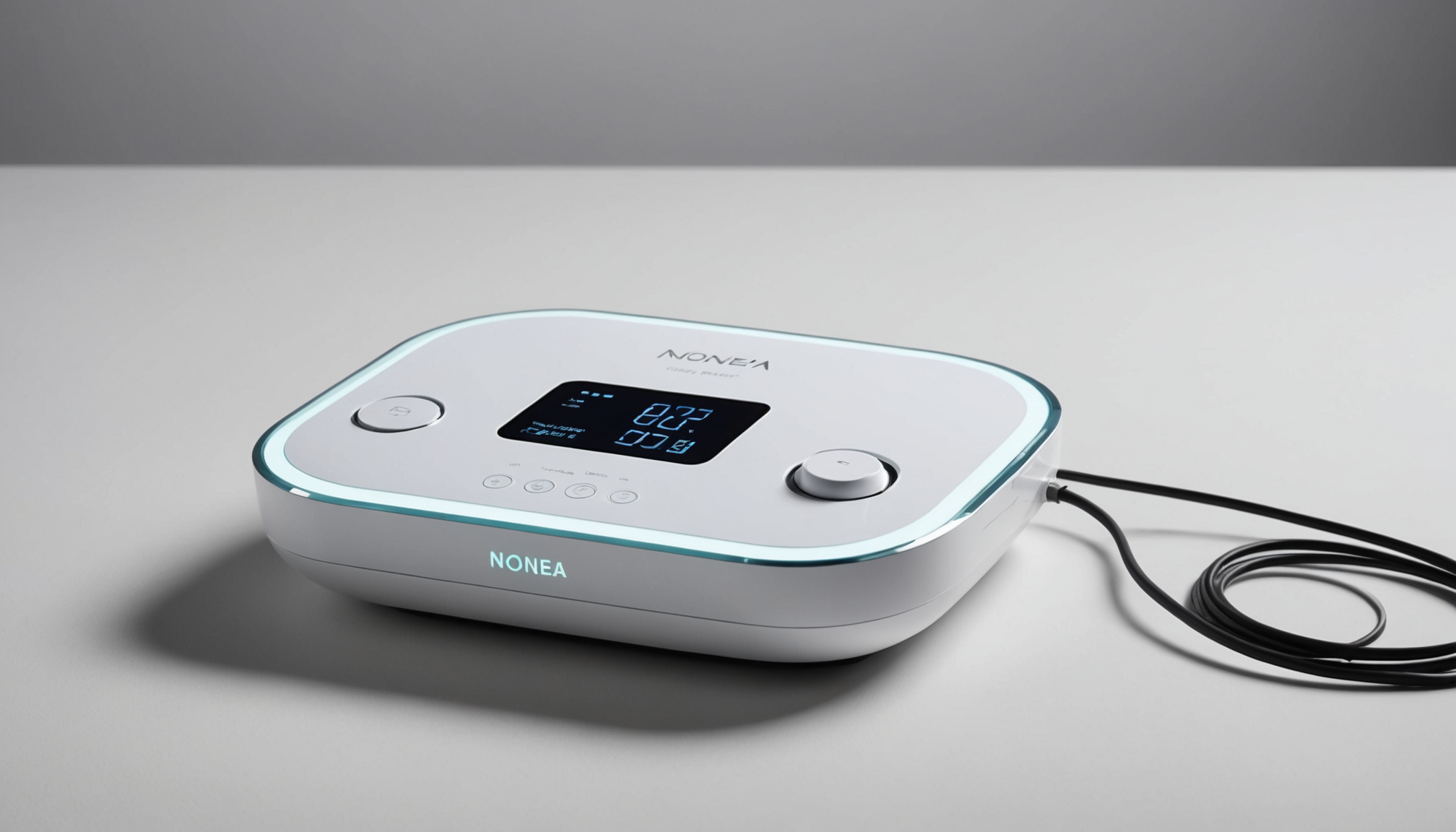 Ensuring safety when using electrotherapy devices is paramount. Before initiating any form of electrotherapy, it is essential to understand not only the potential benefits but also the precautions that should be taken to minimize risk. Always read the instruction manual carefully, as each device may come with specific recommendations tailored to ensure safe operation. For instance, ensure that your skin is clean and dry before applying electrodes to prevent skin irritation and ensure optimal conductivity.
Certain contraindications warrant careful attention: individuals with pacemakers, epilepsy, or any active implantable medical devices should avoid electrotherapy unless under the strict guidance of a qualified healthcare professional. Pregnant women should also consult their doctors before using electrotherapy, especially on areas near the abdomen. While electrotherapy can be a powerful ally in pain management and rehabilitation, it is crucial to prioritize your health and safety.
When applying the device, the placement of electrodes matters significantly. They should be positioned according to guidelines to effectively target the intended area without causing unnecessary discomfort. For beginners, starting with lower intensity settings can help the body acclimate to the sensations of electrical stimulation. It’s also advisable to limit initial sessions to short durations, gradually extending them as comfort with the therapy grows.
Listening to your body during treatment is key. Users may experience varied reactions to electrotherapy, from mild tingling sensations to more pronounced responses. If you feel any acute or sharp pain, discomfort, or skin reactions, discontinue use immediately and seek professional advice. Documenting any adverse reactions, along with the settings used during treatment, can also assist healthcare providers in making necessary adjustments.
Regular maintenance of the device is another significant aspect of safety. Ensure that electrodes are replaced as needed and that the unit is kept in good condition. A malfunctioning device can pose health risks, so always check for signs of wear and tear. By adopting these precautions, you can ensure a safer and more effective experience with electrotherapy, paving the way for a better understanding of the right device for your needs.
- What should I do if the electrotherapy device causes discomfort?
- If you experience discomfort or pain during treatment, immediately lower the intensity or stop using the device. It is crucial to listen to your body’s signals, and if the discomfort persists, consult with a healthcare professional.
- Can anyone use electrotherapy devices?
- Electrotherapy devices are not suitable for everyone. Individuals with certain medical conditions, such as pacemakers or epilepsy, should avoid using these devices without the approval of a healthcare provider.
- How often can I use my electrotherapy device?
- The frequency of use depends on the specific device and the condition being treated. Start with shorter sessions and gradually increase frequency based on comfort and professional advice, generally aiming for 2-3 sessions per week.
- Are there any side effects associated with electrotherapy?
- Common side effects include mild tingling, skin irritation, or muscle fatigue. Any severe or prolonged reactions should be reported to a healthcare professional.
- Is it necessary to consult a healthcare provider before using electrotherapy?
- Yes, consulting a healthcare provider is recommended, especially for those with existing health conditions or specific medical concerns. They can provide tailored advice on the appropriate device and usage.
- Can I use electrotherapy while pregnant?
- Pregnant individuals should consult their healthcare provider before using electrotherapy devices, particularly those that may affect the abdominal area.
- How do I select the right electrotherapy device for my needs?
- Choose a device based on your specific therapeutic goals, the type of pain or rehabilitation needed, and any professional recommendations. Consider features such as ease of use, adjustability, and desired applications to find the right fit.
Where to Buy and Price Considerations
When it comes to purchasing electrotherapy devices, both online and offline options are available, each offering distinct advantages. It’s important to consider where you’ll acquire your device, as this can impact price, customer service, and the overall buying experience. Here’s a comprehensive guide to help you navigate your options while keeping budget considerations in mind.
Online shopping has become the go-to method for many consumers due to its convenience and the breadth of choices. Popular e-commerce platforms such as Amazon, eBay, and specialized health equipment websites often provide comprehensive customer reviews and ratings, enabling you to assess the quality and effectiveness of various devices. When exploring online options, keep the following points in mind:
- Price Comparisons: Take the time to compare prices across multiple sites. Prices can vary significantly based on the retailer and any sales or promotions. Don’t forget to factor in shipping costs, which can vary widely.
- Warranty Information: Verify the warranty provided with the device. Purchasing from reputable sites that offer warranties can protect your investment and provide peace of mind. Look for devices that come with at least a one-year warranty to ensure reliability.
- Return Policy: Always review the return policy prior to making a purchase. This consideration allows you to return or exchange the device if it does not meet your expectations or needs.
- Customer Support: Evaluate the level of customer service available. Opt for retailers known for responsive support, as this can be a crucial factor if you run into issues or have questions about the device.
On the other hand, purchasing electrotherapy devices from physical stores offers the benefit of hands-on experience. Retailers specializing in health and wellness products may provide an opportunity to see the devices in person, ask questions from knowledgeable staff, and even test certain features. Here are some important points when buying in-store:
- Expert Guidance: Staff at specialty stores can offer valuable advice and insight based on your specific needs. Engaging with knowledgeable employees may enable you to understand the differences between types or brands of devices more effectively.
- Immediate Availability: Shopping in-store means you can walk away with your device immediately, without waiting for shipping. This is particularly advantageous if you’re seeking rapid pain relief or rehabilitation.
- Assessment of Quality: Being able to physically inspect the device allows for an assessment of its quality and build. This can give you confidence in your selection, particularly concerning durability and ease of use.
Regarding price considerations, electrotherapy devices can range from budget-friendly options under $50 to more advanced units exceeding several hundred dollars. While it might be tempting to opt for the cheapest device, remember that investing in a quality electrotherapy unit can yield better results and enhance your overall therapeutic experience. Here are a few strategies to manage costs:
- Research and Reviews: Read through multiple customer reviews and expert recommendations to identify which devices offer the best value for your investment.
- Seasonal Sales or Promotions: Keep an eye out for discounts during holidays, Black Friday, or end-of-season sales, where significant price reductions can occur.
- Use of Flexible Spending Accounts (FSAs): If your employer offers health benefits, check whether electrotherapy devices can be purchased using FSA funds, which enables better financial management.
Ultimately, whether you opt to purchase online or in-person, being well-informed about your options, conducting thorough research, and understanding the pricing structures will enhance your chances of choosing the right device for your electrotherapy needs. Prioritizing features that cater specifically to your therapeutic goals is essential in making a sound investment.
For a personalized session and free consult, Call me: +1 334-300-0389.
Find out how ARPWave Therapy can enhance your performace as an athlete and how you can achieve drug-free pain relief.