


The challenges of implementing electrotherapy in treatment plans
The challenges of implementing electrotherapy in treatment plans

For a personalized session and free consult, Call me: +1 334-300-0389.
Find out how ARPWave Therapy can enhance your performace as an athlete and how you can achieve drug-free pain relief.
- The role of electrotherapy in modern medicine
- Key challenges in electrotherapy implementation
- Patient acceptance and adherence issues
- Integration with existing treatment protocols
- Training and education for healthcare providers
- Future directions and advancements in electrotherapy
Electrotherapy has emerged as a vital component in modern medical practice, offering various techniques that leverage electrical energy to facilitate healing, pain relief, and muscle stimulation. Therapies such as Transcutaneous Electrical Nerve Stimulation (TENS), interferential current therapy, and neuromuscular electrical stimulation are among the most commonly used modalities, each catering to specific patient needs and conditions. For instance, TENS units are often utilized to manage chronic pain by disrupting pain signals sent to the brain, providing a non-invasive alternative to pharmacological treatments.
However, the implementation of electrotherapy within treatment plans is not without its challenges. Many healthcare providers may not fully understand the range of applications and limitations of these therapies, which can hinder the adoption of electrotherapy as a standard practice. To optimize outcomes, it is crucial for patients and practitioners to have clear communication regarding the goals of electrotherapy, its safety, and its expected results.
For consumers exploring the benefits of electrotherapy, it is essential to be informed about the different modalities available and their specific indications. Patients should consider the following:
- Consultation: Before beginning any electrotherapy treatment, seek a comprehensive evaluation from a qualified healthcare provider to determine the most suitable approach based on individual health conditions.
- Device Familiarization: Familiarize yourself with the specific device or technology that will be used in your treatment. Understanding how it works and what sensations to expect can help alleviate apprehensions.
- Home Use: If transitioning to home-use devices like TENS units, ensure you receive proper training on settings and application techniques to maximize effectiveness and minimize discomfort.
- Consistency: Adhering to prescribed treatment schedules is critical for achieving desired outcomes. Regular sessions can help reinforce the beneficial effects of electrotherapy.
- Monitor Response: Keep track of how your body responds to treatments. Documenting changes in pain levels or function can assist your healthcare provider in adjusting your treatment plan as needed.
As the field of electrotherapy continues to evolve, it is imperative to stay informed about new research, emerging technologies, and evidence-based practices. Engaging in discussions with healthcare providers and participating in workshops or webinars can significantly enhance one’s understanding of the role of electrotherapy in comprehensive treatment plans.
For additional resources, readers are encouraged to refer to reputable medical journals and associations specializing in pain management and physical therapy, such as the American Physical Therapy Association (APTA) and the International Association for the Study of Pain (IASP).
Key challenges in electrotherapy implementation
The complexities surrounding the implementation of electrotherapy in treatment plans stem from a multitude of factors, each playing a critical role in determining the success of these therapies. One of the primary challenges is the variability in the quality and availability of electrotherapy devices. Many healthcare facilities may lack access to the latest technology, hindering the ability to provide optimal care. Moreover, differences in device calibration and functionality can lead to inconsistent treatment experiences, impacting patient outcomes and satisfaction.
Another significant challenge is the heterogeneous nature of patient responses to electrotherapy. While many patients experience substantial benefits, others may report minimal to no improvement. This inconsistency can be attributed to various factors, including the type of condition being treated, the specific electrotherapy modality used, and individual patient characteristics such as skin sensitivity or underlying health issues. To address these disparities, comprehensive assessments are essential to tailor treatment plans that account for patient-specific factors.
Furthermore, the lack of standardized protocols for electrotherapy application can complicate implementation. Without established guidelines, practitioners may rely on personal experience or anecdotal evidence, leading to varied approaches in treatment. This use of non-standardized practices can diminish the credibility of electrotherapy as a viable treatment option, making it challenging to gain widespread acceptance among healthcare providers.
Education emerges as a significant barrier; many practitioners may not receive adequate training in electrotherapy modalities during their medical or physical therapy education. As a result, they may feel apprehensive about incorporating electrotherapy into their treatment plans. This underscores the necessity for ongoing professional development and training programs that focus specifically on electrotherapy techniques, their indications, and contraindications.
To illustrate the disparities in electrotherapy practices and their efficacy, a comparison table can be helpful:
| Electrotherapy Modality | Common Indications | Patient Response Variability | Equipment Accessibility |
|---|---|---|---|
| Transcutaneous Electrical Nerve Stimulation (TENS) | Chronic Pain Management | Varies significantly; some report excellent pain relief, while others find no impact. | Widely available, but quality varies by facility. |
| Interferential Current Therapy | Muscle Pain, Edema Reduction | Some patients experience significant decrease in pain, while others report discomfort. | Less accessible; may require specialized equipment. |
| Neuromuscular Electrical Stimulation (NMES) | Muscle Strengthening, Rehabilitation | Generally positive outcomes for muscle recovery, though effectiveness can vary based on condition. | Equipment can often be used at home, but requires training. |
These factors reflect the complexities inherent in implementing electrotherapy into treatment plans. Understanding these challenges is crucial for healthcare providers as they navigate the integration of electrotherapy in practice. As training, technology, and standardization efforts improve, overcoming these barriers will become increasingly feasible, potentially leading to better patient outcomes and broader acceptance of electrotherapy as a key component in modern medicine.
Patient acceptance and adherence issues
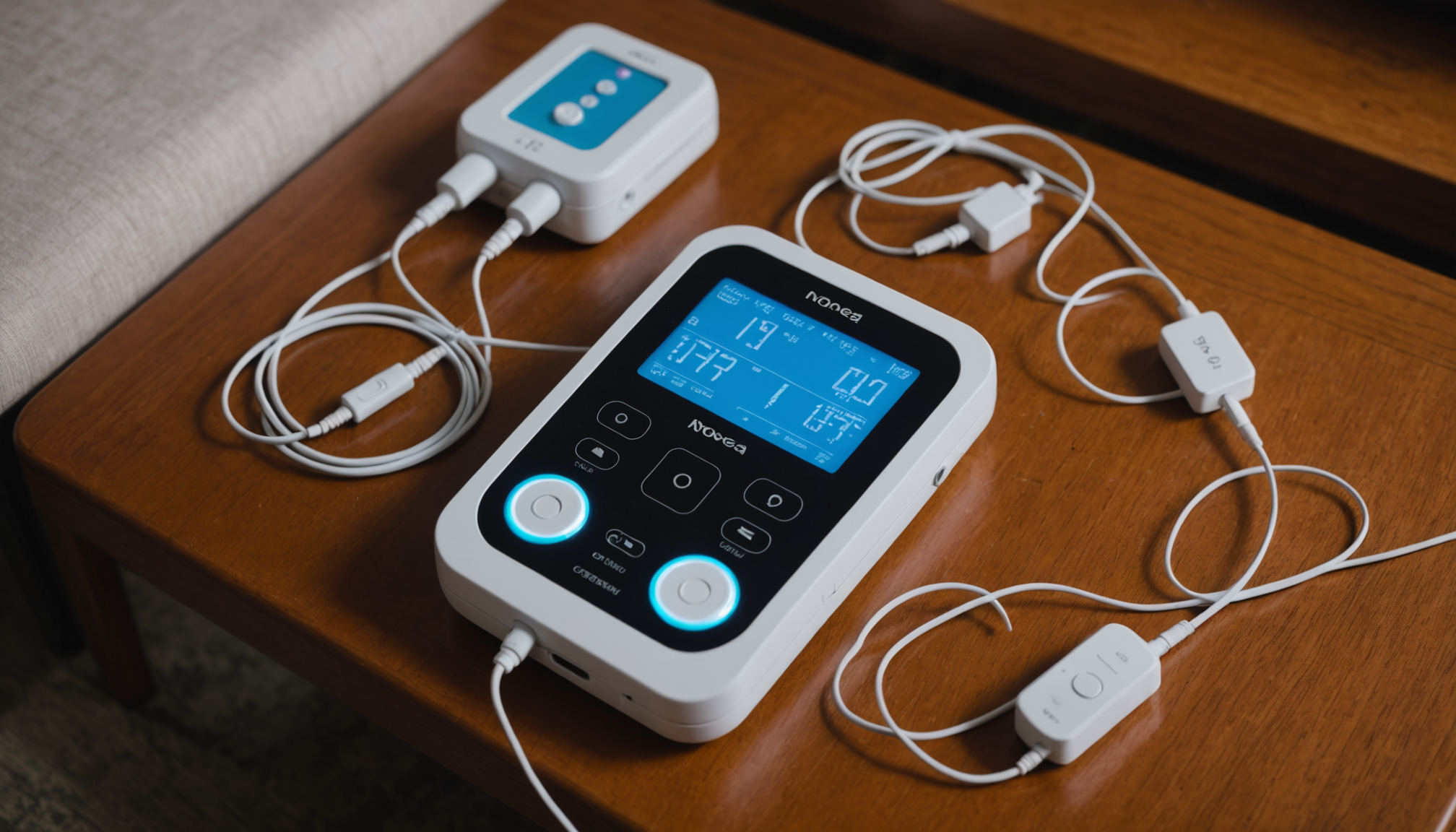
One of the greatest challenges in the realm of electrotherapy is obtaining patient acceptance and adherence to this treatment modality. While electrotherapy can be a valuable tool in managing various conditions, many patients may feel apprehensive or skeptical about its effectiveness. Maintaining open lines of communication between practitioners and patients is essential to foster understanding and trust.
To enhance patient acceptance, it is crucial for healthcare providers to discuss the principles of electrotherapy thoroughly, including how it works, the science behind it, and what patients can expect during treatment. Here are some effective strategies that practitioners can employ:
- Educate Patients: Offer clear explanations about the specific electrotherapy techniques being used and their purpose. For instance, explaining how TENS units block pain signals can help demystify the process.
- Set Realistic Expectations: It is essential to clarify that while many patients see significant benefits, individual responses can vary. By emphasizing that results may differ, practitioners can help mitigate potential disappointment.
- Share Success Stories: Sharing testimonials and case studies of other patients who have benefited from electrotherapy can encourage new patients to engage in the treatment process. Highlighting positive outcomes can foster a sense of hope and motivation.
- Address Concerns: Taking the time to listen to any fears or misconceptions patients may have is vital. This could involve discussing potential side effects, safety measures, or the types of sensations they might experience during treatment. Addressing these concerns upfront can make patients feel more comfortable.
- Encourage Participation: Encourage patients to actively participate in their treatment plan, such as by scheduling their sessions, providing feedback on their experiences, and involving them in discussions about treatment modifications. This sense of control can boost adherence.
Additionally, providing resources for self-education can empower patients. Directing them to credible online platforms, brochures, or local support groups can help patients learn more about electrotherapy beyond their sessions and understand its potential benefits in various contexts. For example, the American Physical Therapy Association (APTA) offers a wealth of information on pain management and treatment options.
Despite these strategies, some patients may still resist electrotherapy. Practitioners must remain patient and understand that acceptance can take time. As they establish a trusting relationship and foster ongoing dialogue, patients may become more open to exploring this therapeutic option. Ensuring follow-up consultations where patients can share their experiences can also enhance adherence rates.
To further optimize the electrotherapy experience, it may be beneficial to incorporate this modality into a broader treatment plan that includes other forms of therapy, such as massage or physical therapy. This integrative approach not only targets multiple aspects of the patient’s condition but also helps reduce the stigma around solely relying on one treatment method, making it easier for patients to accept electrotherapy as part of their recovery journey.
Ultimately, understanding the barriers to patient acceptance and actively working to address them can help ensure that electrotherapy is more successfully implemented within treatment plans, paving the way for improved health outcomes.
Integration with existing treatment protocols
Integrating electrotherapy into existing treatment protocols necessitates careful consideration of how these therapies can complement other modalities. This integration is essential for creating a holistic approach to patient care. To successfully incorporate electrotherapy into treatment plans, healthcare providers must assess individual patient needs, preferences, and the specific conditions being addressed.
One of the primary challenges of integration lies in the differing responses patients may exhibit to electrotherapy. As practitioners strive to develop customized treatment plans, it becomes crucial to evaluate the appropriateness of combining electrotherapy with traditional methods such as physical therapy, medication management, or exercise programs. For instance, neuromuscular electrical stimulation (NMES) can be particularly beneficial for patients recovering from surgery when used alongside physical rehabilitation exercises, enhancing muscle re-education and strength while relieving discomfort.
Effective teamwork among healthcare providers also plays a pivotal role in seamless integration. Multidisciplinary collaboration, including input from physical therapists, occupational therapists, and physicians, is crucial to align treatment goals and ensure that electrotherapy’s implementation is supported by concurrent methods. Clinicians should communicate openly regarding treatment outcomes and ongoing adjustments to better evaluate the efficacy of the combined approach.
In developing integrated treatment protocols, practitioners must also consider the practical aspects of implementing electrotherapy. This includes assessing the accessibility of electrotherapy devices, patient education on the proper use of these modalities, and ongoing support to address any challenges that arise during treatment. Training staff on how to implement electrotherapy effectively within established protocols can increase confidence in applying these techniques and improve patient adherence.
Moreover, regular follow-ups with patients help maintain an adaptive approach, allowing healthcare providers to adjust treatment plans as needed based on patients’ responses. Collecting data on patient outcomes and experiences can provide invaluable insights into optimizing the integration of electrotherapy within treatment plans, leading to enhanced effectiveness and patient satisfaction.
“Integration is not just about combining different therapies, but about understanding how they can work together to serve the patient’s best interests.”
As more providers witness positive patient outcomes, the acceptance of electrotherapy within treatment protocols is likely to grow. This will contribute to improved patient engagement and adherence, ultimately solidifying electrotherapy’s role as a mainstream option in managing various health conditions. By prioritizing communication and collaboration, the challenges associated with integrating electrotherapy into treatment plans can be effectively addressed, resulting in a cohesive care experience for patients.
Training and education for healthcare providers
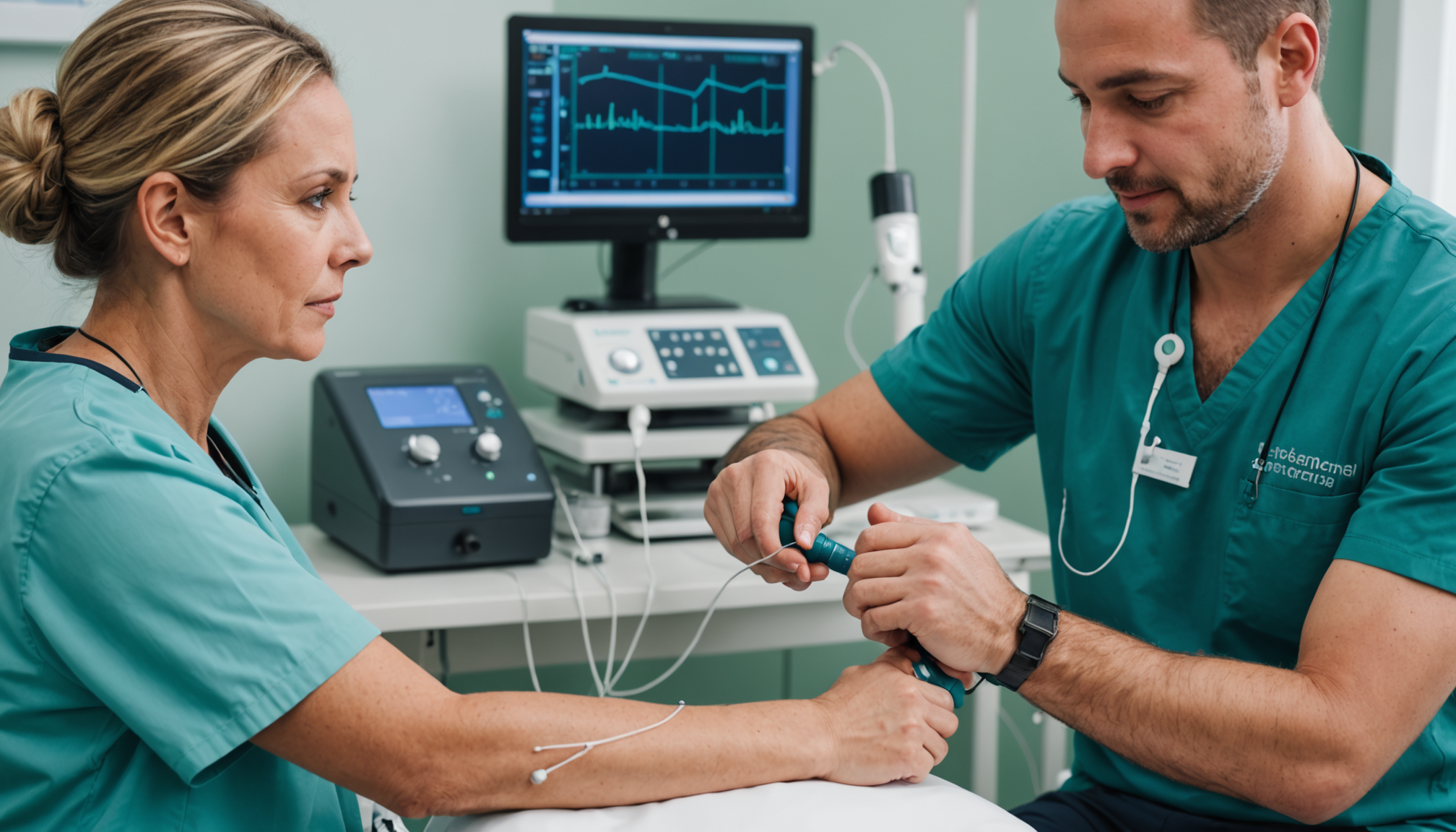 As healthcare continues to evolve, the necessity for ongoing training and education of healthcare providers regarding electrotherapy becomes increasingly evident. Many practitioners may find themselves ill-equipped to implement electrotherapy into their treatment plans effectively due to a lack of comprehensive training in its applications and effects. Given the complex nature of electrotherapy modalities, such as TENS, NMES, and interferential current therapy, targeted educational initiatives are needed to ensure that providers feel confident in utilizing these techniques.
Incorporating electrotherapy into practice isn’t merely about understanding how the devices function; it also involves grasping the underlying physiology of how electrical stimulation can impact the body’s healing processes. Educational programs should cover essential topics such as electrode placement, treatment settings, contraindications, and patient selection criteria. By engaging in specialized training, practitioners can better understand the most effective combinations of modalities, allowing them to tailor treatment plans uniquely to each patient’s needs.
Moreover, practitioners should be encouraged to participate in multimodal workshops, webinars, and conferences focusing on contemporary electrotherapy research and advancements. Peer-reviewed studies contribute to evidence-based practice, providing practitioners with the latest insights into the effectiveness of various electrotherapy techniques. These educational resources are vital in dispelling myths and building confidence in integrating electrotherapy into broader treatment regimens.
Collaboration with seasoned professionals in the field of electrotherapy can also enhance learning outcomes. Mentorship programs, where experienced practitioners guide less experienced ones, can enrich knowledge transfer and improve practical skills. Patient-centered approaches should be emphasized, encouraging providers to engage in active discussions about expected treatment outcomes and managing potential concerns that arise regarding electrotherapy.
As practitioners navigate continued learning, they contribute not only to their personal development but also to the evolution of practice standards that govern electrotherapy use. Increased knowledge and improved skills can lead to more effective treatment plans which are better aligned with patient needs, ultimately reducing the challenges often faced in implementing electrotherapy. As this field expands, staying abreast of continuing education opportunities and emerging technologies will be critical to meeting the demands of patients seeking comprehensive, modern approaches to health and wellness.
- What is electrotherapy?
- Electrotherapy is a medical treatment that uses electrical energy to promote healing, relieve pain, and enhance muscle function. It includes various modalities such as TENS, NMES, and interferential current therapy, each with specific applications.
- How does TENS work?
- Transcutaneous Electrical Nerve Stimulation (TENS) works by sending low-voltage electrical impulses through the skin to stimulate nerve endings, which can help interrupt pain signals from reaching the brain, providing relief from chronic pain.
- Is electrotherapy safe for everyone?
- While electrotherapy is generally safe for many patients, it may not be suitable for individuals with specific conditions such as pacemakers, certain heart conditions, or specific medical implants. Always consult a healthcare provider to determine if it’s safe for you.
- How long do electrotherapy sessions typically last?
- Electrotherapy sessions can vary in length, typically ranging from 15 to 60 minutes depending on the specific treatment being administered and the patient’s unique needs.
- Can I use electrotherapy at home?
- Yes, home-use devices, such as TENS units, are available and can be effective. However, it is important to receive proper training from a healthcare provider on how to use the device safely and effectively before attempting home treatments.
- What should I expect during an electrotherapy session?
- During an electrotherapy session, you may feel a tingling or vibrating sensation when the electrical current is applied. The experience should be comfortable; if you feel any pain, communicate with your provider immediately.
- How can I ensure the effectiveness of electrotherapy?
- Ensuring effectiveness involves following the treatment plan carefully, communicating openly with your healthcare provider about your experiences, and adhering to any additional therapeutic practices, such as physical therapy or exercise, recommended alongside electrotherapy.
Future directions and advancements in electrotherapy
As advancements in electrotherapy continue to evolve, the future promises significant potential for enhancing patient care and treatment outcomes. Researchers and healthcare professionals are constantly exploring ways to optimize electrotherapy techniques and better integrate them into existing treatment plans. Innovative developments are paving the way for more personalized and effective approaches to pain management and rehabilitation.
One of the most exciting directions in electrotherapy is the integration of wearable technology. Devices that monitor physiological parameters in real-time can provide invaluable data to practitioners. This information can inform treatment adjustments and enhance the personalization of therapy sessions, ensuring that patients receive tailored care that responds to their specific health status. The incorporation of mobile apps that guide patients through their therapy regimens also holds promise for improving adherence and outcomes.
Moreover, ongoing research into the specific mechanisms of how electrical stimulation affects tissue repair and pain modulation will foster a deeper understanding of electrotherapy. By identifying the optimal parameters for different conditions, healthcare providers can develop more evidence-based treatment plans. Advanced studies are delving into the synergy between electrotherapy and other modalities, such as regenerative medicine techniques that employ stem cells or growth factors, which may enhance healing further.
Healthcare providers also anticipate improvements in the ease of use and accessibility of electrotherapy devices. As technology advances, the development of more user-friendly devices could empower patients to take an active role in their own care. Training programs that emphasize knowledge and skills in electrotherapy will be crucial. Ongoing education aimed at healthcare providers can promote the adoption of advanced practices, ensuring that practitioners are equipped to utilize the latest innovations effectively.
As the landscape of healthcare evolves, addressing the challenges of implementing electrotherapy will require collaboration among stakeholders, including researchers, clinicians, and patients. Advocacy for quality standards and streamlined protocols will facilitate a more widespread acceptance of electrotherapy as a mainstream treatment option. Continued efforts to educate both patients and practitioners can help bridge the gap between new technology and effective treatment delivery.
Adopting an interdisciplinary approach that combines electrotherapy with traditional therapies, such as physical therapy and massage, allows for a more comprehensive management strategy for a variety of conditions. By recognizing the role of electrotherapy as a valuable complementary treatment, professionals can work towards achieving the best possible outcomes for their patients.
The future advancements in electrotherapy are poised to revolutionize treatment methodologies, addressing existing challenges while providing a holistic framework for patient care. With ongoing research, technological advancements, and comprehensive education, electrotherapy will continue to play a crucial role in the evolution of modern medicine.
For a personalized session and free consult, Call me: +1 334-300-0389.
Find out how ARPWave Therapy can enhance your performace as an athlete and how you can achieve drug-free pain relief.