For a personalized session and free consult, Call me: +1 334-300-0389.
Find out how ARPWave Therapy can enhance your performace as an athlete and how you can achieve drug-free pain relief.
- Real-life applications of electrotherapy for athletes
- Understanding electrotherapy in sports
- Types of electrotherapy techniques
- Benefits of electrotherapy for athletes
- Case studies showcasing successful applications
- Safety considerations and contraindications
- Future trends in electrotherapy for athletic performance
Electrotherapy has found a significant place in the world of sports, particularly in the training and rehabilitation of athletes. The real-life applications of this technology can be observed across various professional and amateur sports, as athletes seek to maintain peak performance and expedite recovery from injuries.
One of the most notable applications of electrotherapy is in the management of muscle injuries. For instance, many professional teams employ devices that utilize electrotherapy to facilitate muscle recovery after intense training sessions or competitions. These devices often use techniques such as neuromuscular electrical stimulation (NMES) to activate muscles and promote healing, allowing athletes to recover quicker and return to their sport sooner.
Another practical application can be seen in pain management. Athletes dealing with chronic pain conditions, such as shin splints or tendonitis, benefit from transcutaneous electrical nerve stimulation (TENS). This method helps in blocking pain signals sent to the brain and promotes the release of endorphins, providing much-needed relief. Many physical therapists recommend TENS units for at-home use, providing athletes with a versatile tool for managing pain on their own.
In the realm of injury prevention, electrotherapy can also play a pivotal role. Athletes are increasingly using electrotherapy as a preventive measure. By incorporating light electrical stimulation into their warm-up routines, athletes can stimulate blood flow and prepare their muscles for the physical demands of competition. This proactive approach reduces the risk of injuries and prepares the body to perform under high-stress conditions.
Moreover, active recovery sessions using electrotherapy have gained popularity. Athletes utilize recovery devices post-training or competitions, which can enhance circulation and reduce muscle soreness. For example, athletes might engage in sessions with powered compression devices that combine electrotherapy with compression therapy, leading to an efficient recovery process.
As electrotherapy technology continues to evolve, smart devices that can be controlled via smartphones are emerging, allowing athletes to personalize their treatment plans to better suit their needs. When integrating electrotherapy into their routine, athletes should consult with healthcare professionals to tailor the treatment to their individual conditions and training regimens.
To maximize the benefits, it’s crucial for athletes to follow guidelines for optimal use. They should ensure to:
- Consult a sports therapist or physician before beginning any electrotherapy treatments.
- Follow manufacturer instructions carefully to avoid misuse or overuse of devices.
- Combine electrotherapy with other recovery modalities, such as stretching and hydration.
Ultimately, the real-life applications of electrotherapy provide athletes with a range of tools to enhance their performance, manage pain, and support recovery. Incorporating this technology thoughtfully can lead to significant improvements in athletic capabilities and overall well-being.
Understanding electrotherapy in sports
Electrotherapy is a therapeutic approach that employs electrical stimulation to treat a variety of conditions related to sports injuries and performance enhancement. The rationale behind its use in sports is grounded in the physiological responses that our bodies exhibit when exposed to electrical currents. These currents can elicit a series of biological effects that promote recovery, improve function, and even enhance athletic performance.
One primary understanding of electrotherapy stems from the concept that it mimics the natural physiological processes of the body. For instance, during physical exertion, our muscles contract in response to electrical signals transmitted from the nervous system. Electrotherapy aims to replicate this stimulus by delivering controlled electrical impulses to the muscles through electrodes placed on the skin. This method enables targeted stimulation, which can lead to increased strength, reduced atrophy, and improved muscle endurance.
Beyond just muscle activation, electrotherapy can influence several other key areas vital for athletes. Injury healing, for example, benefits greatly from the increased blood flow and enhanced cellular activity induced by electrotherapy. Studies have shown that electrical stimulation can accelerate tissue regeneration and healing by improving circulation and reducing inflammation. This is particularly beneficial for athletes, as timely recovery is critical in maintaining their training schedule and overall performance.
Moreover, the psychological aspects of pain management cannot be understated. Athletes often grapple with the mental challenges that come with injury and recovery. Electrotherapy techniques such as TENS focus on pain modulation, altering the brain’s perception of pain, which not only provides physical relief but also contributes positively to an athlete’s mental state. By mitigating pain, athletes can gradually increase their activity levels, which is an essential factor in both recovery and performance.
In clinical and training settings, various types of electrotherapy devices are available, each designed for specific purposes. Here is a comparative outlook on some widely-used electrotherapy techniques in sports:
| Technique | Description | Primary Uses | Typical Settings |
|---|---|---|---|
| Neuromuscular Electrical Stimulation (NMES) | Stimulates muscle contractions to improve strength and prevent atrophy. | Muscle recovery, strengthening, and rehabilitation. | Clinical settings, home rehabilitation. |
| Transcutaneous Electrical Nerve Stimulation (TENS) | Delivers low-voltage electrical currents to manage pain by altering pain signals. | Pain relief for chronic and acute conditions. | Home use, physical therapy clinics. |
| Iontophoresis | Uses electrical currents to deliver medication through the skin. | Localized treatment for inflammation and pain. | Professional clinics. |
| Electrical Muscle Stimulation (EMS) | Imitates natural muscle contractions through electrical impulses. | Recovery enhancement, muscle endurance. | Training facilities, home devices. |
Each of these electrotherapy methods offers unique benefits that can be crucial during different phases of training and recovery. Athletes should work closely with qualified practitioners to select the most appropriate techniques for their individual needs and conditions.
Understanding electrotherapy within the realm of sports is essential for athletes looking to enhance their performance and recover efficiently. The careful application of this technology, aligned with professional guidance, empowers athletes to optimize their training regimens and maintain their competitive edge.
Types of electrotherapy techniques
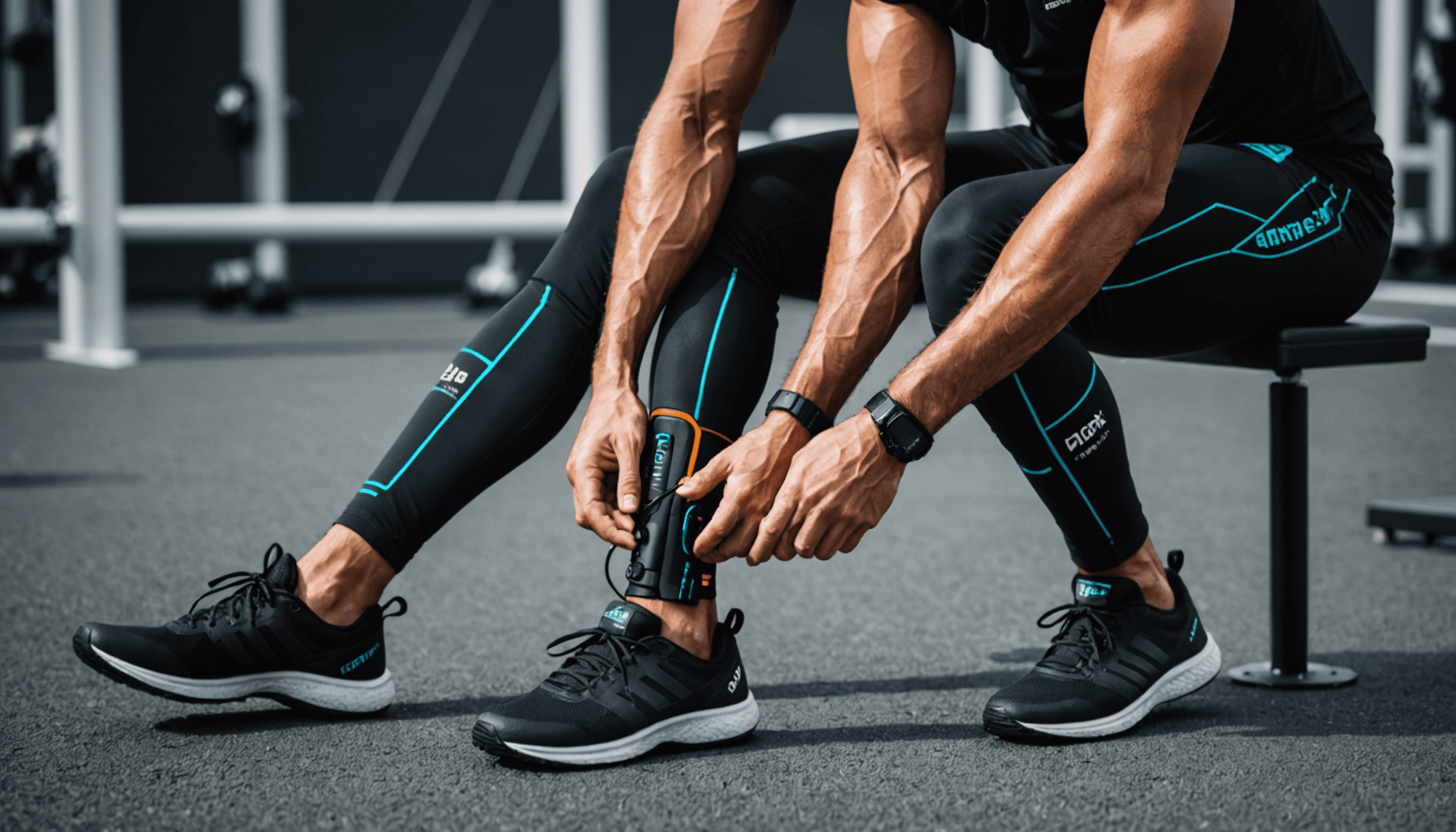
Electrotherapy encompasses a variety of techniques, each designed to cater to specific therapeutic needs for athletes. These methods are grounded in the principle of using electrical stimulation to promote muscle activation, enhance recovery, and manage pain. Understanding the different types of electrotherapy can help athletes choose the most effective approaches to improve their performance and recovery processes.
One of the most recognized techniques is Neuromuscular Electrical Stimulation (NMES). This method sends electrical impulses to large muscle groups, causing them to contract. NMES is particularly beneficial for athletes recovering from injuries, as it helps prevent muscle atrophy and promotes strength gains even when the athlete cannot perform traditional strength training exercises. Additionally, NMES can also be utilized during warm-up and post-exercise recovery routines to facilitate better muscle performance and reduce soreness.
Another widely used technique is Transcutaneous Electrical Nerve Stimulation (TENS). TENS is designed for pain management by delivering low-voltage currents that intercept pain signals traveling to the brain and stimulate the release of endorphins. Athletes suffering from acute or chronic pain conditions, such as tendonitis or joint pain, often find TENS units invaluable for managing discomfort. They can be used at home or in a clinical setting, promoting a sense of autonomy over pain management.
Iontophoresis is a specialized electrotherapy technique that transports anti-inflammatory medications into the affected area through the skin using electrical current. This method can provide localized treatment, reducing swelling and pain without the need for injections or systemic medications. Athletes dealing with localized injuries, such as tendinitis or bursitis, may significantly benefit from this targeted approach.
Electrical Muscle Stimulation (EMS) is similar to NMES but is primarily used for recovery and rehabilitation rather than strength training. EMS devices can be used to help increase blood flow to the muscles post-activity, encouraging faster recovery by reducing delayed onset muscle soreness (DOMS). This technique is especially useful for athletes who experience fatigue after intense training sessions and need to bounce back quickly for their next performance.
For optimal results, athletes should follow these essential guidelines when incorporating electrotherapy into their training routines:
- Consult with a qualified healthcare professional or physical therapist to determine the best electrotherapy method for specific needs.
- Ensure that the equipment is used according to manufacturer guidelines to prevent injury or ineffective treatments.
- Incorporate electrotherapy as part of a broader recovery plan that includes hydration, nutrition, and other recovery modalities such as stretching and foam rolling.
By understanding these various electrotherapy techniques, athletes can harness their benefits effectively, utilizing them to enhance performance, manage injuries, and ensure quicker recovery. When implemented correctly, electrotherapy can become a valuable asset in an athlete’s arsenal, contributing to their overall success and longevity in their sport.
Benefits of electrotherapy for athletes
Electrotherapy offers numerous benefits that can significantly impact athletes’ performance, recovery, and overall well-being. One of the most important advantages is the enhancement of muscle recovery after strenuous workouts or injuries. By facilitating the healing process, electrotherapy allows athletes to return to training more quickly, ultimately optimizing their performance on the field or in competition. Techniques like Neuromuscular Electrical Stimulation (NMES) promote muscle contractions that mimic voluntary movements, thereby not only speeding up recovery but also enhancing muscle strength and endurance.
In addition to physical recovery, electrotherapy plays a vital role in pain management. Conditions such as tendinitis, muscle strains, and chronic pain syndromes can sideline athletes for extended periods. Transcutaneous Electrical Nerve Stimulation (TENS) is particularly beneficial for addressing these issues, as it helps interrupt pain signals transmitted to the brain and induces endorphin release, granting athletes much-needed pain relief. As such, TENS units have become standard equipment for many athletes, allowing them to manage pain effectively on their own, whether at home or during travel.
Furthermore, electrotherapy’s benefits extend beyond recovery. It also has a preventive role in athletic training routines. By incorporating electrical stimulation into warm-up protocols, athletes can improve blood flow to their muscles, preparing them for the intense demands of competition. This proactive approach not only enhances physical readiness but also helps to mitigate the risk of injuries that may arise from exertion.
Active recovery sessions utilizing electrotherapy devices further benefit athletes by assisting in muscle relaxation and reducing soreness after workouts. Such combinations of electrotherapy with other recovery techniques, including compression therapy and stretching, demonstrate real-life applications that maximize recovery times.
The psychological benefits of electrotherapy cannot be overlooked either. Pain and injury-related anxiety can affect an athlete’s performance and mental health. By effectively managing pain and facilitating faster recovery, electrotherapy can improve an athlete’s confidence, enabling them to focus on their performance without the distraction of discomfort or fear of re-injury.
As these techniques and their applications become more sophisticated, athletes are discovering new ways to integrate electrotherapy into their training and recovery regimens. From specialized devices that allow for controlled and targeted treatment to apps that offer guided therapy sessions, the future of electrotherapy in athletics looks promising. While using these techniques, athletes should always work closely with healthcare professionals to ensure a tailored approach that aligns with their specific needs and training goals.
“The application of electrotherapy is not merely a tool but an essential component in the toolkit of the modern athlete.” – Expert Commentary
Case studies showcasing successful applications
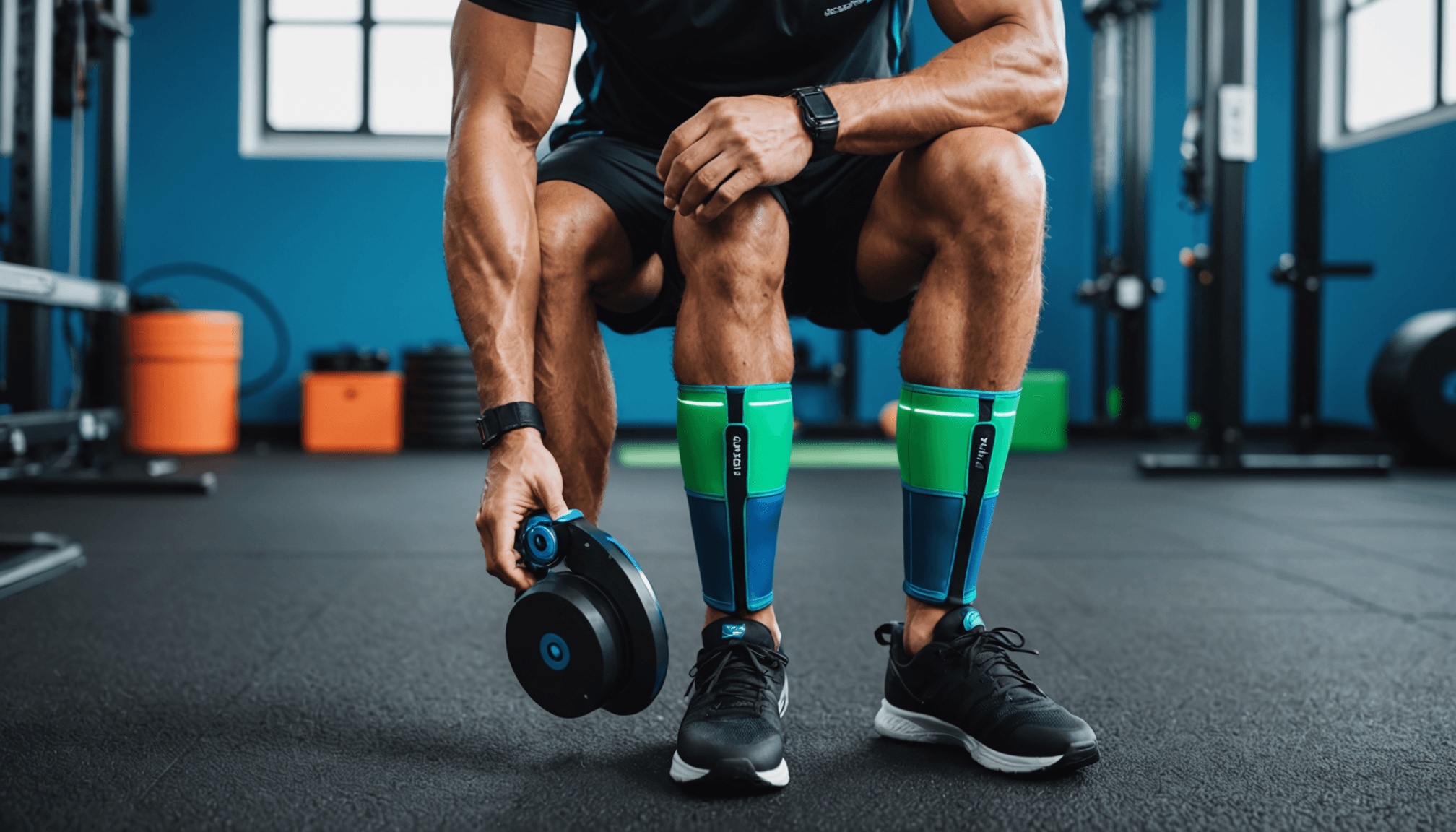 Case studies from various sports disciplines illustrate the profound impact that electrotherapy can have on athlete performance and recovery processes. For instance, consider a professional football team that integrated neuromuscular electrical stimulation (NMES) into their rehabilitation protocol. Following a particularly grueling game, a key player suffered a hamstring strain. The medical staff employed NMES daily to not only facilitate quicker muscle recovery but also to prevent muscle atrophy during the healing period. Remarkably, this player was able to return to training just a few days later, showing improved strength in the affected muscle group compared to previous injuries managed without such technology.
In another real-life application, a track and field athlete dealing with chronic knee pain utilized transcutaneous electrical nerve stimulation (TENS) as a part of her training regimen. By systematically applying TENS to the affected area before workouts, she noted a significant reduction in pain levels and an enhanced ability to perform without discomfort. This approach not only allowed her to train consistently but also contributed to her achieving personal bests in competitions.
Furthermore, a case study involving an Olympic swimmer highlighted the role of electrical muscle stimulation (EMS) during their active recovery sessions. After intense training cycles, the athlete used EMS devices to promote blood flow and muscle relaxation. This not only reduced perceived muscle soreness but also led to a remarkable decrease in recovery time between training sessions, enabling her to maintain a high level of performance throughout the competitive season.
These cases underscore how various electrotherapy techniques can be meticulously tailored to meet the unique needs of athletes. As practitioners continue to explore the applications of electrotherapy, they often find that strategic integration into training programs can lead to not only faster recovery times but also improved athletic output and a reduction in the likelihood of re-injury.
The growing body of evidence from these case studies invites athletes and coaches to rethink traditional recovery methods and explore the innovative possibilities offered by electrotherapy. Questions arise about how these techniques can be further optimized and personalized, leading to a thirst for knowledge about this evolving technology in the realm of sports.
- What is electrotherapy?
- Electrotherapy is a therapeutic method that uses electrical stimulation to promote healing, reduce pain, and improve muscle function. It’s widely utilized in sports medicine for recovery, pain management, and enhancing athletic performance.
- How does electrotherapy help in muscle recovery?
- By delivering electrical impulses to muscles, electrotherapy stimulates contractions that enhance blood circulation and facilitate recovery. This process helps to reduce muscle soreness and promotes quicker healing after exertion or injury.
- Can anyone use electrotherapy devices at home?
- While many electrotherapy devices are designed for home use, it’s essential to consult a healthcare professional before beginning treatment. They can guide the proper use and help tailor the application to individual needs.
- Are there any side effects associated with electrotherapy?
- Generally, electrotherapy is considered safe when used correctly. However, some individuals may experience mild skin irritation or muscle twitching. It’s crucial to follow usage instructions and consult a practitioner if any adverse effects occur.
- How does TENS work for pain management?
- Transcutaneous Electrical Nerve Stimulation (TENS) works by sending low-voltage electrical currents to the skin, which can help interrupt pain signals to the brain and stimulate endorphin release, providing pain relief for various conditions.
- What are the benefits of using NMES during rehabilitation?
- Neuromuscular Electrical Stimulation (NMES) helps to prevent muscle atrophy during periods of inactivity while promoting strength gains through simulated contractions. This technique is particularly valuable during rehabilitation from injuries.
- Is electrotherapy effective for preventing sports injuries?
- Yes, when integrated into warm-up routines or recovery sessions, electrotherapy can help prepare muscles for exertion and alleviate muscle tension, reducing the risk of injury. Athletes often find this preventive measure beneficial.
Safety considerations and contraindications
When considering the use of electrotherapy in athletes, it is vital to prioritize safety and be aware of potential contraindications. While electrotherapy provides numerous benefits, it is essential to recognize that it may not be suitable for everyone and can pose risks if misused. Therefore, athletes and practitioners should approach this modality with care and informed understanding.
Firstly, individuals with certain medical conditions should avoid electrotherapy. These include:
- Cardiac issues: Athletes with pacemakers or those who have previously experienced heart conditions should refrain from using electrotherapy, as electrical currents can interfere with normal heart function.
- Pregnancy: Pregnant women are generally advised against electrotherapy, especially in areas that may affect the uterus, as the effects on fetal development are not well understood.
- Epilepsy: Those with epilepsy should avoid electrotherapy, as it may provoke seizures in susceptible individuals due to the electrical stimulation of nerve fibers.
- Skin conditions: Broken skin or infections in the treatment area can be aggravated by electrical currents. Using electrotherapy on wounds or skin irritations can lead to further complications.
In addition to medical conditions, certain safety protocols must be followed to ensure that athletes use electrotherapy safely and effectively:
- Consultation: Before starting any electrotherapy treatment, athletes should consult with healthcare professionals, such as physical therapists or sports medicine specialists, to determine the appropriateness of this modality for their specific conditions.
- Device regulation: Athletes should only use devices that are FDA-approved and adhere to recommended guidelines for use. This includes following the manufacturer’s instructions regarding duration, intensity, and placement of electrodes.
- Proper training: Individuals administering electrotherapy should be adequately trained to ensure correct application and to monitor the patient’s response. Untrained users may administer incorrect dosages or fail to recognize adverse reactions.
- Frequency and duration: Electrotherapy should not be overused. Adhering to recommended treatment schedules is critical to prevent muscle fatigue, skin irritation, or more severe consequences like burns.
Athletes should also monitor their physiological reactions to electrotherapy closely. It’s crucial to stop the treatment immediately if unusual symptoms arise, such as persistent pain, dizziness, or skin irritation. Keeping an open line of communication with healthcare providers ensures that adjustments to treatment can be made as needed and that the electrotherapy remains a beneficial and safe part of their training and recovery strategy.
By being aware of these safety considerations and contraindications, athletes can harness the real-life applications of electrotherapy effectively, maximizing their benefits while minimizing risks. The combination of informed usage, professional guidance, and regular monitoring creates a foundation for successful integration of these advanced therapies into athletic training and rehabilitation programs.
Future trends in electrotherapy for athletic performance
As the field of electrotherapy continues to advance, several exciting trends are emerging that promise to revolutionize the way athletes approach their training and recovery. Innovations are leading to enhanced personalization of electrotherapy treatments, allowing athletes to fine-tune their therapy based on individual needs, preferences, and specific performance goals.
One significant trend is the integration of wearable technology that utilizes electrotherapy. These devices can monitor muscle activity, stress levels, and overall recovery metrics in real-time. For example, smart electrotherapy units can adjust their parameters automatically based on feedback from the athlete’s body, thus optimizing the treatment process. This level of customization ensures athletes can experience targeted relief, leading to more efficient recovery and improved performance outcomes.
Moreover, the rise of mobile applications has made electrotherapy more accessible. Athletes can now download apps that offer guided electrotherapy sessions, track their pain levels, and set reminders for treatment. This user-friendly approach not only encourages adherence to therapy plans but also empowers athletes by giving them greater control over their recovery process.
Virtual and augmented reality (VR/AR) technologies are also making their way into the realm of electrotherapy, particularly in sports rehabilitation. Research has shown that immersive VR experiences can enhance motivation and engagement during therapy sessions. For instance, athletes might use VR headsets to visualize their recovery goals while undergoing electrotherapy, making the experience more interactive and less monotonous.
Another promising development is the convergence of electrotherapy with other therapeutic modalities. Combining electrotherapy with techniques such as massage therapy, chiropractic care, and physical rehabilitation exercises can provide a holistic approach to athletic recovery. This integrative method may lead to a more comprehensive treatment strategy that addresses the multifaceted nature of sports injuries and performance enhancement.
Furthermore, ongoing research is likely to uncover deeper insights into the physiological mechanisms by which electrotherapy aids athletic performance. Understanding the specific biological responses can lead to even greater advancements, allowing for more targeted applications. This revival of focused research could position electrotherapy as a staple in sports medicine, transitioning from a supplementary technique to a primary mode of treatment.
In light of these trends, athletes are encouraged to stay informed about the latest electrotherapy devices and methods available. By actively exploring new technologies and integrating them into their training regimens, they stand to gain a competitive edge. Communication with healthcare professionals is paramount, as they can provide guidance on the most effective applications of these evolving therapies tailored to individual needs and performance aspirations.
As the landscape of electrotherapy evolves, athletes who embrace these upcoming trends will likely see substantial improvements not only in their recovery times but also in their overall athletic performance. With continued research and innovation, the realm of electrotherapy and its real-life applications in sports will only expand, leading to a new era of advanced recovery strategies.
For a personalized session and free consult, Call me: +1 334-300-0389.
Find out how ARPWave Therapy can enhance your performace as an athlete and how you can achieve drug-free pain relief.