


Electric stimulation for painful conditions: what to know
Electric stimulation for painful conditions: what to know

For a personalized session and free consult, Call me: +1 334-300-0389.
Find out how ARPWave Therapy can enhance your performace as an athlete and how you can achieve drug-free pain relief.
- Electric stimulation techniques
- Types of electric stimulation
- Mechanism of action
- Indications for use
- Benefits and risks
- Considering electric stimulation for pain management
Electric stimulation techniques encompass a variety of methods utilized to alleviate discomfort and facilitate recovery from painful conditions. This approach can be beneficial for both athletes recovering from injuries and individuals managing chronic pain. Understanding the different techniques available can enhance your experience and effectiveness of therapy.
One popular technique is Transcutaneous Electrical Nerve Stimulation (TENS). TENS units deliver low-voltage electrical currents through the skin, targeting specific nerves to interrupt pain signals sent to the brain. This method is particularly beneficial for conditions like arthritis or lower back pain. Here are some key tips when using TENS:
- Placement of Electrodes: Position the electrodes as directed, ensuring they cover the painful area without overlapping. A common placement for back pain is along the spine and over the muscles surrounding the painful area.
- Adjusting Settings: Start at a low intensity and gradually increase to find your comfort zone. TENS should provide a tingling sensation but should not be painful.
- Duration of Use: It’s generally safe to use TENS for 15-30 minutes several times a day. Monitor your body’s response and adjust frequency accordingly.
Another effective method is Electrical Muscle Stimulation (EMS), designed to stimulate muscle contractions to improve strength and circulation. This technique is often used for rehabilitation purposes after surgery or injury. When utilizing EMS, consider these pointers:
- Warm-Up Priority: Always warm up your muscles before EMS use to prevent injury. You can do light stretching or brief aerobic activity to enhance circulation.
- Settings Optimization: Select settings that gradually progress as your muscle endurance improves. For recovery, focus on lower frequencies; for building muscle strength, switch to higher frequencies.
- Safety First: Avoid using EMS near the heart, over the neck, or on areas with reduced sensation.
For those seeking therapy at home, portable devices can be an excellent option. Make sure to select a device with customizable settings to cater to your specific needs. Additionally, consult with a healthcare professional to determine the most appropriate technique for your condition, ensuring that safety and personal health are prioritized.
Lastly, consider integrating electric stimulation techniques with other therapeutic modalities such as massage therapy. The combination can enhance relaxation and further diminish tension, leading to greater overall effectiveness in managing painful conditions.
Types of electric stimulation
Electric stimulation encompasses various techniques that cater to different needs and conditions. Understanding the distinction among these techniques is essential for effective pain management.
One of the primary types is Transcutaneous Electrical Nerve Stimulation (TENS), which utilizes low-voltage electrical currents that specifically target nerve pathways. TENS is effective for managing several painful conditions, including neuropathy, arthritis, and migraines. The stimulation interrupts the pain signal before it reaches the brain, often leading to immediate relief. These units are typically portable and can be used at home, making them accessible for daily use.
Another commonly used method is Electrical Muscle Stimulation (EMS). Contrasted with TENS, EMS induces muscle contractions using electrical impulses, which helps improve muscle strength and overall circulation. This method is particularly beneficial in rehabilitative settings following surgeries or injuries. EMS can speed up recovery, enhance muscle tone, and prevent muscle atrophy in individuals with limited mobility.
Interferential Current Therapy (IFC) is another electric stimulation technique that combines two or more medium frequency electrical currents. The interference creates a deeper penetration into tissues without causing discomfort. This method is particularly useful for treating more profound aches and pains, as well as improving local blood flow and promoting healing in soft tissues.
Functional Electrical Stimulation (FES) is a specialized type of EMS that specifically targets the reeducation of muscles to restore function in individuals who have experienced strokes or other neurological impairments. FES helps stimulate nerves that control muscles, enabling movements that may have been lost due to injury or illness.
To provide a clearer understanding of these methodologies, the following table highlights their differences:
| Technique | Primary Function | Typical Use Cases |
|---|---|---|
| TENS | Pain relief through nerve stimulation | Arthritis, lower back pain, migraines |
| EMS | Muscle contraction for strength and circulation | Post-surgical recovery, muscle toning |
| IFC | Deep tissue pain relief via interference | Chronic pain, deep muscle spasms |
| FES | Restore muscle function and control | Neurological disorders, stroke recovery |
Each of these electric stimulation methods has unique attributes, making certain techniques better suited for specific conditions. Therefore, selecting the appropriate type involves understanding both the nature of the painful conditions being treated and the goals of the treatment. Always consult with a healthcare professional to identify the most effective electric stimulation technique for individual needs, ensuring that safety and personal health considerations are duly prioritized.
Mechanism of action
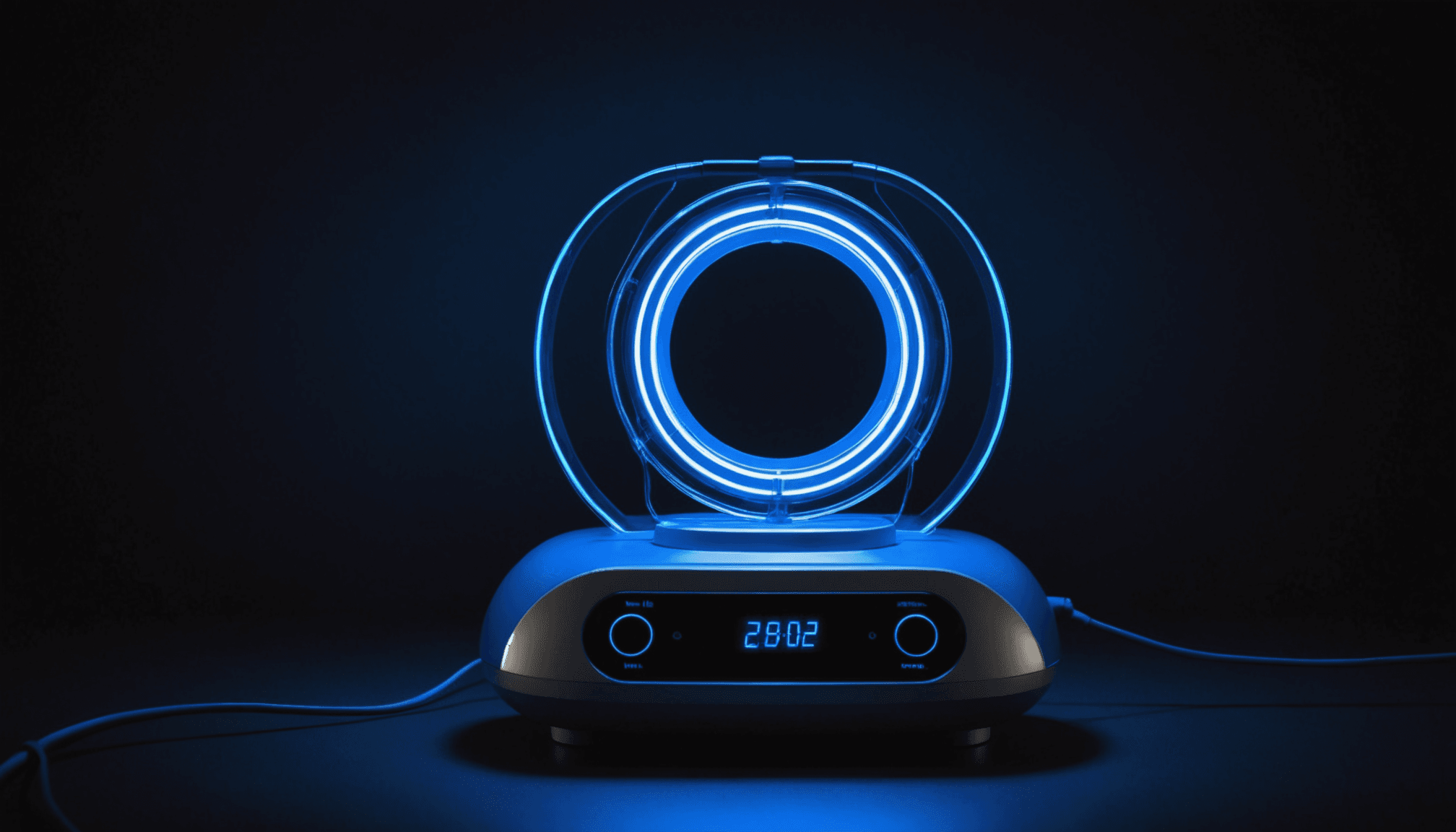
The mechanism by which electric stimulation alleviates pain is multi-faceted and involves several physiological processes. When electric stimulation is applied to the skin, it activates peripheral nerves, which leads to the interruption of pain signals traveling to the brain. This process can occur through different pathways, including the activation of the body’s natural pain relief mechanisms.
One fundamental aspect is the gate control theory of pain, which posits that non-painful input (in this case, the electrical impulses) can close off pathways to painful input in the spinal cord. By stimulating non-nociceptive (non-pain) nerve fibers, electric stimulation may inhibit the transmission of pain signals, effectively reducing the perception of pain. This can be particularly useful for individuals suffering from chronic pain or acute injuries, as it provides immediate relief without the use of pharmaceuticals.
Moreover, electric stimulation promotes the release of endorphins, the body’s natural painkillers. Endorphins bind to the opioid receptors in the brain, diminishing the perception of pain and promoting a sense of well-being. This dual action—interruption of pain signals and enhanced production of endorphins—creates a powerful analgesic effect that can significantly improve the quality of life for those with painful conditions.
In addition to pain relief, electric stimulation can lead to other beneficial changes in the body. For instance, it improves blood circulation in the stimulated areas. Enhanced blood flow helps in delivering essential nutrients to tissues and promotes faster healing by reducing inflammation and muscle tension. In the long-term, this mechanism can aid in the recovery from injuries and the management of chronic pain syndromes.
Understanding these underlying mechanisms can guide individuals in making informed decisions about incorporating electric stimulation into their pain management strategies. Always seek guidance from healthcare professionals to tailor the use of electric stimulation techniques to individual needs, ensuring both effectiveness and safety in managing uncomfortable conditions.
Indications for use
Electric stimulation has shown promise in addressing various painful conditions, and it is important to recognize the specific situations where it may be indicated. Healthcare providers often recommend electric stimulation for conditions involving neuropathic pain, muscle spasms, and chronic discomfort.
Patients suffering from conditions like fibromyalgia or diabetic neuropathy can benefit significantly from electric stimulation therapies such as TENS or IFC. These techniques can improve pain control and enhance quality of life by reducing the sensations of pain that often accompany these disorders. For instance, TENS may focus on alleviating nerve-related pain by disrupting pain pathways before they reach the brain, enabling patients to experience relief during their daily activities.
Electrical muscle stimulation (EMS) can also be indicated for patients recovering from surgeries or injuries. By promoting blood circulation and stimulating muscle contractions, EMS aids in muscle rehabilitation, allowing for a faster return to regular function. This is particularly crucial in cases where muscle atrophy may occur due to prolonged immobilization or inactivity.
In addition, the use of electric stimulation is beneficial for sports injuries, where pain control and muscle recovery are vital to the rehabilitation process. Athletes often turn to these methods to manage pain and promote healing, enabling them to return to their activities in an efficiently timed manner.
“Electric stimulation can act as a complementary strategy in pain management, especially when conventional therapies fail to provide adequate relief.”
Furthermore, electric stimulation can be effective for patients experiencing post-operative pain. By integrating electric stimulation into the pain management protocol following surgery, healthcare providers may reduce the reliance on opioid medications, which can have significant side effects and addiction potential.
It’s essential for individuals to consult with healthcare professionals to determine the appropriateness of electric stimulation for their specific condition and to ensure optimal treatment protocols are followed. Tailoring the use of these techniques to individual needs plays a critical role in their effectiveness in managing painful conditions.
Benefits and risks
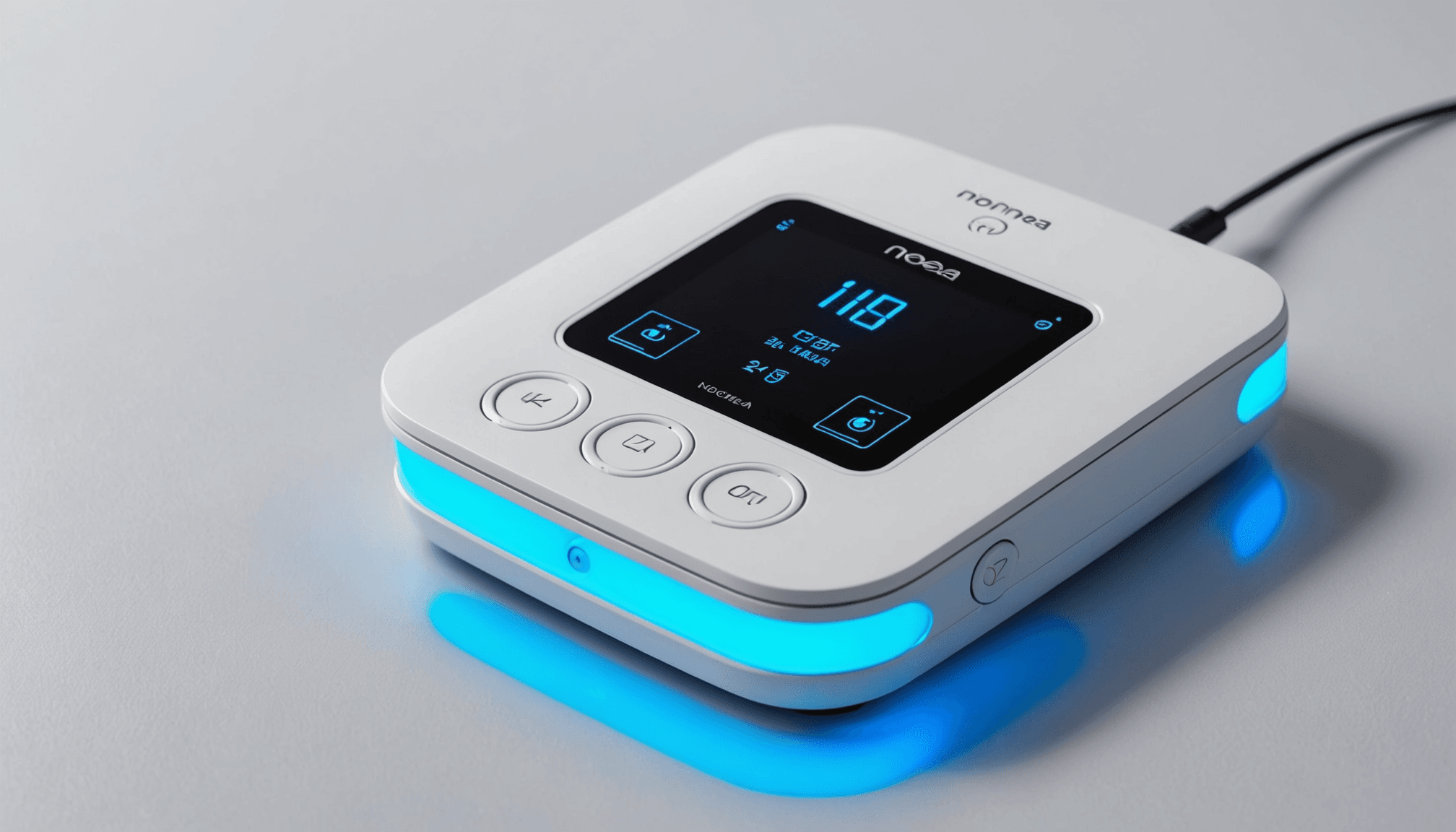 Electric stimulation techniques can provide numerous benefits for individuals dealing with chronic pain, muscle dysfunction, and a variety of other painful conditions. Firstly, they can significantly reduce pain perception, allowing individuals to enjoy greater mobility and a higher quality of life. Various studies have shown that by activating nerve pathways, electric stimulation can effectively interrupt pain signals, leading to a reduction in discomfort during both daily activities and periods of rest. This immediate effect can be particularly beneficial for those experiencing acute pain flare-ups.
Beyond pain relief, electric stimulation also contributes to muscle strengthening and rehabilitation. For athletes and individuals recovering from surgery, these techniques enhance muscle conditioning and promote faster recovery by improving blood circulation. Enhanced circulation delivers essential nutrients to tissues, fostering the healing processes that are vital after an injury.
However, it’s important to consider potential risks. While most individuals tolerate electric stimulation well, some may experience skin irritation at electrode sites or muscle soreness after treatment. Pre-existing conditions, such as heart conditions or pregnancy, may also restrict the use of certain electric stimulation techniques. Therefore, it is crucial to consult with a healthcare provider before beginning any electric stimulation therapy, ensuring that it fits within a personalized pain management plan.
Ultimately, understanding the benefits and risks associated with electric stimulation empowers individuals to make informed choices about their treatment options. The potential advantages of pain relief, improved muscle strength, and enhanced recovery can be compelling, igniting curiosity about how these techniques can serve as crucial tools in pain management strategies.
- What is electric stimulation?
- Electric stimulation is a therapeutic technique that uses electrical impulses to alleviate pain, improve muscle function, and promote healing. It’s often applied through devices like TENS or EMS to target specific nerves or muscle groups.
- How does electric stimulation relieve pain?
- Electric stimulation works by interrupting pain signals traveling to the brain and promoting the release of endorphins, the body’s natural pain relief chemicals. This dual effect can diminish the perception of pain effectively.
- Who can benefit from electric stimulation?
- Individuals suffering from chronic pain, sports injuries, post-operative discomfort, or muscle dysfunction may find relief through electric stimulation. It’s suitable for a wide range of conditions but should be tailored to individual needs.
- Are there any risks associated with electric stimulation?
- While generally safe, electric stimulation may cause skin irritation or muscle soreness. Individuals with certain medical conditions, particularly heart issues, should consult a healthcare provider before using these techniques.
- How long does a typical electric stimulation session last?
- Sessions can typically last between 15 to 30 minutes, depending on the method employed and individual comfort levels. It’s advised to follow the guidelines provided by healthcare professionals or device manufacturers.
- Can I use electric stimulation at home?
- Yes, there are portable electric stimulation devices available for home use. However, it’s essential to have proper guidance and a clear understanding of settings and techniques to ensure safety and effectiveness.
- How often should I use electric stimulation for pain relief?
- The frequency of electric stimulation use can vary based on individual conditions and treatment goals. Generally, it can be used several times a day, but consultation with a healthcare provider is recommended for personalized advice.
Considering electric stimulation for pain management
When considering electric stimulation for pain management, it is essential to explore how these therapies can fit into your broader wellness regimen. Many individuals seeking relief from painful conditions may wonder about the integration of electric stimulation techniques into their lives, whether utilized at home or under professional supervision.
Firstly, if you decide to incorporate electric stimulation, it is advisable to start with proper education regarding the device and its use. This knowledge will ensure that you operate the equipment safely and effectively. Here are some practical tips to enhance your experience:
- Consult Professionals: Before starting any electric stimulation therapy, consult a healthcare provider or a licensed massage therapist. They can provide insights tailored to your specific condition and create a personalized treatment plan.
- Choose the Right Device: When selecting a home device, consider your needs. TENS units may suit those focusing primarily on pain relief, while EMS devices can benefit individuals interested in muscle strengthening or rehabilitation.
- Familiarize Yourself with Settings: Read the user manual thoroughly. Understanding the different settings, modes, and how to adjust them will allow you to customize your treatment and maximize benefits.
- Monitor Your Response: Pay attention to how your body reacts to electric stimulation. If you experience any adverse effects such as irritation or increased pain, discontinue use and consult a healthcare professional.
Additionally, timing and frequency play a significant role in the effectiveness of electric stimulation. Aim for multiple short sessions throughout the day rather than one long session. This approach can lead to sustained pain relief and minimize discomfort. A typical duration of 15-30 minutes is recommended, but adjust based on your comfort level and consult your practitioner for personalized advice.
Furthermore, integrating other complementary therapies can enhance the efficacy of electric stimulation. Massage therapy, for example, can be a superb adjunct treatment. Combining electric stimulation with massage can facilitate muscle relaxation, increase circulation, and further interrupt persistent pain cycles. Engage with a certified massage therapist familiar with electric stimulation to optimize this integrative approach.
It is also beneficial to keep track of your treatment outcomes. Maintaining a pain journal can help you document changes in your pain levels, identifying what works best for you over time. This data can serve as a critical communication tool with your healthcare provider to tailor and adjust your pain management strategies effectively.
As you embark on this journey, always remember that individual responses to electric stimulation can vary. Personalizing your treatment plan based on your experiences, preferences, and any underlying health conditions is key to achieving the best outcomes in managing your painful conditions.
For a personalized session and free consult, Call me: +1 334-300-0389.
Find out how ARPWave Therapy can enhance your performace as an athlete and how you can achieve drug-free pain relief.